
Airline points can feel harder to use when flights are full, and prices climb fast. During busy travel times, planning ahead and staying flexible can make a real difference in how far your points go. These tips focus on timing, route choices, and small adjustments that help stretch points when demand is high.
Using points during peak season does not have to feel frustrating or confusing. With these tips, travelers can spot better redemption options and avoid common mistakes that waste rewards. Keep reading to learn how to book smarter, save points, and make busy travel periods work in your favor.

Book As Early As Possible

During peak season, waiting even a few days can mean losing access to the best award seats. Airlines typically release a limited number of low-cost redemptions months in advance, and these are the first to disappear when demand rises. Booking early gives you a better chance at securing nonstop routes, preferred times, and lower point costs before prices surge. Many experienced travelers start checking availability 9 to 12 months out, especially for holidays or summer travel. Locking in flights early also helps you plan hotels and activities with less stress. In peak periods, early booking isn’t simply helpful—it’s often the difference between getting reasonable award rates and paying far more points than expected.
Be Flexible With Travel Dates

Flexibility is one of the most powerful tools when trying to redeem points during the busiest months. Award prices fluctuate depending on demand, and shifting your departure or return by even one or two days can dramatically lower the number of points required. Midweek flights tend to have more availability than Fridays, Sundays, or holiday eves. Many booking calendars show a monthly view that highlights cheaper redemption dates, making it easier to scan options quickly. Travelers who can extend trips slightly or adjust plans by a day often unlock far better award rates. Flexibility also increases your chances of finding routes with better flight times and fewer connections.
Search Alternate Airports

Checking nearby airports can open options you won’t find with your main departure or arrival city. During peak season, large hubs often sell out first, while smaller or secondary airports may still have award seats at reasonable point values. For example, flying into Oakland instead of San Francisco, or Baltimore instead of Washington, can reveal savings. The same applies to departures; driving an extra hour can give you access to more airlines and routing possibilities. Many award search tools allow multi-airport searches, which helps you compare availability quickly. Considering alternate airports gives you a wider view of the award market, increasing your chances of securing seats without overspending points.
Mix Cash and Points

The cash-and-points option can be especially helpful when peak season raises award prices beyond what feels reasonable. Instead of spending all your points on a high-value redemption, you can split the cost to preserve some of your balance for future travel. This approach is useful when award prices jump significantly but cash fares remain somewhat manageable. It also ensures you’re still saving money without depleting your entire point stash. Some programs allow customizable splits, letting you choose how many points to redeem. This flexibility helps stretch your rewards over multiple trips and reduces frustration during tight travel windows when point redemptions feel inflated compared to off-peak seasons.
Use Airline Partners
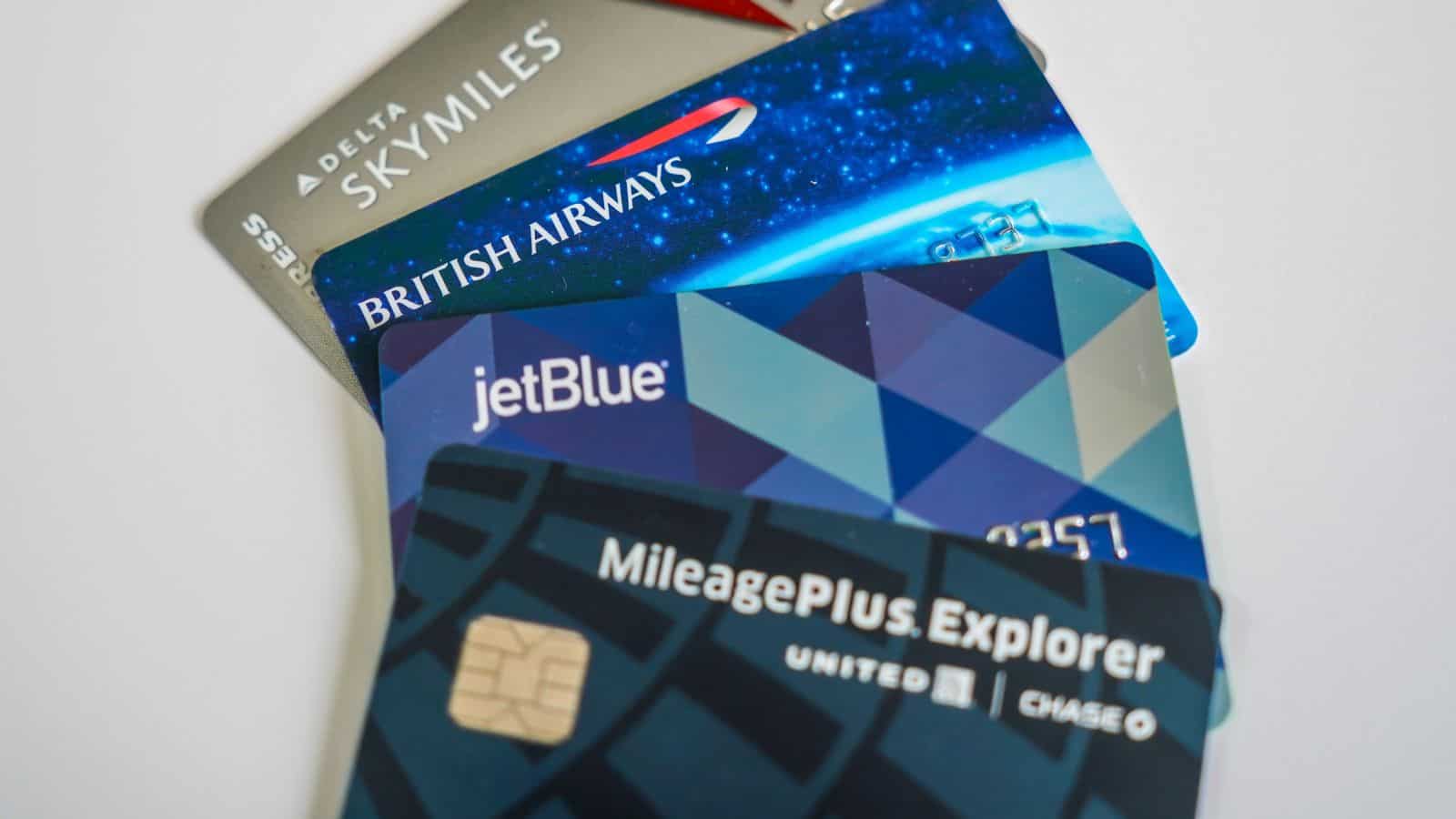
Airline alliances and partner carriers can unlock award seats you won’t find through your primary airline alone. During peak travel months, your preferred carrier may show limited or overpriced redemptions, but partner airlines could still have availability at standard rates. Booking through alliances like Oneworld, Star Alliance, or SkyTeam expands your options for routes, schedules, and point values. Sometimes partner flights also avoid the heavier fees or surcharges attached to certain carriers. Checking partner availability is especially useful for international travel, where multiple airlines serve the same routes. Exploring these networks can help you secure award seats that would otherwise appear sold out or far too expensive.
Try Booking One-Way Segments

Booking one-way award tickets gives you more flexibility during peak season, when round-trip availability can be scarce or unevenly priced. Instead of searching for matching outbound and return flights on the same airline, you can piece together your trip using whatever seats are available across different dates or carriers. One-way searches often reveal hidden opportunities—such as a low-cost outbound on one airline and a partner redemption on the way home. This approach also lets you mix cabins, airports, or alliances to build an itinerary that fits your schedule and points balance. It requires a bit more planning, but the increased options make it far easier to secure flights during high-demand periods.
Want to save this?
Check for Off-Peak Times of Day

Even during the busiest travel seasons, not all flights fill evenly. Very early morning departures and late-night red-eyes often have more award seat availability because they’re less popular with most travelers. Award prices on these flights can be significantly lower, helping you save thousands of points while still reaching your destination on your preferred travel date. Airlines also tend to release last-minute award seats on off-peak flights when they anticipate lower load factors. If you’re willing to adjust your sleep schedule or travel at unconventional hours, these flights can offer better value and more reliability when peak-season demand reduces availability on mid-day departures.
Set Fare Alerts for Award Availability

Award availability changes constantly, especially as airlines adjust inventory or other travelers cancel their bookings. Fare alerts allow you to track these changes without manually refreshing searches every day. Apps and airline tools can notify you when award seats open for your desired route, cabin, or date range. This strategy is particularly effective during peak season, when high demand can make award seats appear and disappear quickly. Being the first to know about new availability gives you a better chance of booking before others grab the seats. Alerts reduce the stress of constant checking and help you catch opportunities that might stay hidden otherwise.
Consider Premium Economy or Business Class Deals
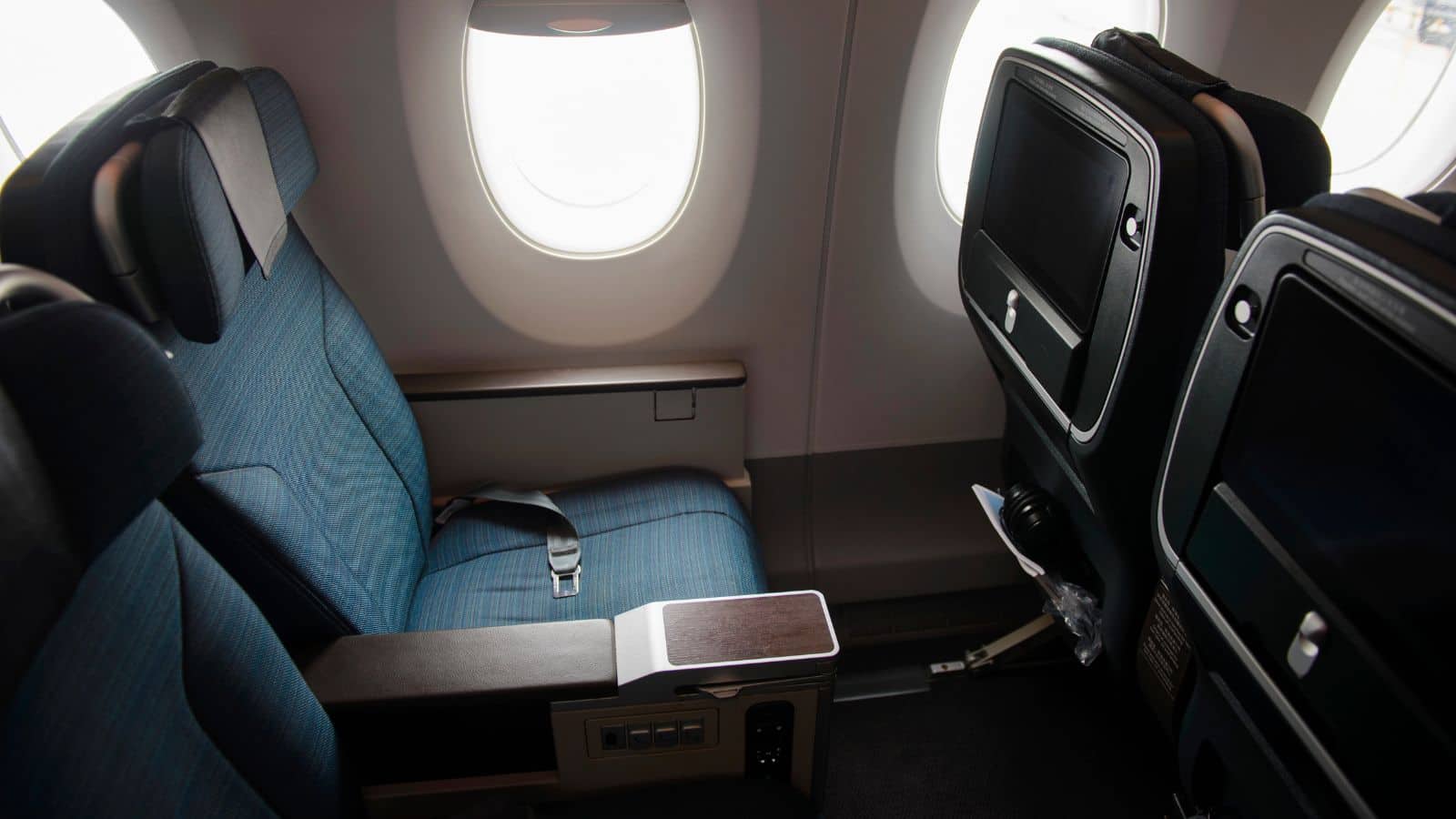
During peak travel months, lower cabins often sell out first, leaving surprisingly good award availability in premium cabins. The point difference between economy and premium economy—or even business class—can sometimes be smaller than expected during busy seasons. This makes upgrading your travel experience more attainable without drastically increasing your point spend. Airlines also release more premium seats to partners or loyalty members when demand for higher-class fares dips. Checking these cabins expands your options and reduces frustration when economy awards are unavailable. Even if you typically redeem points sparingly, peak season may be the best time to consider booking a higher cabin for better comfort and value.
Use Points for Upgrades Instead of Full Tickets
If award tickets are priced high in peak season, using points to upgrade a paid fare can stretch your rewards further. Purchasing a reasonably priced economy ticket and upgrading to premium economy or business class often requires fewer points than booking a full award seat. This approach helps you maintain flexibility with dates while still improving your travel experience. It’s especially useful on long flights where comfort makes a noticeable difference. Many airlines also release more upgrade inventory than full award seats during busy months. Upgrading allows you to secure a flight even when award availability is tight, giving you control without draining your entire point balance.
11 Travel Habits That Help Protect Your Credit Cards From Theft

Traveling opens up a world of new experiences, but it also presents certain risks, especially when it comes to credit card theft. With the rise of digital transactions, traveling abroad with credit cards has become more convenient, but it also exposes travelers to potential threats. There are certain travel habits that, if followed, can minimize the risk of fraud and theft, ensuring your money stays safe while you enjoy your journey.
Read More Here: 11 Travel Habits That Help Protect Your Credit Cards From Theft
15 Surprise Expenses That Make Your Cruise Cost Twice as Much as Expected

Take note of this stuff if you're planning to go on a cruise! Planning a cruise can be exciting, but there are 15 surprise expenses that make your cruise cost twice as much as expected. Many travelers focus on the initial cost of the trip, often overlooking the additional fees that can quickly add up. From dining options to onboard activities, these unexpected costs can turn a budget-friendly vacation into a financial headache.
Read More Here: 15 Surprise Expenses That Make Your Cruise Cost Twice as Much as Expected




Leave a Reply