
Traveling to countries with corruption doesn’t always mean an unsafe trip. While corruption exists in various forms across the globe, it doesn't necessarily translate to danger for tourists. Many of these destinations offer vibrant cultures, rich history, and stunning landscapes, where travelers can enjoy a fulfilling experience with relative safety. Governments and local authorities in these nations often prioritize the tourism sector, ensuring that visitors can explore without significant risks, even amidst political or economic challenges.
Here are ten nations where corruption may be present, but travel remains largely risk-free. With the right precautions and an awareness of local customs, visitors can enjoy their adventures without encountering issues. From exotic beach destinations to bustling cities and historical landmarks, these countries show that political and administrative issues don't always impact tourists' safety and enjoyment. Before heading to these places, stay informed and travel smart for a worry-free trip.

Vietnam

Vietnam has made steady progress in addressing corruption, particularly in urban governance and public service delivery, yet issues still exist. Despite these concerns, travelers typically experience smooth and safe visits. From Hanoi to Ho Chi Minh City, visitors enjoy reliable infrastructure, accessible tourist services, and welcoming communities. The most common challenges are minor scams or inflated prices, which are easily avoided with local awareness or guided help. Law enforcement in tourist zones is generally responsive, and violent crime against foreigners is rare. With proper precautions, Vietnam remains a favorite for solo travelers, backpackers, and cultural enthusiasts alike.
Georgia

Georgia is widely praised for its commitment to reform, though traces of corruption still persist in public procurement and judicial matters. For travelers, however, Georgia feels safe, efficient, and hospitable. Tbilisi, Batumi, and the mountainous Svaneti region are well-connected and supported by guesthouses and small businesses that rely heavily on tourism. Most visitors are impressed by the low risk of theft or assault, and by how easy it is to navigate cities or remote towns using English or Russian. Public transport, police assistance, and visa procedures are reliable, helping make Georgia a top pick in the Caucasus.
Colombia

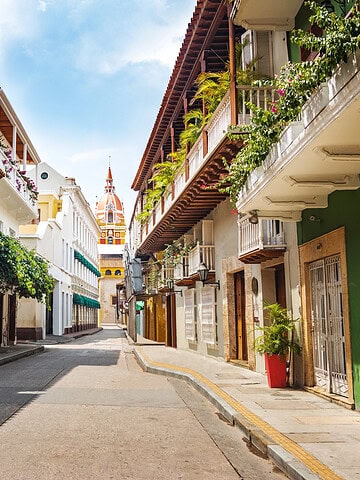
Colombia continues to tackle corruption at many levels of government, but tourism remains largely unaffected in well-known areas. Cities like Medellín, Bogotá, and Cartagena offer vibrant travel scenes with upgraded public transport, bustling markets, and well-guarded attractions. While isolated rural zones may pose risks due to organized crime, most tourist paths are secure with visible police presence and helpful locals. Digital nomads and long-term travelers often praise Colombia’s friendliness and affordable lifestyle. Staying in recommended neighborhoods, avoiding flashy displays of wealth, and using trusted taxis or apps all contribute to safe and memorable travel throughout the country.
Ukraine

Ukraine has faced long-standing issues with corruption, particularly in politics and law enforcement, but travelers often describe the experience as overwhelmingly positive. In major cities like Kyiv, Lviv, and Odesa, infrastructure has improved, and tourism-focused services operate smoothly. Even during times of instability, urban centers have made safety a priority for international guests. Common issues might include bribery in vehicle-related matters or border delays, but most tourists avoid these entirely by sticking to public transit and centrally located accommodations. Street crime is low, and Ukrainian hospitality stands out as a highlight for visitors looking for off-the-beaten-path travel.
India

Corruption can be visible in parts of India, from bureaucratic delays to small bribes for expediting permits or access. Still, millions of travelers safely explore India’s cities, towns, and heritage sites each year without incident. Well-developed tourism infrastructure in places like Kerala, Rajasthan, and Goa helps shield visitors from behind-the-scenes issues. While scams or overcharging can occur near transportation hubs or popular monuments, most are avoidable with basic research or local guides. Street safety in tourist-heavy areas is generally good, with strong community engagement and police presence. For those prepared for contrasts, India offers rich, immersive experiences.
Mexico

Mexico struggles with systemic corruption, particularly involving local authorities and law enforcement in some areas. Yet its major tourist destinations—like Mexico City, Oaxaca, Cancún, and Mérida—maintain strong safety records for visitors. Tourism is a key economic sector, and services are structured to accommodate international guests. Minor scams, such as inflated taxi fares or unofficial tour guides, are more common than violent incidents. Travelers who use hotel-recommended services and avoid risky neighborhoods typically encounter no serious problems. With vibrant food markets, UNESCO-listed cities, and accessible transport, Mexico continues to be a favorite for travelers from North America and beyond.
Want to save this?
Philippines

Corruption exists in government contracting and local bureaucracies, but tourist areas in the Philippines are generally safe and welcoming. From the beaches of Palawan and Siargao to the mountain provinces of Luzon, travelers report friendly locals, affordable accommodations, and peaceful surroundings. Airport officials, resort staff, and tourism police are trained to assist foreigners, and most travelers navigate the country without issue. Petty crimes like pickpocketing occur in crowded cities, but violent crime targeting tourists is rare. Using registered taxis, avoiding flashy items, and staying aware in urban areas go a long way in making travel here relaxed and memorable.
Indonesia

Indonesia continues to address corruption in both regional and national systems, but tourism hot spots like Bali, Yogyakarta, and Lombok remain secure and inviting. While some travelers encounter minor bribery—especially in traffic situations—these are infrequent and avoidable by using licensed services. Most visitor interactions are centered around guesthouses, transport operators, and tourism guides who are used to foreign expectations. Natural disasters and traffic congestion present more challenges than corruption does. Respecting local customs, steering clear of questionable tours, and keeping documentation in order helps reduce stress. Indonesia’s landscapes and cultural heritage remain a strong draw despite governance issues.
Turkey

Turkey deals with bureaucratic inefficiencies and corruption at higher levels, but daily travel for tourists is relatively hassle-free. Istanbul, Cappadocia, and the Aegean coast remain key destinations with infrastructure designed to accommodate international visitors. Tourist police are accessible in busy areas, and many locals speak English, especially in service roles. Occasional issues include inflated pricing or pushy vendors, but violent incidents are rare in tourist zones. Travelers can avoid most discomfort by using formal booking systems, being cautious with money exchanges, and staying in well-reviewed lodging. With historical sites and a vibrant street scene, Turkey draws a global crowd year-round.
Brazil

Brazil’s issues with corruption extend into law enforcement and infrastructure, but cities like Rio de Janeiro, São Paulo, and Salvador still attract tourists in large numbers. Travelers often enjoy safe, vibrant trips when they stick to well-known neighborhoods and book tours with trusted providers. Public beaches and transport systems are areas where petty theft can occur, so it's important to stay alert and use anti-theft gear. Despite headlines, most visits are free of serious problems, and tourism operators make strong efforts to support foreign guests. Avoiding protests or risky zones is wise, but Brazil still ranks high for cultural events and natural attractions.
Clear Paths, Clouded Politics

While corruption may linger behind the scenes, these ten nations show that safety and hospitality can still thrive. From efficient public transport to welcoming locals and low crime rates, they offer smooth experiences for travelers who stay aware and respectful. Political undercurrents don’t always ripple into the daily lives of tourists, especially those who tread thoughtfully. So go ahead, pack your bags and explore with confidence. Just remember: a little local knowledge and common sense go a long way, no matter where you land. Safe travels, smart choices, and unforgettable stories await.
Top 10 Shockingly Cheap Countries To Live In

Want to travel internationally without breaking the bank? Living abroad doesn’t have to cost a fortune. In fact, some countries are so affordable that you might find yourself living better for less. Whether you’re dreaming of vibrant cities, laid-back beach towns, or scenic mountain retreats, there are places where life can be great without blowing through your budget.
Read More Here: Top 10 Shockingly Cheap Countries To Live In
10 Reasons Americans Are Trading US Life for Better Deals Abroad

Will these give you insight as you plan your life ahead? Many Americans are trading US life for better deals abroad, and there are 10 reasons driving this trend. Rising costs of living, healthcare expenses, and the desire for a better work-life balance are compelling individuals to seek opportunities in other countries. As living conditions and financial situations evolve, more people are exploring options that offer greater value for their money.
Read More Here: 10 Reasons Americans Are Trading US Life for Better Deals Abroad



Leave a Reply