Traveling during the fall has a certain charm: fewer crowds, better scenery, and that sense of slowing down. But even with all those perks, it’s not always smooth sailing. The season has its quirks, and if you’re not ready for them, small hiccups can turn into bigger hassles. In fact, there are 10 mistakes travelers make during the fall that you should avoid.
The good news is that most of the challenges are easy to sidestep with a little planning and awareness. Think of it less like a list of rules and more like a heads-up from someone who’s been through it before. Whether you’re heading to the mountains, the coast, or a small town with a great view, knowing what to expect makes the trip easier, smoother, and a lot more fun.

Packing Bulky Clothes Only

A common packing mistake in fall is filling a suitcase with oversized sweaters, heavy coats, and thick pants. While these items may keep you warm, they take up too much space and limit flexibility. Many travelers end up frustrated when their luggage becomes difficult to manage or when they realize they lack lighter pieces for mild afternoons. Instead, layering is the smarter strategy. Lightweight shirts, versatile cardigans, and a compact jacket can be mixed and matched for changing temperatures. This approach not only saves space but also makes it easier to adapt to shifting conditions.
Missing Out on Scenic Drives
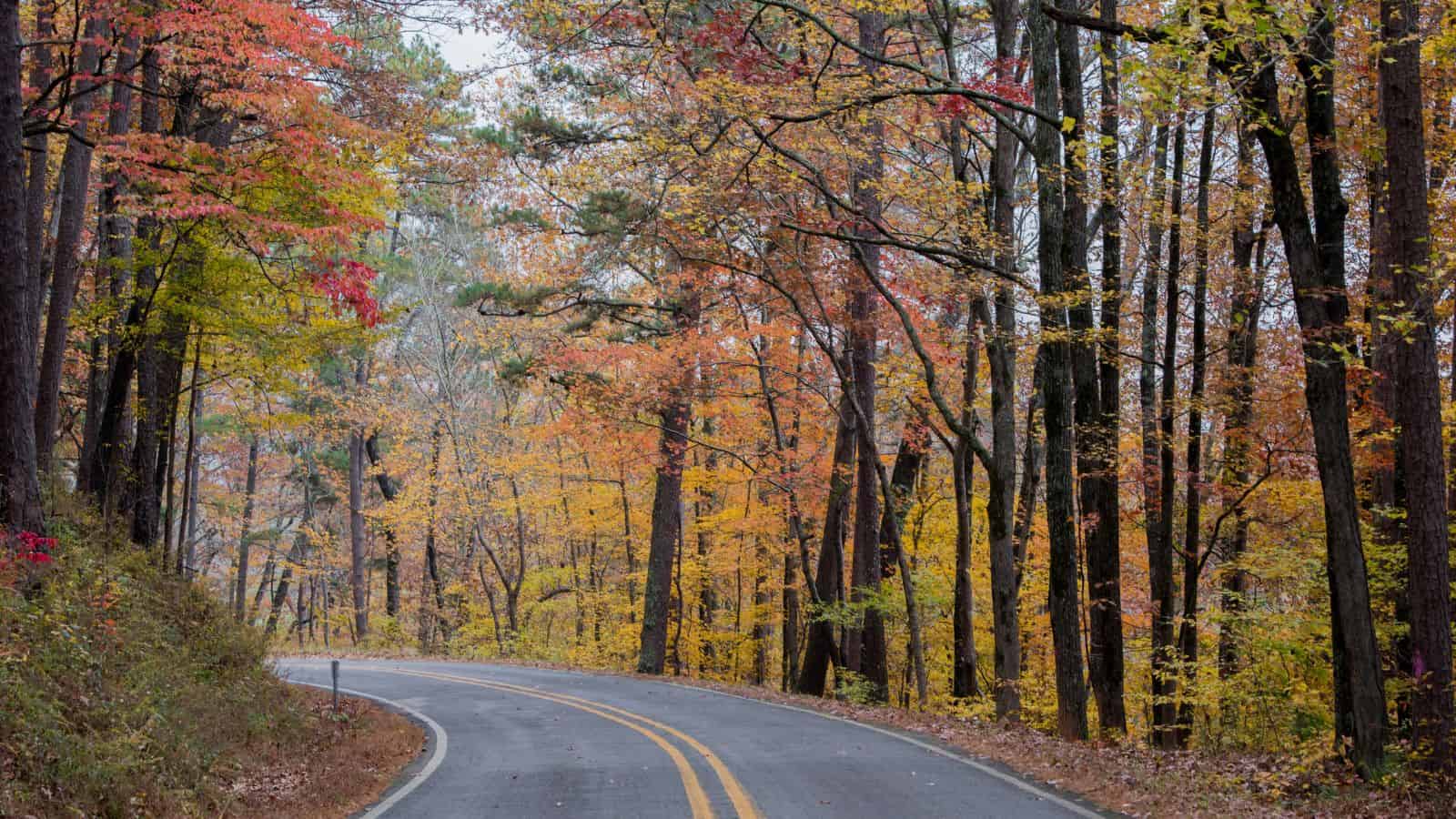
Road trips during this season can be breathtaking, with landscapes painted in vibrant colors and countryside routes at their most beautiful. Many travelers, however, stick only to cities or main attractions, overlooking the chance to explore rural areas by car. Public transportation may not reach the most picturesque regions, meaning some of the best views are missed entirely. Renting a vehicle and mapping out scenic byways allows for a slower pace and spontaneous stops at viewpoints, farms, or small villages. Adding even a short drive to an itinerary can transform a trip into a truly memorable experience.
Ignoring Local Festivals and Events

Autumn is rich with cultural celebrations, harvest gatherings, and regional traditions that can add great depth to a trip. Unfortunately, many travelers overlook checking event calendars before they go. Missing these occasions means missing opportunities to experience authentic aspects of local life, from seasonal markets to music and craft fairs. These events often highlight traditions that are only available for a short time each year. By researching ahead, travelers can align their itineraries with festivals that bring communities together in meaningful ways, creating memories that go far beyond standard sightseeing or popular tourist attractions.
Not Planning for Fall Allergies

Seasonal allergies don’t disappear with summer, and travelers often forget that ragweed, mold, and leaf debris can trigger uncomfortable symptoms. Sneezing, itchy eyes, or congestion can interfere with sightseeing and make a trip less enjoyable. Many overlook packing antihistamines or nasal sprays, assuming they won’t need them outside of spring. In reality, autumn can be just as challenging for sensitive individuals. Preparing ahead by bringing medication and checking pollen forecasts can help keep symptoms under control. With proper planning, travelers can focus on exploring new places instead of being distracted by allergy flare-ups during their getaway.
Forgetting Rain Gear

Autumn often brings rain showers, damp mornings, and unexpected storms, yet many travelers fail to prepare for wet conditions. Without proper gear, sightseeing can quickly become uncomfortable, and plans may be cut short. A simple umbrella, a packable raincoat, or waterproof shoes can make a huge difference, allowing travelers to continue exploring without worry. Many destinations in the fall are at their most beautiful right after a rainfall, when colors appear more vibrant. Being prepared for rain means you won’t have to retreat indoors at the first sign of drizzle, making your trip more flexible and enjoyable.
Not Booking in Advance

Want to save this?
Fall is a popular time for travel, especially in destinations known for foliage, wine harvests, or seasonal events. Many travelers mistakenly assume that crowds thin out after summer, but in reality, accommodations and tours can fill quickly. Waiting until the last minute often results in higher rates or limited choices, particularly in smaller towns where lodging options are fewer. Planning ahead not only secures better prices but also guarantees access to attractions that may require reservations. By booking early, travelers can relax knowing their schedules are set, leaving more time to focus on enjoying the trip.
Not Considering Shorter Daylight Hours

Days grow noticeably shorter in this season, which can affect how much sightseeing or outdoor activity fits into a schedule. Travelers often forget to factor in earlier sunsets and end up rushing through attractions or missing scenic views altogether. This can be especially frustrating in destinations where natural landscapes or outdoor excursions are the main draw. Planning activities earlier in the day helps maximize available daylight, while evenings can be reserved for indoor experiences such as museums, dining, or performances. By adjusting expectations, travelers avoid disappointment and make better use of the limited hours of sunlight.
Underestimating Weather Changes
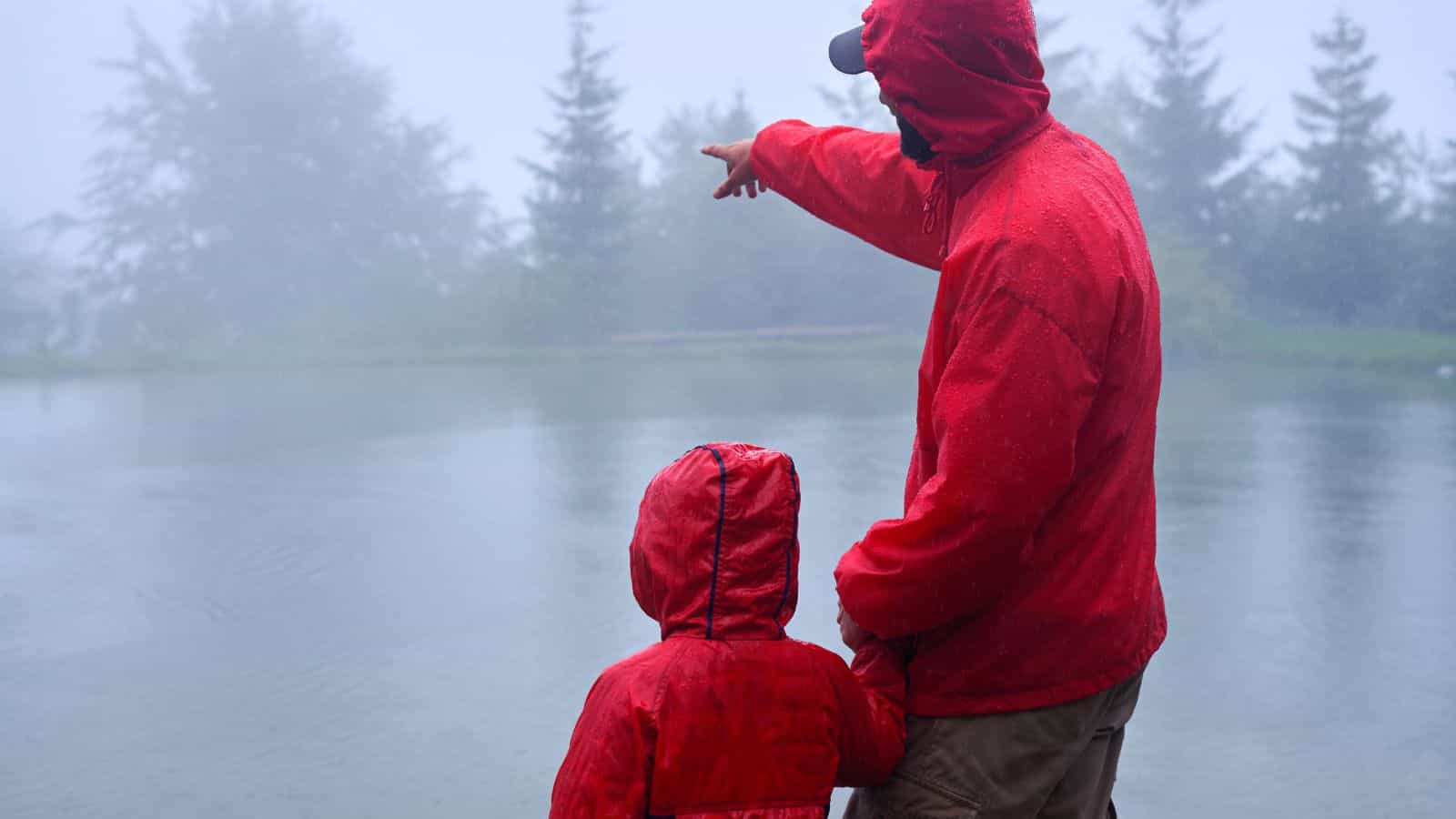
One of the biggest challenges during fall travel is the unpredictable nature of the season. Mornings can start off brisk, afternoons may turn surprisingly hot, and evenings often dip back into chilly conditions. Many travelers assume the weather will stay consistent and end up packing only light clothing or only heavy layers, leaving them uncomfortable. This mistake can lead to unnecessary spending on extra gear once you arrive. A smarter approach is to think in terms of layers—light shirts, mid-weight sweaters, and a jacket that can handle both wind and rain. Flexibility is key in autumn.
Overlooking Seasonal Closures
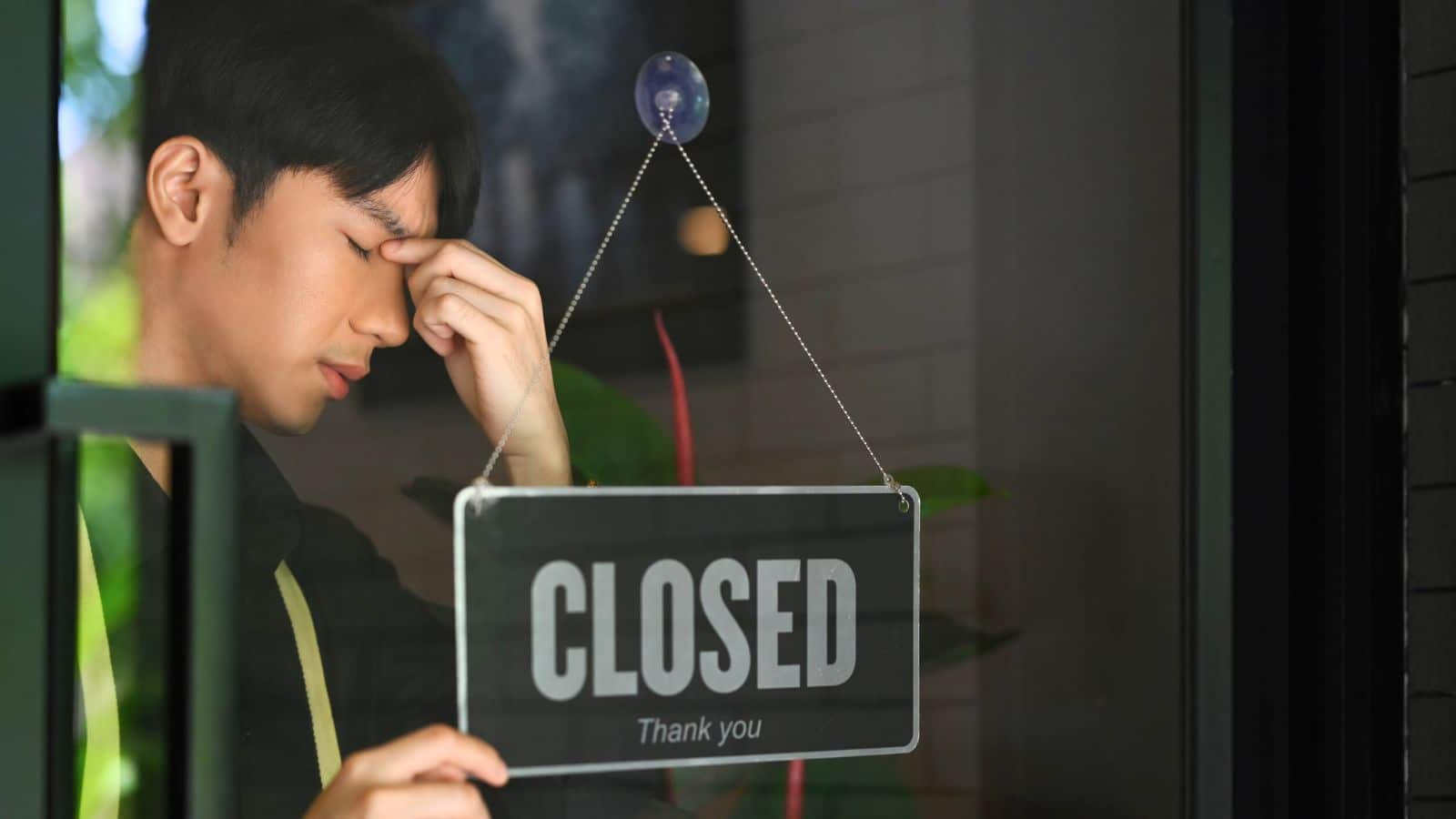
Many destinations operate on seasonal schedules, and once summer ends, certain attractions reduce hours or shut down entirely. Travelers who don’t research these changes in advance may arrive to find hiking trails, ferries, or mountain passes inaccessible. This can disrupt carefully planned itineraries and force last-minute adjustments. Smaller towns in particular may also scale back services, with restaurants or shops closing earlier than expected. Checking official websites or contacting visitor centers before departure helps avoid surprises. Being aware of closures allows for more realistic planning and encourages flexibility when exploring areas that transition between peak and quiet periods.
Skipping Travel Insurance

Weather disruptions are more common during this season, with storms and shifting conditions sometimes affecting flights or road travel. Many travelers take the risk of skipping insurance, only to regret it when cancellations or delays lead to unexpected costs. Beyond weather, insurance can also cover medical needs, lost luggage, or accidents that might occur during outdoor activities. Having this safeguard in place brings peace of mind and reduces stress if plans change suddenly. While it may feel unnecessary at first, the small expense can save significant money and trouble, especially when traveling to regions prone to unpredictable weather.
Travel Smart, Leaf Regrets Behind

Traveling this time of year can be a great experience when you know what to expect. The season has so much going for it—scenery, atmosphere, and a slower pace—but it also asks for a little flexibility. Small details like packing smarter, checking schedules, and thinking ahead can make the difference between a trip that feels rushed and one that feels relaxed.
The goal isn’t to plan every second or stress over what could go wrong. It’s about being aware of the common slip-ups so you can avoid them and enjoy the trip for what it is. A little preparation goes a long way, and once you’ve got the basics covered, you’re free to focus on the good stuff. That’s what makes a fall getaway worth it.