
Denmark might look small on a map, but once you land, you realize there’s a lot packed into this compact country. Life moves at a steady, comfortable pace here. Cities are clean and easy to navigate, public transport runs smoothly, and biking is part of daily life. If you’re planning your visit and wondering where to begin, these 10 essential experiences for your first trip to Denmark will help you focus on what really matters.
Think castles, coastal views, colorful harbors, and everyday moments that show how Danes actually live. You can see a lot without rushing, and nothing feels overly complicated. One minute you’re walking through centuries of history, the next you’re sitting by the water watching boats drift past. It’s relaxed but never dull. For a first visit, that balance makes it a great choice.

Explore Copenhagen’s Nyhavn
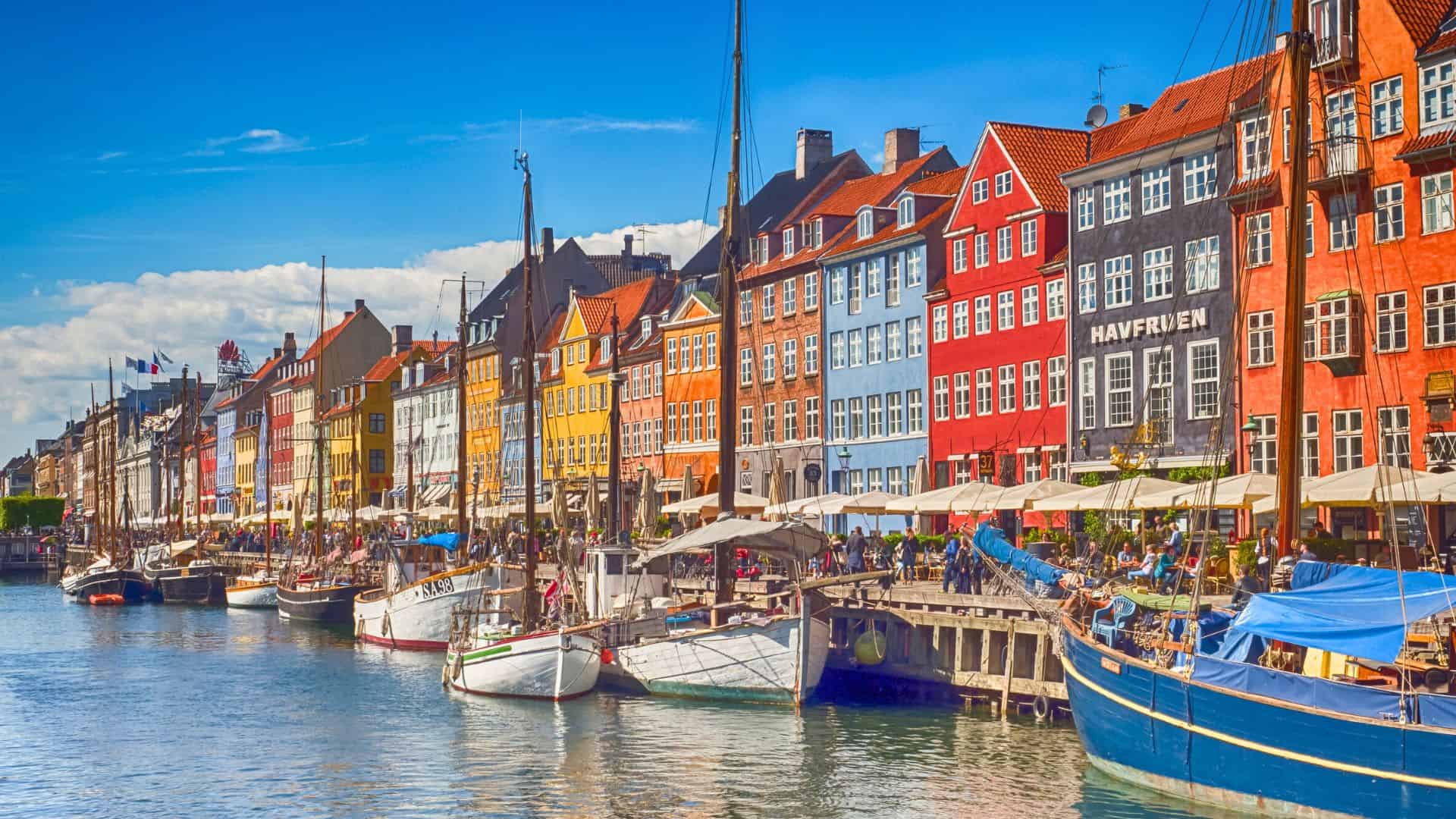
Nyhavn is one of Copenhagen’s most recognizable waterfront districts, lined with brightly painted 17th‑ and 18th‑century townhouses facing a historic canal. Wooden ships rest at anchor, recalling the area’s days as a busy commercial port. Today, the harbor buzzes with street musicians, outdoor cafés, and locals gathering along the quay. Take a canal tour departing from here to see the city from the water, or stroll toward Kongens Nytorv for shopping and theater. Visit at sunset when the buildings reflect across the canal, casting soft light that makes the entire waterfront glow beautifully.
Bike Like a Local
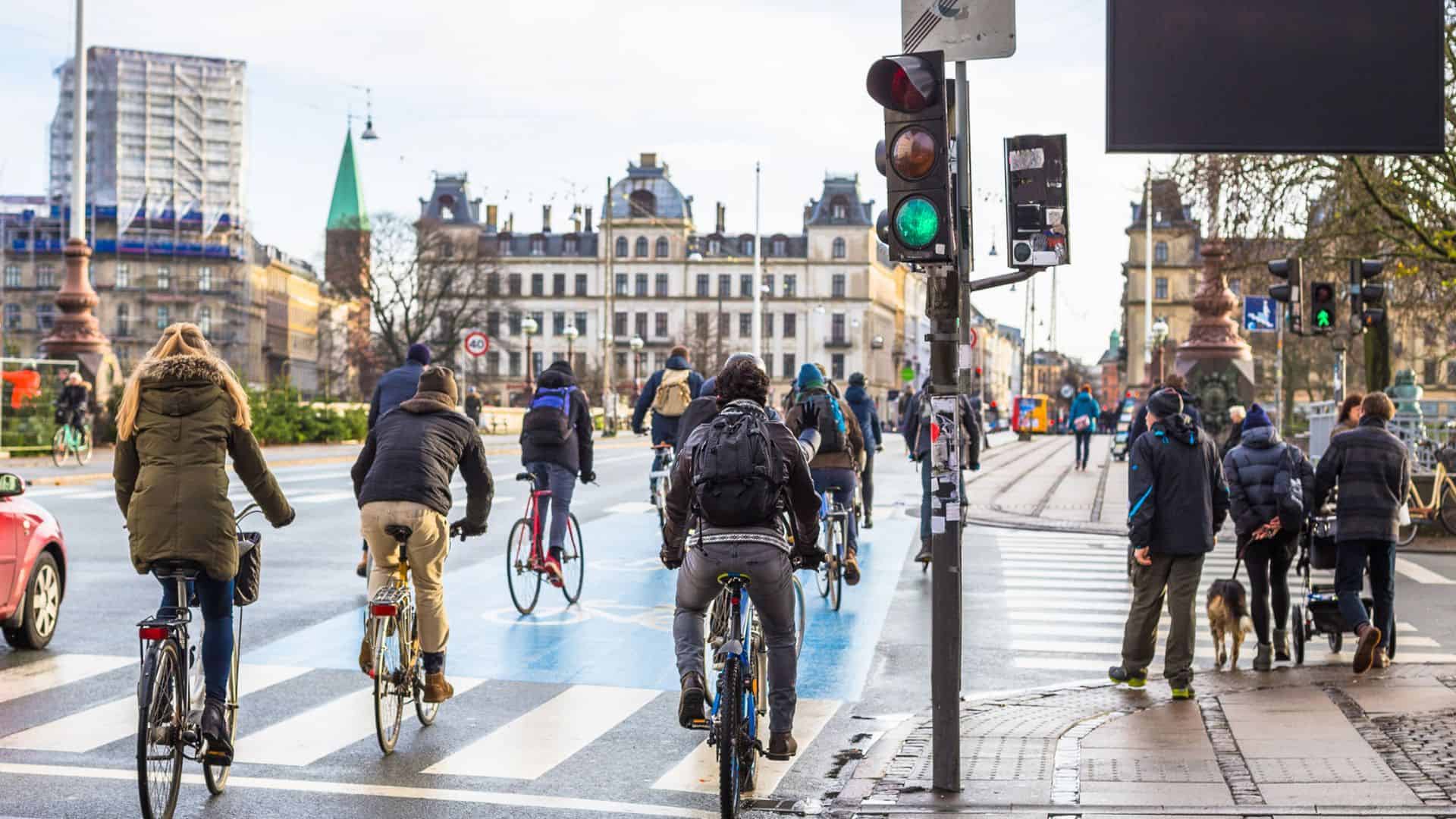
Cycling is woven into daily life across Denmark, especially in Copenhagen, where dedicated bike lanes crisscross the city. Renting a bicycle allows you to move quickly between neighborhoods such as Vesterbro, Nørrebro, and Christianshavn while observing daily routines up close. Traffic lights are timed for cyclists, and bridges like Cykelslangen are designed specifically for two wheels. Stop at parks, waterfront paths, and local markets along the way. Riding through the city gives a sense of freedom and connection, revealing architecture, street art, and harbor views that might be missed when traveling underground or by car.
Visit Rosenborg Castle
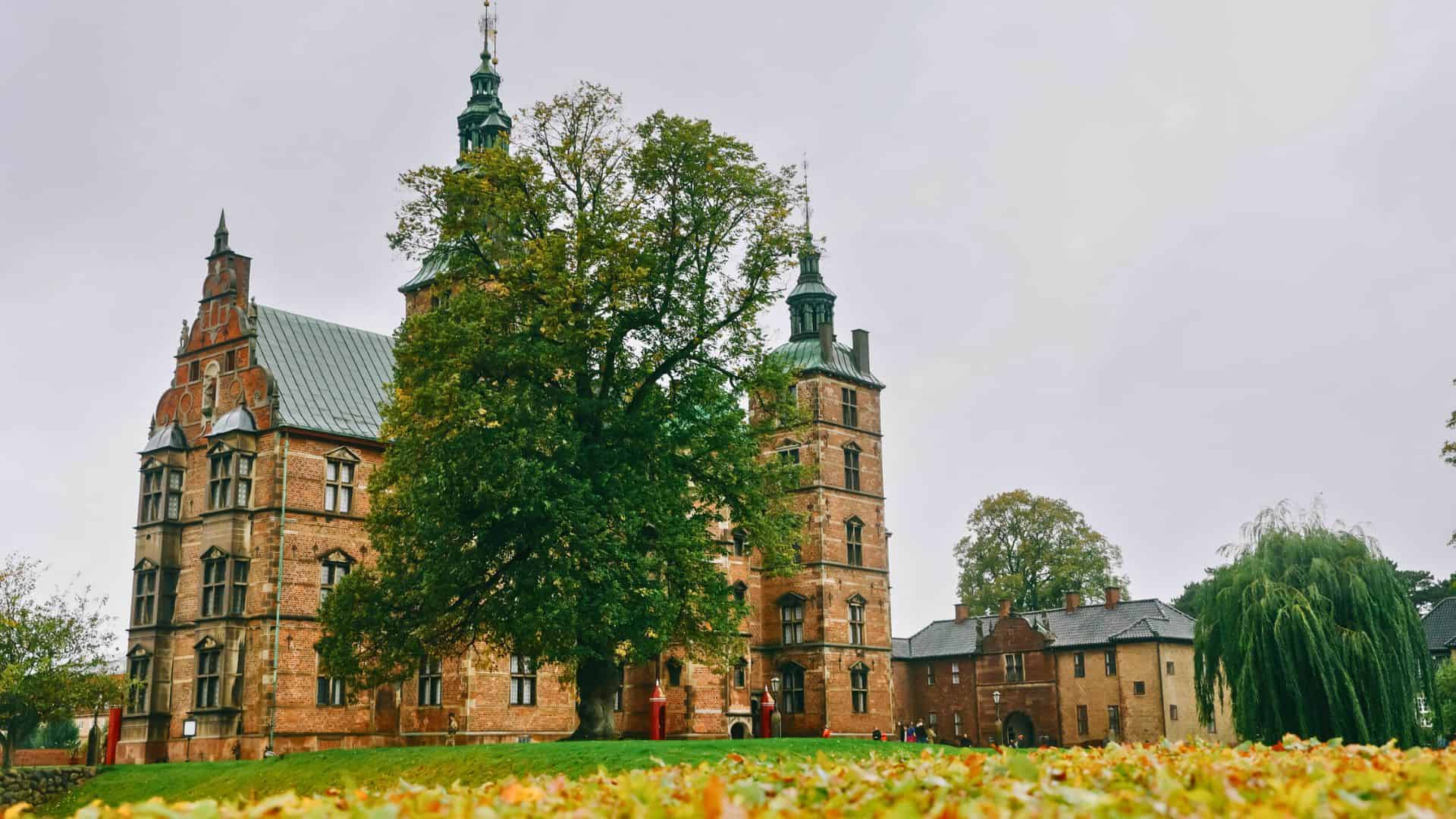
Rosenborg Castle stands within the leafy King’s Garden, its copper spires and red‑brick façade reflecting Denmark’s Renaissance era. Built in the early 1600s by King Christian IV, the castle houses royal artifacts, portraits, and intricate furnishings that trace centuries of monarchy. The crown jewels and regalia are displayed in secure vaults beneath the castle, drawing visitors from around the world. Wander through richly decorated rooms featuring tapestries and carved ceilings, then step outside to stroll the surrounding gardens where locals picnic and relax during sunny afternoons in central Copenhagen.
Spend an Evening at Tivoli Gardens
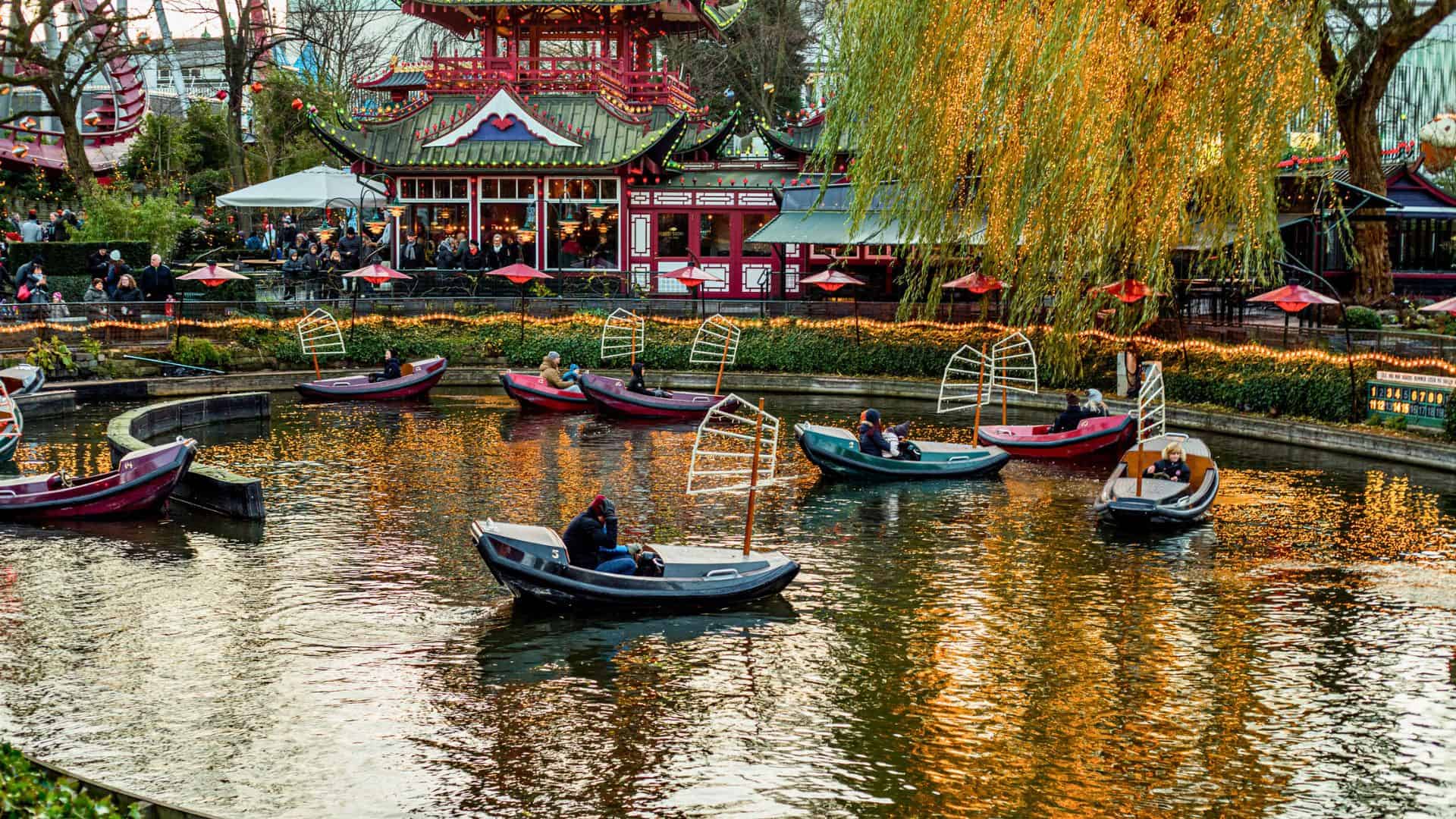
Tivoli Gardens, founded in 1843, is one of the world’s oldest amusement parks and remains a lively gathering place in Copenhagen. Vintage wooden roller coasters stand beside modern rides, while landscaped paths wind through flowerbeds and illuminated pavilions. As evening falls, thousands of lights sparkle across the grounds, creating a storybook atmosphere. Live music, theater performances, and seasonal festivals add to the vibrant setting throughout the year. Whether riding the Ferris wheel for city views or strolling beside the lake, Tivoli captures a sense of nostalgia and energy in the heart of the capital.
See The Little Mermaid Statue
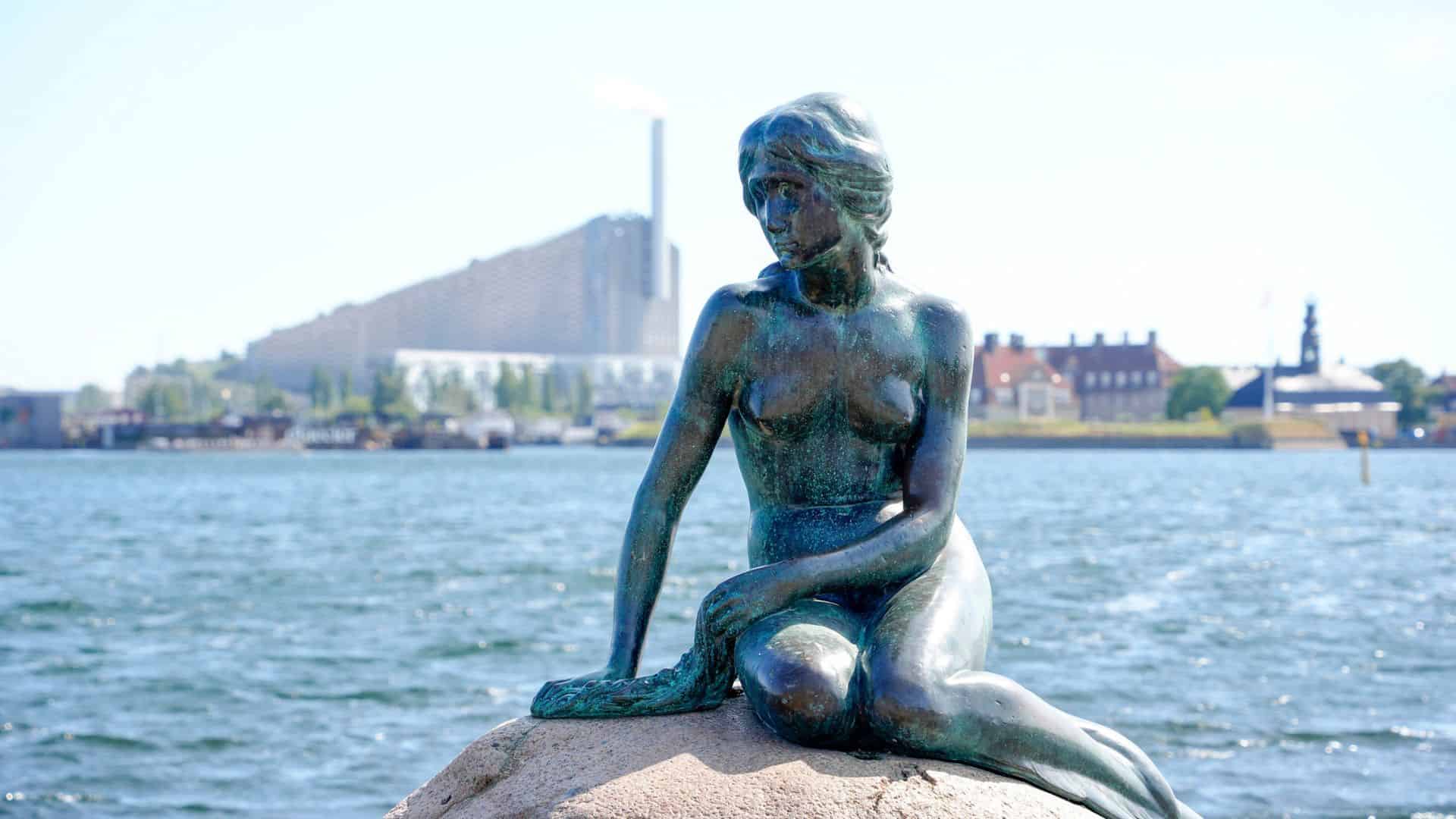
Perched quietly on a rock along Copenhagen’s Langelinie promenade, The Little Mermaid statue has become a national symbol since its unveiling in 1913. Inspired by Hans Christian Andersen’s fairy tale, the bronze figure gazes toward the harbor, reflecting themes of longing and transformation. Though smaller than many expect, the sculpture carries deep cultural meaning and attracts visitors from around the globe. The surrounding waterfront path is ideal for a leisurely walk, with views of passing ships and nearby fortifications. Arriving early in the morning allows for a quieter visit and uninterrupted photographs.
Walk the Cliffs of Møns Klint
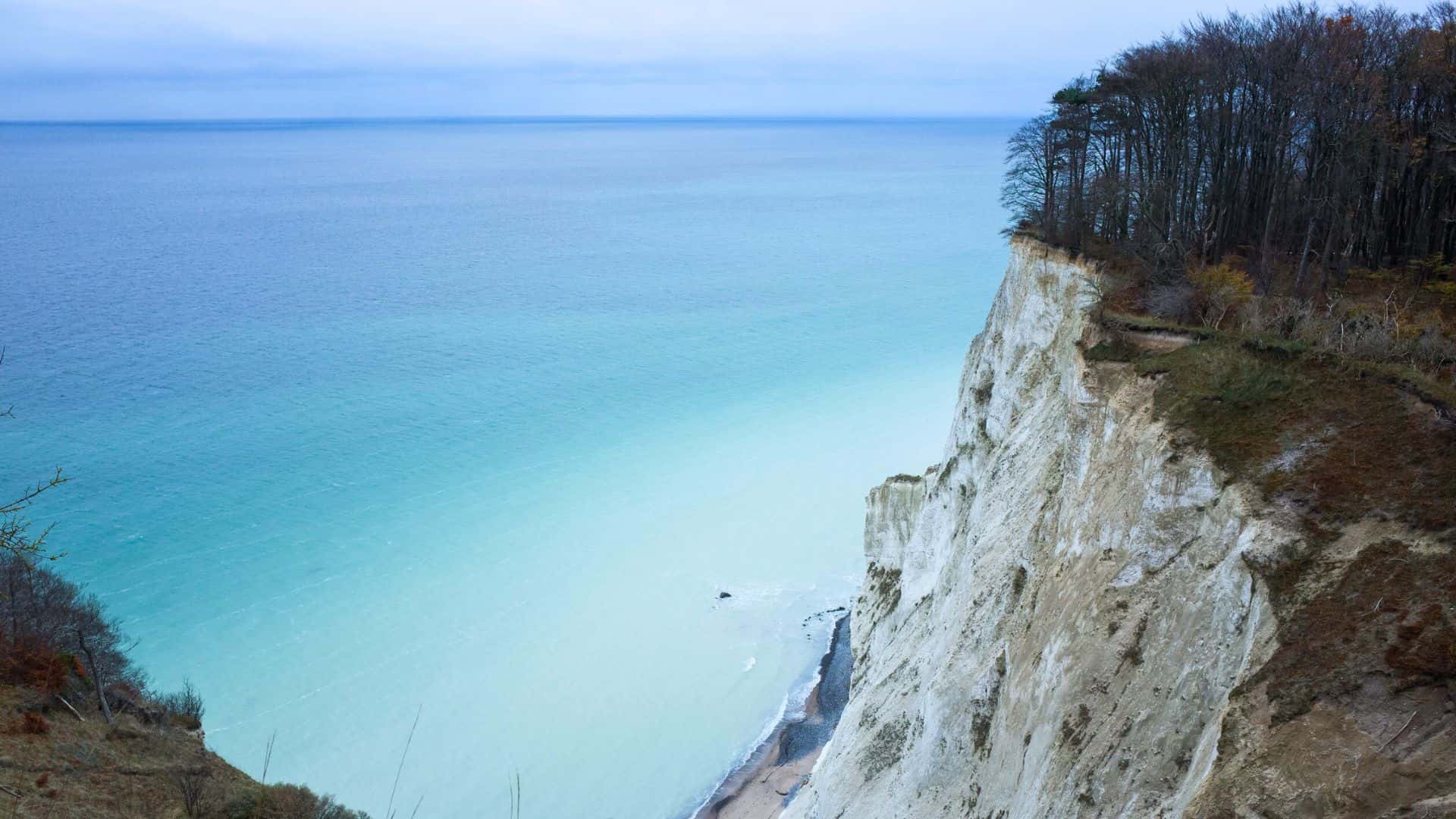
Møns Klint rises dramatically above the Baltic Sea, with towering white chalk cliffs stretching for several kilometers along Denmark’s southern coast. Formed over 70 million years ago, the cliffs reveal layers of limestone and fossilized remains embedded in the rock face. Wooden staircases lead visitors down to the pebble beach below, where turquoise water meets striking white stone. Hiking trails wind through nearby beech forests, opening to sweeping coastal views from elevated points. On clear days, the contrast between sea, sky, and cliff creates a powerful landscape that feels both expansive and serene.
Want to save this?
Discover Kronborg Castle (Hamlet’s Castle)
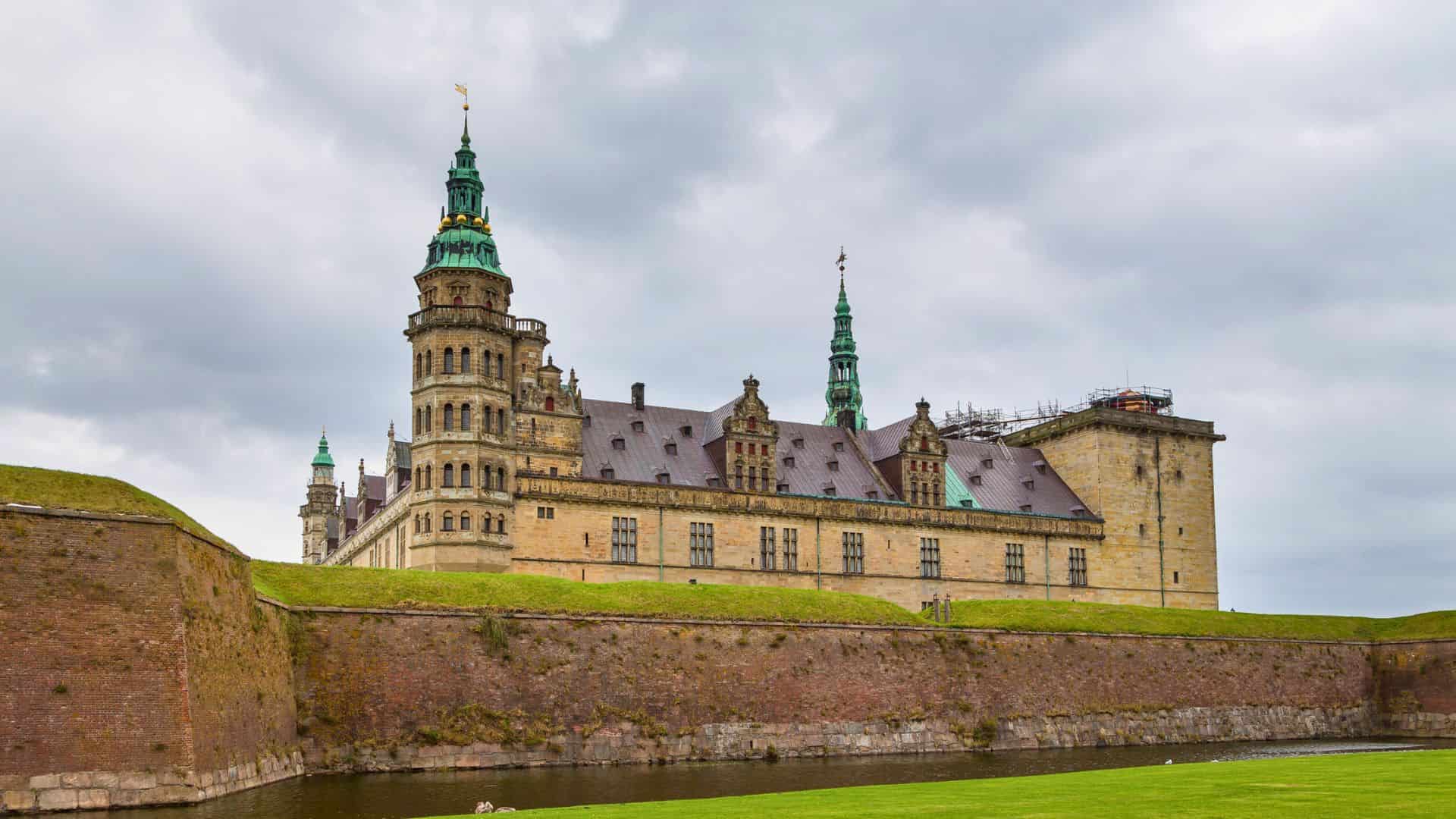
Kronborg Castle stands guard at the narrowest point of the Øresund Strait, where Denmark and Sweden nearly meet. Built in the late 1500s, the fortress controlled Baltic Sea trade routes and collected tolls from passing ships. Its grand halls, tapestries, and underground casemates reveal stories of royal power and military strategy. The castle gained literary fame as Elsinore in Shakespeare’s Hamlet, and performances of the play are still staged here during the summer. Walking along the ramparts brings sweeping sea views and a sense of the strategic importance this stronghold once commanded.
Try Danish Smørrebrød

Smørrebrød is a traditional Danish open‑faced sandwich served on dense rye bread and topped with carefully arranged ingredients. Classic varieties include pickled herring with onions, roast beef layered with crispy onions, and shrimp paired with herbs and lemon. Presentation matters, with each topping arranged thoughtfully and eaten using knife and fork. Many historic lunch restaurants in Copenhagen specialize in these combinations, pairing them with local beer or aquavit. Sampling smørrebrød introduces visitors to longstanding food traditions and everyday dining customs that remain central to Danish social life.
Explore Aarhus
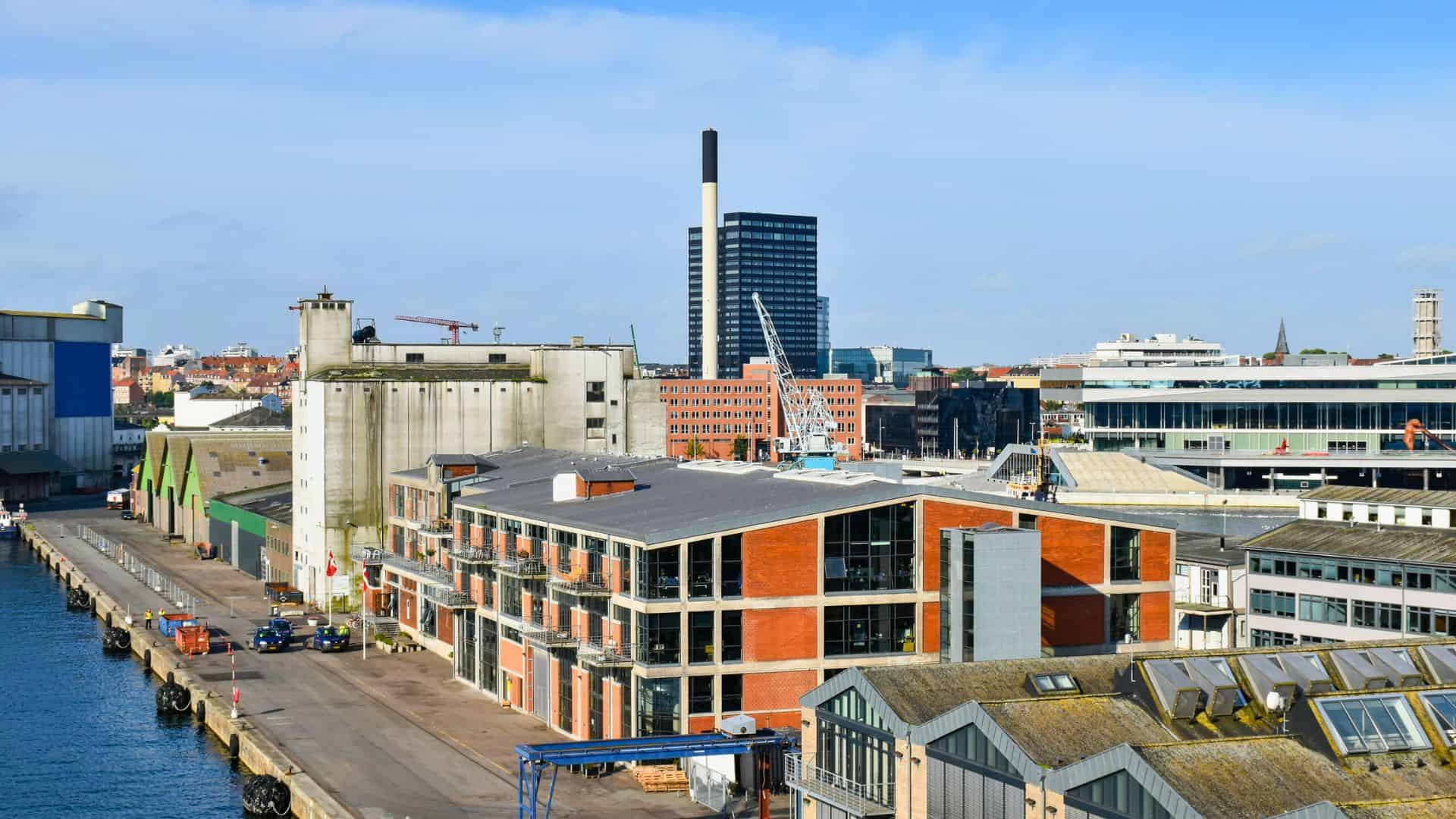
Aarhus, Denmark’s second‑largest city, combines youthful energy with deep historical roots. The open‑air museum Den Gamle By recreates Danish life across different centuries, featuring costumed interpreters and carefully restored buildings. At ARoS Art Museum, the circular Rainbow Panorama walkway crowns the rooftop, casting shifting colors across city views. The Latin Quarter’s cobbled streets host independent shops and cafés, while the harbor district highlights modern architecture and public spaces. With a large student population and access to nearby forests and beaches, Aarhus feels lively yet relaxed throughout the year.
Embrace Hygge

Hygge is a Danish concept centered on comfort, connection, and simple moments shared with others. In practice, it might mean gathering with friends around candlelight, reading near a window on a rainy afternoon, or lingering over coffee in a quiet café. Soft lighting, natural materials, and unhurried conversation often shape these experiences. While it cannot be translated directly into one English word, hygge reflects a cultural focus on balance and contentment. Visitors can experience it by slowing their pace, appreciating small rituals, and spending meaningful time in calm surroundings.
Channel Your Inner Viking
By now, you can see why these 10 essential experiences for your first trip to Denmark matter. They’re not about rushing from one landmark to the next. They’re about getting a real feel for the country. Denmark is easy to explore, easy to navigate, and easy to like. You don’t need a packed schedule to have a great time here. Just show up curious and ready to explore at a steady pace.
What sticks with most people isn’t just what they see, but how it all feels. The balance, the design, the connection to water and history. It all comes together in a way that makes sense. Denmark is perfect for travelers who want culture without chaos. Take your time, stay present, and let the country unfold naturally.
13 Countries That Surprise First-Time Visitors the Most
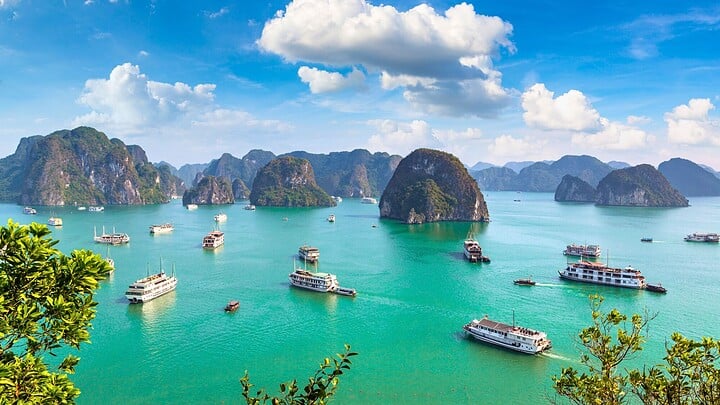
Travel has a funny way of flipping expectations. You think you know how a place will feel, then you land and realize you were way off. That feeling is exactly what 13 countries that surprise first-time visitors the most capture so well. Sometimes it’s the pace, sometimes it’s the people, and sometimes it’s the small details that stick with you. Those moments catch you off guard and stay in your head long after the trip ends.
Read More Here: 13 Countries That Surprise First-Time Visitors the Most
11 Safe and Friendly Countries Perfect for First-Time Expats
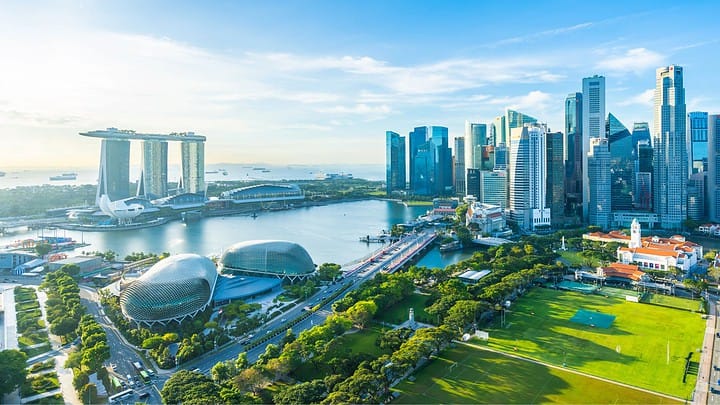
Moving abroad for the first time is a big step, and it’s normal to feel both excited and unsure. You’re not just picking a new address; you’re choosing a lifestyle, a community, and a daily rhythm that feels right. Safety, stability, and a sense of belonging matter just as much as scenery or job prospects. Don't worry, there are 11 countries for first-time expats where newcomers can settle in without feeling unsafe.
Read More Here: 11 Safe and Friendly Countries Perfect for First-Time Expats



Leave a Reply