Crowded hotspots often steal attention, but many travelers are starting to look elsewhere. Rising interest in quieter places reflects a desire for calmer streets, better value, and a slower pace. These are locations where travel feels less rushed and more focused on real experiences instead of long lines.
Planning ahead makes it easier to travel smarter and feel confident about where to go next. With these destinations, you can skip the noise and focus on trips that feel well-timed and thoughtful. Take a closer look, note what stands out, and start shaping travel plans for 2026 today.

Ljubljana, Slovenia
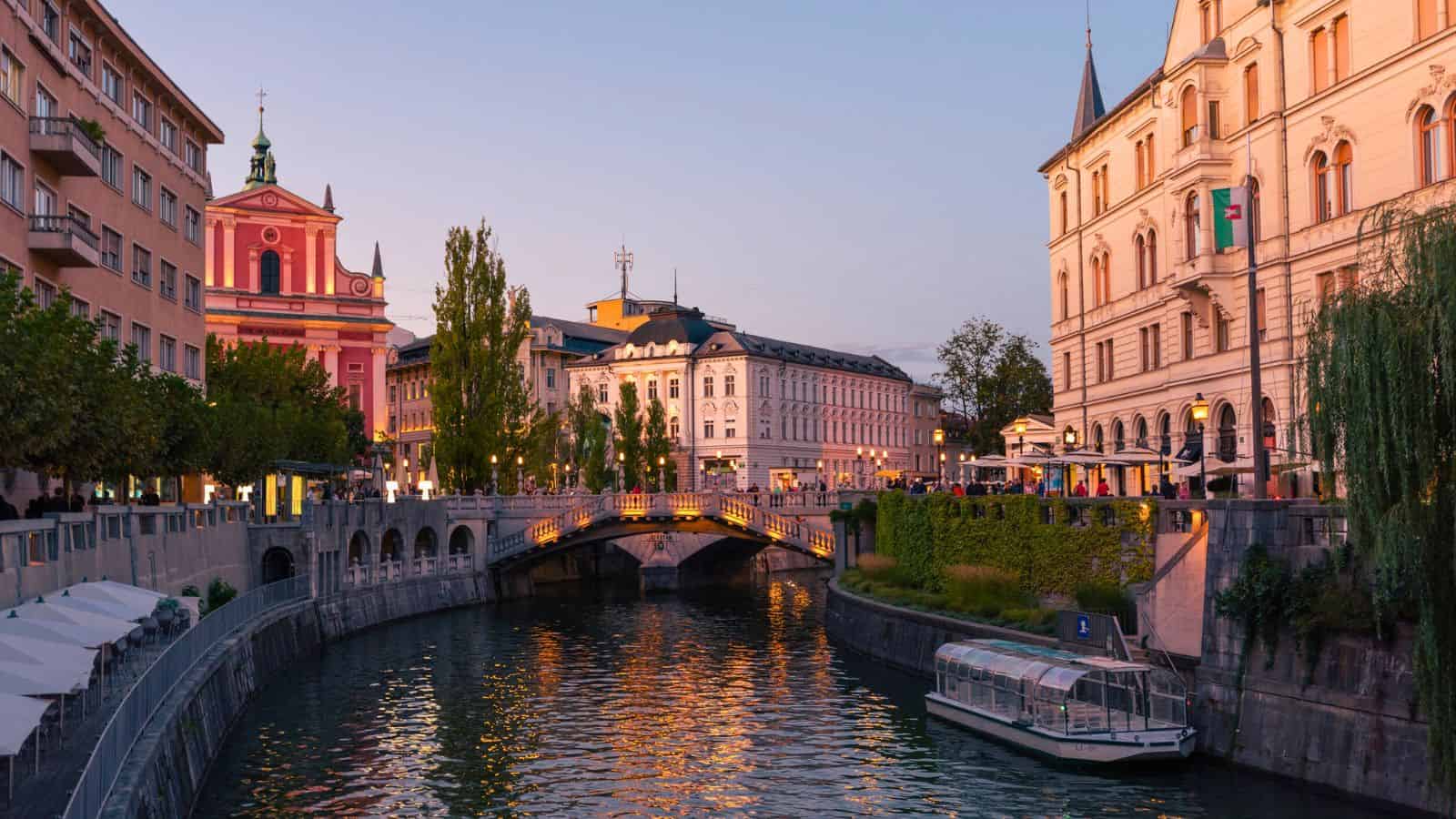
Ljubljana continues to draw travelers in 2026 who prefer smaller capitals with strong infrastructure and manageable scale. The city’s layout supports walking and cycling, while rail links make it easy to reach Lake Bled, the Julian Alps, and the Adriatic coast without long transfers. Seasonal crowd levels remain low compared with nearby European capitals, even during peak months. Cultural life stays active year-round through galleries, design spaces, and public events. Early adopters value the city’s balance between historic architecture and contemporary planning. This destination works well for travelers looking to stay longer in one base while exploring multiple regions at a steady pace.
Tbilisi, Georgia

Tbilisi has become a quiet choice for travelers drawn to cities shaped by layered history and shifting cultural influence. In 2026, continued visa flexibility and growing flight connections keep access straightforward from Europe and the Middle East. The city’s neighborhoods vary widely in character, allowing days to unfold through walking, transit, and hillside routes. Cultural venues, thermal baths, and historic quarters operate year-round, supporting travel outside peak seasons. Costs remain lower than many European capitals, encouraging extended stays. Tbilisi also functions as a regional hub, making onward travel to wine regions, mountain towns, and neighboring countries practical without complex planning.
Salta, Argentina
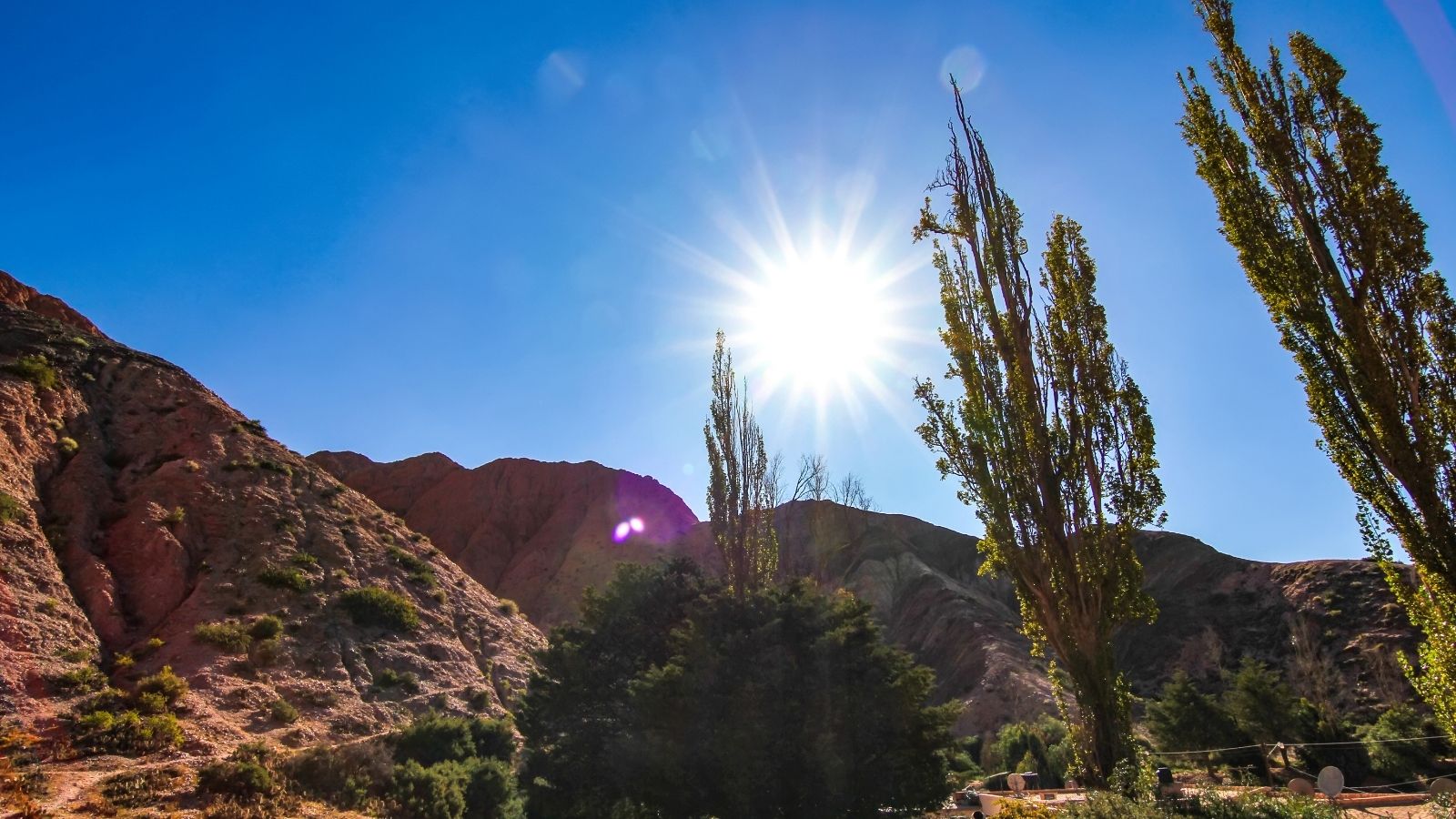
Salta attracts travelers in 2026 who want access to dramatic northern landscapes without Patagonia’s scale or demand. The city acts as a base for exploring high-altitude deserts, valleys, and colonial-era towns through manageable day trips or short overland routes. Weather patterns remain more predictable during much of the year, aiding road travel and scenic rail journeys. Salta’s pace stays calmer than Buenos Aires, while still maintaining cultural institutions, markets, and historic architecture. Growing domestic tourism has improved transport links without creating congestion. This destination suits travelers seeking geographic contrast, regional depth, and strong visual character without heavily trafficked circuits.
Kigali, Rwanda
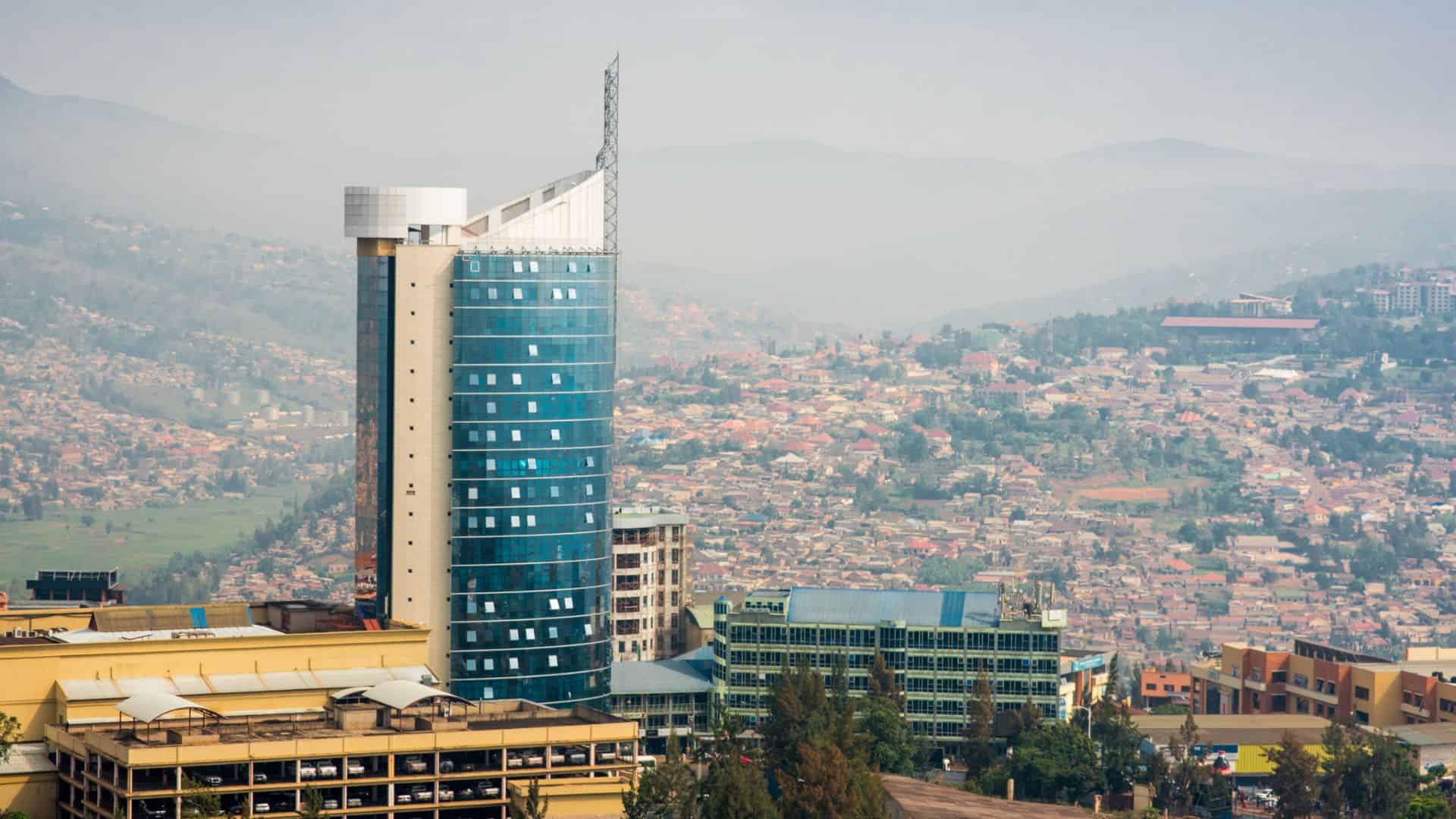
Kigali stands out in 2026 as a city shaped by long-term planning and consistent infrastructure development. Streets remain orderly, transit systems function efficiently, and urban growth follows clear zoning priorities. Travelers often choose Kigali as both an entry point and extended stay rather than a brief stop. The city connects smoothly to national parks and regional routes while maintaining a calm daily rhythm. Public spaces, memorials, and cultural centers contribute to a reflective atmosphere that encourages learning and context. Safety perceptions continue to influence travel decisions, and Kigali benefits from strong governance and cleanliness standards that support independent exploration across neighborhoods.
Alentejo, Portugal

Alentejo continues gaining attention in 2026 as travelers look beyond Portugal’s major cities. The region’s wide landscapes, hill towns, and Atlantic coastline support slower travel patterns centered on driving or rail-based routes. Accommodation clusters remain spread out, which keeps visitor density low even during busier months. Towns maintain daily routines shaped more by local life than tourism cycles. Access from Lisbon stays straightforward, making short or extended stays realistic. Alentejo appeals to travelers prioritizing space, regional character, and unhurried movement rather than tightly scheduled itineraries or dense urban environments.
Hokkaido, Japan

Want to save this?
Hokkaido continues to draw attention in 2026 from travelers seeking space, seasonal clarity, and alternatives to Japan’s central corridors. Cities like Sapporo function as practical bases, with rail and road links extending into national parks, coastal areas, and rural towns. The region’s climate shapes travel patterns distinctly by season, which helps visitors plan with fewer surprises. Cultural events, winter sports infrastructure, and agricultural regions remain active without the density seen in Honshu’s major cities. Domestic tourism has long supported services here, making navigation straightforward even outside international hotspots. Hokkaido suits travelers who value regional contrast, structured transit, and nature-oriented itineraries without urban congestion.
Puglia, Italy
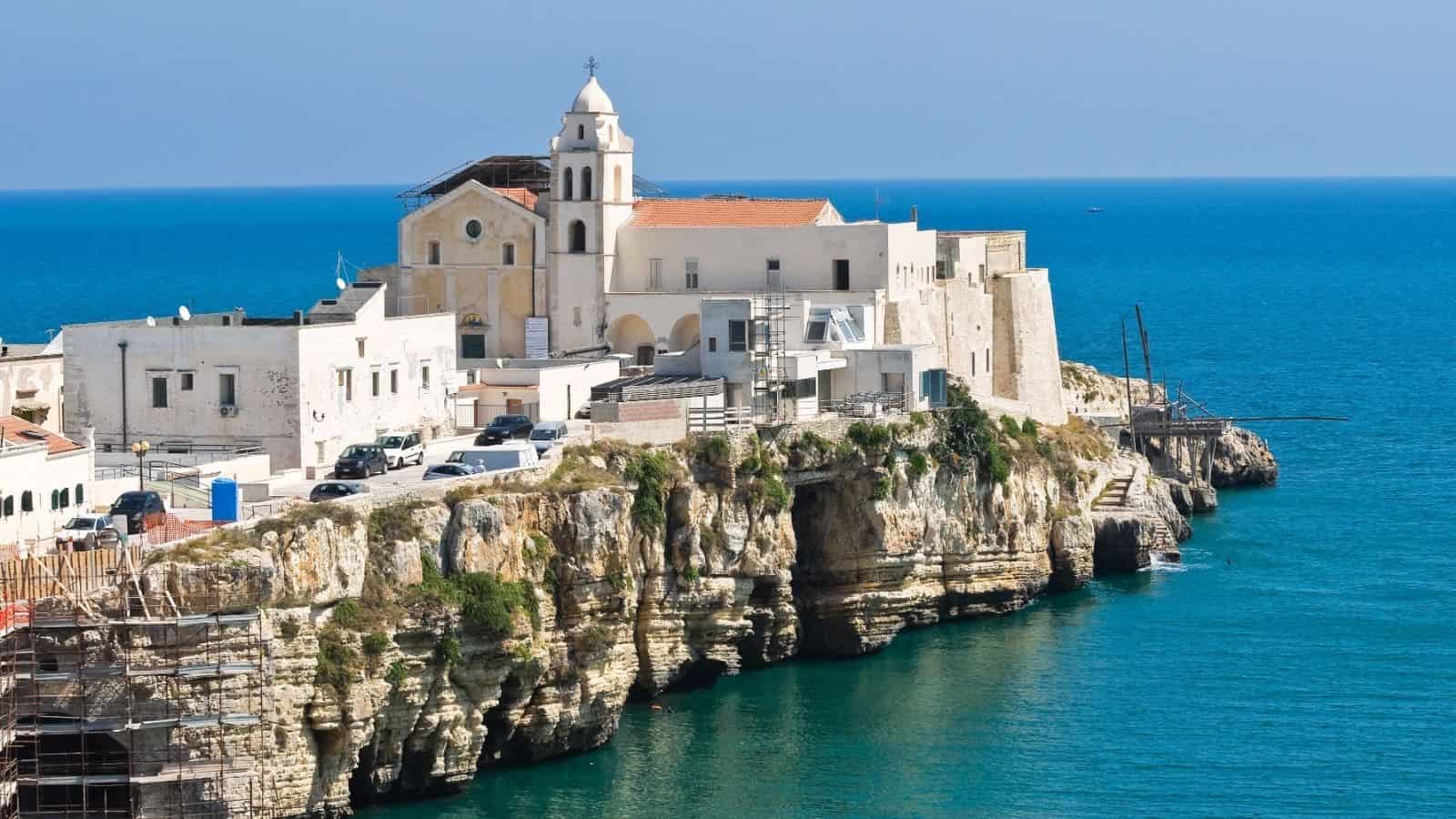
Puglia has become a quieter choice for Italy-focused travel in 2026 as visitors look south for less crowded routes. The region’s rail lines connect coastal towns, inland villages, and historic cities without requiring a car at every stage. Architecture, agricultural landscapes, and long coastlines shape days that unfold gradually rather than through fixed schedules. Seasonal rhythms remain tied to local routines rather than mass tourism cycles, especially outside peak summer weeks. Accommodation development has expanded carefully, keeping density moderate. Puglia works well for travelers planning multi-stop stays within one region, balancing movement with time spent in smaller communities beyond Italy’s primary entry points.
Tasmania, Australia

Tasmania continues to attract travelers in 2026 who prioritize natural settings paired with manageable distances. The island’s road network allows for loop-style itineraries connecting parks, coastlines, and compact towns without excessive drive times. Seasonal changes influence landscapes clearly, helping visitors align activities with specific months. Urban centers like Hobart support longer stays through cultural institutions, markets, and waterfront areas, while rural regions remain lightly populated. Improved flight access from mainland Australia has increased reach without sharply increasing crowd levels. Tasmania suits travelers seeking structured road travel, cooler climates, and itineraries shaped by geography rather than dense urban development.
Vilnius, Lithuania

Vilnius stands out in 2026 as a capital city that remains understated despite growing interest. Its historic center, residential districts, and green spaces sit close together, making daily movement simple on foot or by transit. Cultural life continues steadily through museums, performance spaces, and seasonal events without overwhelming visitor volume. Costs remain lower than in many Western European cities, supporting longer stays. Vilnius also works as a regional connector, with rail and bus routes extending into Latvia, Poland, and Belarus-border regions where permitted. This destination fits travelers looking for cultural depth, walkability, and a slower urban pace without sacrificing connectivity.
Luang Prabang, Laos

Luang Prabang continues to appeal in 2026 to travelers choosing longer, more grounded stays in Southeast Asia. The town’s layout supports walking-based days shaped by rivers, temples, and residential streets rather than traffic-heavy routes. Renewed rail connections have made access more straightforward while still limiting rapid influx. Daily rhythms remain tied to local routines, reinforcing a steady pace that contrasts with larger regional cities. Accommodation growth has remained measured, keeping the town’s scale intact. Luang Prabang suits travelers interested in river travel, historic districts, and extended time in one location rather than fast-moving, multi-city itineraries.
10 Budget-Friendly Spots Around the World With $200 (or Less) Hotels

Traveling on a budget doesn't mean sacrificing comfort or adventure. Across the world, there are plenty of destinations where travelers can find affordable accommodations without breaking the bank. For those seeking budget-friendly stays, there are plenty of places where quality hotels are available for $200 a night or less. These destinations offer great value, allowing you to explore new cities, cultures, and experiences without overspending.
Read More Here: 10 Budget-Friendly Spots Around the World With $200 (or Less) Hotels
Top 10 Shockingly Cheap Countries To Live In

Want to travel internationally without breaking the bank? Living abroad doesn’t have to cost a fortune. In fact, some countries are so affordable that you might find yourself living better for less. Whether you’re dreaming of vibrant cities, laid-back beach towns, or scenic mountain retreats, there are places where life can be great without blowing through your budget.
Read More Here: Top 10 Shockingly Cheap Countries To Live In