
Moving to a new place can feel stressful, especially when everything feels unfamiliar. Some cities make that transition easier with simple layouts, strong local communities, and daily routines that are easy to pick up. These places help newcomers get oriented faster and feel steady without constant second-guessing.
Feeling comfortable in a new city can shape daily life in a big way. With these cities, settling in tends to feel more natural and less rushed. Take a closer look, see which places stand out, and use the list as a starting point for planning a smoother move.

Copenhagen, Denmark

Copenhagen is structured in a way that helps newcomers find their footing quickly. Neighborhoods are clearly defined, with daily services clustered around local centers rather than spread unevenly. Cycling routes create consistent mental maps of the city, reinforcing orientation through repeated movement. Public transport follows predictable patterns, and signage remains clear even for first-time users. Daily life unfolds at a steady pace, making routines easy to establish within weeks. Access to public spaces, waterfront paths, and residential streets feels intentional rather than overwhelming. Copenhagen works well for people who value clarity, repetition, and a city rhythm that supports gradual familiarity.
Melbourne, Australia

Melbourne balances a clear central grid with neighborhood-based living that helps people settle in without confusion. The city center acts as a reference point, while surrounding districts function almost like small towns with their own routines. Public transport radiates outward in logical lines, making it easier to understand distance and direction. Daily life often centers on local streets rather than citywide travel, reducing the pressure to master everything at once. Cultural activity spreads evenly across districts, encouraging exploration without disorientation. Melbourne suits people who want structure paired with flexibility, allowing familiarity to build naturally through repeated local movement.
Vienna, Austria
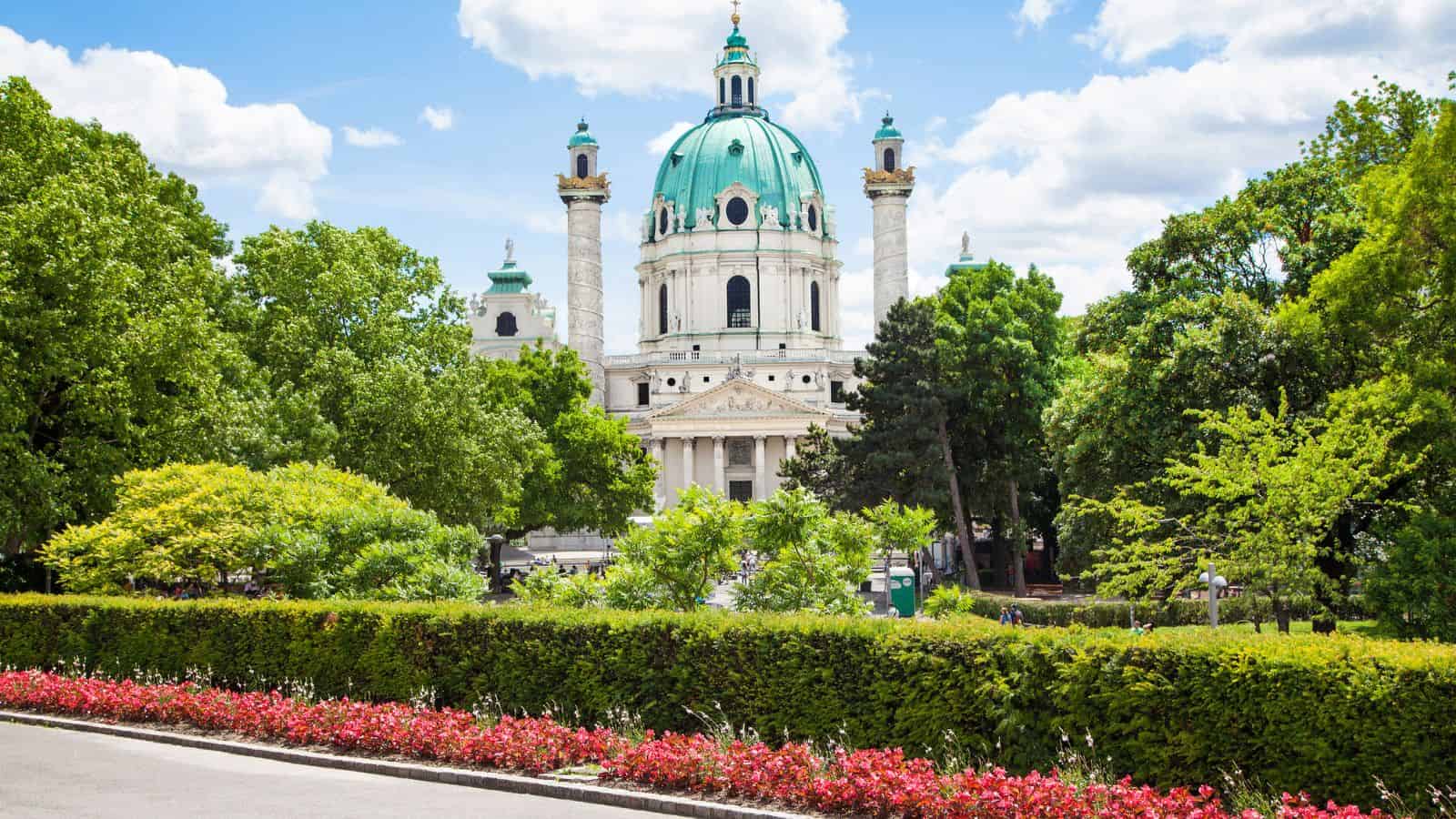
Vienna’s organization supports long-term adjustment through consistency and order. Districts are numbered and clearly bordered, which helps newcomers understand location relationships early on. Transit systems operate with precision, reinforcing trust in daily movement. Residential areas include nearby shops, parks, and services, reducing the need for constant navigation across the city. Public spaces are used in predictable ways, which helps newcomers read social patterns quickly. Vienna’s pace encourages routine-building rather than constant novelty. This city works well for people who prefer environments where systems are easy to learn, and daily life follows established, reliable patterns.
Vancouver, Canada

Vancouver’s geography plays a major role in making the city easy to understand. Water, mountains, and parks form natural boundaries that help people orient themselves quickly. Neighborhoods are walkable and distinct, with main streets acting as anchors for daily needs. Public transit connects these areas directly, limiting unnecessary complexity. Outdoor spaces integrate naturally into urban life, creating consistent reference points. The city’s layout supports gradual exploration without confusion, as movement tends to follow clear corridors. Vancouver suits people who feel grounded by visible landmarks and a strong connection between the built environment and surrounding nature.
Lisbon, Portugal

Lisbon’s neighborhoods function as self-contained zones, which helps newcomers adjust without mastering the entire city at once. Areas such as Alfama, Graça, and Campo de Ourique each maintain distinct identities and daily rhythms. Public transport links these districts reliably, while walking routes reinforce familiarity through repetition. Streets operate at a human scale, making navigation more intuitive over time. Local routines remain visible, helping newcomers understand how daily life unfolds. Lisbon works well for people who prefer settling into one area first, gradually expanding outward as confidence and spatial understanding grow.
Kyoto, Japan
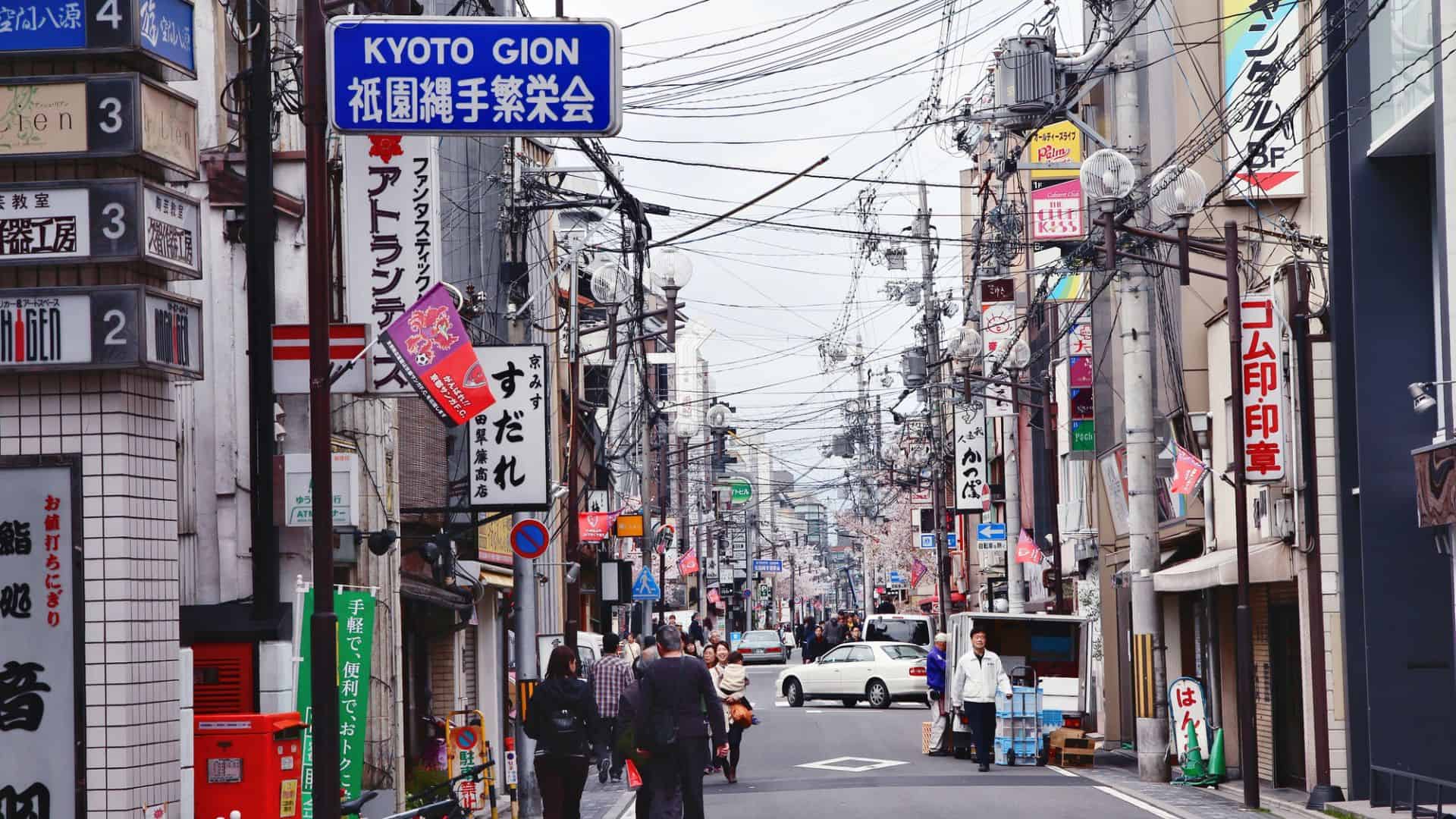
Kyoto’s structure helps newcomers build orientation steadily despite the city’s long history. Large avenues follow a clear grid, while districts are organized around identifiable landmarks such as rivers, temples, and rail stations. Daily life often centers on neighborhood routines rather than constant cross-city travel, which reduces mental overload. Public transport follows consistent routes, and signage supports navigation even for non-native speakers. Outside peak tourism periods, the city moves at a measured pace that supports routine-building. Kyoto suits people who appreciate order beneath historical depth, allowing familiarity to develop through repeated paths and predictable daily movement.
Want to save this?
Amsterdam, Netherlands

Amsterdam’s canal system creates a natural framework that makes the city easier to read over time. The concentric layout helps newcomers understand distance and direction without constantly relying on maps. Neighborhoods are compact, and daily needs tend to cluster locally, encouraging routine-based living. Cycling infrastructure reinforces consistent routes, which accelerates spatial understanding. Public transport connects outer districts directly to the center without unnecessary complexity. Amsterdam works well for people who settle in through repetition, using familiar paths and local reference points to build confidence and a sense of belonging.
Zurich, Switzerland

Zurich’s clarity comes from careful planning and consistent systems. Streets are well-marked, public transport runs on precise schedules, and neighborhoods are organized around local hubs. Daily movement feels predictable, which reduces stress for newcomers. Services, parks, and residential areas sit close together, limiting the need for long or complicated commutes. The city’s pace supports routine rather than constant adjustment, helping people settle in methodically. Zurich suits those who value structure, legibility, and environments where expectations match reality, allowing comfort to grow through steady, repeatable daily patterns.
Wellington, New Zealand

Wellington’s small footprint makes it easy to understand quickly. The city centers around a compact downtown bordered by the harbor and surrounding hills, which creates natural orientation cues. Most neighborhoods connect directly to the center through simple transit routes or walkable corridors. Daily life often unfolds within short distances, making routines easy to establish. Cultural venues, services, and workplaces cluster closely, reducing complexity. Wellington works well for people who prefer cities where scale supports familiarity, and where it’s possible to feel grounded without needing extensive navigation knowledge.
Stockholm, Sweden
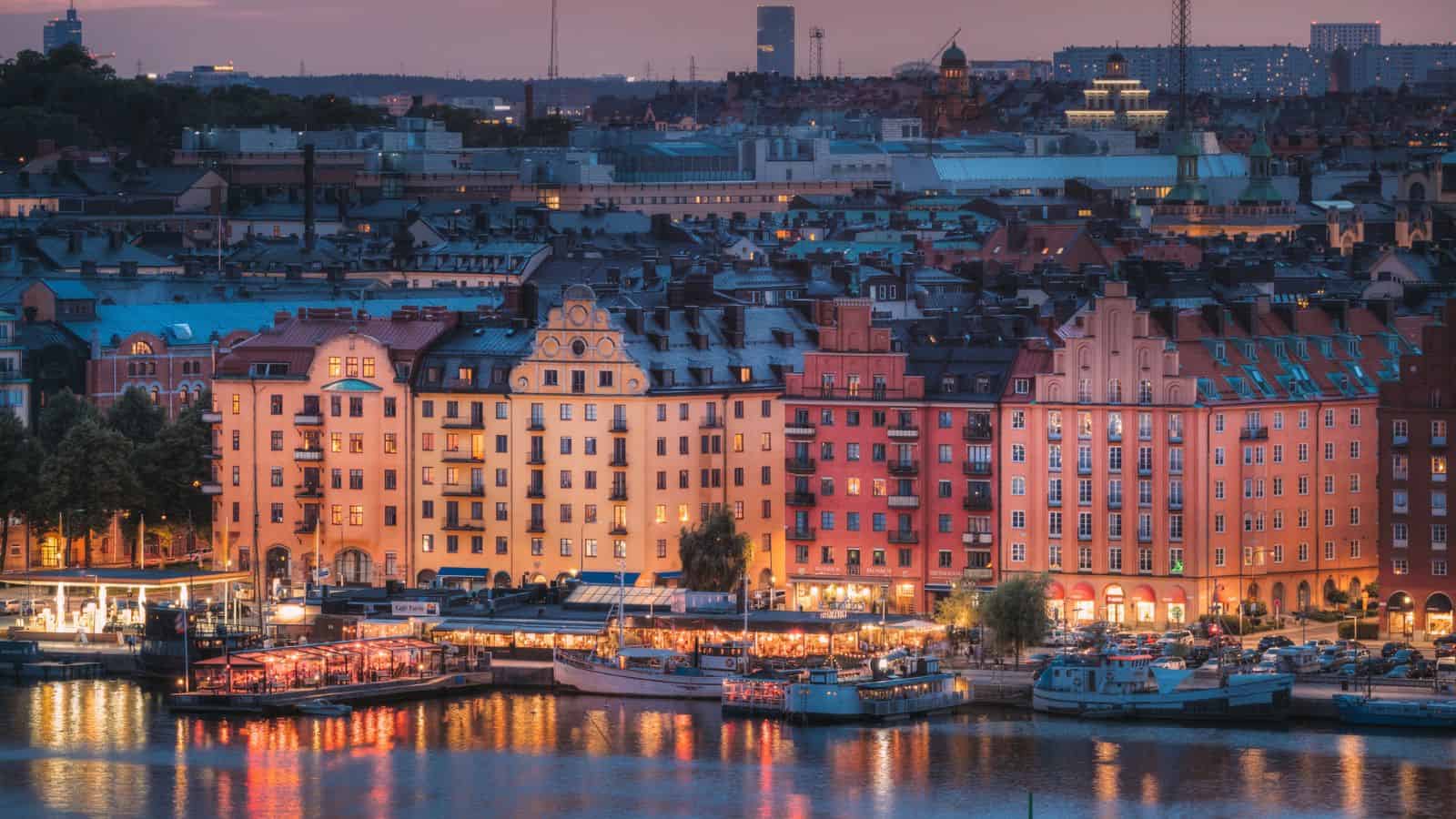
Stockholm’s island-based layout helps newcomers break the city into manageable sections. Waterways create clear boundaries between districts, making orientation more intuitive over time. Bridges and transit lines connect these areas in logical sequences, reinforcing spatial understanding. Neighborhoods maintain strong local identities, allowing people to settle into one area before exploring others. Public transport integrates smoothly across islands, supporting predictable daily movement. Stockholm suits those who appreciate cities that reveal themselves gradually, where geography supports clarity, and a sense of place develops through consistent, repeatable routines.
15 Most Chaotic Cities That Tourists Should Think Twice About

Which chaotic cities do you know about? Traveling to vibrant cities can be exciting, but there are 15 most chaotic cities that tourists should think twice about. These destinations are known for their overwhelming crowds, intense traffic, and a pace of life that can be disorienting for visitors. While they may offer unique experiences and attractions, the chaos can also lead to stress and frustration, making them less appealing for some travelers.
Read More Here: 15 Most Chaotic Cities That Tourists Should Think Twice About
Top 10 Shockingly Cheap Countries To Live In

Wondering which countries are cheap to visit? Living abroad doesn’t have to cost a fortune. In fact, some countries are so affordable that you might find yourself living better for less. Whether you’re dreaming of vibrant cities, laid-back beach towns, or scenic mountain retreats, there are places where life can be great without blowing through your budget.
Read More Here: Top 10 Shockingly Cheap Countries To Live In



Leave a Reply