Some places change faster than expected. Crowds grow, prices rise, and the feel of a destination can shift in just a few years. This article looks at places travelers often talk about with a sense of regret, saying they should have gone before things changed. These are locations that felt easier, quieter, or more accessible not that long ago.
Travel timing matters more than many people realize. Visiting earlier can mean fewer crowds, lower costs, and a better sense of place. Read on to see which destinations made the list and decide which ones are still worth planning sooner rather than later.

New Orleans

Many travelers say they wish they had visited New Orleans before large-scale short-term rentals reshaped entire neighborhoods. Ten years ago, it felt easier to stumble into quiet corners, hear live music without lines, and stay near the French Quarter without paying luxury-hotel prices. Locals still define the city’s spirit, but parts of it now feel built for visitors first. People often regret not seeing New Orleans when everyday life and tourism overlapped more naturally, before bachelor parties and party buses became common sights and long-standing residents were pushed farther from the city center.
Glacier National Park

Visitors frequently say they waited too long to see Glacier National Park in its more accessible days. A decade ago, spontaneous road trips were easier, and entry did not require timed reservations or complex planning. Today, visitors must book far in advance to drive iconic routes like Going-to-the-Sun Road. Crowds now peak early and linger longer, making quiet moments harder to find. Many regret not visiting when the park felt less regulated and more forgiving for travelers who wanted to explore at their own pace without competing for access.
Asheville

People who visited Asheville years ago often describe a town that felt smaller, more eccentric, and deeply local. While it still has a strong creative identity, rapid growth has brought higher prices, heavier traffic, and a busier downtown. Travelers now wish they had experienced Asheville before it became a national destination, when mountain views felt uninterrupted and restaurants were easier to access without long waits. Many regret missing the period when Asheville felt like a discovery rather than a checklist stop, especially during fall foliage season.
Sedona

Sedona’s red rock landscape remains striking, but travelers often say the experience has changed. A decade ago, hiking trails were quieter, parking was simpler, and the town felt less structured around tour groups. Today, congestion and limited access can shape an entire visit. Many regret not going earlier, when sunrise hikes felt personal and viewpoints were not crowded by mid-morning. Visitors still value Sedona’s beauty, but often wish they had experienced it before popularity made timing and logistics such a dominant part of the trip.
Santa Fe
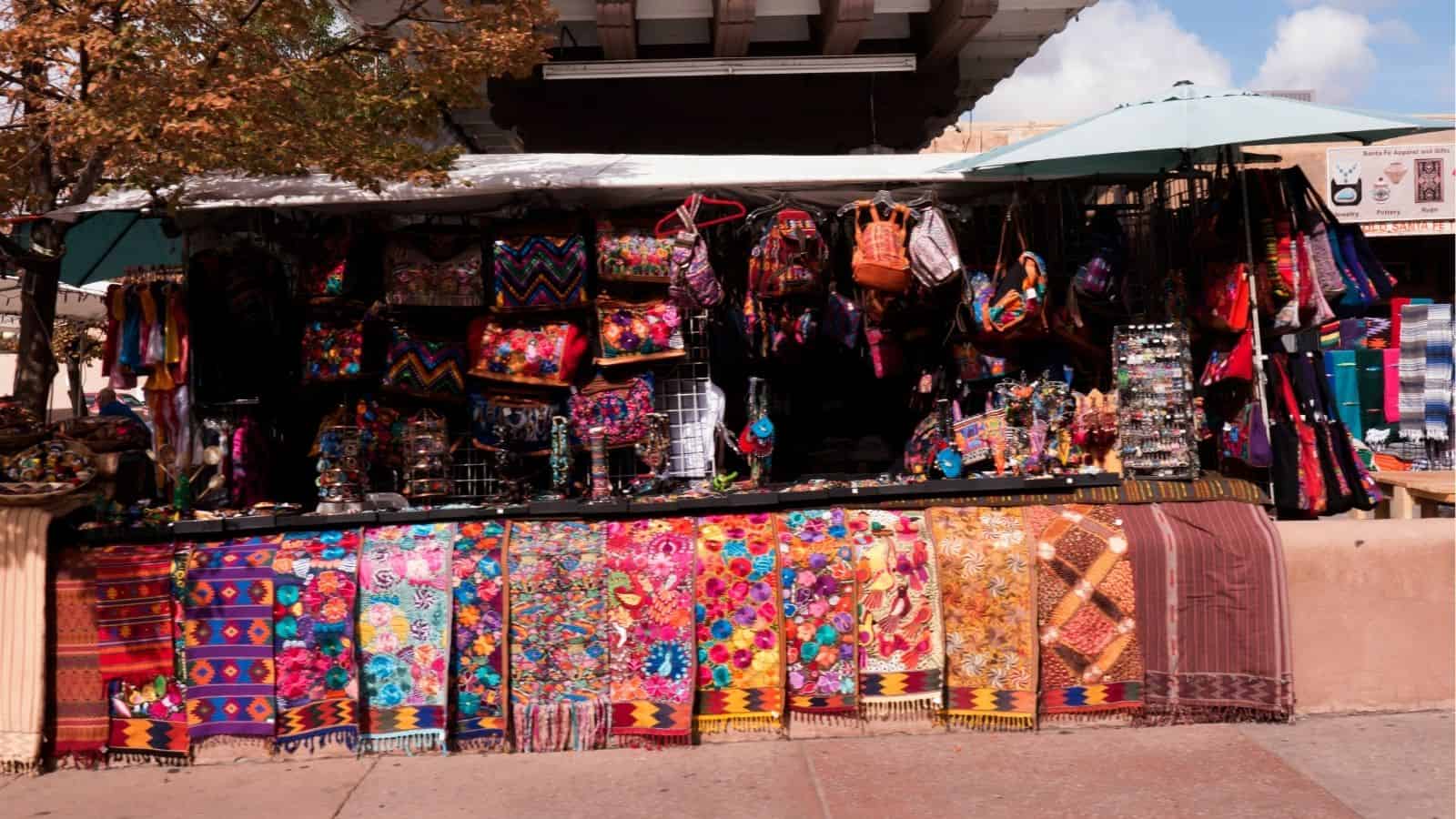
Santa Fe is often cited as a place people wish they had visited before rising costs shifted its character. Travelers remember a time when galleries, cafes, and historic streets felt more rooted in everyday life rather than upscale tourism. While the city remains culturally rich, housing prices and luxury development have altered who can live and work there. Many regret not visiting when it felt easier to connect with local artists and long-standing traditions without the pressure of high prices or exclusive experiences shaping the visit.
Mackinac Island

Travelers often say they wish they had visited Mackinac Island before summer crowds became so intense. Ten years ago, it felt easier to enjoy the island’s slower pace without navigating packed ferries or fully booked hotels. While the ban on cars still gives it a timeless feel, peak season now brings cruise traffic and day-trippers that compress the experience into a narrow window. Many regret not going earlier, when long bike rides, quiet porches, and evening strolls felt less rushed and more connected to the island’s old-world rhythm.
Want to save this?
Marfa

Marfa was once known mainly to artists and curious road-trippers willing to detour into the desert. People now say they wish they had gone before it became a widely recognized destination. As its reputation grew, prices climbed and availability tightened, changing the town’s low-key feel. Visitors still appreciate the art installations and wide-open landscape, but many regret missing the period when Marfa felt experimental rather than established. It was a place where showing up without a plan felt normal, and that sense of spontaneity is harder to find now.
Big Sur

Big Sur is frequently mentioned by travelers who waited too long. Road closures, limited lodging, and heavy traffic now shape how and when people can visit. A decade ago, it was easier to drive the coast slowly, pull over at viewpoints, and stay nearby without months of planning. Many regret not seeing Big Sur before access became unpredictable and overnight options narrowed. While the scenery remains dramatic, visitors often wish they had experienced it when the journey felt more relaxed and less defined by restrictions.
Savannah

Savannah’s historic squares and architecture continue to draw visitors, but many wish they had gone before tourism shifted its tone. Ten years ago, it felt easier to experience the city’s quieter side, especially outside major weekends. Today, party-focused travel and short-term rentals dominate certain areas, changing how the city feels at night. Travelers often regret missing a version of Savannah that felt more residential and reflective, where slow walks through shaded streets were less interrupted by crowds and nightlife-driven foot traffic.
Taos
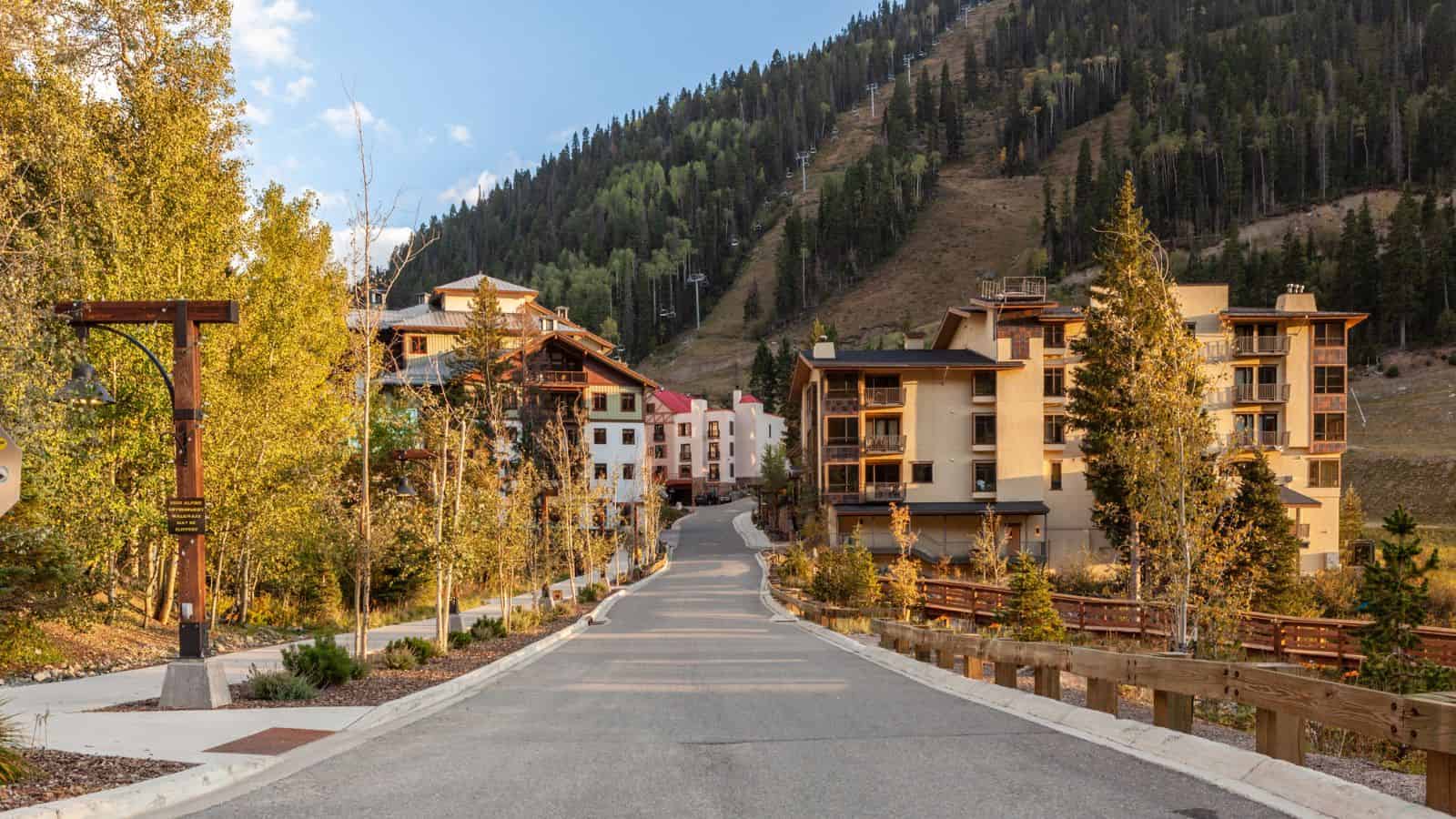
Taos is often described as a place people should have visited before rising housing costs reshaped the community. Travelers remember a town where artists, longtime residents, and visitors mixed more naturally. While the cultural heritage remains strong, many regret not seeing Taos when creative spaces felt more accessible and less pressured by real estate demand. Visitors now often feel they arrived after a shift, when affordability changed who could stay long-term. The landscape is unchanged, but the social fabric feels different to repeat visitors.
San Juan Islands

People frequently say they wish they had visited the San Juan Islands before advance planning became essential. Ferry reservations, limited lodging, and short peak seasons now require careful coordination. A decade ago, it was easier to plan a last-minute escape and still find quiet shoreline views and relaxed accommodations. Many regret not experiencing the islands when spontaneity was still possible. While the natural beauty remains, visitors now often feel constrained by availability, making the trip feel more structured than it once did.
11 Ways Travel Feels Different Than It Did Years Ago

Travel today doesn’t feel quite the same as it did years ago, even when visiting familiar places. Changes in technology, costs, crowd patterns, and traveler behavior have quietly reshaped how trips unfold. Simple parts of travel, like booking flights, getting around cities, or finding quiet moments, now come with new expectations. These shifts aren’t always obvious at first, but they influence everything from planning timelines to daily routines on the road.
Read More Here: 11 Ways Travel Feels Different Than It Did Years Ago
10 Things Seasoned Travelers Do Differently Now

Travel habits often change with experience, especially after a few trips that don’t go as planned. Seasoned travelers tend to move differently than beginners, not because they travel more often, but because they’ve learned what actually matters. From how they pack to how they plan each day, small choices help reduce stress and make trips feel smoother. These habits usually come from trial and error, missed connections, crowded attractions, and lessons picked up along the way. Over time, priorities shift from rushing through checklists to traveling with more intention and flexibility.
Read More Here: 10 Things Seasoned Travelers Do Differently Now