Planning a trip involves more than picking a destination. These are decisions that shape how a trip feels day to day, from pacing and timing to how much stress follows you along the way. These choices often affect comfort, cost, and enjoyment far more than the location itself.
Making thoughtful decisions early can change everything about how travel unfolds. Small adjustments can lead to smoother days and fewer regrets later. Read on to see which travel choices people say had the biggest impact and consider how they might change your next trip.

Choosing fewer places instead of trying to see everything
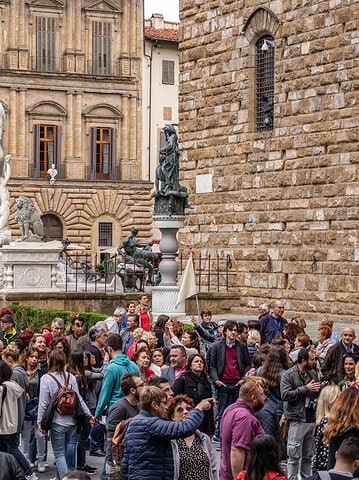
Many travelers learn this only after a trip feels rushed and forgettable. Moving constantly between destinations often turns travel into logistics rather than experience. Fewer places allow time to settle in, notice patterns, and feel oriented instead of perpetually in transit. Travelers often say their most meaningful moments happened once they stopped packing and unpacking. Staying longer reduces decision fatigue and creates room for spontaneity. Seeing less does not mean missing out. It often means remembering more. Depth tends to outlast breadth when reflecting on a trip later.
Traveling at a pace that matches your energy, not the itinerary

An itinerary can look perfect on paper and still feel exhausting in practice. Travelers often realize too late that they planned for an ideal version of themselves rather than their actual energy levels. Matching pace to reality allows for enjoyment instead of endurance. Slower days make room for observation, conversation, and rest. Faster travel may work for some trips, but forcing it leads to frustration. Many people say their best trips began once they stopped trying to keep up and started listening to how they actually felt each day.
Picking accommodations based on location, not amenities

Travelers often regret choosing a beautiful hotel that is inconveniently located. A great location reduces transit time, simplifies decisions, and allows for easy breaks during the day. Being able to step out the door and immediately engage with the surroundings changes how a place feels. Amenities matter less when you are rarely there. Many travelers say they used pools, spas, or lounges far less than expected. Location shapes daily rhythm, while amenities are occasional perks. Convenience often outweighs luxury in terms of overall satisfaction.
Leaving unscheduled time instead of filling every day
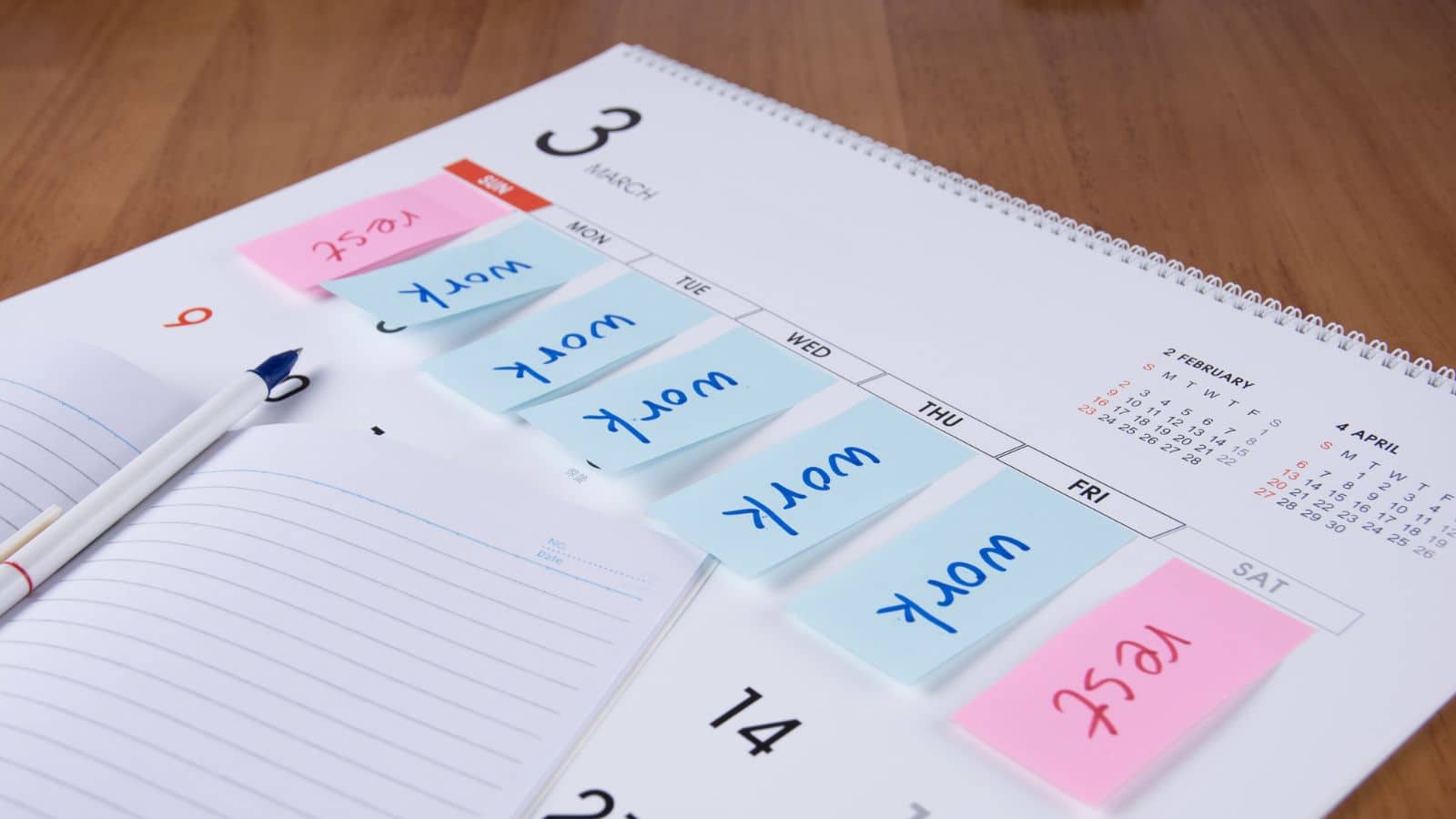
Unscheduled time is where trips often become personal rather than procedural. Travelers who plan every hour may feel productive but disconnected. Leaving space allows for rest, curiosity, and unexpected moments. Many people say their favorite memories came from wandering, sitting, or changing plans entirely. Open time also absorbs delays and fatigue without stress. It turns travel from performance into presence. Choosing not to plan everything can feel risky, but it often leads to experiences that feel more authentic and less forced.
Prioritizing sleep and rest over early starts

Early starts are often framed as necessary to maximize travel, but many travelers later realize they minimized enjoyment instead. Consistent rest improves mood, patience, and attention, all of which shape how a place is experienced. Skipping sleep to see more can blur days together and increase irritability. Travelers frequently say they remember trips better when they were rested. Choosing sleep is not laziness. It is an investment in clarity and enjoyment. A well-rested traveler notices more than a tired one rushing through highlights.
Traveling with people whose habits align with yours

Who you travel with often shapes the trip more than where you go. Differences in wake-up times, spending habits, walking speed, or tolerance for uncertainty can create daily friction. Many travelers say their hardest lessons came from mismatched expectations rather than bad destinations. Traveling with people who value similar rhythms reduces negotiation and resentment. It allows days to unfold more naturally instead of feeling like compromises. Alignment does not mean sameness, but compatibility.
Want to save this?
Learning a few local norms before arriving

Understanding basic customs can dramatically change how a trip feels. Simple knowledge, like greeting etiquette, tipping expectations, or appropriate behavior in public spaces, prevents awkward moments and unintended offense. Travelers often say they felt more relaxed once they stopped guessing what was acceptable. Local norms act as a social map, helping visitors move with confidence rather than hesitation. This preparation takes little time but pays off daily. Feeling oriented socially matters as much as knowing where things are physically.
Deciding what you are willing to skip without regret

Every trip involves trade-offs, but travelers often struggle most with what they did not see. Deciding in advance what you are comfortable skipping removes pressure and comparison. Many people say regret came not from missing attractions, but from trying to see everything and enjoying nothing fully. Letting go of completeness allows for presence. Choosing one meaningful experience over several rushed ones often leads to better memories. Acceptance is a powerful planning tool.
Spending money on comfort where it matters to you

Not all upgrades are equal, and travelers often learn this through trial and error. Spending on comfort where it directly affects your energy, such as transportation, seating, or location, can improve the entire trip. Skimping in areas that drain you may cost more in enjoyment than the savings justify. Many travelers say they remembered how they felt more than what they saved. Comfort is personal, not universal.
Accepting that things will go wrong and adjusting quickly

Delays, weather, and misunderstandings are unavoidable. Travelers often say the biggest difference between a good and bad trip was how quickly they adjusted. Fighting disruptions usually prolongs frustration. Accepting change allows energy to shift toward solutions rather than blame. Flexibility creates resilience. Many people recall moments that went wrong but still describe the trip positively because they adapted early. Adjustment protects the experience.
Knowing when to stop planning and let the trip unfold

Planning creates structure, but too much of it can crowd out experience. Travelers often realize that overplanning kept them mentally elsewhere, focused on what came next instead of what was happening. Letting the trip unfold requires trust, but it often leads to more meaningful days. Familiarity grows through repetition and observation, not constant movement. Knowing when to let go turns a trip from a project into a lived experience.
15 Flight Tips That'll Help Calm Your Travel Anxiety

Always feeling anxious when flying? Traveling by plane can be a source of anxiety for many people, but there are 15 flight tips that'll help calm your travel anxiety. Understanding how to manage stress during a flight can make the experience more pleasant and enjoyable. Simple strategies, from breathing techniques to choosing the right seat, can significantly reduce feelings of unease and help travelers feel more at ease.
Read More Here: 15 Flight Tips That'll Help Calm Your Travel Anxiety
15 Common Airport Mistakes You Might Be Making

Avoid making these mistakes at all costs! Navigating an airport can be a stressful experience, and many travelers unknowingly make mistakes along the way. There are 15 common airport mistakes you might be making that can lead to unnecessary delays and frustration. From packing the wrong items to misjudging security lines, these blunders can turn an exciting trip into a hassle.
Read More Here: 15 Common Airport Mistakes You Might Be Making