Planning travel far ahead can feel unnecessary, but some destinations benefit from early thought and timing. As travel patterns shift and interest grows, certain countries are drawing more attention for 2026 due to changing entry rules, rising demand, and limited availability during peak seasons. Waiting too long can mean higher costs, fewer choices, or missed opportunities to see places at a comfortable pace. These countries stand out not just for scenery or culture, but for how planning ahead can shape a smoother trip.
Starting early makes travel feel less rushed and more intentional. When flights, stays, and timing are considered in advance, trips tend to come together with fewer compromises. With these countries in mind, it becomes easier to focus on what matters most and avoid last-minute stress. Take time to review the list, note which places align with future travel goals, and begin laying the groundwork for a 2026 trip that feels well thought out from the start.

Japan

Japan continues to see sustained travel demand, especially in Tokyo, Kyoto, and Osaka. Lodging availability in central areas often tightens months ahead, particularly during spring and autumn travel windows. Rail passes, limited-seat trains, and seasonal events influence how easily travelers can move between regions. Attractions increasingly rely on timed entry, which affects daily pacing. Planning early allows travelers to choose better base neighborhoods, align routes with seasonal conditions, and avoid last-minute compromises. Japan works best when transit, lodging, and timing are aligned in advance, especially for travelers hoping to balance cities with rural areas or smaller regional destinations.
Italy
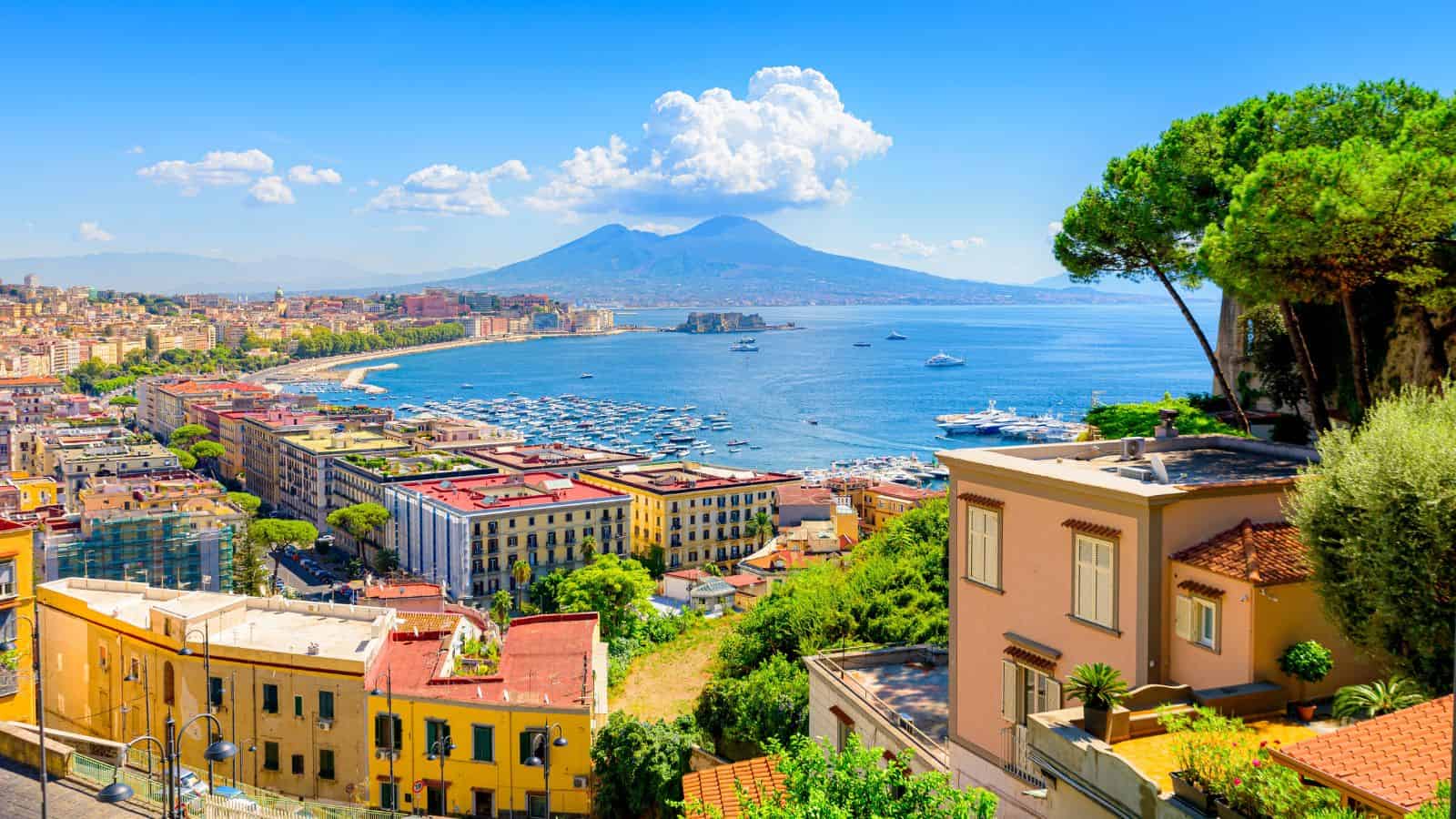
Italy’s popularity places growing pressure on major cities and historic sites. Timed entry systems, visitor caps, and advance reservations now shape access to landmarks and museums. Accommodation location matters more than ever, as central areas fill quickly and transport congestion affects daily movement. Seasonal crowd patterns vary widely by region, making early planning important for route design. Travelers who plan ahead can avoid overpacked itineraries and choose quieter bases. Italy rewards thoughtful pacing, especially when combining cities, coastlines, and smaller towns. Advance decisions help preserve flexibility later in the trip.
New Zealand

New Zealand requires early planning due to long flight lead times and limited accommodation supply, particularly outside major cities. Seasonal road conditions, weather patterns, and ferry schedules affect how regions connect. Travelers who wait too long often face fewer lodging choices or long driving days. Early planning supports better route balance between the North and South Islands. Outdoor-focused travel benefits from aligning timing with daylight and climate conditions. New Zealand feels more manageable when distances, stops, and rest days are mapped out ahead, allowing travelers to move steadily rather than rushing between highlights.
Iceland
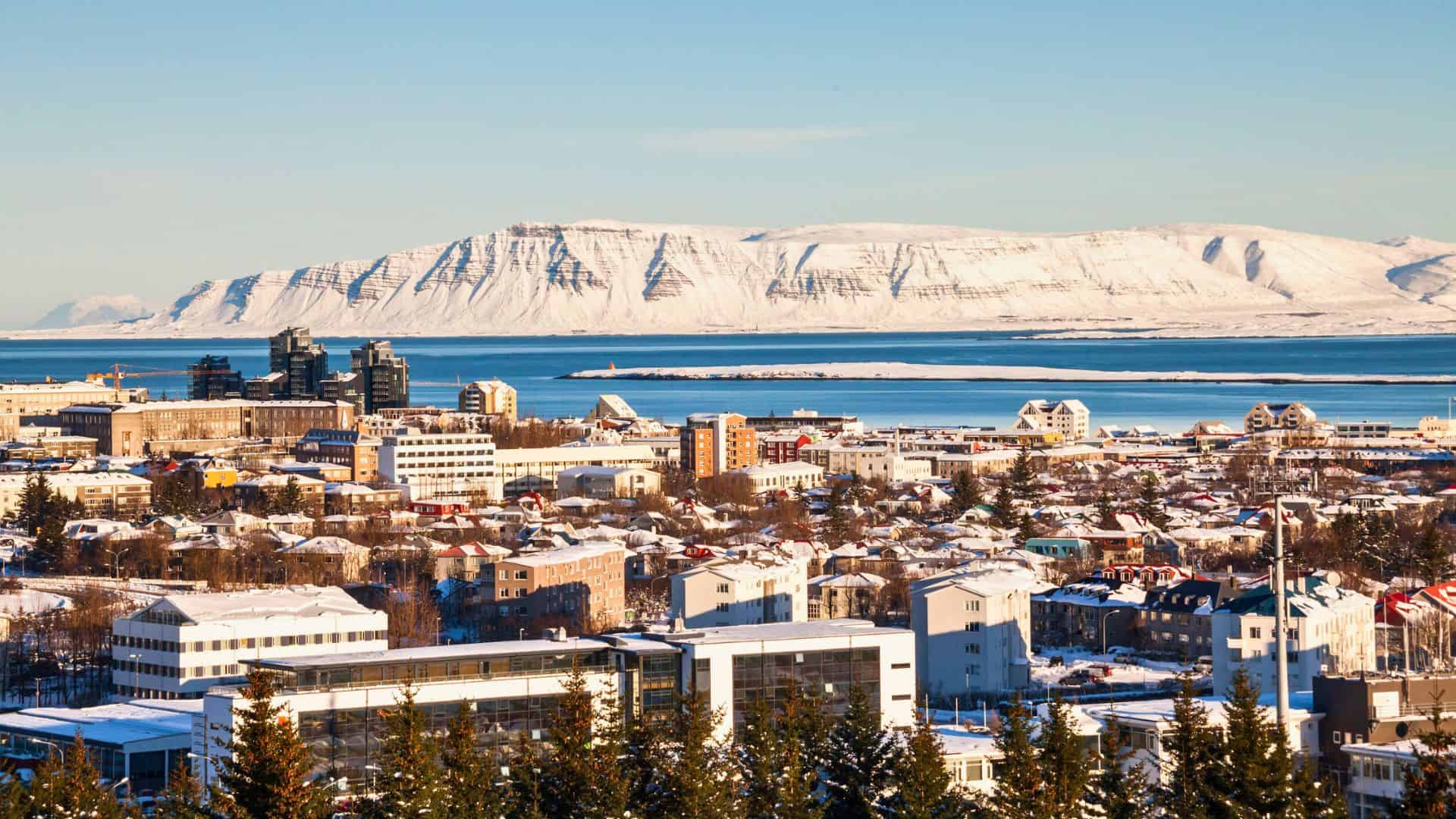
Iceland’s natural sites now operate with increasing access controls to protect fragile environments. Parking limits, guided-only areas, and seasonal road closures affect movement. Lodging along popular routes fills early, especially during summer months. Planning ahead helps travelers avoid long daily drives and secure stays near key areas. Weather remains unpredictable, making buffer days important. Iceland works best when routes account for daylight changes and road conditions. Early planning supports safer pacing and access to less congested regions, rather than relying on last-minute availability along heavily traveled corridors.
Peru

Peru requires advance preparation due to permit systems for Machu Picchu and well-known trekking routes. Entry slots sell out far ahead, shaping travel dates and routing. Domestic flights and regional transport also benefit from early booking, especially during peak travel periods. Altitude adjustment and pacing matter, making itinerary structure important. Travelers who plan ahead can balance cultural sites, outdoor travel, and rest more effectively. Peru becomes easier to navigate when key access points are secured early, allowing flexibility elsewhere rather than building the trip around last-minute availability.
South Africa
Want to save this?
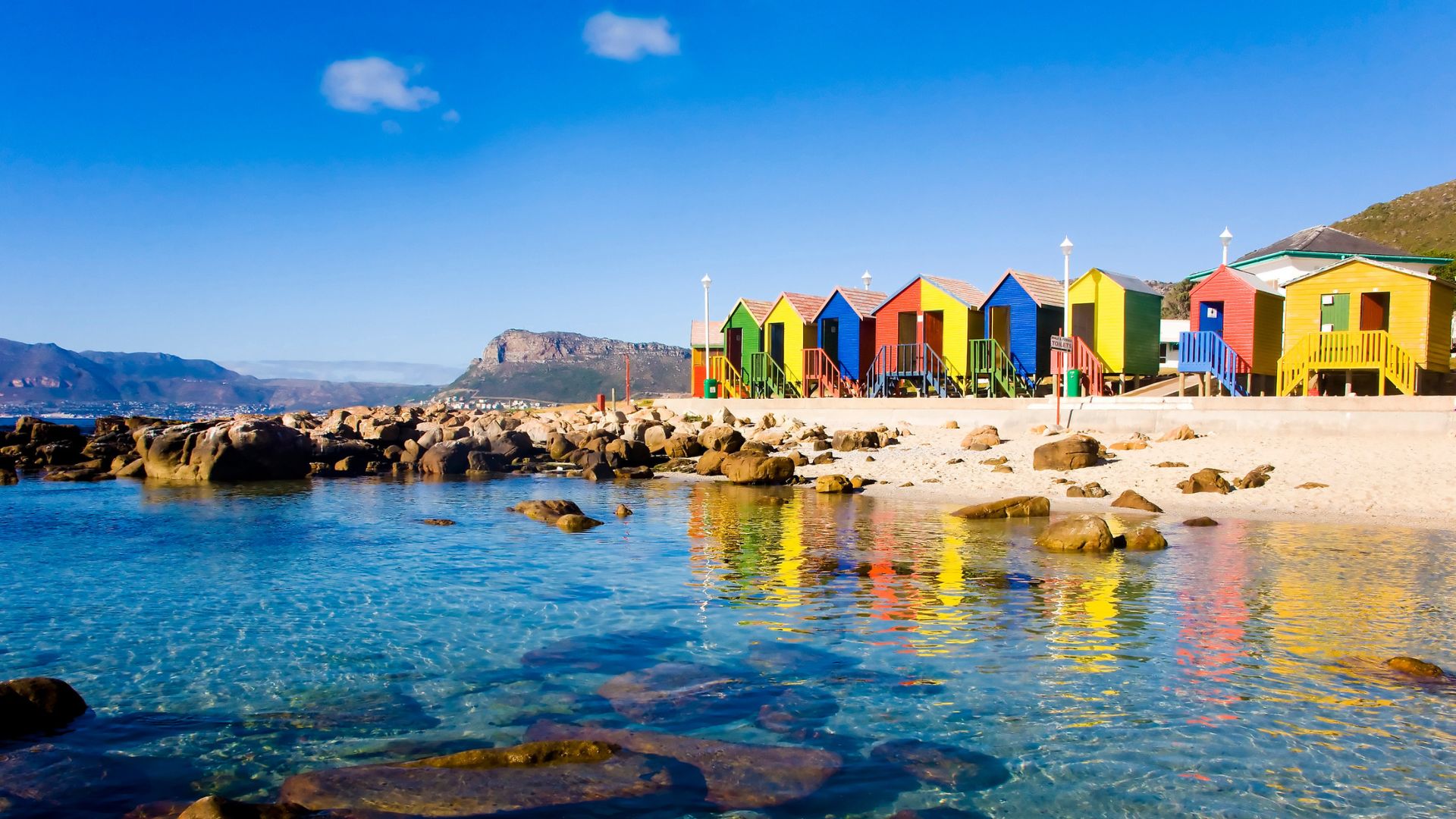
South Africa benefits from early planning because timing strongly shapes access and movement. Safari regions operate on seasonal wildlife patterns, and the most sought-after lodges often fill far ahead. Internal flights connect large distances, making coordination important when combining cities, coastlines, and reserves. Road travel requires realistic pacing, especially when moving between regions. Planning ahead helps travelers match destinations with the right season and avoid rushed transitions. South Africa feels more navigable when routes, stays, and transport are aligned early, allowing attention to stay on daily experience rather than logistics.
Portugal

Portugal’s rising popularity has increased pressure on central neighborhoods in Lisbon, Porto, and coastal towns. Accommodation availability now shapes daily movement more than it once did. Early planning helps travelers choose base areas that reduce congestion and transit time. Seasonal differences between regions also matter, especially when combining cities with smaller towns or beaches. Rail and domestic travel work best when dates are set in advance. Portugal rewards travelers who plan routes thoughtfully, balancing well-known areas with quieter regions and avoiding last-minute compromises that limit flexibility.
Thailand
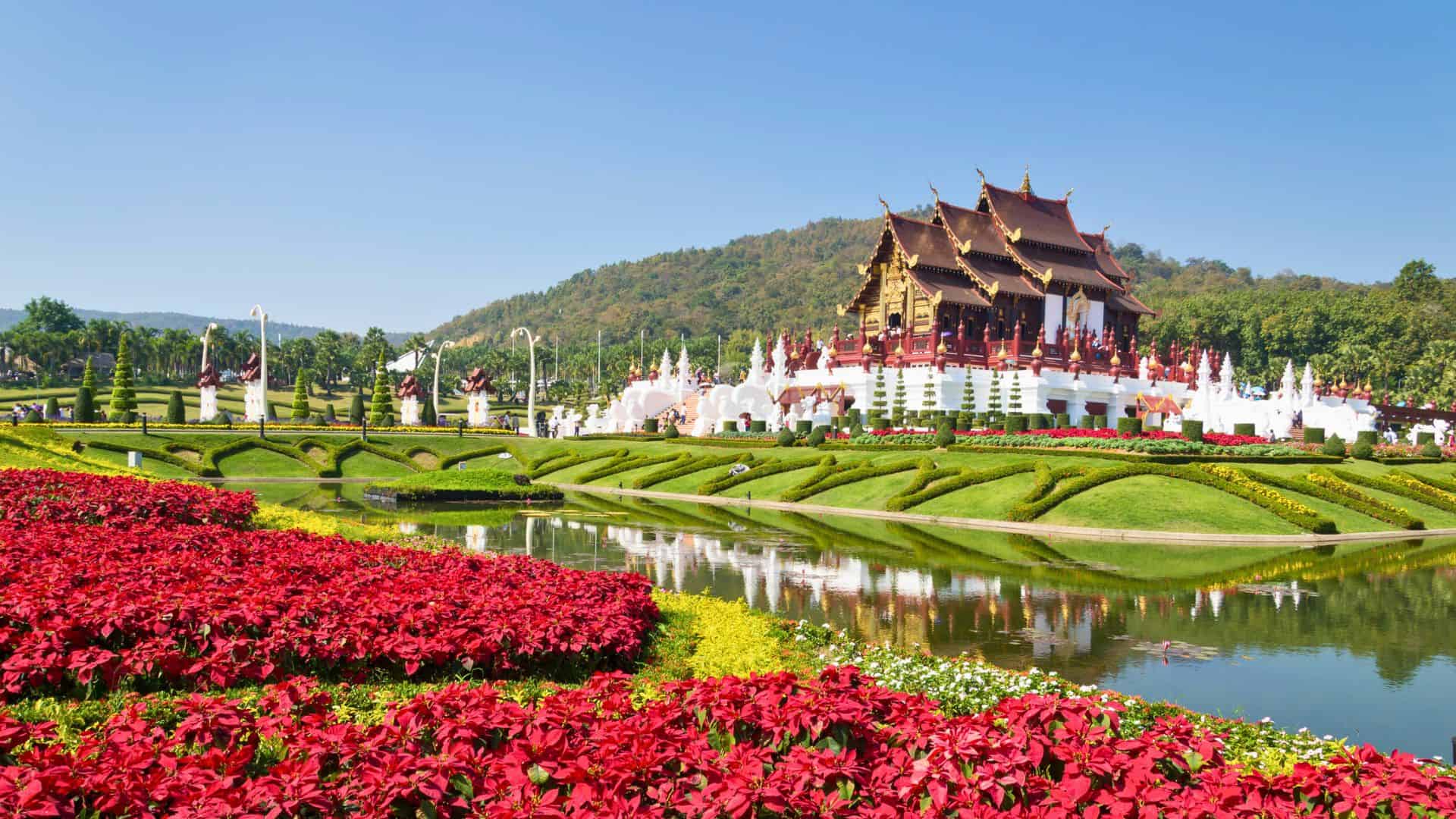
Thailand requires planning due to shifting seasonal patterns and regional variation. Weather changes affect islands, coastlines, and inland areas differently throughout the year. Transport between regions remains efficient but benefits from advance coordination during busy periods. Accommodation choice strongly influences daily experience, particularly in popular areas. Planning ahead helps travelers avoid mismatched routes and choose regions that align with timing and pace. Thailand feels more manageable when movement is intentional rather than reactive, allowing travelers to adjust energy and expectations across different parts of the country.
Argentina

Argentina’s scale and regional diversity make advance planning important. Internal flights cover long distances, especially when combining cities with Patagonia or wine regions. Seasonal access affects outdoor areas, and weather windows can be short. Currency conditions also influence booking timing and payment methods. Travelers who plan early can build more balanced routes and avoid last-minute transport gaps. Argentina works best when travel days, rest periods, and regional timing are mapped ahead, creating steadier pacing across a country where distances and conditions vary widely.
Vietnam
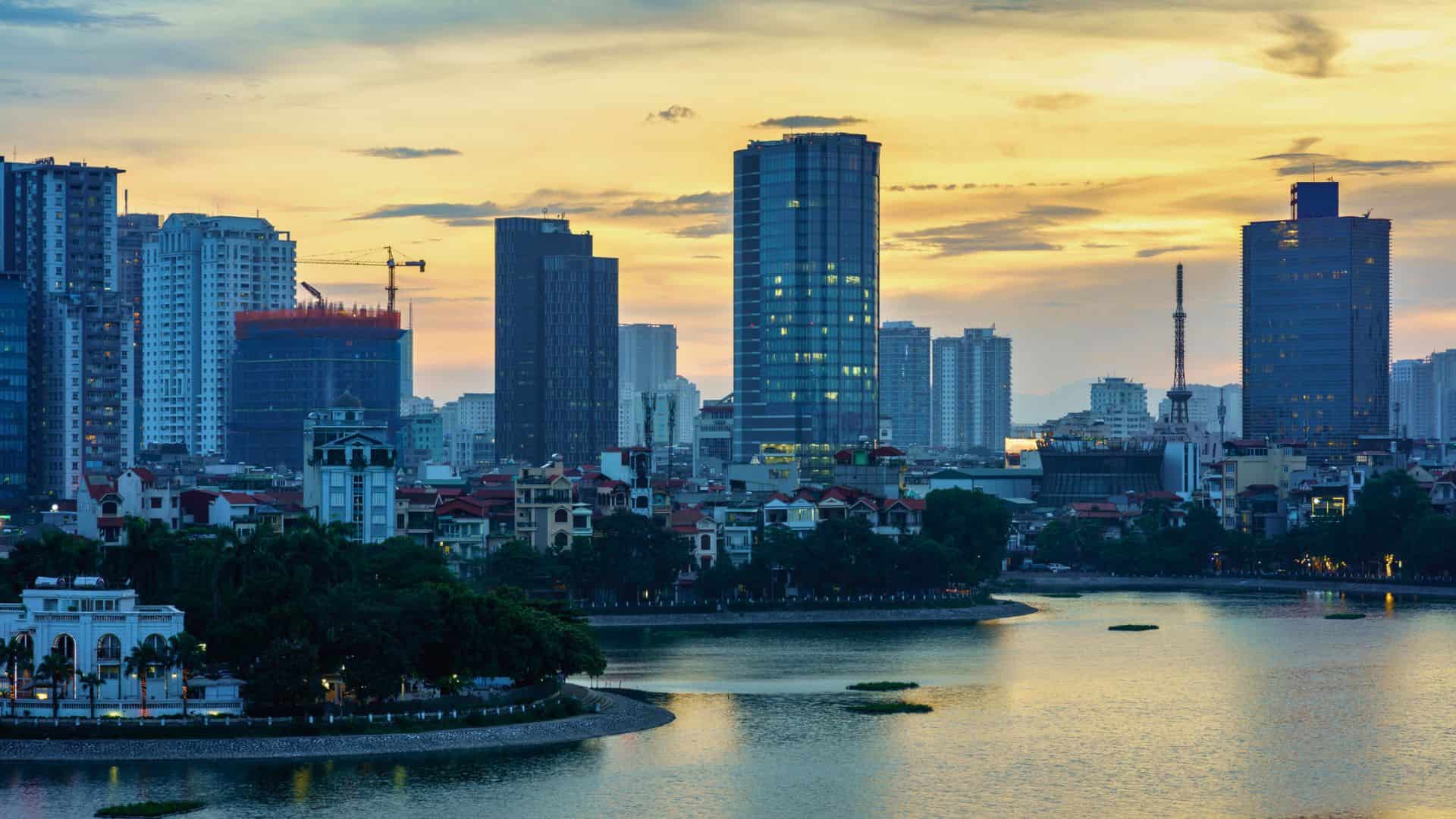
Vietnam’s tourism growth has increased strain on transport and accommodation in key regions. Seasonal weather differs sharply between north, central, and southern areas, affecting route choices. Rail and domestic flights fill quickly during peak periods. Early planning helps travelers avoid overpacked itineraries and align regions with the right timing. Choosing base cities carefully reduces daily movement and improves pacing. Vietnam becomes easier to navigate when routes account for climate variation and travel time, allowing travelers to focus on exploration rather than constant adjustment.
Top 10 Shockingly Cheap Countries To Live In

Wondering which countries are cheap to visit? Living abroad doesn’t have to cost a fortune. In fact, some countries are so affordable that you might find yourself living better for less. Whether you’re dreaming of vibrant cities, laid-back beach towns, or scenic mountain retreats, there are places where life can be great without blowing through your budget.
Read More Here: Top 10 Shockingly Cheap Countries To Live In
10 Countries Where Prices Are So Low, Tourists Come to Stock Up

In some destinations, the cost of goods is so low that travelers make a point to shop while visiting. There are countries where prices are so low, tourists come to stock up on everything from clothing and household items to specialty foods and souvenirs. The appeal isn’t just about saving money—it’s also the chance to bring home high-quality local products for a fraction of what they would cost elsewhere. Markets, boutiques, and even supermarkets can become part of the travel experience when bargains are this good.
Read More Here: 10 Countries Where Prices Are So Low, Tourists Come to Stock Up