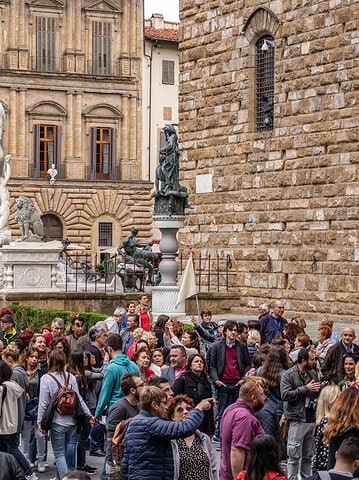
Big cities often reward speed, but small towns run on a different rhythm. This list highlights places where schedules feel lighter, streets feel walkable, and time is not treated like something to race against. These towns tend to favor long meals, quiet mornings, and days shaped more by routine than urgency.
Slower travel can make it easier to notice details and settle into a place instead of rushing through it. Choosing towns like these can change how a trip feels from start to finish. Read on to see which small towns encourage easing up and letting the day unfold naturally.

Hallstatt
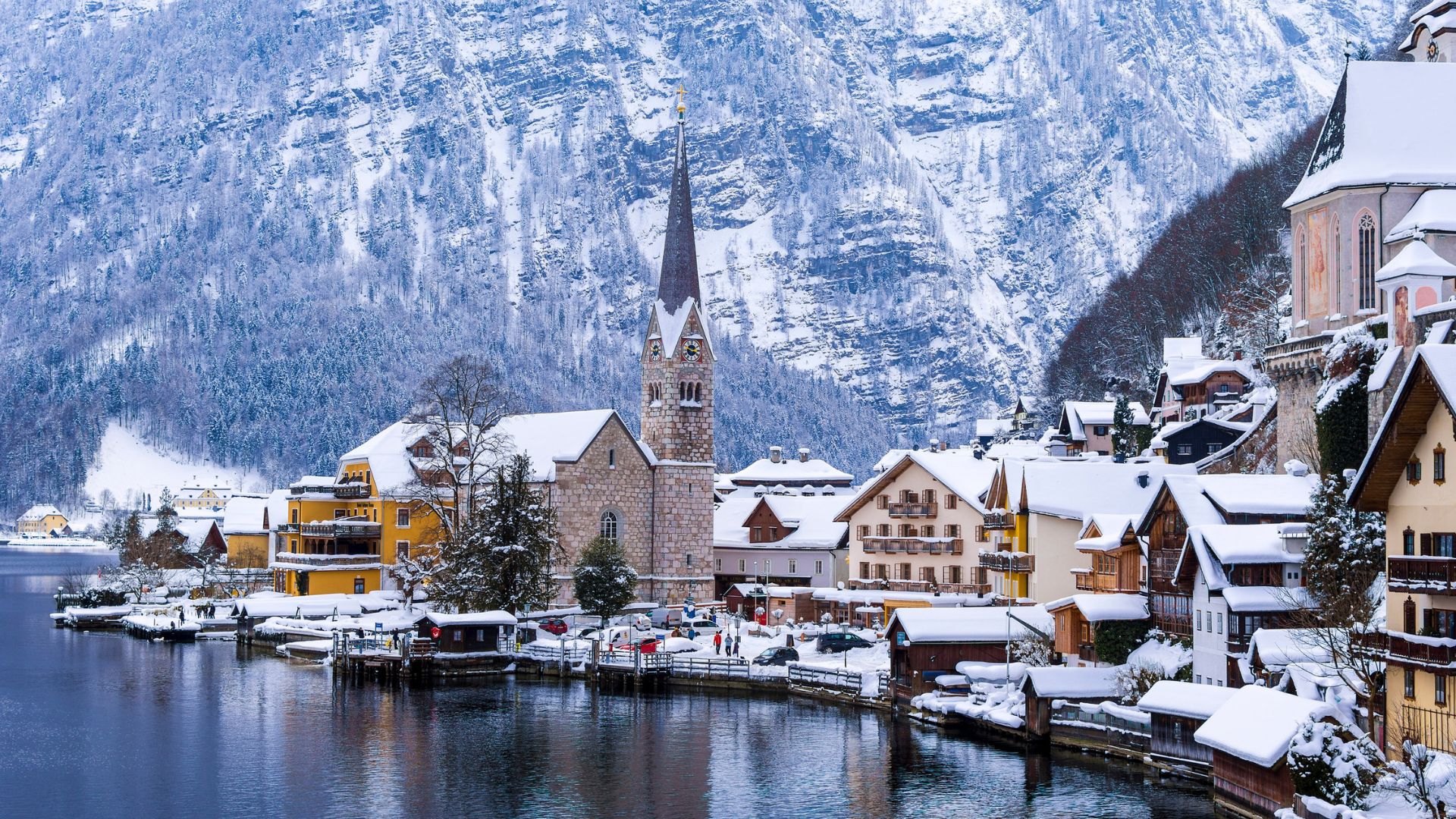
Hallstatt feels built for slower days because movement naturally pauses here. The town is small, walkable, and visually contained by the lake and mountains, which removes any pressure to cover ground. Days tend to revolve around light changes, quiet walks, and sitting rather than scheduling. Even short errands take time, not because of inconvenience, but because the setting invites stopping. Many travelers say Hallstatt felt less like a destination and more like a place to exist for a while. It rewards patience and stillness more than activity, which is why it lingers in memory.
Colmar
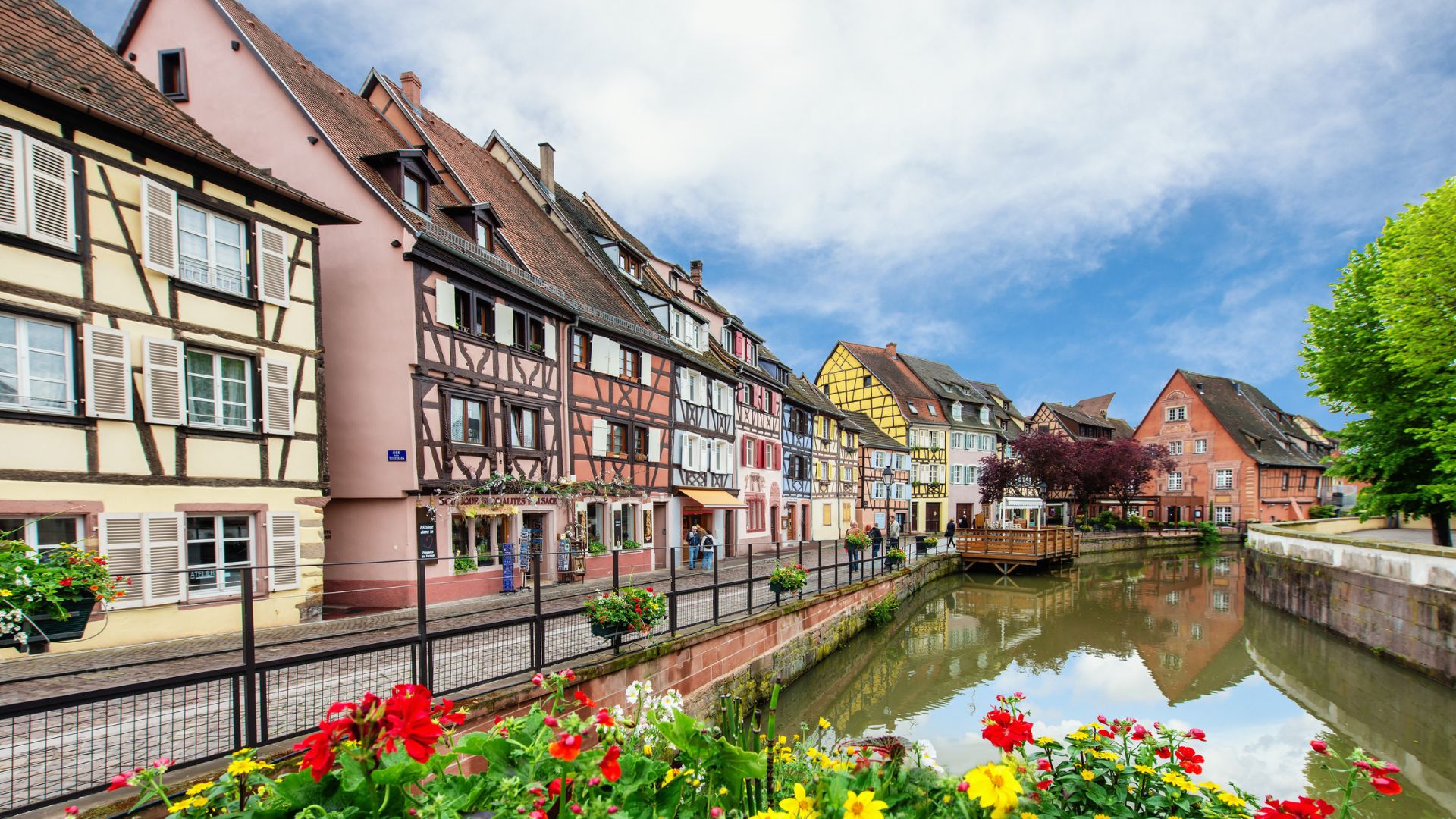
Colmar encourages slow days through scale and rhythm rather than isolation. The old town is compact, streets are narrow, and there is little reason to move quickly. Cafés and markets invite lingering, and the town functions well without a rigid plan. Travelers often say they spent entire afternoons walking short distances and still felt full days pass. Colmar does not demand constant attention. Instead, it allows repetition, returning to the same streets or tables without feeling redundant. The pace feels deliberate, which makes even brief stays feel settled and complete.
Luang Prabang

Luang Prabang feels built for slower days because daily life follows a visible rhythm. Mornings, afternoons, and evenings are clearly defined, and activity rises and falls predictably. The town is small enough to navigate without urgency, and there is little incentive to rush between places. Travelers often describe feeling grounded by the routine rather than restricted by it. Time stretches gently, shaped by weather, light, and quiet moments. Luang Prabang stands out because slowing down feels natural, not intentional. The town does not ask visitors to relax. It simply moves at that pace.
Alberobello
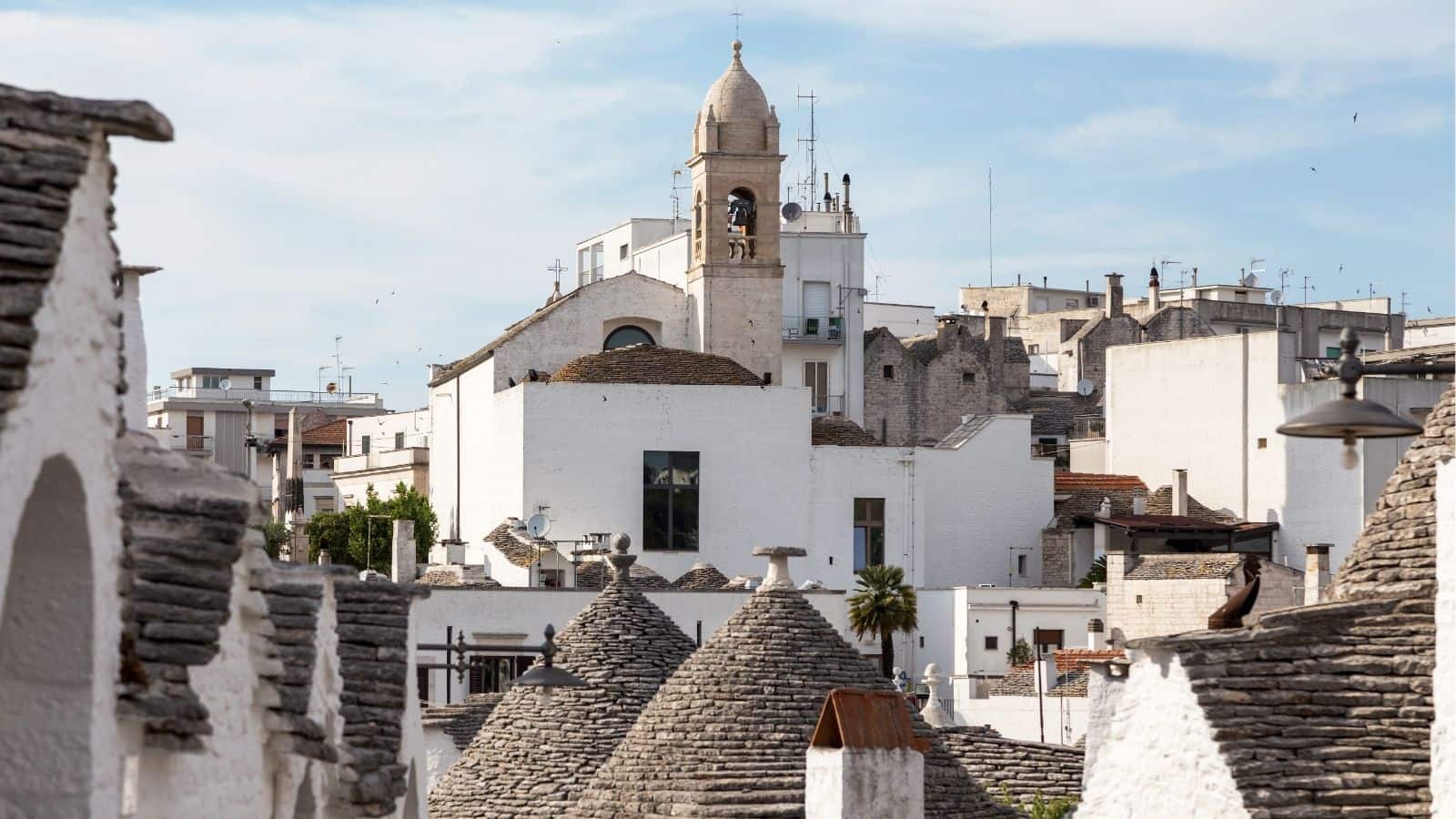
Alberobello feels designed for slow movement because the environment resists speed. The trulli-lined streets are uneven and intimate, encouraging walking rather than efficiency. Days here tend to be quiet, with long pauses between activities and little reason to hurry. Travelers often mention how quickly they adjusted to doing less, without feeling bored. Alberobello does not offer constant stimulation. It offers space to observe and return to the same views repeatedly. The town feels contained and self-sufficient, which allows visitors to stay present instead of planning what comes next.
Gjirokastër
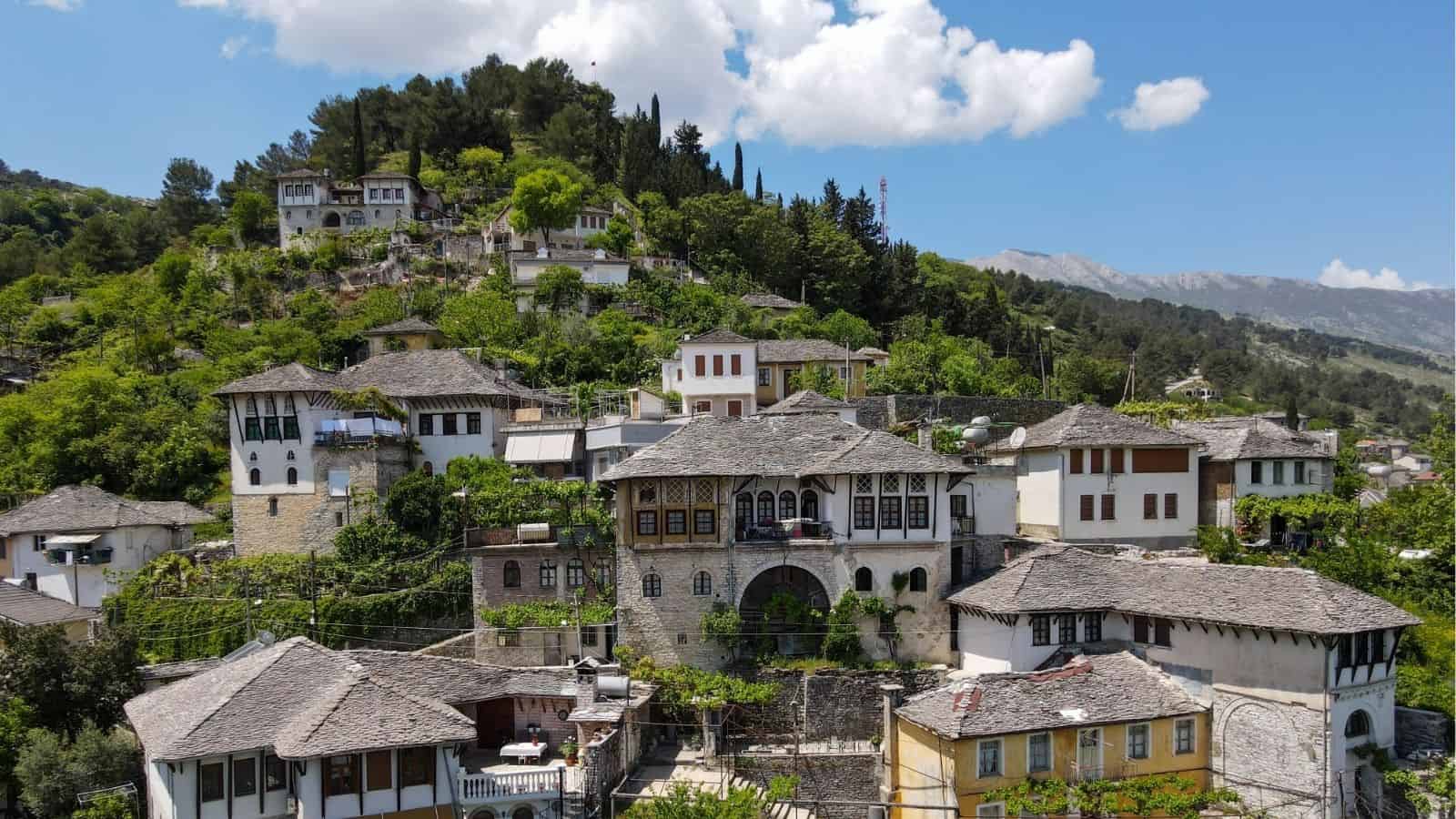
Gjirokastër feels built for slower days because effort is required to move at all. The steep stone streets and layered layout make rushing impractical. Travelers often find themselves stopping often, not just to rest, but to look around. The town’s pace is shaped by geography rather than design. Conversations happen slowly, errands take time, and days feel full without much activity. Many visitors say Gjirokastër taught them to accept physical limits and let time stretch naturally. It is a place where slowing down feels necessary, not optional.
Want to save this?
Paraty
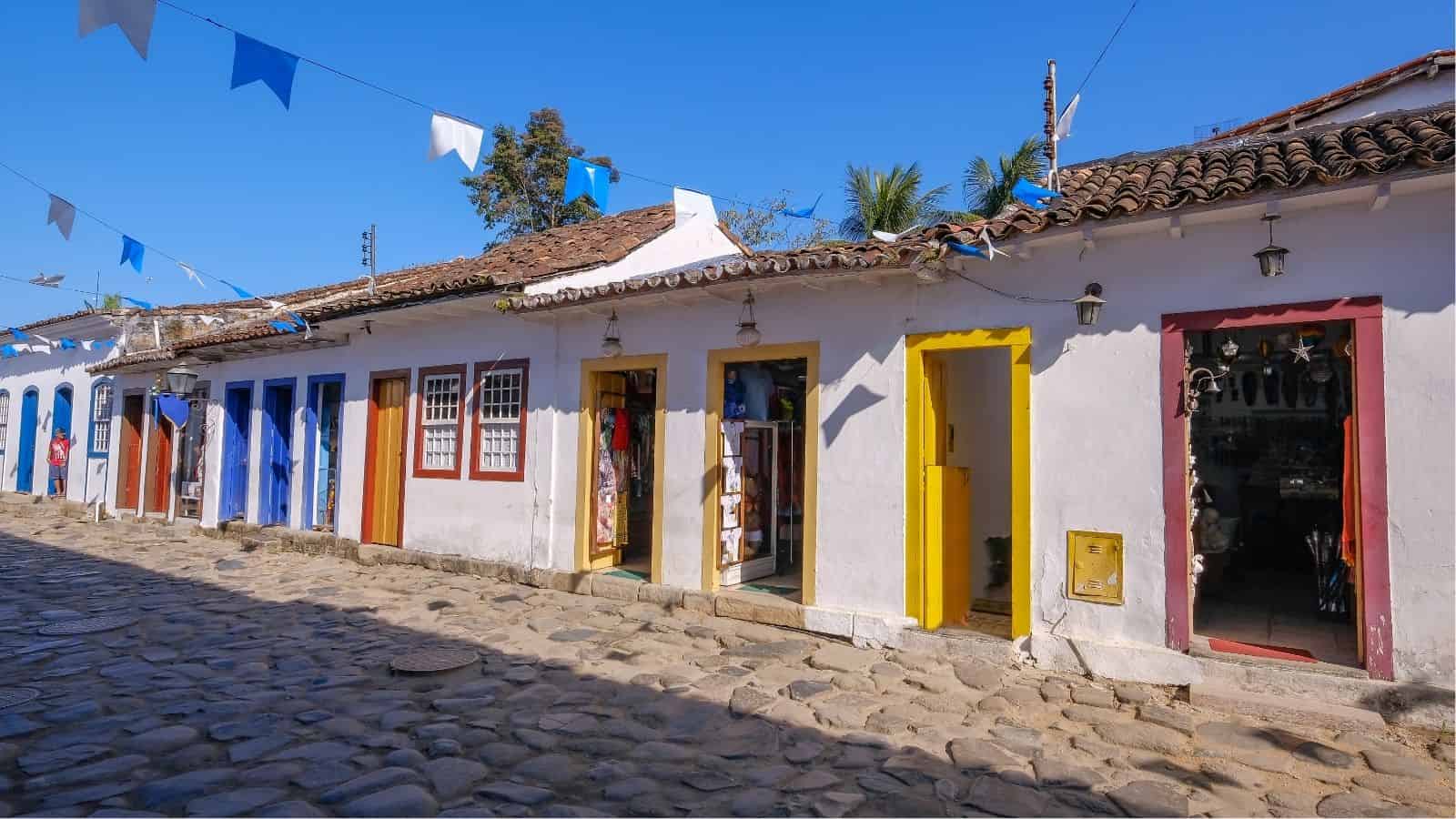
Paraty feels built for slower days because movement is intentionally limited. The historic center is closed to most traffic, and the uneven stone streets discourage rushing. Days naturally revolve around walking short distances, pausing often, and adjusting plans to the heat or weather. Travelers frequently say they stopped checking the time here, letting mornings stretch and afternoons soften. Paraty’s rhythm is shaped by light, tides, and quiet evenings rather than schedules. The town makes productivity feel irrelevant, encouraging visitors to settle into repetition and presence rather than progress.
Rothenburg ob der Tauber
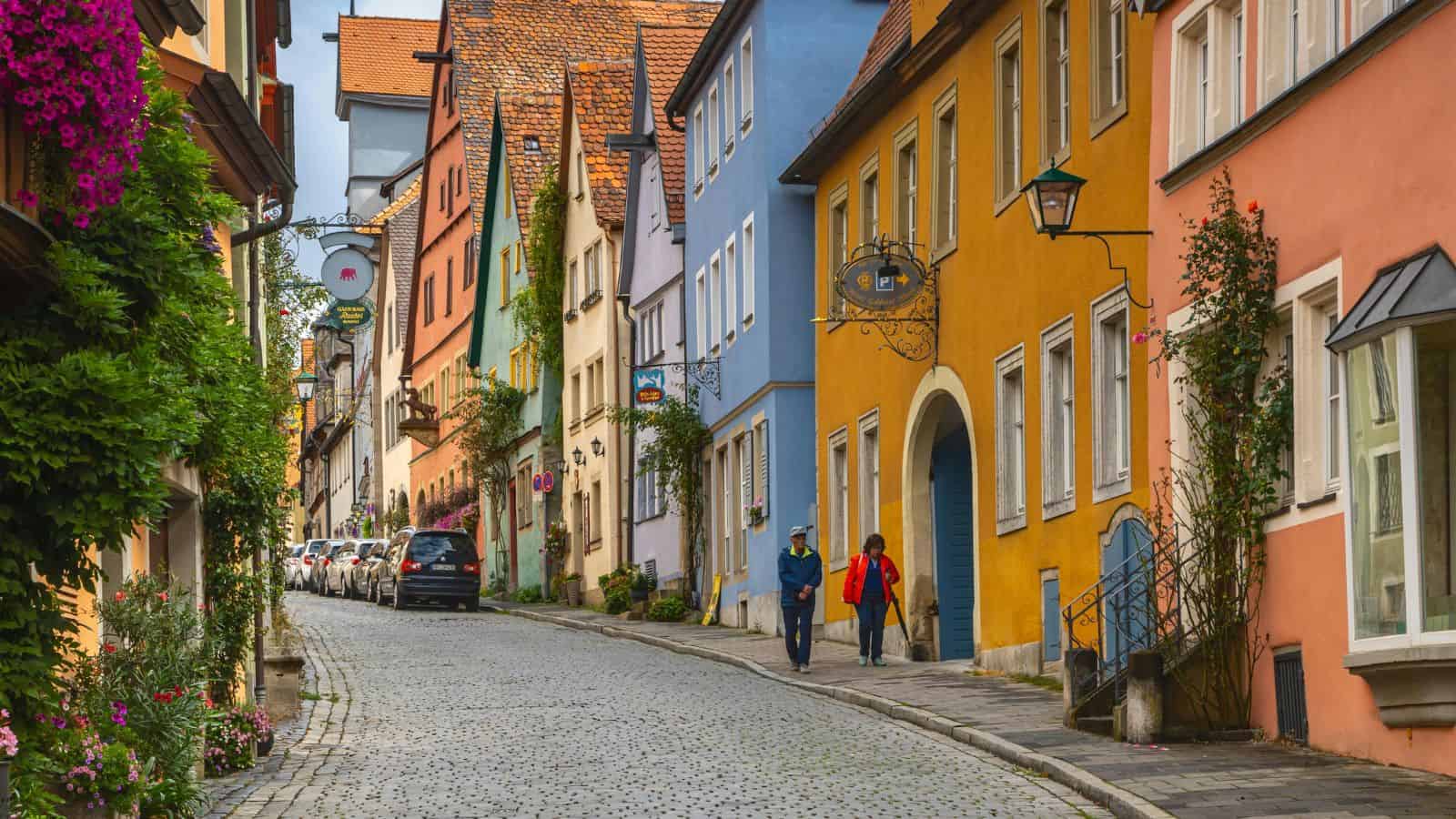
Rothenburg ob der Tauber feels designed for slow days because it is self-contained. The town walls define clear boundaries, removing any sense of urgency to go elsewhere. Walking becomes circular rather than directional, with routes that naturally loop back on themselves. Travelers often say they found themselves revisiting the same viewpoints without intention. The pace feels steady and predictable, especially in the evenings, when activity tapers off. Rothenburg rewards familiarity over novelty, making time feel less segmented and more continuous.
Chefchaouen

Chefchaouen feels built for slower days because movement happens vertically as much as horizontally. The hills and staircases require effort, which naturally spaces out activity. Travelers often mention how frequently they stopped, not just from exertion, but because the town invites observation. Daily life unfolds at a measured pace, with little pressure to maximize time. Chefchaouen encourages wandering without destination, allowing days to be shaped by mood rather than plans. Slowing down feels practical here, not philosophical.
Sibiu
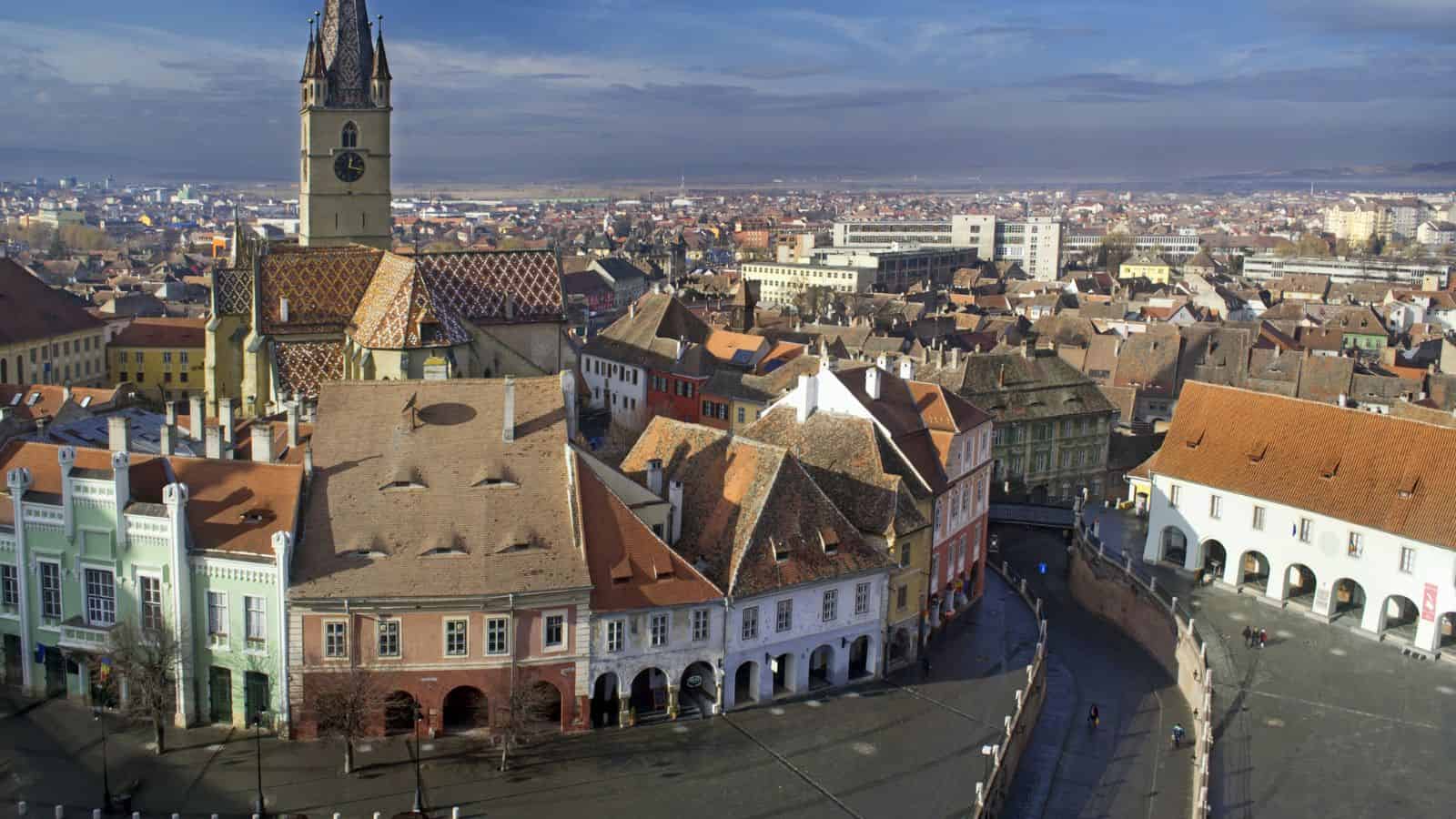
Sibiu supports slower days through balance rather than isolation. The town is lively but never overwhelming, with walkable distances and predictable rhythms. Travelers often say they felt comfortable doing very little here without feeling disconnected. Cafés, squares, and quiet streets encourage lingering rather than movement. Sibiu’s pace allows for repetition, returning to the same places across multiple days without pressure to move on. Time feels generous, shaped by routine rather than urgency, which makes the town especially appealing for travelers seeking steadiness.
19 US Travel Goals That Make the Perfect Bucket List

Want to make the most out of your U.S. trip? Traveling across the United States offers an incredible variety of experiences, from stunning natural wonders to vibrant cities steeped in history and culture. Whether you're drawn to the rugged beauty of national parks, the charm of small towns, or the energy of bustling metropolises, setting 19 travel goals can help you make the most of your adventures. While many travelers stick to well-known destinations, there's so much more to explore beyond the usual stops.
Read More Here: 19 US Travel Goals That Make the Perfect Bucket List
13 Canadian Dream Spots Perfect for Your Retirement Years

Canada offers a diverse range of beautiful locations that make it an ideal destination for retirement. With its welcoming atmosphere, stunning natural landscapes, and high quality of life, it’s no surprise that many retirees choose Canada as their new home. From vibrant urban centers to peaceful coastal towns and charming rural retreats, the country offers a variety of dream spots suited for every lifestyle.
Read More Here: 13 Canadian Dream Spots Perfect for Your Retirement Years