Choosing where to stay can shape the entire trip. This article features places where tourists often book the wrong area, focusing on destinations where neighborhoods look close on a map but feel very different in reality. Being in the wrong spot can mean long commutes, limited food options, or missing the parts people hoped to experience.
Understanding how areas within a destination really function can help avoid frustration. A better location can save time and make days flow more smoothly. Keep reading to see which places made the list and what travelers often overlook when booking.

Paris

In Paris, tourists often book far from the center to save money, assuming the metro makes distance irrelevant. While transit is good, staying too far out can quietly drain time and energy, especially late at night or during transit disruptions. Some outer neighborhoods are residential, with little evening activity, which leaves visitors feeling disconnected from the city’s rhythm. Others book near major train stations without realizing those areas can feel hectic or less pleasant to linger in. Paris rewards proximity. Being walkable to everyday streets, cafés, and landmarks often matters more than hotel size or price.
Rome

Rome’s scale and layout catch many travelers off guard. Tourists frequently book accommodations near one major landmark, assuming everything else will be close. In reality, distances add up quickly, and walking across Rome repeatedly becomes exhausting. Areas near the Vatican or Termini can feel inconvenient if your daily plans are elsewhere. Some neighborhoods quiet down sharply at night, limiting dining options. Rome works best when lodging aligns with how you plan to move. Booking without understanding neighborhood flow often leads to long days spent commuting instead of exploring.
Tokyo

Tokyo trips often suffer when travelers book based on price alone without considering train lines. Staying near the wrong station can mean multiple transfers every day, even if the area looks central on a map. Some neighborhoods are business-focused and feel empty at night, while others are lively but far from major attractions. Tokyo’s efficiency depends on line access, not distance. Visitors often realize too late that convenience is measured by direct routes, not neighborhood names. Booking with train connections in mind changes the entire experience.
London
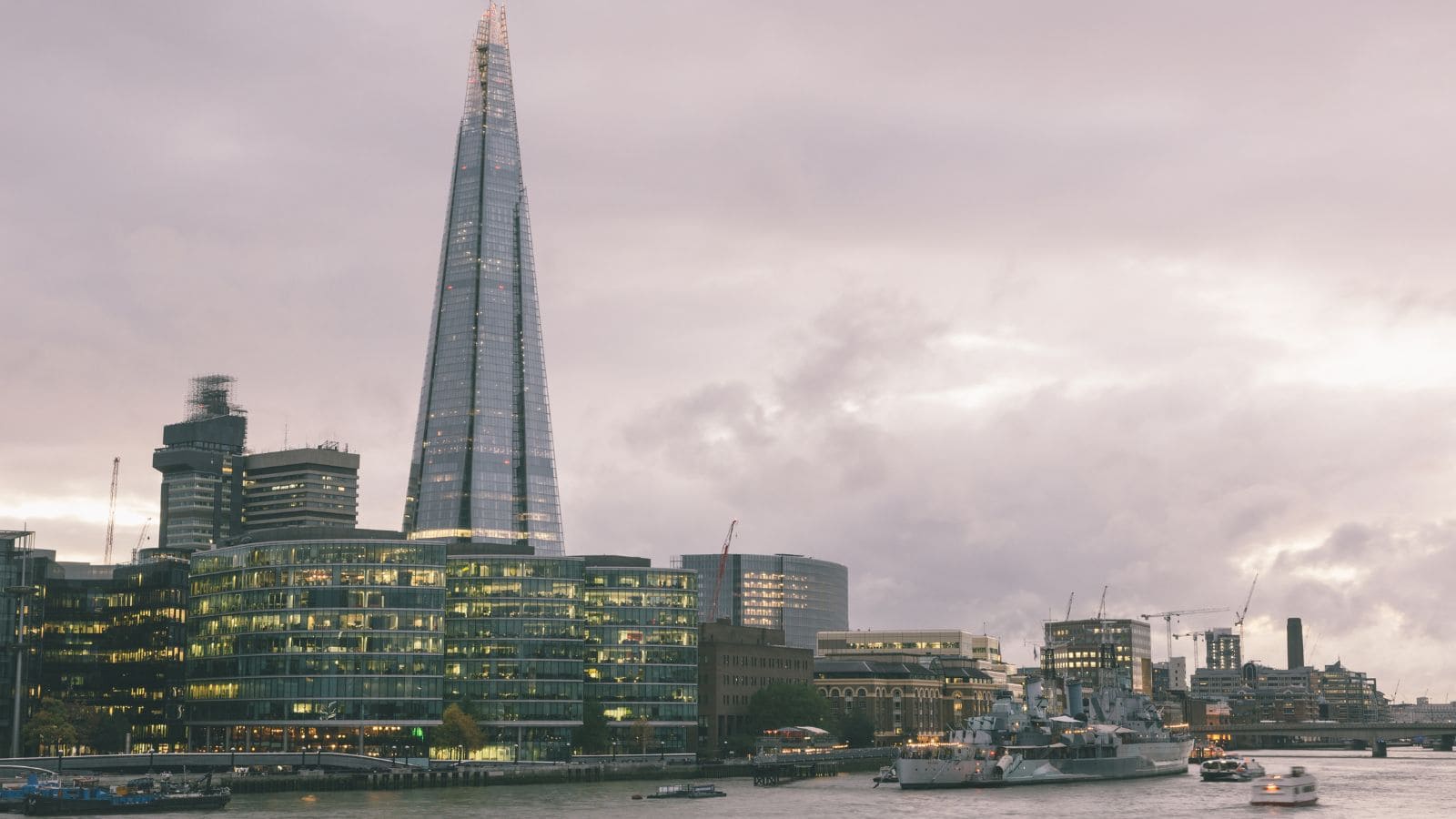
In London, tourists often underestimate how spread out the city is. Booking far outside central zones can mean long daily commutes and higher transport costs. Some visitors choose areas near major airports or far suburban stations, assuming fast trains solve everything. In practice, returning late or navigating weekend service changes becomes tiring. Certain districts feel disconnected from the London most travelers expect. Staying closer to central neighborhoods allows more flexibility and spontaneity. London rewards location over room size. Where you stay often shapes how much of the city you actually see.
Bangkok
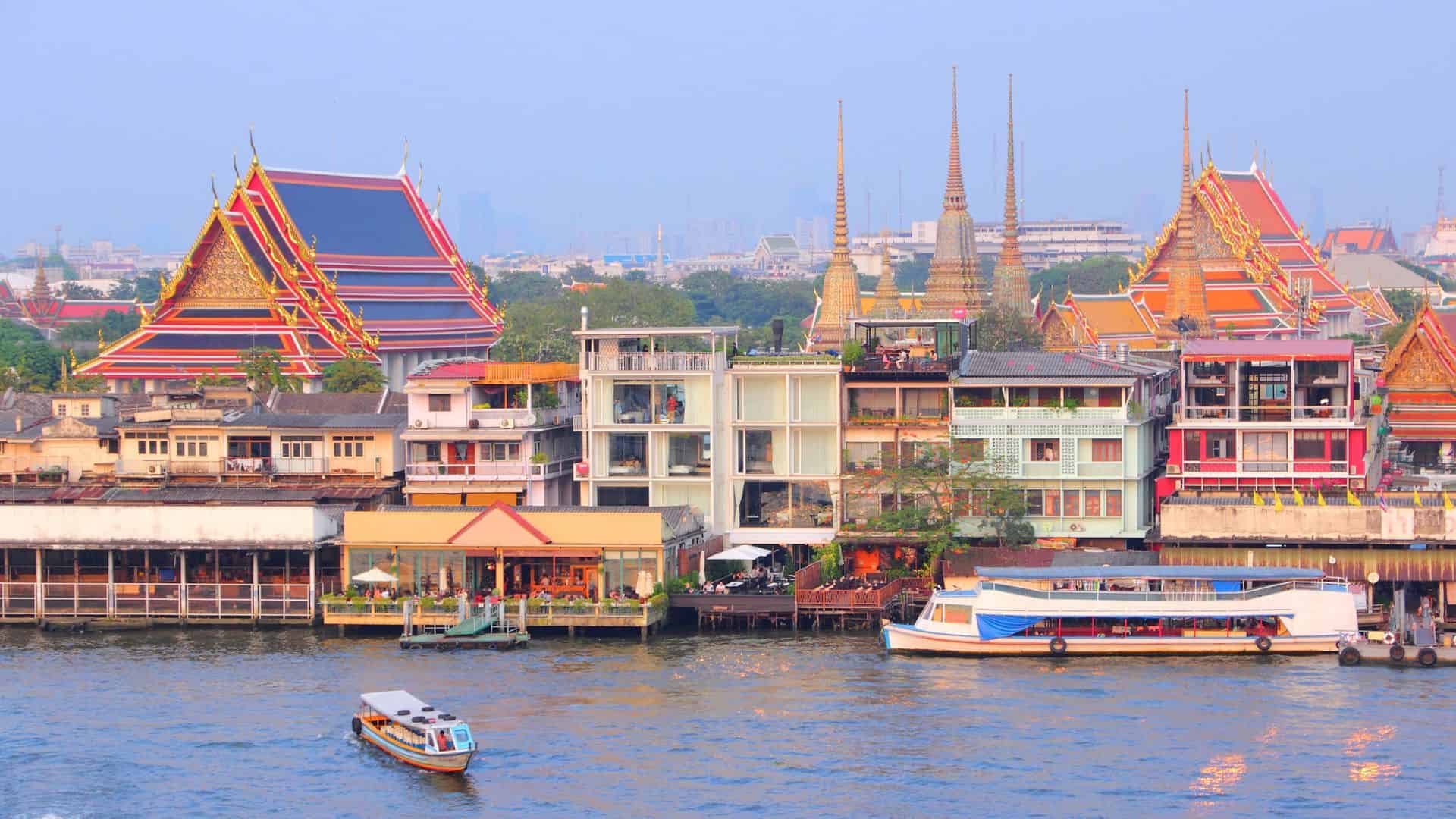
Bangkok trips often go wrong when travelers book based on hotel amenities instead of transit access. Staying far from BTS or MRT lines can turn short distances into hour-long journeys due to traffic. Some riverfront or outer-district hotels look appealing but make daily movement difficult. Other areas feel lively during the day but isolated at night. Bangkok is a city where location dictates experience. Being close to reliable transit and walkable streets matters more than luxury features. Poor area choice often leads to frustration rather than relaxation.
Barcelona

Want to save this?
In Barcelona, tourists often book too far from the neighborhoods they actually want to spend time in. Some choose beach-adjacent areas expecting constant energy, only to find long walks or transit rides to cultural sites. Others stay near major transit hubs without realizing those areas lack evening life or charm. Barcelona’s neighborhoods are distinct, and daily movement between them adds up. Booking without understanding how areas connect leads to unnecessary commuting. Staying near walkable streets, local dining, and multiple attractions makes the city feel cohesive instead of segmented.
New York City

New York trips often suffer when visitors underestimate distances between neighborhoods. Tourists sometimes book far from Manhattan to save money, assuming subway access solves everything. In reality, long rides add fatigue, especially late at night. Others stay near business districts that empty out after work hours. New York rewards proximity to the experiences you care about most, whether dining, museums, or nightlife. Booking without considering daily movement often results in more time underground than exploring. Location shapes how spontaneous and energized a New York visit feels.
Istanbul

Istanbul frequently trips travelers up because of its geography. Tourists may book based on views or price without realizing how separated neighborhoods are by water, hills, and traffic. Crossing between areas can take much longer than expected, especially during peak hours. Some districts feel lively by day but isolated at night. Others are well-located but physically demanding to navigate. Istanbul works best when accommodation matches daily plans. Booking the wrong area often turns simple outings into full logistical exercises.
Venice

Venice mistakes often start with booking on the mainland in Mestre instead of the historic center. While cheaper, Mestre adds daily transit time and removes the immersive experience many travelers expect. Even within Venice, location matters. Staying too far from vaporetto routes or in quieter zones can make movement slower than anticipated. Venice’s layout is unique, and shortcuts rarely exist. Booking without understanding how you’ll move through the city often leads to frustration. In Venice, convenience and atmosphere are closely tied to where you sleep.
Lisbon

Lisbon’s hills and layout catch many visitors off guard. Tourists often book based on views or price without realizing how steep daily walking will be. Some neighborhoods look close on a map but require long, uphill routes to reach attractions. Others feel charming during the day but inconvenient at night. Transit helps, but it does not eliminate elevation challenges. Lisbon works best when accommodations align with mobility needs and daily routes. Booking the wrong area can quietly drain energy and limit how much of the city feels accessible.
Top 10 Shockingly Cheap Countries To Live In

Want to travel internationally without breaking the bank? Living abroad doesn’t have to cost a fortune. In fact, some countries are so affordable that you might find yourself living better for less. Whether you’re dreaming of vibrant cities, laid-back beach towns, or scenic mountain retreats, there are places where life can be great without blowing through your budget.
Read More Here: Top 10 Shockingly Cheap Countries To Live In
10 Budget-Friendly Spots Around the World With $200 (or Less) Hotels

Traveling on a budget doesn't mean sacrificing comfort or adventure. Across the world, there are plenty of destinations where travelers can find affordable accommodations without breaking the bank. For those seeking budget-friendly stays, there are plenty of places where quality hotels are available for $200 a night or less. These destinations offer great value, allowing you to explore new cities, cultures, and experiences without overspending.
Read More Here: 10 Budget-Friendly Spots Around the World With $200 (or Less) Hotels