Some destinations leave little room for booking mistakes. This article features destinations where one wrong booking changes the whole trip, focusing on places where location, timing, or reservation choices have a bigger impact than expected. A single misstep with lodging or transportation can affect how the entire trip unfolds.
Knowing where details matter most can help travelers plan with more care. Small decisions can shape comfort, access, and daily flow. Keep reading to see which destinations made the list and what travelers often wish they had booked differently.

Amalfi Coast, Italy

Many travelers book accommodations based on price without considering location along the coast. Towns like Positano, Amalfi, and Ravello are connected by narrow, slow-moving roads and limited bus routes. Staying outside the main towns can mean relying on infrequent transport or expensive taxis. Parking is also limited. A cheaper hotel in a less connected area often leads to longer travel times and higher daily transport costs. Choosing a central town or one with direct ferry access usually makes the trip more manageable.
Santorini, Greece

Santorini accommodations vary widely in location and accessibility. Booking outside the caldera area may reduce costs, but it also changes the experience significantly. Many of the well-known views and sunset locations are concentrated in specific villages like Oia and Fira. Transportation between villages can involve buses with limited schedules or taxis with higher fares. Travelers who choose the wrong base often spend more time commuting than expected. Selecting accommodation based on proximity to planned activities helps avoid daily transit challenges.
Venice, Italy
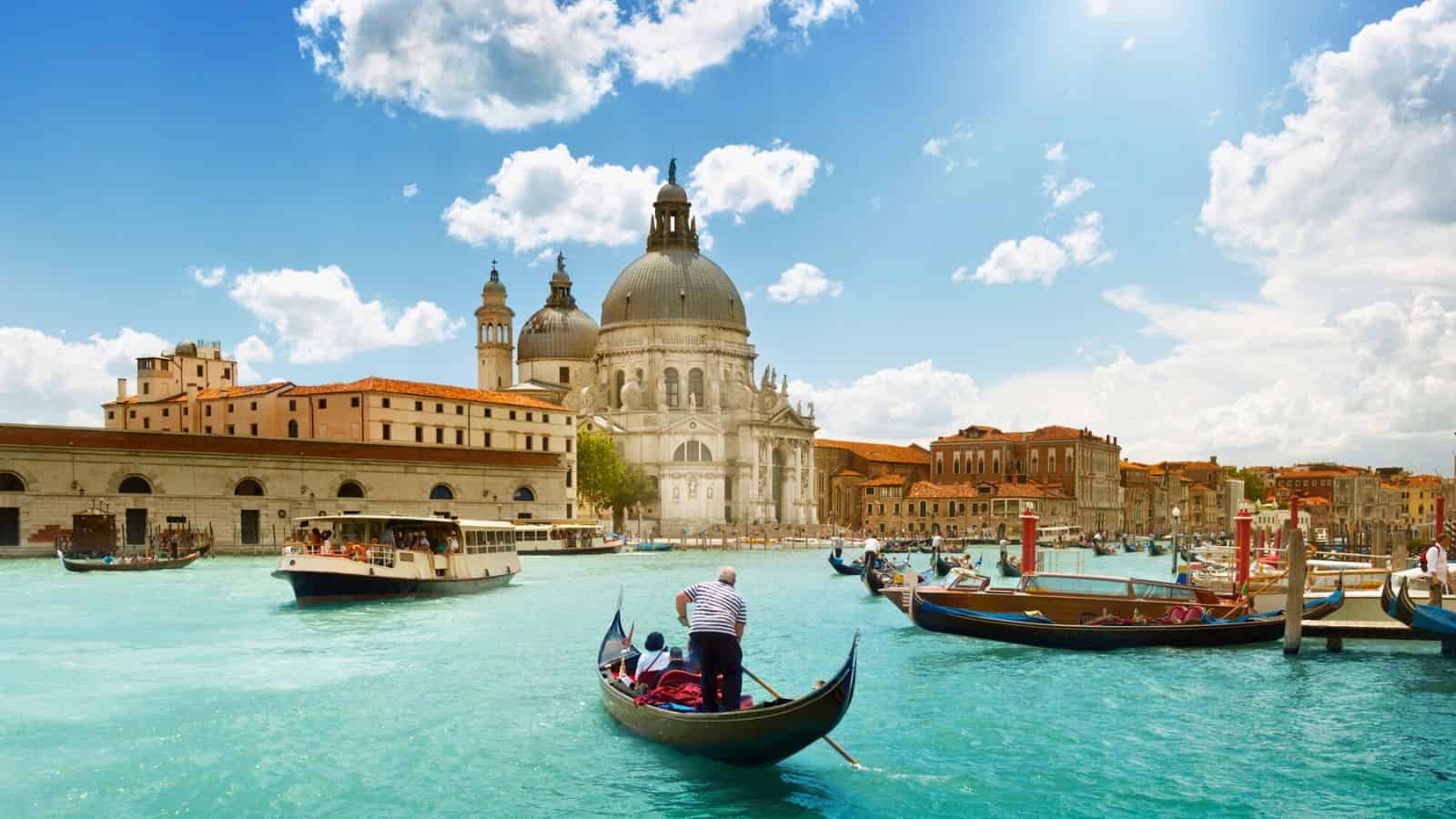
In Venice, the difference between staying on the main islands and staying on the mainland is significant. Hotels in Mestre are often more affordable, but commuting into Venice requires daily train or bus transfers. Early mornings and late evenings become harder to manage. Within Venice itself, proximity to vaporetto stops affects how easily you can move around with luggage. A poorly located hotel can mean long walks over bridges and crowded pathways. Booking within walking distance of major transport lines simplifies daily movement.
Tokyo, Japan

Tokyo’s size makes location one of the most important booking decisions. Staying far from major train lines can add significant commute time each day. Neighborhoods such as Shinjuku, Shibuya, and Tokyo Station offer better connectivity across the city. Choosing a hotel in a quieter area without direct rail access often results in multiple transfers. This increases both time and complexity. Booking near a major station with multiple lines reduces daily travel friction.
Paris, France

In Paris, the arrondissement you choose shapes the entire trip. Booking far from central districts may save money, but it increases reliance on the Metro. Late-night returns and early reservations become more complicated. Some outer areas also have fewer dining and service options nearby. Staying within central or well-connected arrondissements reduces transit time and makes it easier to move between attractions. Location often matters more than hotel size or amenities.
Maldives

In the Maldives, each resort sits on its own island, which means your initial booking determines your entire experience. Once you arrive, switching locations is not simple or affordable. Some islands focus on diving, others on relaxation, and some are more family-oriented. Transfer costs by seaplane or boat are also tied to your booking choice. Selecting the wrong island can limit activities or increase unexpected costs. Researching resort style and transfer logistics before booking is essential.
Want to save this?
Bali, Indonesia

Bali appears small on a map, but traffic conditions make travel between areas slow. Booking in one region while planning activities in another can lead to long daily drives. For example, staying in Seminyak while planning excursions in Ubud often results in hours spent in traffic. Ride costs add up quickly. Choosing accommodation based on your main activities helps reduce daily transit time. Splitting a stay between two areas is often more practical than commuting back and forth.
Switzerland
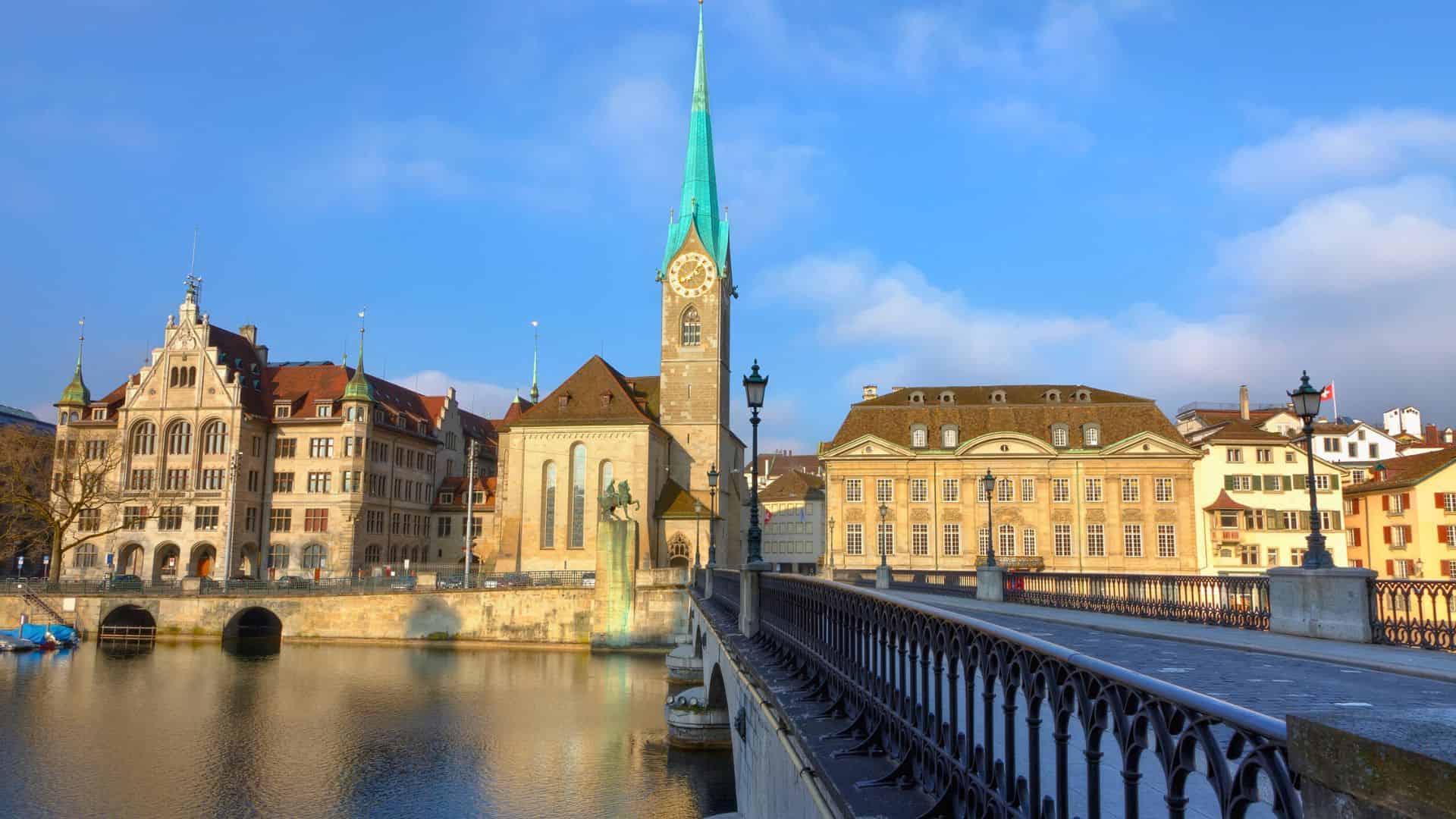
Switzerland’s transport system is efficient, but accommodation location still matters. Booking in a less connected village may reduce hotel costs but increase train transfers and travel time. Mountain destinations often rely on specific cable cars or regional trains with limited schedules. Missing connections can disrupt an entire day’s plan. Staying in a well-connected town like Interlaken or Lucerne often provides easier access to multiple regions. The right base reduces the need for constant re-planning.
New York City, United States

In New York City, choosing the wrong borough or neighborhood can significantly affect daily logistics. Staying far from subway lines or major hubs increases commute time and transportation costs. Visitors who book outside Manhattan to save money often spend more time and money traveling back and forth. Late-night returns can also become more complicated. Selecting accommodation near reliable subway lines in central areas helps reduce daily friction.
Iceland
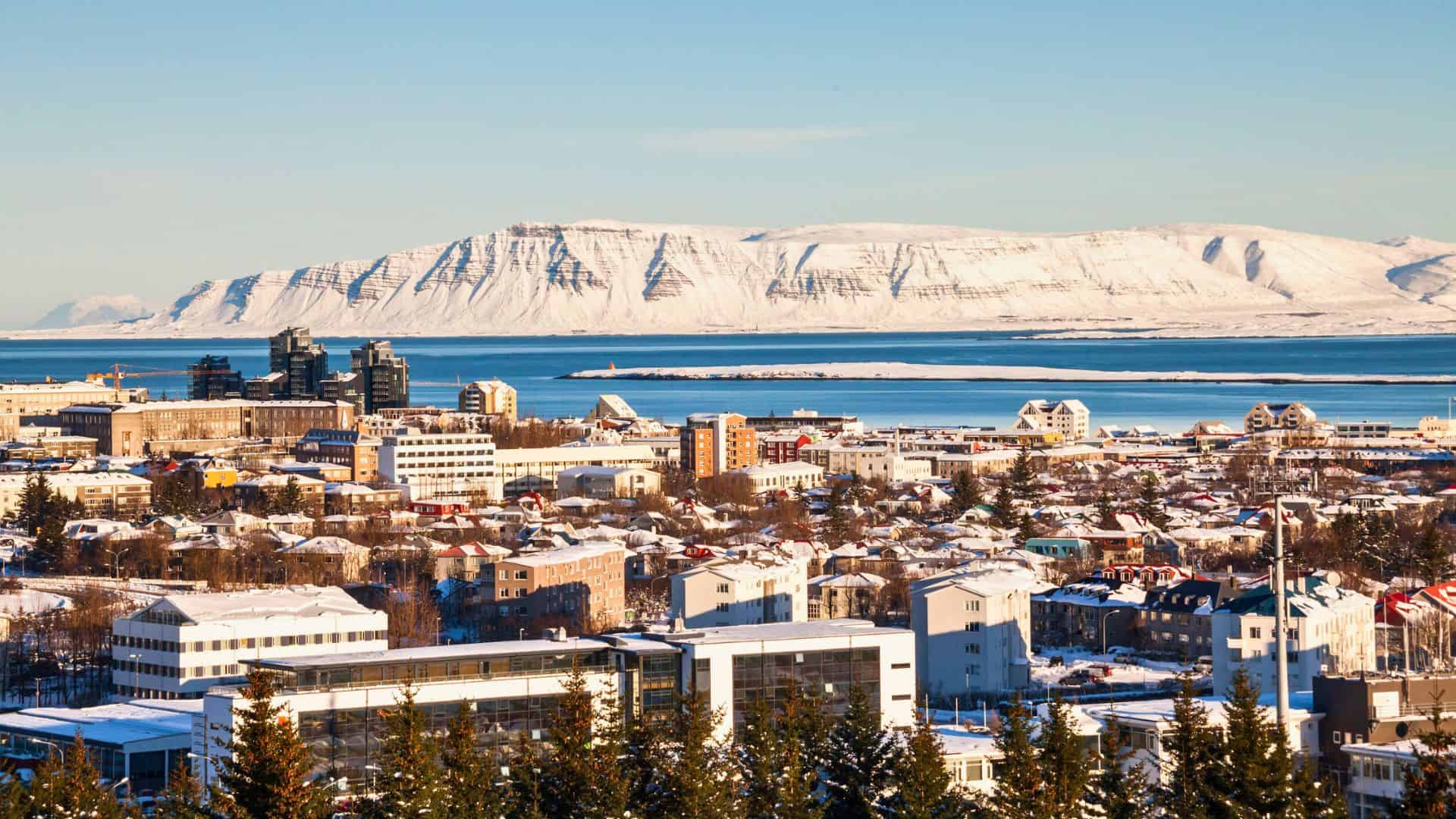
Iceland trips often depend on route planning. Booking accommodations without considering driving distances can lead to long, exhausting travel days. Many key sights are spread across the island, and weather conditions can affect travel times. Staying too far from planned stops increases fuel costs and limits flexibility. Choosing accommodations that follow a logical route, such as the Ring Road, helps maintain a manageable pace. Booking the wrong location can disrupt the entire itinerary.
Thailand
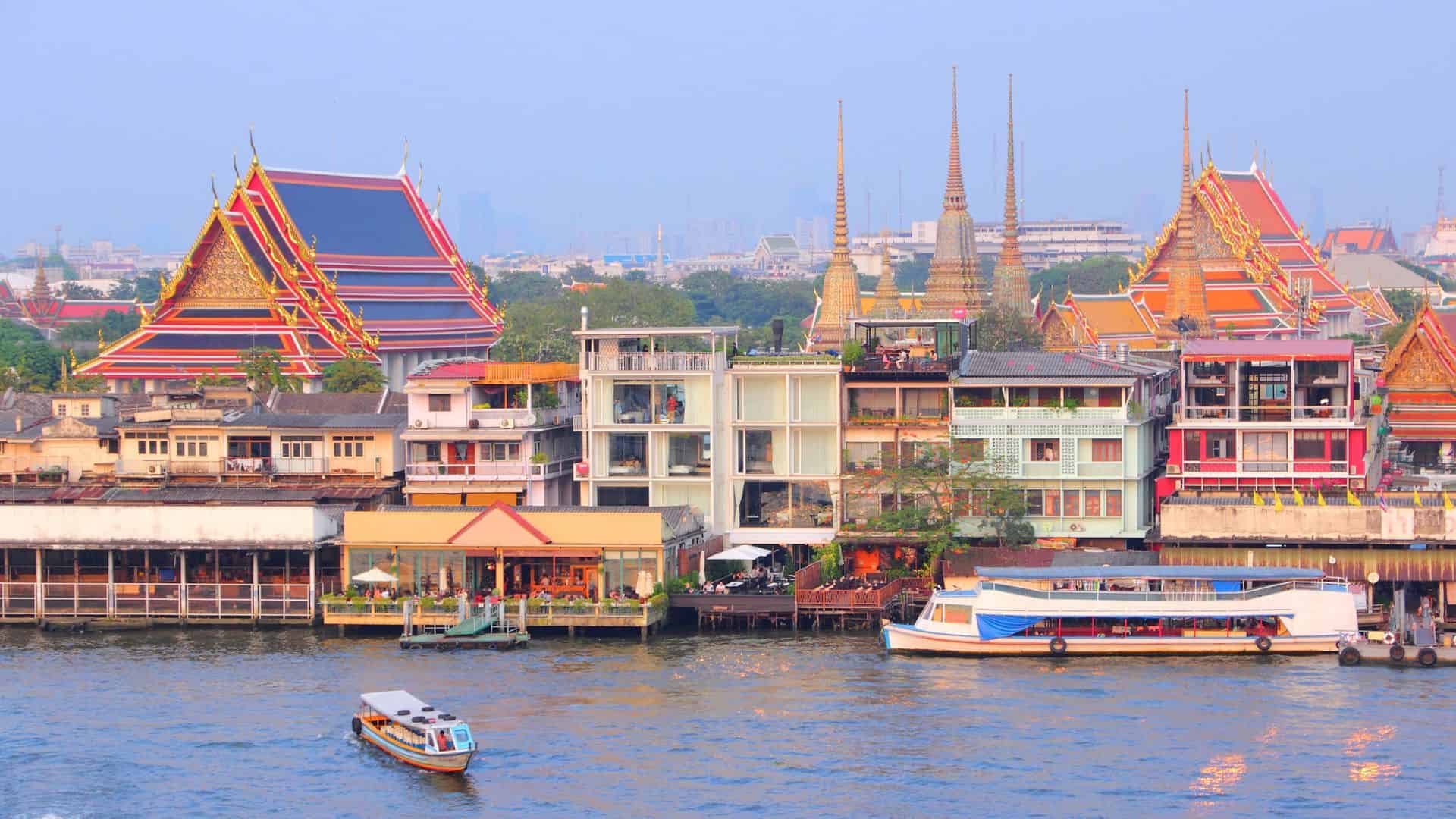
In Thailand, choosing the wrong island or area changes the tone of the trip. Some islands focus on nightlife, while others are quieter and more remote. Transportation between islands requires ferries or flights, which are not always frequent. Booking in a less accessible location can limit day trips and increase transfer costs. Matching the destination to your preferred pace and activities is key. The initial booking often determines how flexible the rest of the trip will be.
9 Places in the U.S. Where Spring Travel Costs Less for Families

Spring can be one of the most affordable times for family travel in the U.S. This article features places in the U.S. where spring travel costs less for families, focusing on destinations where lower demand, off-peak pricing, and seasonal deals help stretch a budget. These locations often feel more manageable before summer crowds arrive.
Read More Here: 9 Places in the U.S. Where Spring Travel Costs Less for Families
10 Cruise Itineraries That Work Well for First Time Cruisers

Planning a first cruise can feel overwhelming with so many routes to choose from. This article features cruise itineraries that work well for first time cruisers, focusing on routes that are easier to manage, have fewer complications, and include ports that are simple to navigate. These itineraries often help new cruisers settle in without feeling rushed or confused.
Read More Here: 10 Cruise Itineraries That Work Well for First Time Cruisers