Small slip-ups can quickly turn into major travel headaches. This article features countries where small mistakes cause big travel problems, focusing on places where rules, customs, or logistics leave little room for error. In these destinations, missing a detail or misunderstanding a process can lead to delays, fines, or denied entry.
Paying attention to the small things can make the difference between a smooth trip and a stressful one. Knowing where precision matters most helps travelers plan more carefully. Keep reading to see which countries made the list and what details are worth double-checking before you go.

Japan

Japan runs smoothly, but only if you follow the rules closely. Small mistakes, like boarding the wrong train car, misunderstanding ticket gates, or standing on the wrong side of an escalator, can snowball into confusion and missed connections. Etiquette matters too. Speaking loudly on trains or ignoring queue norms can draw uncomfortable attention. Because systems are precise, errors stand out. Travelers often say Japan feels easy only after learning the patterns. Until then, small misunderstandings can cost time, energy, and confidence, even though everything technically works perfectly.
Thailand

Thailand appears relaxed, but small oversights can create serious issues. Visa rules are strict, and overstays can lead to fines or bans. Dress codes at temples are enforced, and ignoring them can block entry entirely. Transportation mistakes, like boarding the wrong overnight bus or ferry, can leave travelers stranded far from where they planned to be. Even casual assumptions, such as relying on last-minute bookings during peak season, can backfire. Thailand rewards attention to details that are easy to miss, especially for travelers who mistake friendliness for flexibility.
Italy

Italy is famously forgiving in spirit but not always in practice. Forgetting to validate a train ticket, misunderstanding strike schedules, or assuming museums allow walk-in entry can derail a day. Transportation systems expect local knowledge, and signage is not always explanatory. Small timing errors often lead to missed trains or long waits. Travelers frequently say Italy requires vigilance, even when the atmosphere feels casual. The country rewards flexibility, but it punishes inattention. Minor planning gaps can quickly turn into lost hours, unexpected expenses, or unnecessary stress.
Morocco
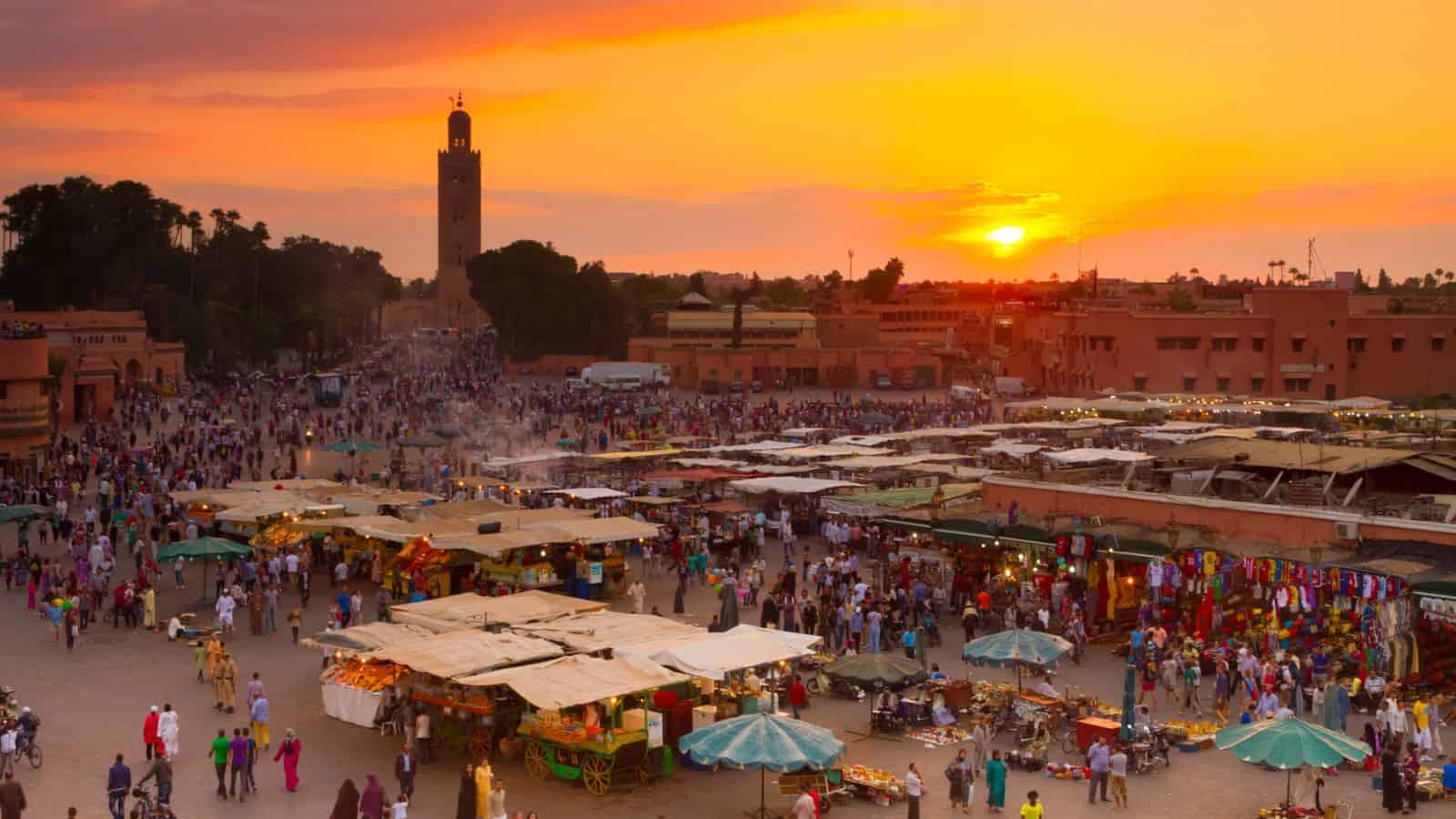
In Morocco, small navigation and communication mistakes can escalate quickly. Entering the wrong part of a medina, trusting unclear directions, or misunderstanding pricing norms can lead to confusion or uncomfortable situations. Informal systems rely heavily on personal interaction, which means misreading intent matters. Travelers often say that assuming Western-style clarity creates problems. Knowing when to ask, when to decline help, and how to move confidently makes a difference. Morocco is welcoming, but it requires situational awareness. Small lapses in judgment can lead to being lost, overcharged, or overwhelmed.
India

India magnifies small mistakes through scale and momentum. A minor error, like misreading a platform number or missing a bus connection, can cascade into hours of delay. Systems are vast, crowded, and layered, leaving little room for hesitation. Clear instructions are not always available, and assumptions often fail. Travelers say India requires constant recalibration. Preparation helps, but adaptability matters more. Small planning gaps grow quickly because everything is interconnected. India is deeply rewarding, but it expects travelers to stay alert. Inattention often comes with consequences.
Vietnam

Vietnam moves fast and informally, which means small missteps can ripple outward. Crossing streets hesitantly, assuming traffic rules work the same way, or relying too literally on maps can lead to confusion or near misses. Addresses are inconsistent, entrances can be tucked away, and schedules may shift without notice. Travelers often say they learned by watching locals closely. Small mistakes, like choosing the wrong bus or misjudging timing, can cost hours. Vietnam rewards adaptability and observation. When travelers try to impose rigid expectations, minor errors become bigger problems.
Want to save this?
Iceland
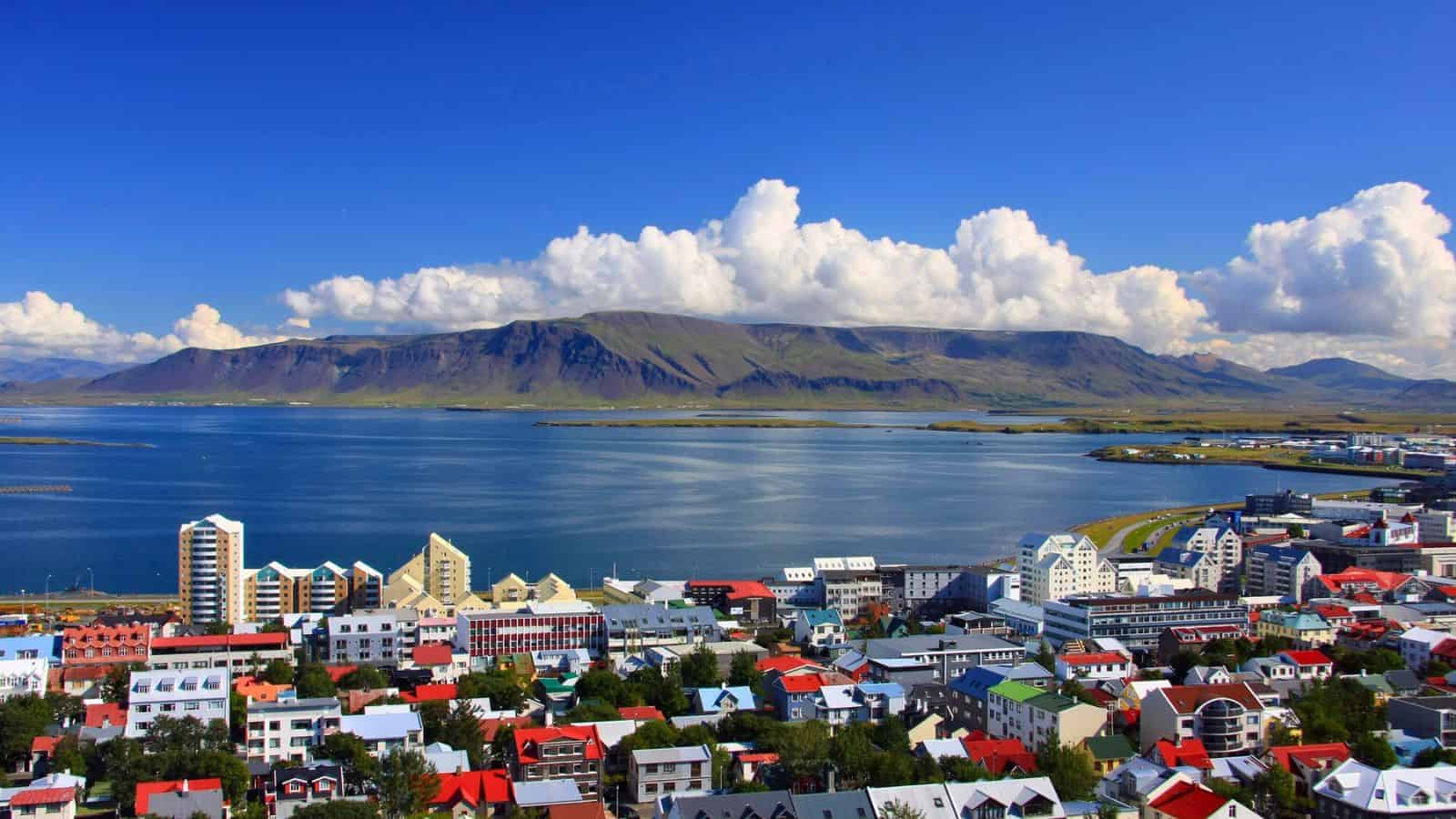
In Iceland, small planning errors are amplified by weather and distance. Underestimating driving times, ignoring road conditions, or skipping fuel stops can leave travelers stranded. Weather changes quickly, and road closures are common. A missed forecast check or a late departure can cancel an entire day’s plan. Services outside cities are limited, so mistakes are harder to fix on the fly. Travelers often say Iceland requires respect for conditions rather than optimism. Minor oversights feel larger because there are fewer alternatives once things go wrong.
Peru

Peru turns small errors into big setbacks through altitude and logistics. Forgetting to build acclimation time, missing a permit window, or underestimating travel distances can derail major plans. Transportation delays are common, and tight schedules leave no buffer. Even small health issues feel bigger at elevation. Travelers often say the mistake was assuming flexibility where none existed. Peru rewards patience and preparation. When travelers rush or skip details, consequences compound quickly, costing experiences that cannot easily be rescheduled.
Bhutan

Bhutan’s tightly managed tourism system leaves little room for error. Missing paperwork, misunderstanding permit requirements, or arriving without confirmed arrangements can block entry or movement entirely. Itineraries are pre-approved, and changes are difficult once inside the country. Small misunderstandings with timing or documentation can have outsized consequences. Travelers often say Bhutan felt smooth only because everything was planned in advance. The country does not punish mistakes emotionally, but structurally. Precision matters here, and small oversights are rarely easy to correct.
Indonesia

Indonesia magnifies small mistakes through scale and fragmentation. Choosing the wrong ferry, misjudging travel time between islands, or assuming schedules are fixed can lead to missed connections and lost days. Infrastructure varies widely, and information is not always centralized. Even within cities, traffic can turn a short distance into a long delay. Travelers often say Indonesia requires generous buffer time. Small planning errors feel bigger because alternatives are limited. Flexibility helps, but awareness matters more. The country rewards patience, not precision.
Egypt

In Egypt, small misjudgments can quickly escalate due to reliance on informal systems. Assuming fixed prices, clear directions, or strict schedules often leads to frustration. Transportation, timing, and access frequently depend on negotiation and local context. Missing a detail, like where to stand or whom to ask, can result in delays or added cost. Travelers often say Egypt requires engagement and attentiveness. When visitors expect things to work automatically, minor mistakes become obstacles. Egypt rewards those who stay alert and responsive to their surroundings.
9 Travel Behaviors That Feel Normal in Asia and Rude Elsewhere

Every culture has habits that feel polite at home and strange somewhere else. Here are everyday actions travelers often do without thinking, only to realize later they landed the wrong way in a different setting. These moments usually come from good intentions but can still cause confusion or discomfort.
Read More Here: 9 Travel Behaviors That Feel Normal in Asia and Rude Elsewhere
11 Travel Choices That Matter More Than Where You Go

Planning a trip involves more than picking a destination. These are decisions that shape how a trip feels day to day, from pacing and timing to how much stress follows you along the way. These choices often affect comfort, cost, and enjoyment far more than the location itself.
Read More Here: 11 Travel Choices That Matter More Than Where You Go