Some places make a strong first impression but take time to figure out. This article features countries that are easy to love but hard to navigate, focusing on destinations where culture, food, and scenery draw people in while transportation, systems, or language barriers create challenges. Travelers often enjoy being there while still feeling slightly off balance getting around.
Understanding these challenges ahead of time can make the experience feel less overwhelming. A bit of preparation can help turn confusion into confidence. Keep reading to see which countries made the list and what tends to trip visitors up most.

Morocco
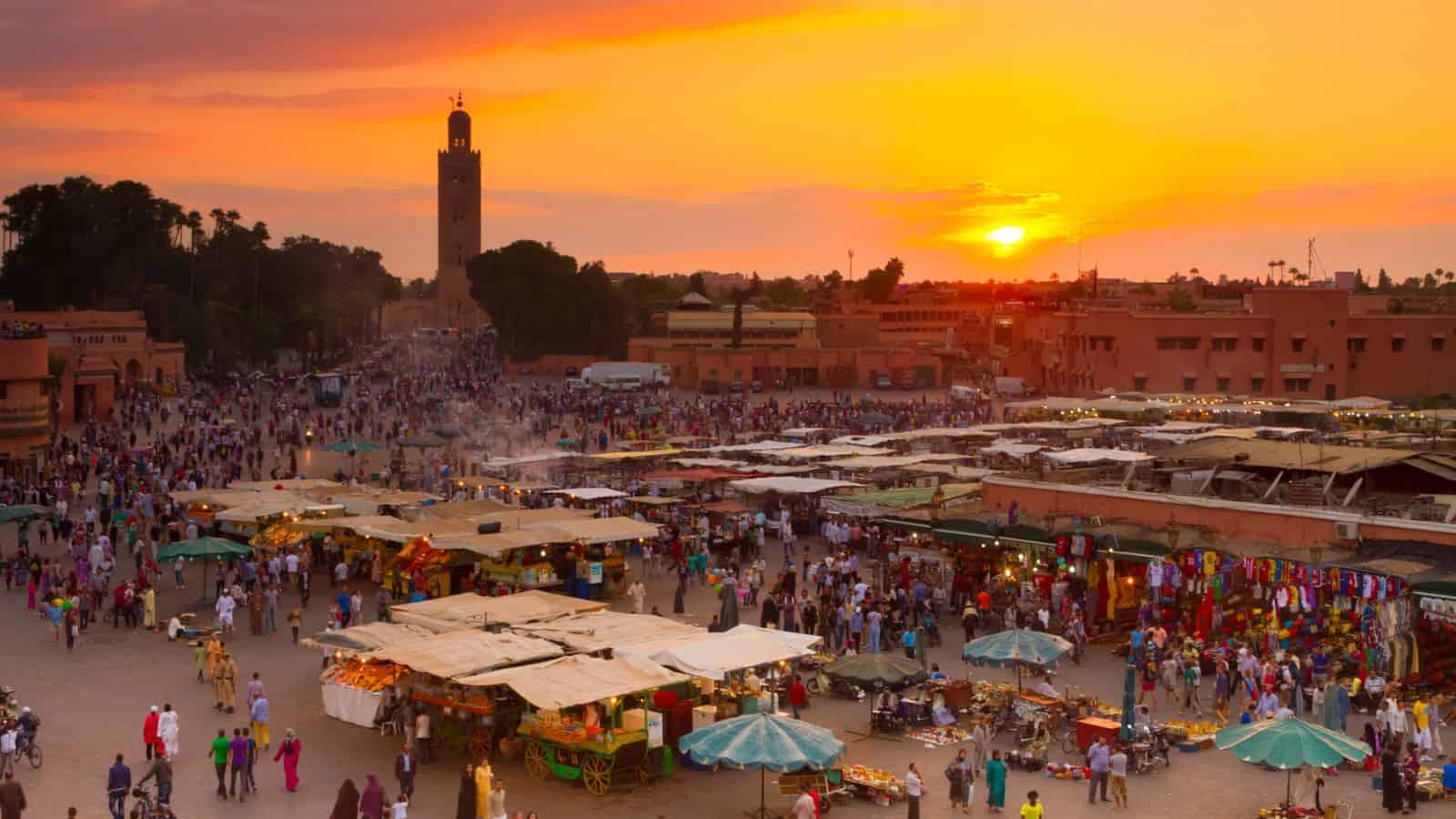
Morocco is easy to love because of its color, craft, food, and sensory richness. Medinas feel alive, and daily life unfolds in public in a way many travelers find magnetic. Navigation, however, can be difficult. Old cities are intentionally maze-like, signage is limited, and directions are often given relationally rather than precisely. Maps are not always reliable inside historic areas, and streets may change function throughout the day. Travelers often find themselves lost repeatedly, which can feel disorienting at first. Over time, many realize that wandering is part of the experience, even if it requires patience.
India

India is often described as emotionally and culturally compelling, but logistically demanding. The scale of the country, population density, and pace of daily life can overwhelm even experienced travelers. Transportation systems exist everywhere, yet navigating them requires adaptability. Schedules may shift, directions can be ambiguous, and processes vary widely by region. What makes India rewarding is also what makes it challenging: constant motion, layered systems, and minimal standardization. Travelers often say they learned to stop expecting predictability and instead focus on momentum. India rewards curiosity, but it rarely makes things simple.
Vietnam

Vietnam is easy to love for its food, energy, and sense of everyday life unfolding openly. Streets are active, social, and full of rhythm. Navigation, however, can feel unintuitive. Traffic does not follow rules visitors expect, addresses can be hard to locate, and signage is inconsistent. Crossing streets, finding entrances, or identifying the correct bus or train often requires observation rather than instruction. Travelers frequently say they learned by watching locals and adjusting quickly. Vietnam feels navigable only once you stop trying to control it and start moving with it.
Italy
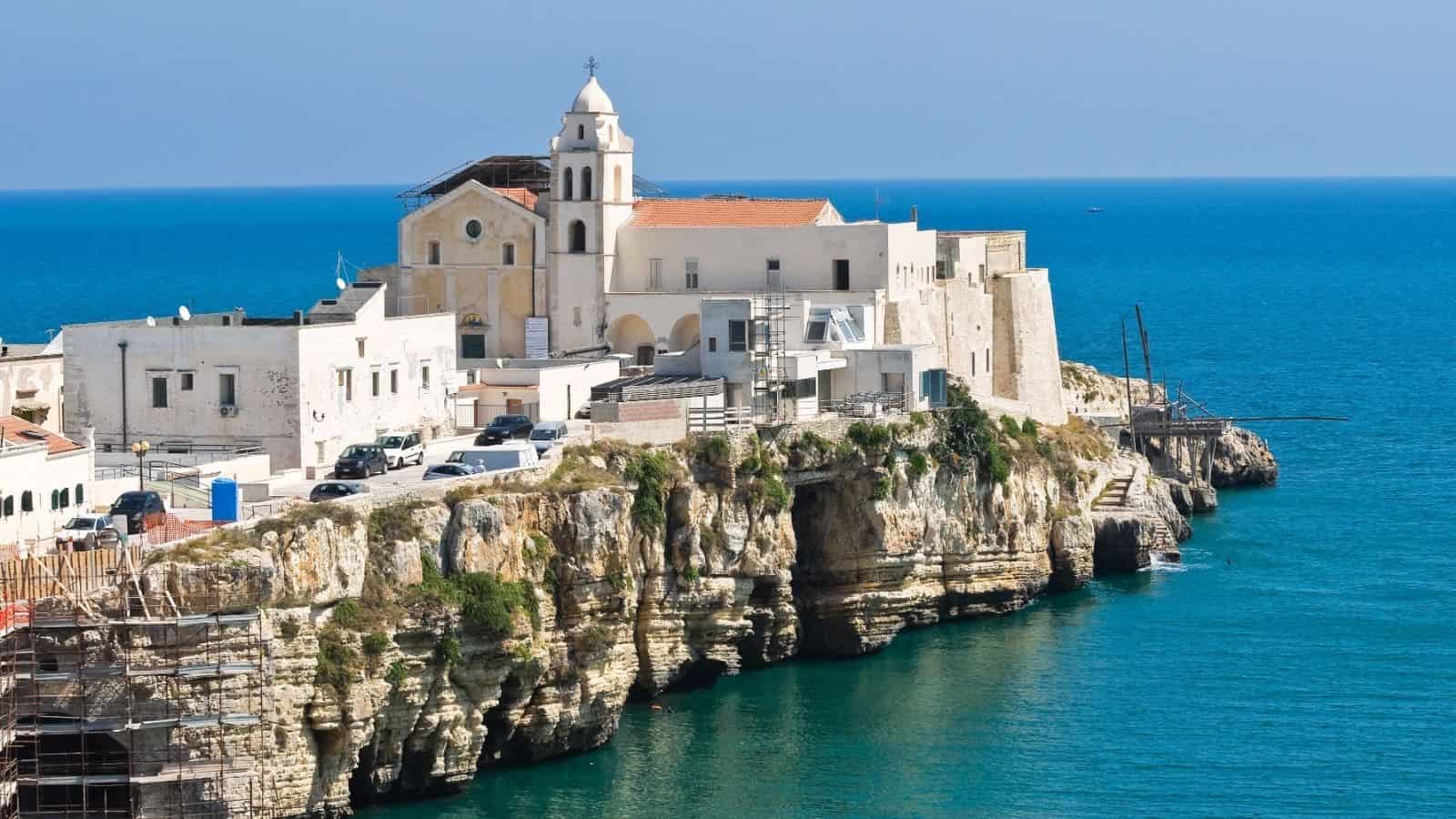
Italy is easy to love for its beauty, food, and lived-in history, but navigating it can be surprisingly frustrating. Transportation systems vary by region, schedules change, and clear instructions are not always prioritized. Trains, buses, and ticketing systems often assume local knowledge. Historic cities were not designed for modern movement, which complicates navigation on foot and by car. Travelers often say Italy requires flexibility more than planning. The reward comes from accepting inefficiency and enjoying what unfolds. Italy offers richness, but it rarely delivers it in a straightforward way.
Japan

Japan is deeply loved for its safety, order, and attention to detail, yet first-time navigation can feel daunting. Train systems are extensive, signage is dense, and station layouts can be overwhelming. Even when everything functions perfectly, the sheer volume of information can be hard to process. Language barriers add another layer, especially outside major cities. Travelers often say Japan became easier only after repetition. Once patterns are understood, movement feels smooth. Until then, the country can feel complex despite its efficiency. Japan rewards learning, but it demands focus.
Want to save this?
Peru

Peru is easy to love for its landscapes, history, and food, but navigating it often requires patience. Distances are long, elevation changes are significant, and transportation can feel fragmented. Buses, flights, and trains operate on different rhythms, and delays are common. In cities, addresses and directions can be unclear, while rural areas rely heavily on local knowledge. Travelers often say the biggest adjustment was accounting for altitude and travel time between regions. Peru rewards those who slow down and build buffer days. It is memorable precisely because it resists being rushed.
Greece

Greece is easy to love for its light, coastline, and relaxed pace, but getting around can be deceptively complex. Ferry schedules change with weather and season, connections between islands are not always direct, and public transport varies widely by region. Even on the mainland, signage can be inconsistent, and rural roads require confidence. Travelers often assume short distances mean easy movement, only to discover time stretches unexpectedly. Greece favors flexibility over precision. Those who adapt quickly tend to enjoy it more than those trying to keep tight plans.
Indonesia

Indonesia’s appeal comes from its diversity, culture, and landscapes, but navigation is complicated by scale and fragmentation. Thousands of islands mean travel relies on a mix of flights, ferries, and informal transport. Schedules shift, infrastructure varies, and information is not always centralized. Even within cities, traffic patterns can be unpredictable. Travelers often say Indonesia requires recalibrating expectations around time and distance. What looks close on a map may take hours. Indonesia becomes easier once travelers stop optimizing routes and start allowing days to unfold more loosely.
Egypt

Egypt is easy to love for its history and intensity, but navigating daily logistics can feel demanding. Traffic is chaotic, directions are often verbal rather than mapped, and systems rely heavily on personal interaction. Timelines are flexible, and processes may not be clearly explained. Travelers frequently say that movement requires negotiation as much as navigation. Guides and local help can make a significant difference. Egypt rewards engagement and adaptability, but it rarely feels intuitive at first. The challenge is part of the experience, even when it tests patience.
11 Countries That Feel Friendlier to Older Travelers

Travel priorities often change with age, and comfort starts to matter as much as sightseeing. This article highlights destinations where pacing feels manageable, daily logistics feel simpler, and getting around does not feel exhausting. These are places where travelers say they felt more at ease navigating cities, transportation, and everyday routines.
Read More Here: 11 Countries That Feel Friendlier to Older Travelers
Top 10 Countries You Must Start Planning For This 2026

Planning travel far ahead can feel unnecessary, but some destinations benefit from early thought and timing. As travel patterns shift and interest grows, certain countries are drawing more attention for 2026 due to changing entry rules, rising demand, and limited availability during peak seasons. Waiting too long can mean higher costs, fewer choices, or missed opportunities to see places at a comfortable pace. These countries stand out not just for scenery or culture, but for how planning ahead can shape a smoother trip.
Read More Here: Top 10 Countries You Must Start Planning For This 2026