Tokyo draws most first-time visitors, but it is not the only place worth planning around. This article features cities in Japan that reward travelers who look beyond Tokyo, focusing on destinations that show different sides of the country through history, regional food, and daily life. These cities often feel more relaxed and easier to navigate at a slower pace.
Looking past the capital can lead to deeper experiences and fewer crowds. Exploring other cities can reshape how a trip feels from start to finish. Keep reading to see which cities made the list and why they stand out beyond Tokyo.
Nara
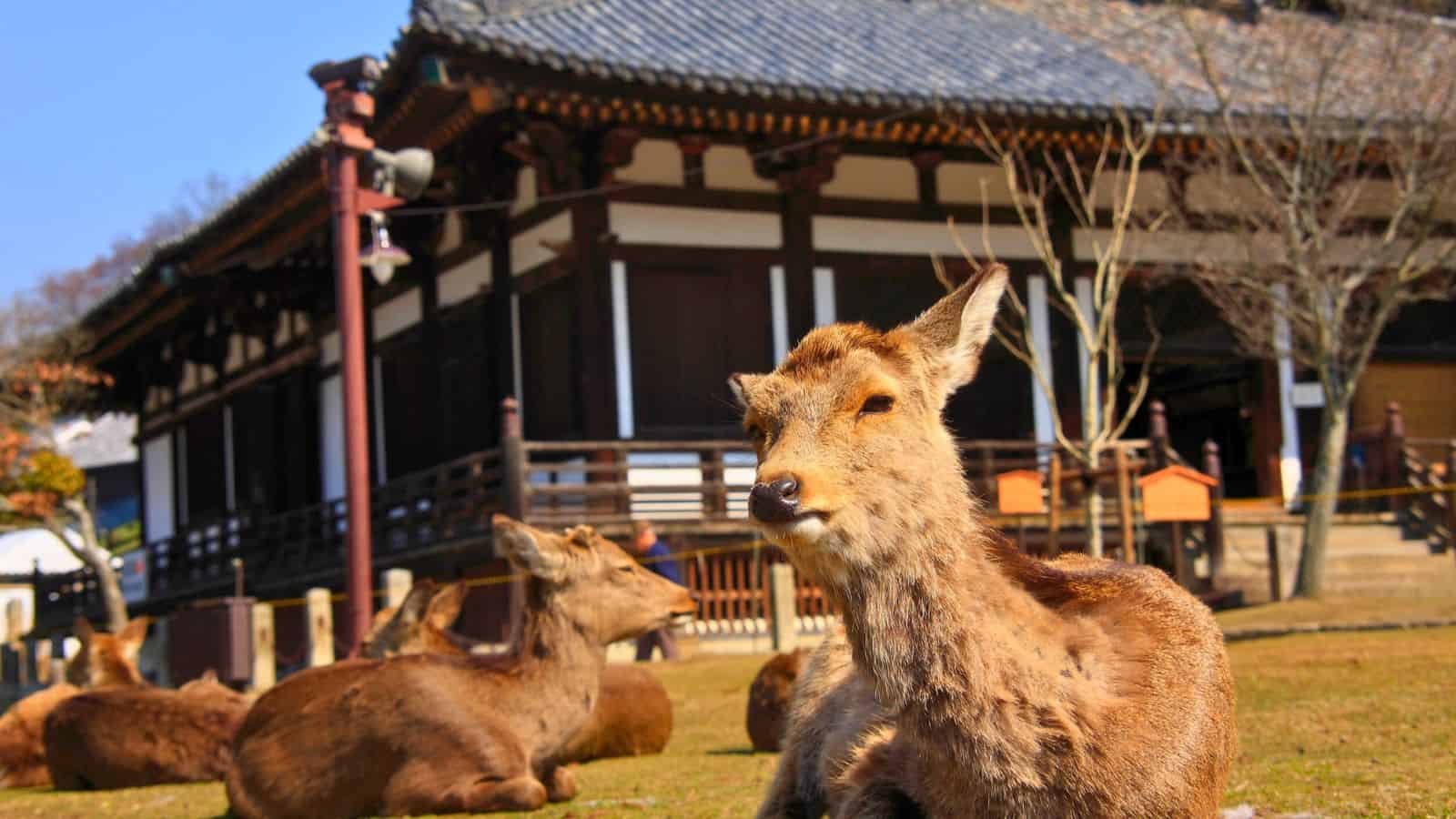
Nara feels compact yet historically significant. Deer wander freely through Nara Park, creating an unusual blend of wildlife and architecture. Todai-ji houses one of the world’s largest bronze Buddha statues, and nearby shrines offer shaded paths beneath lanterns and trees. The city is easily walkable, allowing visitors to move slowly between temples, gardens, and quiet streets. As Japan’s first permanent capital, Nara presents heritage in a setting that feels open and accessible.
Fukuoka
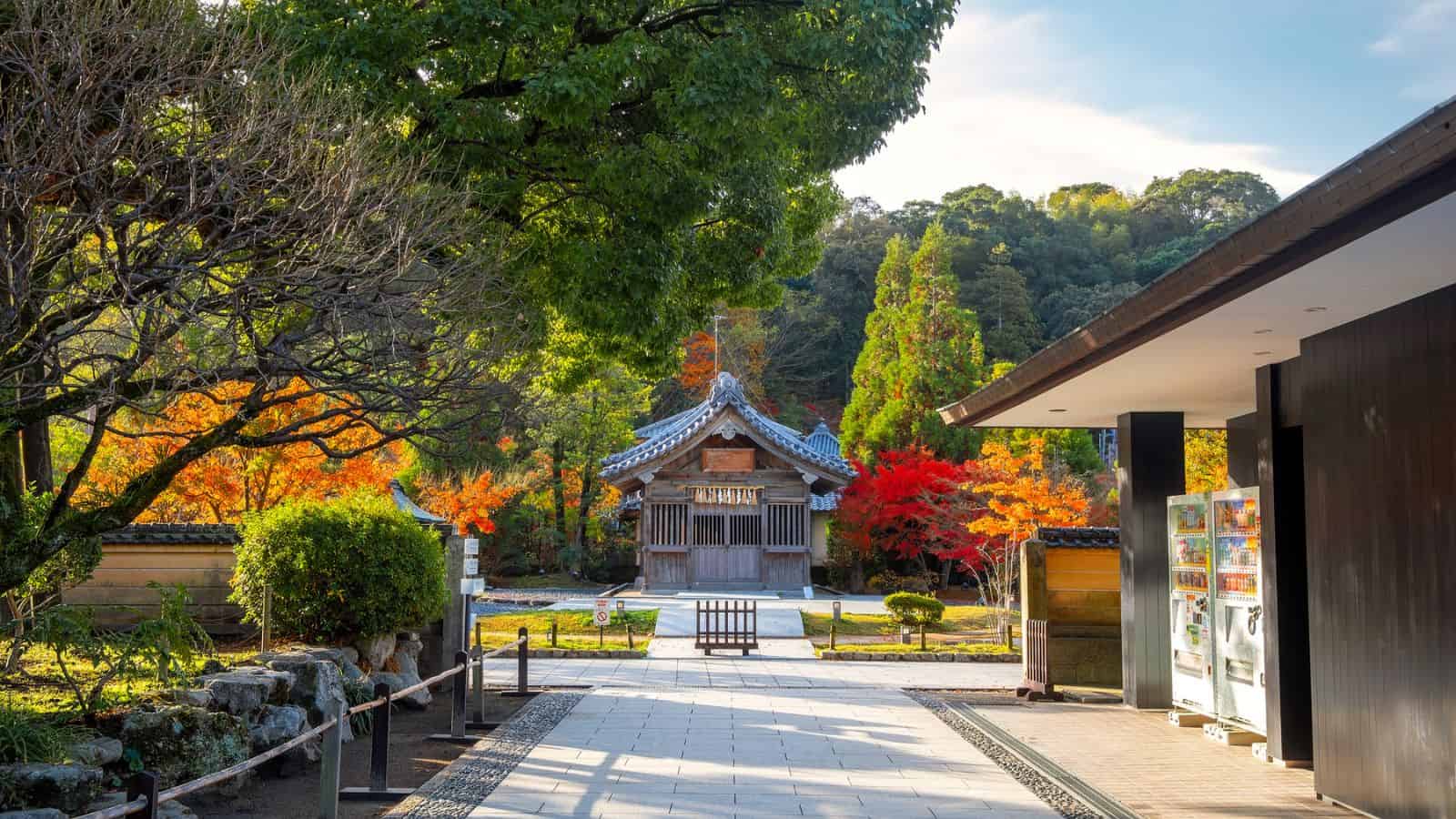
Fukuoka brings a coastal perspective to urban Japan. Open-air yatai stalls line certain streets at night, serving ramen and small plates in an informal setting. The city’s waterfront parks and modern architecture create a relaxed atmosphere compared to larger metropolitan centers. Fukuoka also serves as a gateway to Kyushu’s hot springs and countryside. Its manageable size, mild climate, and approachable food culture make it a rewarding stop for travelers willing to head south.
Sapporo

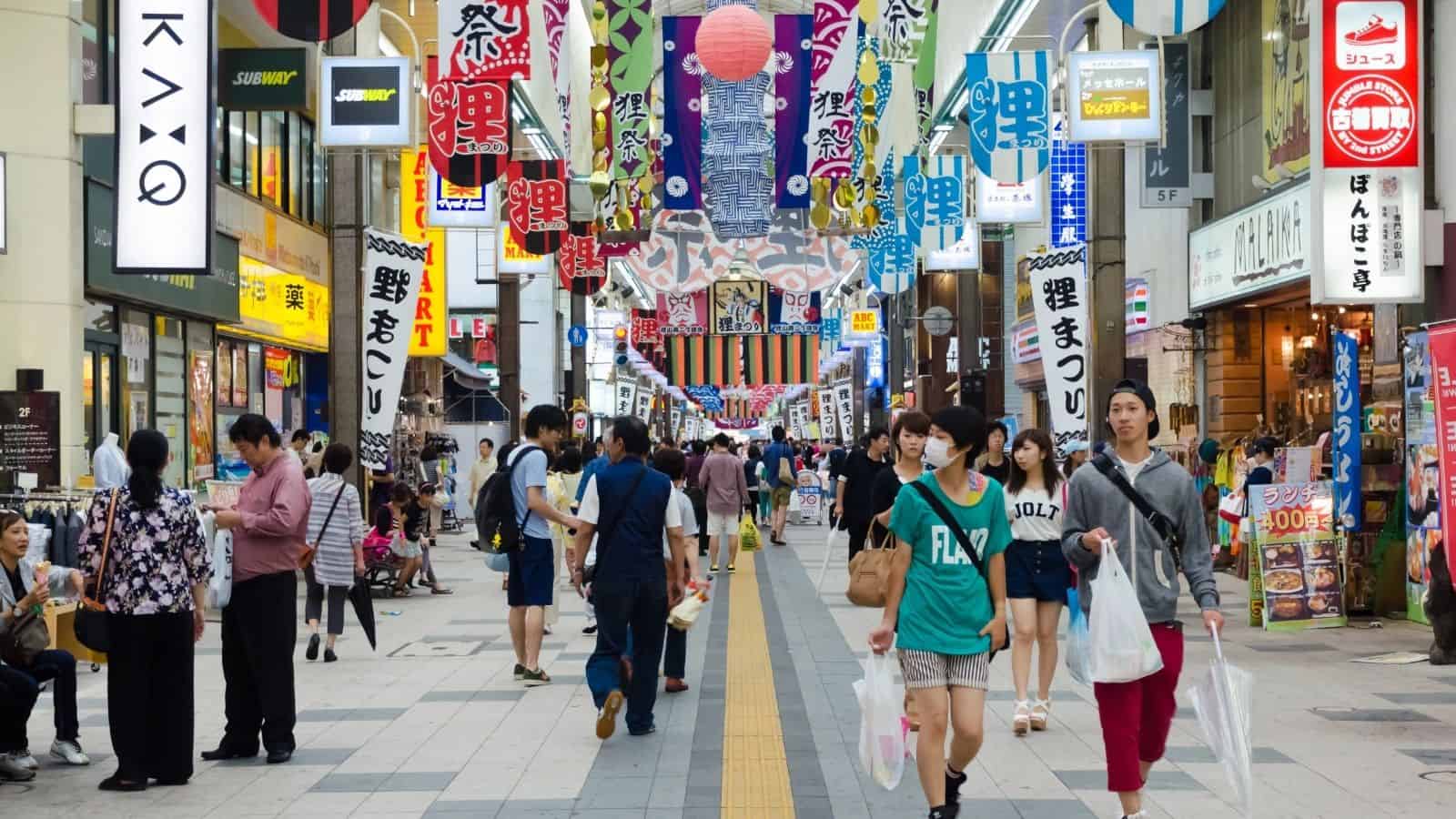
Sapporo, located on Hokkaido, moves at a broader pace. Wide streets and nearby mountains give it a sense of space uncommon in denser Japanese cities. Winter draws visitors for the Snow Festival, while warmer months highlight parks, hiking routes, and regional cuisine. Miso ramen and fresh seafood reflect Hokkaido’s agricultural strength. Sapporo appeals to those interested in nature access without giving up urban structure.
Nagoya
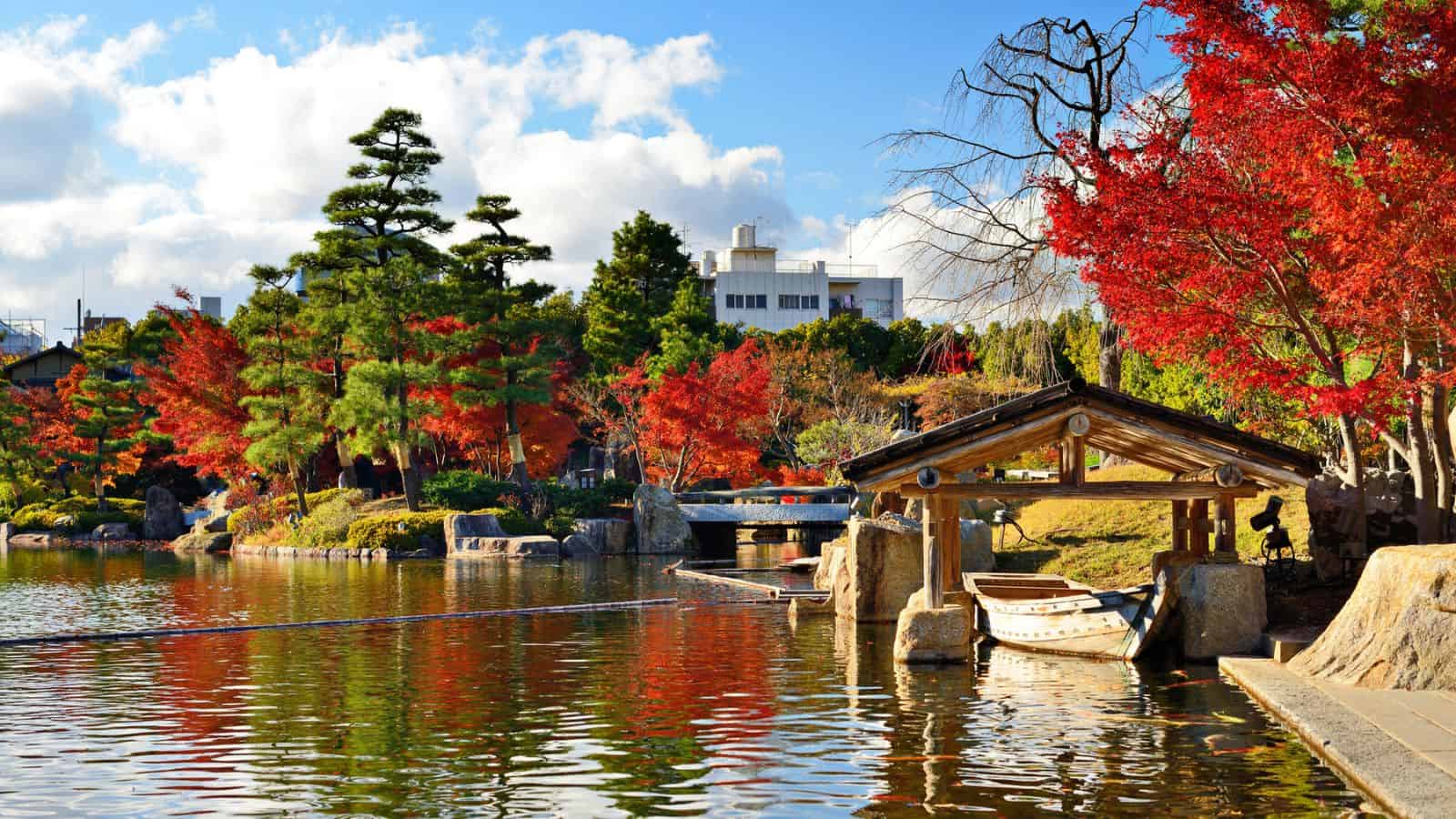
Nagoya sits between major tourist centers yet maintains its own identity. Known for industrial innovation, it also preserves landmarks such as Nagoya Castle. Museums and railway exhibits reflect engineering achievements, while neighborhoods like Osu offer street food and independent shops. Regional dishes—miso-based specialties and grilled eel—set it apart from surrounding cities. Nagoya rewards travelers who pause between headline destinations and explore a city often treated as a transit point.
Takayama
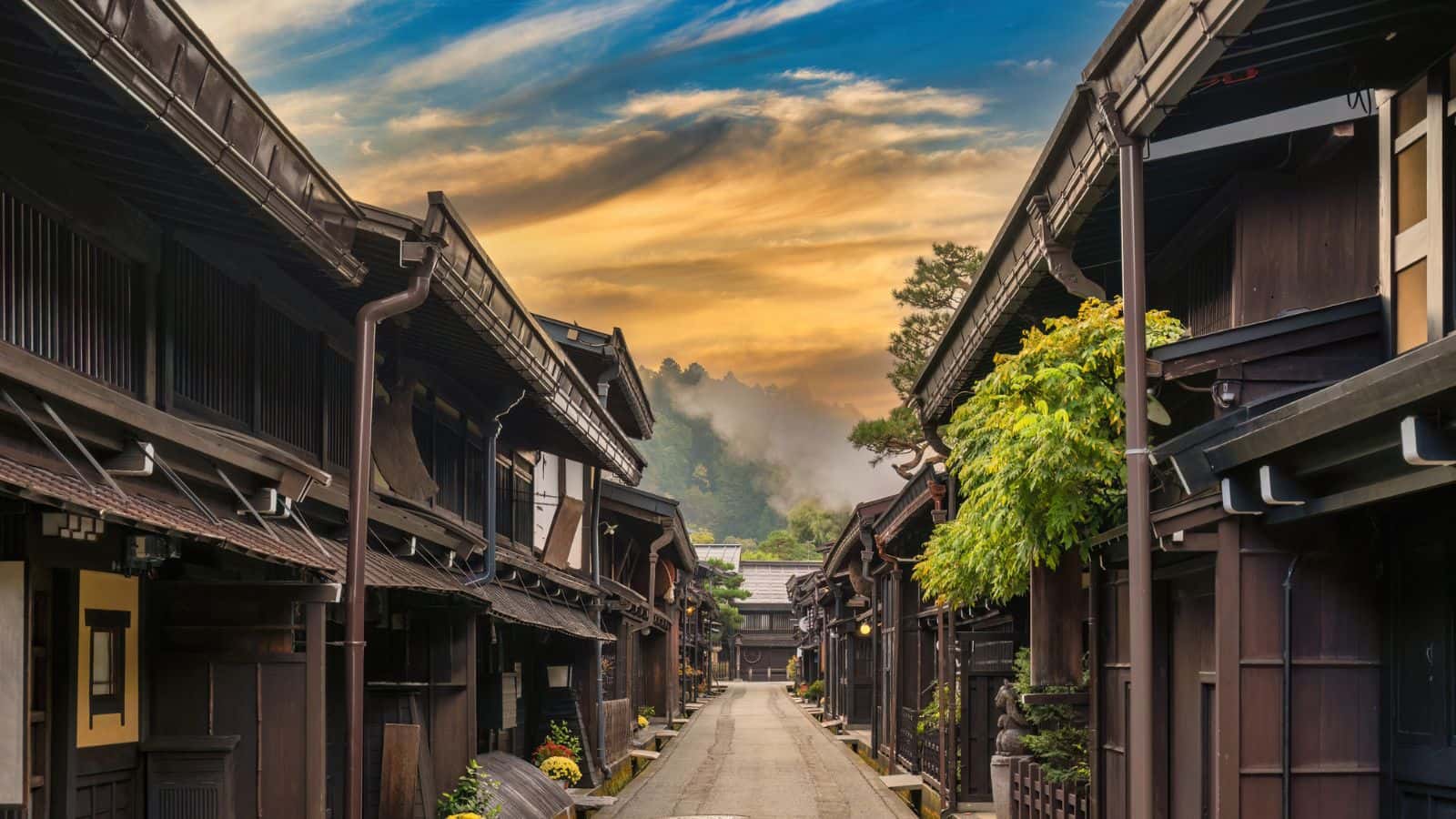
Takayama rests in the Japanese Alps, where preserved wooden buildings line narrow streets. Morning markets sell regional produce and crafts, and sake breweries remain active within historic storefronts. The nearby Hida Folk Village documents rural architecture shaped by mountain winters. Seasonal festivals bring decorated floats through town, adding local color without overwhelming crowds. Takayama feels grounded and intimate, offering a slower encounter with Japan’s countryside traditions.
Want to save this?
Kyoto

Kyoto carries the quiet weight of Japan’s former imperial capital. Instead of neon crossings and high-rise districts, you’ll find temple paths, stone gardens, and wooden townhouses that reflect centuries of continuity. Walk through the gates of Fushimi Inari, pause by the reflective pond at Kinkaku-ji, or wander the bamboo groves of Arashiyama early in the morning before tour groups gather. In Gion, traditional tea houses line narrow streets where seasonal rituals still shape daily life. Kyoto moves at a slower rhythm, inviting travelers to look closely rather than rush from landmark to landmark.
Osaka

Osaka brings energy in a different form—less polished than Tokyo, more direct and expressive. Street food defines much of the experience, from sizzling okonomiyaki to fresh takoyaki served along busy lanes. The Dotonbori canal glows at night, while Osaka Castle anchors the skyline with reminders of the city’s past. Locals are known for humor and openness, and conversations often come easily in markets and bars. With quick access to Nara and Kobe, Osaka works well as both a destination and a base. It rewards travelers who want everyday Japan alongside bold flavors.
Hiroshima
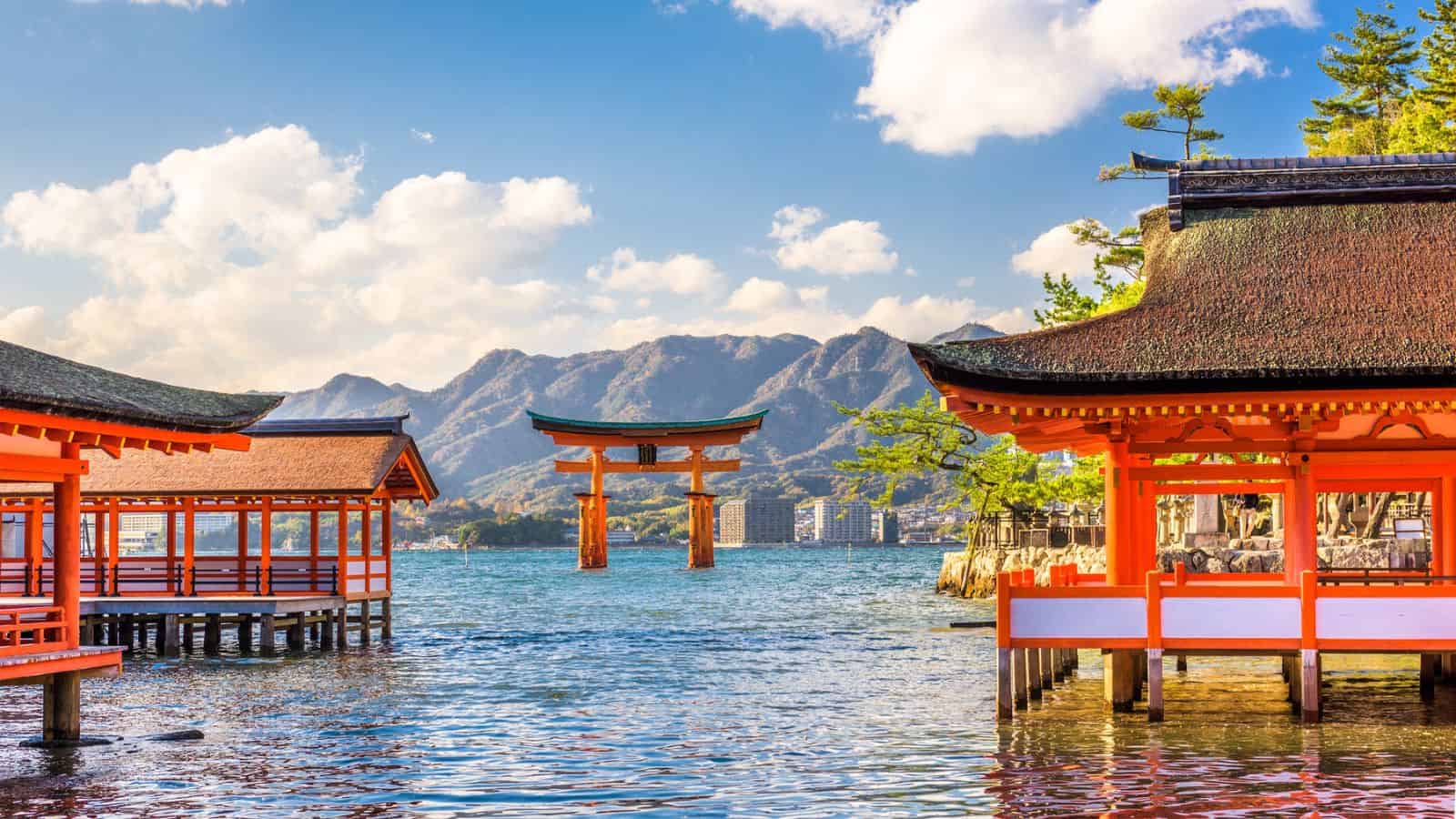
Hiroshima stands as a city shaped by memory but focused on renewal. The Peace Memorial Park and the Atomic Bomb Dome remain central to understanding its story, yet daily life unfolds calmly along riverbanks and shopping streets. Local specialties like Hiroshima-style okonomiyaki reflect regional identity. A short ferry ride leads to Miyajima Island, where the torii gate appears to float at high tide. The city balances reflection with vitality, offering visitors a meaningful experience that extends beyond historical headlines.
Kanazawa
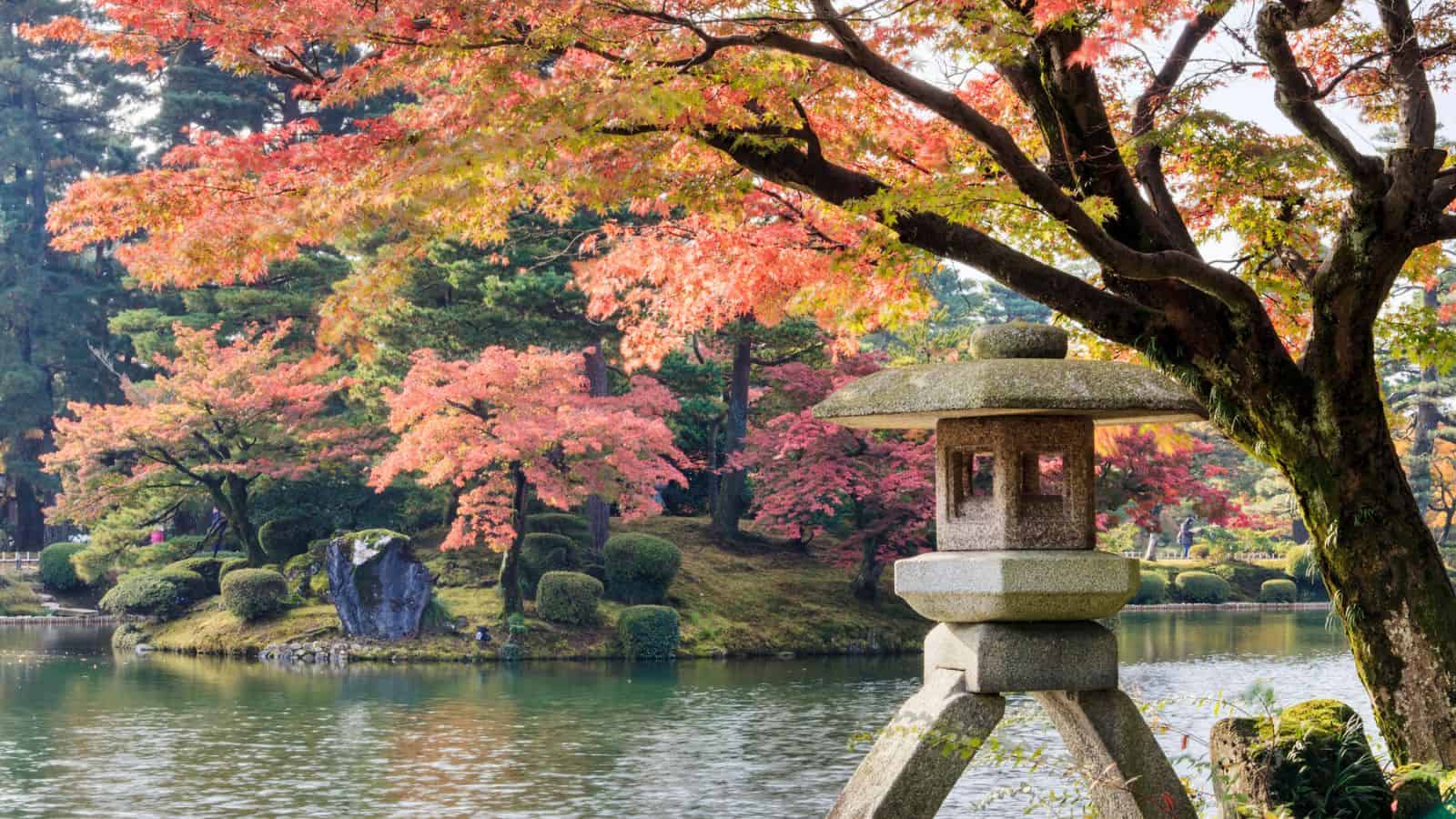
Kanazawa offers preserved districts and refined craft traditions without the density of larger cities. In Higashi Chaya, wooden teahouses remain active, while the Nagamachi district recalls samurai-era residences. Kenrokuen Garden changes character with the seasons, from snow-covered branches to spring blossoms. Seafood markets near the coast highlight regional catch, and museums display both contemporary and traditional design. Kanazawa feels deliberate and measured, rewarding travelers who prefer detail over spectacle.
13 Things About Japan That Catch Tourists Off Guard
Japan is a country that captivates travelers with its unique blend of modernity and tradition. However, even the most prepared tourists often find themselves surprised by certain aspects of the culture, lifestyle, and daily life that are distinctly Japanese. From its meticulous etiquette to its technological marvels, there’s a lot more to Japan than meets the eye.
Read More Here: 13 Things About Japan That Catch Tourists Off Guard
10 Essential Tips for Taking a Solo Cruise

Taking a cruise alone can be exciting, but it also raises questions about how to make the experience smooth, safe, and stress-free. From navigating boarding day to planning activities, having a few smart strategies in mind makes all the difference. That’s where these 10 essential tips for taking a solo cruise come in, helping you step on board with confidence and enjoy the trip from start to finish.
Read More Here: 10 Essential Tips for Taking a Solo Cruise