Airports follow shared rules, but not everyone treats them the same way. Here are behaviors that feel expected in some countries and frustrating when ignored. These habits shape how lines move, how space is shared, and how travelers treat one another during busy travel days.
Knowing these rules can help avoid tension and awkward moments at the gate. Paying attention to how others move and wait can make travel smoother for everyone. Read on to see which etiquette rules matter most and which ones travelers notice right away.
Standing to one side on escalators and moving walkways so others can pass
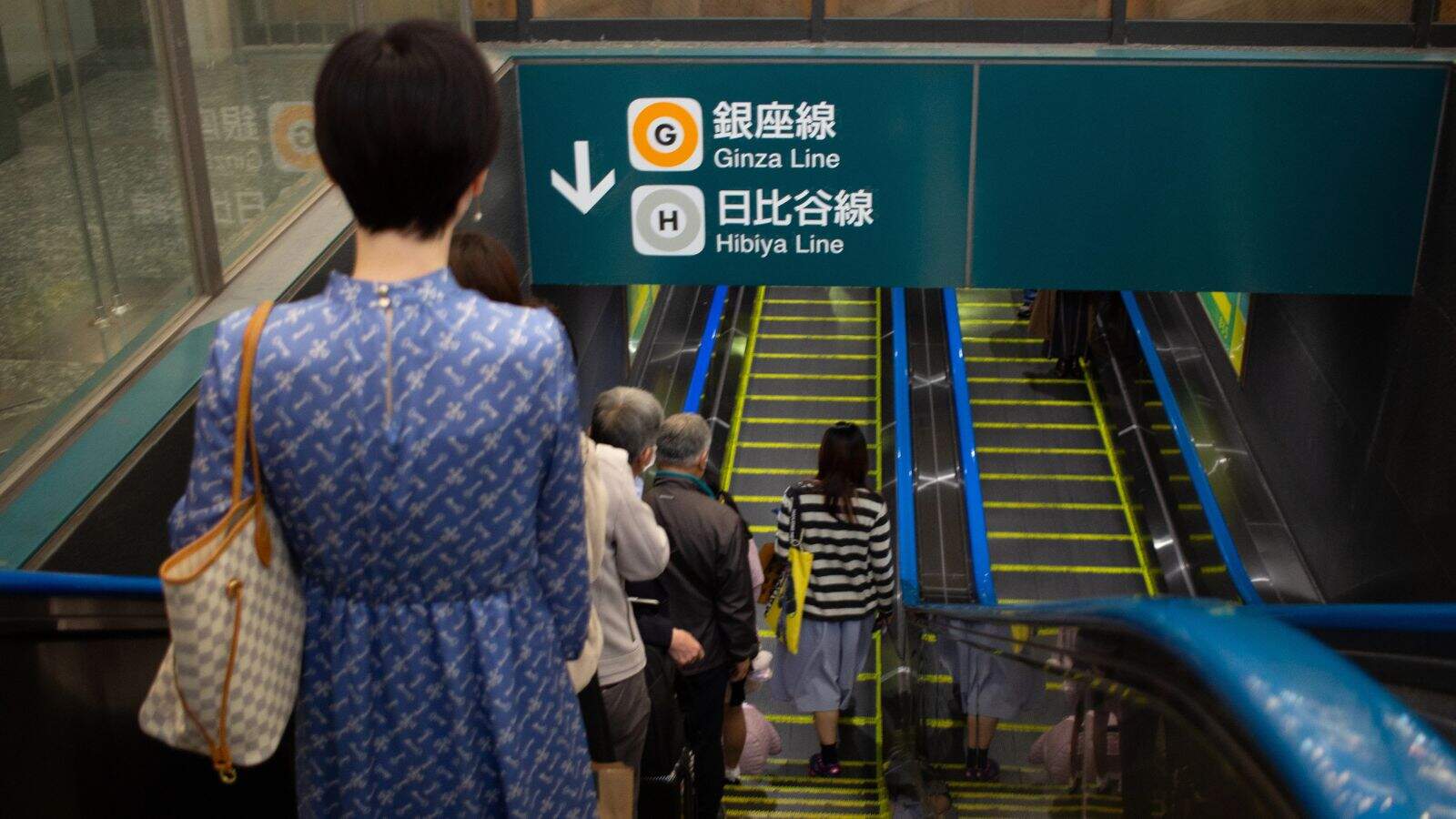
In many countries, especially in parts of Asia and Europe, escalator etiquette is treated as an unspoken rule. One side is reserved for standing, the other for walking. Travelers who block both sides often draw visible frustration. This practice keeps foot traffic moving efficiently, especially in large, busy airports. Visitors from places without this norm often learn the rule only after being asked to move. Standing correctly signals awareness and respect for shared space. It is less about speed and more about allowing others to move freely if they choose.
Keeping voices low in terminals, especially early morning or late at night
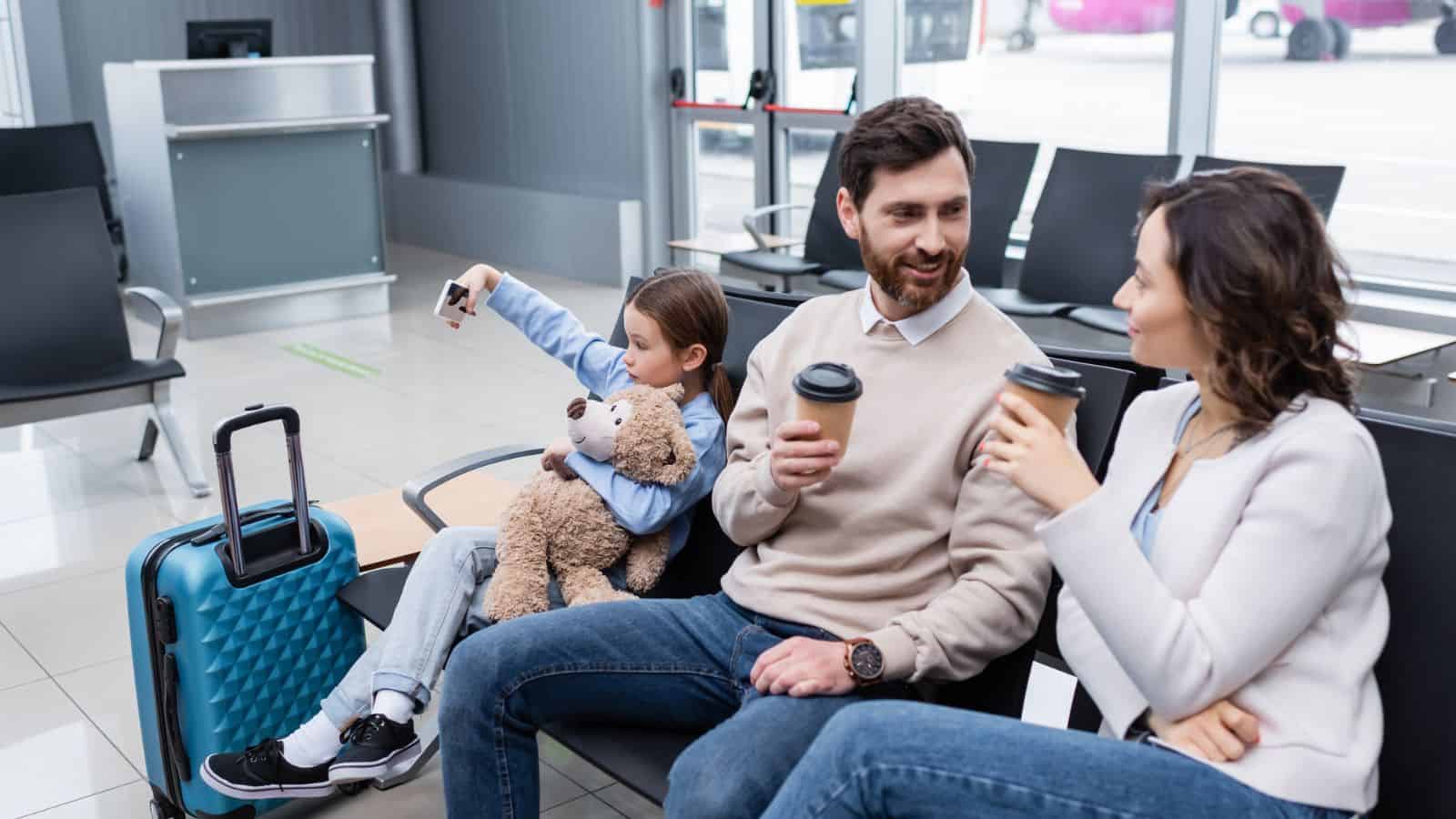
Some nationalities view airports as shared, semi-quiet spaces rather than social hubs. Loud conversations, speakerphone calls, or animated discussions can stand out quickly. In countries where public quiet is valued, travelers who speak loudly may be seen as inconsiderate rather than expressive. The expectation is not silence, but moderation. Keeping your voice low shows awareness of others who may be tired, stressed, or resting. Many travelers learn this rule when they notice how quiet an entire terminal feels, even when it is full.
Waiting patiently in clearly defined lines without crowding the gate

In airports where queuing culture is strong, lines are treated as fair systems that should not be disrupted. Crowding the gate, hovering near scanners, or inching forward before your turn can be viewed as disrespectful. Some nationalities expect passengers to remain seated until their group is called. The goal is order, not urgency. Travelers who ignore this norm may not be confronted directly, but disapproval is often visible. Respecting the line signals cooperation and helps reduce stress in already crowded spaces.
Preparing documents and liquids before reaching security
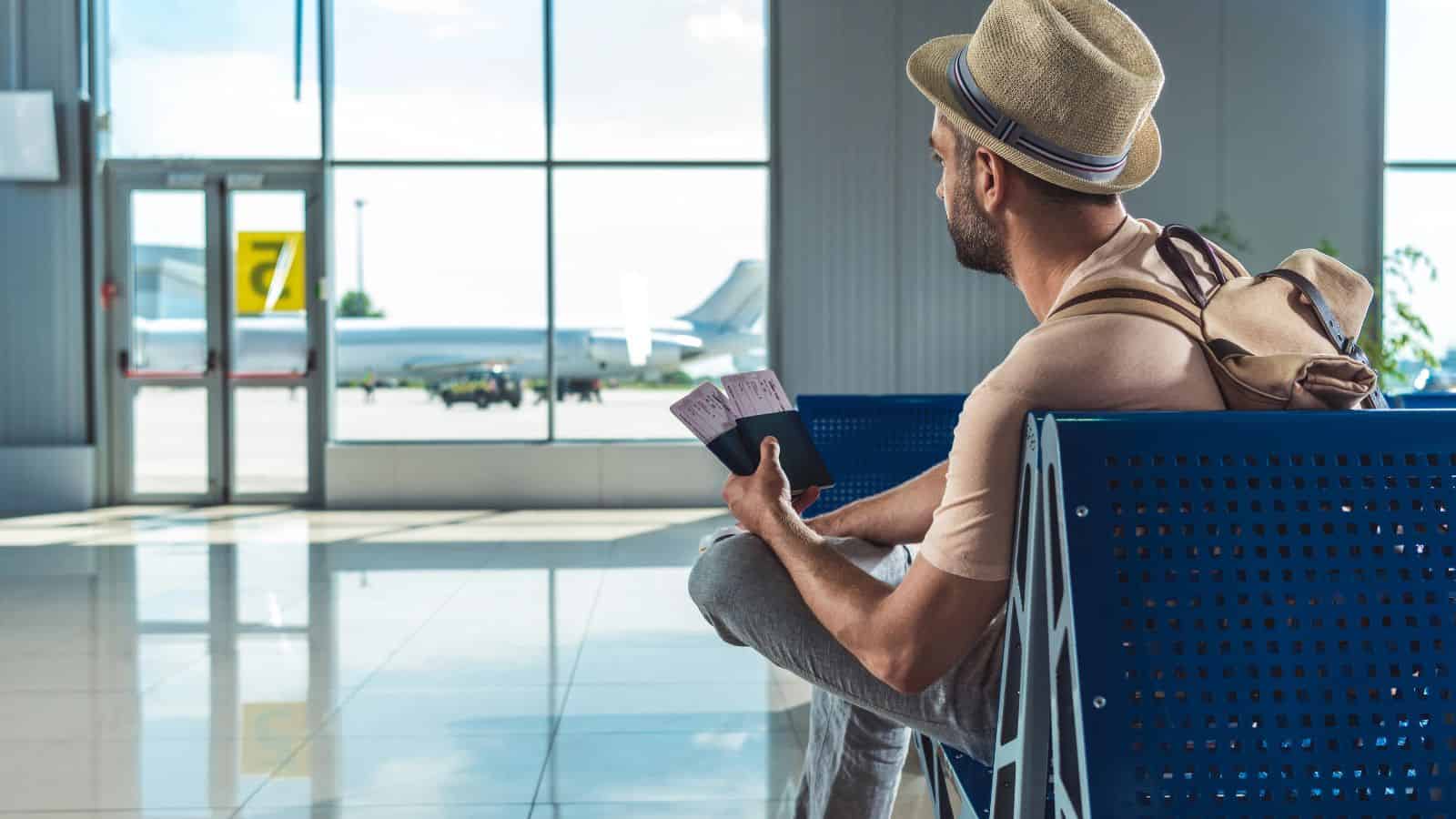
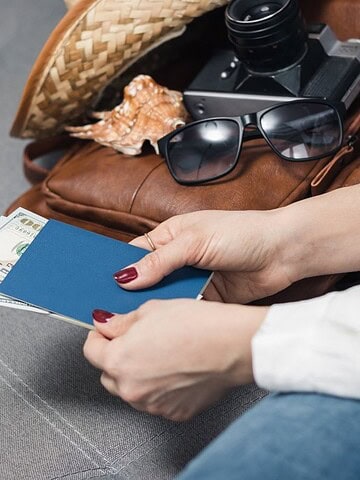
Efficiency at security is often seen as a shared responsibility. Travelers are expected to have passports, boarding passes, and liquids ready before stepping forward. In airports where this norm is taken seriously, fumbling at the checkpoint is considered inconsiderate to everyone waiting behind you. Preparation keeps lines moving and reduces tension. Many travelers learn this rule after seeing how smoothly security flows when everyone is ready. Being prepared is not about rushing. It is about respecting other people’s time.
Respecting boarding order without trying to move ahead
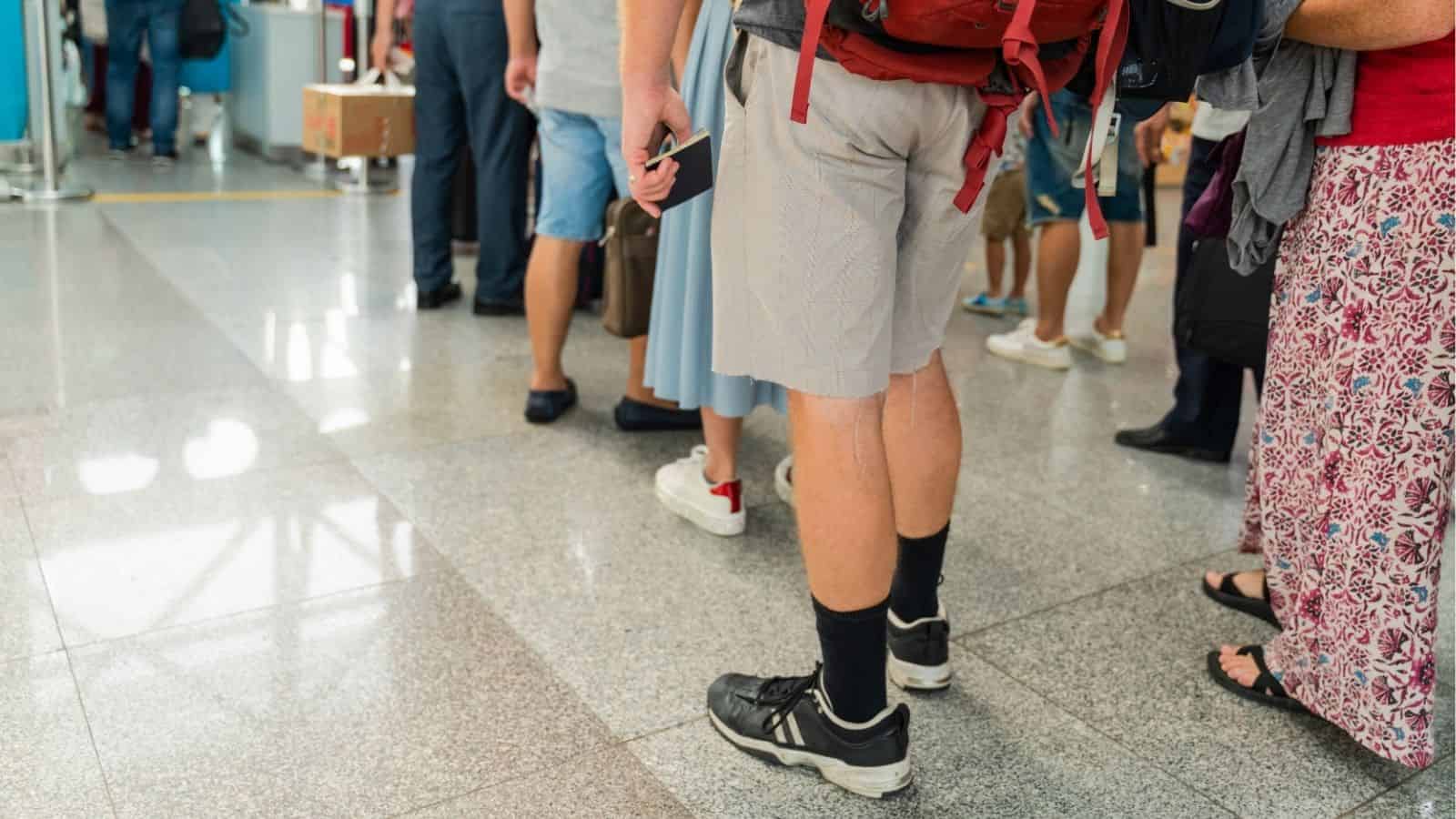
Boarding order exists to manage flow and space, not to reward status alone. In some cultures, attempting to board early or slip into another group is seen as a clear breach of etiquette. Travelers who ignore boarding zones may be stopped or quietly judged by those waiting. Even when enforcement is relaxed, social expectations remain strong. Respecting your place in line signals fairness and self-awareness. Many travelers say they noticed how calmly boarding progressed when everyone waited their turn.
Want to save this?
Avoiding phone calls or loud conversations in shared waiting areas
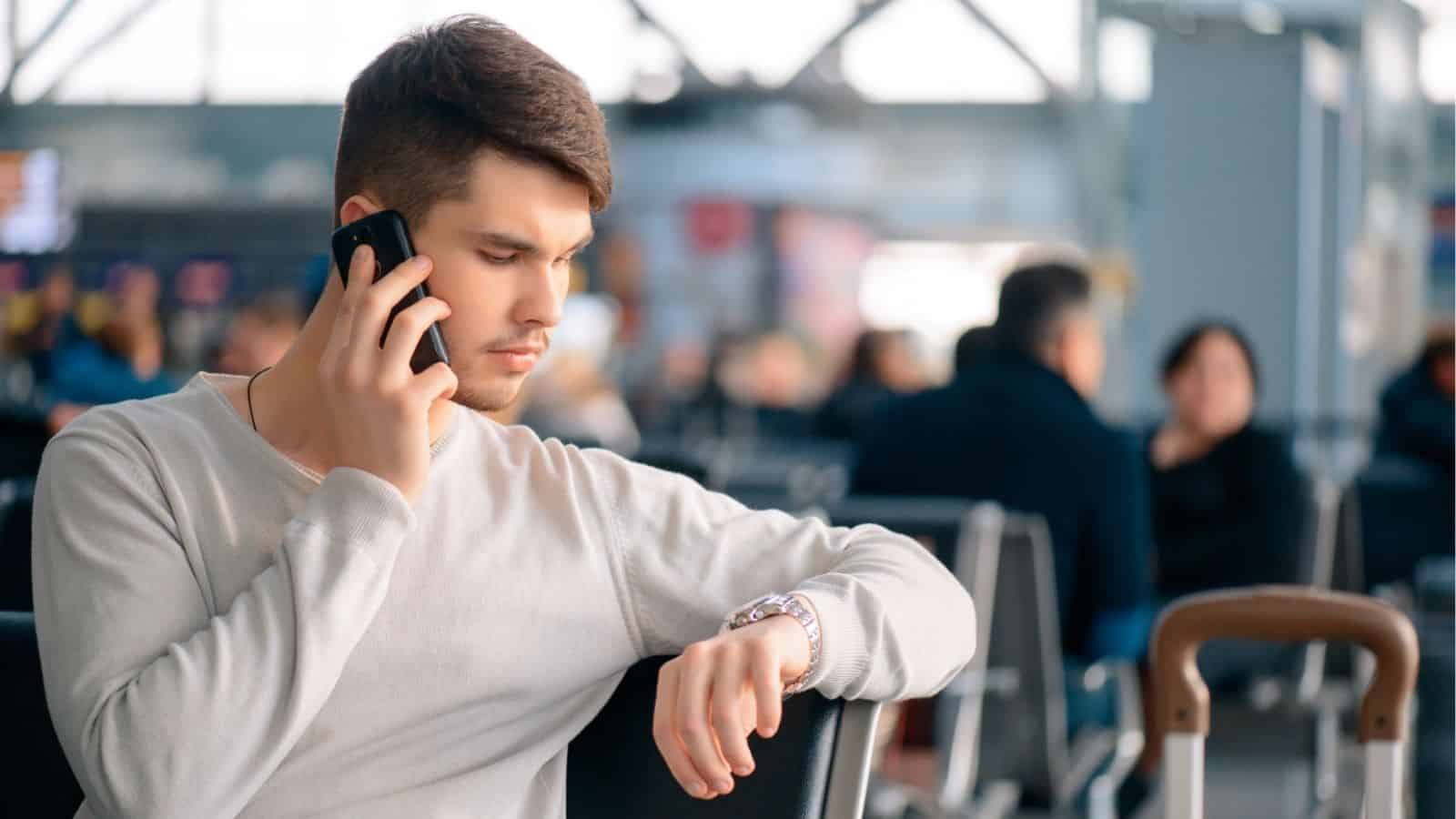
In many countries, airport waiting areas are treated as shared quiet zones rather than social spaces. Taking phone calls, using speakerphone, or having animated conversations can feel intrusive to others nearby. Travelers often learn this when they notice that most people text instead of calling, even during long waits. The expectation is consideration, not silence. Loud conversations can disrupt rest, concentration, or work, especially on early or late flights. Keeping communication discreet signals awareness of the shared environment. In places where this norm is strong, volume is read as respect.
Keeping carry-ons compact and out of other passengers’ space
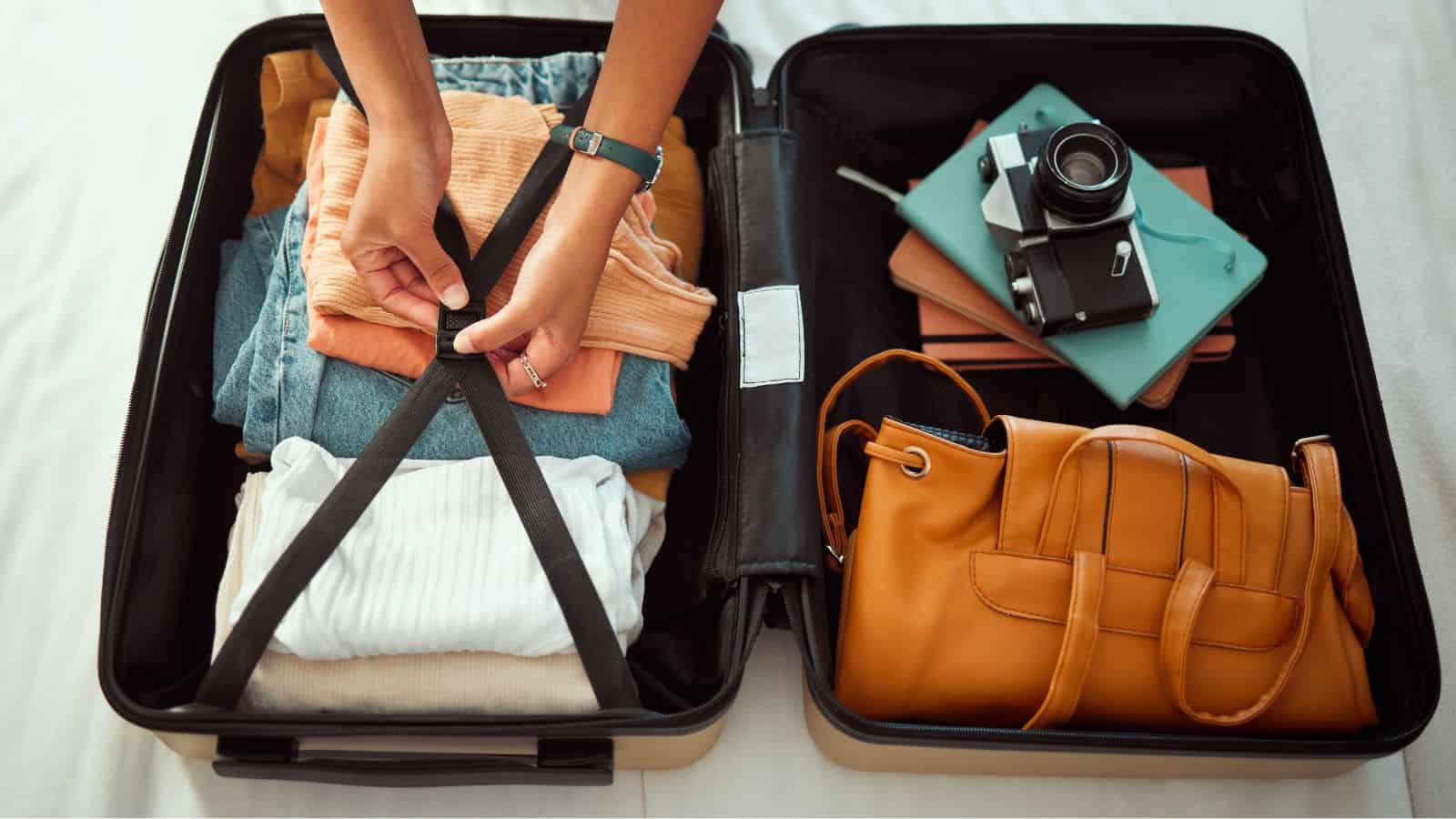
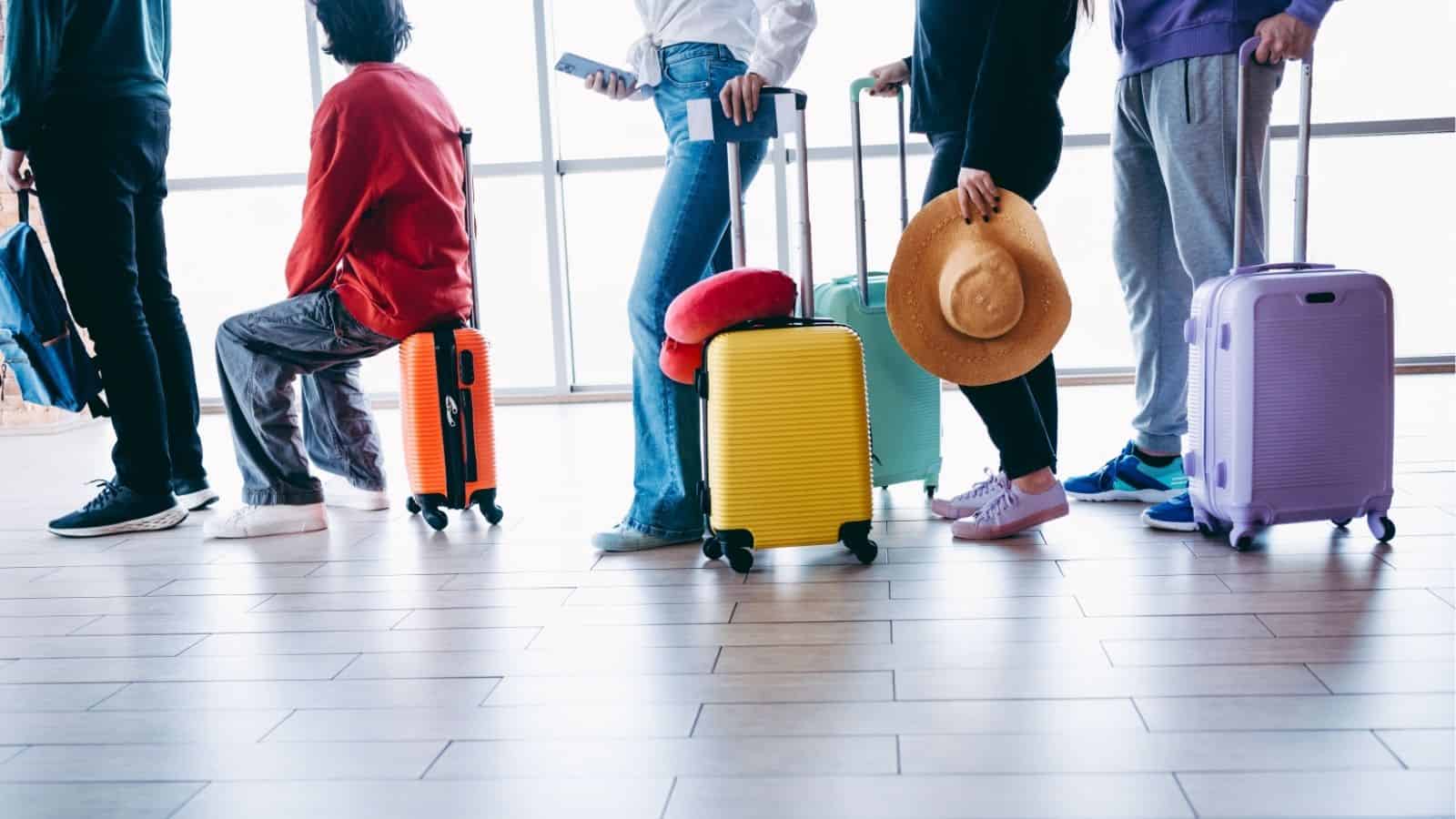
Some nationalities view personal space in airports as something to actively protect. Carry-ons that block aisles, spill into walkways, or occupy extra seating are seen as inconsiderate. Travelers are expected to keep bags close, upright, and under control. This becomes especially important in crowded terminals and boarding areas. People often notice when someone spreads out with multiple bags, even if no words are exchanged. Managing your belongings carefully shows awareness of how your presence affects others. Courtesy is measured not just by behavior, but by footprint.
Yielding seats to elderly travelers or families with small children

In many cultures, offering seats to elders or caregivers is not optional. It is a visible sign of social responsibility. Travelers who remain seated while someone elderly stands may draw quiet judgment. The expectation is rooted in respect rather than obligation. Even when seating is limited, making space or offering help is valued. Visitors often notice locals standing without hesitation in these situations. Yielding a seat signals attentiveness to community needs. In airports where this norm is strong, small gestures carry social weight.
Clearing the area quickly after baggage claim instead of lingering

Baggage claim areas are designed for movement, not waiting. In some countries, lingering near the carousel to reorganize bags or make calls is considered poor etiquette. Travelers are expected to collect luggage and move aside promptly. This keeps pathways clear and reduces congestion. Visitors often learn this rule when they notice how quickly locals clear the area. Standing nearby creates obstacles for others retrieving their bags. Moving away before stopping shows awareness of shared space and helps keep the airport functioning smoothly.
11 Airports So Huge You Need to Leave for Your Gate Before Check-In

Airports can be overwhelming, especially when they span across vast distances. Some of the world’s largest airports are so expansive that they require passengers to leave for their gates long before the usual check-in process begins. With multiple terminals, sprawling concourses, and numerous amenities, these airports can easily eat up valuable time if not navigated properly. Whether it's the time it takes to walk from one end of the terminal to the other or the shuttle rides between terminals, travelers are often advised to give themselves extra time before boarding.
Read More Here: 11 Airports So Huge You Need to Leave for Your Gate Before Check-In
13 American Airports With Reputations That Keep Getting Worse
Airports are often the gateway to adventure, but for some American airports, the experience leaves much to be desired. Long security lines, outdated facilities, and missed connections are just a few of the complaints travelers have voiced about these airports. While some may offer stunning views or extensive amenities, their reputation for inefficiency and overcrowding continues to grow.
Read More Here: 13 American Airports With Reputations That Keep Getting Worse