
Fall road trips can bring cooler weather, colorful scenery, and quieter roads, but seasonal changes can also create unexpected problems. This article features fall road trip mistakes you’ll want to avoid, focusing on common issues such as poor timing, changing weather, limited daylight, and arriving too late for peak fall colors. A little preparation can prevent these problems from disrupting the trip.
Driving in fall requires different planning than a summer road trip. Weather can shift quickly, some seasonal businesses may have reduced hours, and popular foliage routes can become crowded on weekends. Keep reading to see which fall road trip mistakes travelers should avoid and how better planning can make the drive easier.
Leaving Emergency Gear at Home

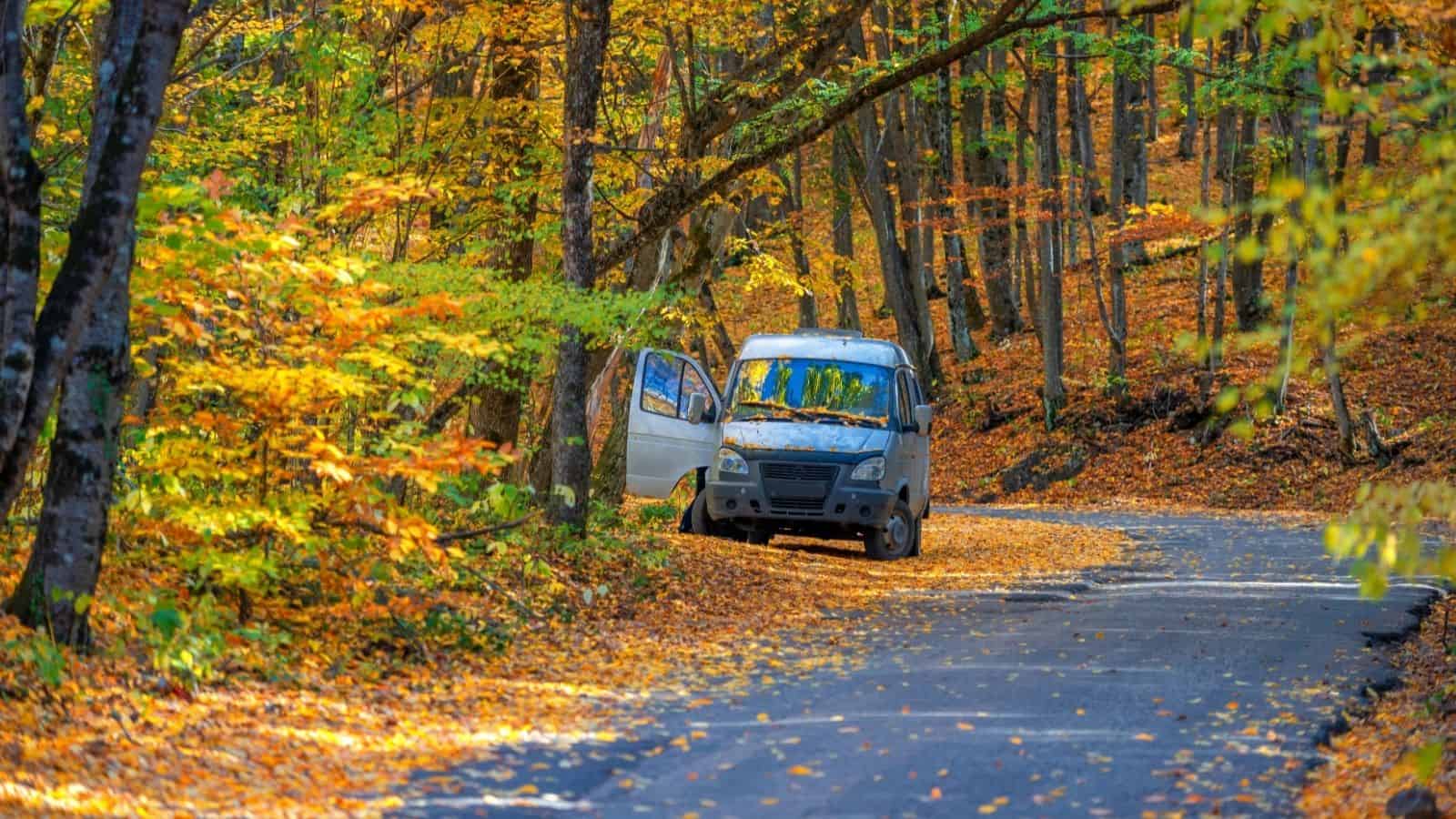
A fall road trip can take you into areas where colder temperatures make an ordinary breakdown more uncomfortable. Keep a basic emergency kit in the vehicle with a flashlight, first-aid supplies, jumper cables, tire equipment, phone charger, blankets, water, and some shelf-stable food. An ice scraper can also be useful on routes where overnight temperatures may drop below freezing. You may never need most of these items, but remote roads can mean waiting longer for assistance. A small amount of preparation gives you more options if the car stops somewhere without nearby services.
Letting the Gas Tank Get Too Low

Scenic fall routes often encourage travelers to leave highways behind, but smaller roads may have fewer fuel stations than expected. Some seasonal businesses also reduce their hours once summer ends. Waiting until the warning light appears can create unnecessary stress, particularly in mountainous or remote areas. Fill up before entering long rural stretches and note where the next reliable gas station is located. Electric vehicle drivers should plan charging stops just as carefully and have alternatives saved. Keeping enough range available also gives you more freedom to handle unexpected detours caused by weather or road closures.
Packing for Warm Afternoons Only

A sunny fall afternoon can make lightweight clothing seem sufficient until temperatures drop after sunset. Road trips can also take you through different elevations and climates in a single day, making layers much more useful than one heavy coat. Pack long sleeves, sweaters, a warm jacket, and rain protection alongside lighter clothing. Comfortable shoes that can handle wet conditions are worth bringing too. Keeping an extra layer in the car rather than buried inside your luggage means you can quickly adjust when a scenic stop turns out to be much colder than expected.
Trying to Follow the Fall Colors Too Precisely

Fall foliage does not follow a guaranteed calendar. Warm weather, cold snaps, rain, drought, and elevation can all affect when leaves change, so planning an entire trip around a predicted peak date can backfire. A destination advertised as reaching peak color during your visit may still be mostly green or already past its best. Treat foliage forecasts as estimates rather than promises and build other activities into the itinerary. Scenic towns, hikes, historic sites, local restaurants, and seasonal events give you something worthwhile to do even when the leaves refuse to cooperate with your schedule.
Forgetting How Early It Gets Dark
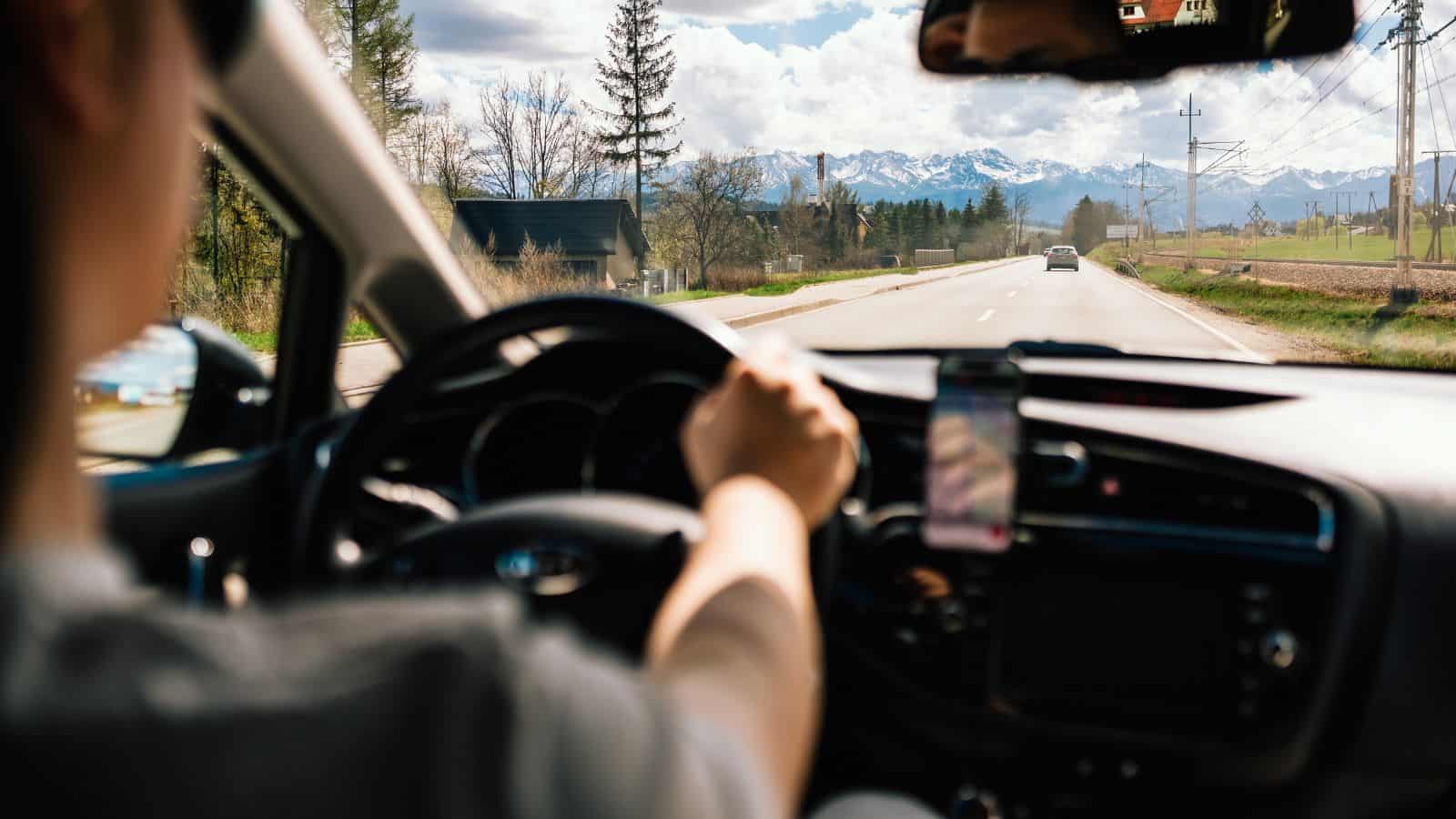
A summer road-trip schedule does not always translate well to October or November. Daylight disappears earlier, leaving less time for scenic overlooks, hikes, and unfamiliar rural roads. If you plan too many miles in one day, the final section may happen entirely after sunset. Darkness can also make wildlife, sharp curves, fallen debris, and changing road conditions harder to see. Check sunset times for each destination and plan your longest drives earlier in the day. Arriving before dark also makes checking into accommodations and finding dinner much easier in smaller towns.
Not Checking Weather Along the Entire Route

Fall weather can change considerably over the course of a road trip, especially when your route crosses mountains or moves between elevations. Sunshine at your starting point does not mean you will avoid rain, fog, strong winds, or even early snow later in the day. Check conditions for the entire route rather than only your destination. Pay particular attention to mountain passes and areas prone to seasonal closures. A quick forecast check each morning can help you adjust departure times, change routes, or postpone a drive before poor conditions leave you dealing with an unexpected detour.
Want to save this?
Skipping a Pre-Trip Car Check

Cooler temperatures and long driving days can expose vehicle problems that were easy to ignore during everyday trips. Before leaving, check tire pressure and tread, brakes, lights, windshield wipers, battery condition, and important fluid levels. Make sure the spare tire is usable and that you have the tools needed to change it. Fall roads can involve rain, fallen leaves, fog, and occasional early ice, so dependable tires and brakes become particularly important. Taking care of small maintenance issues at home is much easier than searching for a mechanic halfway through a rural scenic route.
Assuming Fall Means Everything Will Be Quiet

Smaller crowds are one reason people love autumn road trips, but famous foliage destinations can become extremely busy during peak weekends. Hotels, cabins, restaurants, parking areas, and popular scenic roads may fill quickly in places known for fall color. Waiting until arrival to find accommodation can leave you driving much farther than expected or paying more for the few rooms remaining. Reserve important overnight stops ahead of time, particularly for weekends. You can still keep parts of the itinerary flexible while knowing you have somewhere to sleep when the day's driving is finished.
Depending Completely on Cell Service

Some of the best fall drives pass through mountains, forests, national parks, and rural areas where mobile service can disappear unexpectedly. If your route exists only inside a navigation app that requires a connection, one dead zone can make an unfamiliar detour much harder to manage. Download offline maps before departure and save the addresses of hotels, trailheads, gas stations, and important stops. A paper map is also worth keeping in the glove compartment. This becomes even more useful when seasonal road closures force you away from the route your navigation app originally suggested.
Planning Too Many Miles Each Day

Fall road trips are easy to overschedule because distances can look manageable on a map. Scenic roads, however, are often slower than highways, and you'll probably want to stop more frequently for overlooks, small towns, hikes, and photographs. Add shorter daylight hours and changing weather, and an aggressive driving schedule can quickly fall apart. Give each day fewer miles than you think you can handle and leave room for unplanned stops. A little flexibility means you can spend an extra hour somewhere worthwhile without turning the rest of the day into a race against sunset.
10 U.S. Cities Where Tourism Is Changing Daily Life

Tourism can bring new businesses, jobs, and energy to a city, but it can also change how locals experience everyday life. This article features U.S. cities where tourism is changing daily life, highlighting places where growing visitor numbers are affecting housing, transportation, local businesses, and popular neighborhoods. In many cases, residents are adapting to changes that continue year after year.
Read More Here: 10 U.S. Cities Where Tourism Is Changing Daily Life
9 Airport Mistakes Travelers Keep Making Again and Again

Airports can be stressful, and small mistakes often make travel days even harder. This article features airport mistakes travelers keep making again and again, focusing on common habits that lead to delays, extra costs, or unnecessary frustration. Many of these mistakes are easy to avoid once travelers know what to watch for.
Read More Here: 9 Airport Mistakes Travelers Keep Making Again and Again




Leave a Reply