
Some European cities are easier to appreciate on two wheels than behind the wheel of a car. This article features European cities best explored by bike, highlighting destinations with extensive cycling paths, bike-friendly streets, and compact layouts that make getting around simple. Riding a bike often lets travelers see more while avoiding traffic and parking hassles.
Choosing to cycle can make sightseeing more flexible and help visitors experience neighborhoods at a slower pace. Many of these cities are designed to support everyday cycling, making it an easy option for travelers as well.
If you're planning to explore beyond the city center or cover longer distances, a step-through electric bike can make sightseeing even more comfortable while helping you see more without feeling rushed. Keep reading to see which European cities made the list and why they are especially rewarding to explore by bike.
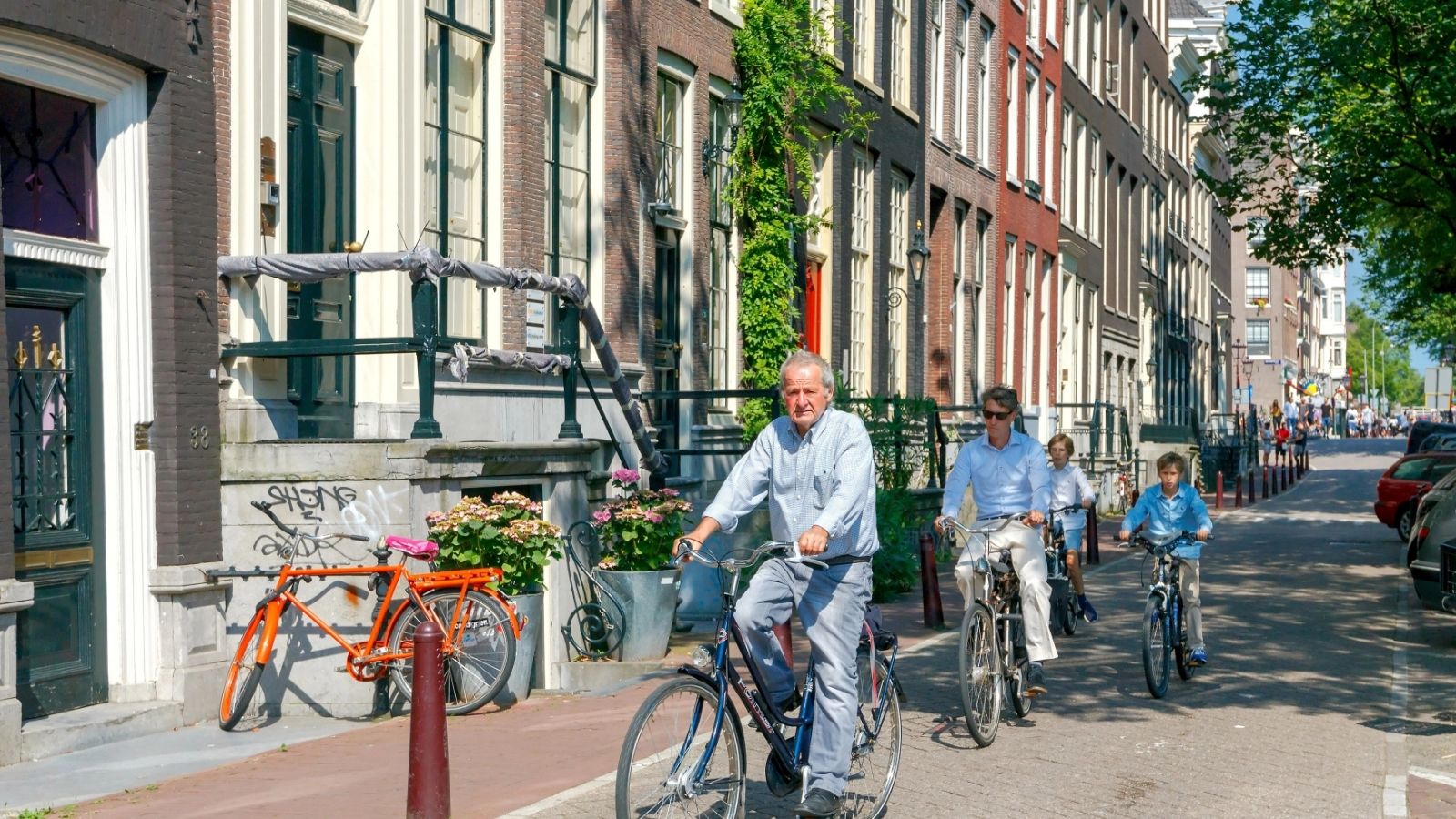
Amsterdam

Amsterdam is one of Europe's best-known cycling cities, with an extensive network of bike lanes connecting canals, museums, parks, and residential neighborhoods. Visitors can rent a bicycle almost anywhere and comfortably reach attractions like the Jordaan, Vondelpark, and Museumplein without relying on public transportation. A local guide can also point you toward quieter canals, neighborhood cafés, and lesser-known streets that many visitors ride right past. Dedicated cycling infrastructure and relatively flat terrain make getting around straightforward, even for travelers who don't regularly ride at home.
Copenhagen

Copenhagen has built much of its transportation system around bicycles. Wide, protected bike lanes link neighborhoods, waterfronts, and major attractions, making cycling both practical and enjoyable. Copenhagen's cycling culture is easy to experience on your own, but a local guide can point you toward neighborhoods and local favorites beyond the city's biggest attractions. Visitors can easily ride between Nyhavn, Tivoli Gardens, and the Little Mermaid while stopping at cafés and parks along the way. With thousands of locals commuting by bike every day, cycling feels like a natural part of experiencing the city.
Strasbourg
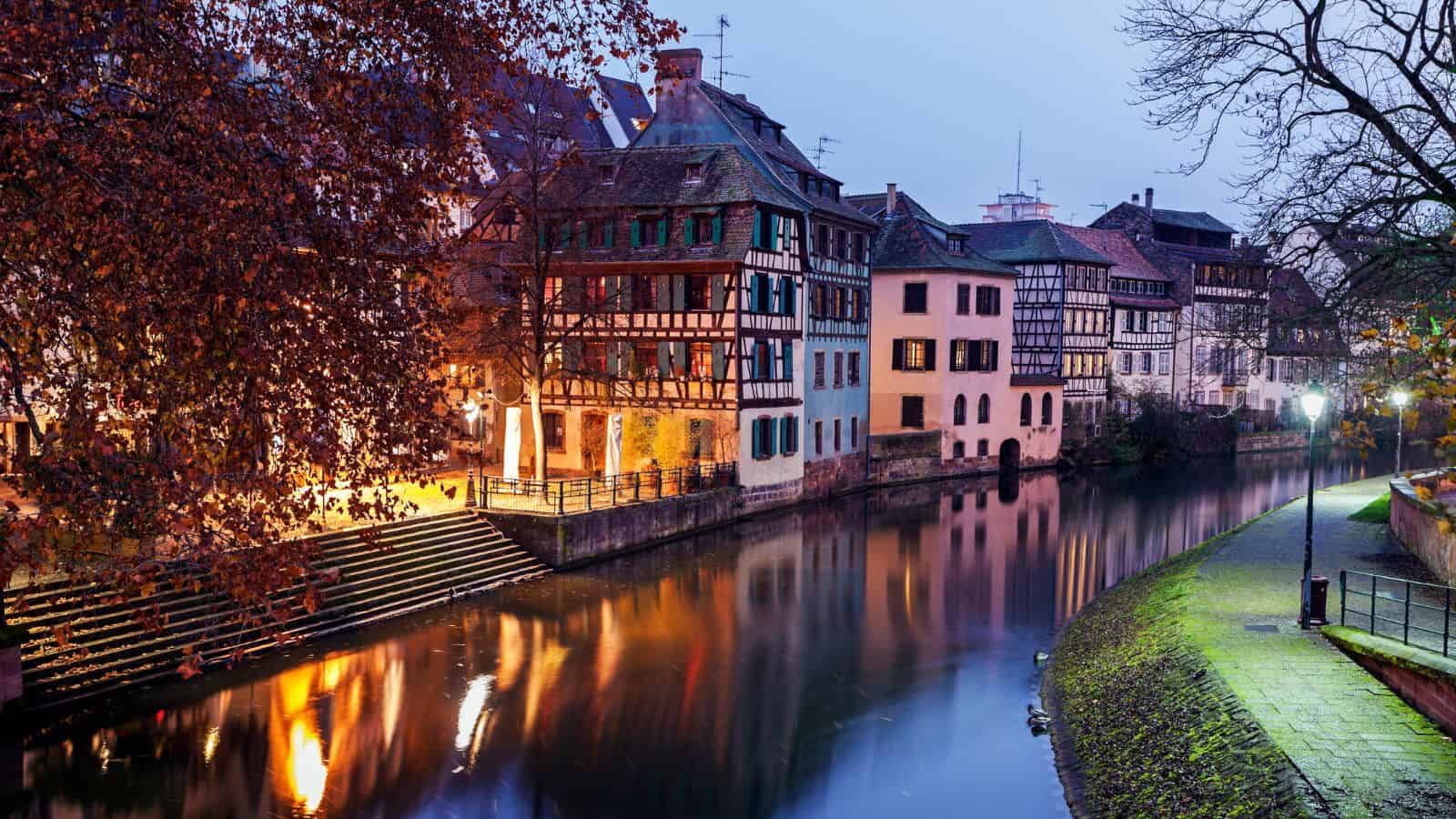
Strasbourg has one of France's largest cycling networks, allowing visitors to move easily between its historic center and surrounding neighborhoods. Dedicated bike paths follow canals, cross parks, and pass half-timbered buildings that are often easier to appreciate at cycling speed. The city's relatively compact layout means many attractions are only a short ride apart, making a bicycle an efficient alternative to driving or public transportation.
Utrecht
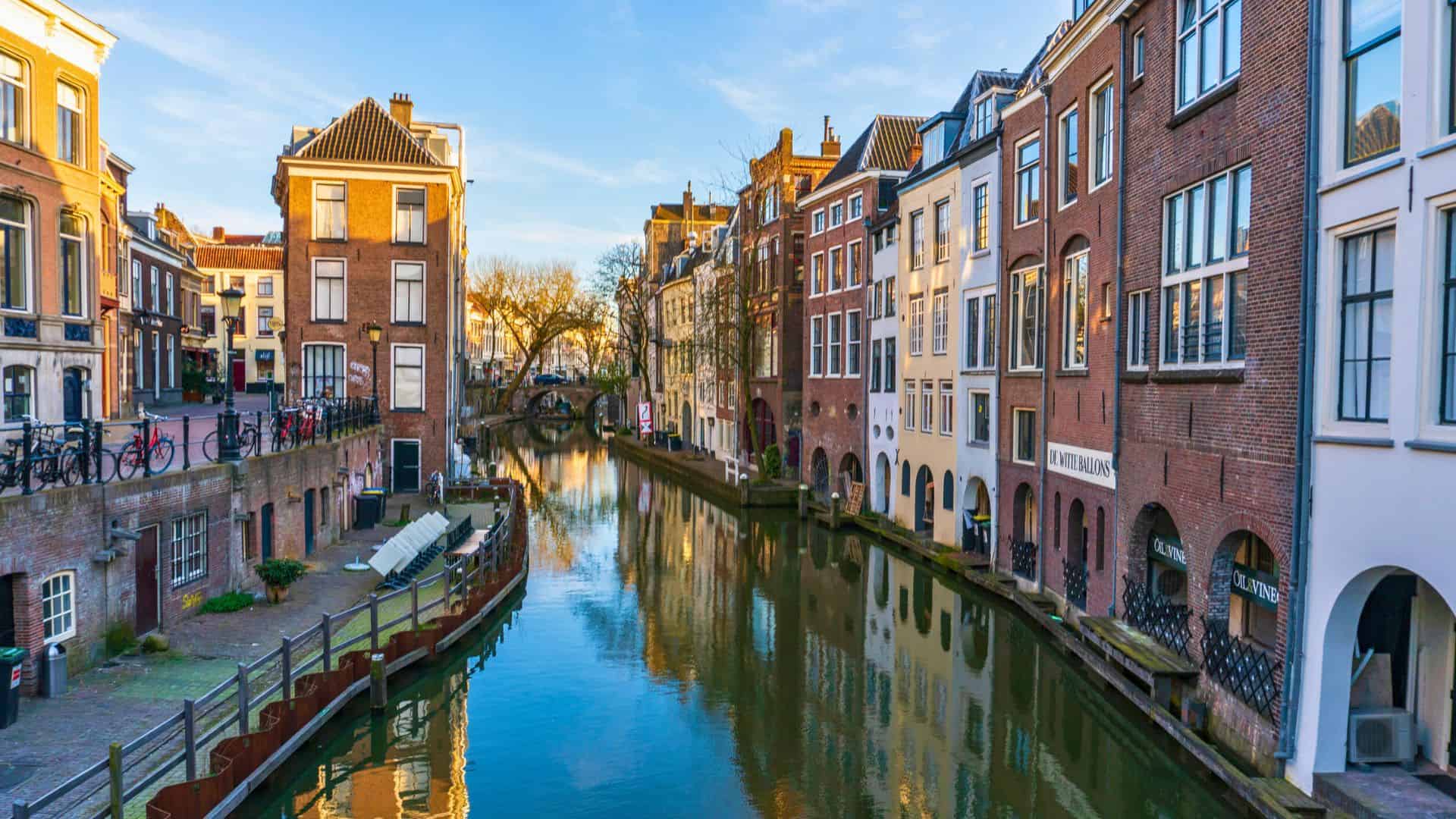
Utrecht was designed with cyclists in mind, featuring dedicated bike parking, separated lanes, and routes that reach nearly every part of the city. Visitors can ride alongside canals, through university districts, and into quiet residential neighborhoods with little interaction with heavy traffic. The compact center makes it easy to combine cycling with walking, while the city's relaxed pace encourages frequent stops at cafés, markets, and canal-side terraces.
Münster
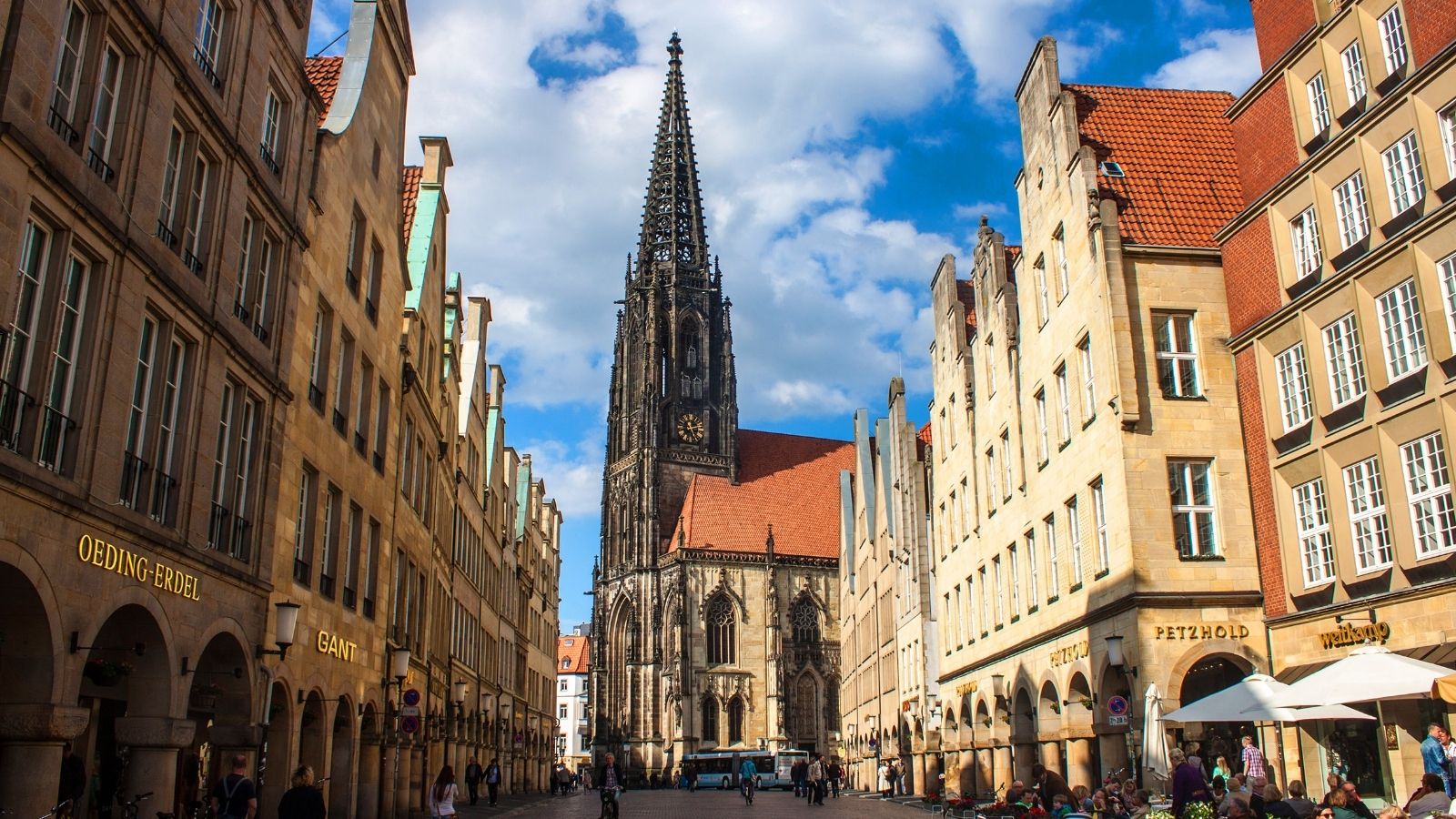
Münster has earned a reputation as one of Germany's most bicycle-friendly cities. A ring road reserved largely for cyclists circles the historic center, making it easy to reach museums, churches, markets, and parks without a car. Wide cycling lanes and flat streets create comfortable riding conditions for visitors of all experience levels. Renting a bike is often the quickest way to experience both the city center and its surrounding green spaces.
Seville
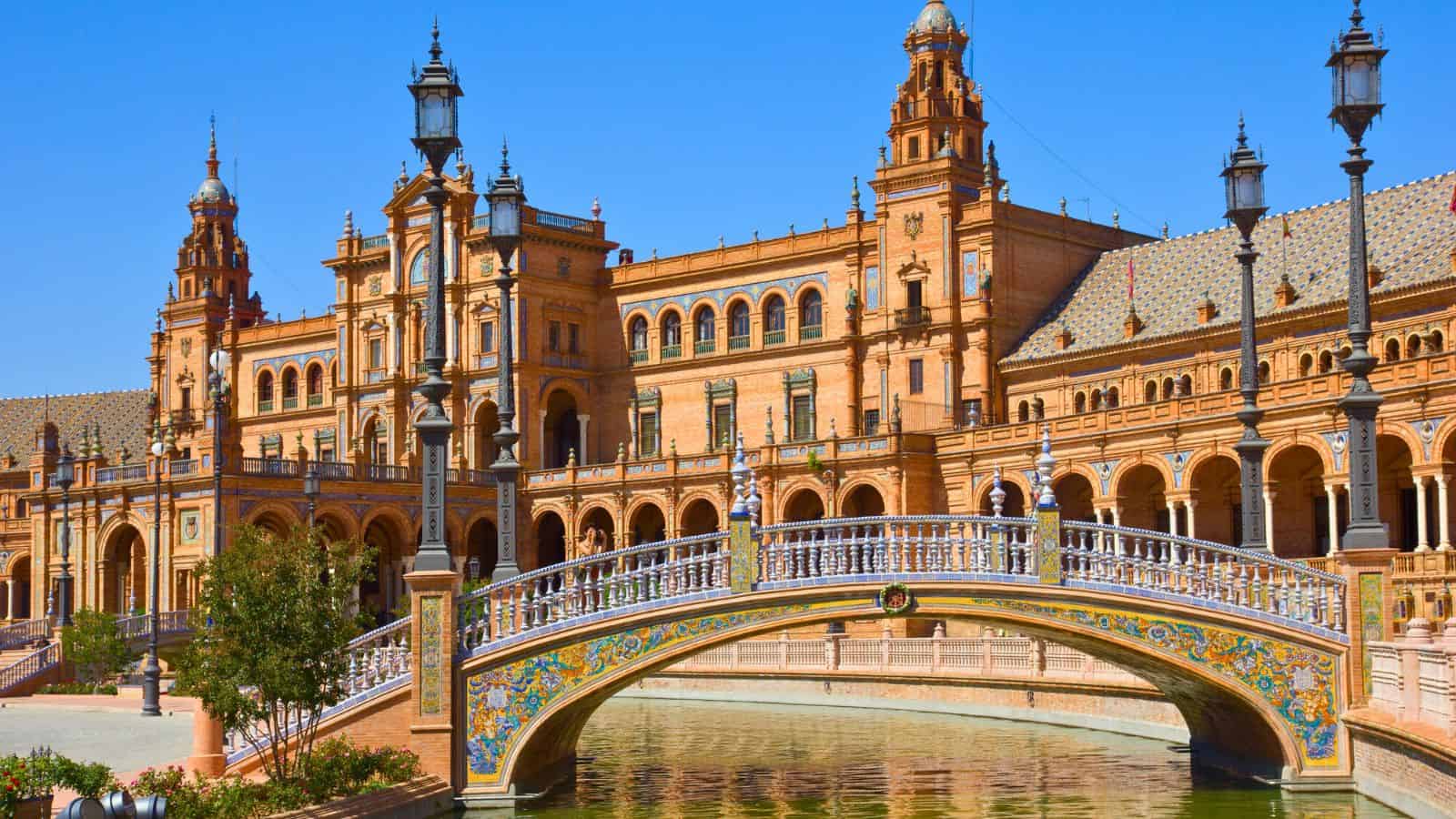
Seville has expanded its protected bike lane network dramatically over the past two decades, making cycling a convenient way to explore the city. Riders can travel between the cathedral, Plaza de España, riverside paths, and neighborhood plazas without dealing with much vehicle traffic. Because much of the historic center is relatively flat, cycling is accessible to most visitors. Morning and evening rides are especially pleasant during the warmer months.
Want to save this?
Ljubljana
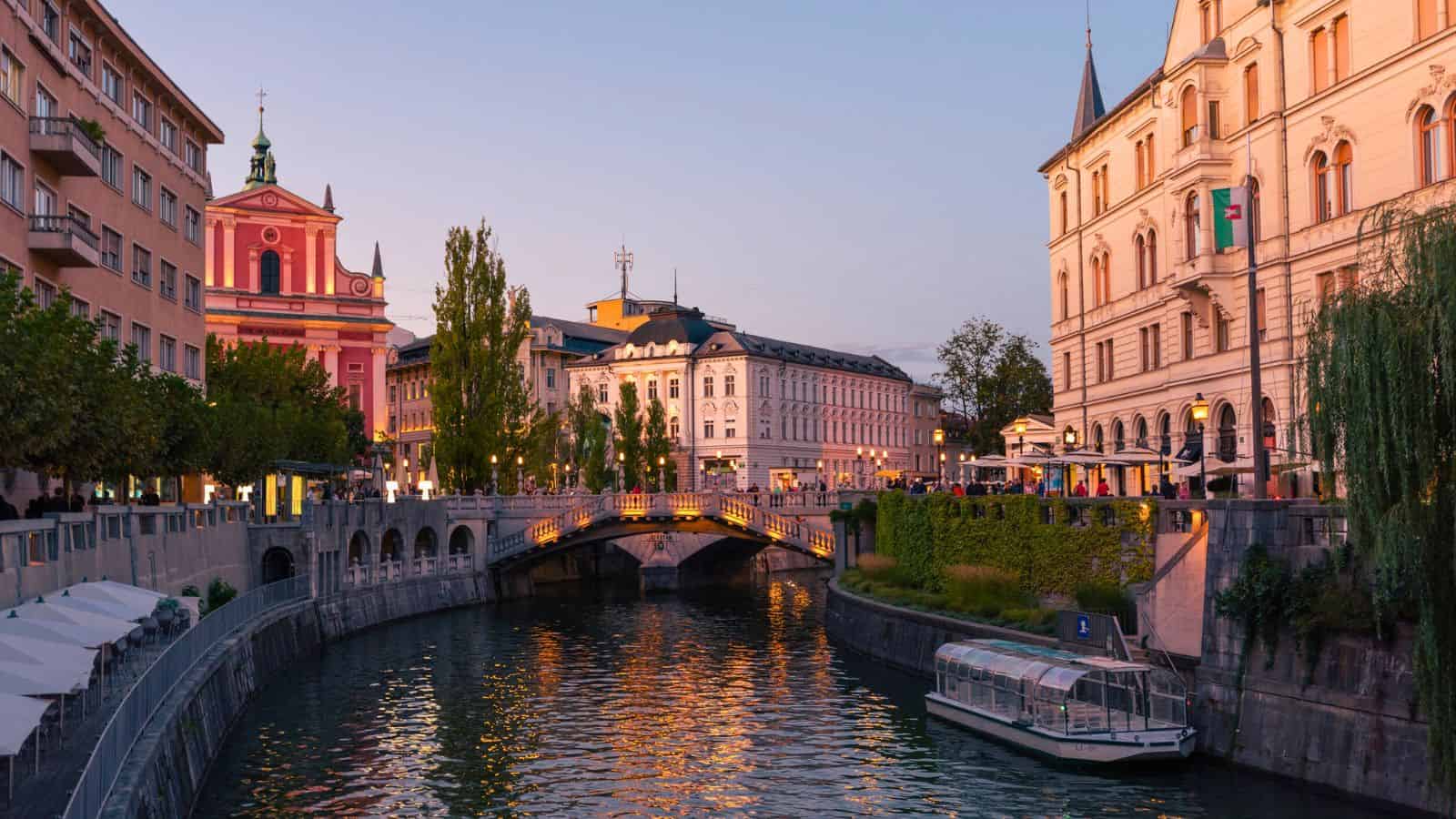
Ljubljana's compact size and pedestrian-friendly center make it particularly enjoyable to explore by bicycle. Many streets have limited vehicle traffic, while cycling routes connect the old town, Tivoli Park, and the Ljubljanica River. Bike-sharing stations throughout the city provide an easy option for visitors who don't want to rent for an entire day. Cycling lets travelers cover more ground while still enjoying the city's relaxed atmosphere.
Ghent
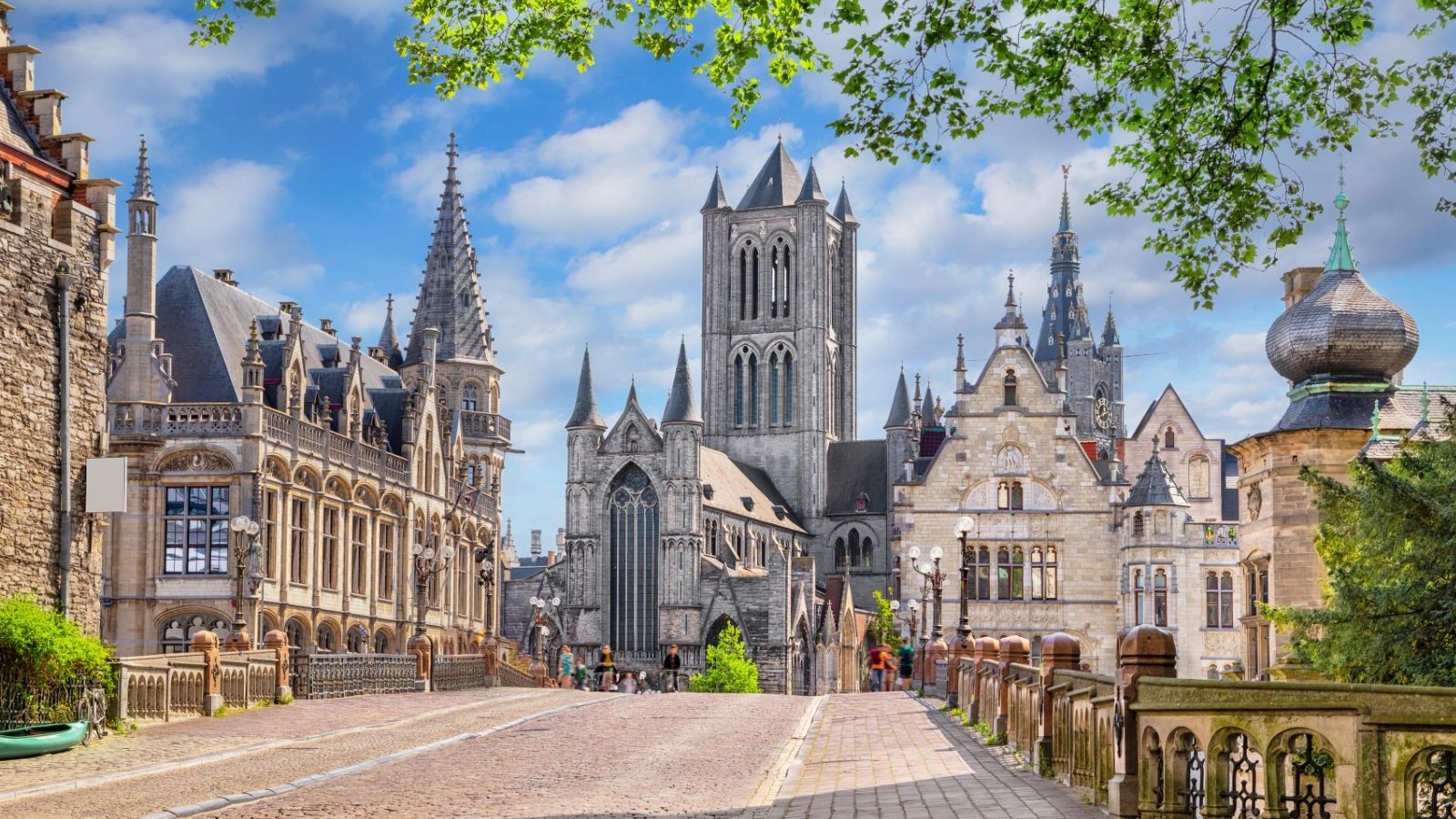
Ghent has prioritized cycling by reducing car traffic in much of its center and expanding dedicated bike routes. Visitors can comfortably ride between medieval landmarks, canals, museums, and lively public squares without worrying about busy roads. The city's relatively short distances make cycling an efficient way to explore while still allowing time to stop at cafés, markets, and riverside viewpoints throughout the day.
Freiburg im Breisgau
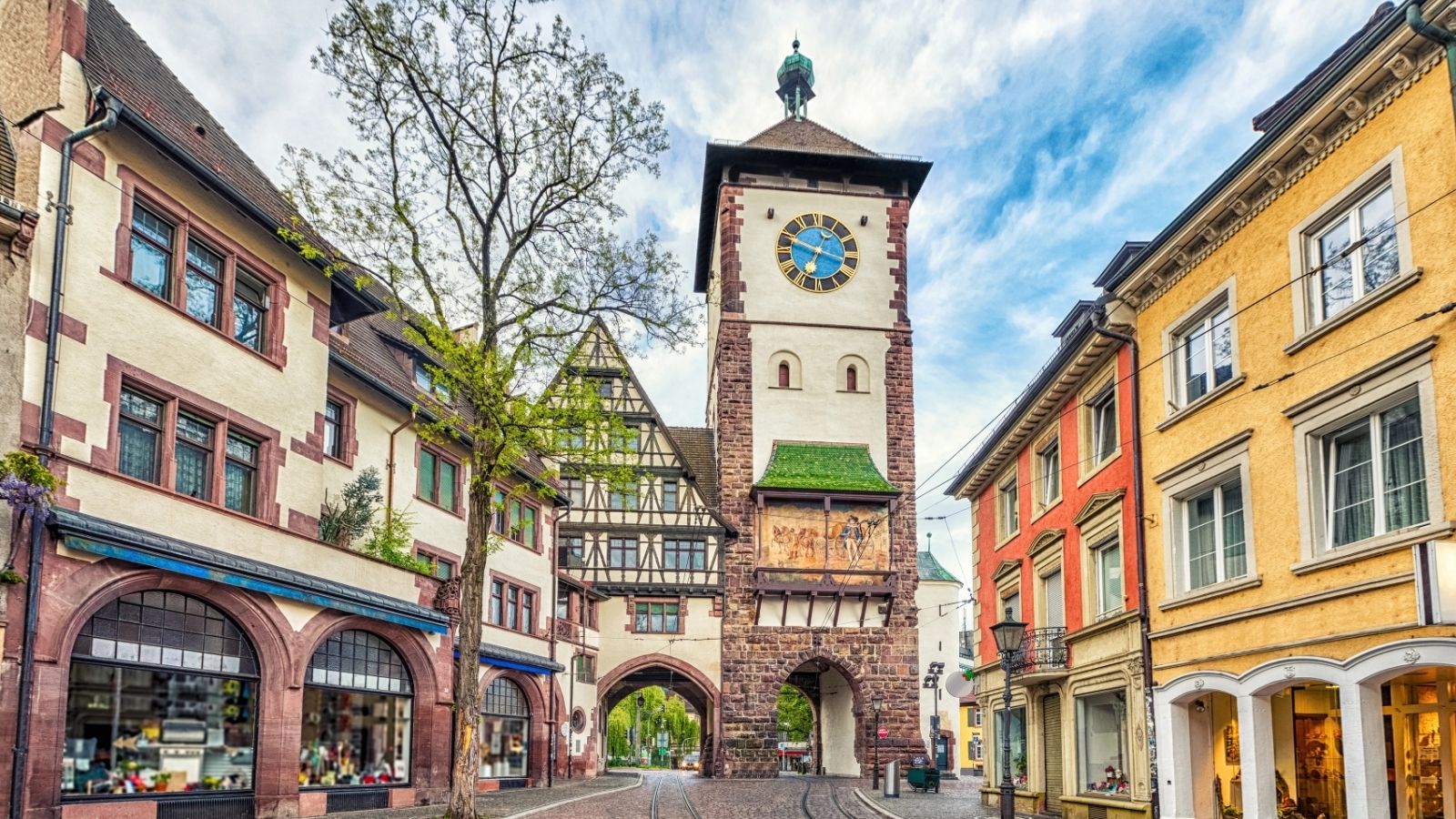
Freiburg combines an extensive cycling network with compact neighborhoods that are easy to navigate on two wheels. Bike lanes connect the medieval old town, public squares, parks, and nearby vineyards, while many streets give priority to cyclists and pedestrians. The city's environmental focus has encouraged alternatives to driving for decades, making cycling one of the simplest and most enjoyable ways to experience the area.
Bordeaux

Bordeaux's wide boulevards, riverfront promenades, and growing network of bike lanes make cycling an excellent way to explore the city. Visitors can ride along the Garonne River, through elegant historic districts, and into nearby parks without needing a car. Bike-sharing stations are widely available, making it easy to rent for just a few hours or an entire day. Cycling also offers a convenient way to reach neighborhoods beyond the busiest tourist areas.
Bruges
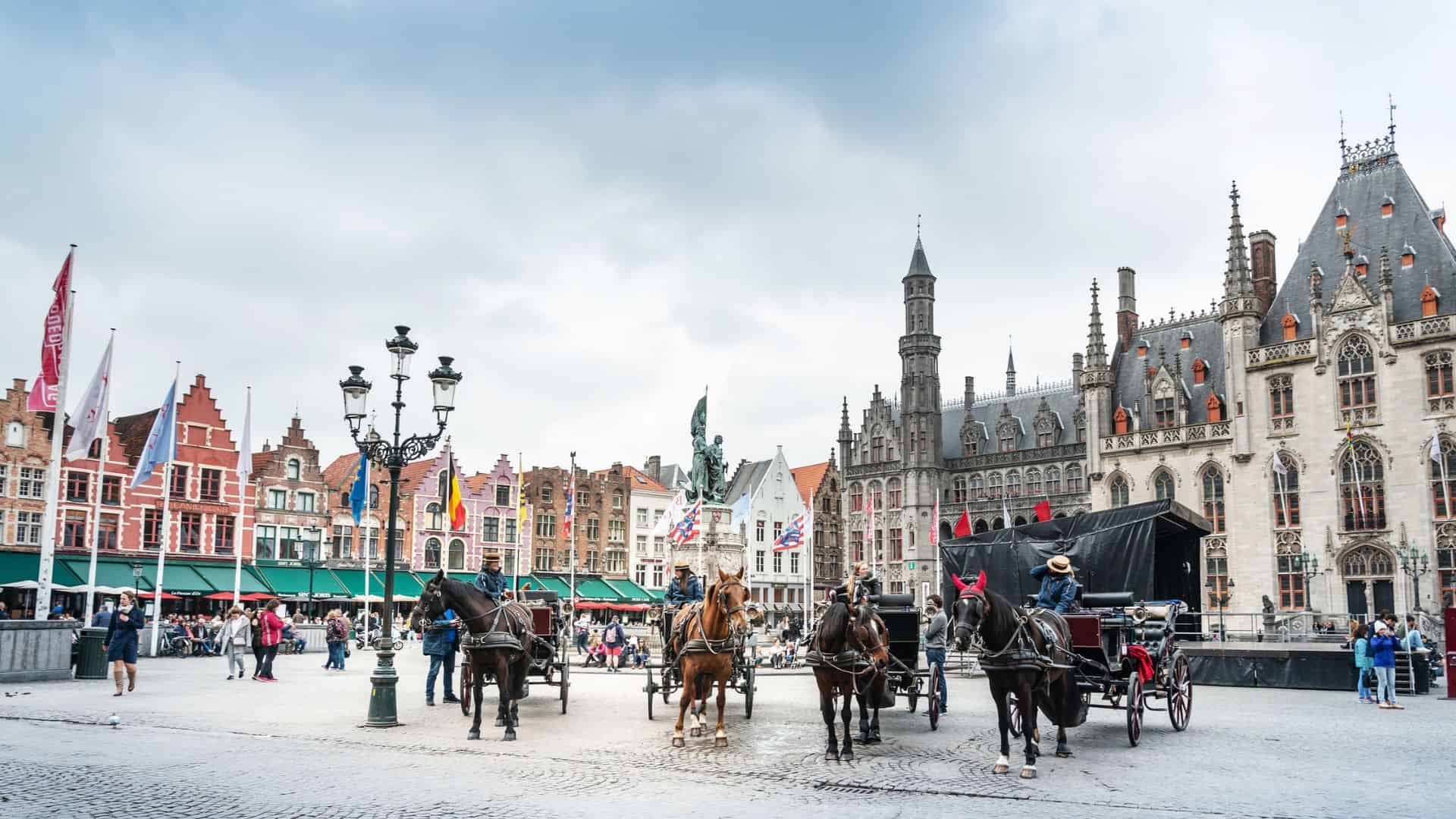
Bruges is compact enough that a bicycle can comfortably cover nearly every corner of the city. Quiet streets, canals, parks, and medieval architecture create a pleasant setting for leisurely rides, while many hotels and rental shops cater specifically to cyclists. Exploring by bike makes it easy to venture beyond the busiest squares and discover quieter neighborhoods, windmills, and green spaces that many day-trippers never reach.
11 Countries With Fewer Visa Headaches for Travelers

Visa requirements can add time, paperwork, and uncertainty to trip planning. This article features countries with fewer visa headaches for travelers, focusing on destinations where entry rules are relatively simple and the process is more straightforward for many visitors. Easier entry requirements can make planning feel less stressful and allow travelers to focus more on the trip itself.
Read More Here: 11 Countries With Fewer Visa Headaches for Travelers
10 Things Frequent Flyers Always Keep in Their Carry On

Experienced travelers know that what goes into a carry on can make a big difference during a trip. This article features things frequent flyers always keep in their carry on, focusing on items that help make flights more comfortable, organized, and manageable. These essentials often become even more valuable during delays, long layovers, or unexpected travel disruptions.
Read More Here: 10 Things Frequent Flyers Always Keep in Their Carry On

Leave a Reply