
Airports can be stressful, and small mistakes often make travel days even harder. This article features airport mistakes travelers keep making again and again, focusing on common habits that lead to delays, extra costs, or unnecessary frustration. Many of these mistakes are easy to avoid once travelers know what to watch for.
A little preparation can make the airport experience much smoother. Simple changes before and during the trip can save time and reduce stress. Keep reading to see which airport mistakes make the list and how to avoid repeating them on your next journey.
Dressing for Style Instead of Security
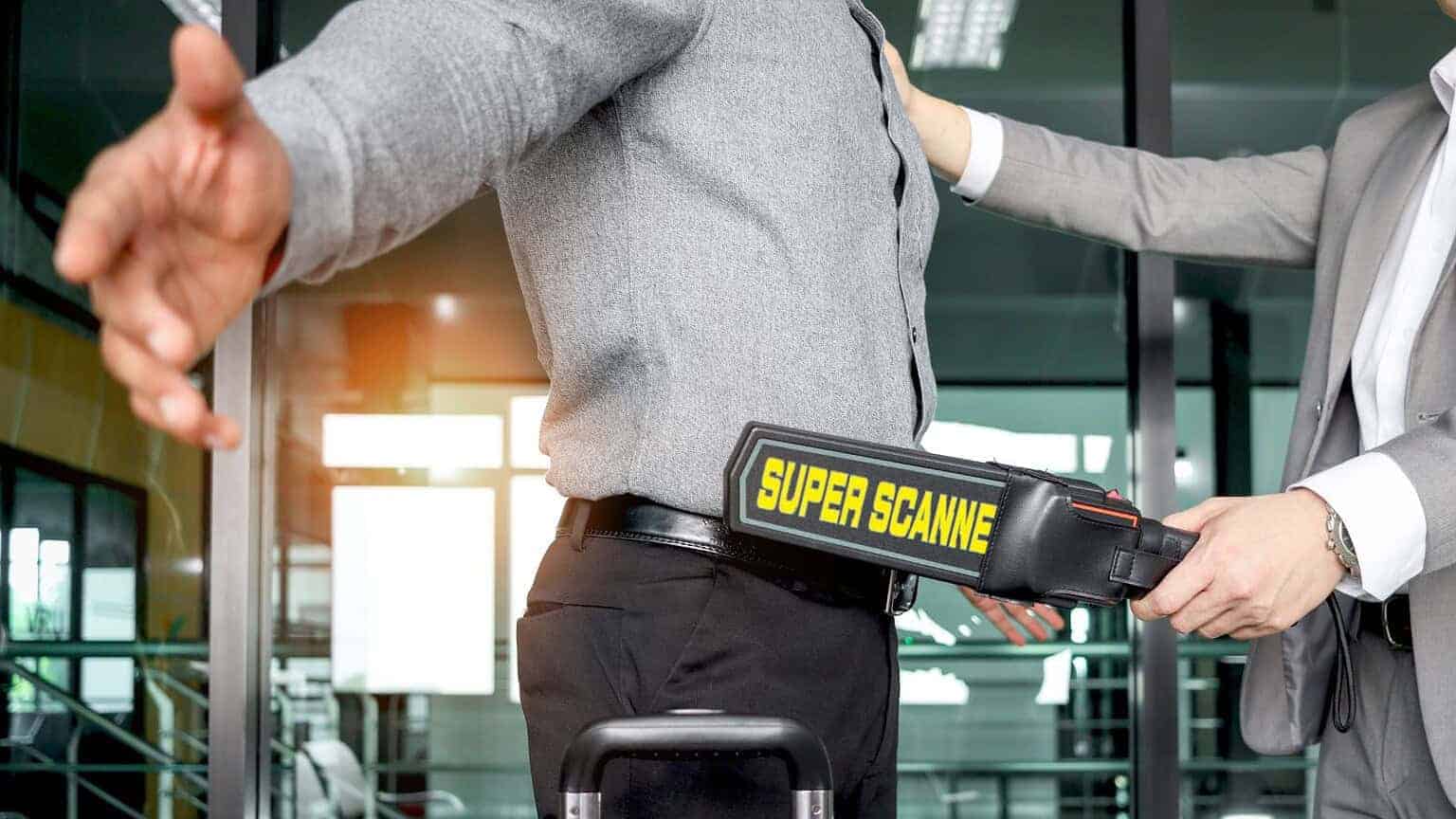
Wearing bulky jackets, heavy jewelry, complicated shoes, or oversized belts may look great, but it often slows you down at airport security. Every extra item that needs to be removed adds time and frustration during screening. Comfortable layers and shoes that are easy to slip on and off help you move through checkpoints much more efficiently. Practical airport clothing doesn't have to sacrifice style—it simply makes the travel day easier from start to finish.
Overlooking Airport Lounge Access

Many travelers assume airport lounges are reserved only for business-class passengers, but that's no longer always true. Credit cards, airline memberships, and day passes often provide access to quieter seating, charging stations, complimentary food, and cleaner restrooms. Before your trip, it's worth checking whether you already qualify for lounge access. During long layovers or major flight delays, the extra comfort can make a noticeable difference.
Not Packing Essentials in a Personal Bag
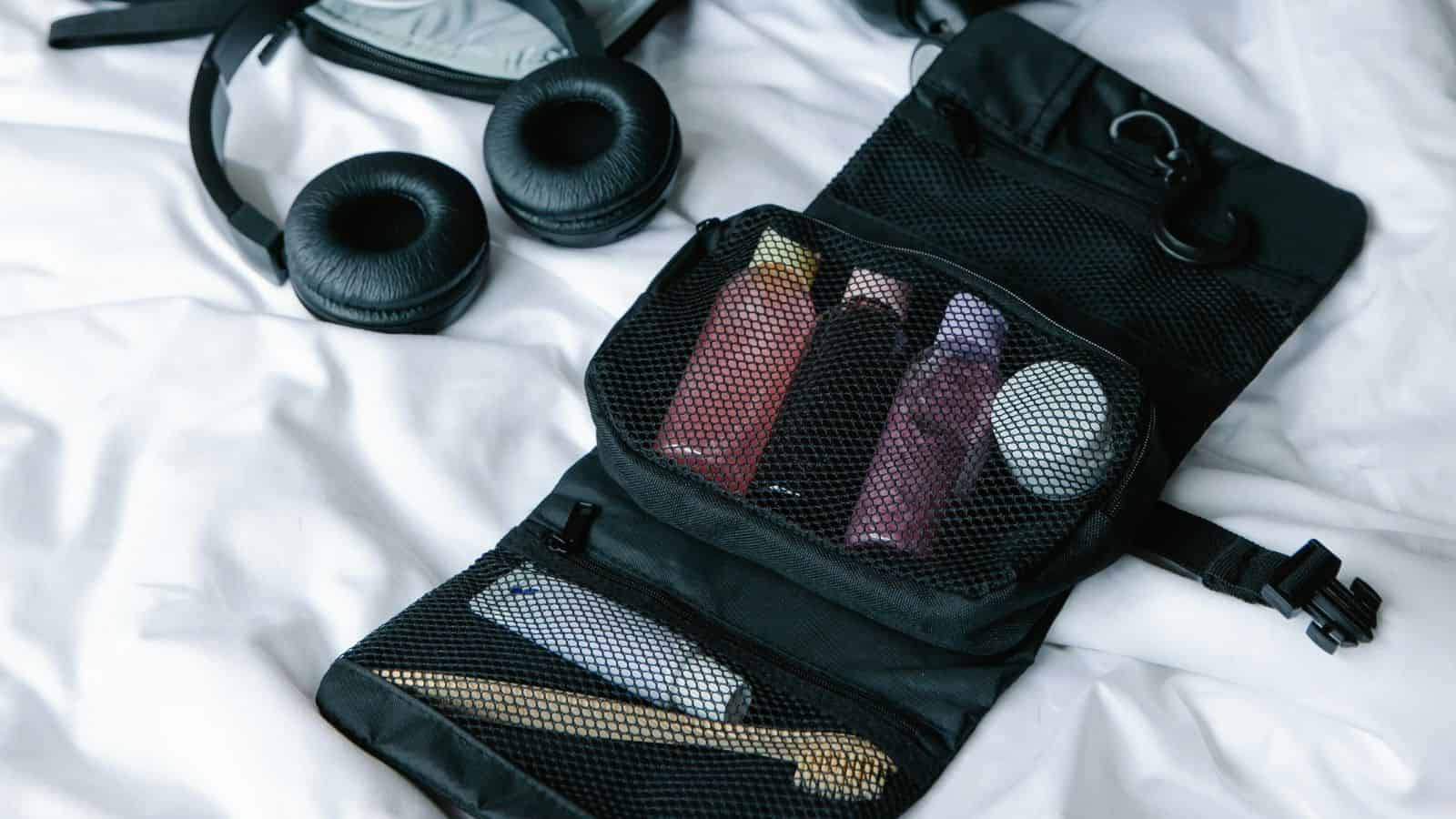
A delayed checked bag or gate-checked carry-on becomes much more frustrating when important items aren't easily accessible. Frequent travelers keep medications, chargers, travel documents, headphones, snacks, and a change of clothes in their personal bag rather than their larger luggage. Keeping these essentials within reach makes delays, missed connections, or overnight disruptions much easier to manage and prevents small inconveniences from becoming much bigger problems.
Using Public Wi-Fi Without Precautions

Airport Wi-Fi is convenient, but connecting without thinking can expose personal information. Many travelers log into banking apps or enter passwords on unsecured public networks. If possible, use mobile data or a trusted VPN when handling sensitive accounts. Double-check that you're connecting to the airport's official network, avoid saving passwords on public devices, and log out when you're finished. These small habits help protect your information while traveling.
Forgetting to Check Terminal and Gate Updates
One of the most common airport mistakes is assuming your gate will stay the same. Airlines regularly change gates, and sometimes even terminals, with little notice. Travelers who rely only on their original boarding pass often end up waiting in the wrong place until the last minute. Checking the airport monitors or your airline's app throughout your time in the terminal helps you stay ahead of any changes and avoids unnecessary stress before boarding.
Want to save this?
Keeping Travel Documents Disorganized

Digging through multiple bags for a passport or boarding pass creates unnecessary stress at security and immigration checkpoints. Keeping passports, identification, boarding passes, and other important documents together in one travel wallet or organizer speeds up every stage of the journey. Even travelers who use digital boarding passes often carry a printed backup in case their phone battery dies or technology fails at an inconvenient moment.
Not Checking Baggage Allowances Before Leaving Home

Airline baggage rules change depending on the carrier, route, and ticket type, yet many travelers assume their luggage will automatically meet the requirements. Arriving with an overweight or oversized suitcase can lead to unexpected fees or last-minute repacking at check-in. Checking your airline's baggage policy before leaving home and weighing your bags in advance helps avoid unpleasant surprises and makes the start of your trip much smoother.
Ignoring Security Screening Rules

Travelers often hold up security lines because liquids, electronics, or prohibited items aren't packed correctly. Waiting until you reach the screening bins to organize your belongings slows both you and everyone behind you. Keeping liquids together, placing laptops where they're easy to remove, and emptying pockets before reaching the scanner makes the process much faster. Paying attention to local security procedures also helps avoid unnecessary secondary inspections.
Arriving Too Close to Boarding Time

Many travelers underestimate how long it takes to get through an airport. Traffic, long security lines, checked baggage, or even a gate change can quickly erase any extra time you thought you had. Arriving with a comfortable buffer gives you time to deal with unexpected delays without rushing through the terminal. It also leaves room to grab food, refill a water bottle, or organize your travel documents before boarding begins. A little extra time at the airport is almost always better than risking a missed flight.
11 Travel Habits That Help Protect Your Credit Cards From Theft
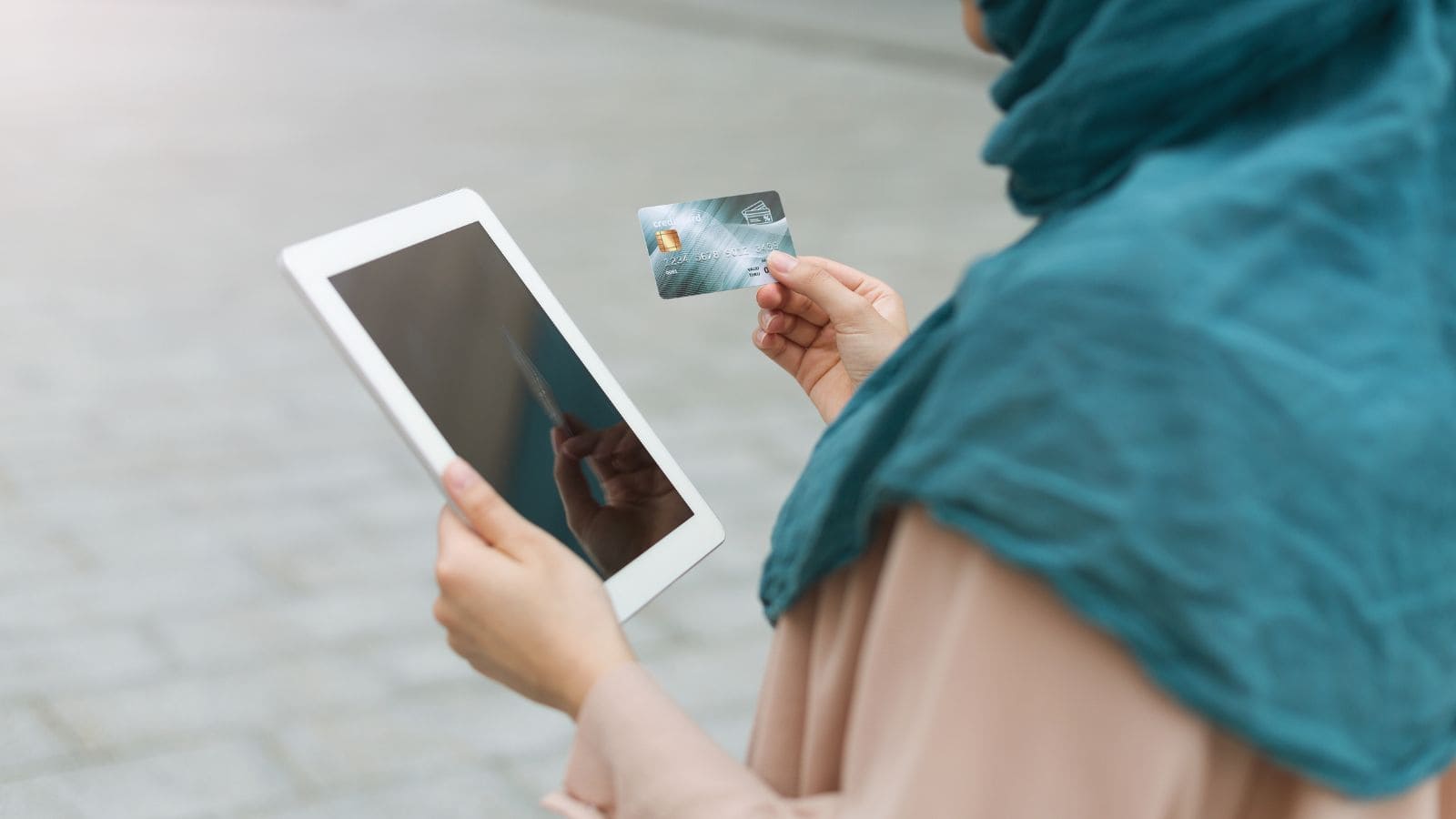
Traveling opens up a world of new experiences, but it also presents certain risks, especially when it comes to credit card theft. With the rise of digital transactions, traveling abroad with credit cards has become more convenient, but it also exposes travelers to potential threats. There are certain travel habits that, if followed, can minimize the risk of fraud and theft, ensuring your money stays safe while you enjoy your journey.
Read More Here: 11 Travel Habits That Help Protect Your Credit Cards From Theft
15 Flight Tips That'll Help Calm Your Travel Anxiety

Always feeling anxious when flying? Traveling by plane can be a source of anxiety for many people, but there are 15 flight tips that'll help calm your travel anxiety. Understanding how to manage stress during a flight can make the experience more pleasant and enjoyable. Simple strategies, from breathing techniques to choosing the right seat, can significantly reduce feelings of unease and help travelers feel more at ease.
Read More Here: 15 Flight Tips That'll Help Calm Your Travel Anxiety




Leave a Reply