
Personal space can feel very different depending on where you are. This article features destinations where travelers misjudge personal space norms, focusing on places where distance, crowd behavior, and social habits do not match what visitors expect. What feels normal in one culture can come across as distant or intrusive in another.
Understanding these differences can make interactions smoother and less awkward. Small adjustments in how you stand, move, or communicate can help avoid misunderstandings. Keep reading to see which destinations made the list and what travelers often notice right away.

Japan
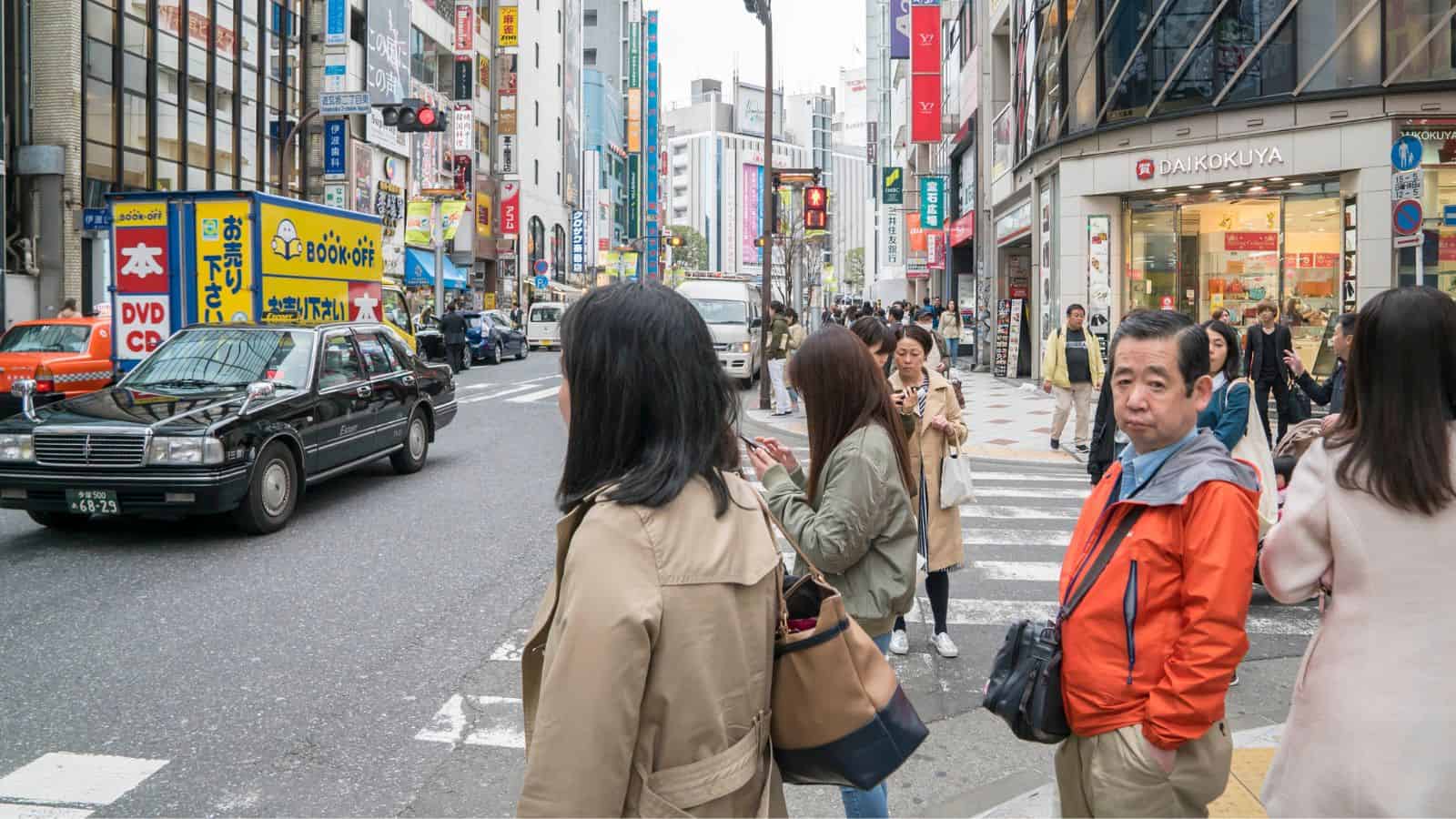
Many visitors expect crowded conditions to mean relaxed personal boundaries, but Japan maintains a clear sense of personal space through behavior rather than distance. On trains, people avoid eye contact, keep conversations quiet, and limit physical interaction even in close quarters. Standing too close in open spaces or speaking loudly can feel intrusive. Travelers who follow these unspoken rules tend to move more smoothly through public settings and avoid drawing attention.
Italy

Italy often involves closer physical proximity during conversations and in public spaces. Travelers who expect more distance may find interactions more direct, especially in busy areas. Queues can feel less structured, and people may stand closer than expected. At the same time, personal belongings are still kept secure despite the reduced space. Adjusting expectations around proximity helps visitors navigate both social and public situations more comfortably.
France

France balances personal space with social interaction, but expectations vary by setting. In public transport and busy areas, close proximity is common. However, social interactions often follow more formal boundaries. Standing too close in quieter settings or interrupting personal space in lines can feel inappropriate. Travelers who observe how locals manage distance in different environments tend to adapt more easily.
Spain

Spain’s social culture often involves closer interaction, especially in busy cities and social settings. Personal space may feel reduced in crowds, restaurants, and public transport. Conversations can be more animated and physically expressive. Travelers who expect larger personal boundaries may feel crowded at first. Recognizing that this is part of normal interaction helps adjust expectations and reduces discomfort.
India
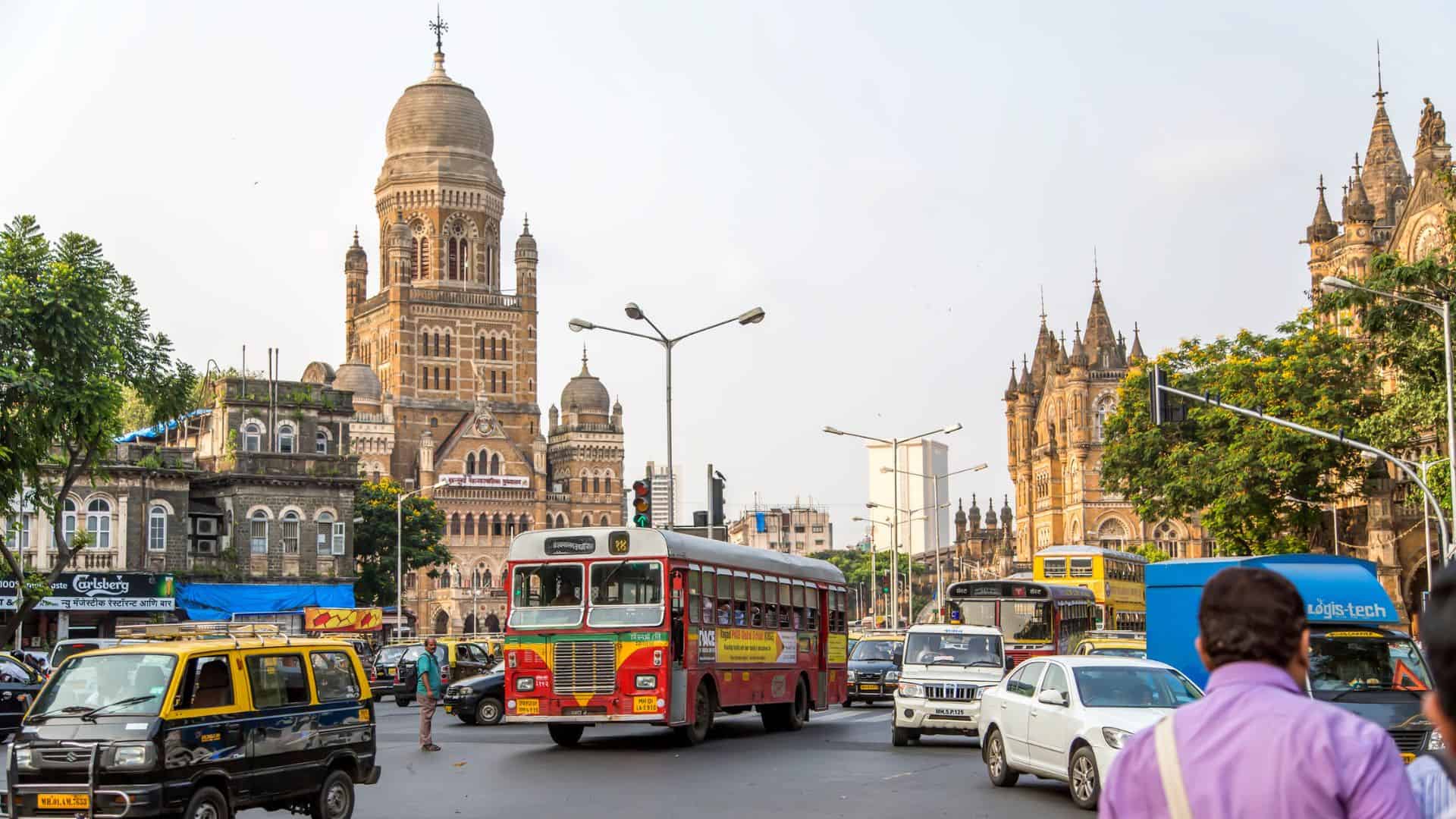
India’s dense public spaces can involve close proximity in markets, transport, and queues. Personal space expectations differ from what some travelers anticipate, especially in crowded environments. Movement through busy areas often requires adjusting to limited space. At the same time, social interactions may follow different boundaries depending on context. Staying patient and aware helps visitors navigate these conditions more comfortably.
Want to save this?
Brazil
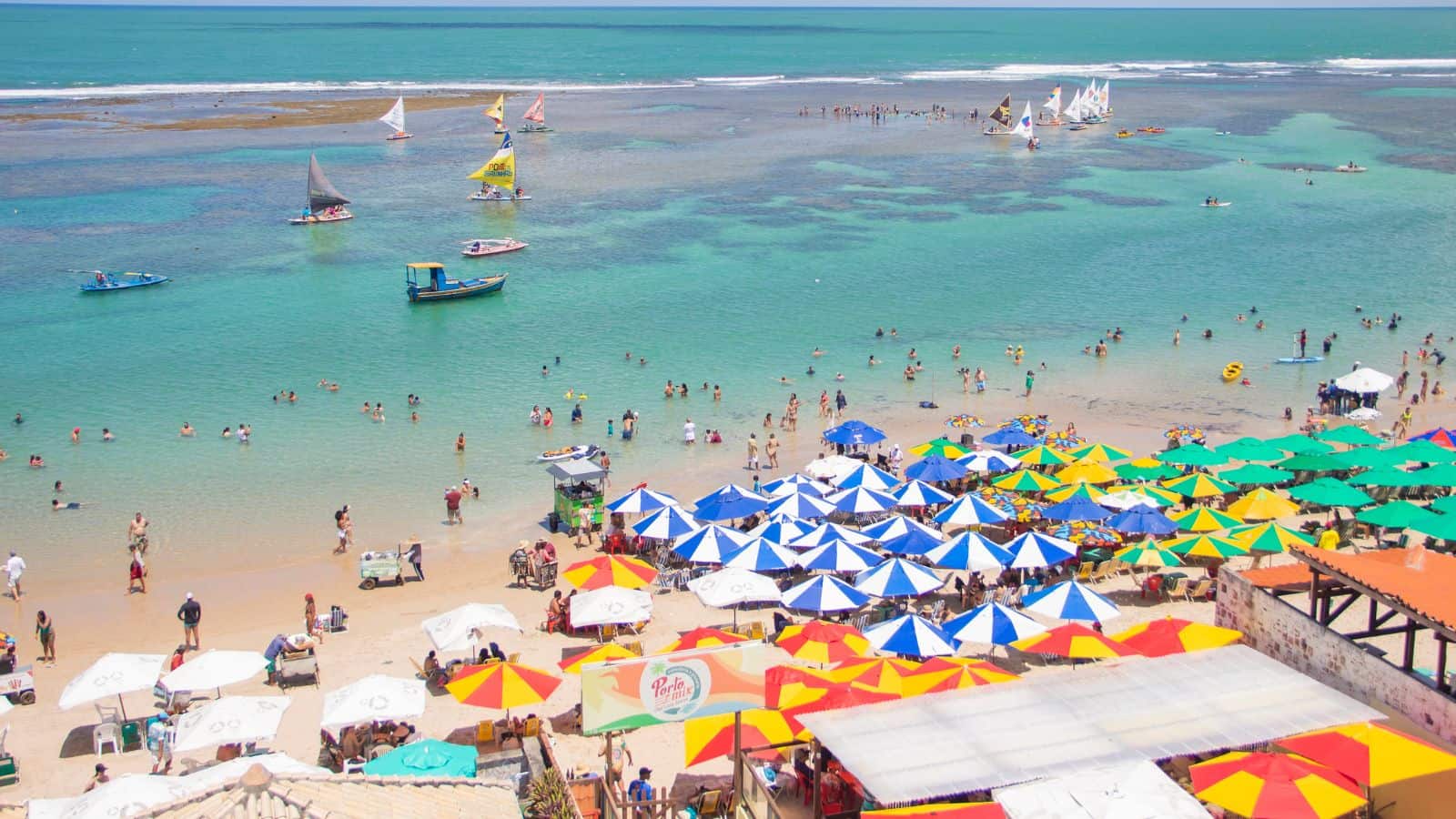
Brazil’s social interactions often involve closer physical distance than expected. Conversations may include gestures and proximity that feel more direct to visitors. In crowded areas, personal space can be limited, particularly during events or in busy neighborhoods. Travelers who expect more distance may find the environment more active. Understanding local interaction styles helps reduce confusion and improves communication.
United States

The United States generally values personal space, especially in everyday interactions. Standing too close in lines or public areas may feel uncomfortable to locals. Conversations typically maintain a noticeable physical distance. Travelers who are used to closer interaction may unintentionally cross these boundaries. Observing spacing in queues and public settings helps align with local expectations.
Thailand

Thailand combines close public environments with respectful social boundaries. Crowded markets and transport systems often involve limited space, but behavior remains controlled and calm. Physical contact in social interactions is generally minimal. Travelers who assume casual physical interaction is acceptable may misread the situation. Maintaining respectful distance in conversations helps align with local norms.
Germany

Germany tends to maintain clear personal boundaries, particularly in public and social settings. Queues are structured, and people generally keep a noticeable distance from one another. Standing too close or interrupting space in lines may be seen as inconsiderate. Public interactions are often more reserved. Travelers who adjust to these expectations usually find communication and movement through public areas more straightforward.
Top 10 Most Expensive Places to Live in the World

A trip to the most expensive places. Some places in the world come with a very high price tag, and knowing the top 10 most expensive places to live can help us understand why. These locations often have sky-high real estate prices and costly living expenses, making them popular spots for wealthy residents and visitors alike. By exploring these cities, we can see not just how much they cost, but also the unique lifestyles and opportunities they offer to those who call them home.
Read More Here: Top 10 Most Expensive Places to Live in the World
10 Visa Free European Countries That Make Last Minute Travel Easier
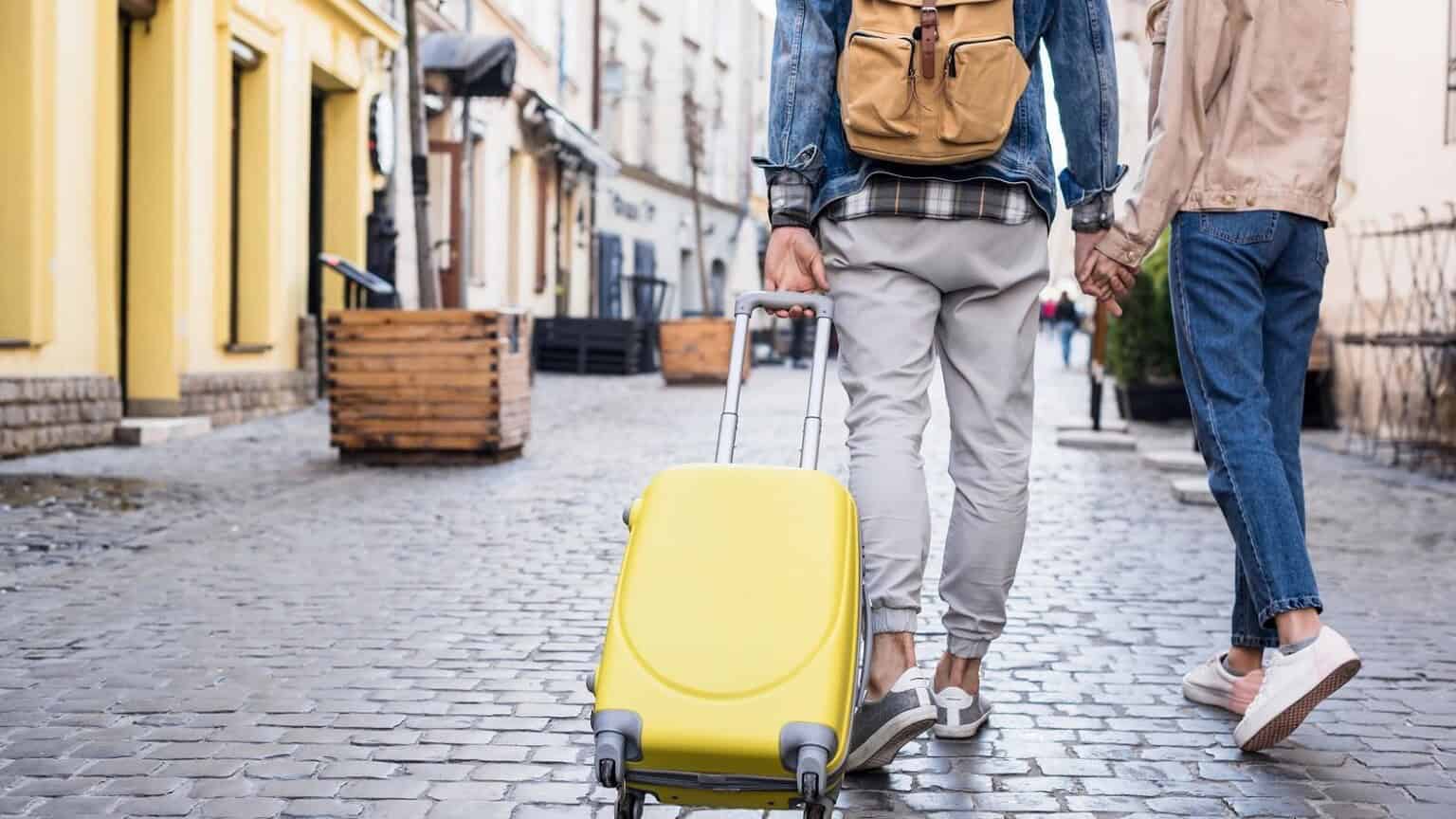
Last minute trips can fall apart quickly if paperwork gets in the way. This article features visa free European countries that make last minute travel easier, focusing on destinations where entry rules are simple and approvals are not required in advance for many travelers. Fewer formalities can make spontaneous plans feel more realistic.
Read More Here: 10 Visa Free European Countries That Make Last Minute Travel Easier


Leave a Reply