
Public restrooms are something many travelers assume will be easy to find, until they are not. This article features destinations where public restrooms are harder to find than you think, focusing on places where facilities are limited, require payment, or are not clearly marked. What seems like a simple need can turn into a daily challenge.
Knowing where restroom access is less convenient can help travelers plan ahead and avoid stress. Small preparations can make a big difference throughout the day. Keep reading to see which destinations made the list and what visitors often wish they had known in advance.
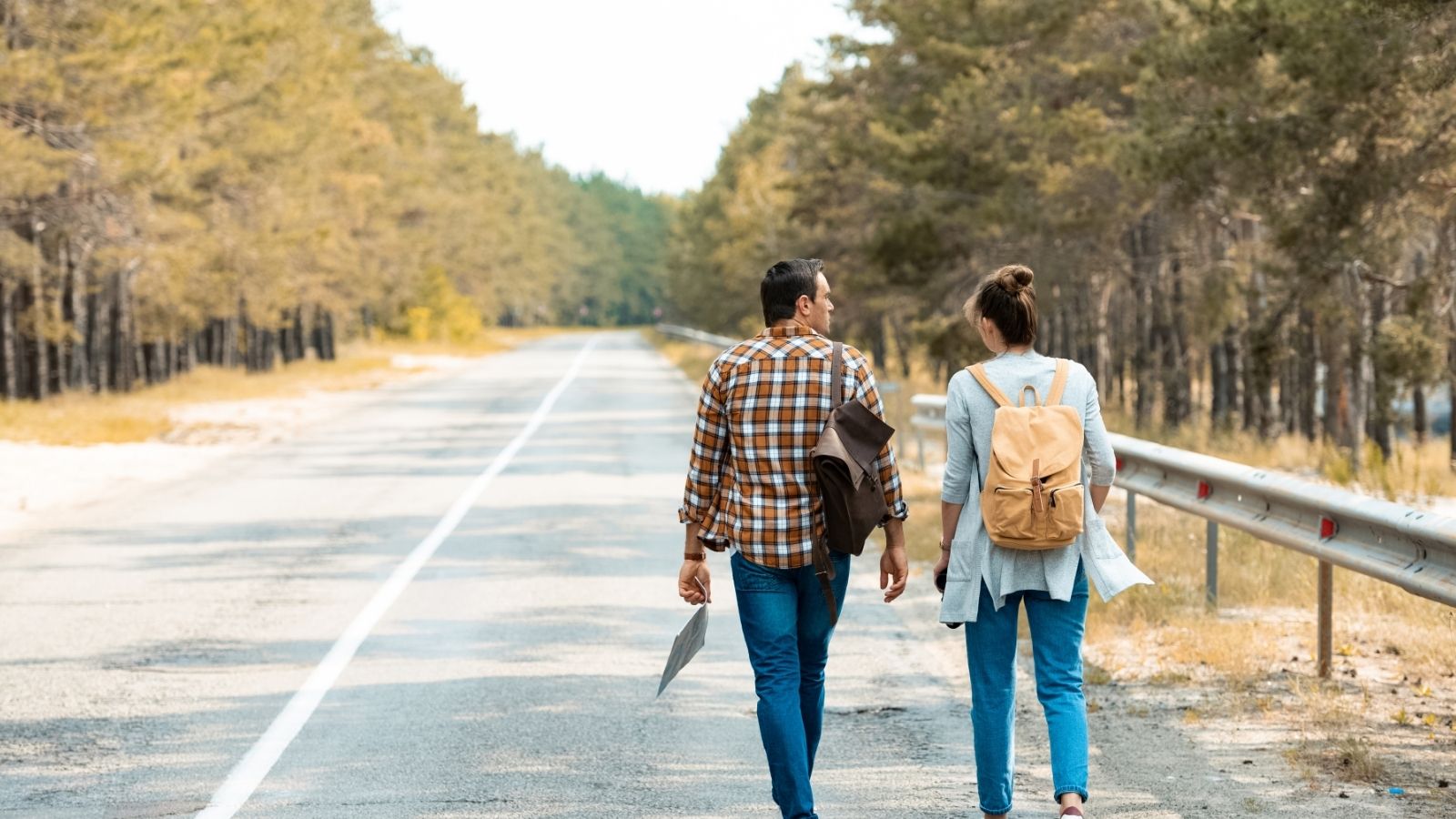
Paris, France

Many visitors expect frequent public facilities, but restrooms in Paris are not always easy to access. Standalone public toilets exist, but they are spaced out and sometimes closed for cleaning or maintenance. Cafés and restaurants often reserve restrooms for paying customers. In busy tourist areas, lines can form quickly. Travelers who assume availability at every stop may need to adjust plans. Using facilities when available and planning around stops helps avoid inconvenience.
Rome, Italy
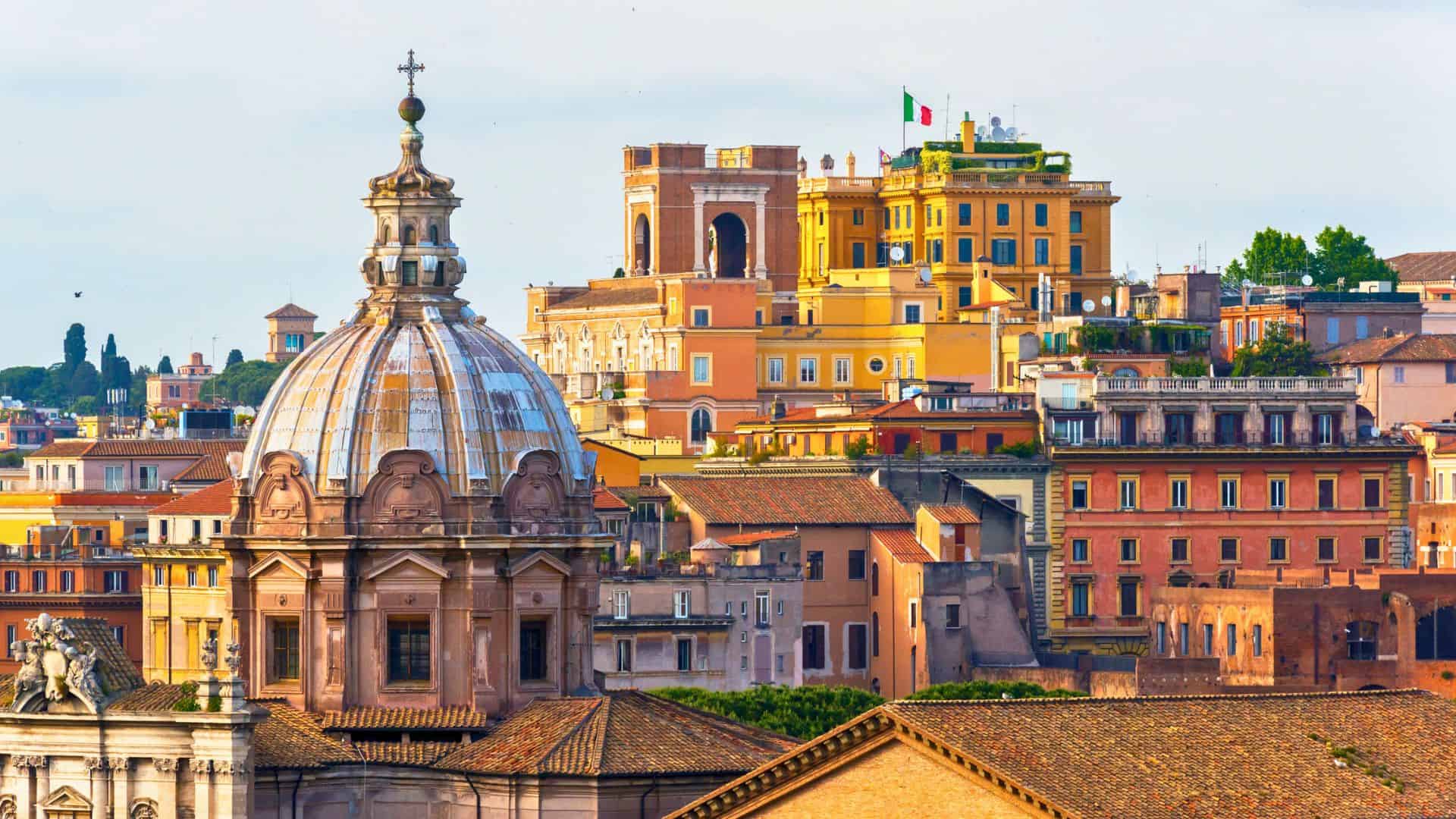
Rome’s historic layout means public restrooms are limited compared to the number of visitors. Major landmarks may have facilities, but they are often crowded. Outside these areas, options are less frequent. Many cafés restrict restroom use to customers. Walking long distances between sites without planning stops can create challenges. Taking advantage of facilities at museums or restaurants helps manage access throughout the day.
Barcelona, Spain
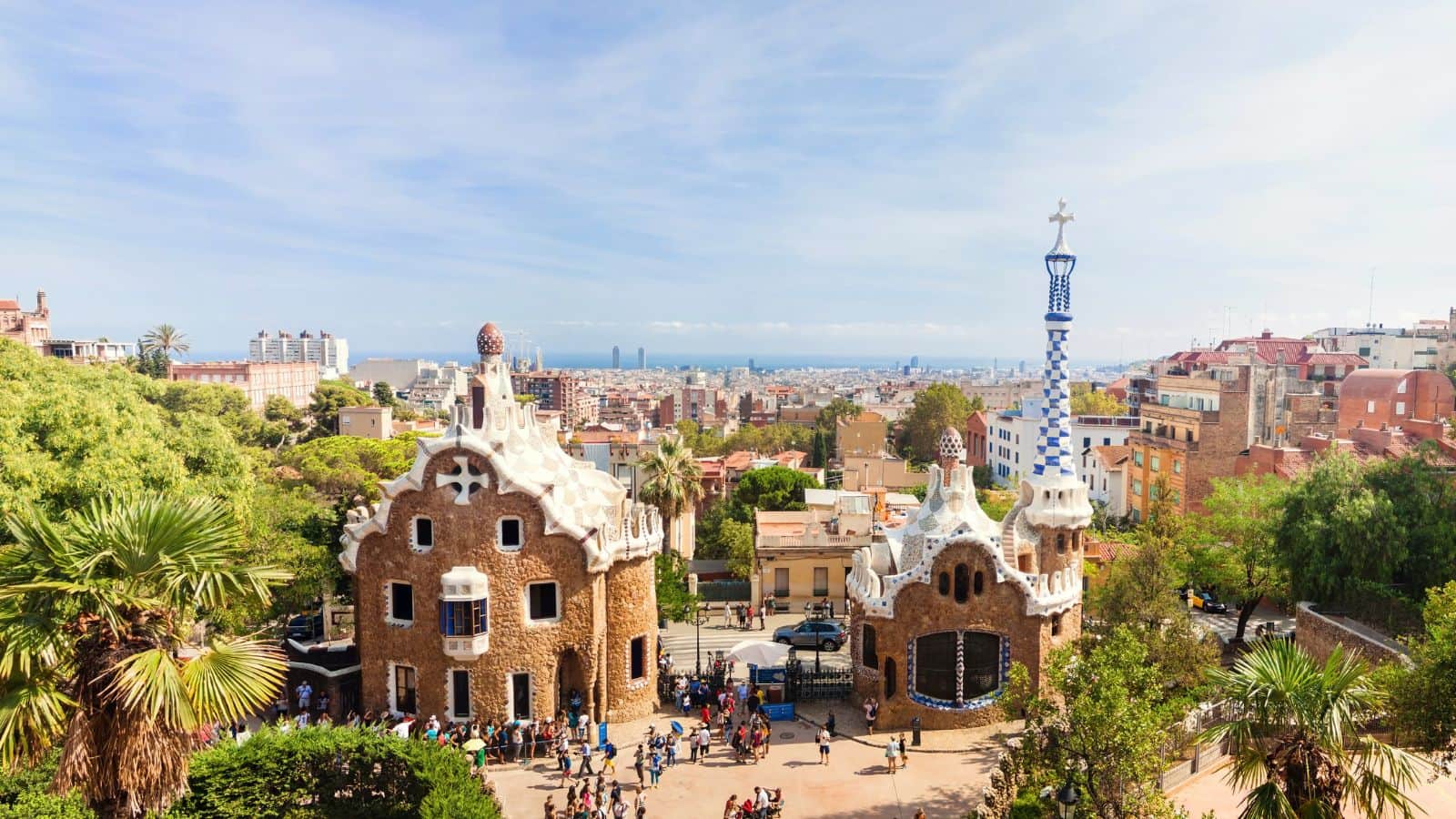
Barcelona’s busy tourist districts can make restroom access less predictable. Public facilities are not always clearly marked, and availability varies by neighborhood. Restaurants and cafés may limit access to customers. Beach areas may have facilities, but lines can be long during peak times. Travelers who rely on finding restrooms quickly may need to plan ahead. Using facilities when entering venues helps reduce inconvenience.
New York City, United States

New York City has many businesses, but public restrooms are not widely available without purchase. Restaurants, cafés, and stores often restrict access to customers. Parks and major attractions may offer facilities, but they are not evenly distributed. Moving between neighborhoods without planning stops can create gaps. Travelers expecting frequent access may need to adjust. Identifying locations with public facilities in advance helps manage the day.
Tokyo, Japan
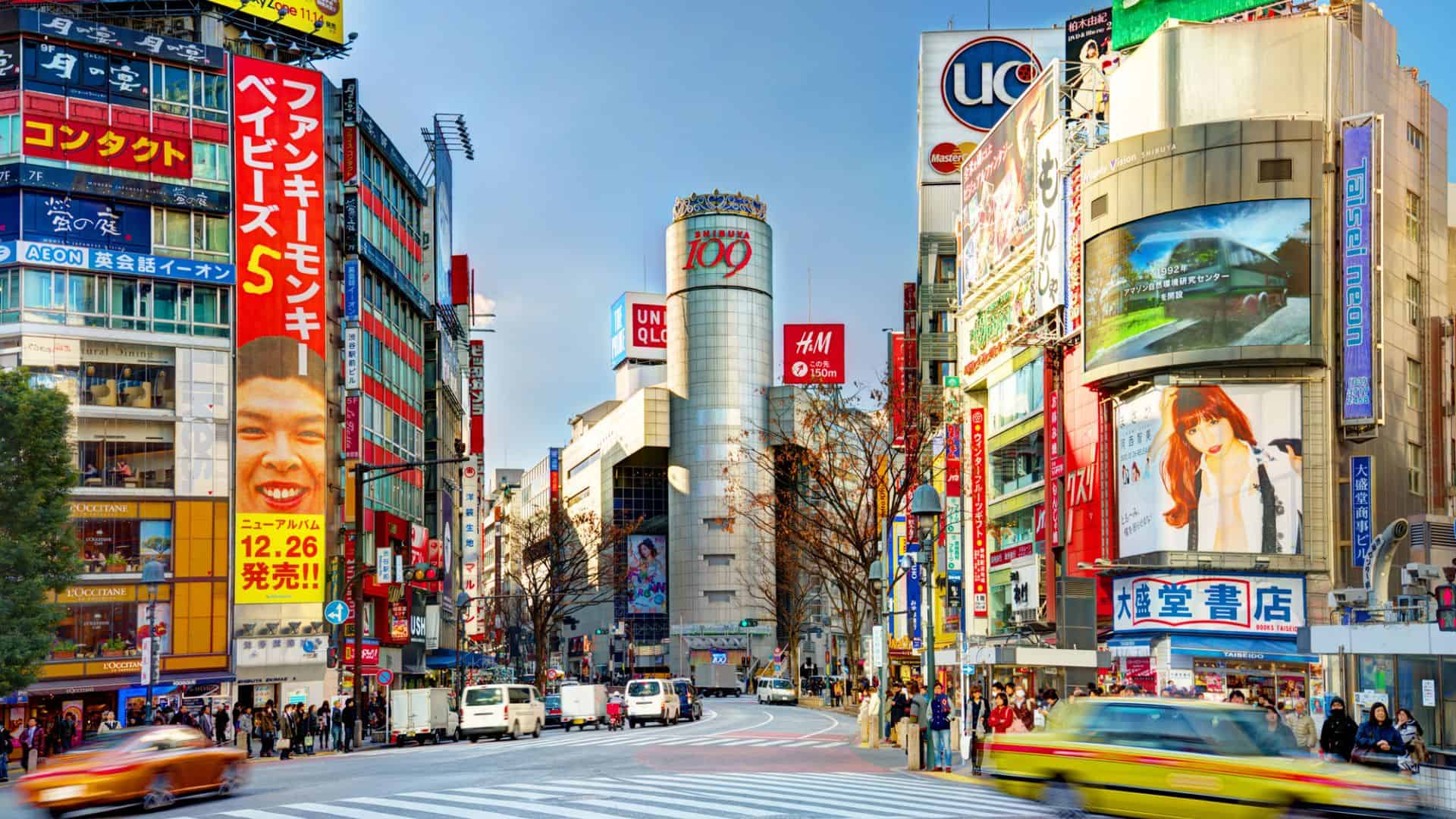
Tokyo has more public restrooms than many cities, but finding them can still be challenging for first-time visitors. Facilities are often located inside train stations, department stores, or large buildings rather than on the street. Travelers unfamiliar with these patterns may not locate them easily. Signage is present but may require attention. Planning stops around stations or shopping areas helps ensure access when needed.
Want to save this?
Bangkok, Thailand
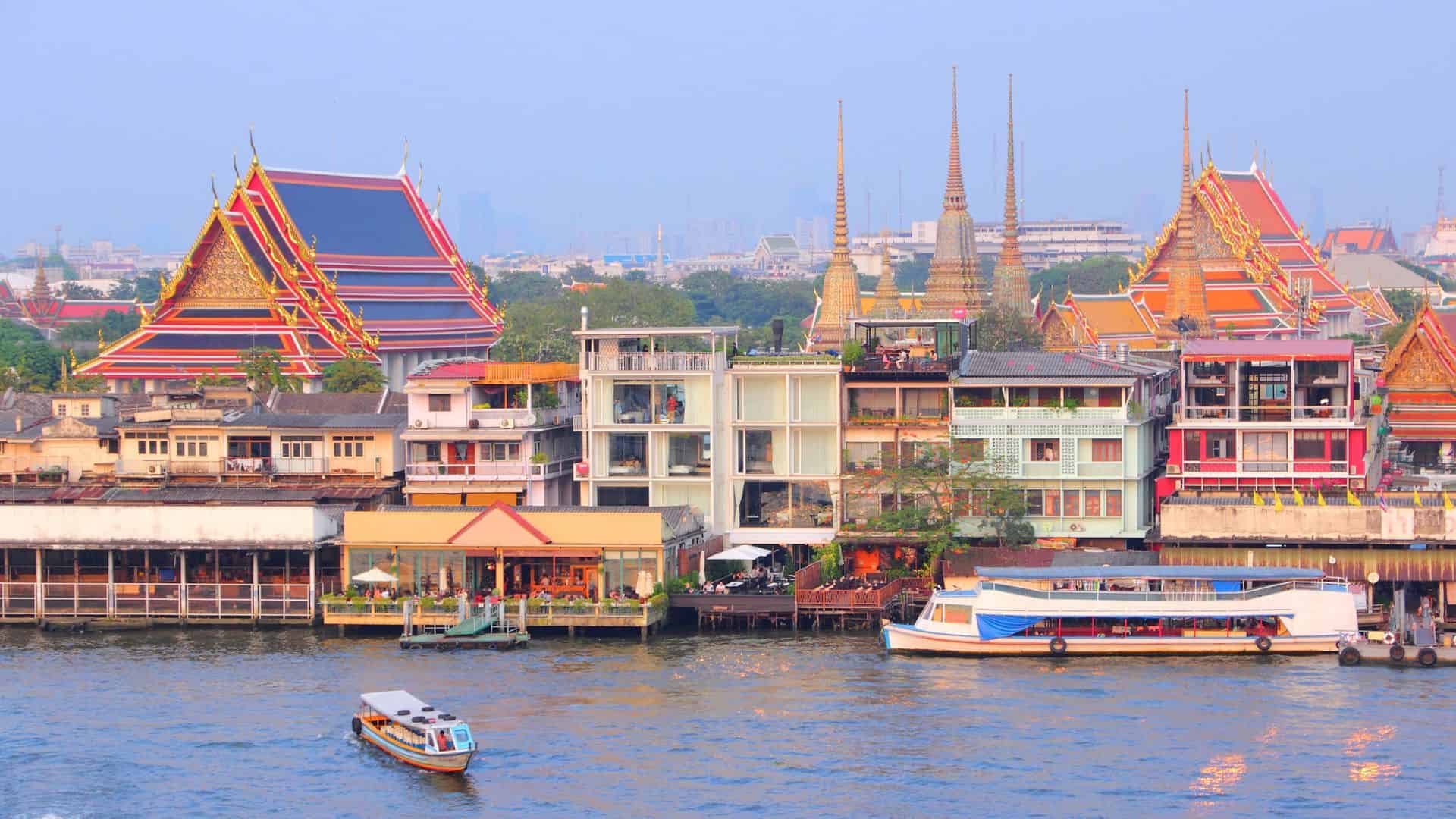
Bangkok’s street-level environment includes markets and busy sidewalks, but public restrooms are limited. Facilities are usually found in malls, hotels, or larger establishments. Street markets and smaller shops typically do not offer access. Travelers who spend extended time outdoors may find fewer options. Planning visits around larger buildings or shopping centers helps maintain access.
Istanbul, Turkey
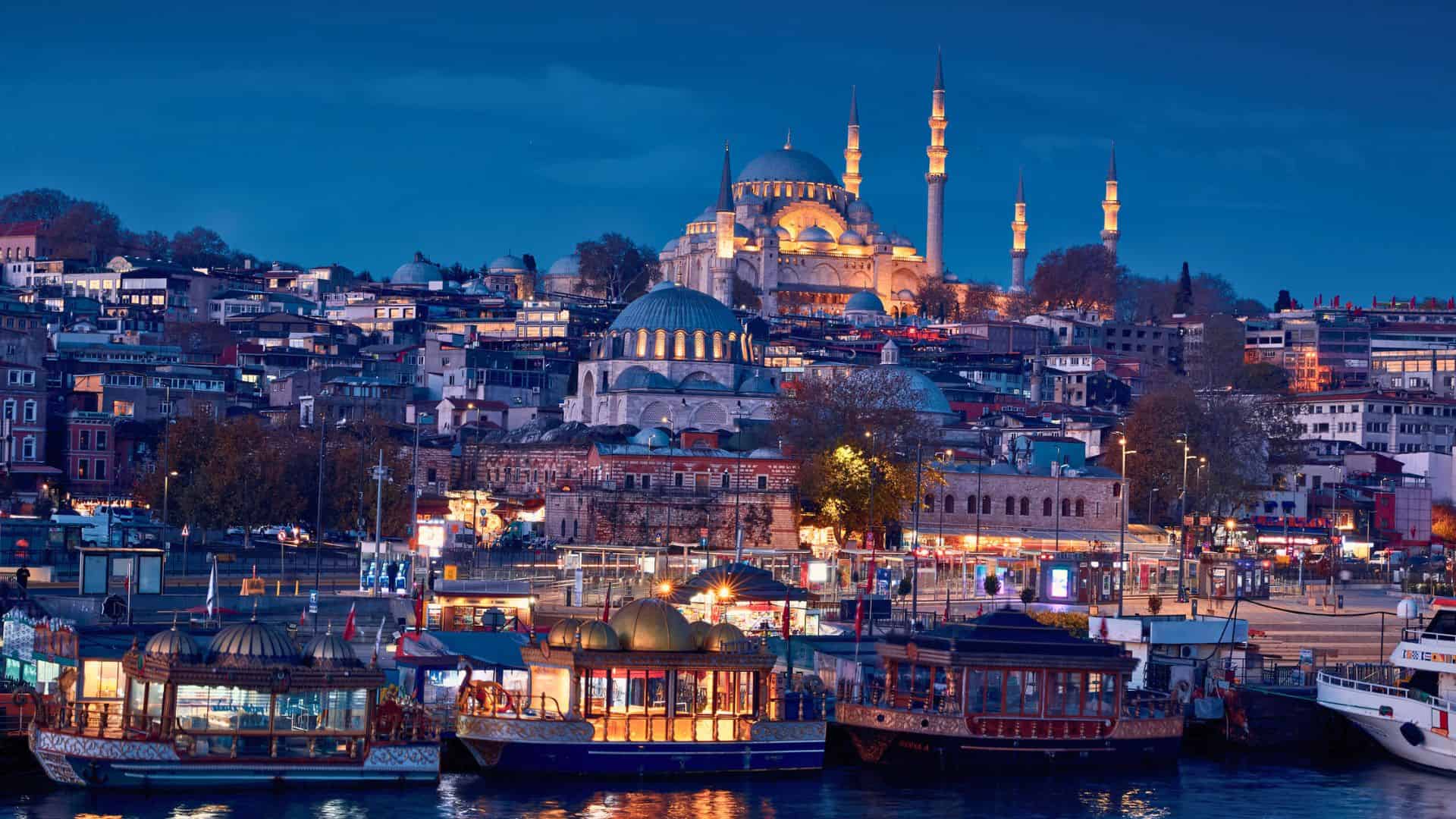
Istanbul offers some public restrooms, but they are not always easy to locate. Facilities may be available near mosques or tourist sites, but availability varies. Some require small fees, and others may have limited hours. Walking through markets or older districts without planning can create gaps. Travelers who expect frequent access may need to adjust their routine. Using facilities when available helps avoid inconvenience later.
Marrakech, Morocco
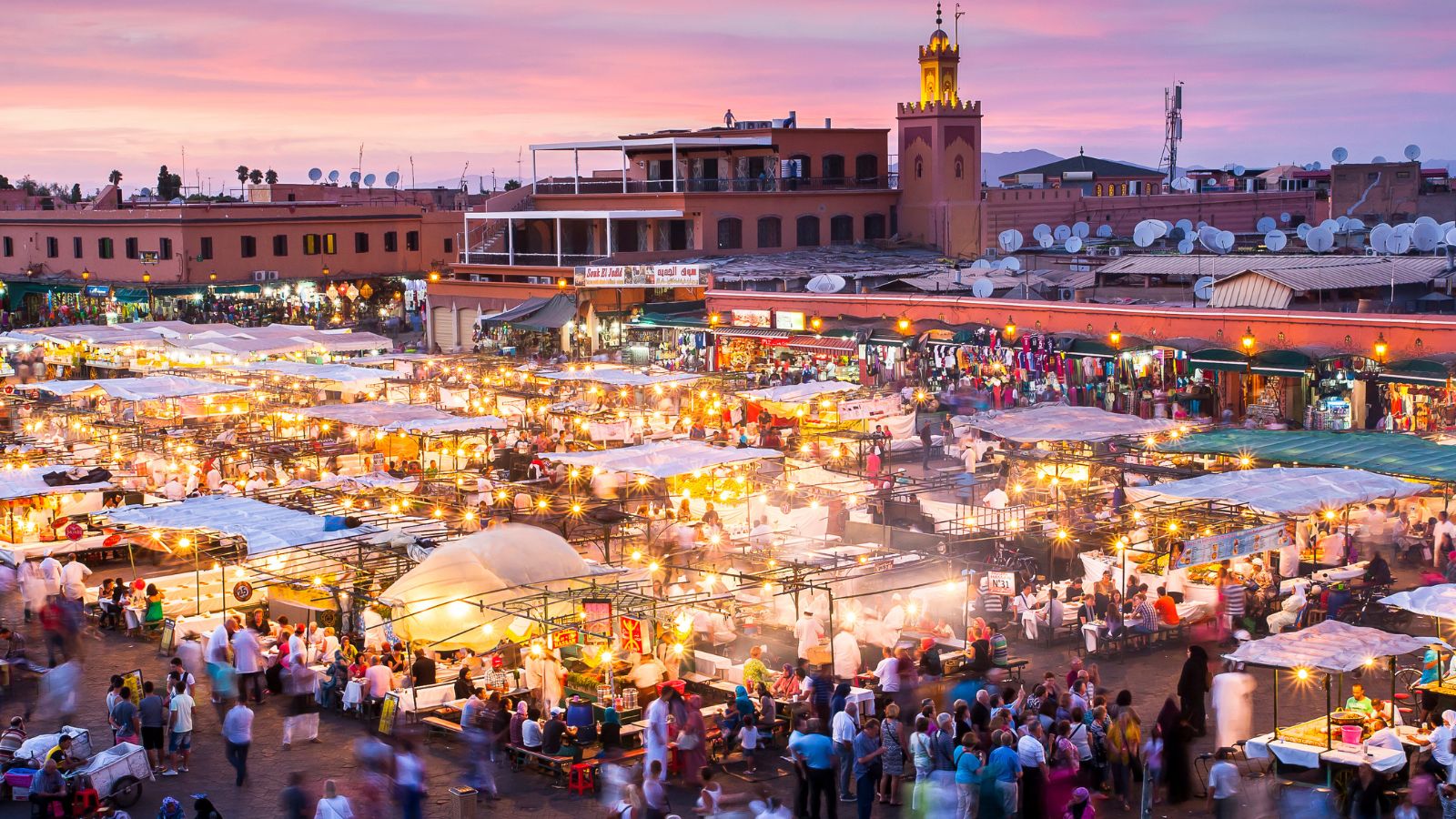
Marrakech’s medina is dense and filled with small shops, but public restrooms are limited. Larger restaurants and hotels may offer facilities, often for customers only. Navigating narrow streets without clear signage can make finding restrooms difficult. Travelers who spend long periods exploring may encounter delays in access. Planning breaks at restaurants or organized stops helps manage the situation.
London, United Kingdom

London has public restrooms, but they are not always free or conveniently located. Some facilities require payment, and others are inside stations or shopping centers. Availability varies by neighborhood, and older facilities may close early. Travelers moving between attractions may not always find options nearby. Using restrooms in larger venues such as museums or train stations helps maintain access throughout the day.
10 Things You Should Never Leave Behind in a Hotel Room
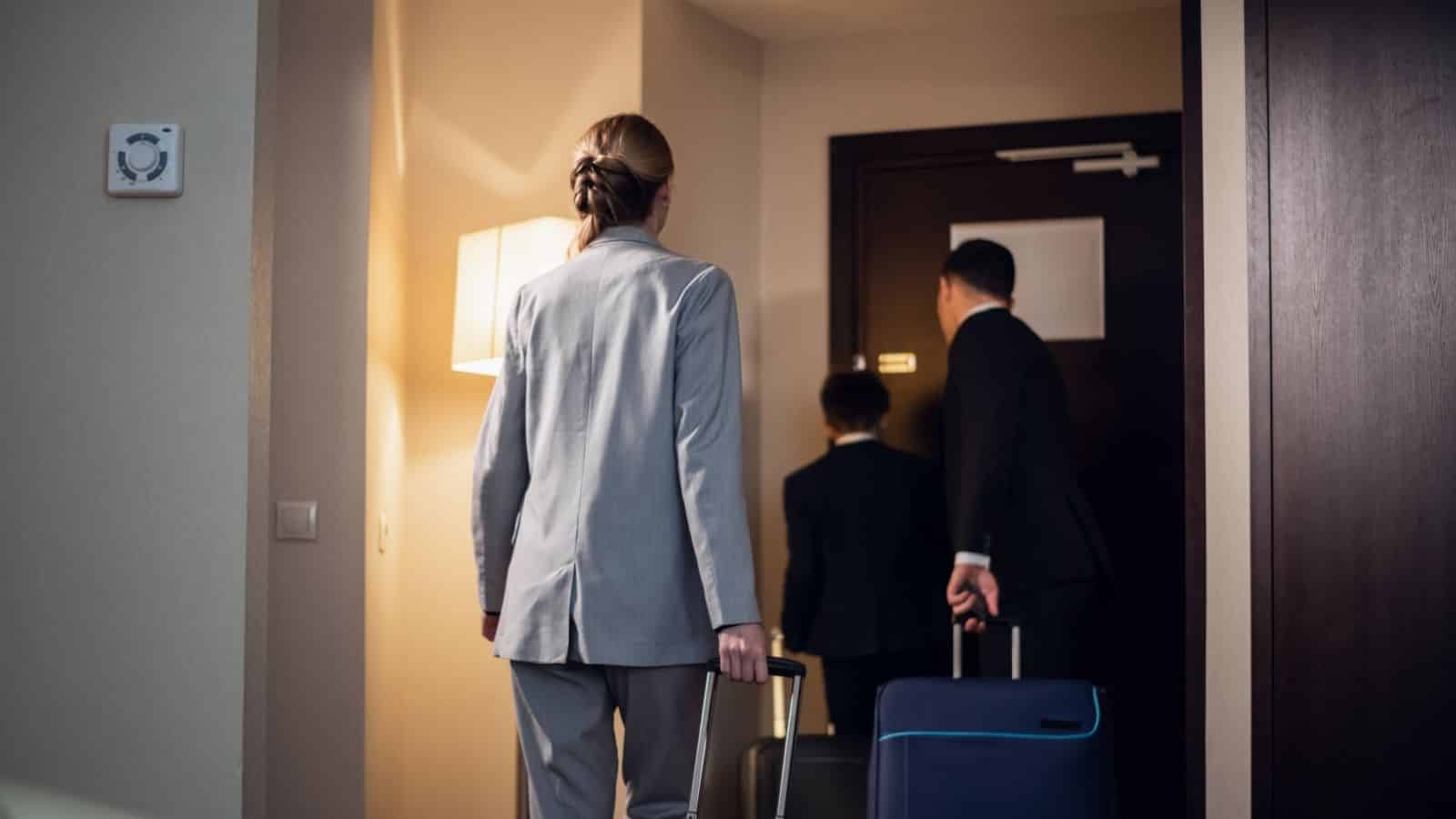
Hotel rooms can feel like a temporary home, which makes it easy to forget important items when checking out. This article features things you should never leave behind in a hotel room, focusing on belongings that are often overlooked but difficult or costly to replace. From everyday essentials to valuable items, these are the things travelers most regret leaving behind.
Read More Here: 10 Things You Should Never Leave Behind in a Hotel Room
11 American Cities Travelers Say Feel Genuinely Friendly

First impressions can shape how a trip feels, and some cities stand out for how people interact. This article features American cities travelers say feel genuinely friendly, focusing on places where everyday interactions feel easier, more welcoming, and less rushed. These cities often leave visitors talking about the people just as much as the sights.
Read More Here: 11 American Cities Travelers Say Feel Genuinely Friendly



Leave a Reply