
Extra charges can quietly add up during a trip. This article features places where tourists are targeted for overcharging, focusing on destinations where visitors often pay more than locals for everyday goods and services. These situations can happen with taxis, menus, tours, or simple purchases.
Knowing where overcharging is more common can help travelers stay alert and make better decisions. A little awareness can prevent unnecessary spending and awkward situations. Keep reading to see which places made the list and what travelers often watch out for.

Paris, France

Paris is well known for its dining scene, but pricing can vary significantly depending on location. Restaurants near major landmarks often charge higher prices for similar meals found elsewhere in the city. Some menus in tourist-heavy areas may not clearly display full pricing, leading to higher bills than expected. Cafés in central districts may also add service charges that are not always obvious to visitors. Checking menus carefully and choosing restaurants away from major attractions helps reduce the risk of overpaying.
Rome, Italy

Rome’s historic center attracts large numbers of visitors, which can lead to pricing differences between tourist zones and local neighborhoods. Restaurants near major landmarks may include additional charges such as service fees or bread charges. Taxi fares can also vary if not arranged in advance. Travelers unfamiliar with local pricing norms may not notice these differences immediately. Reviewing menus and confirming prices before ordering or accepting services helps avoid unexpected costs.
Barcelona, Spain

Barcelona’s busiest districts often see higher pricing aimed at short-term visitors. Restaurants in areas like La Rambla may charge more than those in surrounding neighborhoods. Some services, including taxis or guided tours, may vary in price depending on demand. Visitors who focus only on central areas may encounter higher costs across multiple services. Comparing options and moving slightly outside the busiest zones often results in better value.
Bangkok, Thailand

Bangkok offers a wide range of pricing, but differences between local rates and tourist rates can be noticeable. Street vendors and markets may adjust prices based on perceived familiarity with local currency. Taxi drivers may not always use meters in tourist-heavy areas. Travelers who do not confirm pricing in advance may pay more than expected. Using metered taxis, ride-hailing apps, and checking typical prices helps reduce the risk of overcharging.
Istanbul, Turkey

Istanbul’s major tourist areas can present pricing differences between visitors and locals. Restaurants near historic sites may include higher menu prices or additional service charges. Some shops may not display fixed pricing, leaving room for negotiation. Travelers unfamiliar with local practices may accept initial prices without comparison. Checking menus, confirming costs, and comparing nearby options helps avoid unnecessary spending.
Want to save this?
Marrakech, Morocco
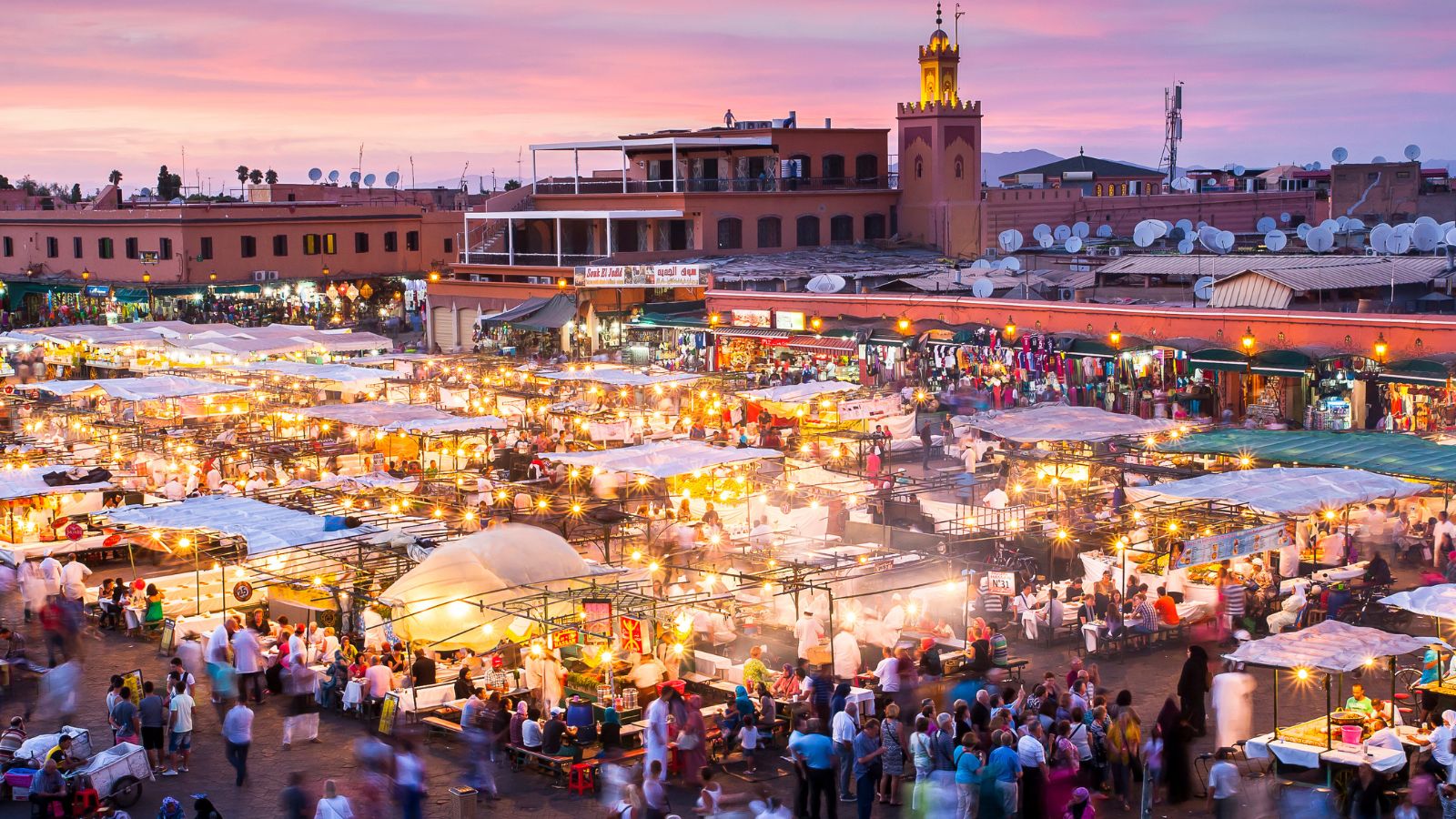
Marrakech’s markets and central squares are known for negotiation-based pricing. Visitors who are not used to bargaining may pay higher prices for goods. Some services, including guides or taxis, may not have fixed rates. Prices can vary depending on demand and location. Travelers who do not ask for prices upfront may face higher costs. Taking time to compare options and confirm pricing before agreeing helps manage expenses.
Cancun, Mexico
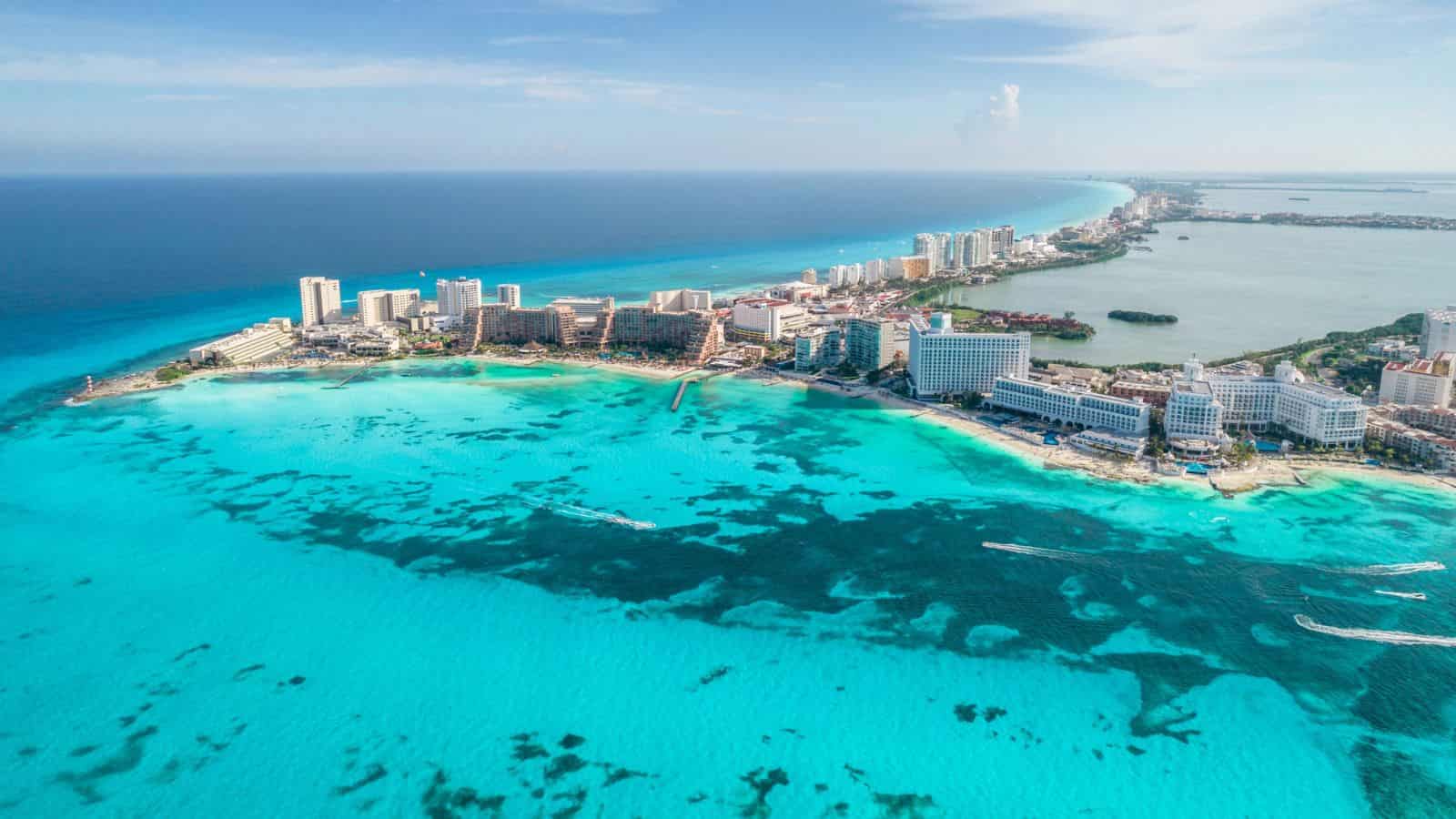
Cancun’s resort zones often operate with pricing aimed at international visitors. Restaurants, excursions, and transportation services may carry higher rates than those in non-tourist areas. Taxi fares can vary if not negotiated or pre-booked. Travelers who rely only on resort-based services may pay more across multiple categories. Exploring pricing options and confirming costs in advance helps avoid unexpected charges.
Prague, Czech Republic

Prague’s historic center attracts large crowds, which can influence pricing. Some restaurants may present separate menus or higher prices in tourist-heavy zones. Currency exchange services in central areas may also offer less favorable rates. Visitors unfamiliar with local pricing may not notice these differences immediately. Checking exchange rates and comparing restaurant options helps reduce unnecessary costs.
Dubai, United Arab Emirates

Dubai’s tourism model includes a wide range of pricing levels, but many services operate at premium rates. Attractions, dining, and transportation in major tourist zones often reflect higher pricing. Additional fees and service charges can increase total costs beyond initial expectations. Visitors who do not review pricing details may spend more than planned. Comparing options and reviewing full costs before booking helps manage expenses.
10 Destinations That Backpackers Return To

Backpackers often move quickly from place to place, but some destinations pull them back more than once. This article features destinations that backpackers return to, focusing on places known for strong traveler networks, affordable stays, and routes that make long term travel easier. These spots tend to balance social energy with practical advantages.
Read More Here: 10 Destinations That Backpackers Return To
9 Places in the U.S. Where Spring Travel Costs Less for Families

Spring can be one of the most affordable times for family travel in the U.S. This article features places in the U.S. where spring travel costs less for families, focusing on destinations where lower demand, off-peak pricing, and seasonal deals help stretch a budget. These locations often feel more manageable before summer crowds arrive.
Read More Here: 9 Places in the U.S. Where Spring Travel Costs Less for Families



Leave a Reply