
Ticket prices can change based on small choices travelers often overlook. This article features flight booking mistakes that quietly raise your ticket price, focusing on habits that lead to higher fares without being obvious. Timing, search behavior, and booking patterns can all influence how much you end up paying.
Understanding these mistakes can help keep costs under control before you even reach the airport. A few simple changes can lead to better prices and fewer surprises. Keep reading to see which booking habits make the biggest difference and how to avoid them.
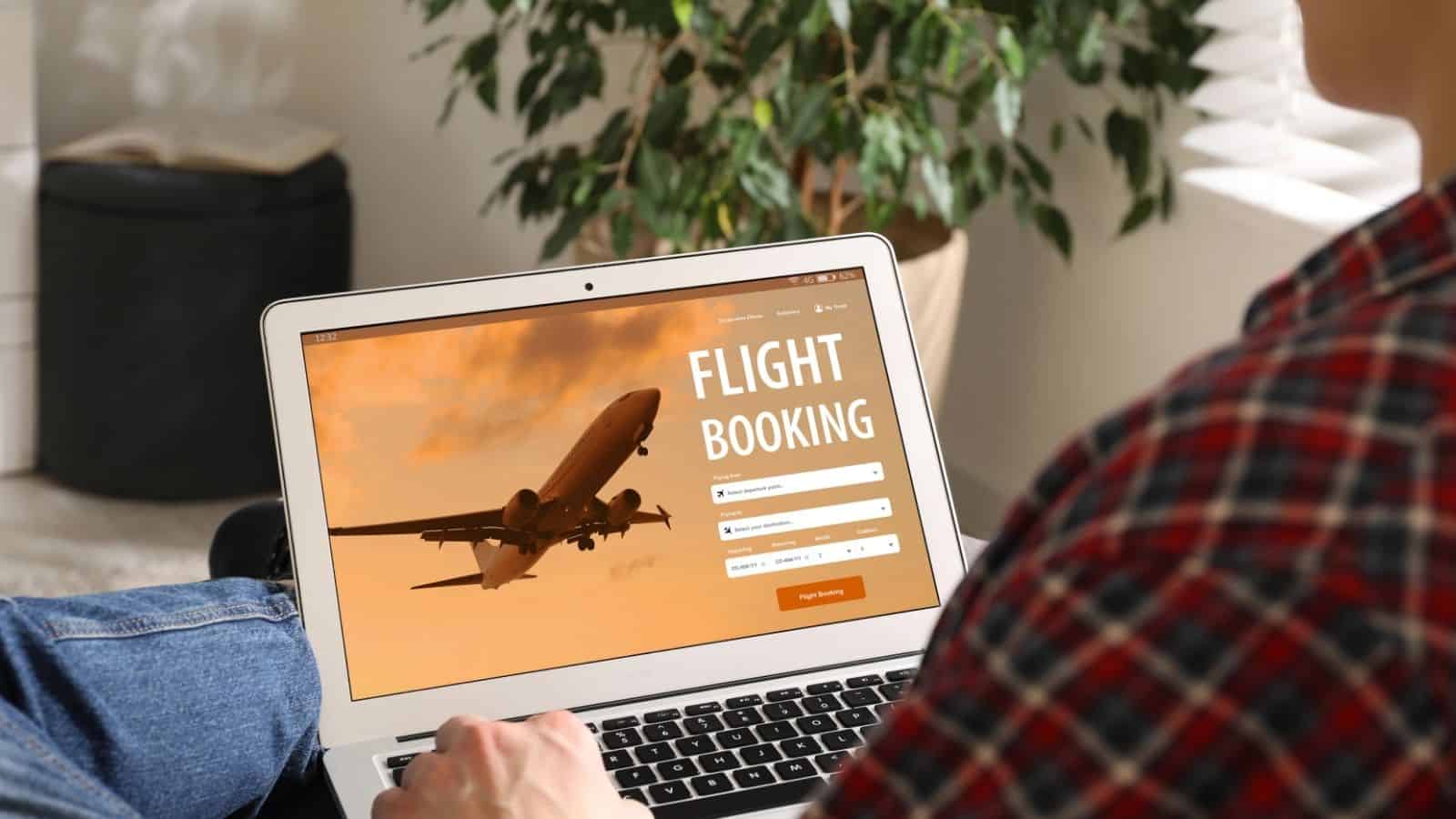
Booking Too Early or Too Late

Many assume booking as early as possible guarantees the lowest price, but fares often fluctuate in cycles. Booking too far in advance can mean paying higher baseline prices before discounts appear. Waiting too long, on the other hand, exposes travelers to last-minute demand pricing. Airlines adjust fares based on seat availability and timing. Missing the typical booking window can result in paying more than necessary. Monitoring prices over time and booking within a balanced window usually leads to better rates.
Searching Without Flexibility on Dates

Locking in exact travel dates limits access to lower fares. Even shifting departure or return by one day can significantly change pricing. Flights on weekends and peak travel days tend to cost more due to higher demand. Travelers who only search fixed dates often miss cheaper alternatives. Using flexible date searches helps identify lower-cost options across a range of days. Small adjustments can lead to noticeable savings.
Ignoring Nearby Airports
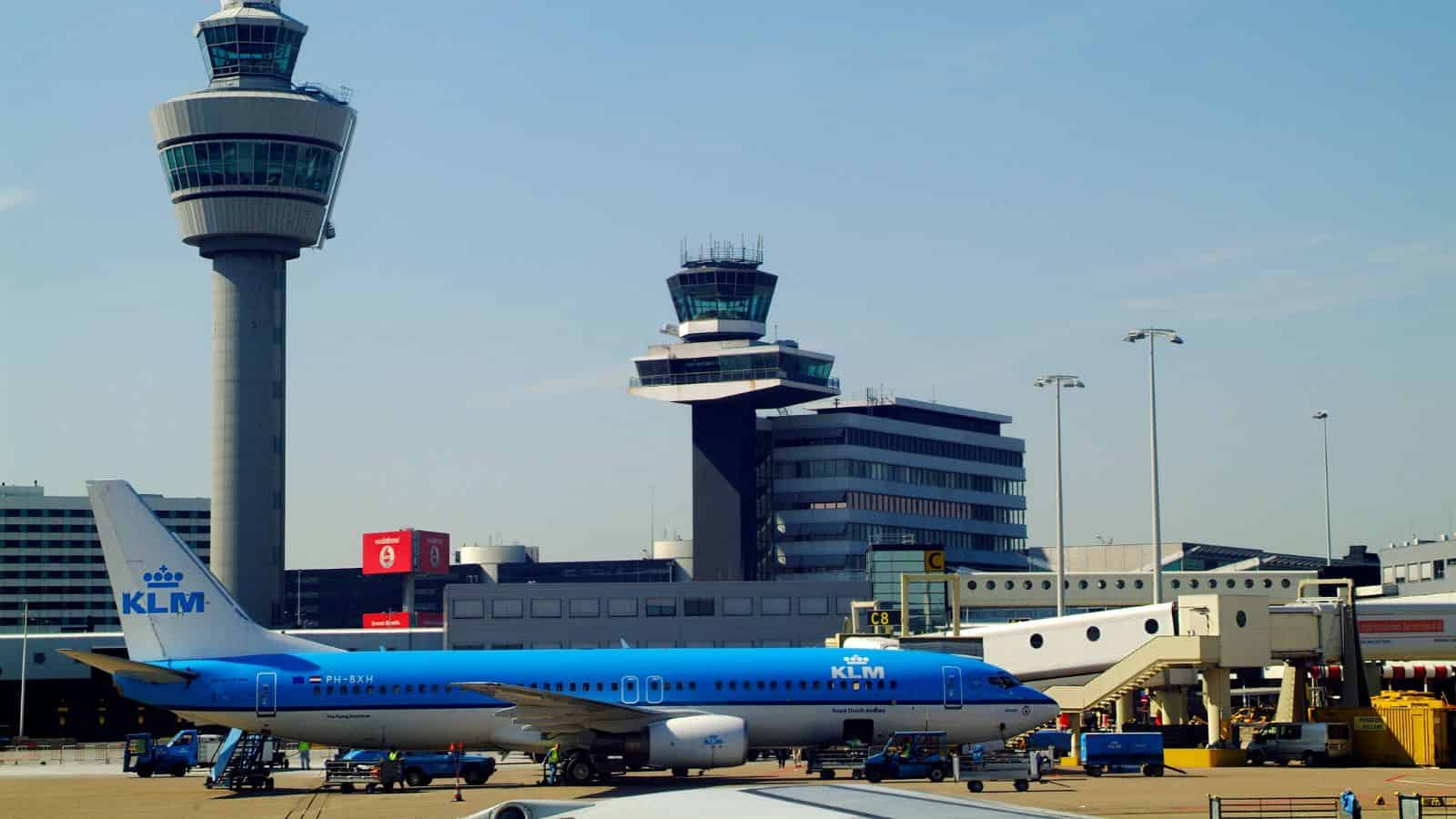
Focusing on a single airport can narrow pricing options. Many regions have multiple airports within a reasonable distance, each with different fare structures. Flights from smaller or secondary airports are sometimes cheaper due to lower demand or different airline routes. Travelers who do not compare nearby options may pay more without realizing it. Checking alternative airports can expand choices and reduce overall cost.
Booking Separate Legs Without Comparing Total Cost

Some travelers try to save money by booking flights separately instead of as a single itinerary. While this can work in certain cases, it often leads to higher combined costs. Separate tickets may also include duplicate fees, baggage charges, or mismatched schedules. In addition, missed connections are not protected across separate bookings. Comparing bundled fares against split bookings helps avoid unnecessary expenses.
Not Accounting for Baggage Fees
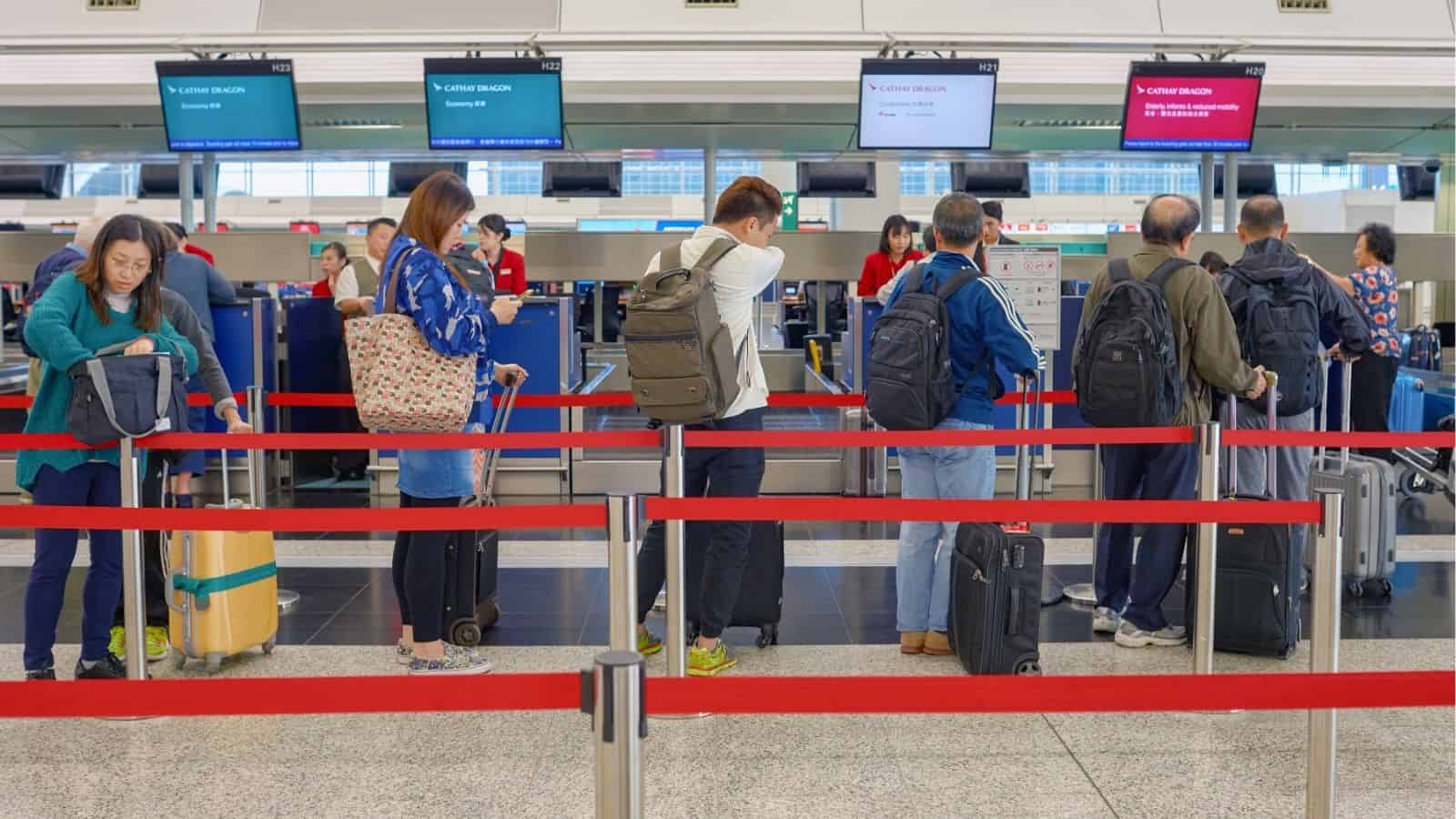
Low base fares can be misleading when baggage is not included. Many airlines charge extra for checked bags and sometimes even carry-on luggage. These fees can quickly increase the total ticket price. Travelers who compare only base fares may choose a cheaper ticket that ends up costing more. Reviewing baggage policies before booking helps provide a more accurate comparison.
Want to save this?
Selecting Seats Too Early Without Checking Cost

Seat selection is often presented during booking, but not all seats are included in the ticket price. Choosing seats immediately can add extra fees that are not always necessary. Some airlines assign seats for free at check-in. Travelers who pay for seat selection without reviewing options may increase their total cost unnecessarily. Waiting or reviewing seat policies can reduce extra charges.
Booking During Peak Travel Times Without Comparison

Flights during holidays, school breaks, or major events are typically more expensive. Travelers who book without checking nearby dates may pay higher fares tied to peak demand. Even shifting travel slightly before or after busy periods can reduce costs. Failing to compare surrounding dates often leads to higher ticket prices. Planning around peak windows helps control expenses.
Using Only One Booking Platform

Relying on a single website limits visibility into pricing differences. Airlines and booking platforms may display different fares or promotions. Some platforms include bundled fees, while others separate them. Travelers who do not compare across multiple sources may miss lower options. Checking airline websites alongside third-party platforms provides a clearer view of pricing.
Delaying Booking After Finding a Good Price
Prices can change quickly once a favorable fare appears. Waiting too long to confirm a booking increases the risk of price increases due to demand or seat availability. Many travelers assume prices will remain stable for a few days, but this is not always the case. Delays can result in losing the initial fare. Booking promptly when a reasonable price appears helps avoid sudden increases.
9 Things Visitors Find Confusing About Train Travel in Europe
Train travel in Europe sounds simple, but many visitors are surprised once they start using it. Here are common points of confusion, from tickets and platforms to schedules that work differently than expected. These details often catch travelers off guard, especially those used to driving or flying.
Read More Here: 9 Things Visitors Find Confusing About Train Travel in Europe
10 U.S. Cities Sitting on Fault Lines Experts Say Could Shift Anytime

Some cities sit in places where the ground itself is not as stable as it seems. This article features U.S. cities sitting on fault lines experts say could shift anytime, focusing on locations where seismic activity remains a real concern based on geological data and historical patterns. These areas may feel normal day to day, but the risk beneath the surface is always present.
Read More Here: 10 U.S. Cities Sitting on Fault Lines Experts Say Could Shift Anytime




Leave a Reply