
Weather can shift quickly in certain parts of Canada, often changing plans with little warning. This article features places in Canada where weather changes plans quickly, focusing on destinations where sudden storms, temperature drops, or shifting conditions affect travel and outdoor activities. What starts as a clear day can turn unpredictable in a matter of hours.
Knowing where weather patterns are less stable can help travelers stay flexible and better prepared. Packing for changing conditions and adjusting plans can make a big difference. Keep reading to see which places made the list and why weather there often catches visitors off guard.
Banff National Park

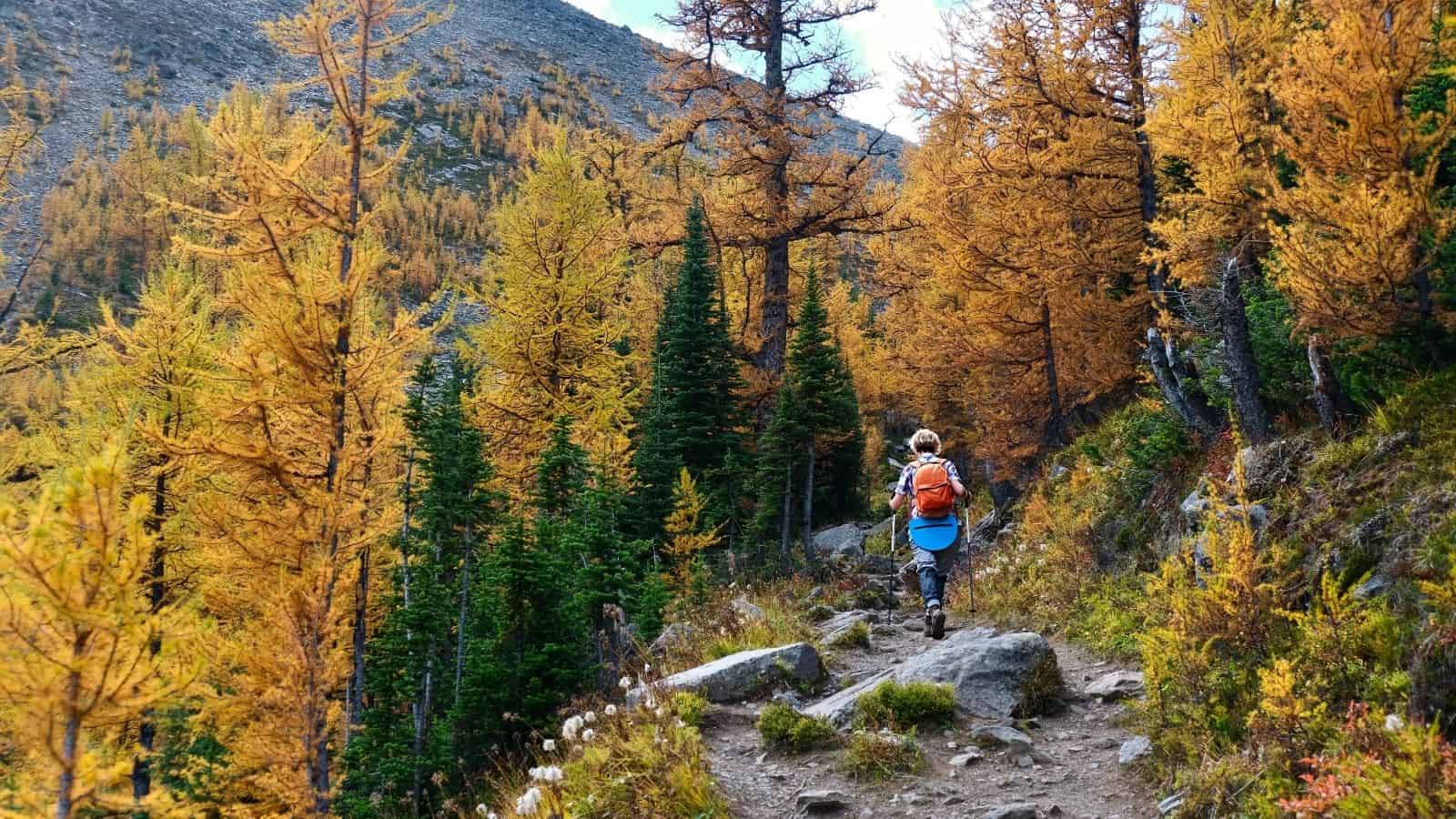
Banff’s mountain environment creates rapidly shifting weather conditions. Clear mornings can turn into snow, rain, or fog within hours, even outside winter. Elevation changes also affect temperature and visibility across short distances. Hiking trails, scenic drives, and viewpoints can become inaccessible with little warning. Travelers who plan tightly scheduled outdoor activities may need to adjust quickly. Checking forecasts frequently and building buffer time into plans helps reduce disruption in this region.
Niagara Falls

Niagara Falls is known for steady mist, but weather conditions around the falls can shift quickly. Sudden rain, strong winds, or temperature drops affect visibility and outdoor access. Boat tours and viewing platforms may operate differently depending on conditions. Seasonal changes also impact water flow and surrounding attractions. Visitors who plan only a short visit may find conditions less favorable than expected. Allowing flexibility in timing improves the overall experience.
Vancouver

Vancouver’s coastal climate brings frequent and unpredictable rain. A clear morning can shift to steady rainfall by afternoon, especially outside summer months. Cloud cover can also obscure mountain views, affecting sightseeing plans. Outdoor activities, including walking routes and viewpoints, often depend on short weather windows. Travelers who rely on a single day for outdoor plans may need alternatives. Monitoring forecasts and keeping indoor options in mind helps manage changing conditions.
St. John's

St. John’s is known for rapidly changing weather patterns influenced by the Atlantic Ocean. Fog, rain, and wind can move in quickly, even during otherwise mild conditions. Visibility can shift within minutes, affecting coastal viewpoints and outdoor plans. Temperatures can also fluctuate throughout the day. Travelers who expect stable weather may find it difficult to follow fixed itineraries. Planning with flexibility allows for better use of clear periods.
Jasper National Park

Jasper shares many of the same weather challenges as Banff but often with fewer immediate alternatives nearby. Mountain weather can change quickly, affecting road conditions and trail access. Wildlife viewing and scenic drives depend heavily on visibility and timing. Storms can move in without much warning, particularly in shoulder seasons. Travelers covering long distances through the park may need to adjust routes. Building extra time into plans helps account for these shifts.
Want to save this?
Quebec City

Quebec City experiences strong seasonal contrasts, and weather can change quickly within a single day. Winter conditions can shift from light snow to heavier storms, affecting walking routes and transport. In warmer months, sudden rain showers are common. Cobblestone streets can become slippery in both rain and snow. Travelers planning full days outdoors may need to adjust schedules. Checking hourly forecasts helps manage short-term changes.
Calgary
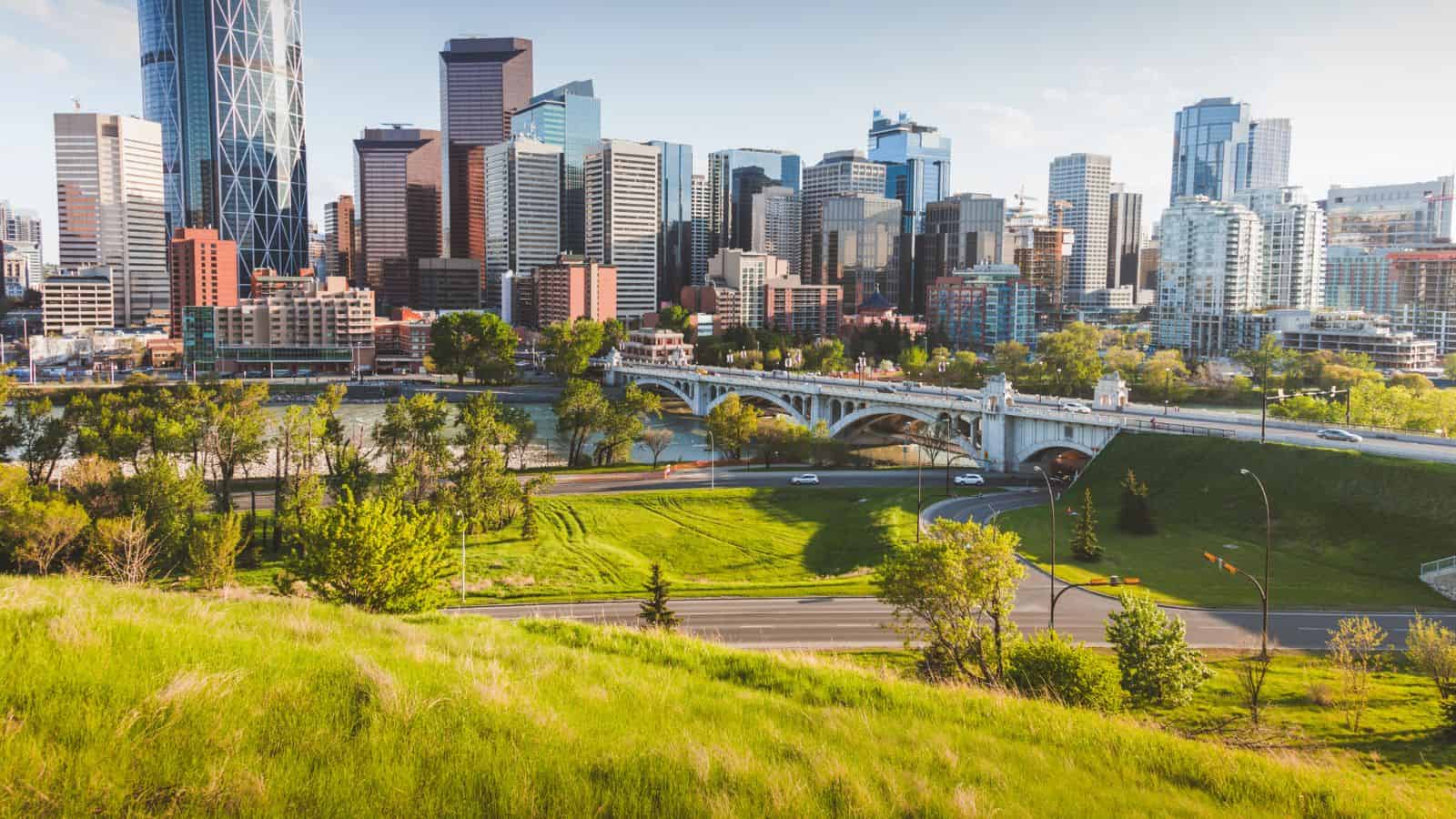
Calgary’s proximity to the Rocky Mountains contributes to fast-moving weather systems. Chinook winds can cause sudden temperature increases, even in winter. Conditions can shift from snow to clear skies within hours. These rapid changes affect both outdoor plans and road conditions. Visitors who expect consistent weather may find daily plans disrupted. Preparing for temperature swings and monitoring updates helps maintain flexibility.
Prince Edward Island

Prince Edward Island’s coastal setting leads to variable weather patterns. Wind conditions can shift quickly, affecting beach access and outdoor activities. Rain showers may pass through rapidly, followed by clear skies. Temperature changes are often noticeable throughout the day. Travelers planning outdoor-focused visits may need to adjust timing. Keeping plans flexible allows better use of favorable weather windows.
Whitehorse
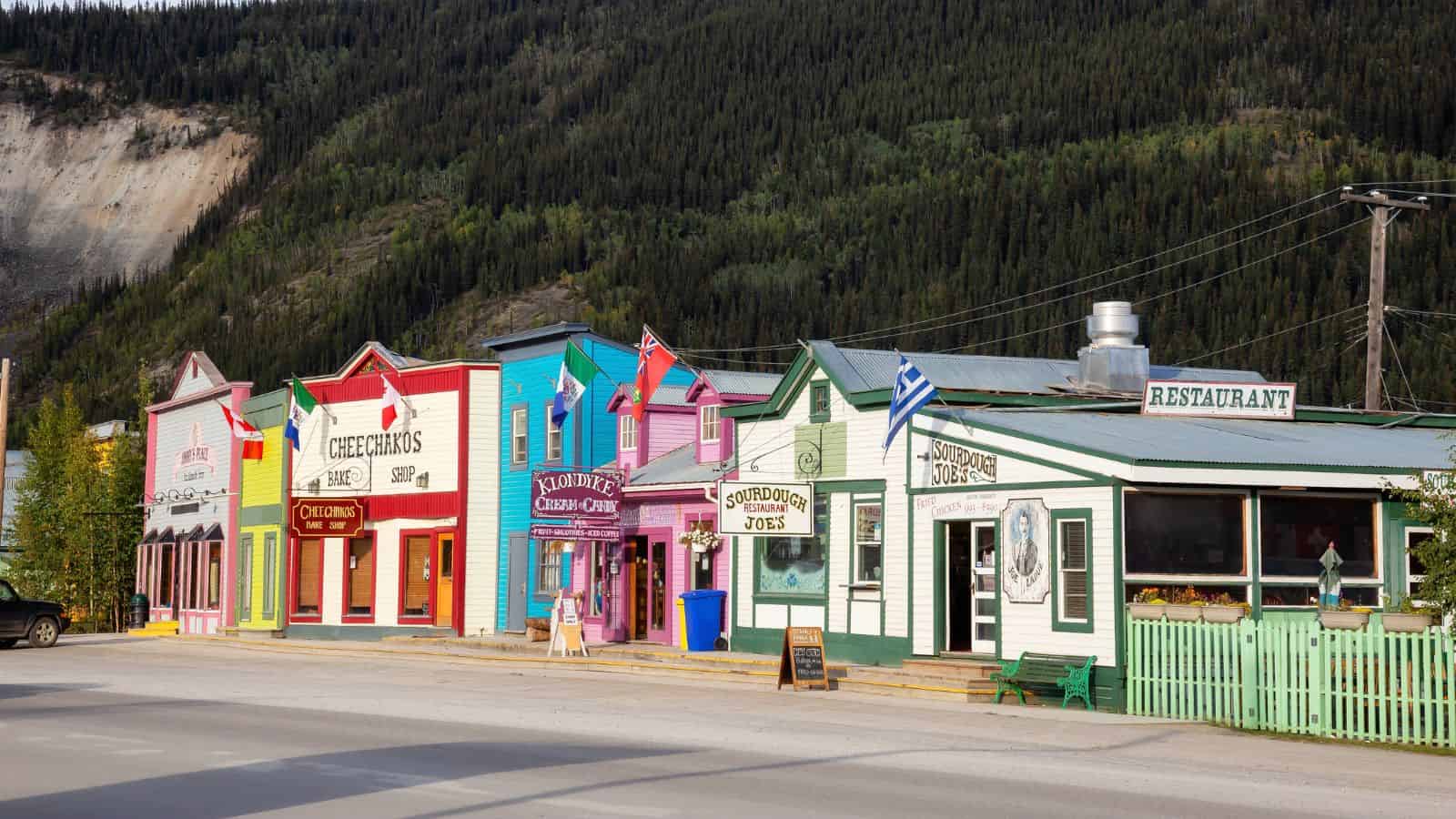
Whitehorse experiences wide weather variation depending on season and time of day. Sudden temperature drops, wind changes, and shifting cloud cover can affect outdoor activities. In winter, conditions can become more severe quickly, while summer weather can still change unexpectedly. Remote surroundings mean fewer immediate alternatives if plans shift. Travelers who build flexibility into their itinerary are better prepared to adjust to changing conditions.
10 Places Where Tourists Often Book the Wrong Area

Choosing where to stay can shape the entire trip. This article features places where tourists often book the wrong area, focusing on destinations where neighborhoods look close on a map but feel very different in reality. Being in the wrong spot can mean long commutes, limited food options, or missing the parts people hoped to experience.
Read More Here: 10 Places Where Tourists Often Book the Wrong Area
11 American Cities Travelers Say Feel Genuinely Friendly

First impressions can shape how a trip feels, and some cities stand out for how people interact. This article features American cities travelers say feel genuinely friendly, focusing on places where everyday interactions feel easier, more welcoming, and less rushed. These cities often leave visitors talking about the people just as much as the sights.
Read More Here: 11 American Cities Travelers Say Feel Genuinely Friendly



Leave a Reply