
Stress levels vary widely from one city to another. This article features U.S. cities ranked from most to least stressed, focusing on factors such as commute times, cost of living, work pressure, and daily pace. These elements shape how residents experience life and how manageable day-to-day routines feel.
Understanding how cities compare can reveal where pressure tends to build and where life moves at a steadier rhythm. Looking at these rankings can also help people think about where they might feel more balanced. Keep reading to see which U.S. cities fall at the top and bottom of the stress scale.
New York City, New York

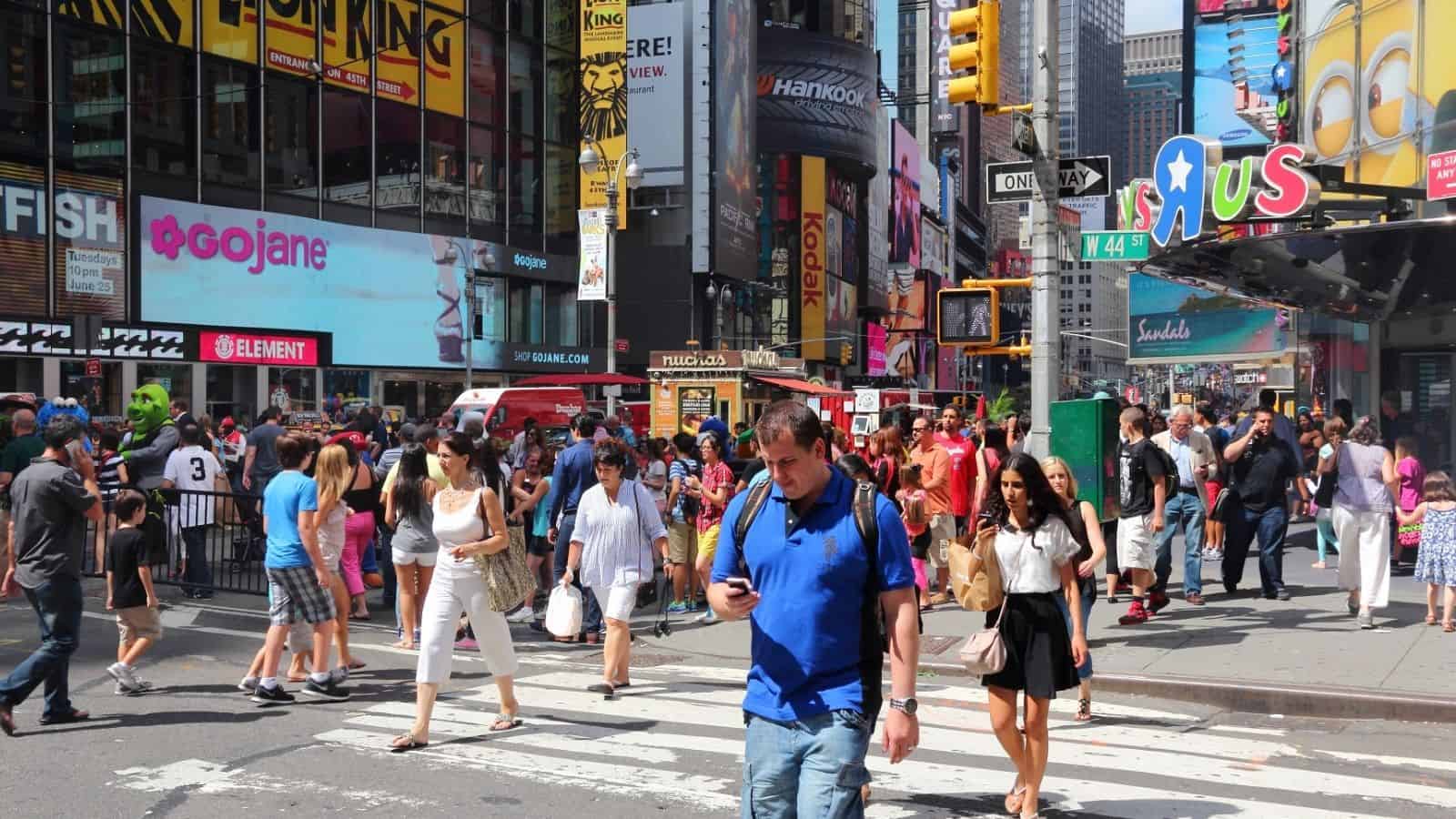
New York City often tops lists of high-pressure urban environments. The fast pace of work, crowded public transportation, and high cost of living create constant pressure for many residents. Long commutes and intense competition across industries can contribute to daily strain. While the city offers endless opportunities and cultural energy, maintaining balance can be difficult. Housing costs remain among the highest in the country, and personal space is limited. For many people, the constant motion that defines New York is both energizing and exhausting at the same time.
Los Angeles, California

Los Angeles combines major career opportunities with challenges that can elevate stress levels. Traffic congestion is one of the city’s most commonly cited frustrations, with commutes stretching well beyond an hour in many areas. Housing affordability remains a major concern, particularly for younger professionals. The entertainment industry’s competitive nature also contributes to an environment where many people feel pressure to constantly network and perform. While the city offers beautiful weather and outdoor escapes, daily routines often involve long travel times and demanding work schedules.
Chicago, Illinois
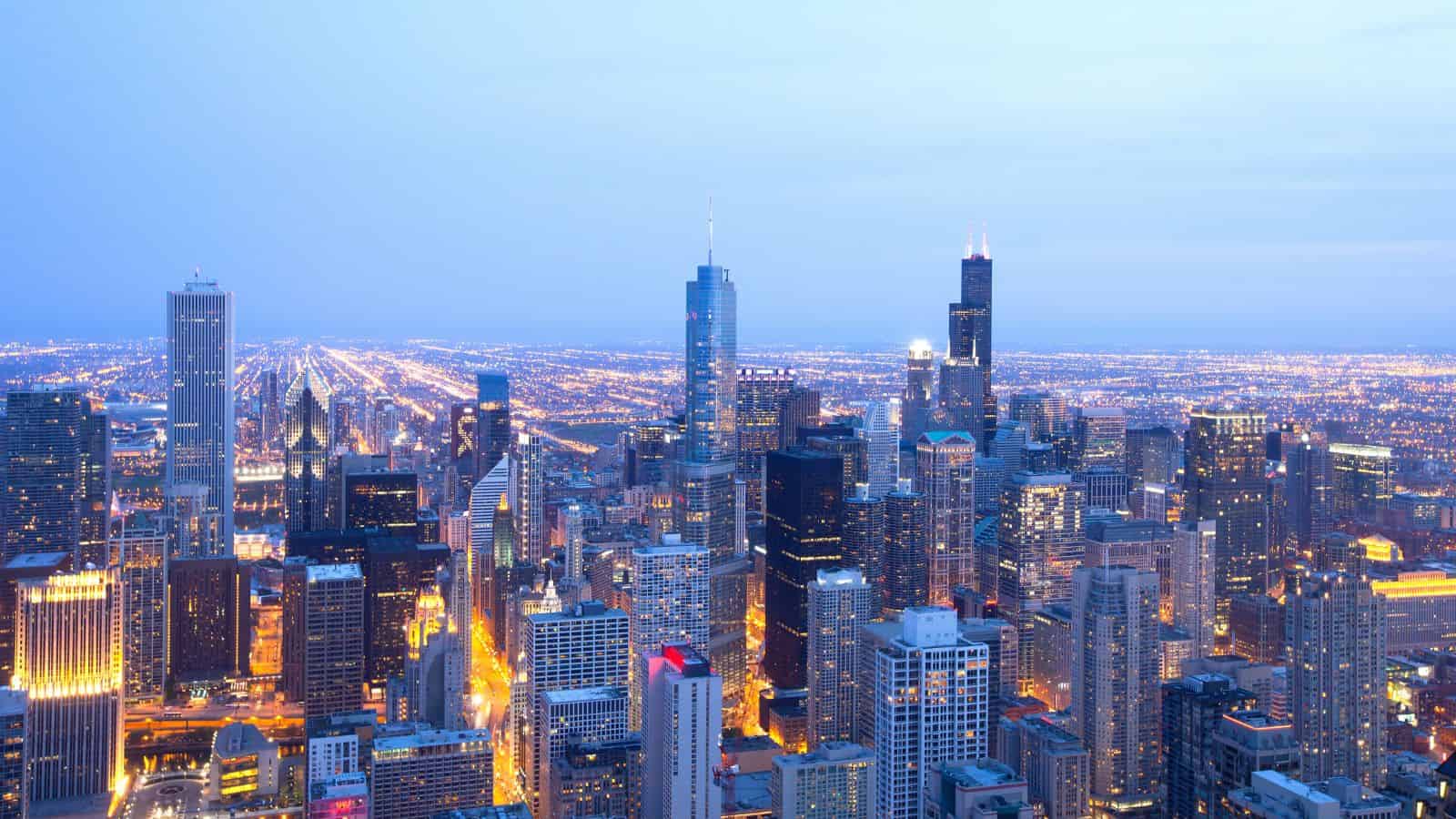
Chicago’s size and economic activity create a busy, demanding urban environment. Commuters face crowded trains, busy highways, and winter weather that can complicate daily routines. High living costs in desirable neighborhoods and demanding professional sectors add another layer of pressure. Residents also navigate seasonal extremes, from cold winters to humid summers. Despite these challenges, Chicago remains vibrant and culturally rich. Many people manage the pace successfully, but the combination of large-city logistics and climate variability can make daily life feel intense for some.
Miami, Florida

Miami’s vibrant atmosphere hides some pressures beneath its sunny image. Rapid population growth, rising housing costs, and heavy traffic have made everyday logistics more complicated. Many industries tied to tourism, real estate, and hospitality can involve long hours and unpredictable schedules. Seasonal hurricane threats also introduce an additional layer of uncertainty each year. While the city offers beaches, nightlife, and international culture, balancing work, housing costs, and transportation challenges can leave residents feeling stretched.
Houston, Texas
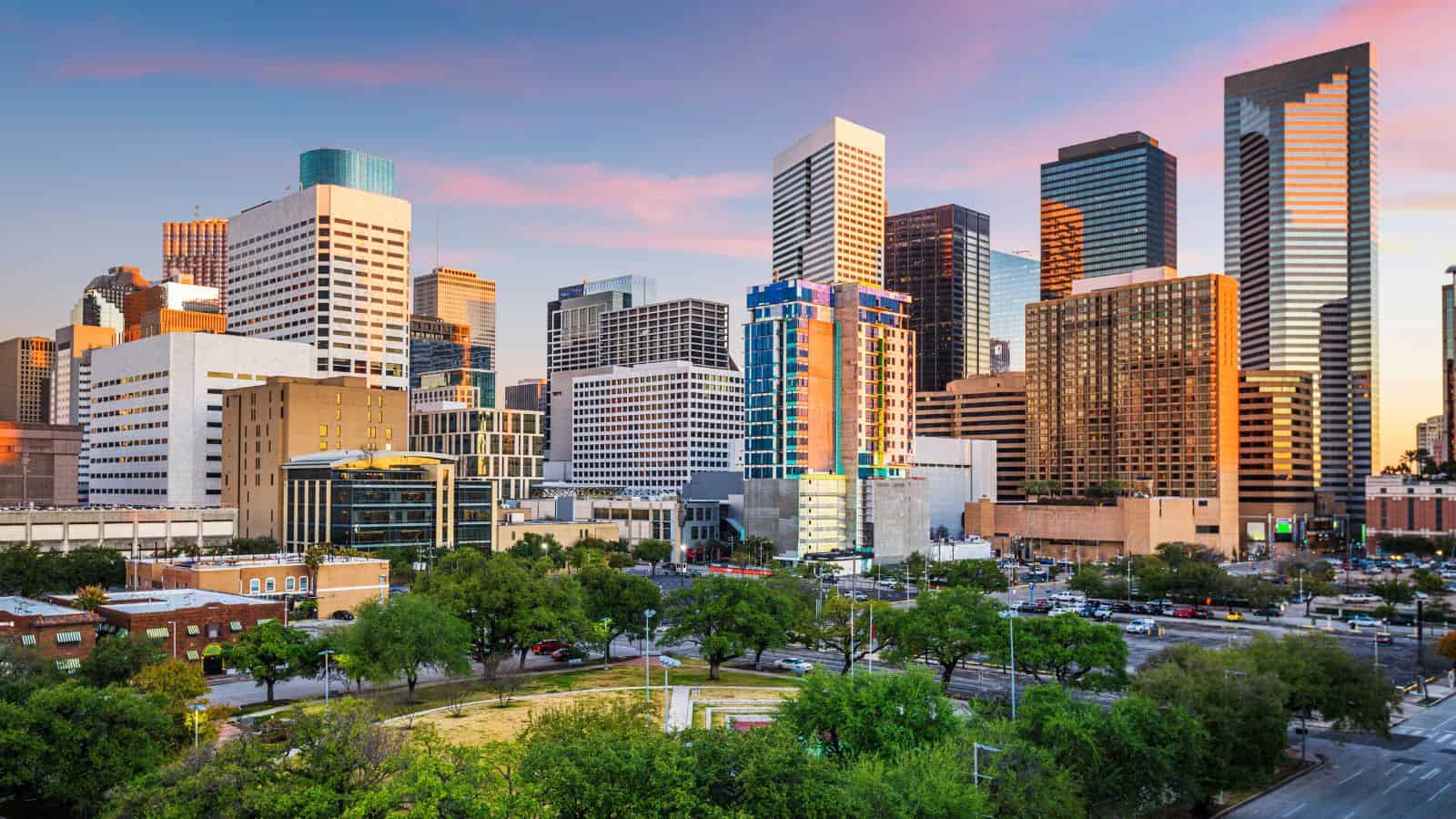
Houston’s rapid expansion has brought both opportunity and stress. The city’s sprawling layout often requires long car commutes, with traffic increasing as the population grows. Extreme summer heat and humidity add physical strain to daily life, especially during outdoor travel. Housing remains more affordable than in some coastal cities, but infrastructure must keep pace with growth. Hurricanes and flooding risks also create periodic disruptions. For many residents, navigating the city’s scale and climate requires patience and careful planning.
Phoenix, Arizona
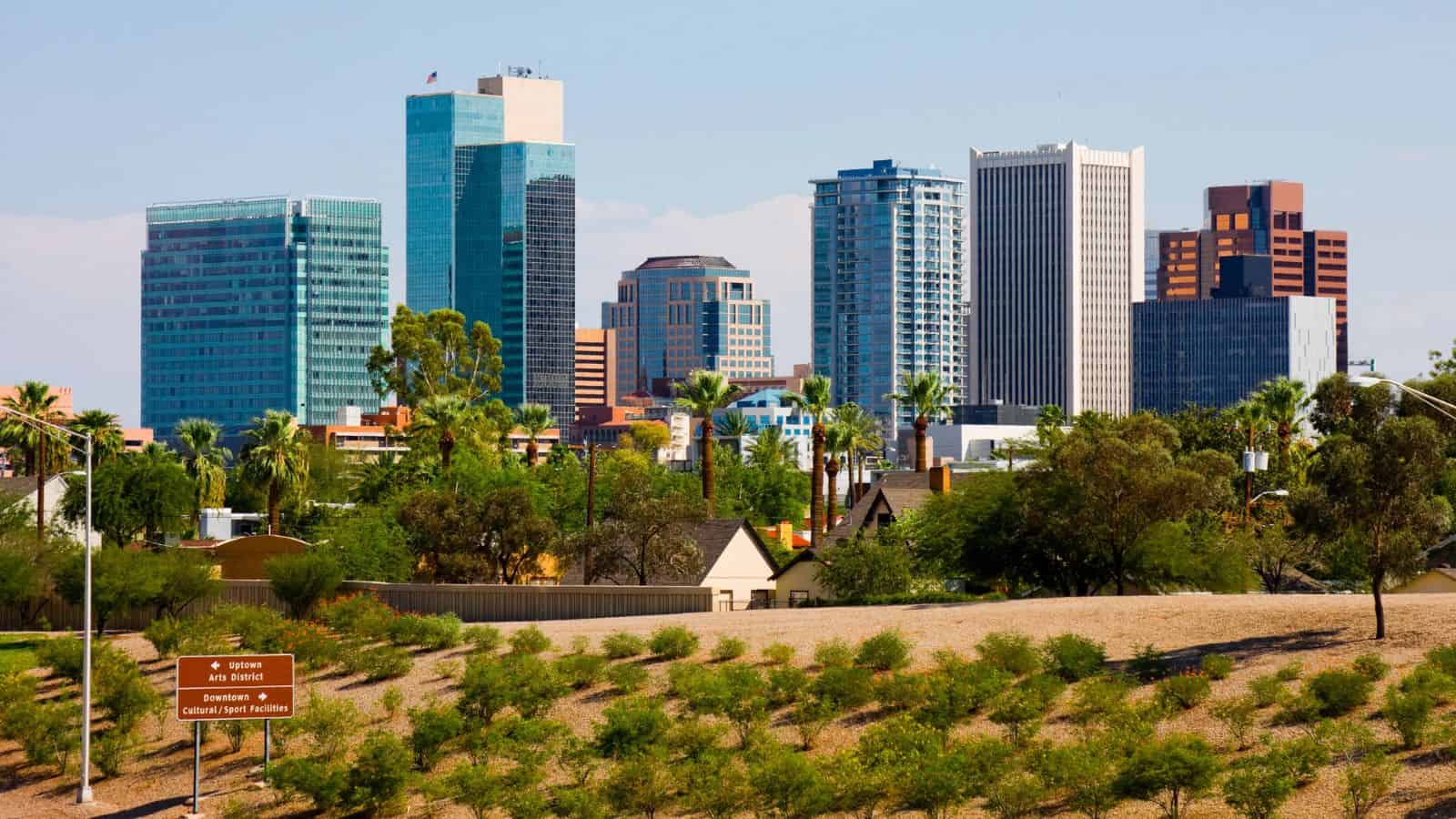
Phoenix continues to grow quickly, bringing rising housing costs and busier roads. The desert climate introduces unique challenges, particularly during summer months when temperatures regularly exceed 100°F (38°C). Long driving distances between neighborhoods and workplaces can extend daily routines. Rapid population growth has also increased competition for housing and services. While the city offers beautiful desert landscapes and expanding job opportunities, managing extreme heat and urban growth can contribute to higher stress levels for some residents.
Want to save this?
Atlanta, Georgia
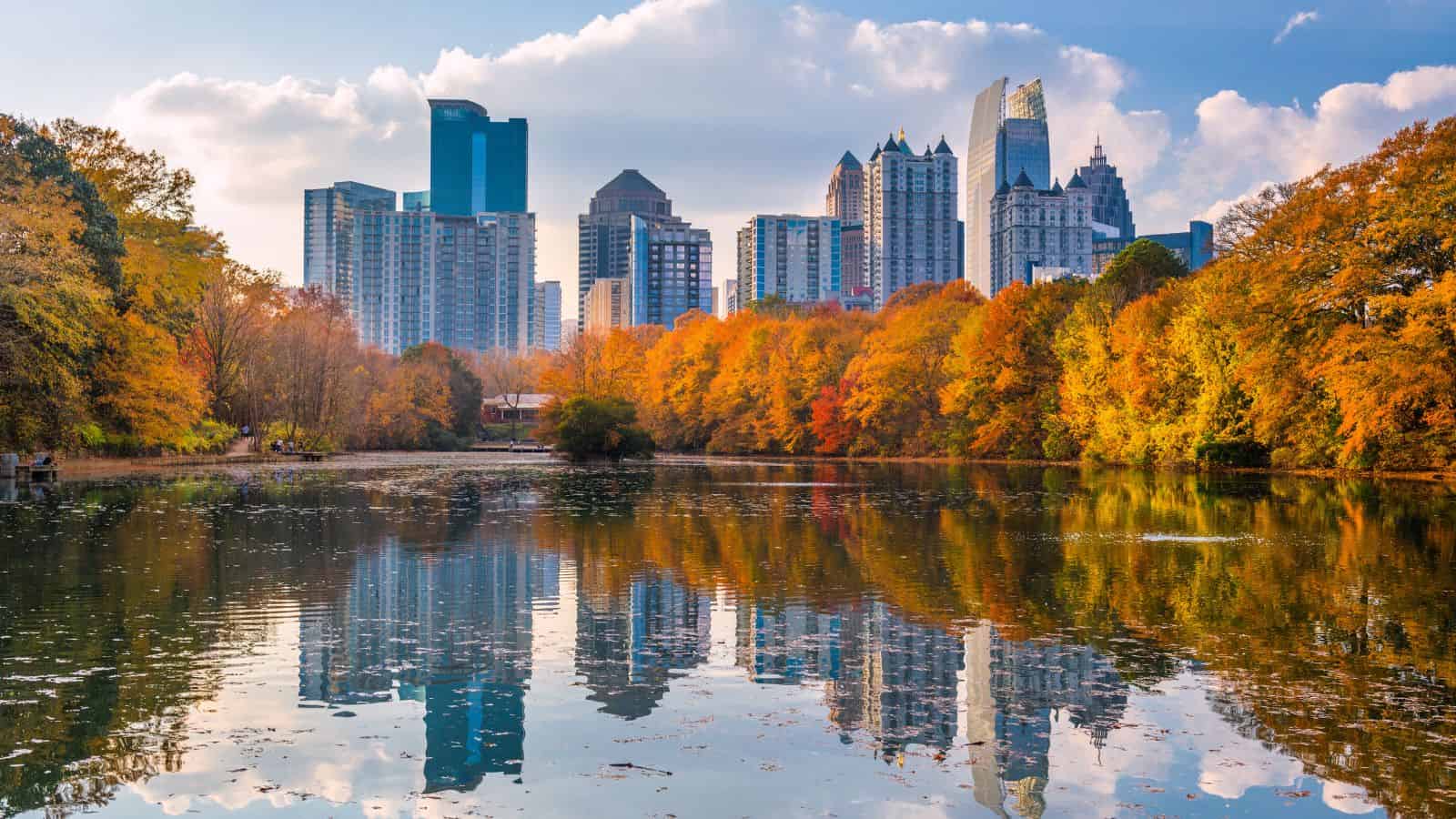
Atlanta’s booming economy attracts new residents each year, but that growth also brings logistical challenges. Traffic congestion is a major concern, with many commuters spending significant time on highways each day. Housing costs have climbed steadily in recent years as demand increases. The city’s humid climate can also add discomfort during the summer months. Atlanta remains a dynamic cultural and business center, yet the pace of growth and daily commuting pressures can make balancing work and personal time difficult.
Seattle, Washington

Seattle offers strong career opportunities, particularly in technology and innovation. However, high housing prices and rapid population growth have changed the cost of living dramatically. Long commutes from surrounding suburbs are increasingly common. Seasonal gray weather and extended winter darkness can also affect mood and energy levels for some residents. While the city provides access to nature and outdoor recreation, balancing high living costs with demanding careers can make the lifestyle feel intense.
Denver, Colorado

Denver has grown rapidly over the past decade, bringing both opportunity and rising living costs. Housing prices have increased significantly as more people relocate to the region. Traffic congestion has also expanded as the metro area spreads outward. However, compared with larger coastal cities, Denver still offers relatively easy access to outdoor recreation and shorter average commutes in many neighborhoods. The balance between urban growth and nearby mountains helps moderate stress levels compared with larger metropolitan areas.
Minneapolis, Minnesota

Minneapolis often ranks as one of the less stressful large U.S. cities. While winter weather can be challenging, the city offers manageable commutes, strong community infrastructure, and a relatively balanced lifestyle. Parks, lakes, and bike-friendly streets provide residents with accessible outdoor spaces. The cost of living remains more moderate than in many major metropolitan areas. Although every city has its pressures, Minneapolis tends to provide a steadier pace of life compared with larger, more crowded urban centers.
9 Things Visitors Find Confusing About Train Travel in Europe

Train travel in Europe sounds simple, but many visitors are surprised once they start using it. Here are common points of confusion, from tickets and platforms to schedules that work differently than expected. These details often catch travelers off guard, especially those used to driving or flying.
Read More Here: 9 Things Visitors Find Confusing About Train Travel in Europe
13 Things Travelers Say They Learned the Hard Way in Asia

Traveling through Asia can be eye-opening, but it also comes with moments that catch people off guard. This list brings together lessons visitors often mention after the trip is over. These are everyday situations, cultural differences, and travel habits that seem small at first but can lead to confusion or stress if misunderstood.
Read More Here: 13 Things Travelers Say They Learned the Hard Way in Asia



Leave a Reply