
Some places are easy to rush through, but they are better experienced at a slower pace. This article features destinations where visitors regret not slowing down, focusing on locations where tight schedules and packed itineraries often lead to missed details. Travelers frequently realize too late that these places reward patience more than speed.
Allowing extra time can change how a destination feels from start to finish. Longer stays often lead to better conversations, deeper understanding, and less stress. Keep reading to see which destinations made the list and why slowing down there makes such a difference.

Rome, Italy
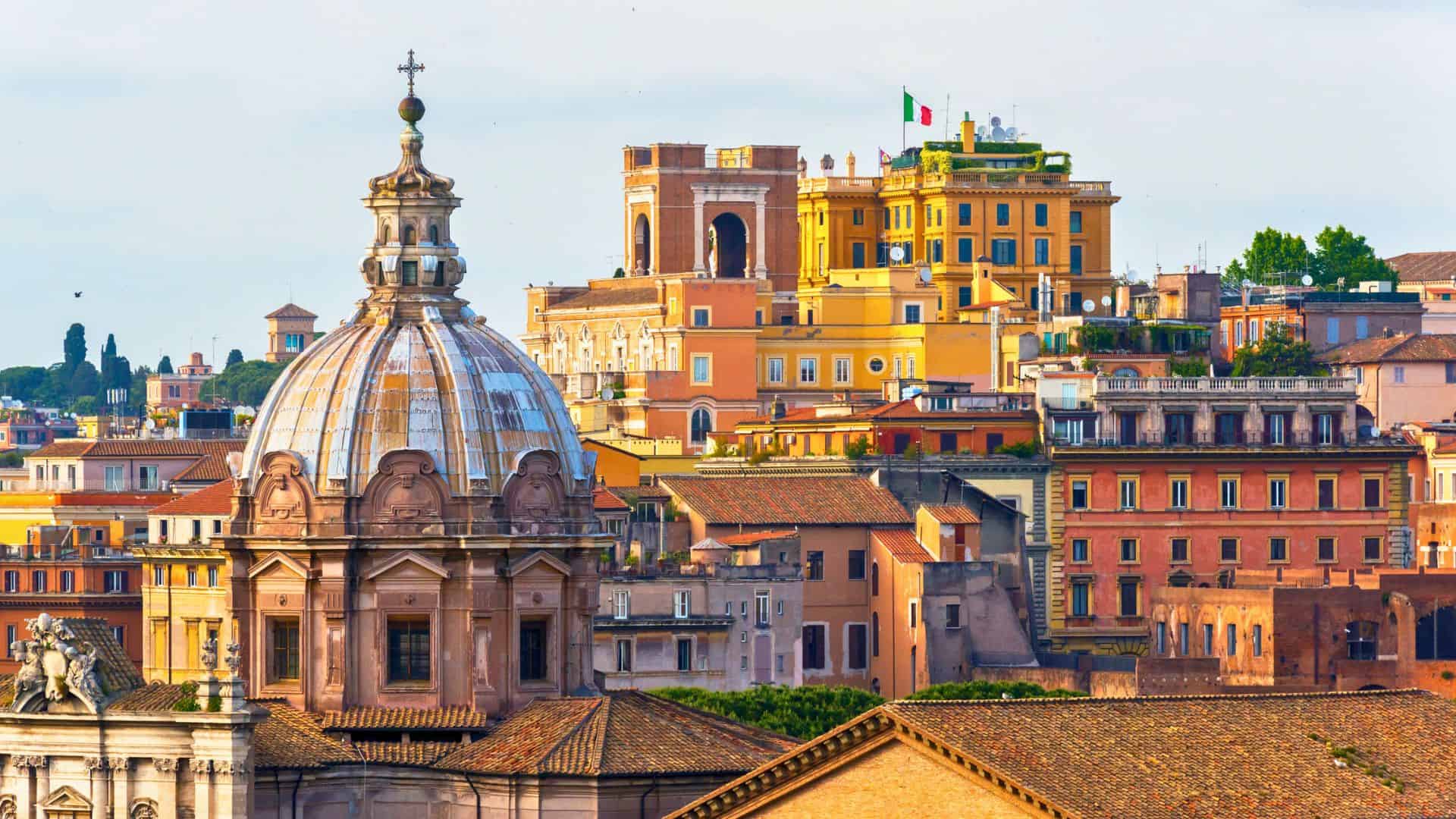
Rome is often treated as a checklist destination centered on the Colosseum, Vatican Museums, and Trevi Fountain. However, distances between historic sites, museum security lines, and afternoon closures can disrupt tightly packed plans. Walking through cobblestone streets takes longer than expected, especially in summer heat. Compressing the city into two days often leads to constant transit decisions and missed reservations. Allowing extra time makes space for neighborhood exploration, early entry bookings, and realistic pacing between major landmarks.
Kyoto, Japan
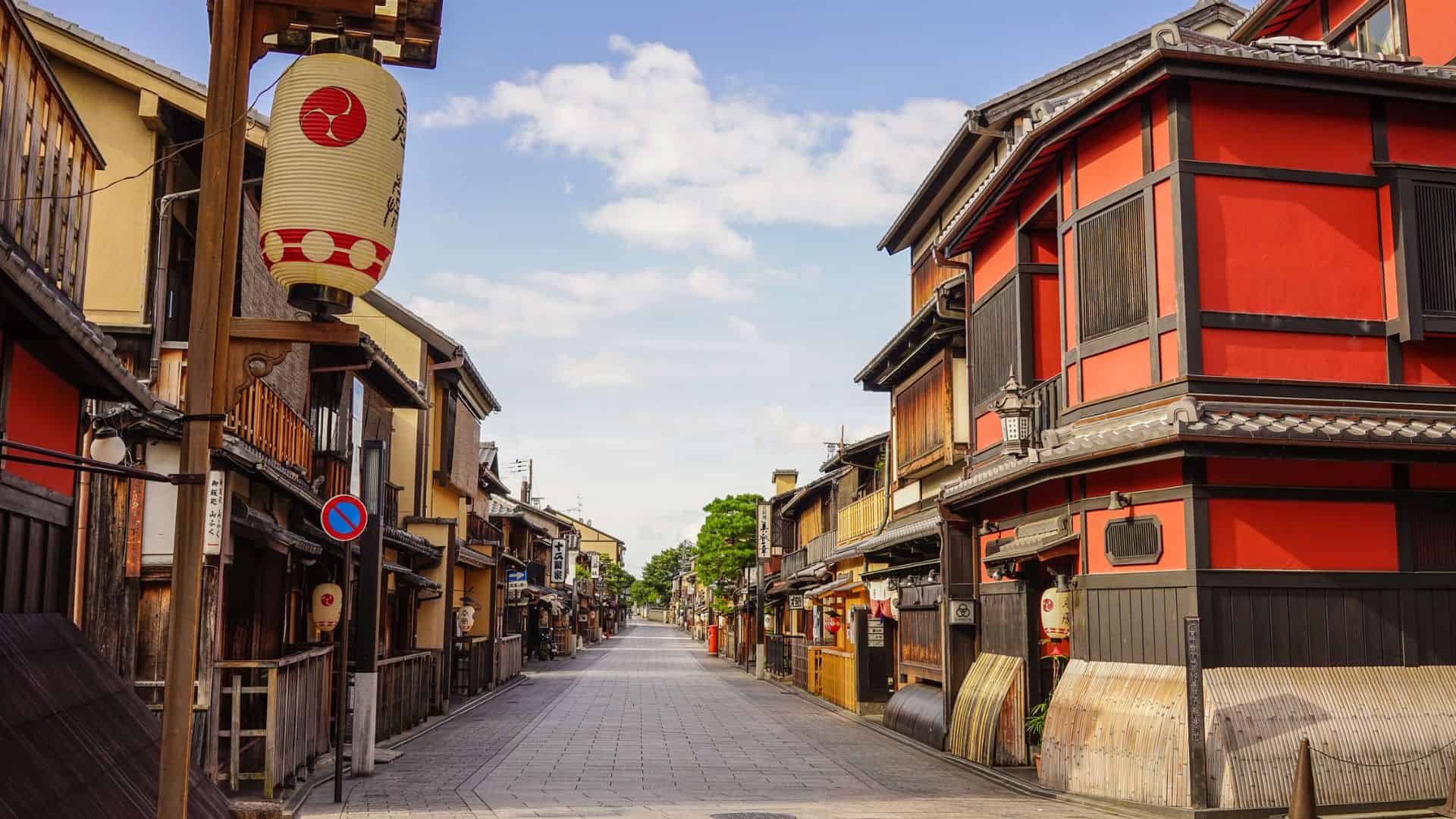
Kyoto is frequently approached as a two-day temple tour, but attractions are spread across multiple districts. Bus routes can be crowded, and travel between sites takes longer than maps suggest. Seasonal crowds during cherry blossom and autumn periods further slow movement. Attempting to visit multiple temples in one day often reduces each stop to a brief photo opportunity. Extending a stay allows time for early morning visits, quieter residential streets, and structured tea experiences without rushing.
Paris, France

Paris is commonly planned around museum entries and landmark visits, yet transit time between districts adds up quickly. Large museums such as the Louvre require several hours alone. Café culture moves at a slower pace, and meals are not designed for rapid turnover. Rushing from one arrondissement to another can result in long Metro transfers and missed reservations. Building additional days allows for neighborhood-based exploration rather than constant cross-city travel.
Istanbul, Turkey
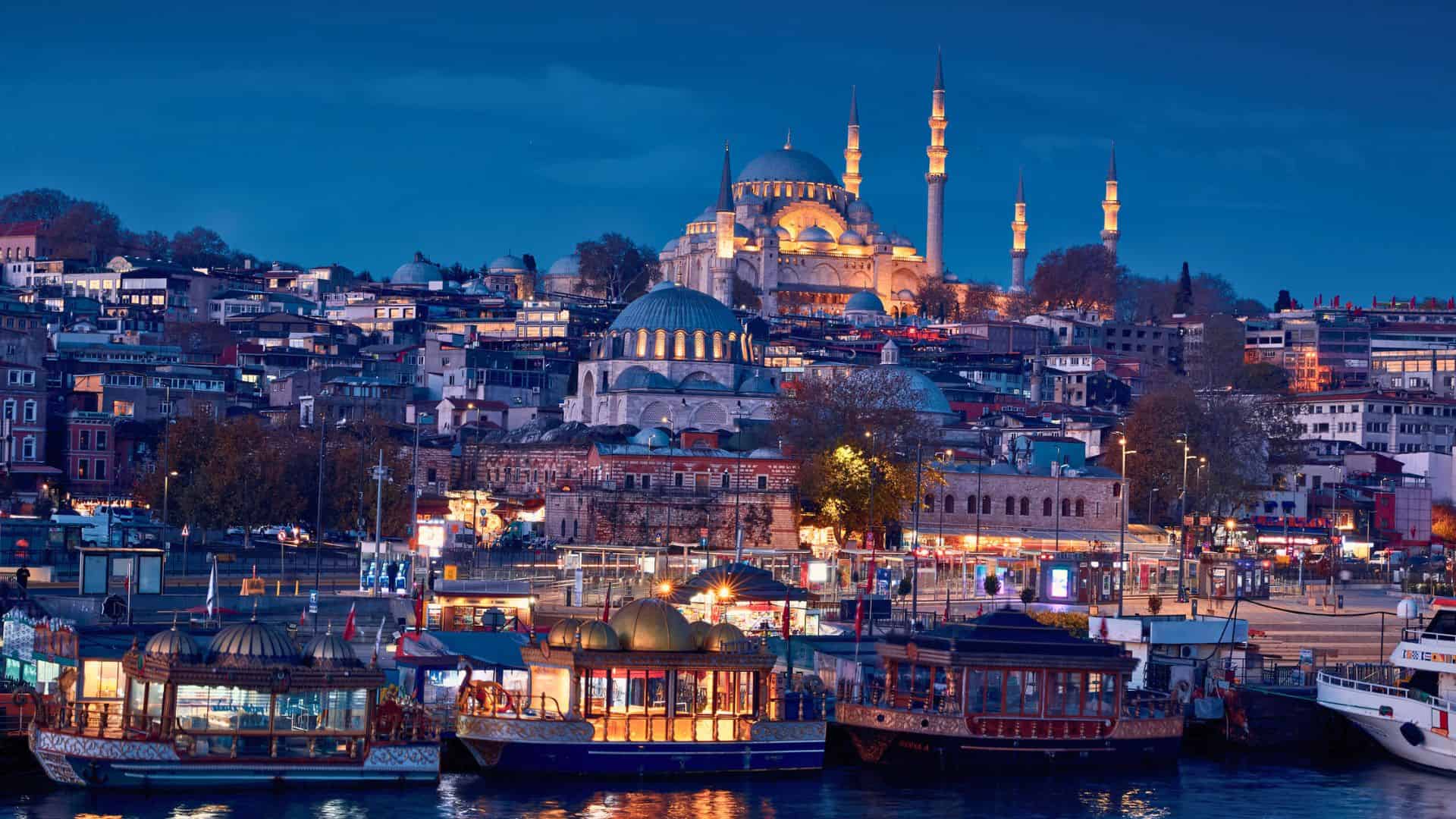
Istanbul spans two continents, and crossing between the European and Asian sides requires ferry or bridge travel. Traffic congestion can significantly extend travel times. Major sites such as Hagia Sophia and Topkapi Palace require dedicated blocks of time. Markets and waterfront districts are best experienced without strict time limits. Attempting to cover both sides of the city in a short stay often leads to transit-heavy days. A slower schedule reduces logistical strain and allows for balanced planning.
London, United Kingdom

London’s scale is frequently underestimated. Although the Underground is efficient, travel between major landmarks can take longer than expected due to station transfers and walking distances. Free museums encourage longer visits than planned. Day trips to places like Windsor or Oxford add additional transit time. Trying to compress both city highlights and regional excursions into a short stay leads to fatigue. Adding extra days allows travelers to group attractions geographically and reduce cross-city movement.
New York City, United States

New York City appears compact on maps, but borough distances and subway transfers extend daily schedules. Popular attractions require timed entry reservations, and peak-hour congestion slows movement. Attempting to visit multiple neighborhoods in one day often results in excessive commuting. Dining reservations and Broadway schedules add fixed time constraints. Allowing additional days enables travelers to focus on one borough at a time rather than commuting repeatedly across the city.
Want to save this?
Amalfi Coast, Italy

The Amalfi Coast is known for dramatic scenery, yet narrow roads and limited ferry schedules complicate movement between towns. Bus routes can be crowded during high season, and parking is limited. Day-tripping from Naples or Rome often compresses the experience into a single viewpoint. Staying multiple nights in one town reduces reliance on daily transfers. Slower planning also accounts for weather variability that can affect boat schedules.
Barcelona, Spain
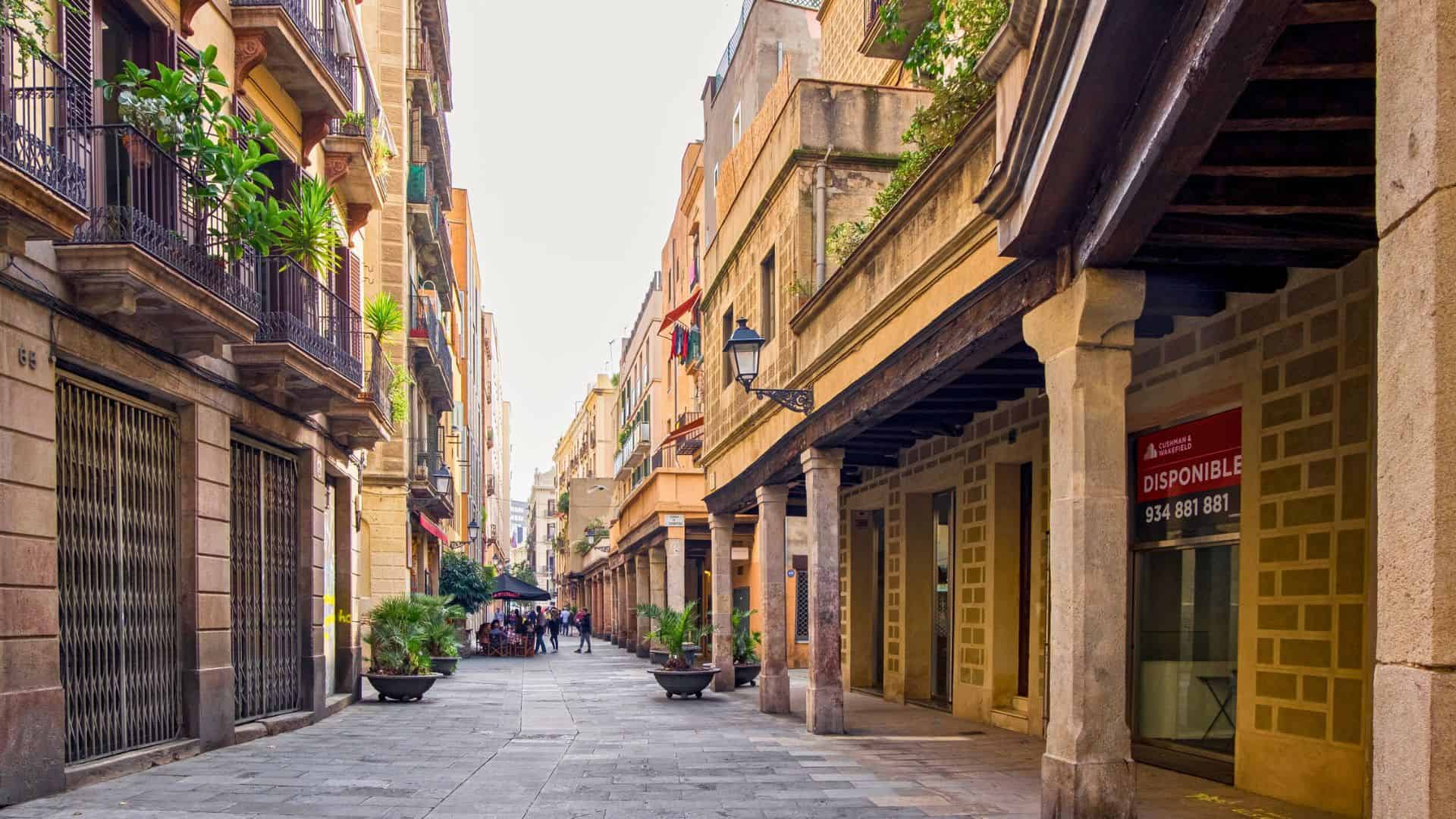
Barcelona blends beaches, architecture, and residential neighborhoods, but visitors often concentrate only on Gaudí landmarks. Entry tickets for Sagrada Família and Park Güell require advance planning. Midday heat slows walking in summer months. Attempting to combine museums, beach time, and nightlife in two days often leads to schedule conflicts. Extending a visit allows structured sightseeing in the morning and relaxed exploration later in the day.
Bangkok, Thailand
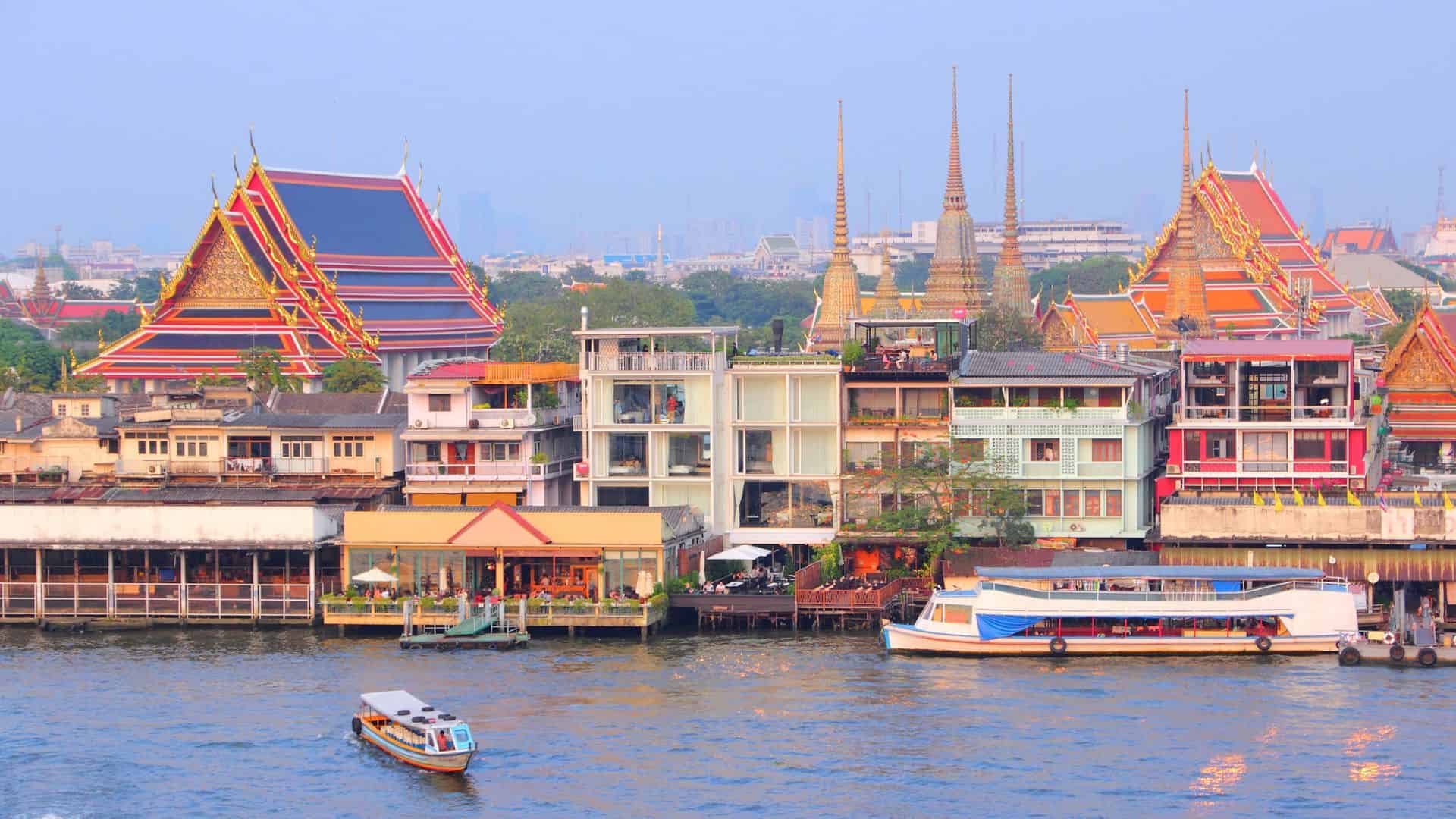
Bangkok’s traffic congestion significantly affects travel time between districts. Major temples, river markets, and modern shopping areas are geographically spread out. Peak heat and humidity require pacing adjustments. Attempting to cover historic and modern districts in rapid succession leads to long commutes. Allocating extra days makes river transport planning easier and reduces dependence on road traffic during peak hours.
Florence, Italy
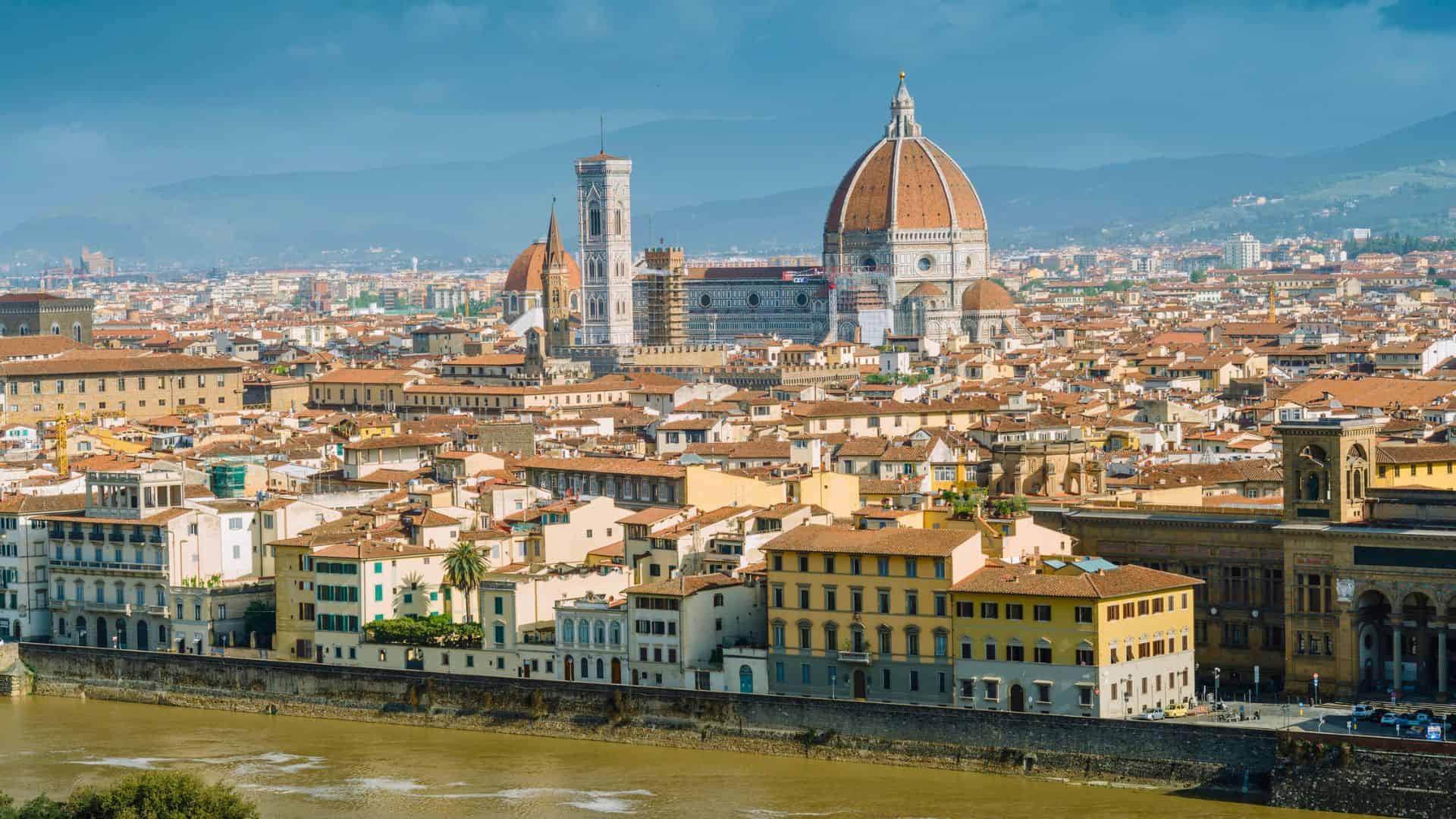
Florence is compact, which encourages short stays, but museum lines and timed entry systems extend daily schedules. The Uffizi and Accademia each require focused visits. Day trips to Tuscany vineyards or Pisa add additional transport layers. Rushing through Renaissance sites reduces context and increases fatigue. Allowing extra time supports early museum reservations and realistic regional excursions.
Tokyo, Japan
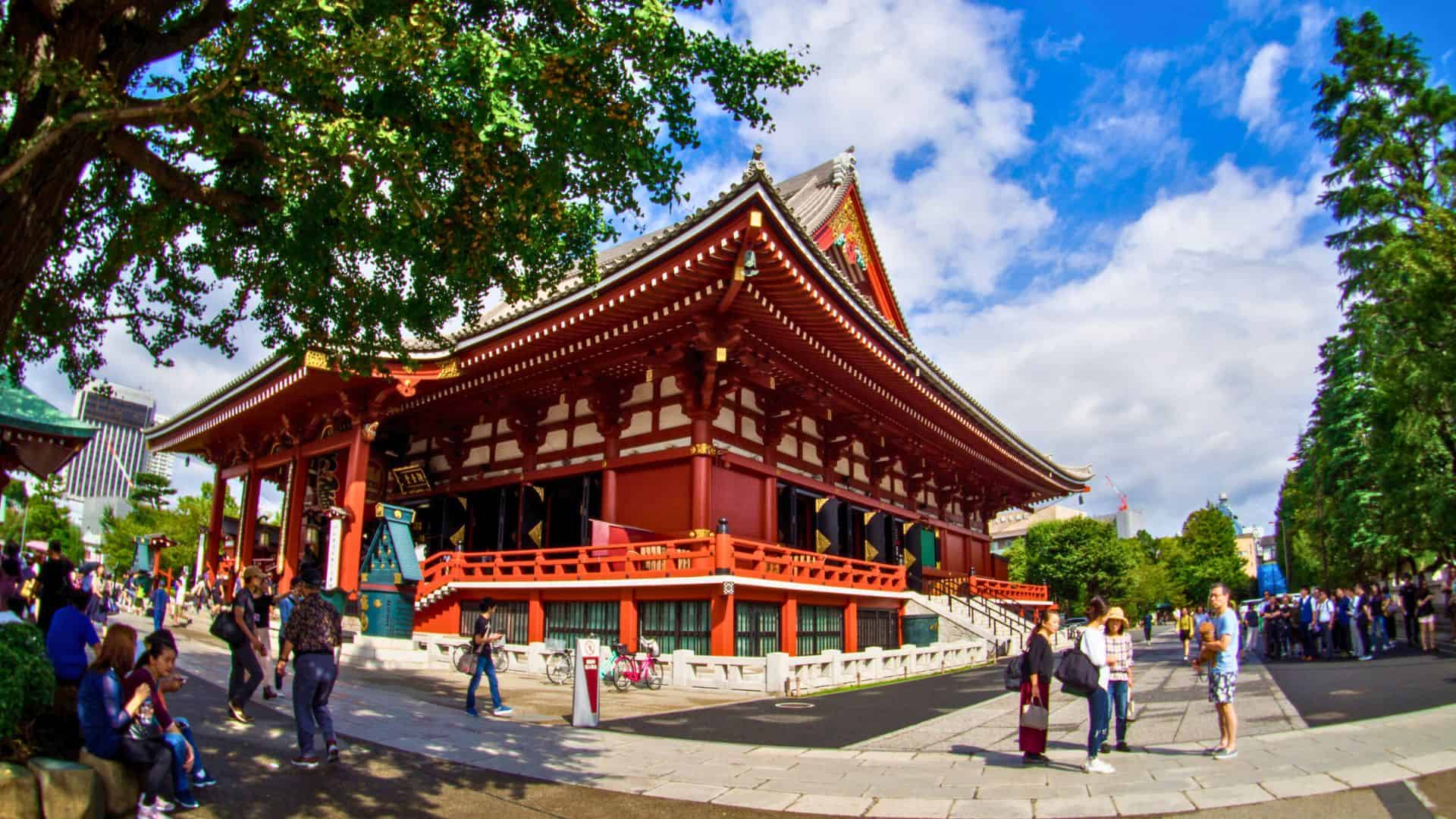
Tokyo’s districts function almost like separate cities. Transit between neighborhoods such as Shinjuku, Asakusa, and Shibuya requires line changes and careful timing. Attractions are often clustered by area rather than centrally located. Attempting to cover multiple districts daily increases commuting time. Restaurants frequently require reservations during peak seasons. Spreading visits across additional days allows travelers to focus on one area at a time, reducing transit fatigue.
10 Destinations With National Forests That Feel Right in Spring
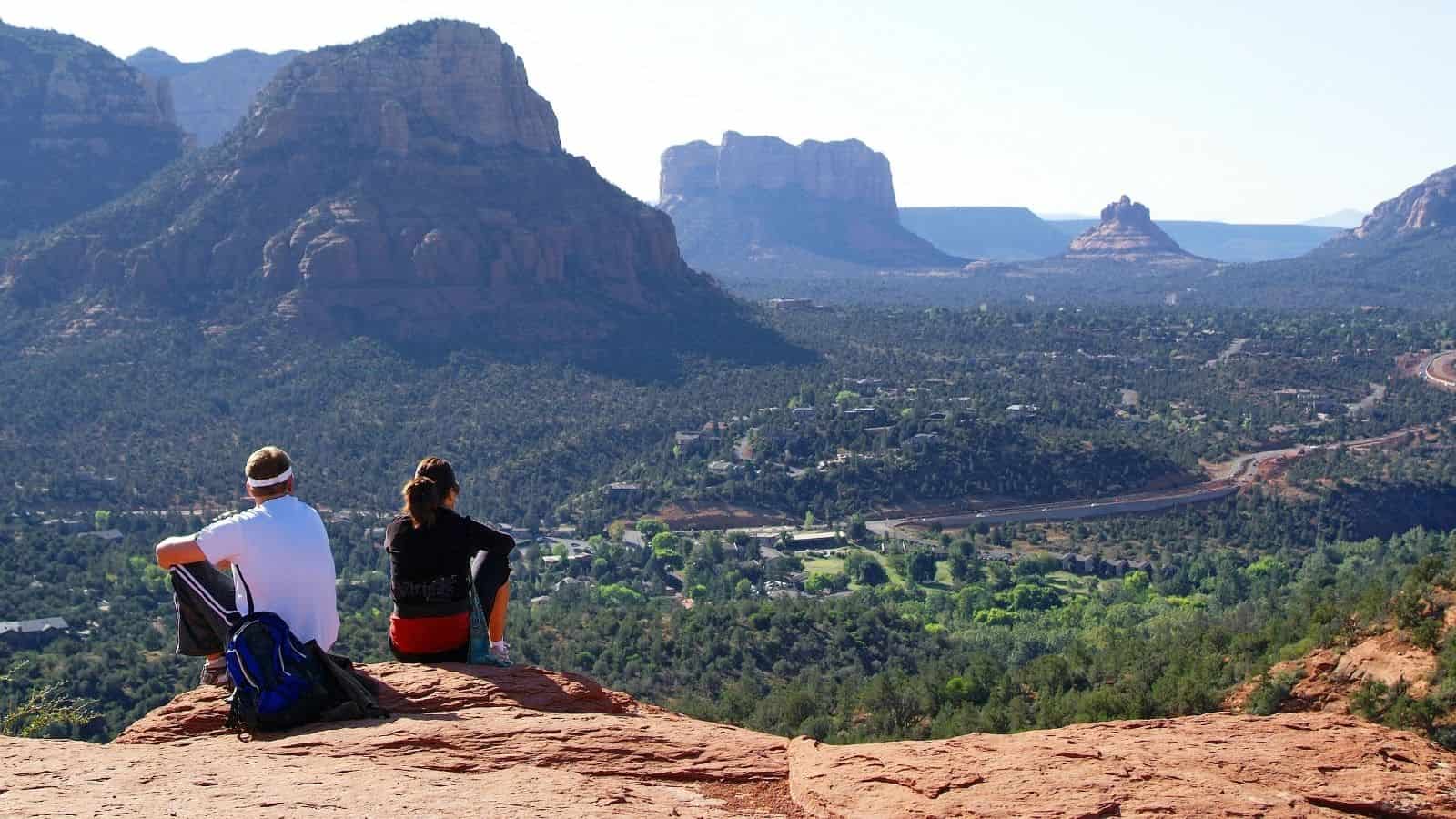
Spring shifts how forests look and feel. This article features destinations with national forests that feel right in spring, focusing on places where mild temperatures, lighter crowds, and early blooms shape a better visit. Trails are often more comfortable to hike, and wildlife activity becomes easier to spot before peak summer traffic arrives.
Read More Here: 10 Destinations With National Forests That Feel Right in Spring
10 Destinations That Backpackers Return To

Backpackers often move quickly from place to place, but some destinations pull them back more than once. This article features destinations that backpackers return to, focusing on places known for strong traveler networks, affordable stays, and routes that make long term travel easier. These spots tend to balance social energy with practical advantages.
Read More Here: 10 Destinations That Backpackers Return To



Leave a Reply