
Traveling with kids can feel overwhelming before the trip even begins. This article features destinations where traveling with kids is easier than parents expect, focusing on places where transportation, food options, and activities naturally support family routines. In these destinations, daily logistics tend to be simpler than many parents assume.
Knowing which places work well for families can reduce stress and build confidence in planning. Small factors like walkability, clear signage, and flexible attractions often make a bigger difference than headline sights. Keep reading to see which destinations made the list and why parents say they were pleasantly surprised.
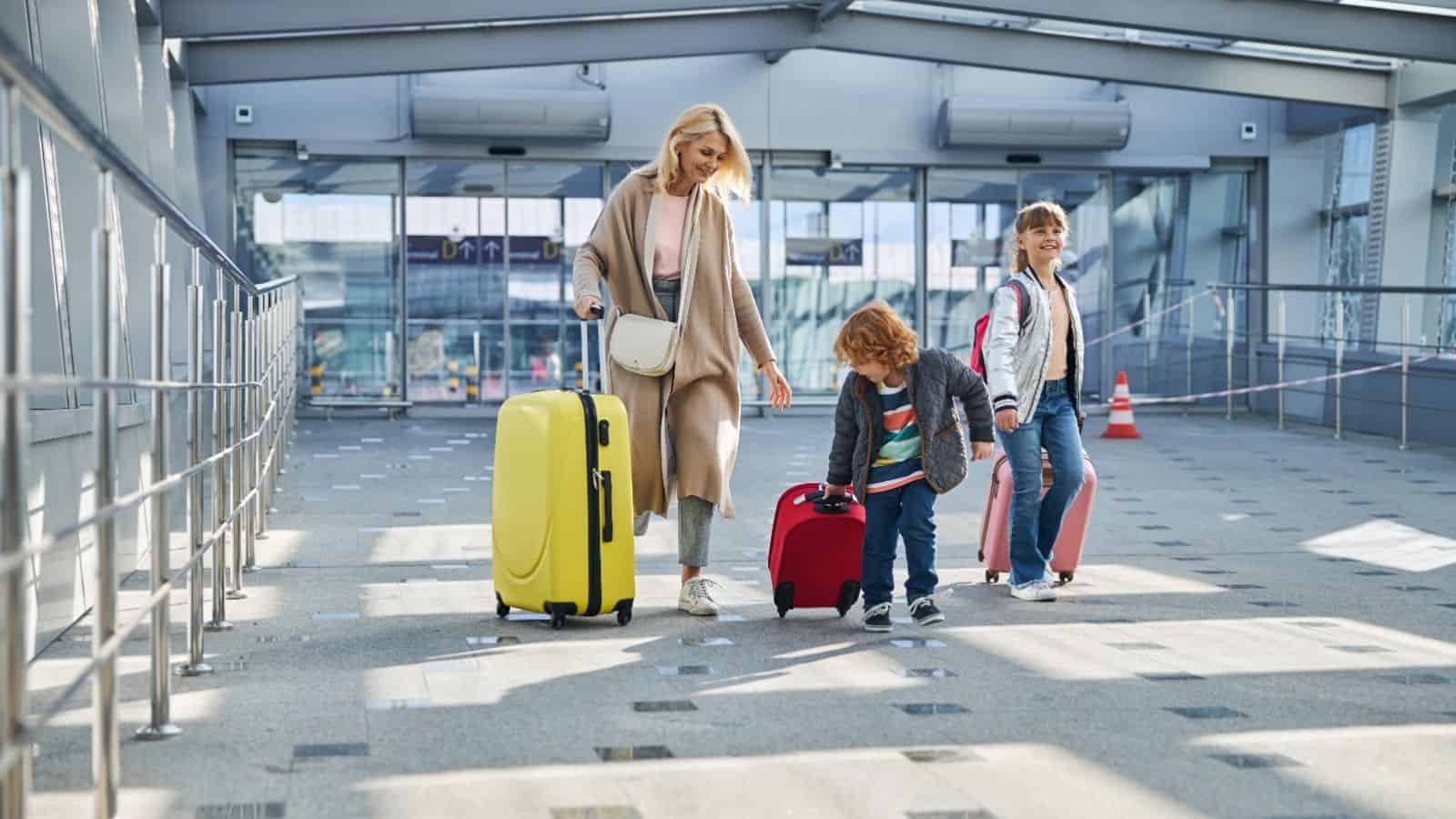
Japan
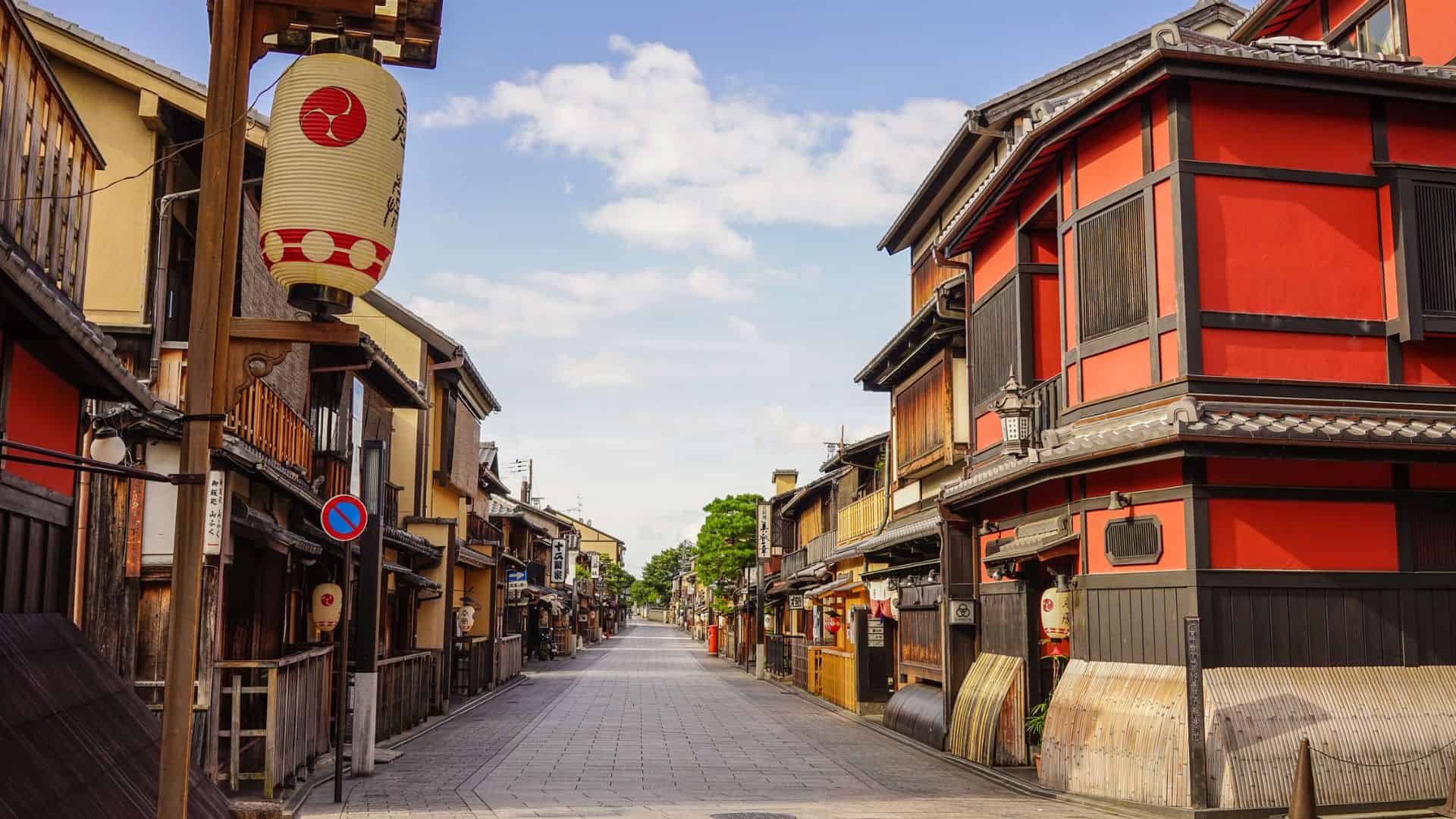
Japan may seem overwhelming at first due to language differences and large cities, but transportation is precise and predictable. Trains run on schedule, platforms are clearly marked, and stations often have elevators for strollers. Convenience stores provide affordable, ready-to-eat meals suitable for children. Public restrooms are widely available and clean. Urban neighborhoods are safe and walkable, reducing stress about evening outings. Parents who plan around rush hours and reserve seats on long-distance trains typically find daily logistics easier than anticipated.
Denmark
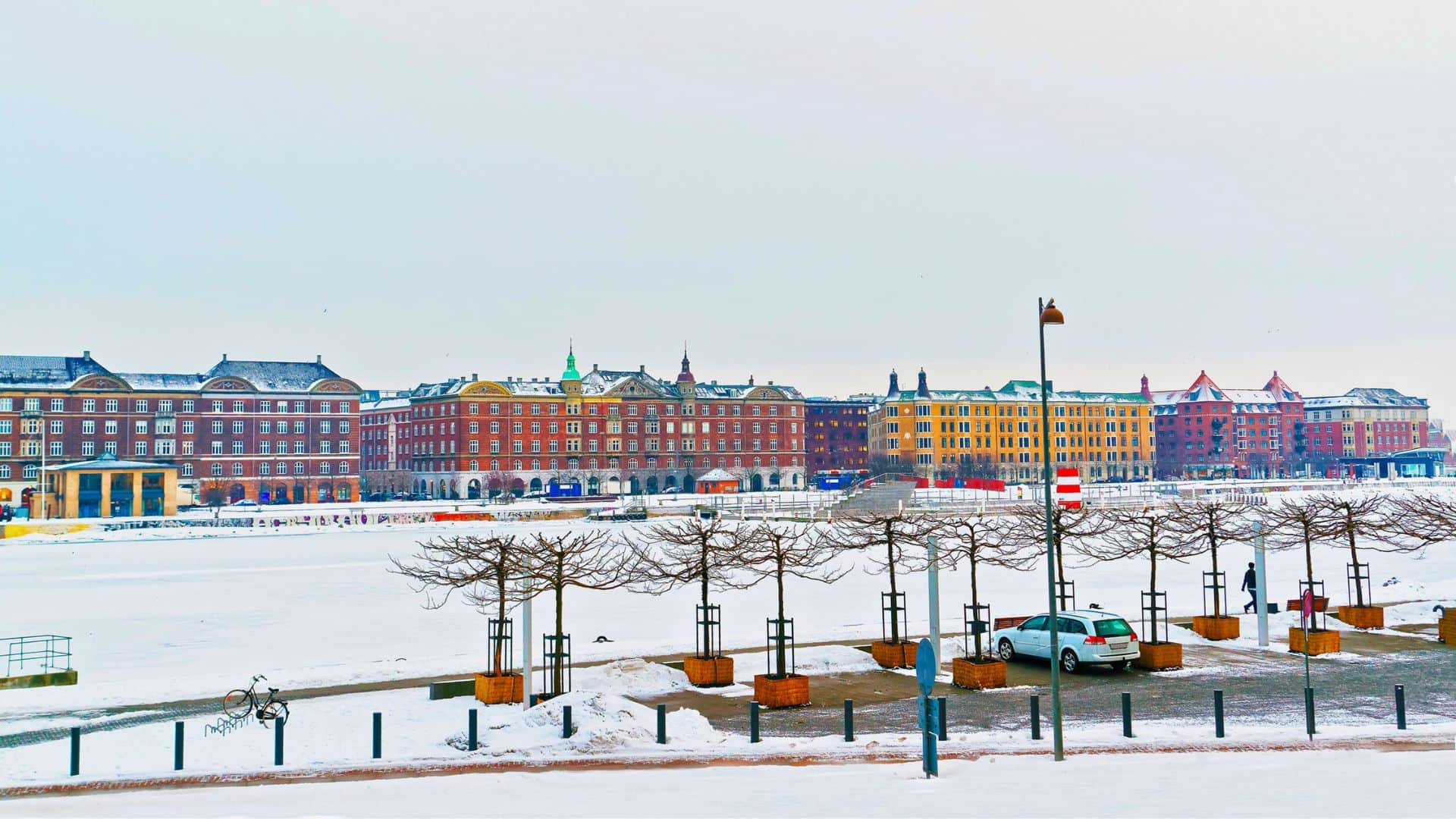
Denmark is known for high living standards, and that extends to family infrastructure. Sidewalks are wide, bike paths are protected, and public transit is straightforward. Copenhagen’s compact layout minimizes long travel days between attractions. Many restaurants provide high chairs and child-friendly menus without being asked. Public playgrounds are integrated into neighborhoods, offering natural breaks during sightseeing. While prices can be high, the ease of moving around reduces daily stress. Planning activities within walkable districts keeps itineraries manageable.
Canada
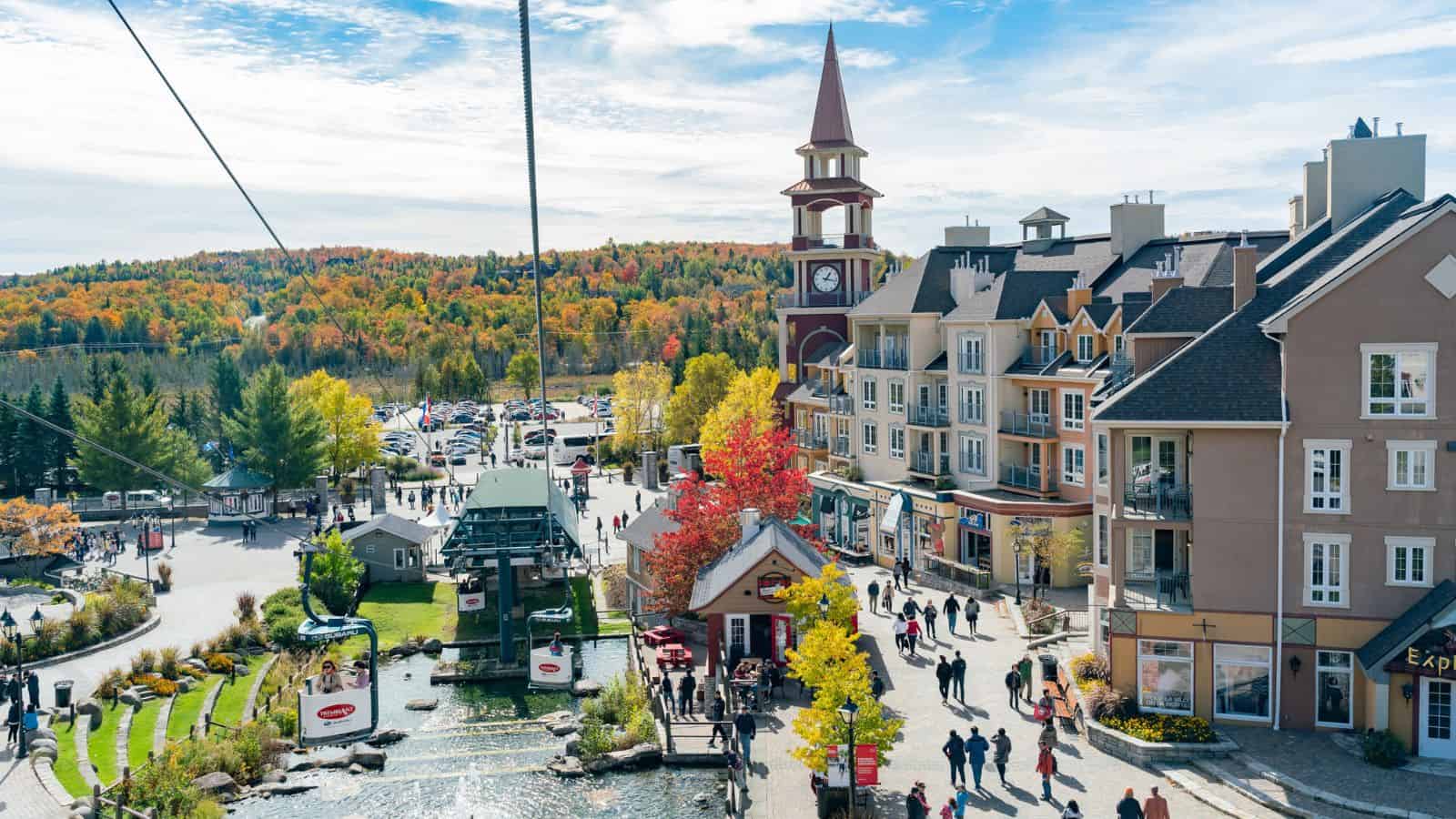
Canada’s cities are often spacious, clean, and designed with families in mind. Public parks are common, and healthcare facilities are accessible in major urban centers. English and French signage is clear, reducing navigation challenges. Grocery stores and pharmacies are widely available, which helps parents manage routine needs. While distances between cities are large, urban public transit is generally reliable. Families who cluster activities by neighborhood and plan realistic travel times between regions typically experience fewer logistical surprises.
Singapore

Singapore may appear fast-paced, but it is highly structured and easy to navigate. Public transportation is efficient, air-conditioned, and stroller-accessible. English is widely spoken, reducing communication barriers. Public restrooms are common in malls and transit hubs. Food courts offer varied options, making it easier to accommodate different preferences. The city’s compact size minimizes long transfers. Parents who schedule outdoor activities in the morning to avoid midday heat often find the experience smoother than expected.
Netherlands
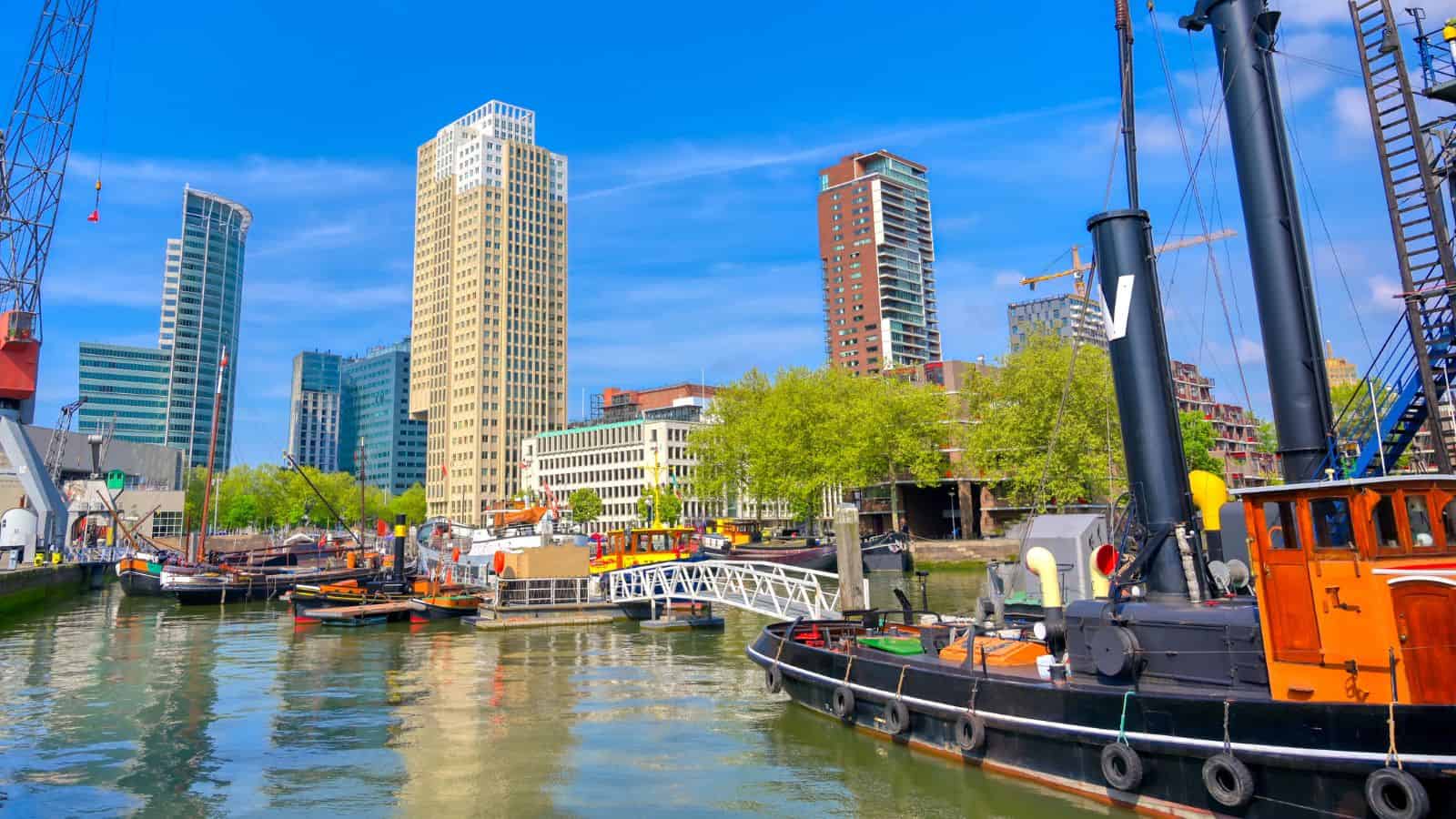
The Netherlands has a strong cycling culture, but it is also pedestrian-friendly and well organized. Trains connect major cities quickly, and distances are relatively short. Museums often provide family programming and interactive exhibits. Parks and open public spaces are integrated throughout cities like Amsterdam and Utrecht. English is widely spoken, which reduces communication friction. Planning around bike traffic awareness and booking tickets in advance during peak season makes daily movement predictable for families.
Australia

Australia’s cities offer spacious layouts, clear signage, and accessible public facilities. Beaches and outdoor parks provide natural activity breaks without additional cost. Supermarkets are easy to find, supporting self-catering for families. While distances between regions are long, domestic flights are frequent. Urban transportation systems in cities like Sydney and Melbourne are straightforward. Families who structure travel around one region at a time, rather than attempting cross-country itineraries, often find the experience manageable.
Portugal

Portugal’s relaxed dining culture and walkable historic districts can simplify family travel. Restaurants commonly accommodate children, and meals are not rushed. Public transit in Lisbon and Porto is affordable and connected. Smaller city sizes reduce long commutes between attractions. Beaches along the Algarve provide accessible outdoor time. Planning accommodations near transit lines and preparing for hilly terrain in certain areas helps parents move more comfortably with strollers.
Want to save this?
United Kingdom

The United Kingdom can feel familiar for English-speaking families, reducing communication barriers. Public transport in cities like London is extensive, though planning around peak hours is important. Museums often offer free entry and interactive sections for children. Grocery stores are widespread, supporting budget-conscious meal planning. Compact rail connections make day trips feasible without car rentals. Reserving train seats in advance and using contactless payment systems helps streamline movement.
Germany
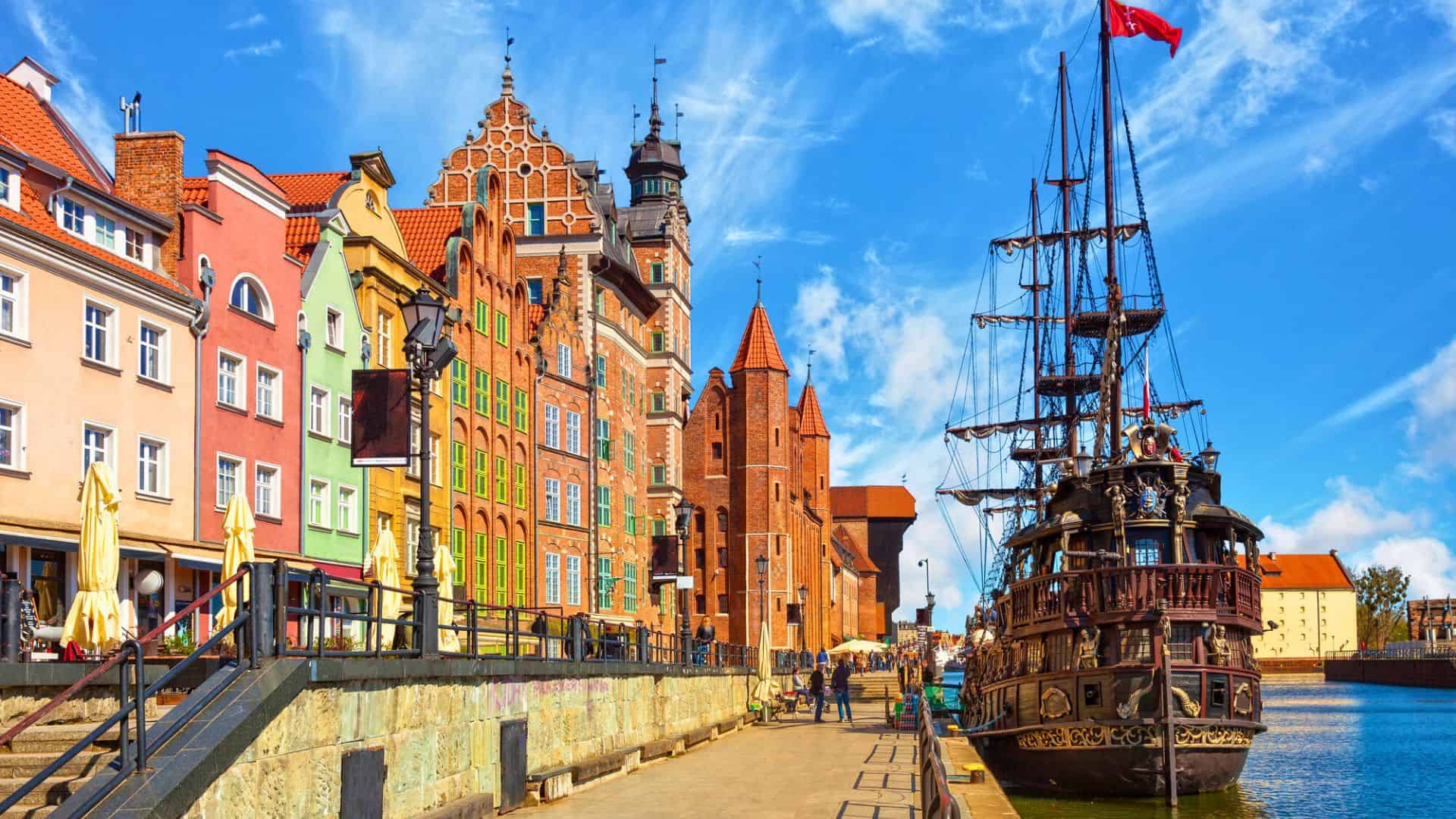
Germany combines efficient transportation with organized public spaces. Trains are reliable, and family compartments are available on many routes. Parks and pedestrian zones are integrated into city centers. Public restrooms are accessible, though sometimes fee-based. Supermarkets carry familiar and local brands, easing food planning. Urban layouts are structured, which simplifies navigation. Families who build itineraries around regional clusters instead of frequent long-distance transfers often find daily routines predictable.
Spain

Spain’s outdoor plazas and pedestrian zones provide flexible space for children to move freely. Dining culture is social, and children are commonly present in restaurants. Public transportation in major cities is well developed. However, meal times run later than in some countries, which requires schedule adjustments. Planning afternoon rest periods aligns better with local rhythms. Families who adapt to later evenings and cluster activities geographically often find the pace manageable.
Sweden

Sweden places strong emphasis on family-friendly public infrastructure. Sidewalks are wide, transit is accessible, and public spaces are clean and organized. Museums frequently include child-oriented exhibits. English is widely spoken, simplifying communication. While prices are higher than in many European destinations, predictable logistics reduce friction. Planning around seasonal daylight differences and booking accommodations near transit lines keeps daily travel straightforward.
United States

The United States varies widely by region, but many cities are designed with family attractions and accessible amenities. Theme parks, national parks, and science museums provide structured activities. Grocery chains and pharmacies are easy to find. Car rentals simplify movement outside major urban cores. Distances can be large, so clustering activities geographically is essential. Families who limit multi-city itineraries and plan for realistic drive times typically avoid unnecessary stress.
Italy

Italy’s strong family culture often translates into patience toward children in public settings. Restaurants commonly welcome families, and public squares offer open space for breaks. Train connections between major cities are efficient, though reservations are recommended. Historic districts can include uneven pavement, which affects stroller use. Planning accommodations near transit hubs reduces long walks. Families who pace sightseeing and incorporate regular downtime often find the environment more accommodating than expected.
10 Lakes That Feel Right in Spring Before the Crowds Arrive

Spring changes how a lake feels. This article features lakes that feel right in spring before the crowds arrive, focusing on places where cooler air, lighter traffic, and quieter shorelines shape a different kind of visit. These lakes often feel more open and manageable before peak season sets in.
Read More Here: 10 Lakes That Feel Right in Spring Before the Crowds Arrive
9 Passport Myths That Can Cause Real Travel Problems
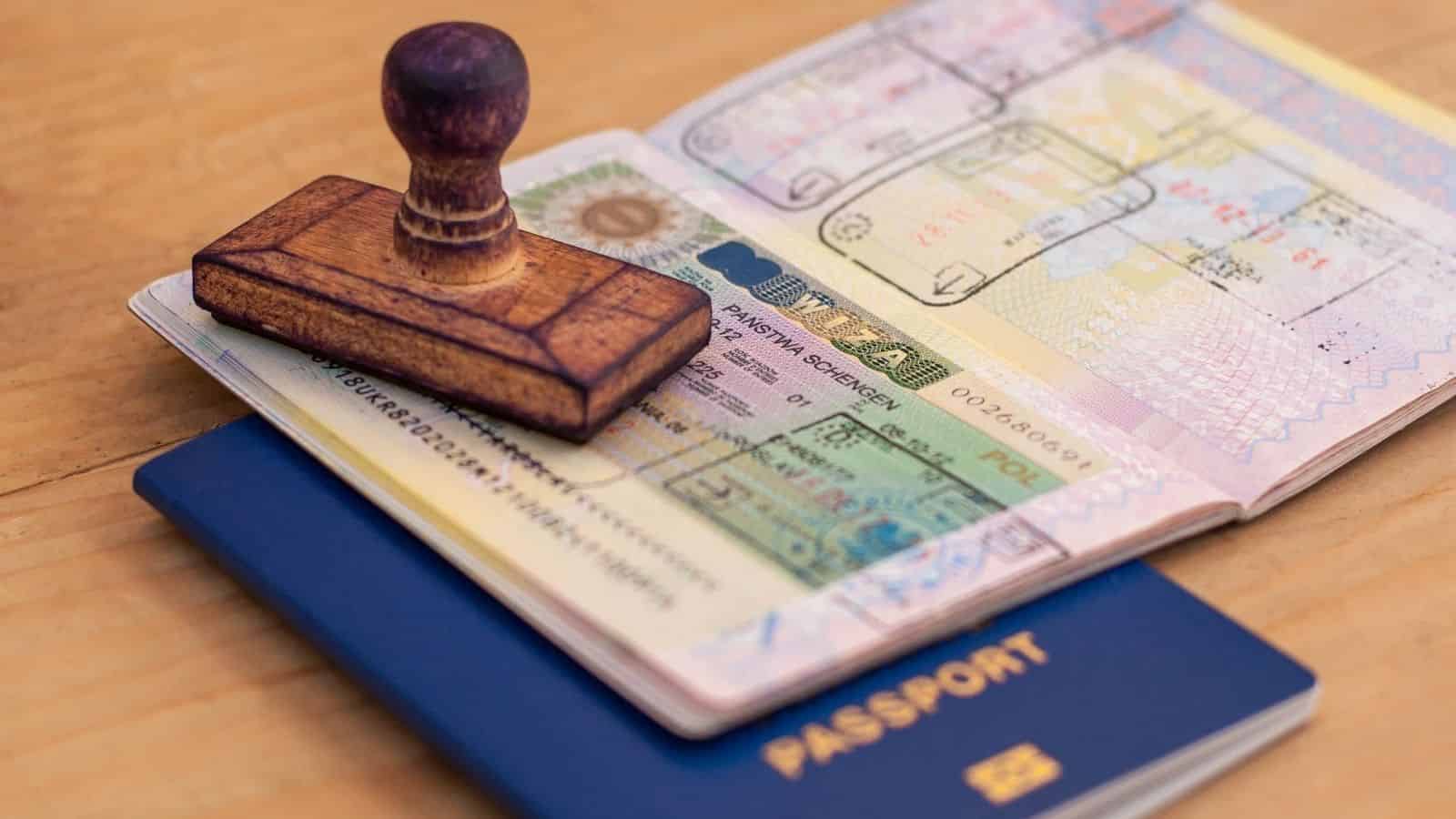
Passport rules can seem straightforward, but common misunderstandings create real trouble. This article features passport myths that can cause real travel problems, focusing on widely believed ideas that do not match actual requirements. Small assumptions about validity, blank pages, or expiration dates can quickly turn into denied boarding or entry issues.
Read More Here: 9 Passport Myths That Can Cause Real Travel Problems



Leave a Reply