
Timing can shape how a destination feels more than the destination itself. This article features places people regret visiting at the wrong time of year, focusing on locations where weather, crowds, or seasonal closures change the experience dramatically. What looks great in photos can feel disappointing when conditions do not line up with expectations.
Knowing when a place shines and when it struggles can help avoid frustration and wasted money. A small shift in travel dates can make a big difference in comfort and access. Keep reading to see which places made the list and why timing mattered more than travelers expected.

Venice, Italy
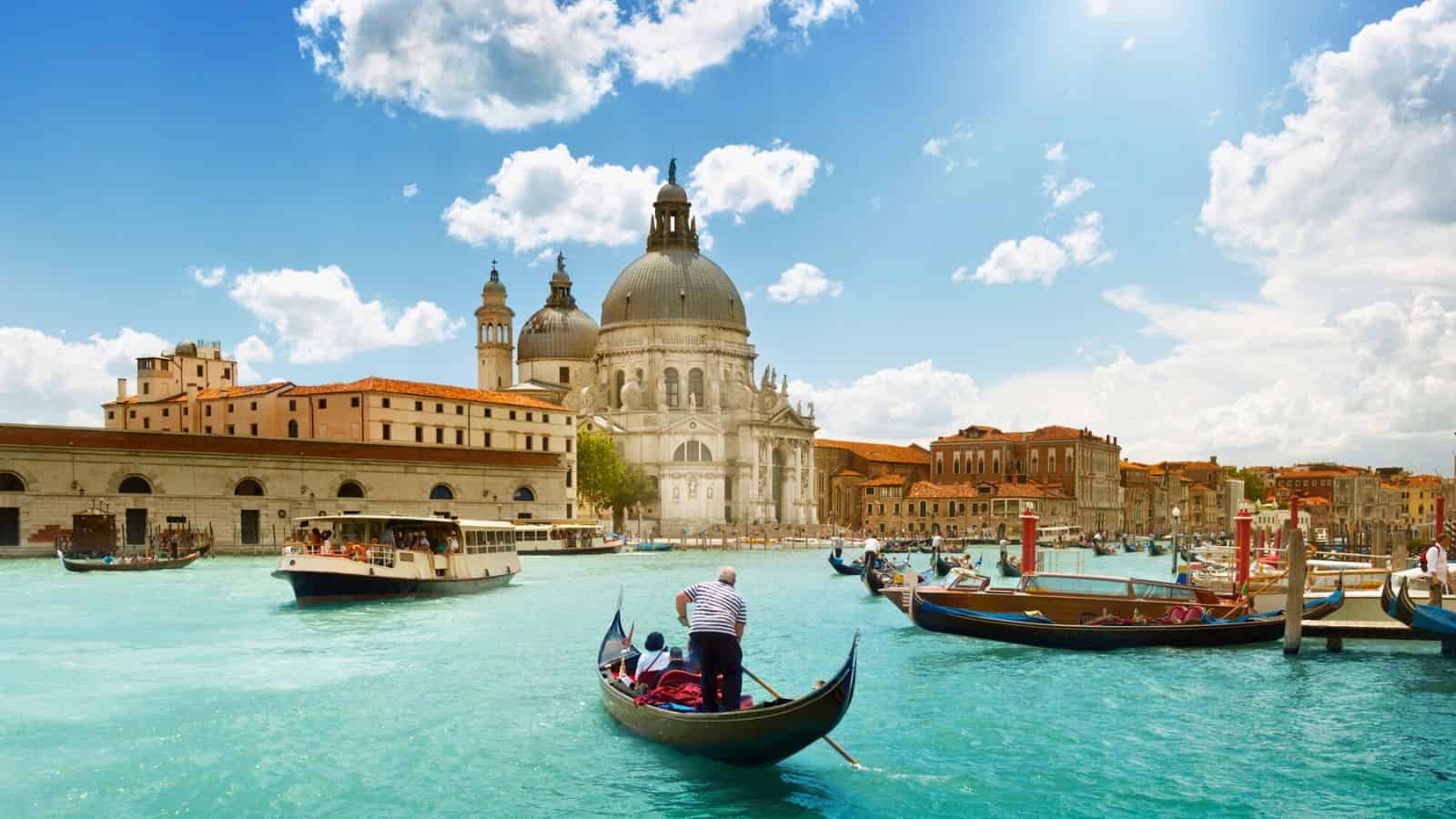
Venice is magical in photos, but timing makes all the difference. In peak summer, especially July and August, the city becomes intensely crowded. Cruise ships release thousands of visitors at once, turning narrow alleyways and bridges into slow-moving lines. The heat reflects off stone buildings and canals, making afternoons feel stifling. Acqua alta flooding in late fall can also disrupt plans, closing walkways and requiring raised platforms across major squares. Hotel prices surge during busy months, and restaurant reservations become competitive. Travelers who come during shoulder seasons often enjoy quieter mornings, easier movement, and a more authentic rhythm.
Santorini, Greece

Santorini’s cliffside villages and whitewashed architecture look serene, but peak summer can feel anything but peaceful. From June through August, cruise passengers flood Oia and Fira daily, crowding narrow paths and filling restaurants hours before sunset. Temperatures frequently climb into the mid-30s Celsius, and shade is limited along popular viewpoints. Accommodation prices spike, and last-minute bookings become difficult. Even short transfers between towns can take longer due to traffic congestion. Visitors expecting a calm island escape sometimes leave feeling overwhelmed. Traveling in late spring or early fall allows for better weather, fewer crowds, and a more relaxed experience.
Bangkok, Thailand
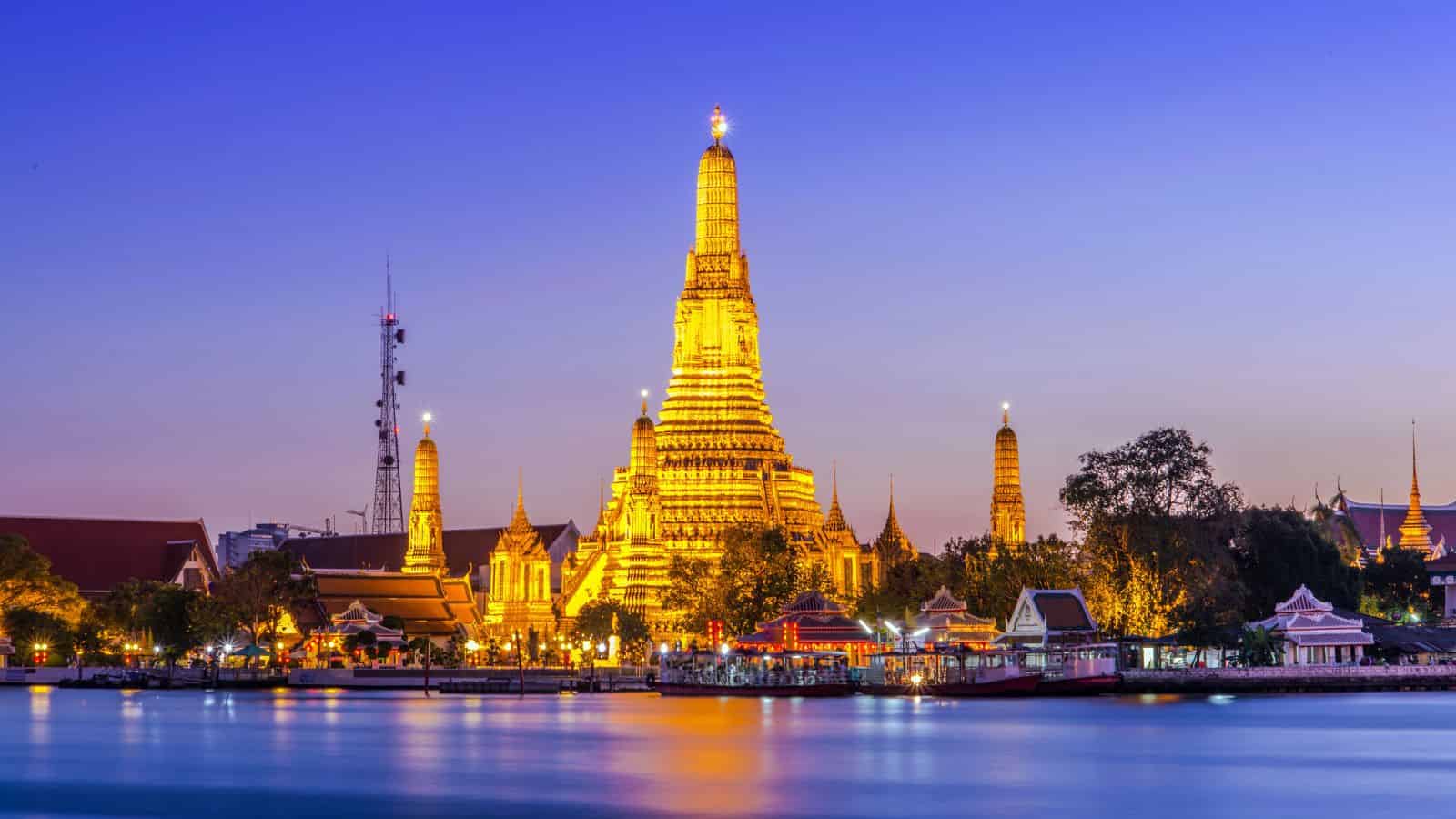
Bangkok is vibrant year-round, but the rainy season can catch travelers off guard. From roughly May through October, heavy downpours often arrive suddenly and intensely, flooding streets and slowing traffic that is already dense. Humidity levels remain high even between storms, making walking tours of temples and markets physically draining. Outdoor attractions become less enjoyable when heat and rain combine. While hotel rates may drop during this period, sightseeing requires flexibility. Those who visit during the cooler dry season often find the city easier to navigate, more comfortable to explore, and less physically exhausting.
Reykjavik, Iceland

Winter in Reykjavik promises northern lights and snowy landscapes, but conditions can be harsher than many expect. Daylight hours shrink dramatically, sometimes offering only four to five hours of usable light in midwinter. Snowstorms and strong winds can close roads, cancel tours, and delay flights. Renting a car during icy conditions requires confidence, and remote attractions may become inaccessible. While the scenery is striking, limited mobility can compress itineraries. Travelers who visit in late spring or early autumn often find a balance between manageable weather and smaller crowds, with more daylight to explore waterfalls, glaciers, and volcanic terrain.
Paris, France

Paris feels timeless, but August brings a noticeable shift. Many Parisians leave the city for summer holidays, and smaller boutiques, bakeries, and family-run restaurants may close for weeks. The heat can also build across paved boulevards and in metro stations without air conditioning. Popular attractions remain open, but they often operate with long queues due to peak tourist season. Travelers who expect bustling neighborhood life sometimes find certain districts unusually quiet. Visiting in late spring or early autumn offers milder temperatures, open storefronts, and a livelier local presence that better reflects the city’s everyday character.
Dubai, UAE

Dubai dazzles with skyscrapers, beaches, and desert excursions, but summer can make outdoor plans nearly impossible. From June through September, temperatures regularly exceed 40°C (104°F), with humidity adding to the discomfort. Even short walks between buildings can feel overwhelming, and sightseeing outdoors during midday becomes unrealistic. Desert safaris shift to late evening, and pool or beach time can feel more draining than relaxing. While indoor attractions are air-conditioned and hotel rates may dip, the overall experience can feel limited. Visiting between November and March allows for pleasant evenings, outdoor dining, and more enjoyable exploration.
Want to save this?
Machu Picchu, Peru

Machu Picchu is a bucket-list destination, but timing your visit matters. The rainy season, typically from November through March, can bring heavy showers that turn hiking trails muddy and slippery. Clouds often obscure the iconic mountain views, leaving visitors disappointed after long journeys. Train services from Cusco can face delays, and landslides occasionally disrupt access routes. Even the Inca Trail may close temporarily for maintenance. While fewer crowds can be a benefit, unpredictable weather complicates logistics. Visiting during the dry season, particularly May through September, generally offers clearer skies and more reliable travel conditions.
New Orleans, USA

New Orleans is famous for its energy, but visiting during peak summer can feel exhausting. High humidity and temperatures above 32°C (90°F) make walking through the French Quarter physically demanding. Sudden thunderstorms are common, and hurricane season introduces the possibility of travel disruptions. Right after Mardi Gras, prices remain elevated and accommodations can be harder to secure. Travelers expecting breezy evenings sometimes struggle with the heat. Spring and late autumn tend to offer more comfortable weather, lively festivals, and a more balanced atmosphere that allows visitors to enjoy music, food, and architecture without feeling drained.
Tokyo, Japan

Tokyo is exciting year-round, but summer humidity surprises many first-time visitors. July and August bring sticky heat that makes sightseeing between neighborhoods tiring. Long walks through temple grounds, markets, and shopping districts become more challenging, and packed trains amplify the discomfort. Typhoon season can also affect travel plans with heavy rain and delays. During cherry blossom season in late March and early April, prices rise sharply and parks fill quickly. While spring is beautiful, it requires advance planning. Visiting in late autumn often brings crisp air, manageable crowds, and a more comfortable pace for exploring the city.
Banff, Canada

Banff looks peaceful in photos, but summer congestion can overwhelm visitors. Between June and September, parking lots at Lake Louise and Moraine Lake fill before sunrise, and shuttle reservations sell out quickly. Traffic builds along scenic roads, and accommodations book months in advance at higher prices. Winter offers a quieter experience, but many hiking trails close due to snow, and icy conditions limit access to certain viewpoints. Travelers expecting easy spontaneity may feel restricted. Shoulder seasons—late spring or early fall—often provide fewer crowds while still allowing access to lakes, trails, and mountain scenery.
Rome, Italy
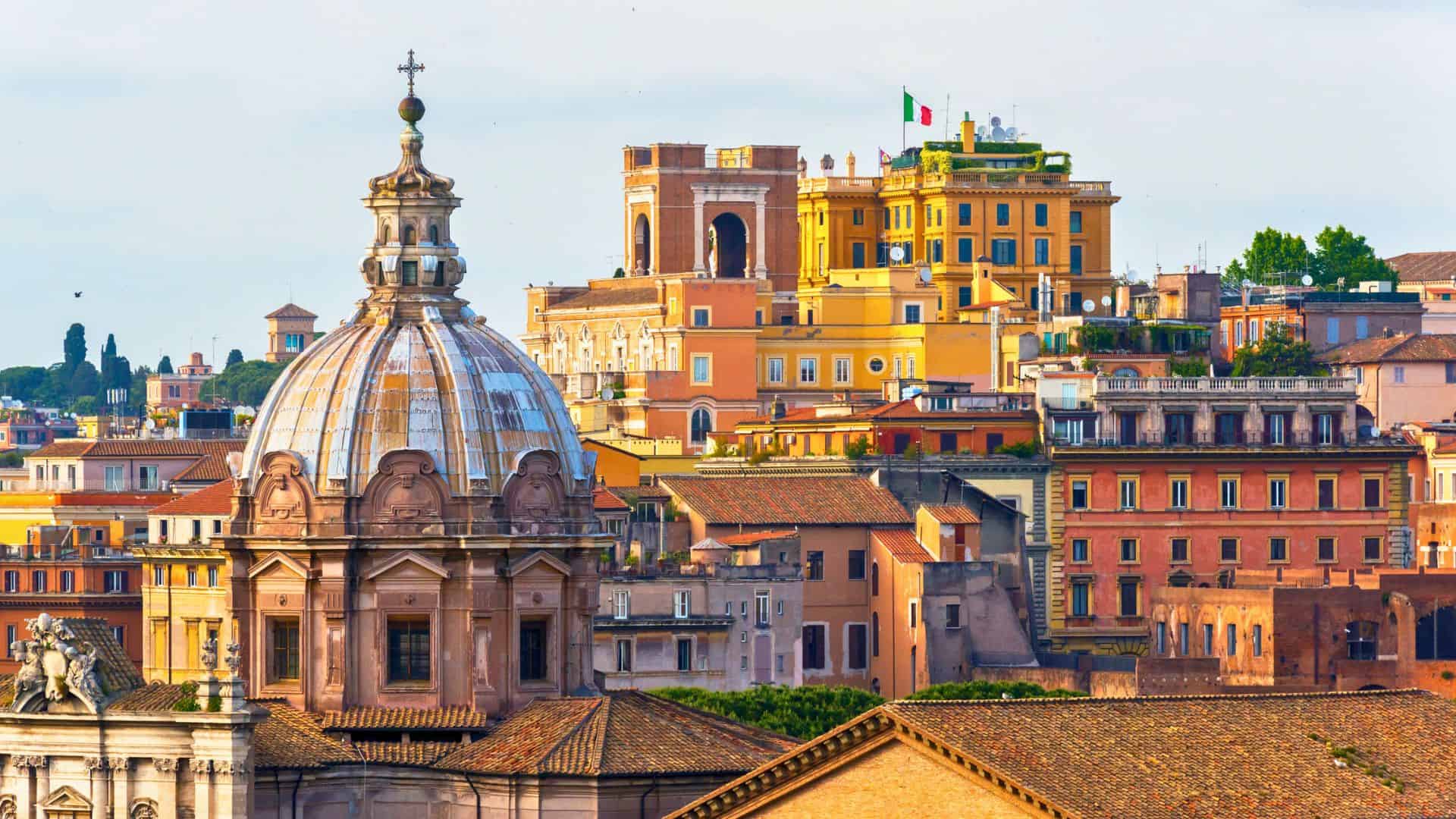
Rome’s ancient landmarks attract millions, and summer intensifies the experience. From June through August, temperatures climb well above 30°C (86°F), and standing in long lines at the Colosseum or Vatican Museums becomes exhausting. Shade is limited around major ruins, and cobblestone streets radiate heat. Hotels and flights are at peak pricing, and restaurants near tourist sites fill quickly. Visitors who imagine leisurely sightseeing often find themselves rushing between air-conditioned spaces. Spring and autumn typically offer milder weather and more manageable crowds, allowing travelers to appreciate historic sites, piazzas, and local neighborhoods at a more comfortable pace.
10 Airports So Massive Even Frequent Flyers Get Disoriented
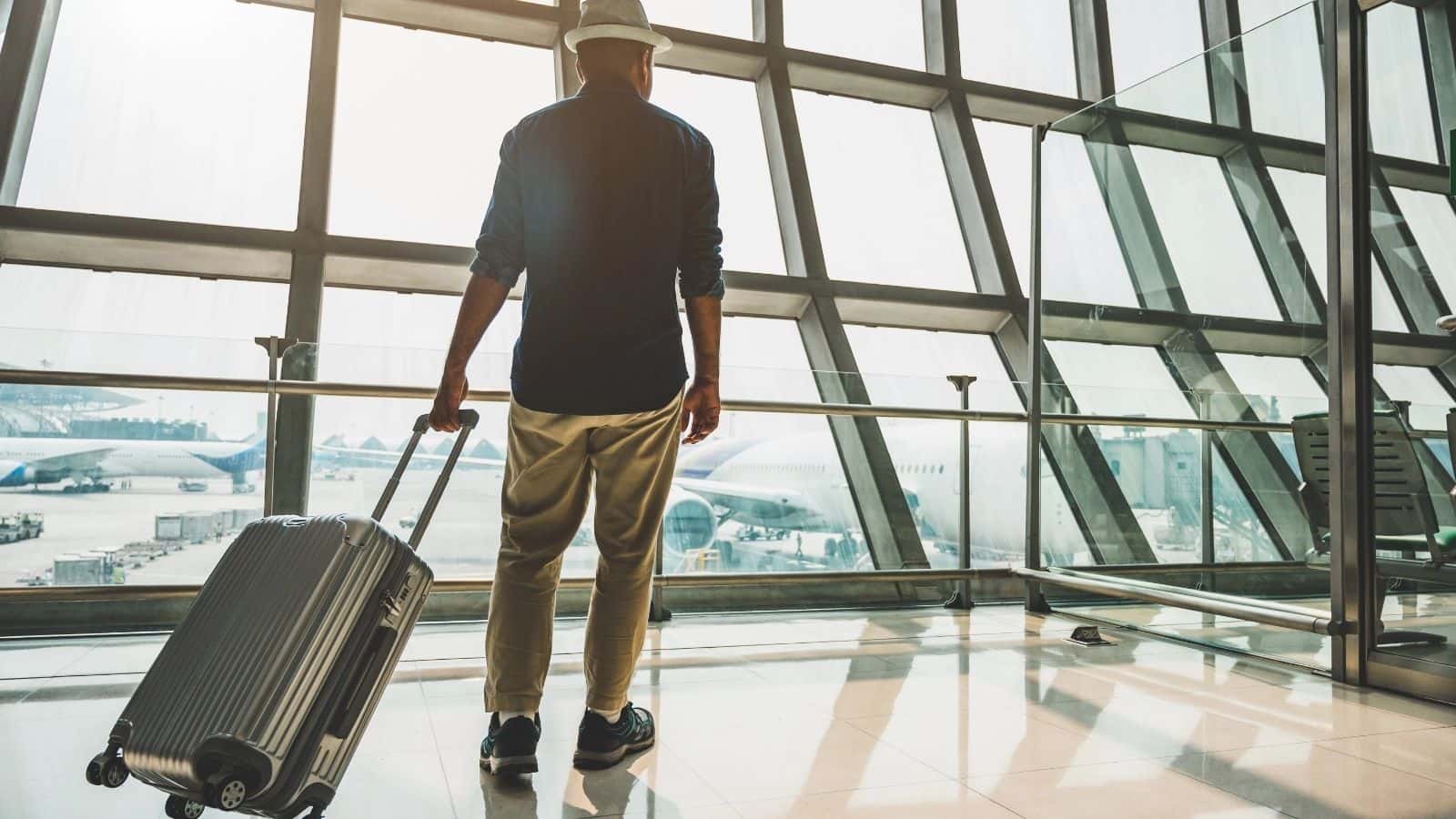
Airports are designed to move people efficiently, but size can work against that goal. This article features airports so massive even frequent flyers get disoriented, focusing on hubs where long corridors, multiple terminals, and complex layouts make navigation harder than expected. What looks manageable on a map can feel overwhelming once inside.
Read More Here: 10 Airports So Massive Even Frequent Flyers Get Disoriented
11 Airport Snacks Worth Packing Instead of Paying $15 at the Terminal

Airport food has earned its reputation for high prices and disappointing portions. It is not unusual to spend more on a basic sandwich than you would on a full meal outside the terminal. Add long lines and limited healthy choices, and many travelers end up buying something they do not even want, simply because it is convenient. The good news is that security rules allow far more food options than most people realize. Solid snacks that are properly packed can pass through screening without issue, giving you control over both cost and quality.
Read More Here: 11 Airport Snacks Worth Packing Instead of Paying $15 at the Terminal

Leave a Reply