
Around the world, there are 13 iconic places that might look different soon, and that's just reality. Landscapes are shifting, and historic sites are under pressure from climate change, rising seas, heavier tourism, and steady development. The photos of these places you’ve seen for years may not match what future travelers see. That doesn’t mean these destinations are disappearing tomorrow. It just means they’re evolving, and in some cases, losing the features that made them famous.
This isn’t about drama. It’s about awareness. If you’ve been putting off a big trip, thinking you’ll get to it someday, this might be a great reason to move it up your list. Travel memories last. Landscapes don’t always stay the same. Seeing these places now means experiencing them closer to the way generations before you did—and that’s a story worth having.
Great Barrier Reef (Australia)
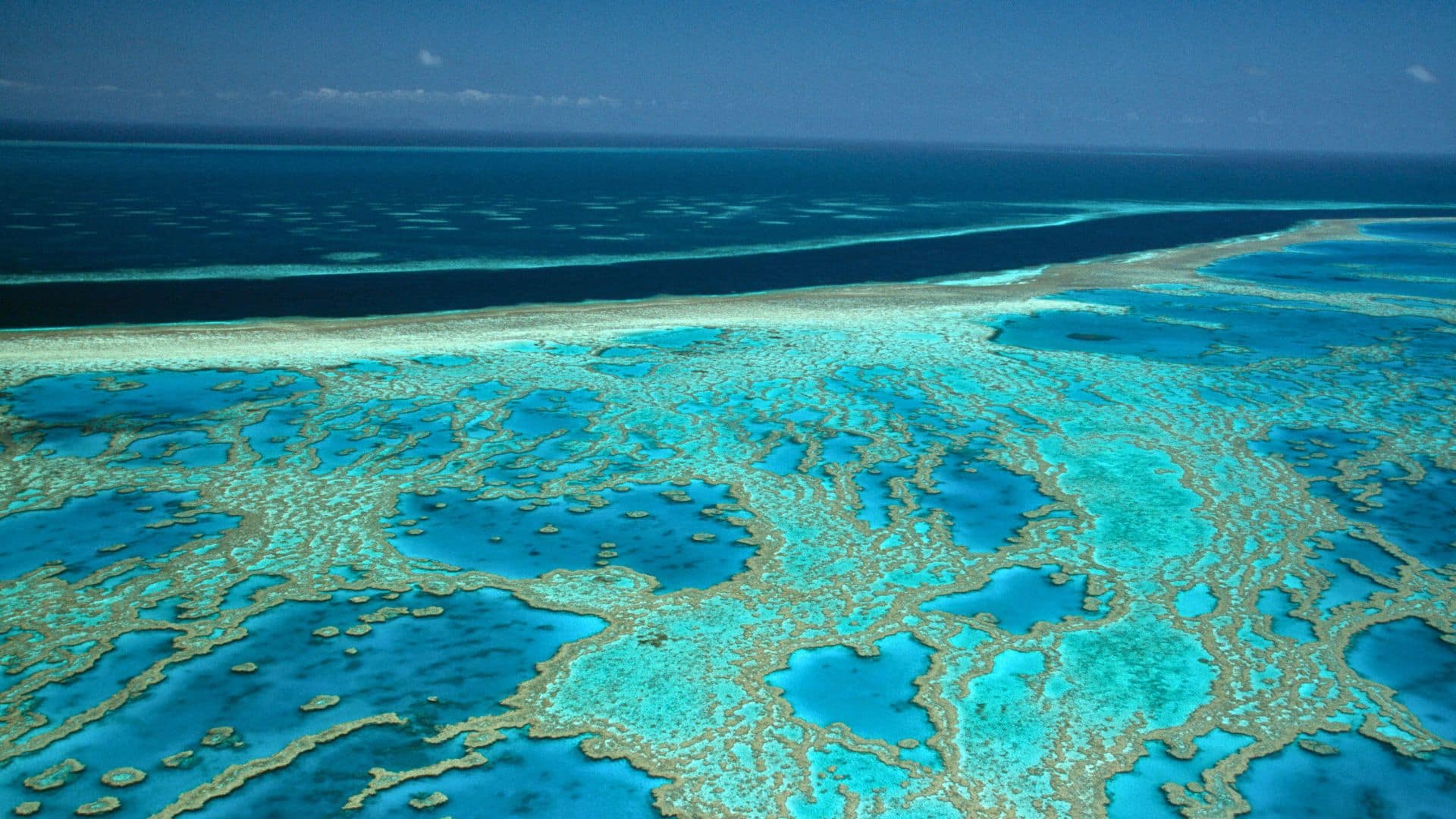
Stretching over 1,400 miles along Australia’s northeast coast, the Great Barrier Reef is the largest coral reef system on Earth and can even be seen from space. Its vibrant coral formations and marine life have drawn divers and researchers for decades. However, repeated marine heatwaves have triggered widespread coral bleaching, turning once-colorful reefs pale and fragile. Ocean acidification further weakens coral skeletons, while pollution and coastal development add pressure. Some sections show signs of recovery, yet climate projections suggest severe changes ahead. Visiting now reveals both its breathtaking scale and the visible marks of a rapidly shifting ocean environment.
Venice (Italy)
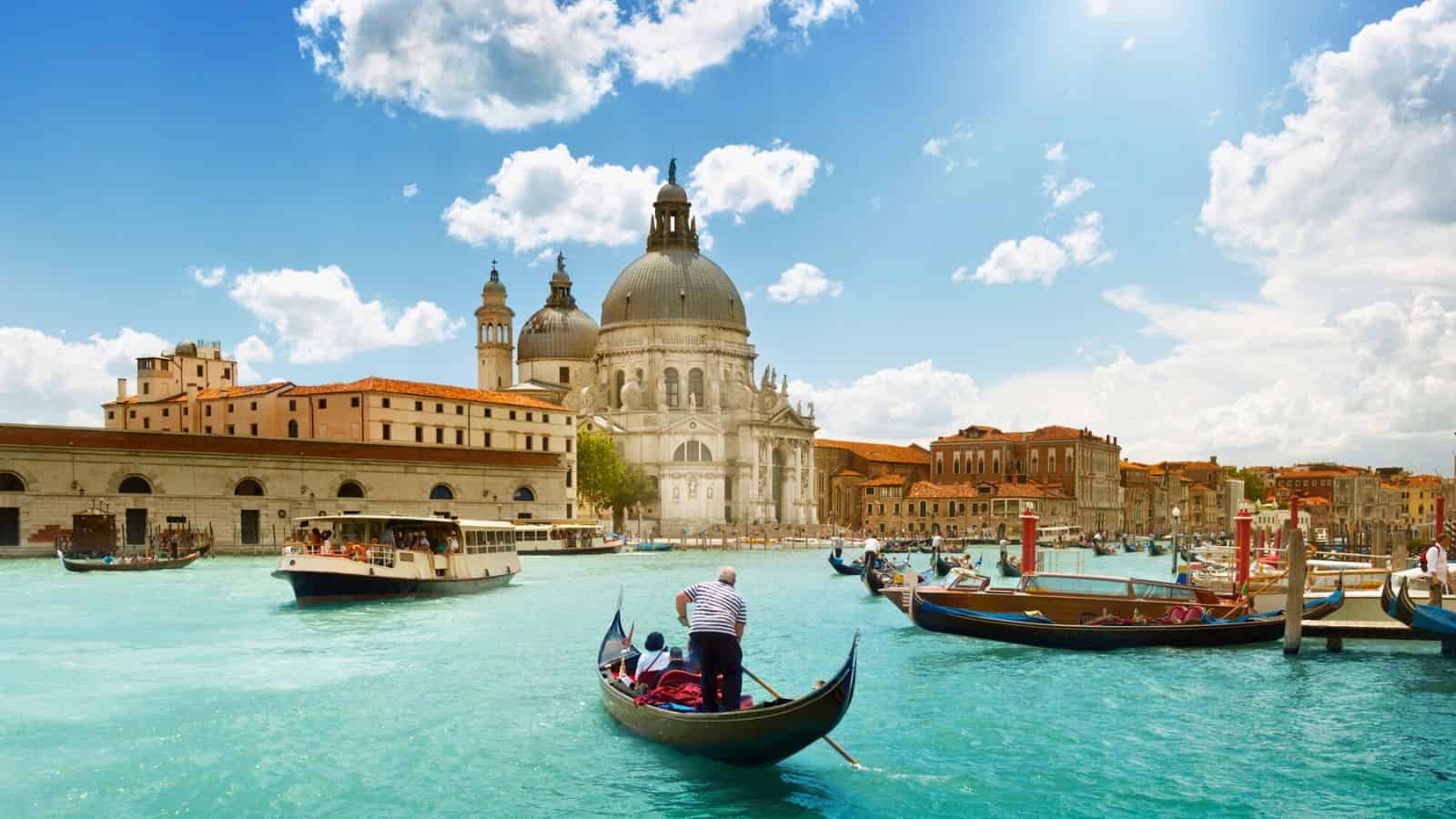
Built on a network of canals and wooden pilings in a shallow lagoon, Venice has long balanced between water and land. Seasonal high tides, known as acqua alta, are becoming more frequent and intense as sea levels rise. Saltwater erosion damages marble facades, while cruise ship traffic and mass tourism strain infrastructure. The MOSE flood barrier system aims to shield the city from extreme tides, yet long-term projections remain uncertain. Wandering through St. Mark’s Square during a dry afternoon may feel timeless, but subtle signs—elevated walkways and water stains—reveal a city adapting to mounting environmental challenges.
Glacier National Park (USA)

Located in Montana’s Rocky Mountains, Glacier National Park once contained more than 150 active glaciers. Today, only a fraction remain large enough to meet scientific criteria. Warmer summers and reduced snowfall have accelerated ice loss, reshaping valleys carved over thousands of years. As glaciers retreat, alpine meadows shift, wildlife habitats change, and stream flows fluctuate. Iconic views along the Going-to-the-Sun Road now reveal exposed rock where thick ice once dominated the skyline. Researchers predict many remaining glaciers could vanish within decades, altering not just scenery but also the ecological balance that defines this dramatic mountain landscape.
The Maldives

Scattered across the Indian Ocean, the Maldives consists of nearly 1,200 low-lying coral islands, many rising just a few feet above sea level. White sand beaches and turquoise lagoons draw travelers from around the world, yet the nation stands on the front lines of climate change. Rising seas threaten to inundate inhabited islands, contaminate freshwater supplies, and erode shorelines. Coral reefs that protect the atolls from storm surges are also stressed by warming waters. Government initiatives explore floating infrastructure and land reclamation, but the future remains uncertain for communities whose cultural identity is deeply tied to these fragile islands.
Machu Picchu (Peru)

Perched high in Peru’s Andes Mountains, Machu Picchu showcases Incan engineering and stonework that has endured for centuries. The site’s terraced slopes and precisely fitted walls withstand frequent rainfall and seismic activity. However, increasing visitor numbers place pressure on narrow pathways and ancient foundations. Heavy rains linked to climate variability raise the risk of landslides, while nearby development affects the surrounding cloud forest. Conservation teams monitor foot traffic and enforce timed entry to protect the ruins. Standing among the mist-covered peaks today reveals both the grandeur of this archaeological treasure and the delicate balance required to preserve it.
The Dead Sea (Jordan/Israel)

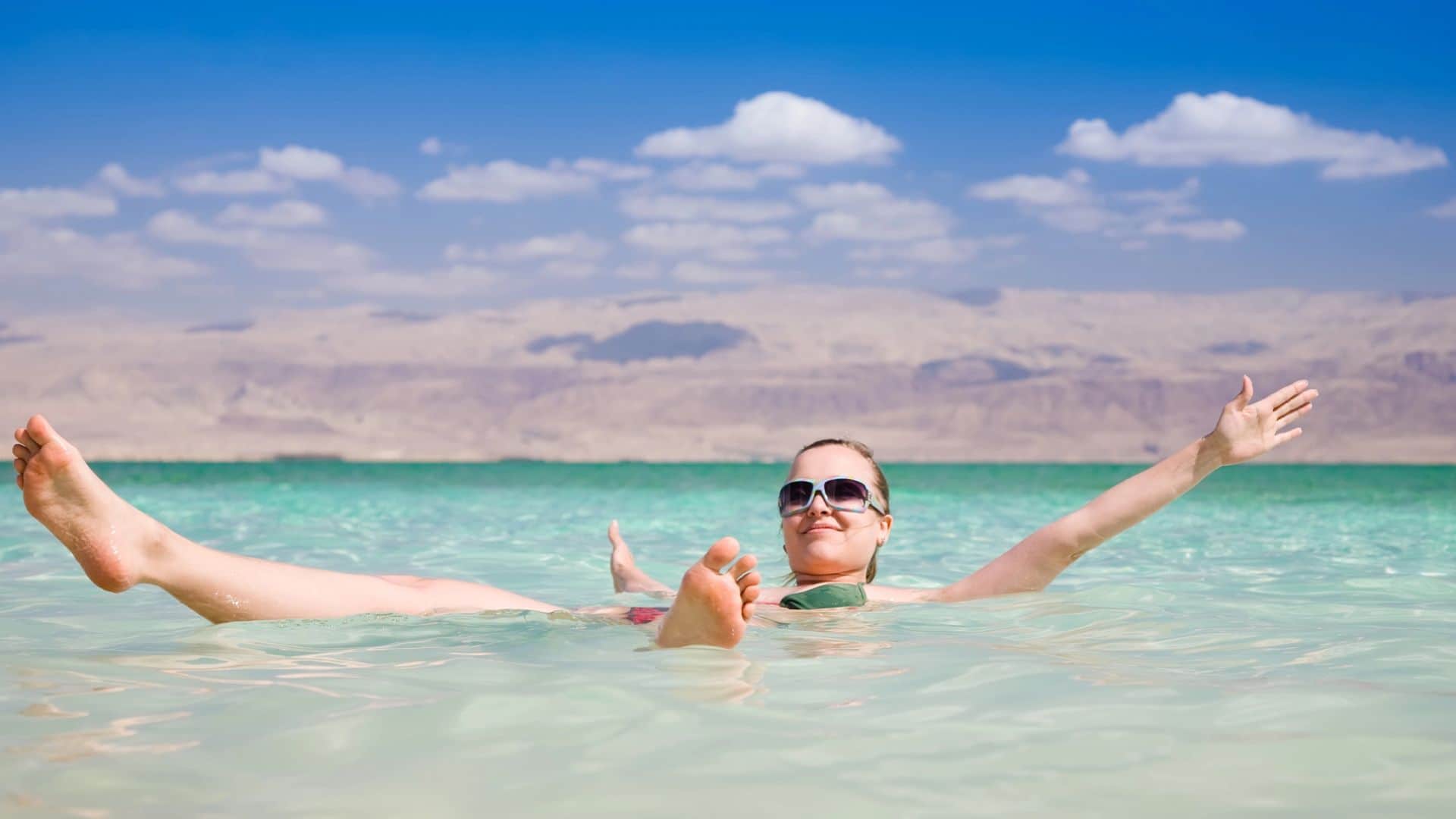
Bordering Jordan and Israel, the Dead Sea sits at the lowest point on Earth’s land surface. Known for its striking blue waters and mineral-rich shoreline, it has been shrinking at an alarming rate for decades. Water from the Jordan River, its primary source, has been heavily diverted for agriculture and urban use, while high evaporation rates intensify the decline. The receding shoreline has formed thousands of sinkholes, damaging roads, resorts, and nearby farmland. What was once a continuous body of water is now visibly fragmented, and projections suggest the landscape could transform dramatically within a generation.
Mount Kilimanjaro (Tanzania)
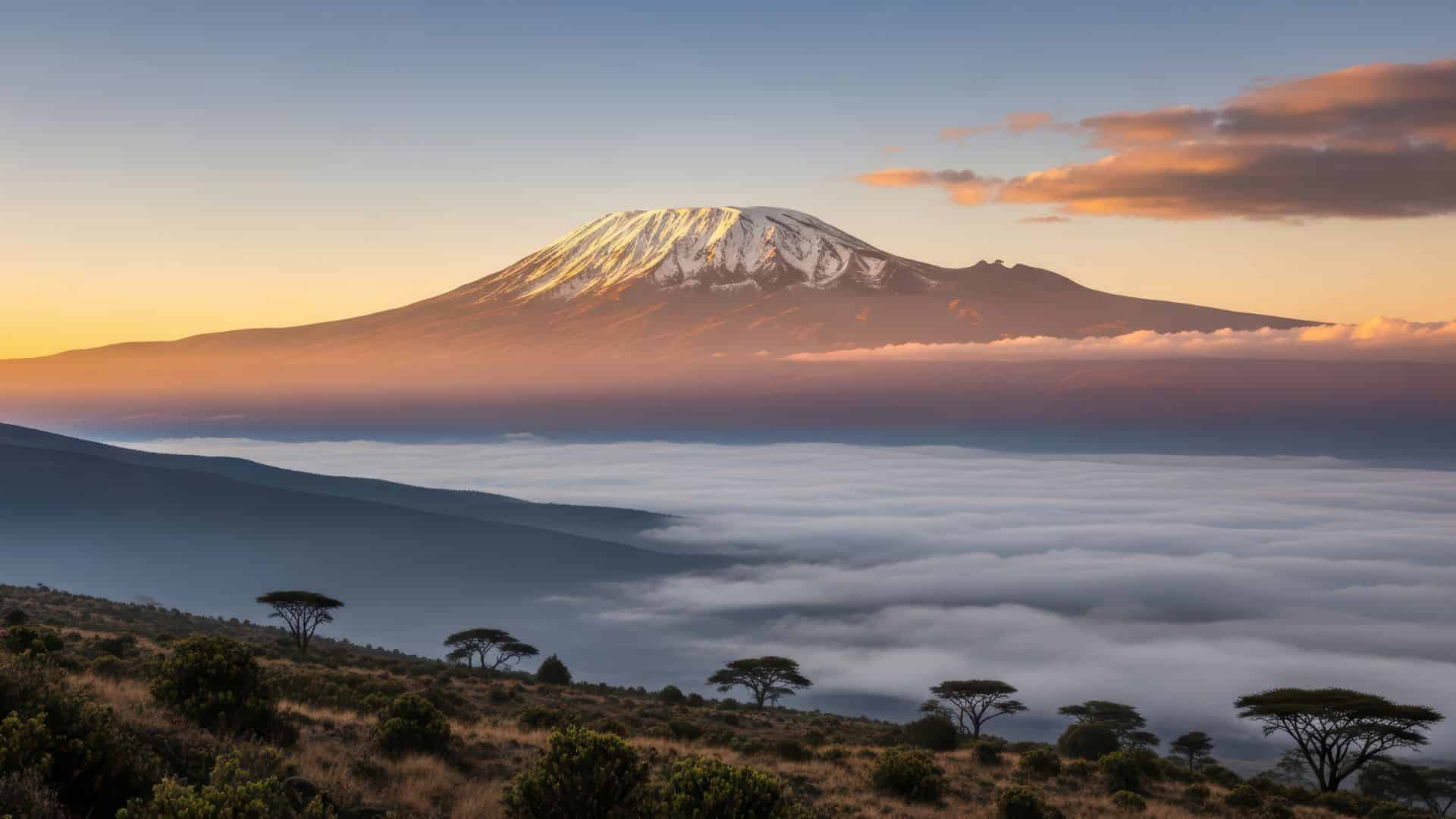
Rising above the plains of Tanzania, Mount Kilimanjaro is Africa’s highest peak and a symbol of the continent’s natural heritage. Its summit glaciers, once thick and expansive, have diminished significantly over the past century. Scientists link this decline to rising temperatures, shifting weather patterns, and reduced snowfall. The shrinking ice fields expose dark rock beneath, altering the mountain’s appearance from afar. Trekkers ascending through rainforest, moorland, and alpine desert now witness a summit cap far smaller than historical photographs reveal. If current trends continue, Kilimanjaro’s remaining glaciers could largely disappear within decades.
The Amazon Rainforest (South America)
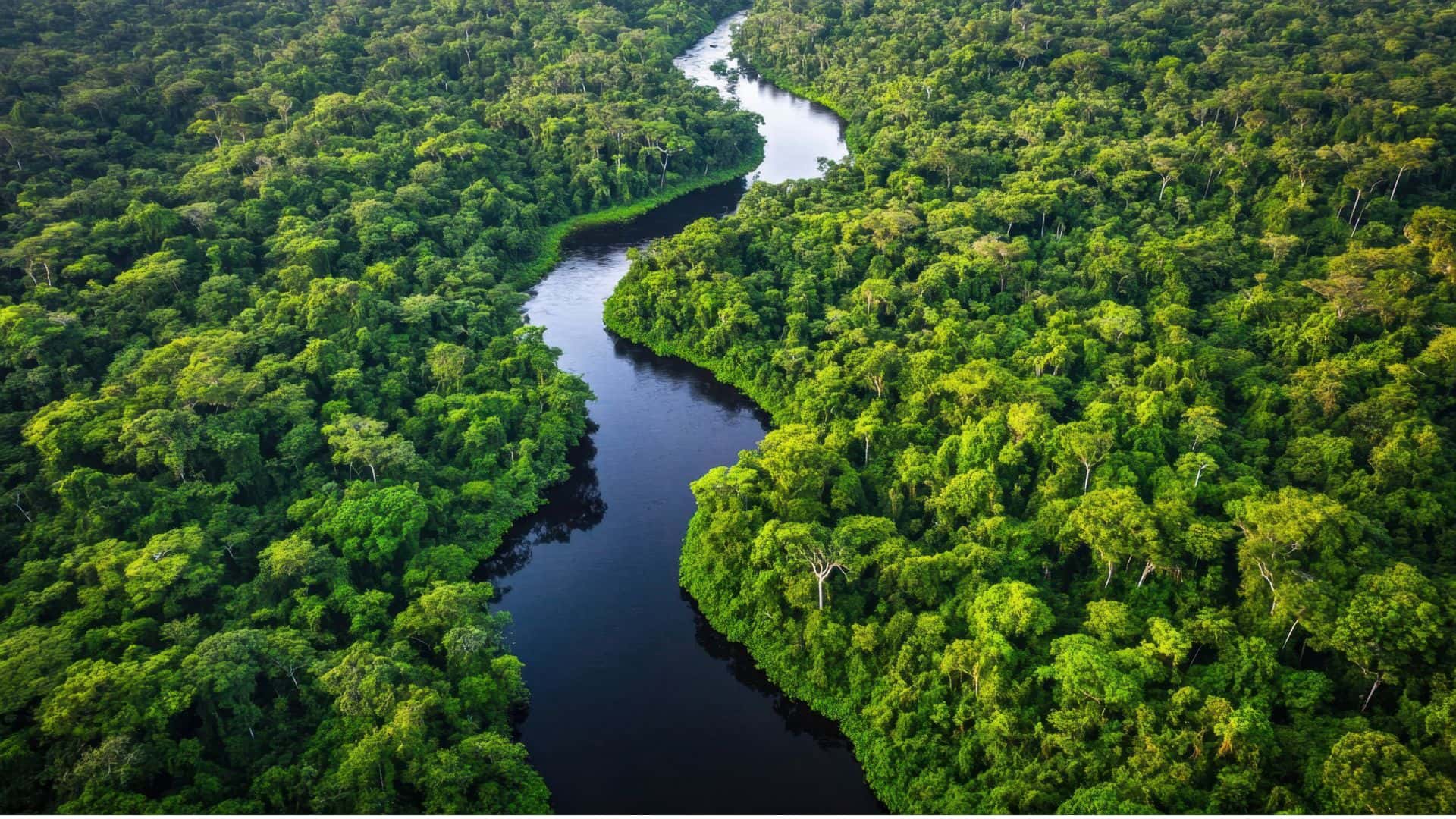
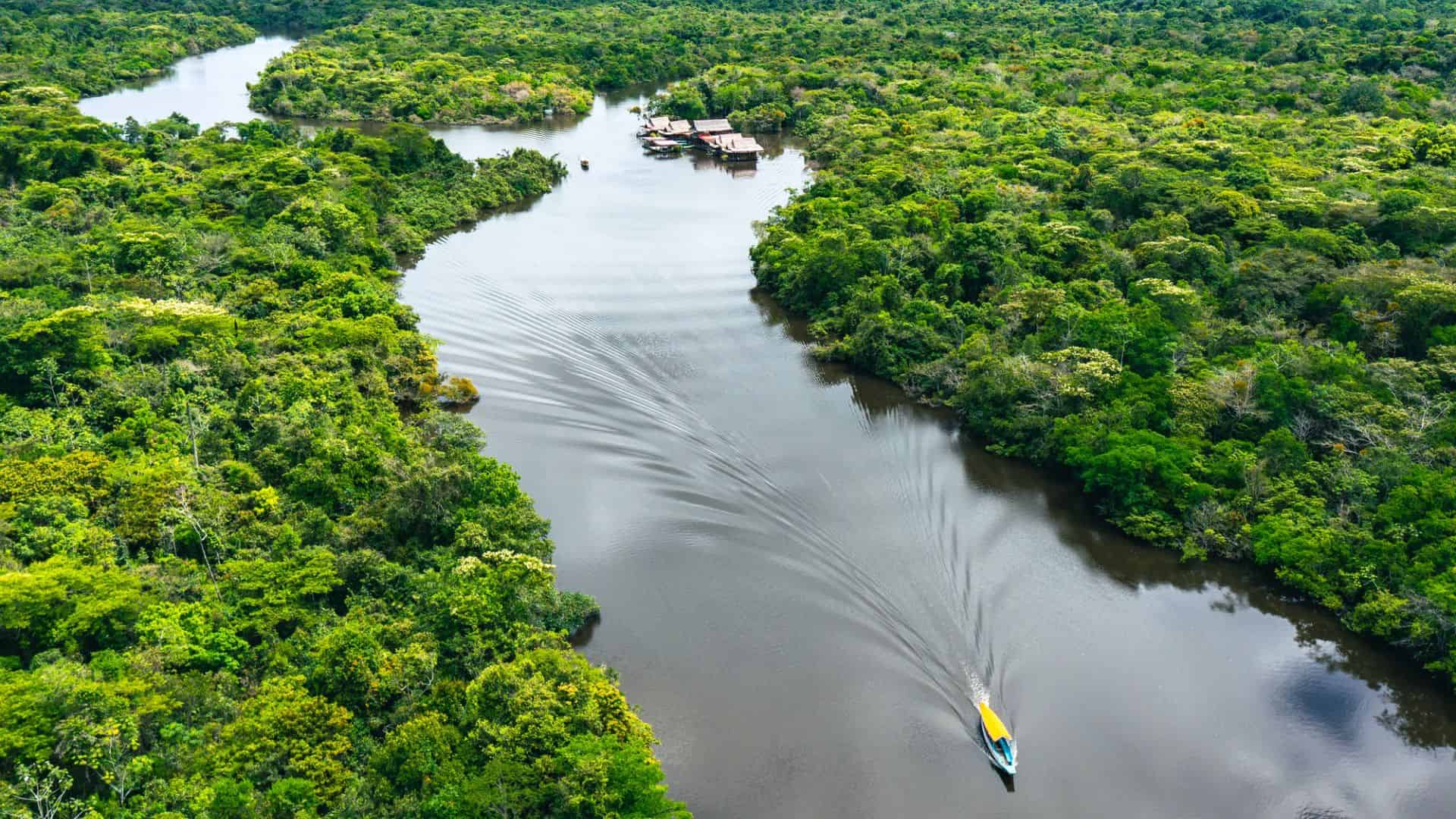
Spanning nine countries, the Amazon Rainforest plays a crucial role in regulating global climate and housing extraordinary biodiversity. Vast stretches have been cleared for cattle ranching, agriculture, mining, and infrastructure. Deforestation fragments habitats, threatens wildlife, and disrupts rainfall cycles that sustain both forest and farmland. Prolonged droughts and rising temperatures increase the risk of large-scale fires, transforming dense canopies into degraded land. Some scientists warn of a tipping point where parts of the rainforest could shift into savanna-like ecosystems. Visiting protected reserves today reveals towering trees and vibrant life, yet the boundaries of intact forest continue to retreat.
Want to save this?
Antarctica’s Ice Shelves

Antarctica’s vast ice shelves extend from the continent into surrounding seas, acting as barriers that slow the flow of inland glaciers. In recent decades, warming air and ocean temperatures have weakened these floating platforms. Massive sections have fractured and broken away, forming enormous icebergs that drift into open water. As shelves thin or collapse, glaciers behind them can accelerate, contributing to global sea level rise. Research stations monitor cracks and melt rates to better understand the pace of change. The stark white expanse remains awe-inspiring, yet subtle shifts signal powerful transformations underway at Earth’s southernmost frontier.
The Great Wall of China

Stretching more than 13,000 miles across northern China, the Great Wall traverses deserts, mountains, and grasslands. Built from stone, brick, tamped earth, and wood across successive dynasties, many remote sections now face steady deterioration. Wind erosion strips away earthen portions, while temperature swings crack masonry. Unregulated tourism and nearby development have also damaged vulnerable stretches, and some bricks have been removed for local construction. Conservation campaigns aim to stabilize key areas, yet large segments remain exposed to the elements. Visitors today can still walk atop dramatic ridgelines, though certain portions may not withstand decades more neglect.
The Seychelles
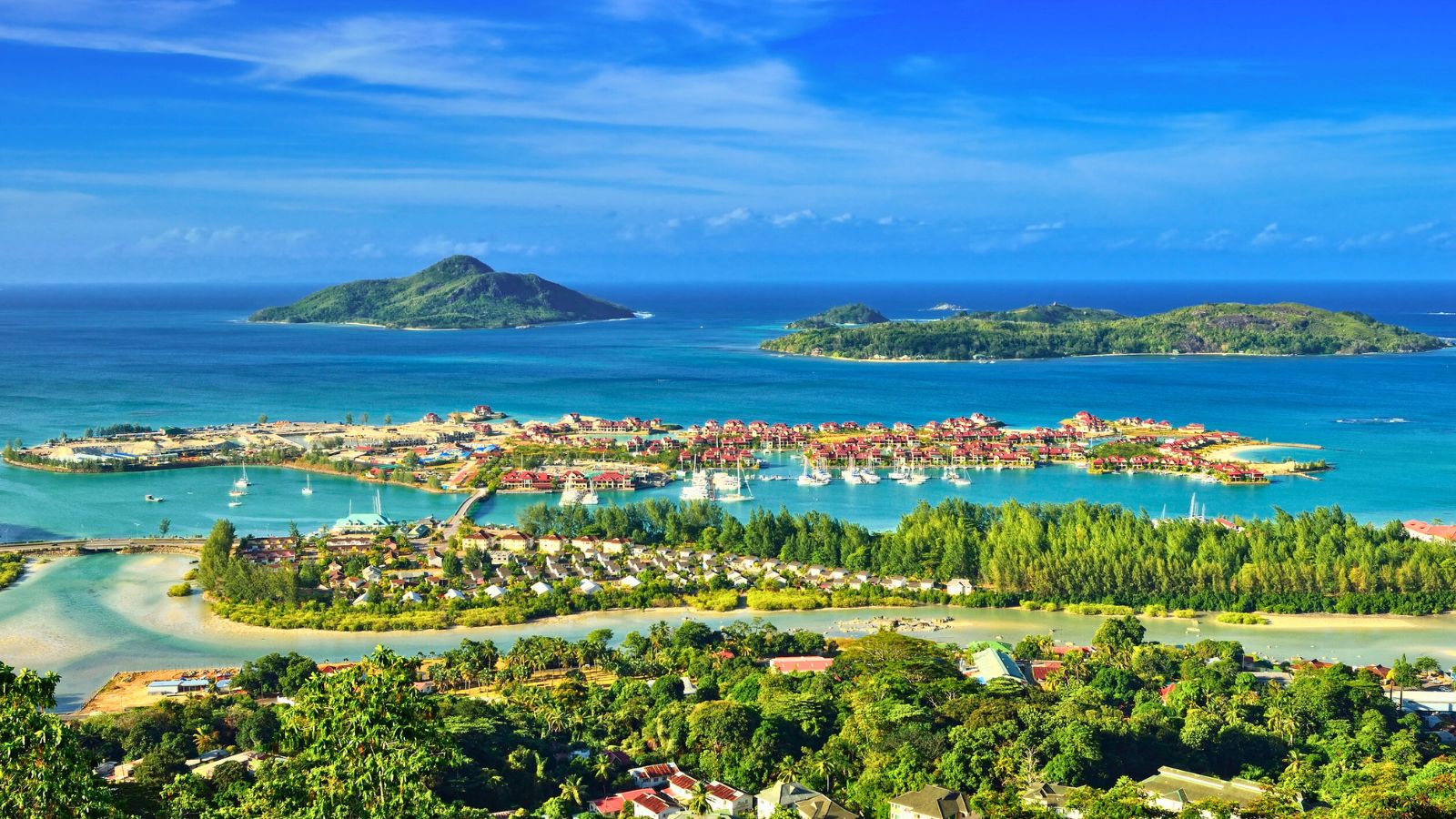
Located in the Indian Ocean off East Africa, the Seychelles archipelago is known for granite outcrops, coral reefs, and rare wildlife. Many islands rise only slightly above sea level, leaving coastlines exposed to erosion and storm surges. Rising ocean temperatures have triggered coral bleaching events that weaken reef systems protecting the shores. As reefs decline, wave energy reaches beaches more directly, accelerating sand loss. Conservation programs focus on reef restoration and habitat protection for endemic species. Travelers exploring these islands now may notice shifting shorelines and reef recovery projects underway to safeguard fragile coastal ecosystems.
The Everglades (USA)

Spanning southern Florida, the Everglades is a vast wetland shaped by slow-moving freshwater flowing toward the Gulf of Mexico. Decades of drainage, development, and water diversion have altered its natural rhythms. Rising sea levels push saltwater farther inland, threatening freshwater habitats and the species that depend on them. Mangroves expand into former marsh areas, while invasive plants and animals disrupt native communities. Large-scale restoration efforts aim to redirect water flow and rebuild ecological balance, yet progress is gradual. Visitors today can still witness sawgrass prairies and wading birds, though the landscape continues to shift.
Petra (Jordan)

Carved into rose-colored sandstone cliffs in southern Jordan, Petra flourished as a trading hub more than two thousand years ago. Its intricate facades, including the iconic Treasury, are sculpted directly into soft rock that erodes under wind and seasonal rains. Sudden flash floods race through narrow gorges, undercutting pathways and ancient structures. Increased foot traffic adds strain to delicate surfaces, prompting authorities to manage visitor numbers and reinforce vulnerable zones. Conservation specialists monitor moisture levels and structural stability. The city’s dramatic setting endures, yet natural forces and human impact steadily reshape its carved monuments.
See Them While You Still Can
The truth is, travel isn’t just about checking a box. It’s about seeing the world as it is right now. The 13 iconic places that might look different soon are reminders that even the biggest landmarks aren’t frozen in time. Coastlines shift. Ice melts. Historic structures weather and fade. Change is part of the story, whether we notice it or not. Waiting for the perfect moment can sometimes mean missing the version of a place you hoped to see.
So if one of these destinations has been sitting on your list for years, take this as your nudge. Start planning. Start saving. Make it real. You don’t have to rush out tomorrow, but don’t assume it will all look the same ten or twenty years from now. Travel while you can, see what’s here today, and let those experiences stick with you long after the landscape changes.
12 Iconic Movie Locations You Can Visit Without Studio Access in 2026
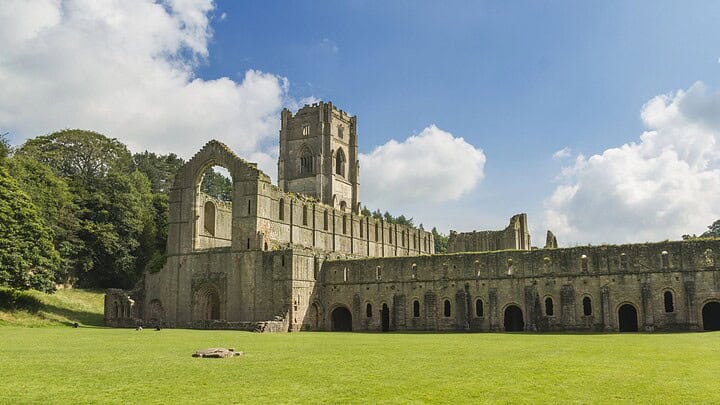
Movies have a way of sticking with us long after the credits roll. Sometimes it’s the story, sometimes the characters, and sometimes it’s the place. Streets, buildings, and wide views can feel just as real as the people on screen. The fun part is realizing many of those spots exist outside a studio. Yes, you read that right. You can go visit these 12 iconic film locations, look around, and feel that quick spark of recognition.
Read More Here: 12 Iconic Movie Locations You Can Visit Without Studio Access in 2026
10 Iconic Japanese Destinations Every Tourist Falls in Love With
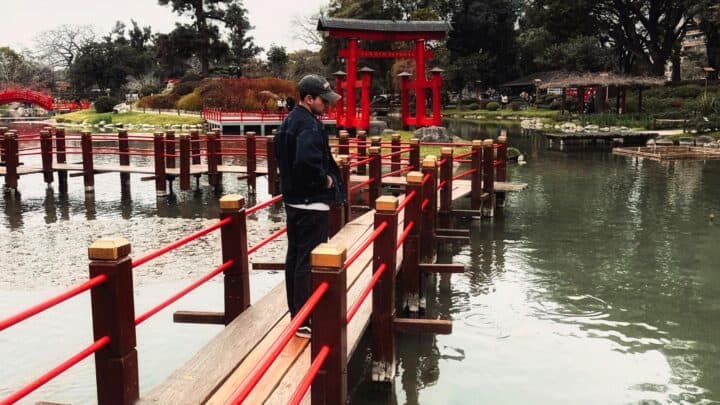
Japan offers an incredible mix of ancient tradition and modern wonder, making it a top destination for travelers worldwide. Whether it’s the vibrant neon lights of Tokyo or the serene beauty of Kyoto’s temples, there are destinations across Japan that captivate tourists year after year. Iconic landmarks, stunning landscapes, and unique cultural experiences await every visitor who steps foot in this fascinating country. With something to offer every kind of traveler, Japan’s charm is undeniable.
Read More Here: 10 Iconic Japanese Destinations Every Tourist Falls in Love With



Leave a Reply