
Tokyo can feel huge at first. The trains move fast, the streets stay busy, and every corner seems to lead somewhere new. That’s part of what makes it such a great city to explore, especially on your first trip. If you’re trying to narrow things down, focusing on the 10 districts in Tokyo for first-timers is a smart move. You don’t need to see everything to have an amazing time.
You just need a clear plan and a few solid starting points. Each neighborhood has its own pace and personality. Some are packed with bright lights and giant screens. Others are quieter, with shrines, parks, and long-standing shops. Moving between them is easy thanks to the train system, so you can see a lot without feeling rushed. This guide will help you use your time well and feel confident from day one in Tokyo.
Tsukiji (Outer Market)
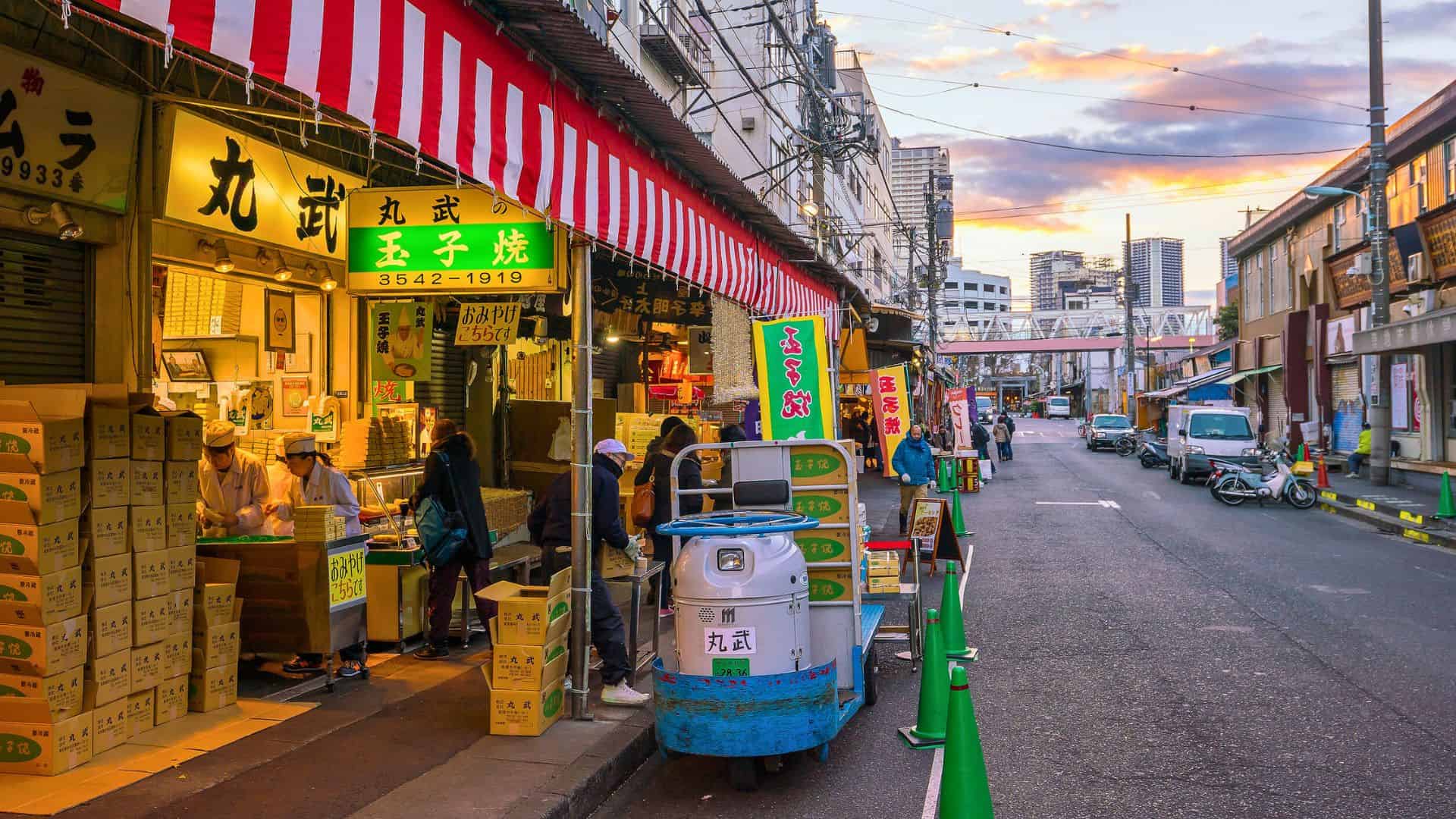
Narrow lanes packed with seafood vendors and specialty shops define this historic market area. Though the wholesale tuna auctions relocated to Toyosu, the outer market remains active with stalls selling fresh fish, produce, knives, and kitchen tools. Early mornings bring the greatest energy as shoppers and visitors move between counters, sampling grilled skewers and seasonal catches. Long-standing family businesses operate alongside newer storefronts, preserving a strong community spirit. Chefs from across the city source ingredients here, maintaining the district’s reputation as a cornerstone of Tokyo’s food trade and market culture.
Asakusa
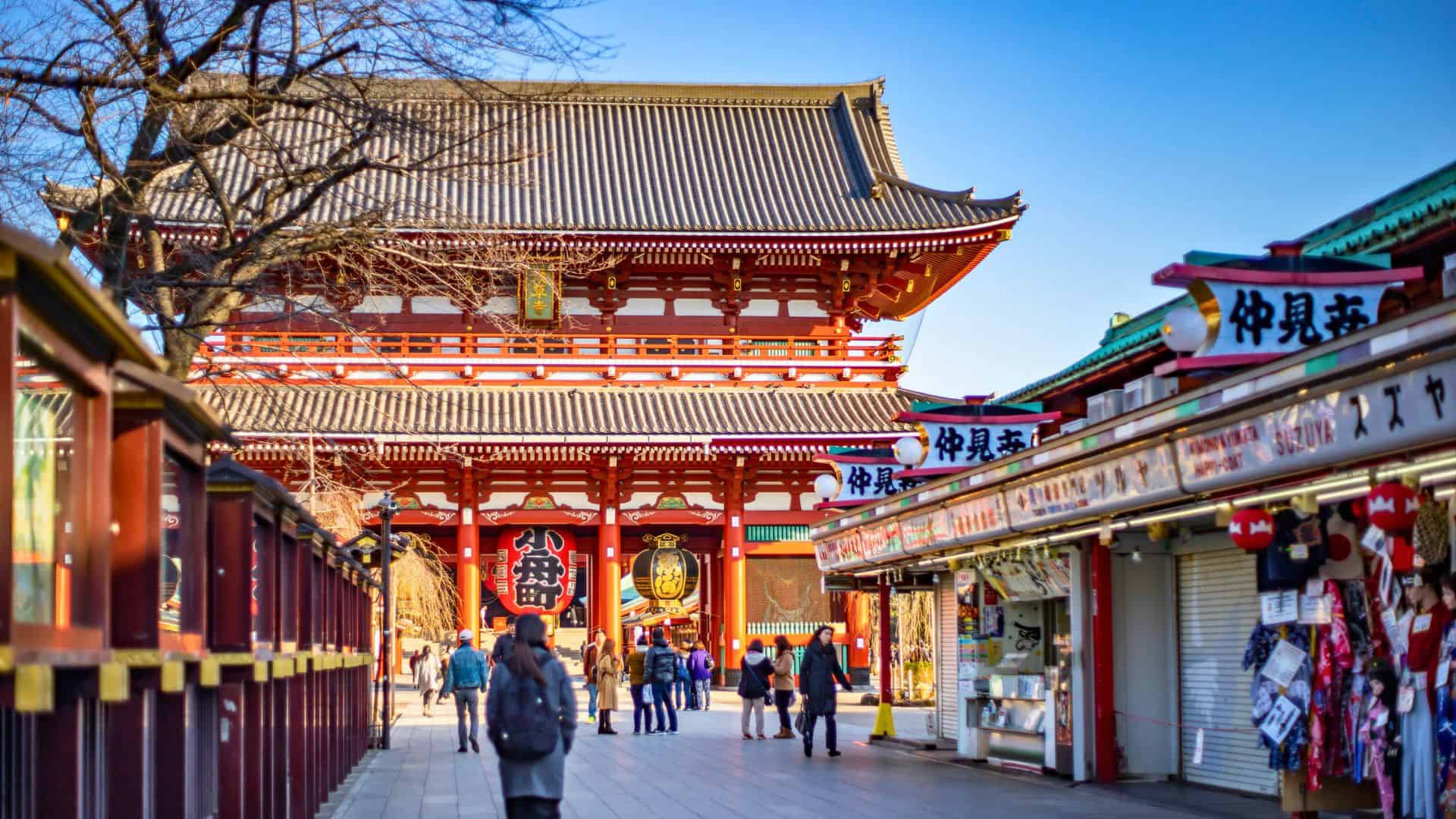
Asakusa captures the spirit of historic Tokyo, centering on Senso-ji, the city’s oldest Buddhist temple. Visitors enter through the imposing Kaminarimon Gate, marked by a giant red lantern, before strolling along Nakamise Street. This lively approach features traditional snacks, crafts, and souvenirs tied to local culture. The temple grounds include a five-story pagoda and an incense burner where people waft smoke toward themselves for good fortune. Rickshaws move slowly through nearby streets, and the Sumida River flows close by. Seasonal festivals, especially Sanja Matsuri, fill the neighborhood with music, processions, and vibrant community energy.
Ginza
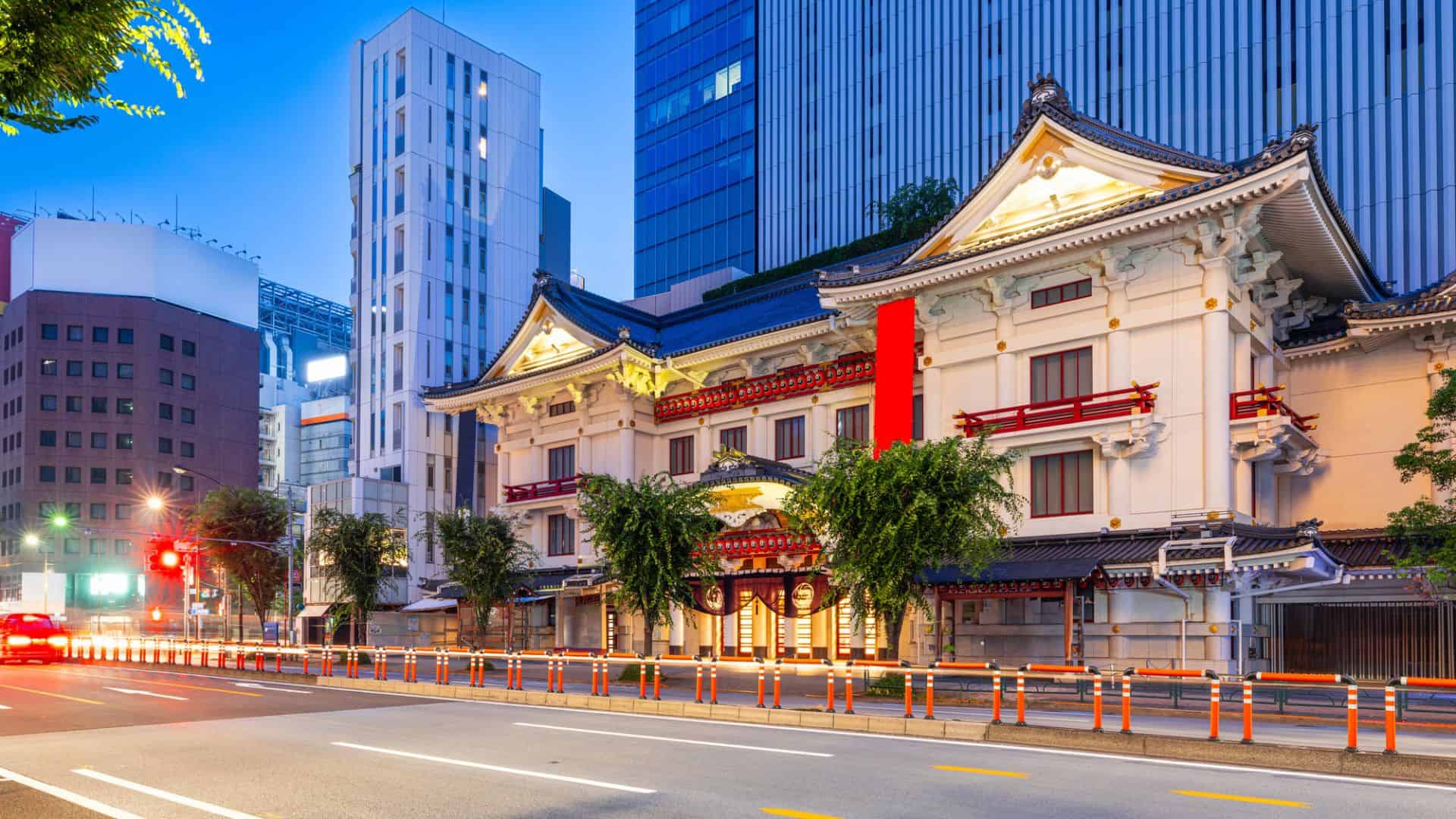
Ginza stands as Tokyo’s premier luxury district, defined by sleek architecture, flagship fashion houses, and polished department stores. Wide boulevards and striking storefronts create an elegant cityscape, particularly when illuminated at night. On weekends, the main street closes to traffic, allowing pedestrians to stroll freely past galleries and designer boutiques. Long-established retailers share space with contemporary brands, reflecting decades of commercial history. Dining ranges from refined sushi counters to international restaurants tucked into upper floors. The Kabukiza Theatre anchors the area with traditional kabuki performances, linking modern retail culture with Japan’s classical performing arts heritage.
Harajuku
Centered around youthful expression and street style, this district is famous for Takeshita Street, a narrow lane packed with colorful boutiques, character goods, and trendsetting fashion. Cosplayers and style influencers often gather here, turning the sidewalks into an open-air runway. Just steps away lies Meiji Shrine, set within a forested park that feels far removed from the busy storefronts nearby. Yoyogi Park attracts musicians, dancers, and weekend gatherings. Cat Street connects Harajuku to Shibuya with independent labels and vintage shops, highlighting the area’s role as a driving force in Tokyo’s contemporary fashion culture.
Shibuya
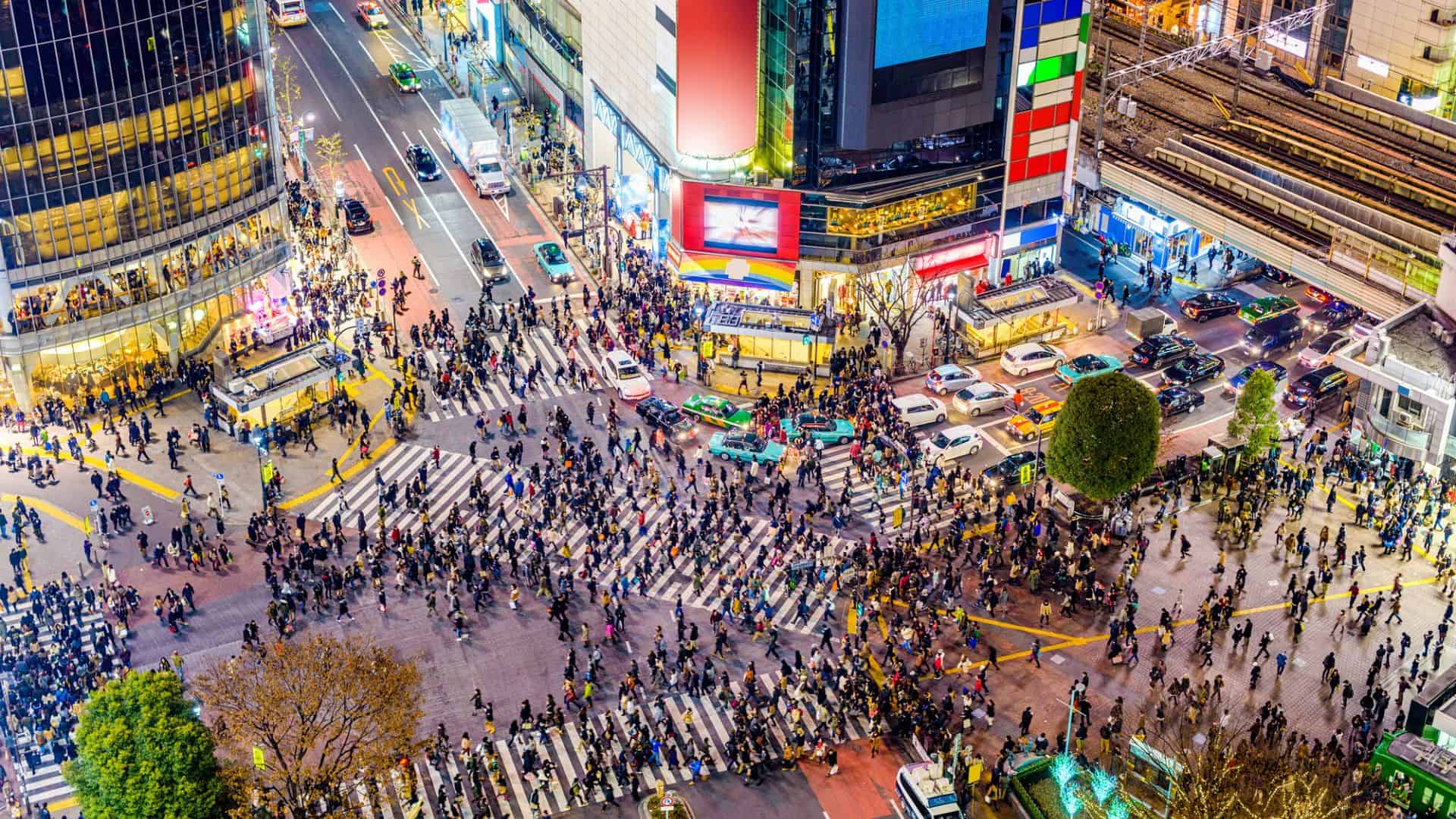
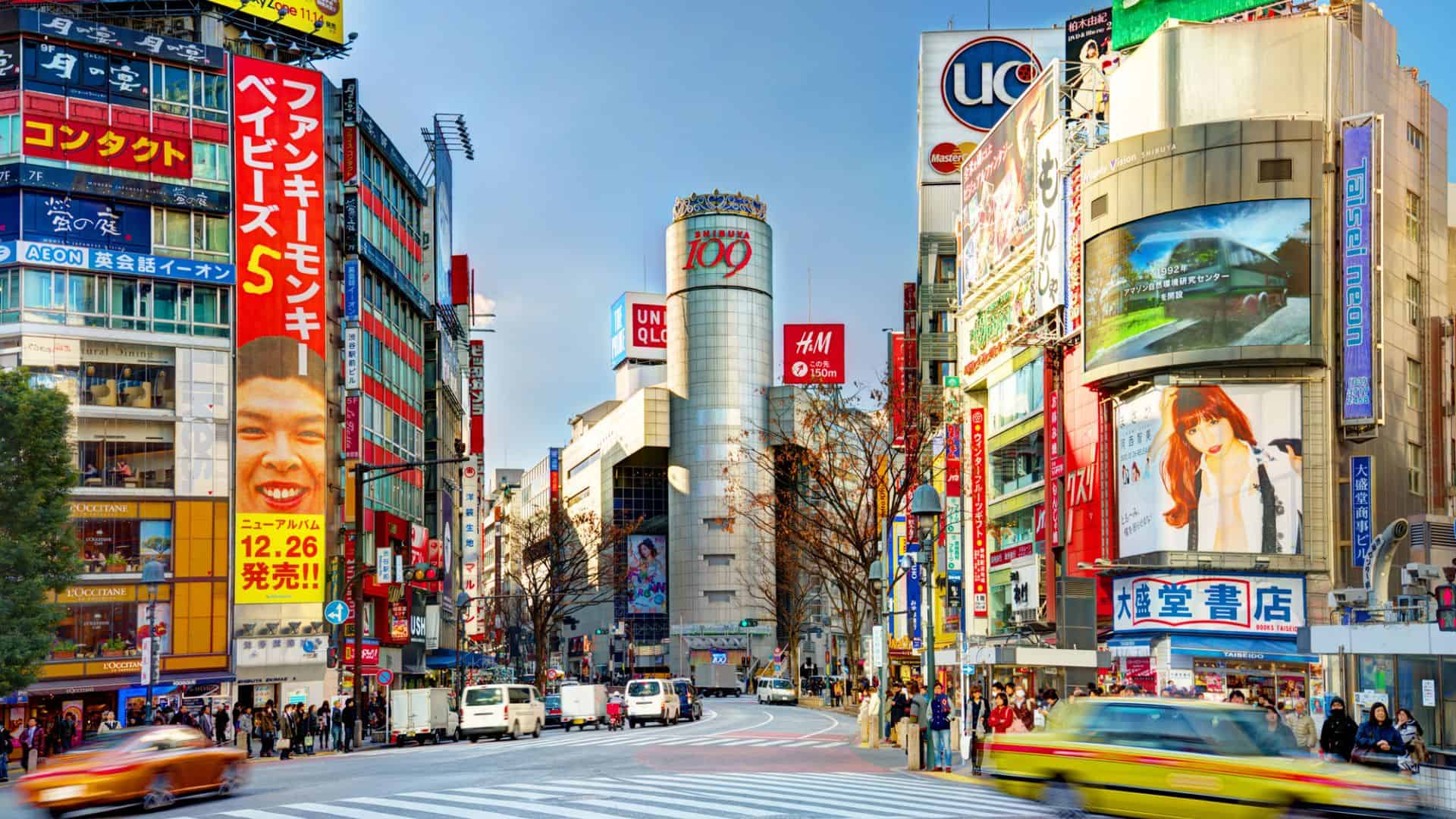
Shibuya is one of Tokyo’s most energetic districts, known worldwide for the scramble crossing where hundreds of pedestrians move in every direction at once. Neon screens, fashion boutiques, music stores, and late-night eateries create a fast-paced atmosphere that captures modern urban Japan. The Hachiko Statue, a tribute to a loyal dog, serves as a popular meeting point. Shibuya Sky delivers sweeping views from its rooftop platform, especially striking at sunset. Side streets reveal record shops, vintage clothing, and cozy bars, while major complexes like Shibuya Scramble Square draw shoppers seeking the latest trends and technology.
Shinjuku
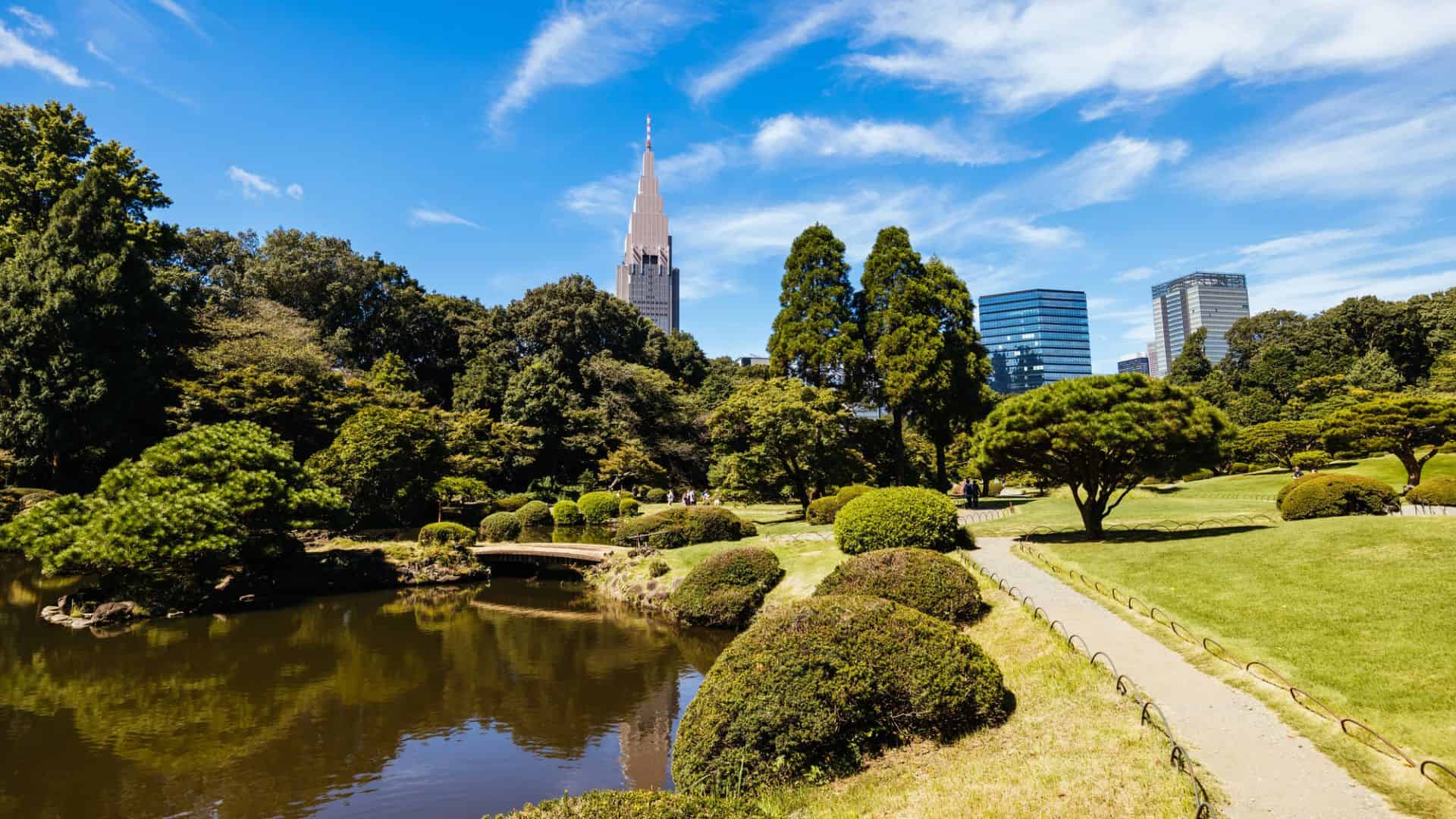
Shinjuku showcases Tokyo’s dramatic contrasts, shifting from skyscraper business towers to narrow lantern-lit alleys within minutes. The Tokyo Metropolitan Government Building features free observation decks with panoramic city views, including Mount Fuji on clear days. Kabukicho buzzes after dark with cinemas, arcades, and nightlife spots, while Golden Gai preserves postwar charm through tiny bars packed closely together. Omoide Yokocho’s compact lanes recall an earlier era, lined with small grills and counter seating. During the day, Shinjuku Gyoen National Garden creates a calm retreat with seasonal blossoms and landscaped grounds that highlight Japan’s garden design traditions.
Want to save this?
Roppongi
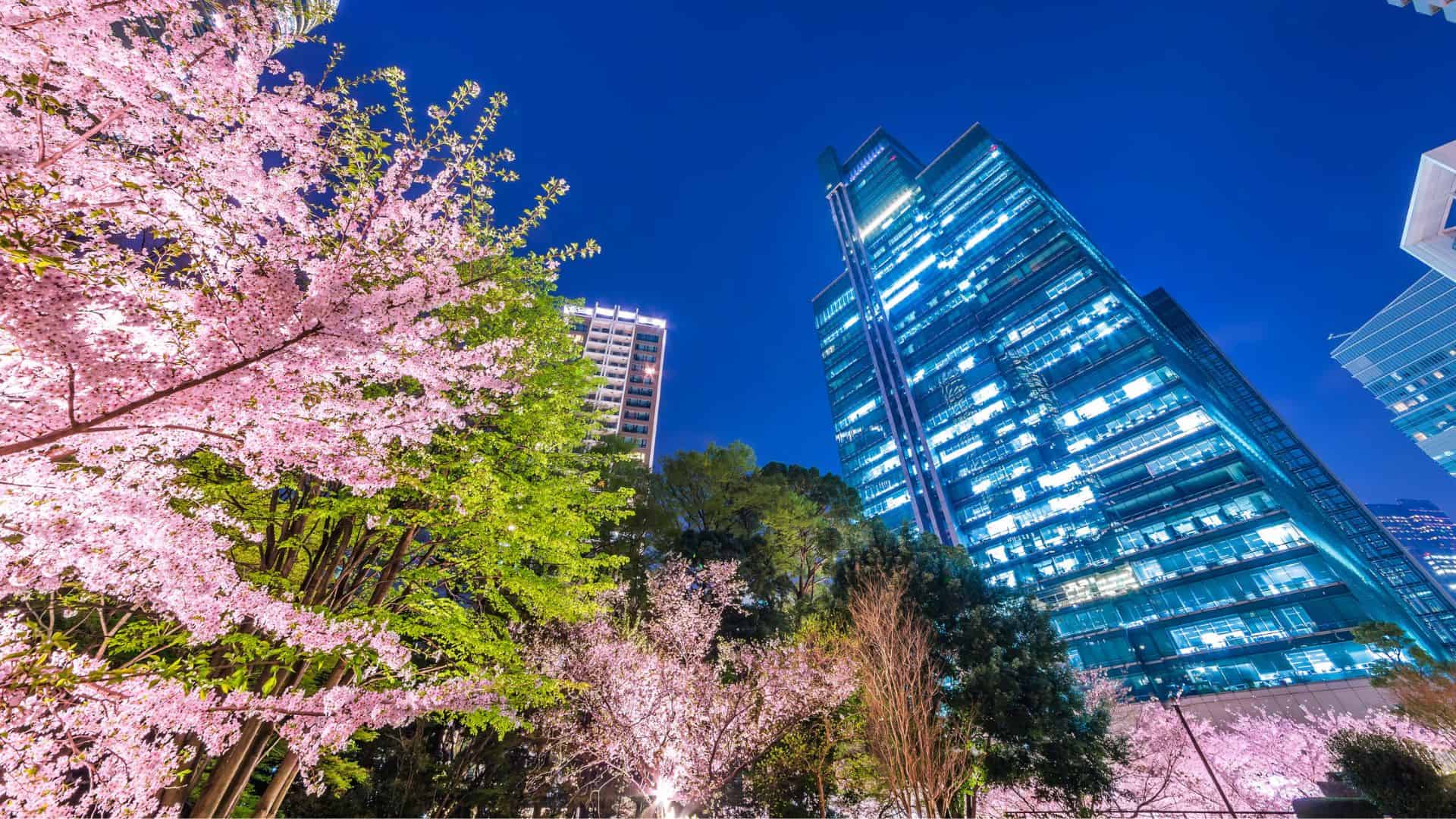
Known for its international atmosphere, this district draws expatriates, business travelers, and art enthusiasts alike. Roppongi Hills and Tokyo Midtown feature striking modern architecture, upscale retail, and landscaped public spaces. The Mori Tower’s observation deck presents sweeping skyline views, while the Mori Art Museum showcases contemporary exhibitions from around the globe. After dark, the neighborhood becomes a nightlife hotspot with clubs, cocktail lounges, and late-night dining. Public art installations dot the streets, adding visual interest between towers. Its cosmopolitan character and concentration of cultural venues make it a dynamic stop within central Tokyo.
Ueno
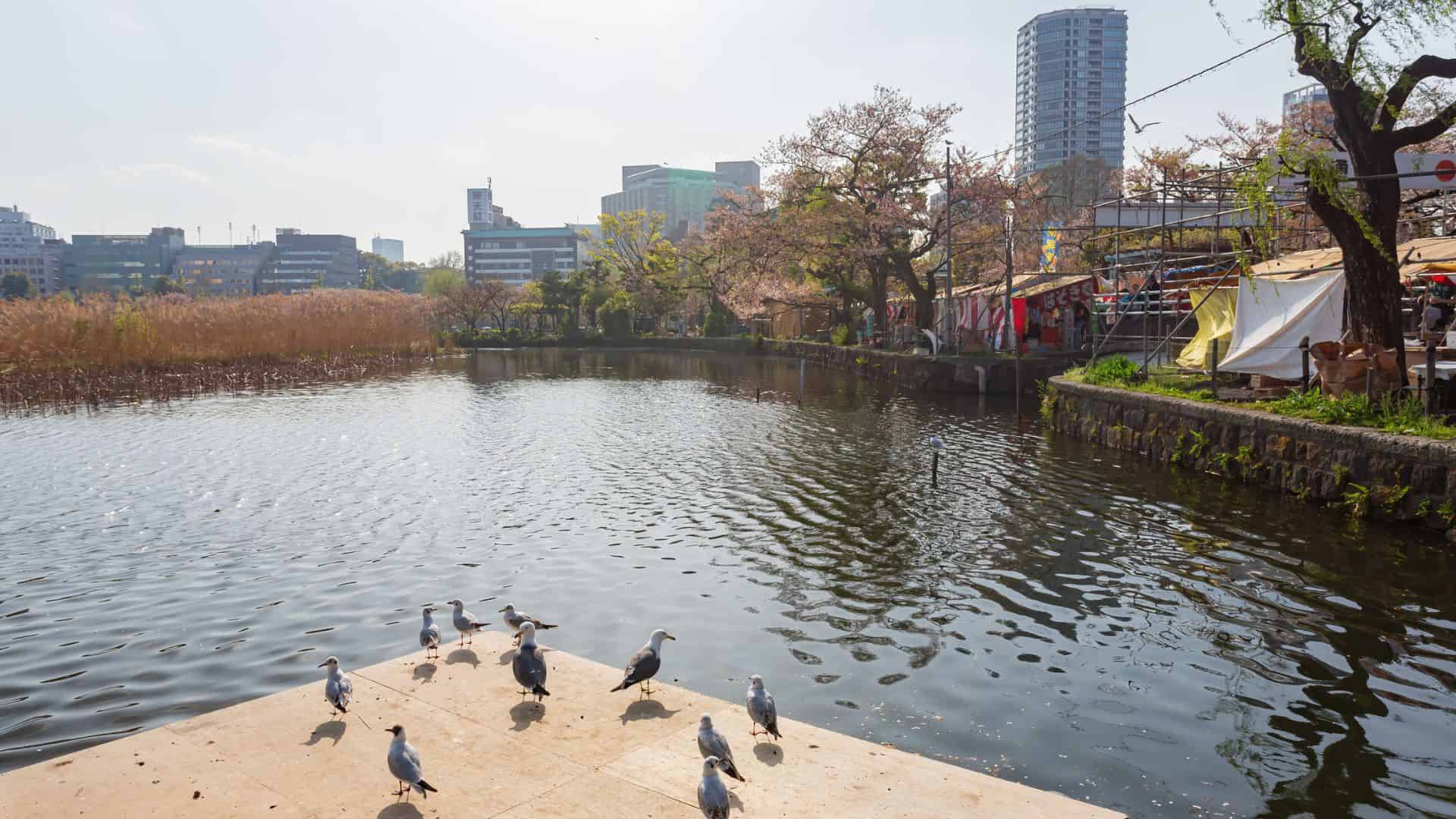
A major cultural hub unfolds around Ueno Park, a spacious green area home to museums, temples, and seasonal cherry blossoms. The Tokyo National Museum houses extensive collections of art and historical artifacts, while the National Museum of Nature and Science appeals to the curious minds of all ages. Ueno Zoo, Japan’s oldest, attracts families and animal lovers. Nearby, Ameya-Yokocho market buzzes with vendors selling street snacks, clothing, and seafood beneath railway tracks. Musicians and performers often gather in the park, adding lively background sound. This area combines heritage, recreation, and everyday commerce in proximity.
Akihabara
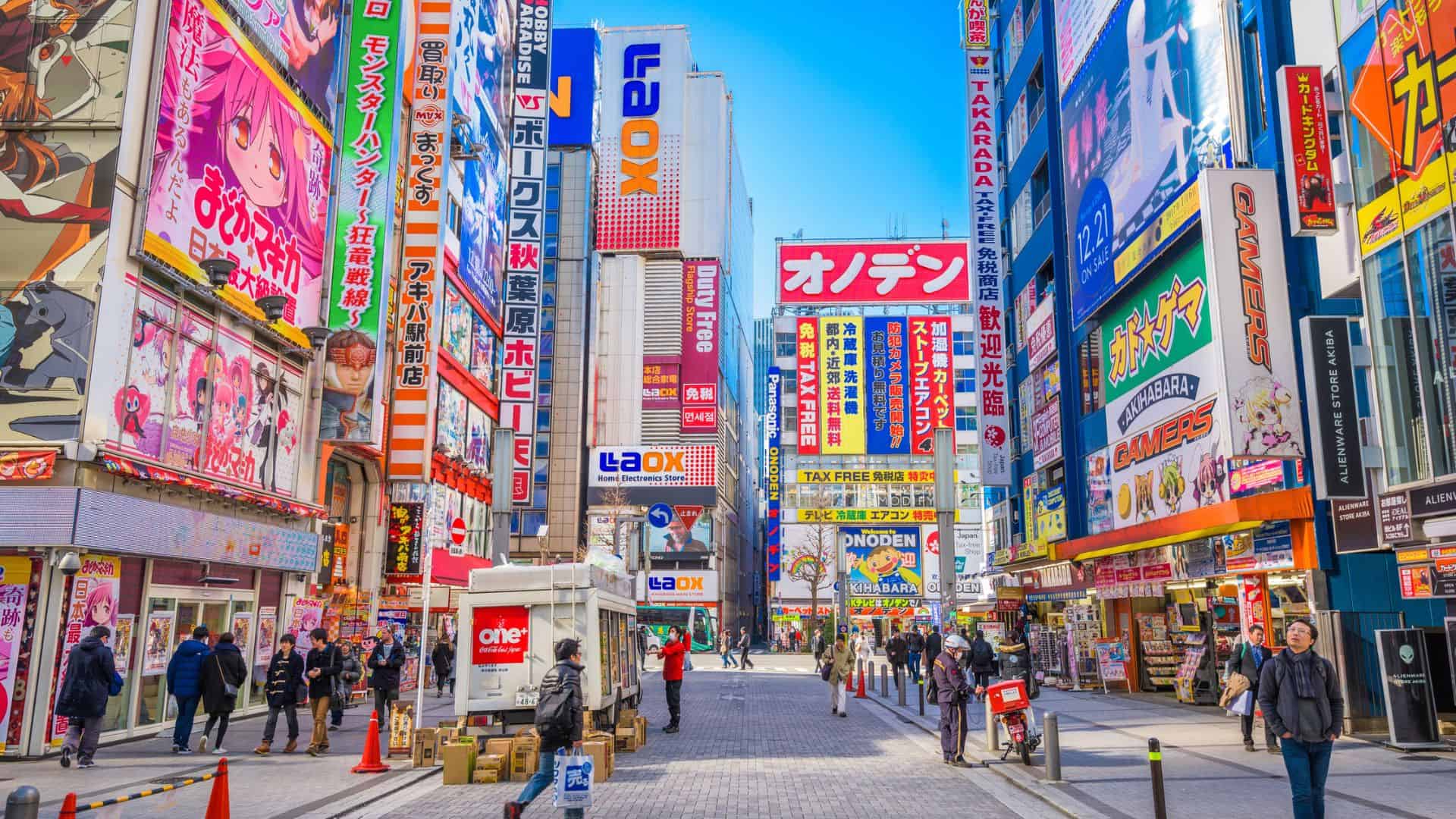
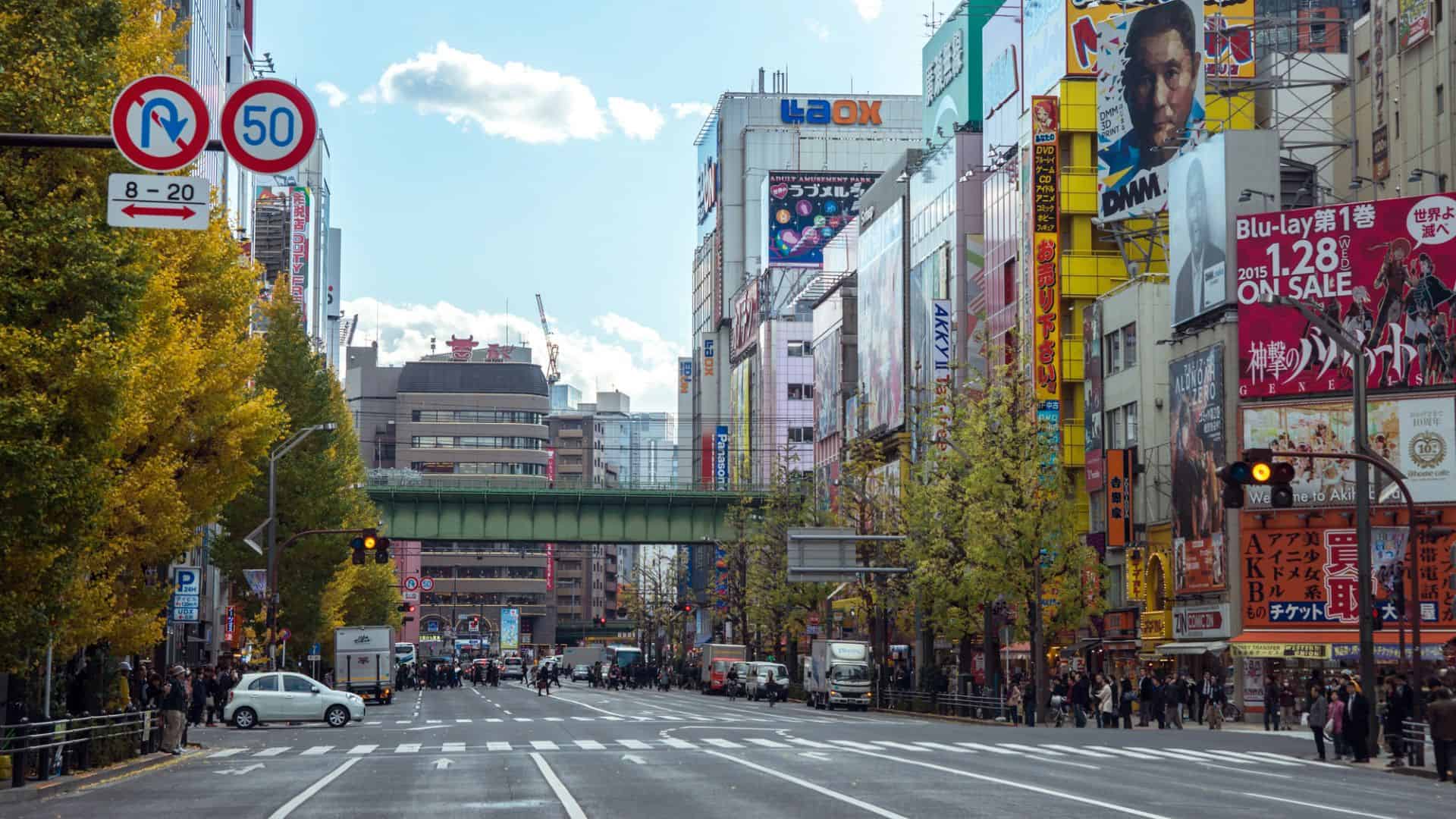
Akihabara is the center of Japanese pop culture and electronics retail, drawing fans of anime, manga, and gaming from around the world. Multi-level shops stock figurines, trading cards, and rare collectibles, while arcades glow with rhythmic lights and music. Maid cafés and themed establishments add theatrical flair to the streetscape. Beyond pop culture, the district maintains its roots as “Electric Town,” packed with stores selling gadgets, components, and cutting-edge devices. Capsule toy machines line sidewalks, and posters cover building facades in bold colors. Akihabara’s vibrant atmosphere reflects Tokyo’s technological innovation and creative subcultures.
Daiba (Odaiba)
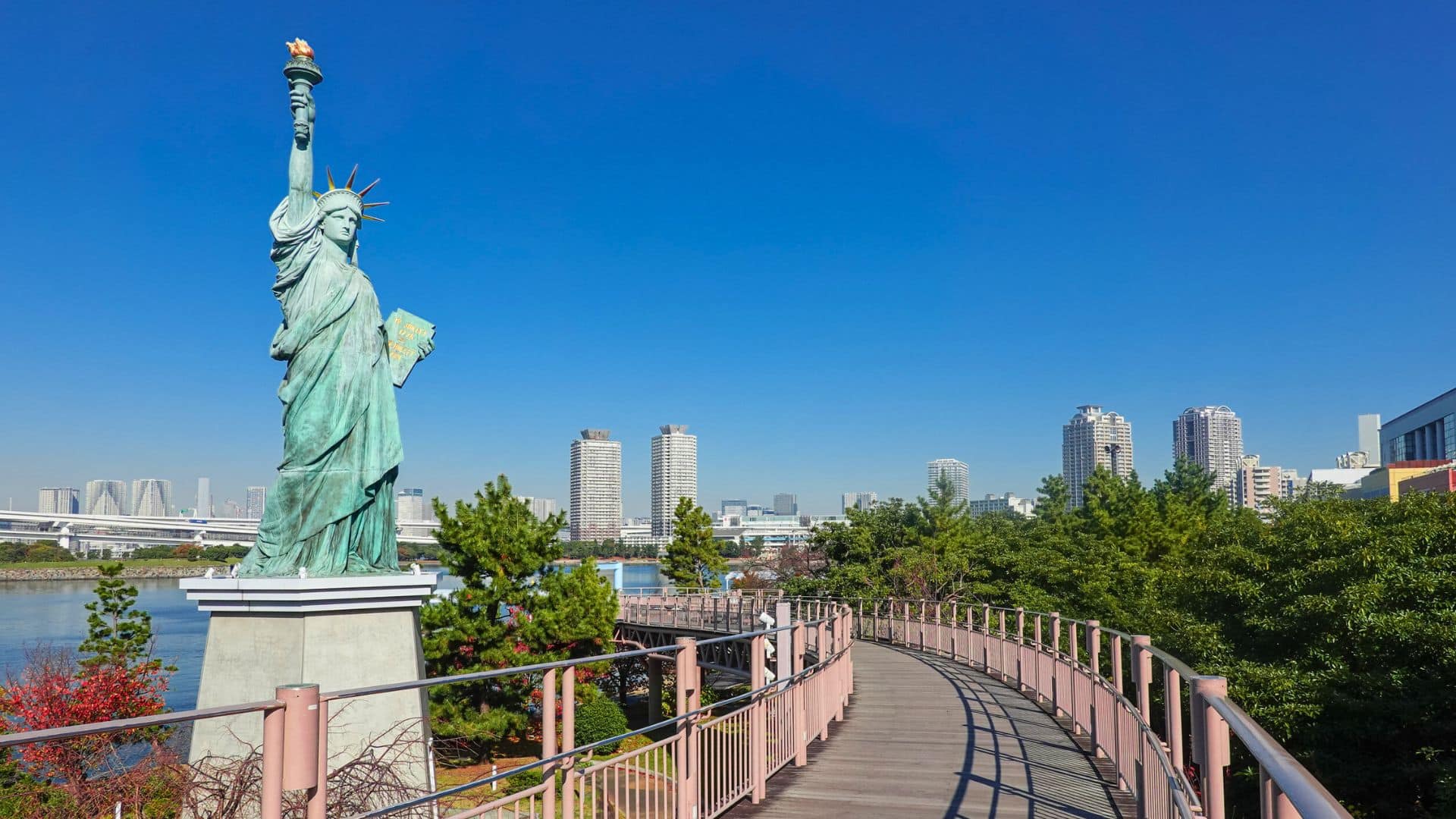
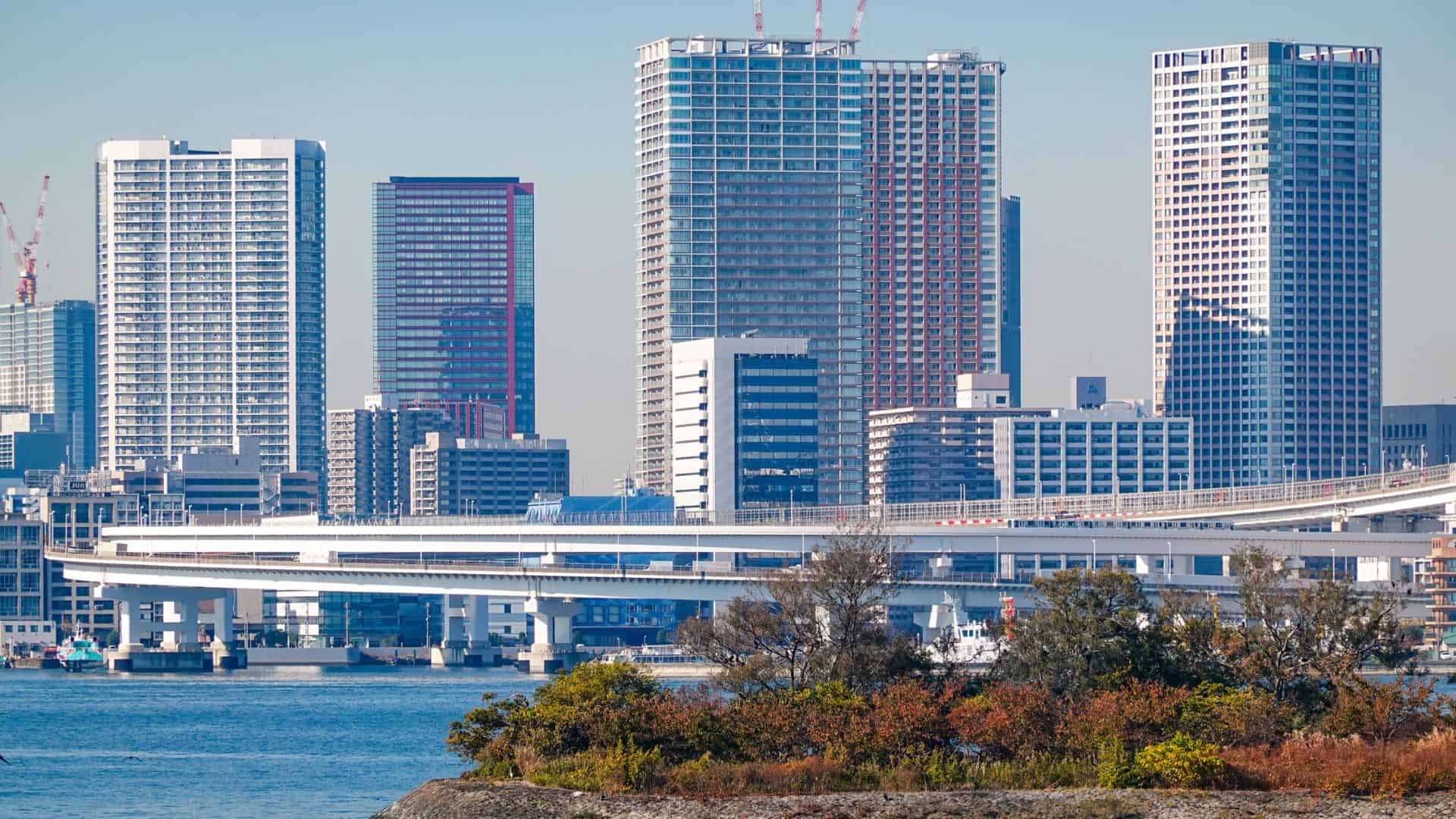
Built on reclaimed land in Tokyo Bay, this waterfront district features futuristic architecture and wide promenades with views of the Rainbow Bridge. Shopping complexes and entertainment centers line the shoreline, creating a resort-like setting within the metropolis. Digital art museums immerse visitors in interactive light displays and large-scale installations. A replica Statue of Liberty stands near the water, framing the skyline beyond. Beaches and open plazas create space for strolling, cycling, or relaxing by the sea breeze. With its spacious layout and contemporary attractions, the area presents a contrast to Tokyo’s dense urban neighborhoods.
See You at Tokyo
Tokyo is the kind of city that keeps you curious. Just when you think you’ve figured it out, you turn a corner and find something completely different. That’s why exploring the 10 districts in Tokyo for first-timers makes so much sense. You get a strong feel for the city without wasting time guessing where to go next. Each area shows you a different side of daily life, culture, and energy.
The best part is how easy it is to move between neighborhoods. Hop on a train, and in minutes the scenery changes. Bright lights shift to quiet streets, and busy crossings lead to peaceful parks. Take your time, stay flexible, and don’t worry about seeing it all. Focus on a few key spots each day and let the city surprise you along the way.
12 Japanese Countryside Places for Families Who Love to Travel
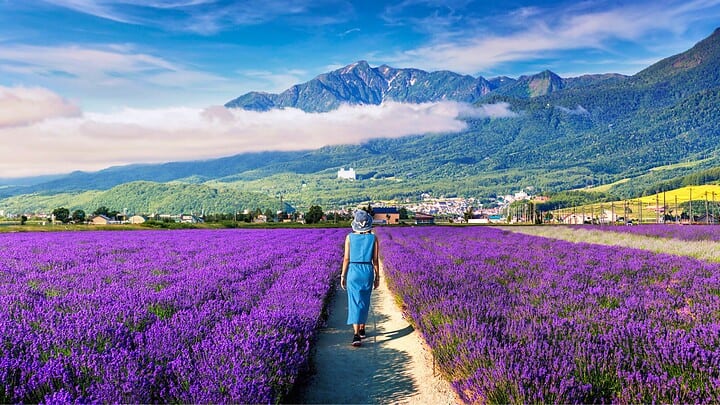
Traveling to Japan with family doesn’t have to mean packed schedules or crowded streets. Once you leave the big cities, the pace shifts fast. Roads get quieter. The air feels cleaner. Kids can move freely without being rushed every five minutes. Parents get space to relax and stop checking the clock. These 12 Japanese countryside places for families are the perfect choices.
Read More Here: 12 Japanese Countryside Places for Families Who Love to Travel
11 Rookie Mistakes in Japan That Instantly Expose You as a Tourist
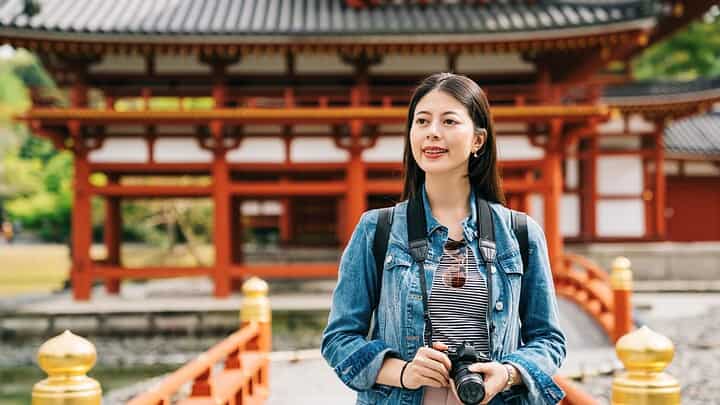
Traveling to Japan is a great experience—clean streets, efficient trains, and a culture that values respect in every small action. But for many first-time visitors, it’s easy to stand out without even realizing it. The country has its own quiet rhythm, and what feels normal back home can look out of place here. This is why you should know these 11 mistakes tourists make in Japan.
Read More Here: 11 Rookie Mistakes in Japan That Instantly Expose You as a Tourist

Leave a Reply