
Some cities stand out because of their buildings. You notice it right away when you walk around and see tall churches, detailed facades, and wide public squares. In this article on the 12 most atmospheric cities for Gothic and Baroque architecture, we’re focusing on places where these styles are easy to see and still shape daily life. Gothic architecture is known for pointed arches, tall windows, and detailed stonework. Baroque buildings are larger in scale, with curved lines, domes, and bold decoration.
If you’re curious about historic design or planning a trip around architecture, this topic is great to explore. These cities show how different periods in history still influence what we see today. You don’t need to be an expert to appreciate them. A simple walk through the streets is enough to notice the height, the detail, and the way older structures continue to define the skyline.
Kraków, Poland
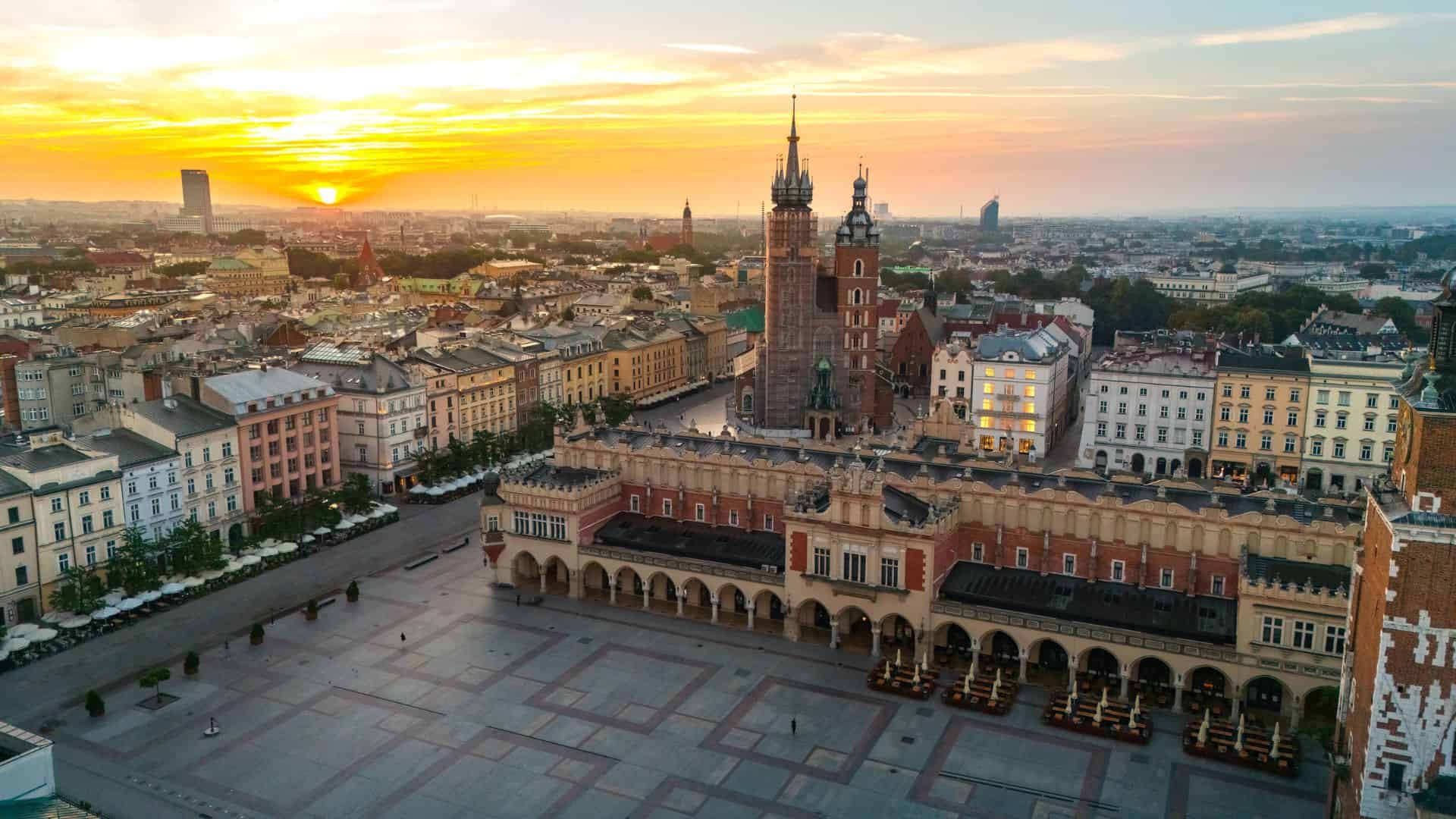
Kraków centers on a vast medieval market square where Gothic towers and arcaded halls stand with solemn authority. St. Mary’s Basilica pierces the skyline with asymmetrical spires, its interior glowing with a carved wooden altarpiece of extraordinary scale. Wawel Cathedral crowns a hill above the Vistula, combining Gothic structure with richly decorated Baroque chapels that house royal tombs. Cobblestone streets wind past stone townhouses and quiet courtyards, carrying echoes of processions and trumpet calls from the basilica tower. As dusk settles, lamplight brushes ancient walls, shaping an atmosphere marked by reverence, resilience, and layered history.
Mexico City, Mexico
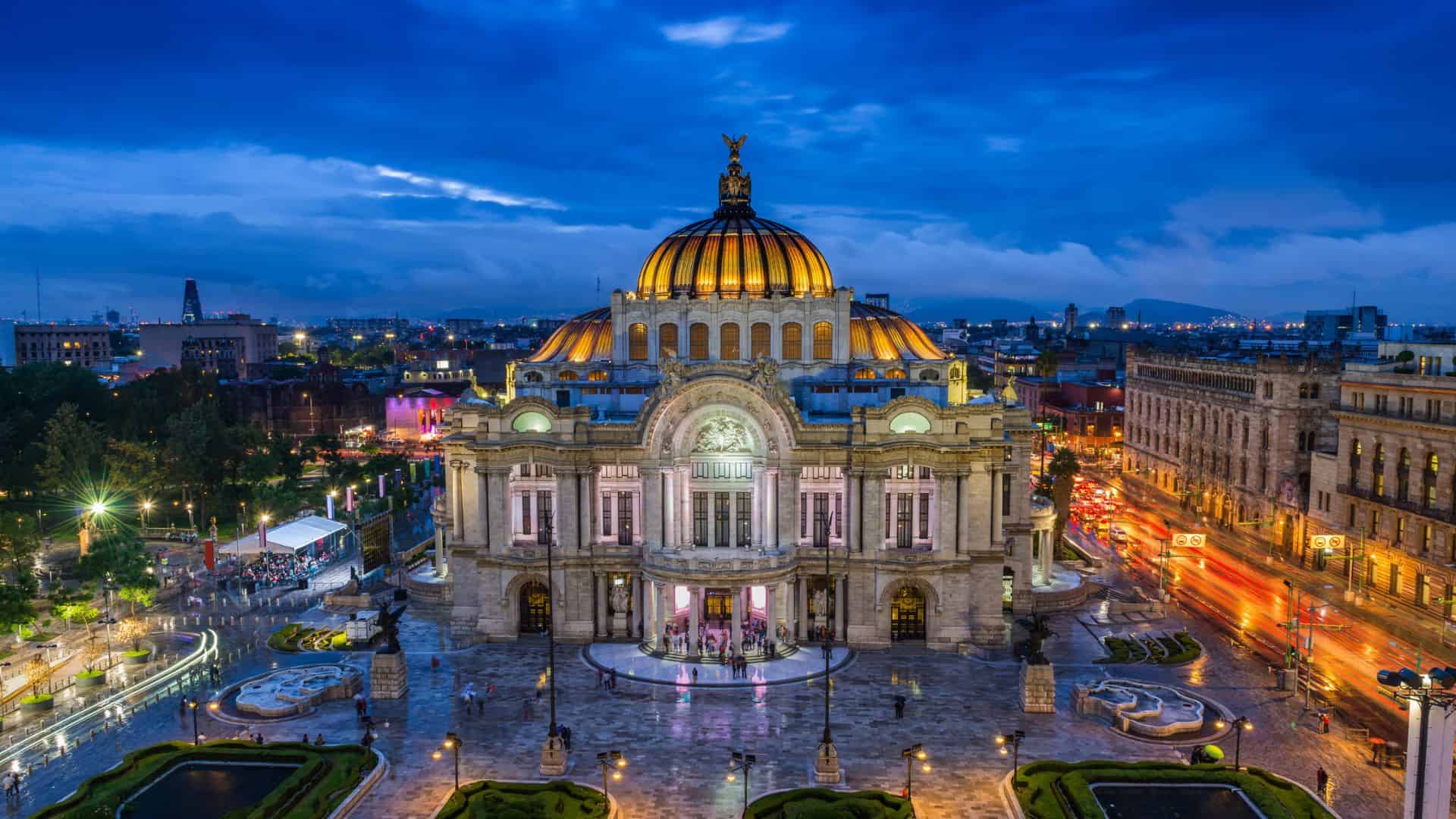
At the heart of the historic center stands the Metropolitan Cathedral, its monumental façade combining Gothic verticality with elaborate Baroque ornamentation. Twin towers rise above the Zócalo, while heavy wooden doors open into chapels dense with gilded altarpieces and carved stone. Nearby, the Sagrario Metropolitano dazzles with intricate reliefs that ripple across volcanic rock. Colonial palaces line surrounding streets, their balconies overlooking broad plazas layered with centuries of ritual and ceremony. As daylight fades, cathedral bells resound over ancient foundations, forming an atmosphere shaped by grandeur, devotion, and the enduring presence of layered civilizations.
Prague, Czech Republic
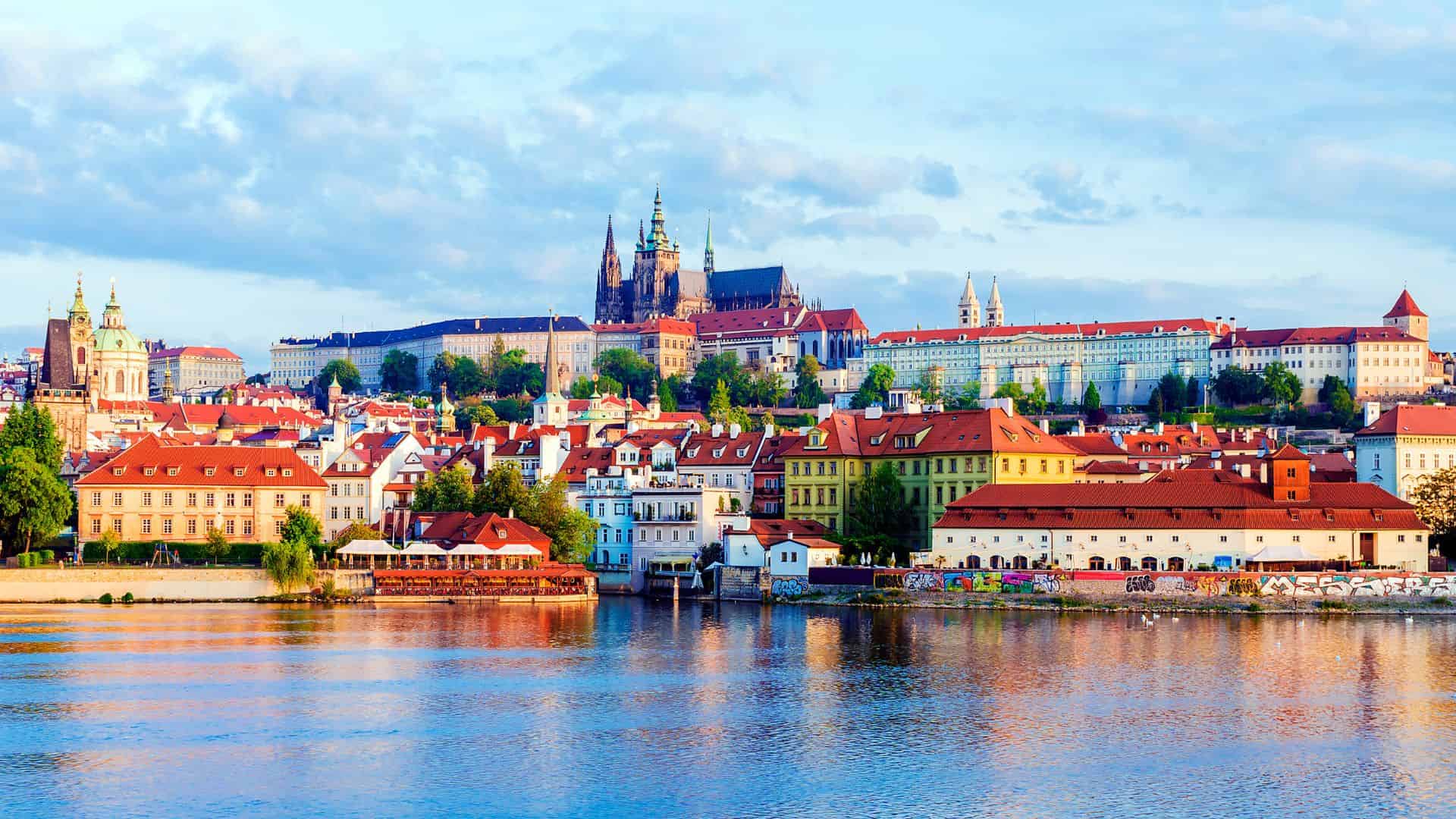
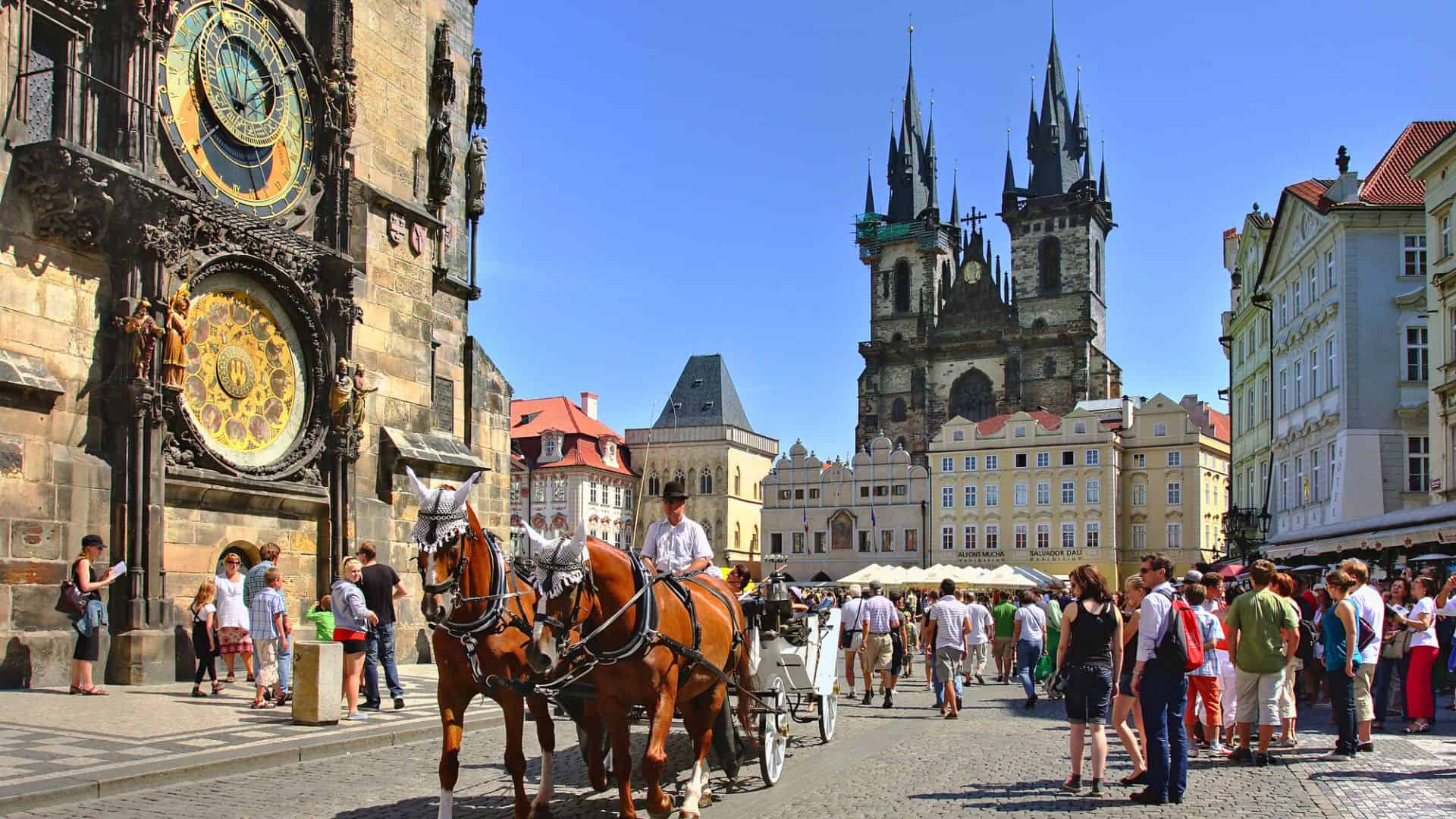
Prague rises from the Vltava in a procession of spires, domes, and shadowed towers that shape one of Europe’s most theatrical skylines. Gothic ambition dominates at St. Vitus Cathedral, where ribbed vaults soar above stained glass, and gargoyles cling to stone ledges. Baroque churches such as St. Nicholas in Malá Strana contrast with frescoed ceilings and dramatic curves. Along Charles Bridge, saints stand in solemn procession, veiled by mist at dawn. Lantern light glints against cobblestones after dusk, and narrow lanes open into courtyards framed by ornate facades, creating a cityscape steeped in grandeur and quiet intensity.
Vienna, Austria
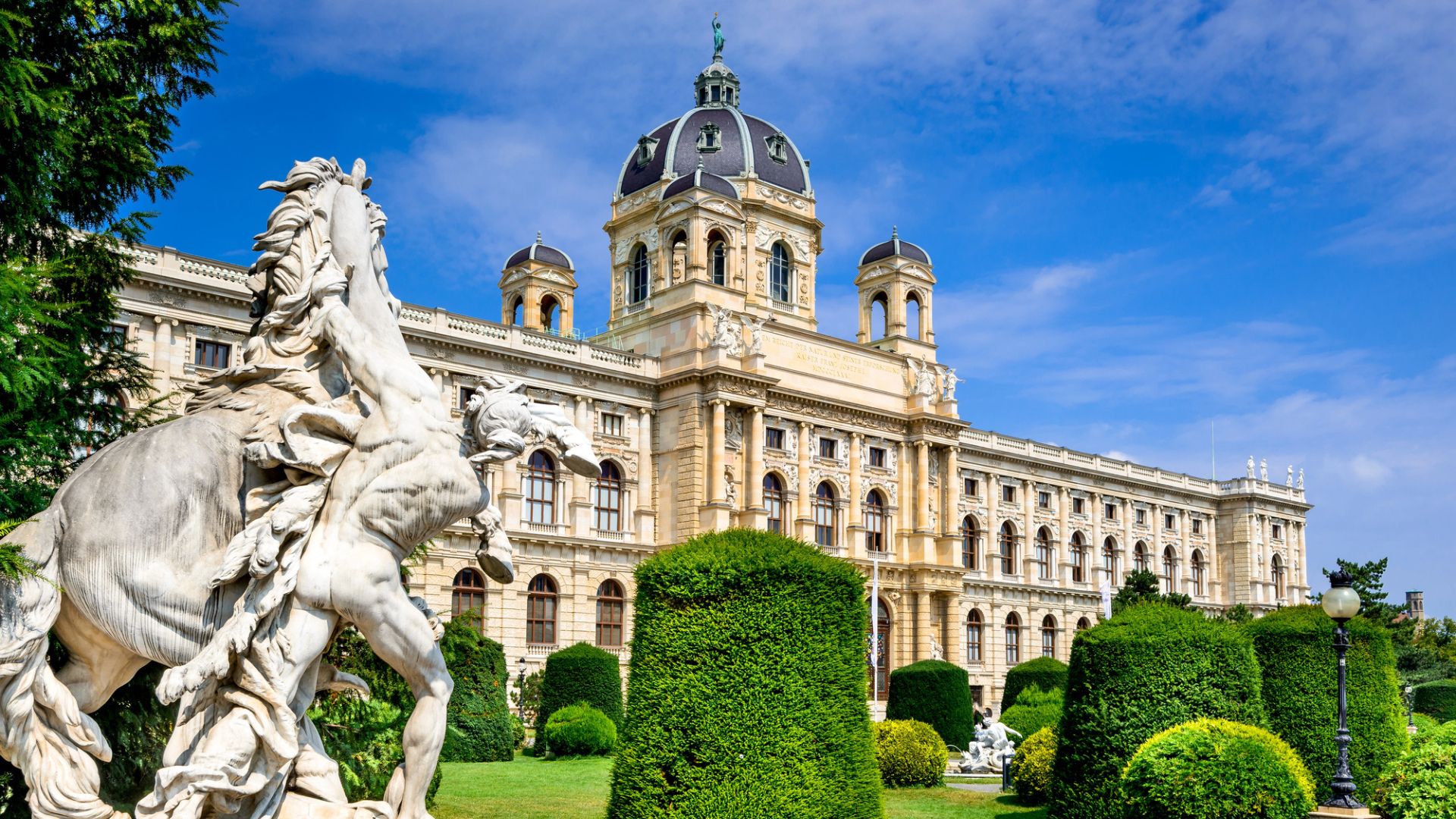
Vienna balances Gothic austerity with imperial Baroque spectacle. St. Stephen’s Cathedral commands the city center, its patterned roof tiles and slender south tower cutting sharply into the sky. Within, dim chapels and carved pulpits speak to medieval devotion. Baroque grandeur emerges at Karlskirche, crowned by a vast dome and flanked by sculpted columns inspired by antiquity. The Hofburg complex stretches in stately arcs, revealing courtyards, statues, and ceremonial halls. Evening light glances off pale facades along the Ringstrasse, while carriage wheels echo on stone streets, sustaining an atmosphere shaped by dynastic ambition and sacred artistry.
Lviv, Ukraine

Layers of Gothic, Renaissance, and Baroque architecture converge within a compact historic center framed by defensive walls and narrow streets. The Latin Cathedral anchors the skyline with pointed arches and clustered columns, while nearby chapels introduce richly decorated altars and domed ceilings. Armenian and Dominican churches contribute sculpted façades and shadowed interiors dense with iconography. Stone townhouses encircle Rynok Square, their arcades sheltering carved portals and weathered coats of arms. Mist often settles over rooftops at dawn, softening outlines and deepening contrasts, forming a cityscape shaped by the crossroads of faith, trade, and enduring resilience.
Bruges, Belgium
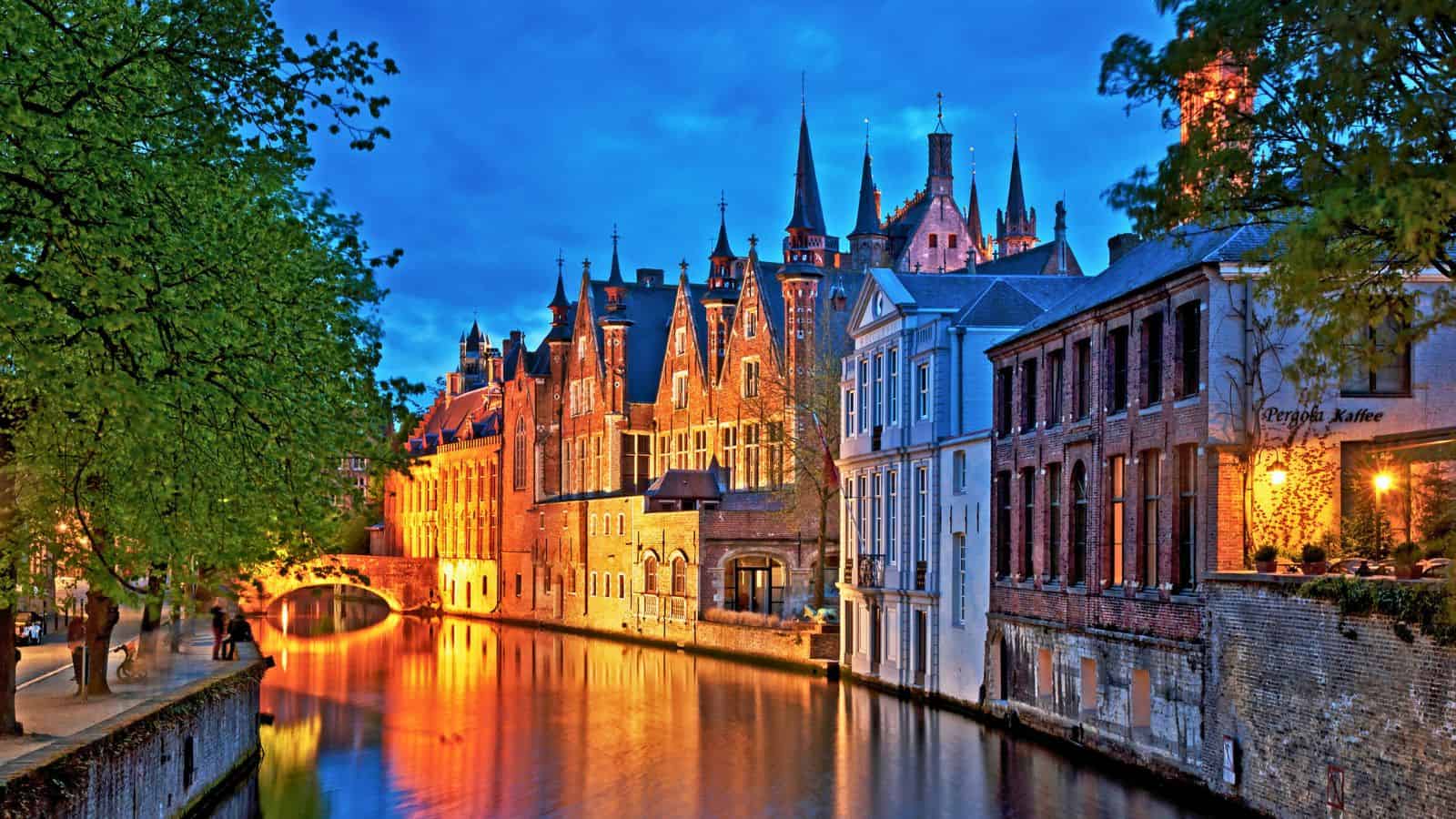
Canals thread through a cityscape of stepped gables, brick towers, and cobbled squares that preserve a strong medieval character. The Belfry rises above Market Square, its carillon echoing over rooftops and waterways. Gothic churches such as the Church of Our Lady lift slender spires skyward, sheltering intricate altarpieces and vaulted naves. Reflections ripple beneath arched bridges, doubling façades in muted light. Horse-drawn carriages pass along narrow lanes bordered by weathered stone. Evening settles softly across the water, where lanterns flicker against brick walls, shaping an atmosphere defined by stillness, history, and quiet grandeur.
Rome, Italy
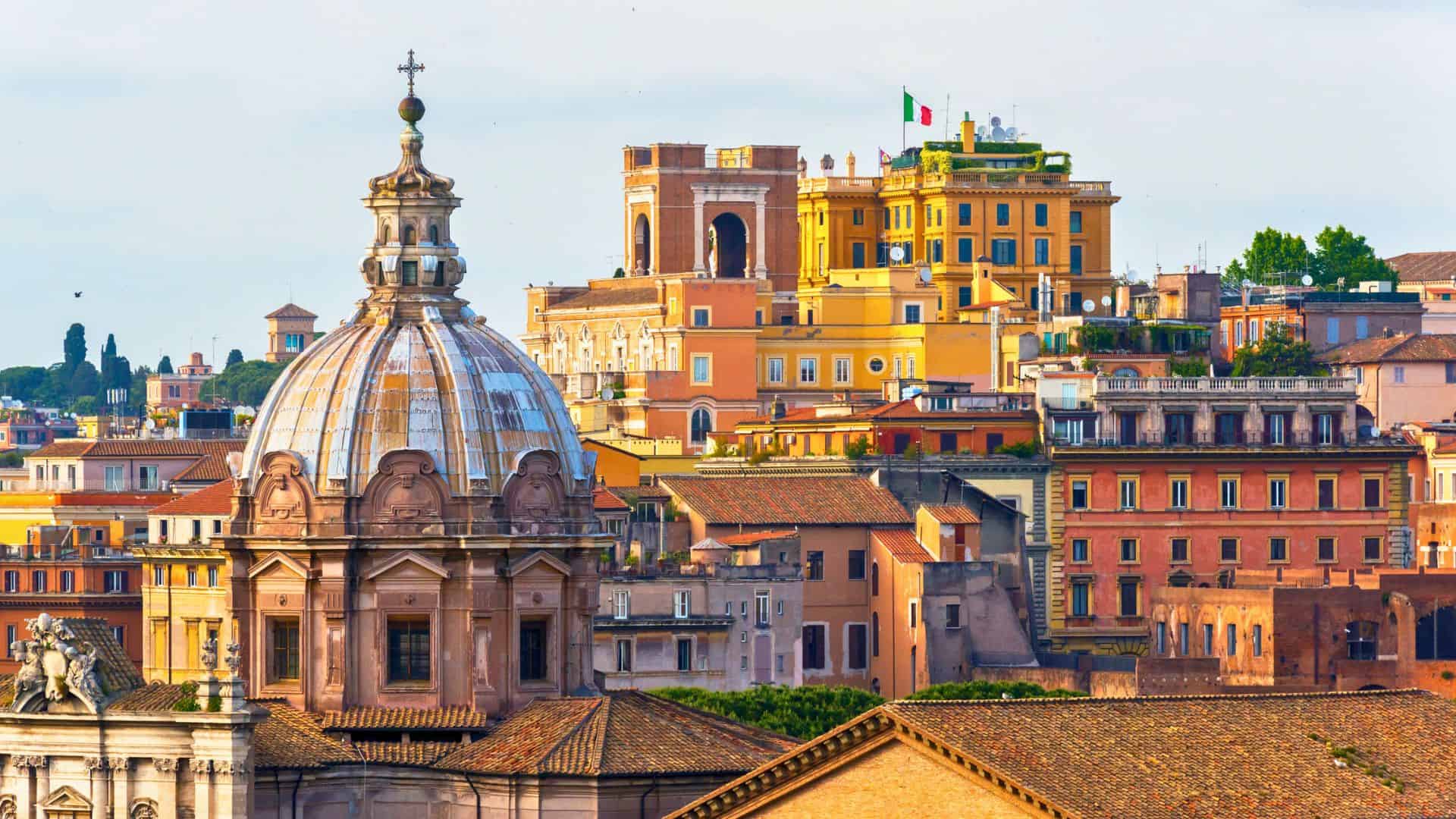
Rome unfolds as a grand stage shaped by papal ambition and artistic rivalry. Baroque drama radiates from St. Peter’s Basilica, where Bernini’s colonnades sweep outward like embracing arms. Nearby, Sant’Agnese in Agone and San Carlo alle Quattro Fontane display undulating facades and sculptural interiors rich with marble and light. Gothic traces remain in Santa Maria sopra Minerva, its vaulted ceilings rising above ancient foundations. Fountains surge in stone piazzas, and obelisks punctuate the skyline. At dusk, domes glow against a fading sky while church bells echo through winding streets, sustaining a city layered with theatrical movement and spiritual gravity.
Want to save this?
Seville, Spain
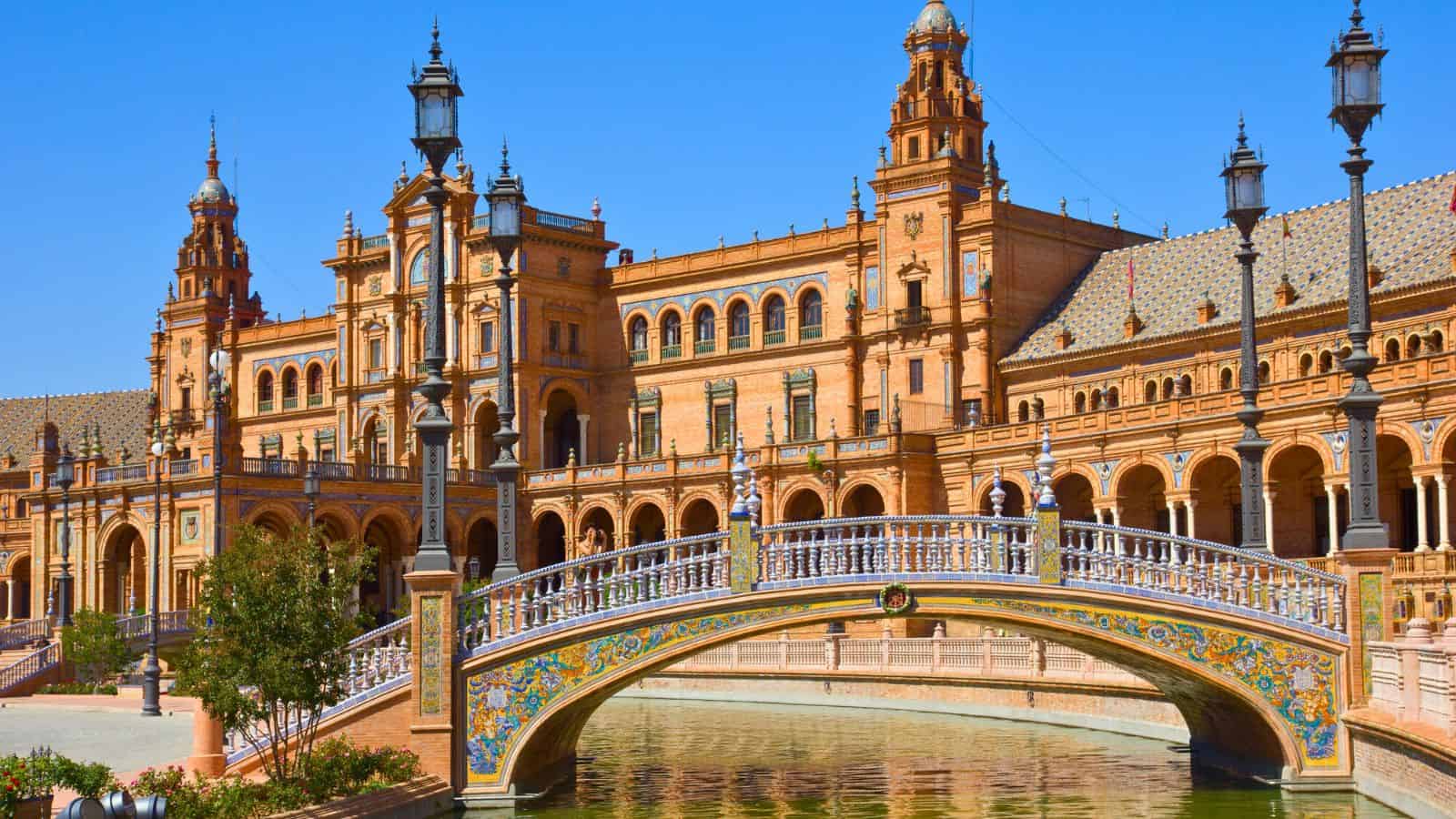
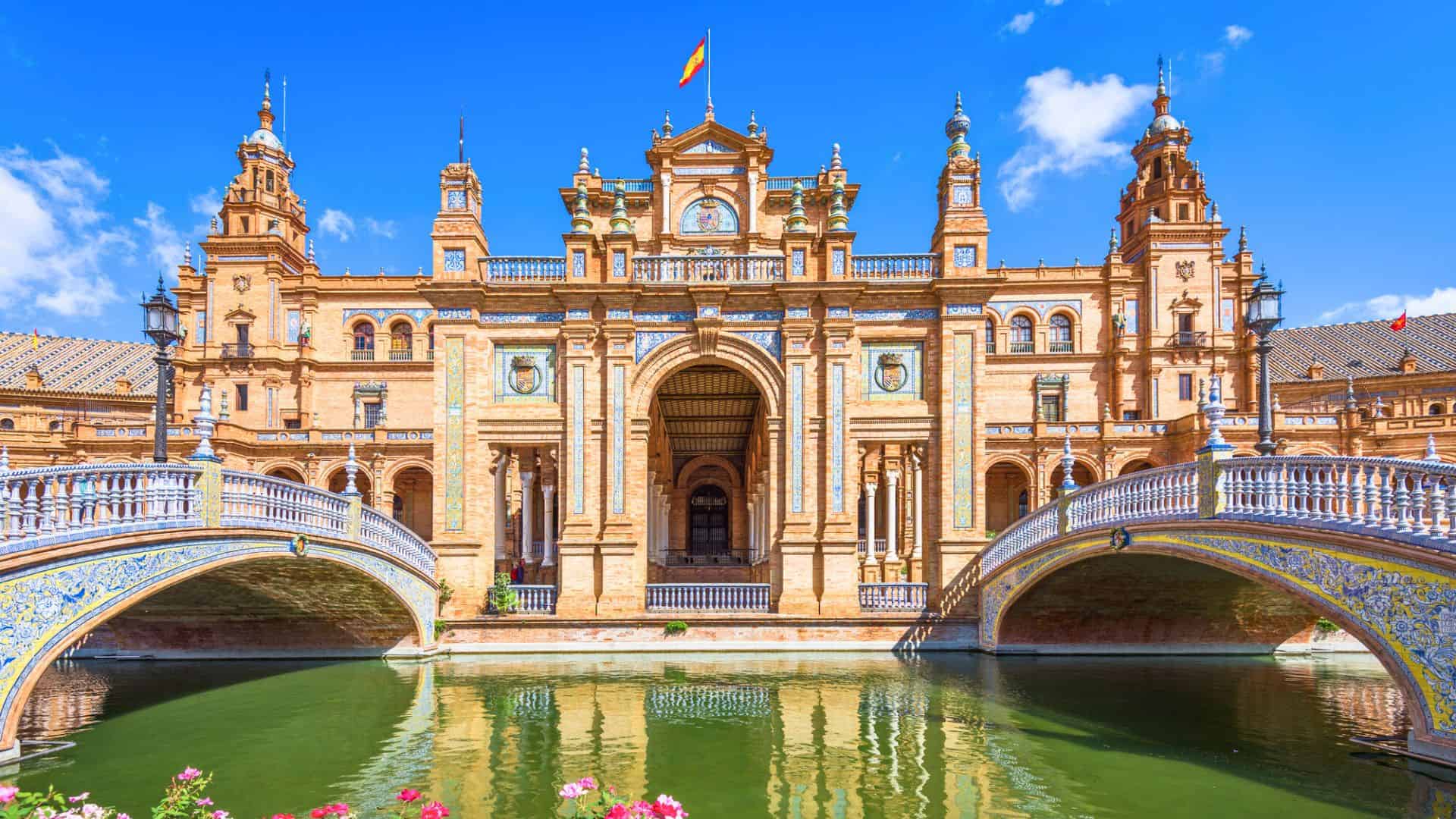
Seville carries the weight of empire in stone and shadow. The vast Gothic cathedral, built atop a former mosque, rises with soaring vaults and intricate tracery, anchored by the Giralda tower. Nearby churches erupt in Spanish Baroque exuberance, their altarpieces layered in gilded carvings and painted saints. Narrow streets weave between whitewashed walls and wrought-iron balconies, leading to plazas where fountains murmur beneath orange trees. Candlelit interiors shimmer with gold leaf and polychrome sculpture. As evening descends, façades glow softly, and distant bells drift through the air, sustaining a city marked by devotion, pageantry, and dramatic contrast.
Florence, Italy
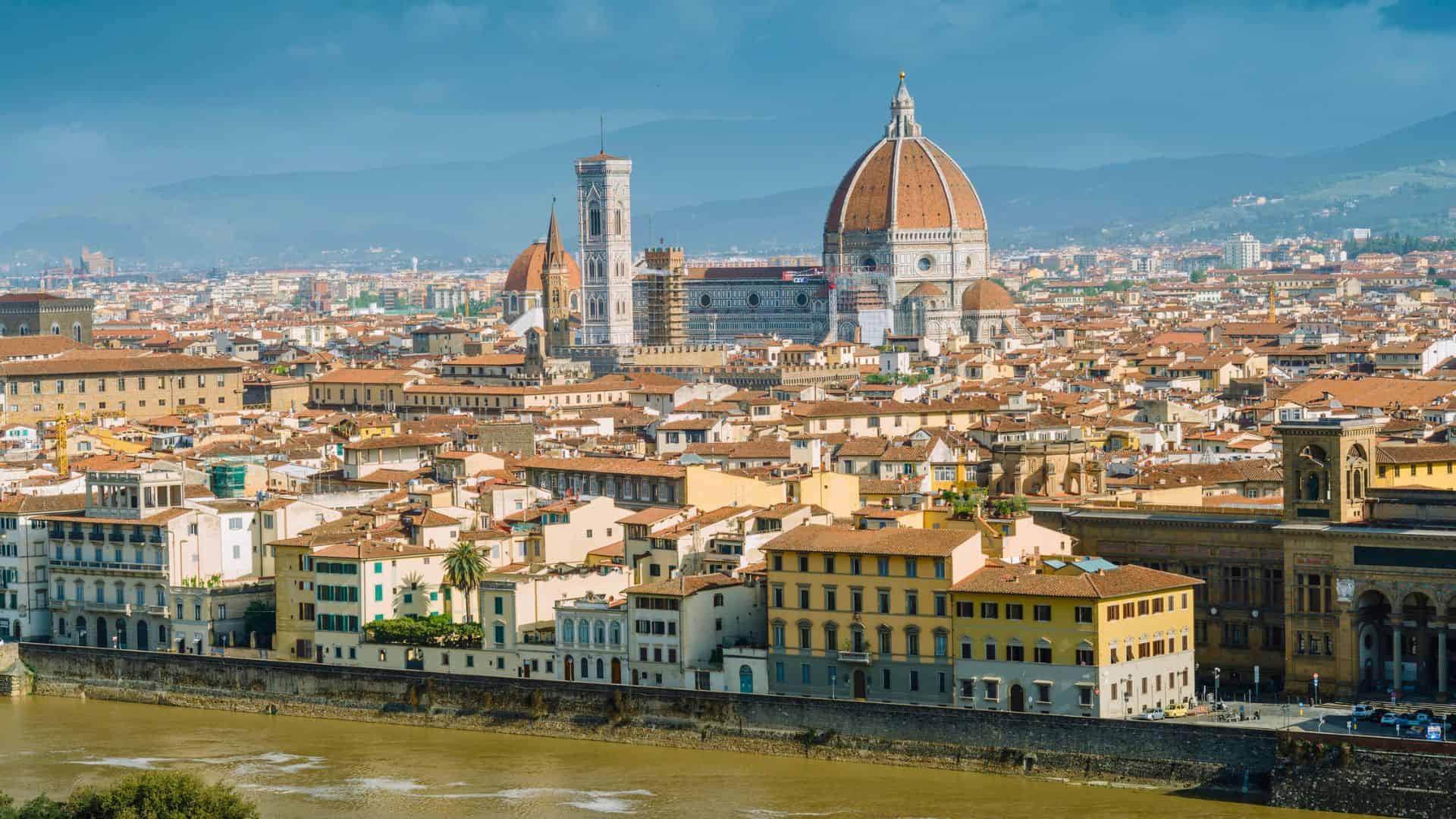
Rising above terracotta rooftops, the Duomo’s vast dome anchors a skyline shaped by medieval ambition and early Renaissance vision. Gothic foundations define Santa Croce and Santa Maria Novella, where pointed arches, ribbed vaults, and frescoed chapels cultivate solemn grandeur. The Palazzo Vecchio stands fortress-like, its crenellations recalling civic power rooted in the Middle Ages. Marble facades patterned in green and white catch shifting light across narrow streets and open piazzas. Bells carry across the Arno at dusk, and stone walls retain the hush of centuries, forming an atmosphere steeped in artistry, faith, and disciplined architectural harmony.
Antwerp, Belgium
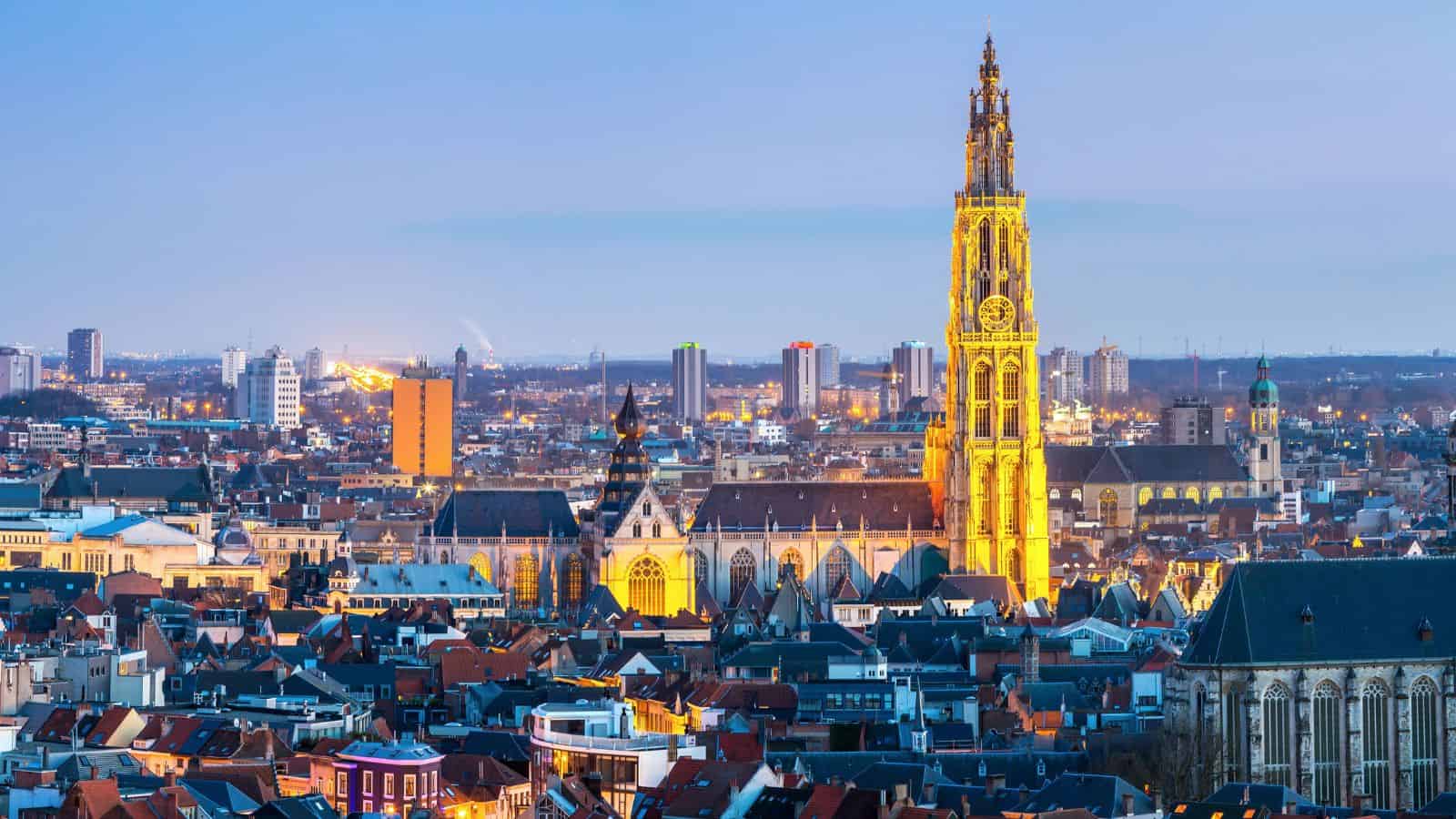
Soaring above the Scheldt River, the Cathedral of Our Lady commands attention with its lace-like Gothic tower etched against shifting skies. Within its vast nave hang monumental paintings by Rubens, reinforcing the city’s Baroque legacy through dramatic light and movement. Guild houses along the Grote Markt display ornate gables and sculpted figures, reflecting mercantile prosperity. Cobblestones lead toward quiet courtyards and hidden chapels where carved pulpits and gilded altars gleam in filtered daylight. Evening shadows stretch across façades, shaping a setting where mercantile ambition and sacred artistry intertwine in layered architectural form.
Salzburg, Austria
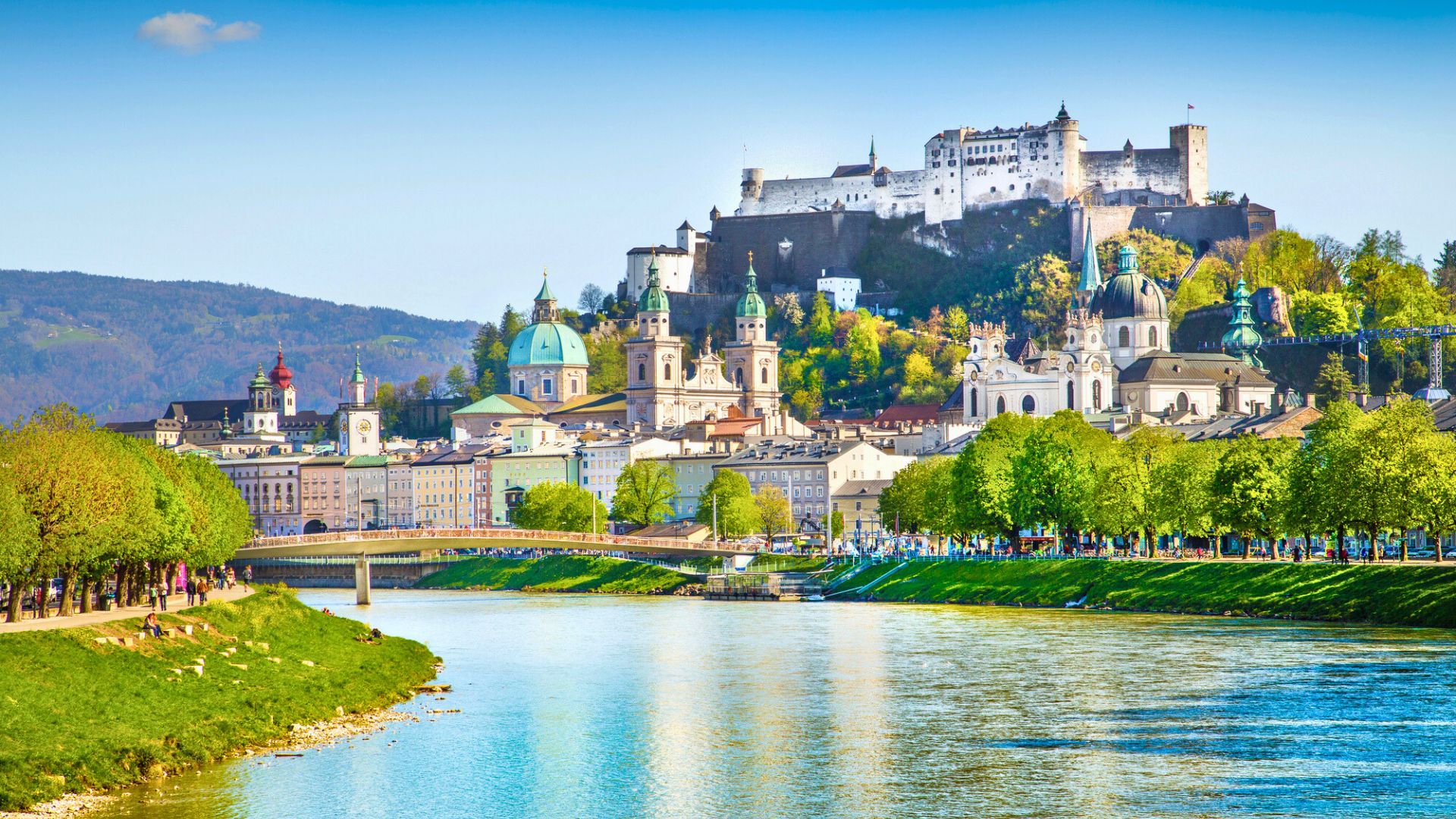
Salzburg rests beneath fortress walls and alpine peaks, its skyline crowned by domes and spires. The Baroque cathedral anchors the old town with twin towers and a vast crossing dome that commands Cathedral Square. Nearby, Kollegienkirche and St. Peter’s Abbey display graceful curves, stucco ornament, and luminous interiors. Though smaller in scale, Gothic traces linger in chapels and arcades tucked within medieval lanes. Hohensalzburg Fortress looms overhead, reinforcing a sense of watchful grandeur. At twilight, the Salzach River reflects pale façades and copper domes, shaping a cityscape poised between sacred ceremony and dramatic mountain backdrop.
Munich, Germany

Twin onion domes of the Frauenkirche punctuate the skyline, their Gothic brick mass rising above orderly streets. Inside, tall columns and restrained decoration create a solemn interior marked by vertical emphasis. Baroque intensity flourishes at Asamkirche, where gilded stucco, frescoed ceilings, and sculpted figures press inward with theatrical force. The Nymphenburg Palace extends outward in sweeping symmetry, framed by gardens and statuary. Along Residenz courtyards, arcades, and ornate halls recall dynastic ceremony. Twilight casts a subdued glow across facades in the Altstadt, shaping a city where medieval strength and ornate exuberance coexist in striking contrast.
Get Ready to Crane Your Neck
Gothic and Baroque architecture didn’t appear out of nowhere. Gothic grew out of medieval Europe, when cities competed to build taller cathedrals that reached toward the sky. Pointed arches, ribbed vaults, and flying buttresses changed what was possible in stone. Centuries later, Baroque architecture took a different path. It came out of the Counter-Reformation and royal courts, designed to project power, faith, and control. Domes grew larger, facades became more detailed, and interiors filled with sculpture, gold, and painted ceilings.
These styles weren’t just about looks. They reflected politics, religion, wealth, and rivalry between cities and empires. When you walk through places shaped by Gothic and Baroque design, you’re seeing history built into the streets. Churches, palaces, and public squares still carry the goals of the people who funded them. This list looks at cities where that history is still clear, still visible, and still shaping the skyline today.
10 Visa Free European Countries That Make Last Minute Travel Easier

Last minute trips can fall apart quickly if paperwork gets in the way. This article features visa free European countries that make last minute travel easier, focusing on destinations where entry rules are simple and approvals are not required in advance for many travelers. Fewer formalities can make spontaneous plans feel more realistic.
Read More Here: 10 Visa Free European Countries That Make Last Minute Travel Easier
13 Most Affordable European Cities for Solo Travelers in 2026
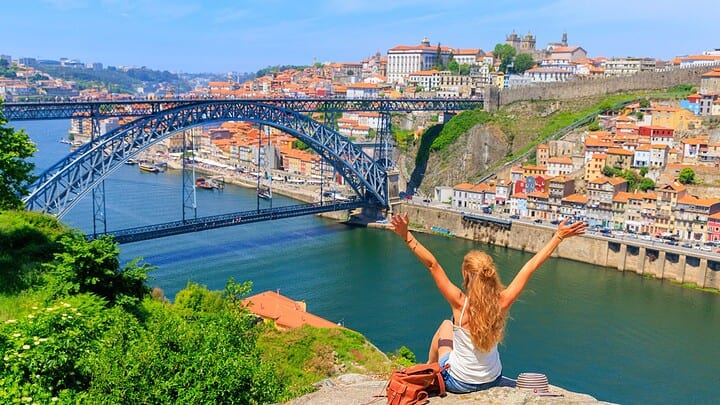
Solo travel in Europe doesn’t have to feel expensive or complicated. It's now easier than ever to move around on your own without watching every euro. Flights are more flexible, trains connect cities smoothly, and many places still keep daily costs low. That means less stress and more space to enjoy the trip your way. You can start with these 13 most affordable European countries for solo travelers in 2026.
Read More Here: 13 Most Affordable European Cities for Solo Travelers in 2026


Leave a Reply