
Flying becomes easier with experience, and small habits start to stand out quickly. This article features flying mistakes frequent travelers notice immediately, focusing on common behaviors that slow boarding, disrupt cabins, or create unnecessary stress. What feels minor to one passenger can be obvious to someone who flies often.
Knowing these mistakes can help make travel smoother for everyone on board. Small adjustments in timing, packing, and etiquette can change how a flight unfolds. Keep reading to see which flying habits seasoned travelers spot right away and how to avoid them.

Booking Flights Too Late

Waiting until the last minute to book almost always limits your options. Fares tend to rise as departure dates approach, and seat selection becomes restricted. Instead of choosing a convenient schedule or aisle seat, you may be left with inconvenient departure times or middle-row placements. Planning ahead—even by a few weeks—often results in lower prices and more flexibility. Experienced travelers track fares early and lock in tickets before inventory tightens.
Forgetting to Check Visa and Entry Requirements

Assuming a passport is enough can derail a trip before boarding begins. Many destinations require visas, electronic travel authorizations, proof of onward tickets, or vaccination documentation. Airlines verify these requirements at check-in, and missing paperwork can lead to denied boarding. Reviewing entry policies for each destination—including transit stops—prevents last-minute panic and protects your travel investment.
Not Checking Flight Times Carefully

Mixing up departure dates, misreading a 24-hour clock, or overlooking time zone differences can result in missed flights. Red-eye departures and early morning schedules increase confusion. Confirming flight times, setting reminders, and reviewing itineraries the day before departure prevents avoidable mistakes.
Overpacking Personal Items

Carrying multiple bags slows movement through security, boarding, and connections. Extra totes and backpacks quickly become inconvenient during long walks between gates. Streamlining personal items makes airport navigation easier and reduces pre-flight stress.
Failing to Sign Up for Airline Alerts

Gate changes, boarding updates, and schedule adjustments are often communicated through airline apps or text alerts. Travelers who ignore notifications risk arriving at the wrong gate or missing critical updates. Enabling alerts keeps you informed throughout the journey.
Forgetting to Hydrate

Cabin air is dry, and dehydration can worsen fatigue and jet lag. Many passengers overlook water intake during flights. Bringing an empty reusable bottle and refilling it after security helps maintain hydration. Staying hydrated improves comfort upon arrival.
Want to save this?
Not Accounting for Layover Time

Short connections may look efficient on paper but can unravel quickly with minor delays. Large airports require significant walking time, and immigration lines can slow international transfers. Allowing a generous buffer reduces the risk of missed connections and rushed transfers.
Not Comparing Nearby Airports
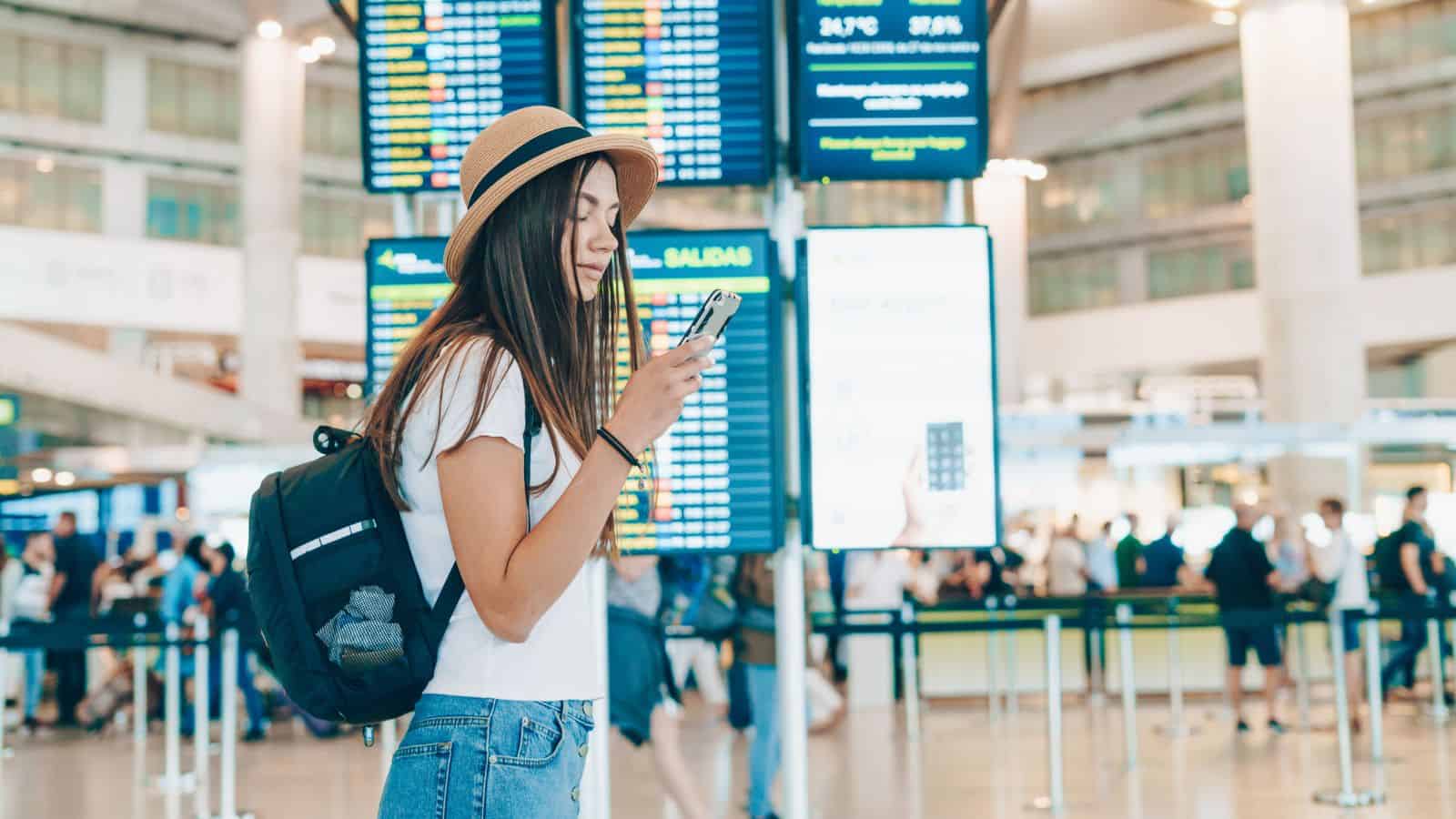
Large metro areas often have multiple airports, yet travelers frequently default to the most recognizable one. Secondary airports may offer lower fares, shorter security lines, or more convenient arrival points. Expanding your search radius when booking can uncover better routing and reduce total travel time. A few extra minutes of research can translate into significant savings.
Ignoring Baggage Rules

Airlines enforce strict size and weight limits. Overweight or oversized luggage leads to unexpected fees, delays, or repacking at the counter. Budget carriers are especially precise about carry-on dimensions. Reviewing baggage policies before packing—and weighing bags at home—avoids unnecessary charges and gate-side stress.
Skipping Travel Insurance

Delays, cancellations, medical issues, or lost luggage can quickly become expensive problems. Many travelers skip insurance to save money, only to regret it during disruptions. A modest policy can reimburse unexpected hotel stays, rebooked flights, or emergency treatment. Insurance functions as financial protection against events outside your control.
Packing Restricted Items in Carry-Ons

Security checkpoints routinely confiscate liquids over the limit, sharp tools, or restricted electronics. Travelers who fail to review screening guidelines often lose items or slow down lines during inspections. Checking current security rules before packing helps avoid unnecessary delays and prevents replacement costs.
15 Flight Tips That'll Help Calm Your Travel Anxiety

Feeling anxious on board? Traveling by plane can be a source of anxiety for many people, but there are 15 flight tips that'll help calm your travel anxiety. Understanding how to manage stress during a flight can make the experience more pleasant and enjoyable. Simple strategies, from breathing techniques to choosing the right seat, can significantly reduce feelings of unease and help travelers feel more at ease.
Read More Here: 15 Flight Tips That'll Help Calm Your Travel Anxiety
13 Hacks for Comfortable Long-Haul Flights in Economy

Have a more comfortable flight with these tips! Long-haul flights in economy class can often feel cramped and uncomfortable, leaving travelers dreading the journey ahead. However, with the right strategies, it is possible to make these long trips more bearable. Here are 13 hacks for comfortable long-haul flights in economy that can help transform the flying experience into a more pleasant one.
Read More Here: 13 Hacks for Comfortable Long-Haul Flights in Economy




Leave a Reply