
There is something about standing at the very edge of a continent that changes your perspective. When you look down and see nothing but a massive drop into the crashing ocean, it hits different. Our planet has 14 coastal cliffs with seriously massive walls of rock that make everything else look tiny. These spots aren't just big; they are landmarks that have survived millions of years of wind and salt.
You don't need to be a geologist to appreciate a thousand-foot vertical drop into the blue. It’s the perfect reminder of how wild the world still is. This list covers the heavy hitters across the globe that you should see at least once. Whether you like high-altitude hikes or just want a great view from a boat, these locations are the real deal.
Kalaupapa Cliffs
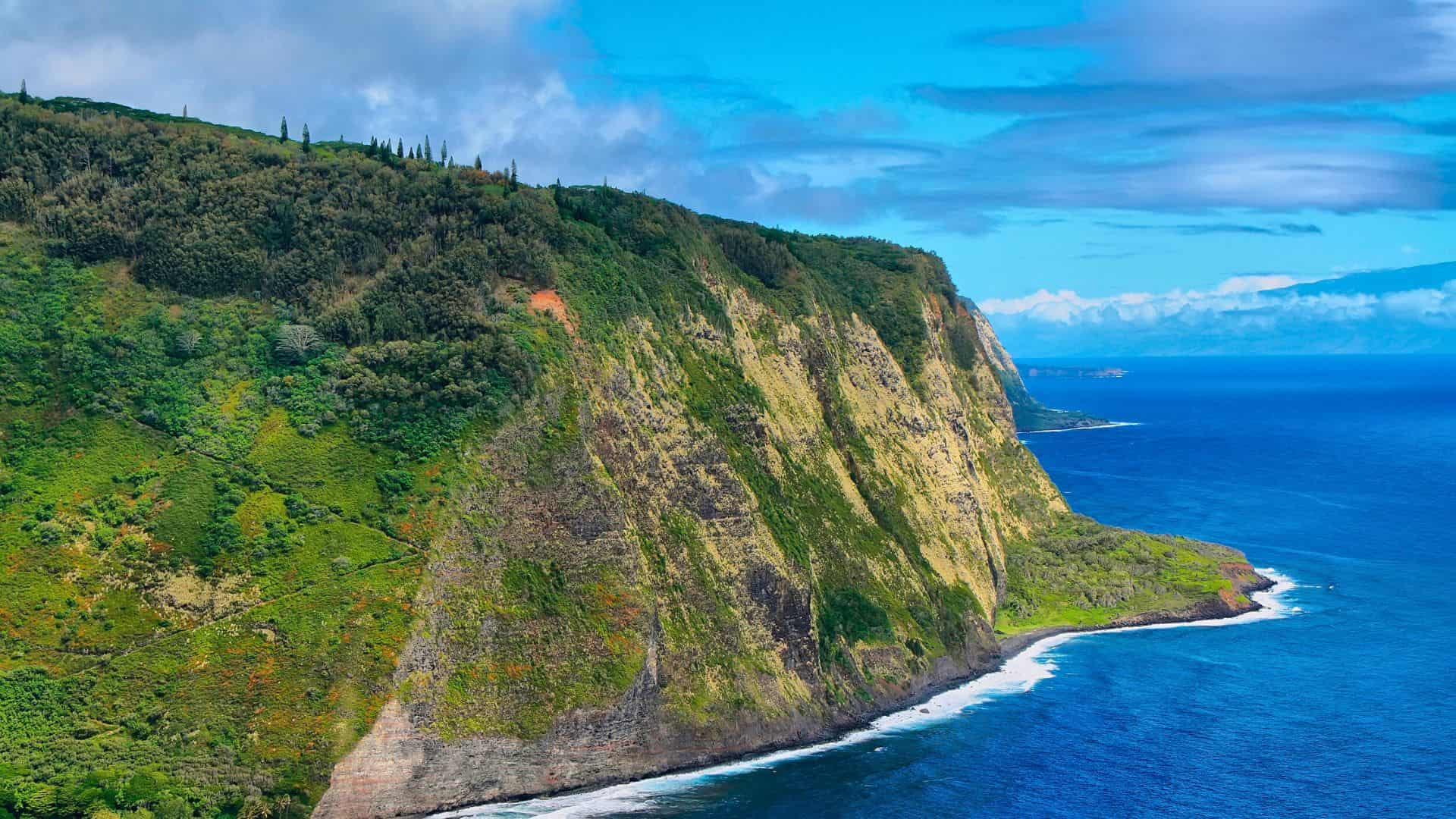
These massive basaltic walls on Molokai, Hawaii, represent a raw display of volcanic power and erosion. Rising nearly 3,900 feet above the crashing Pacific surf, they rank as the tallest sea cliffs on the planet. The verticality is so extreme that access remains restricted to mule trails or small aircraft. Beyond their physical stature, they hold a somber history as a former isolation site for individuals with Hansen's disease. The lush, emerald vegetation clinging to the near-vertical rock faces creates a stark visual contrast against the deep turquoise waters, illustrating the intense natural beauty of the Hawaiian archipelago.
Cabo Girão
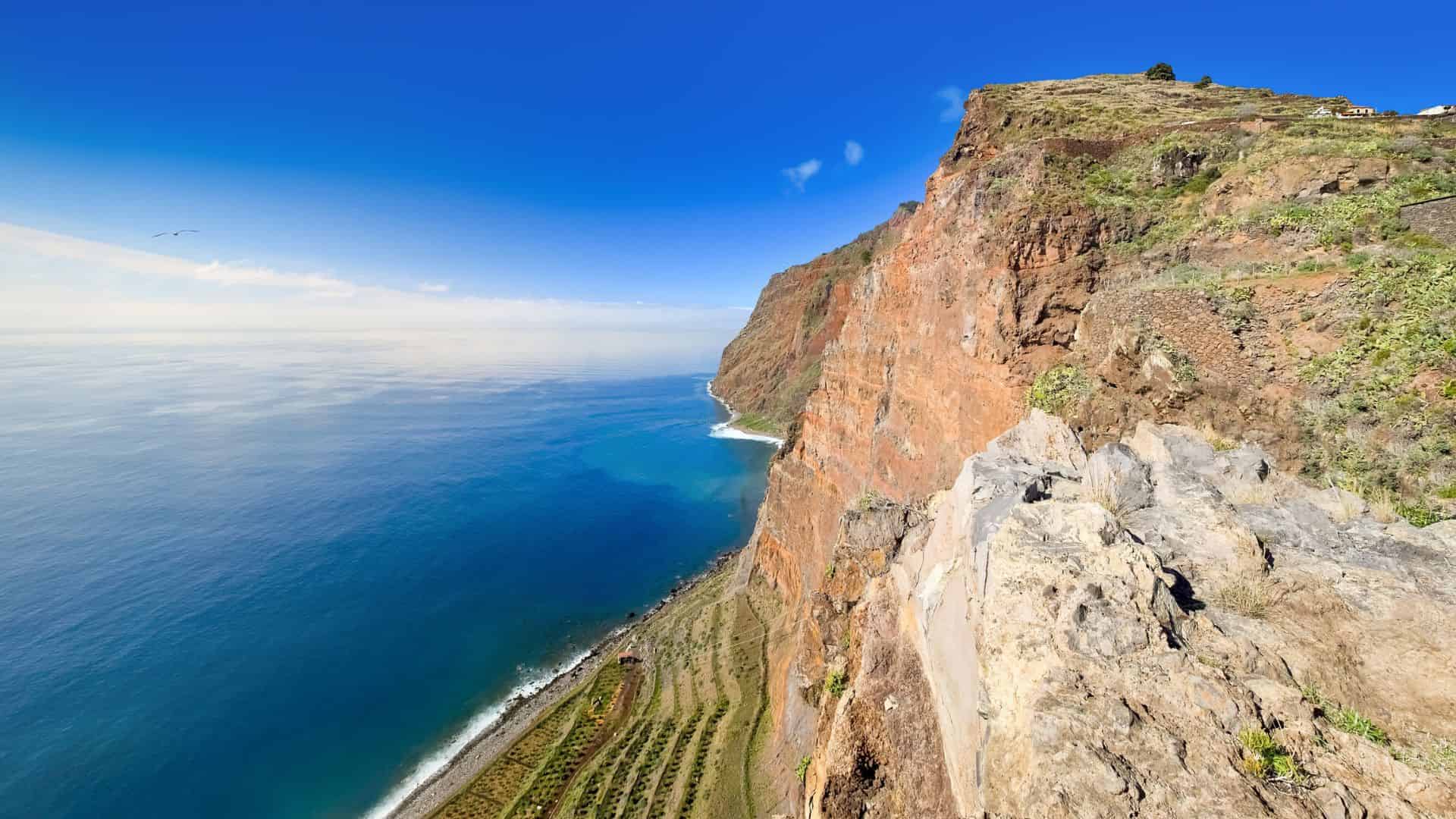
Cabo Girão is a massive sea cliff on the southern coast of Madeira, Portugal, standing at a staggering 1,932 feet. It features a famous glass-bottomed skywalk that allows visitors to look directly down at the crashing surf and terraced farm plots known as fajãs. These small patches of land at the cliff base were once only accessible by boat, though a cable car now assists local farmers. The cliff is a prominent landmark of volcanic origin, with layers of dark rock reflecting the island's turbulent geological past. Its height makes it a great location for BASE jumping and paragliding for those seeking a high-altitude perspective.
Mitre Peak
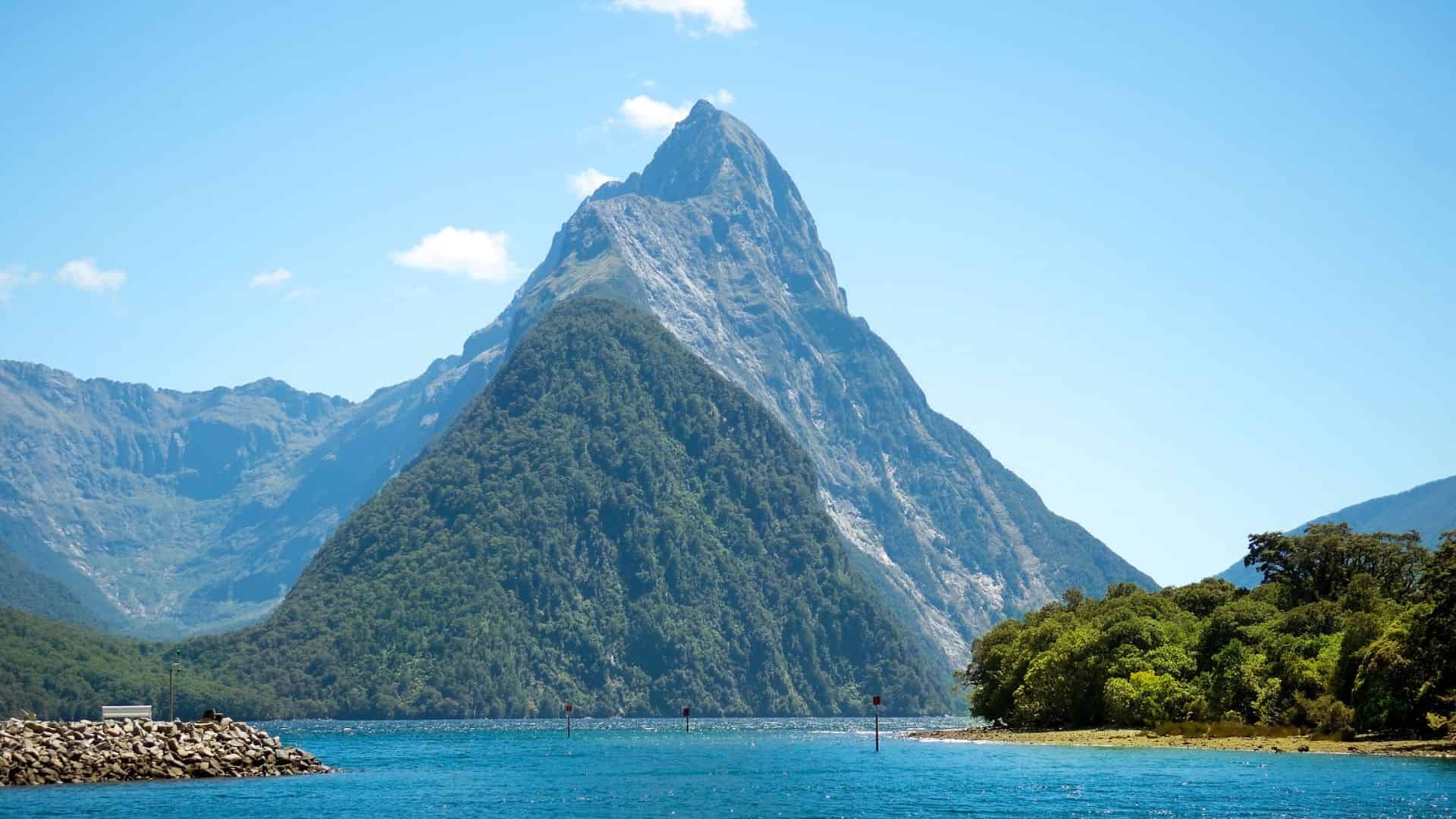
Rising sharply from the dark, glacial depths of Milford Sound, this mountain peak reaches a height of 5,560 feet. While the summit is high above, the base consists of sheer rock faces that plunge directly into the Fiordland waters of New Zealand. Formed by ancient glacial carving, the peak resembles a bishop’s mitre, which gave the landmark its name. The surrounding environment remains a haven for seals and penguins, often shrouded in a thick mist that adds to the atmospheric tension of the landscape. Heavy rainfall in this region frequently triggers temporary waterfalls that streak down the cliffside.
Slieve League
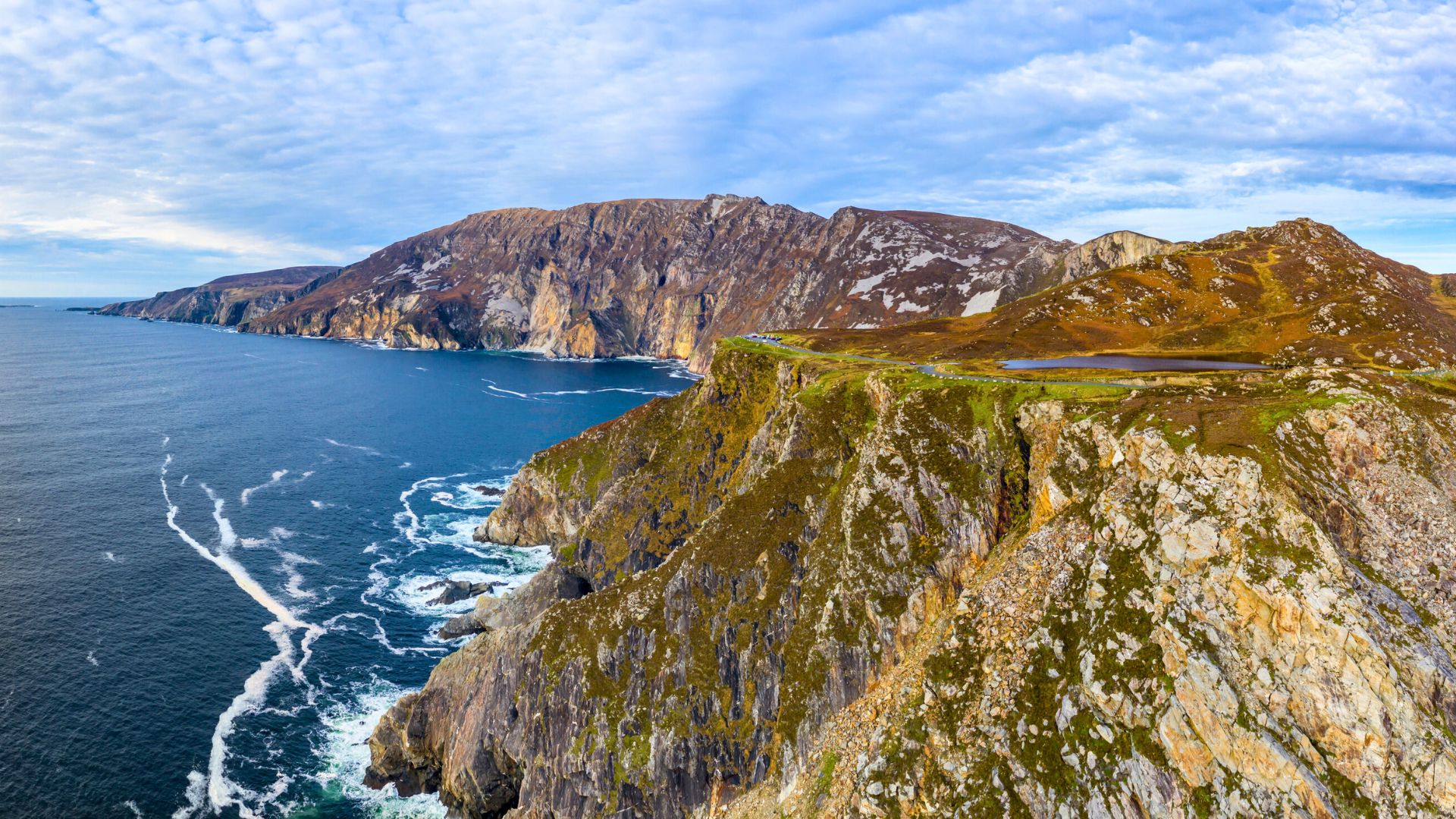
Located in County Donegal, Ireland, these cliffs are among the highest in Europe, reaching 1,972 feet. They are significantly taller than their famous counterparts in Clare, featuring a much more rugged and wild appearance. The "One Man's Path" is a narrow trail along the ridge that requires nerves of steel, as it borders steep drops on both sides. The rock faces are composed of quartzite and marine sediments that glow with various shades of orange and yellow during sunset. The isolation of this site preserves a pristine environment where the power of the North Atlantic is truly felt.
Cliffs of Moher
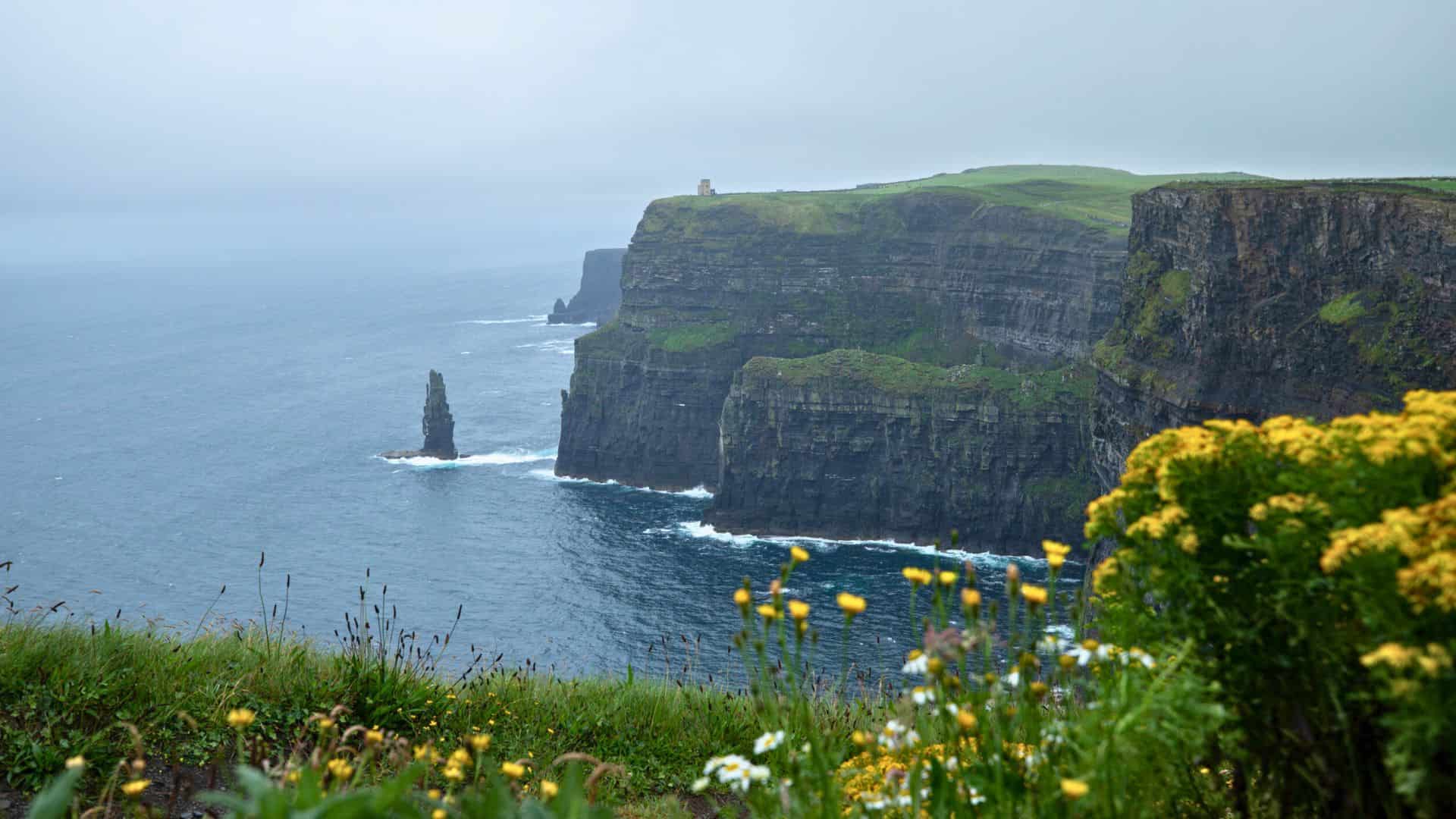
These iconic Irish formations stretch for five miles along the Atlantic coast of County Clare. At their peak near O'Brien's Tower, they reach a height of 702 feet. The layers of Namurian shale and sandstone are visible in the cliff face, holding fossils of ancient sea creatures. Millions of seabirds, including Atlantic puffins and razorbills, nest within the various crevices and ledges. The constant battering from the Atlantic wind and waves continues to shape the jagged profile of the coastline. This site remains a focal point for studying coastal erosion and the sedimentary history of the Carboniferous period.
Cape Point
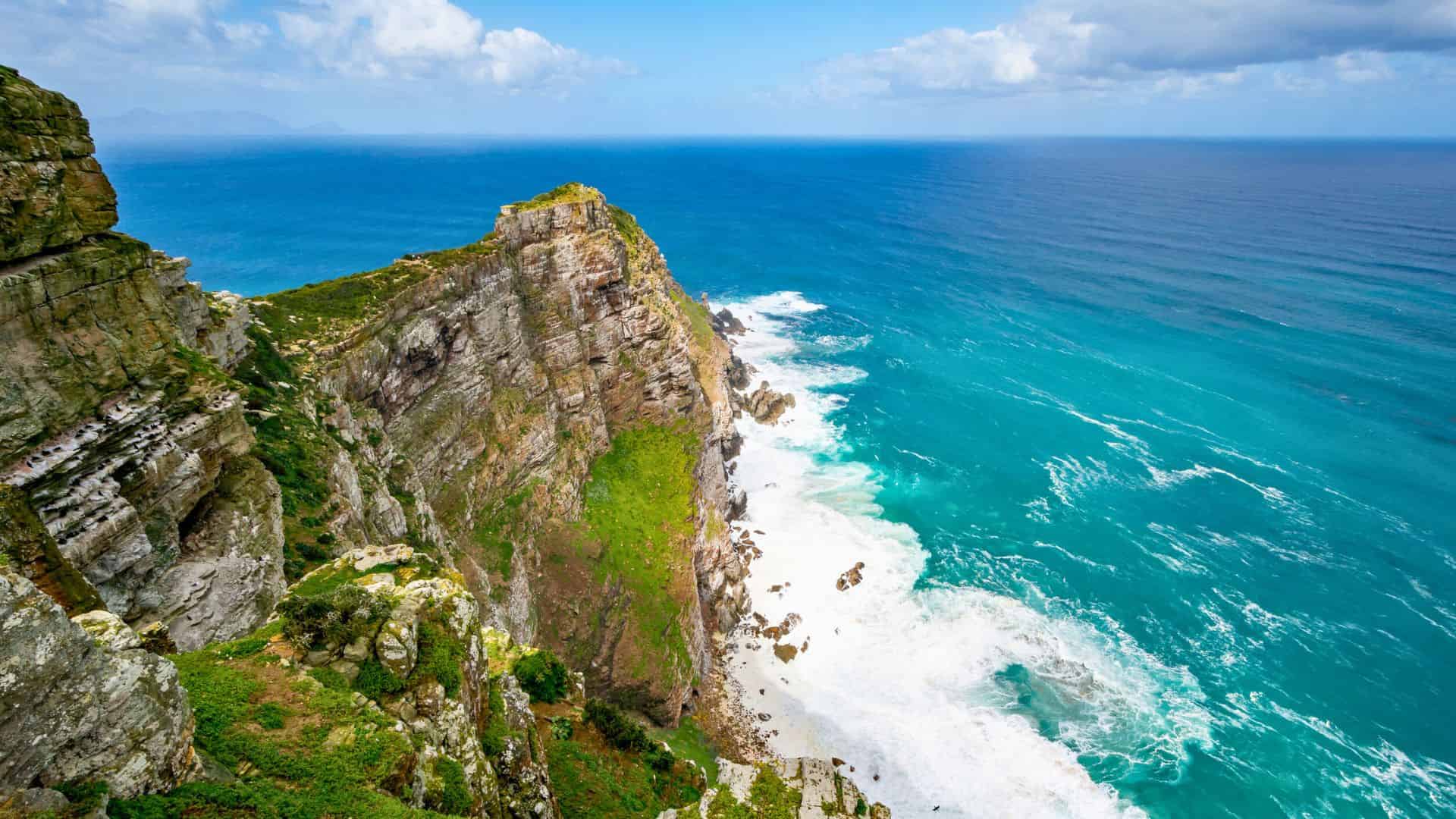
Cape Point is a rugged sandstone promontory located at the southeastern tip of the Cape Peninsula in South Africa. Part of the Table Mountain National Park, these cliffs rise sharply above the Atlantic Ocean, reaching a peak where a historic lighthouse sits. The surrounding area is a biodiversity hotspot, home to the endemic fynbos vegetation and various seabird colonies. While often confused with the southernmost point of Africa, its true significance lies in its role as a navigational landmark for centuries of sailors. The dramatic vertical drops provide a perfect vantage point for spotting whales and dolphins in the deep blue waters below.
Qingshui Cliff
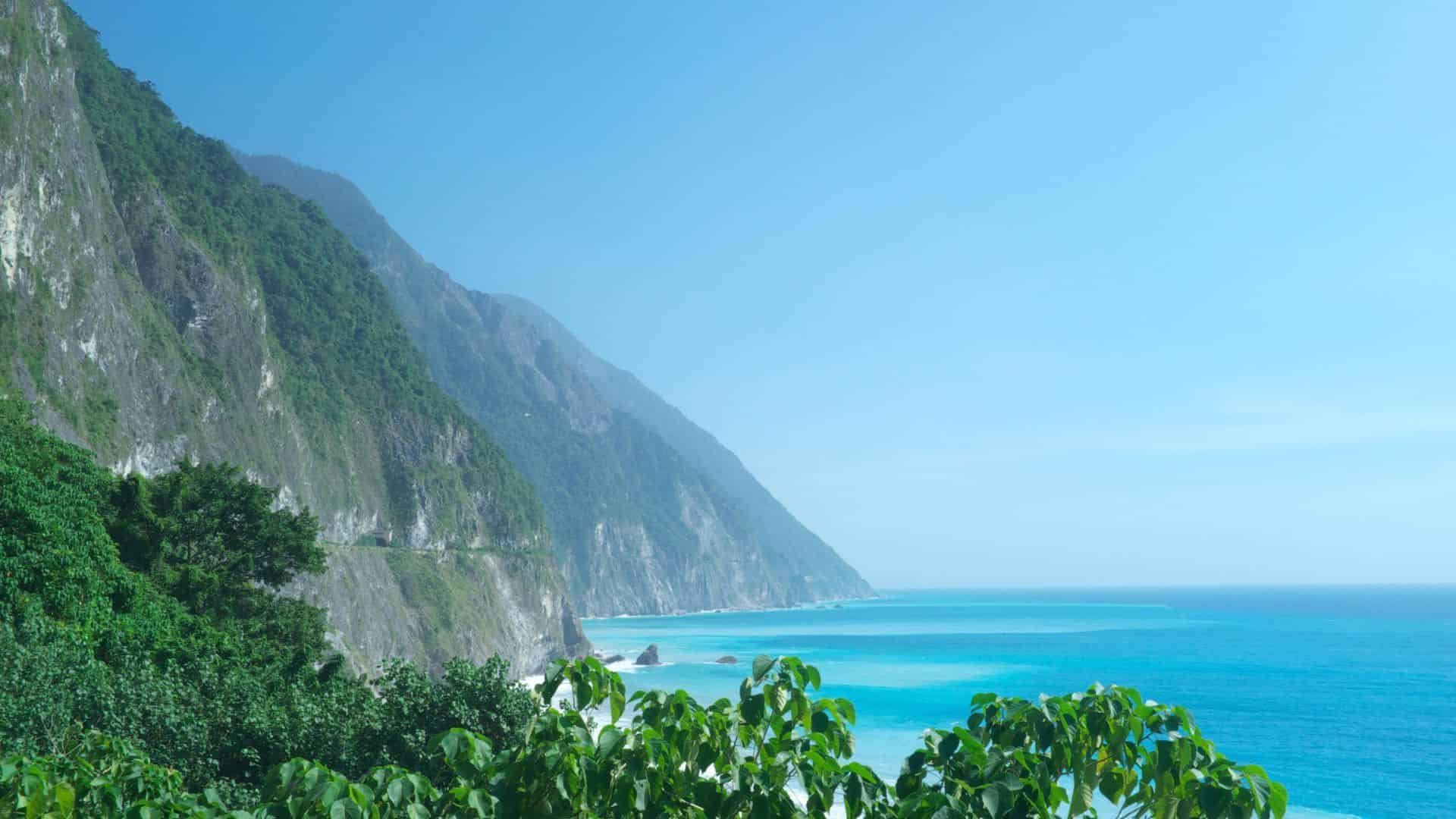
This magnificent stretch of coastline in Taiwan spans 13 miles along the eastern side of the island. The cliffs rise over 2,400 feet, consisting primarily of marble and gneiss. This geological composition gives the rock a distinct light gray and green appearance, which stands out against the vibrant blue of the Pacific Ocean. The construction of the Suhua Highway, which tunnels through these cliffs, was a massive engineering feat that allows travelers to witness the vertical drop firsthand. The site is a primary example of tectonic uplift, where the Philippine Sea Plate meets the Eurasian Plate.
Étretat Cliffs
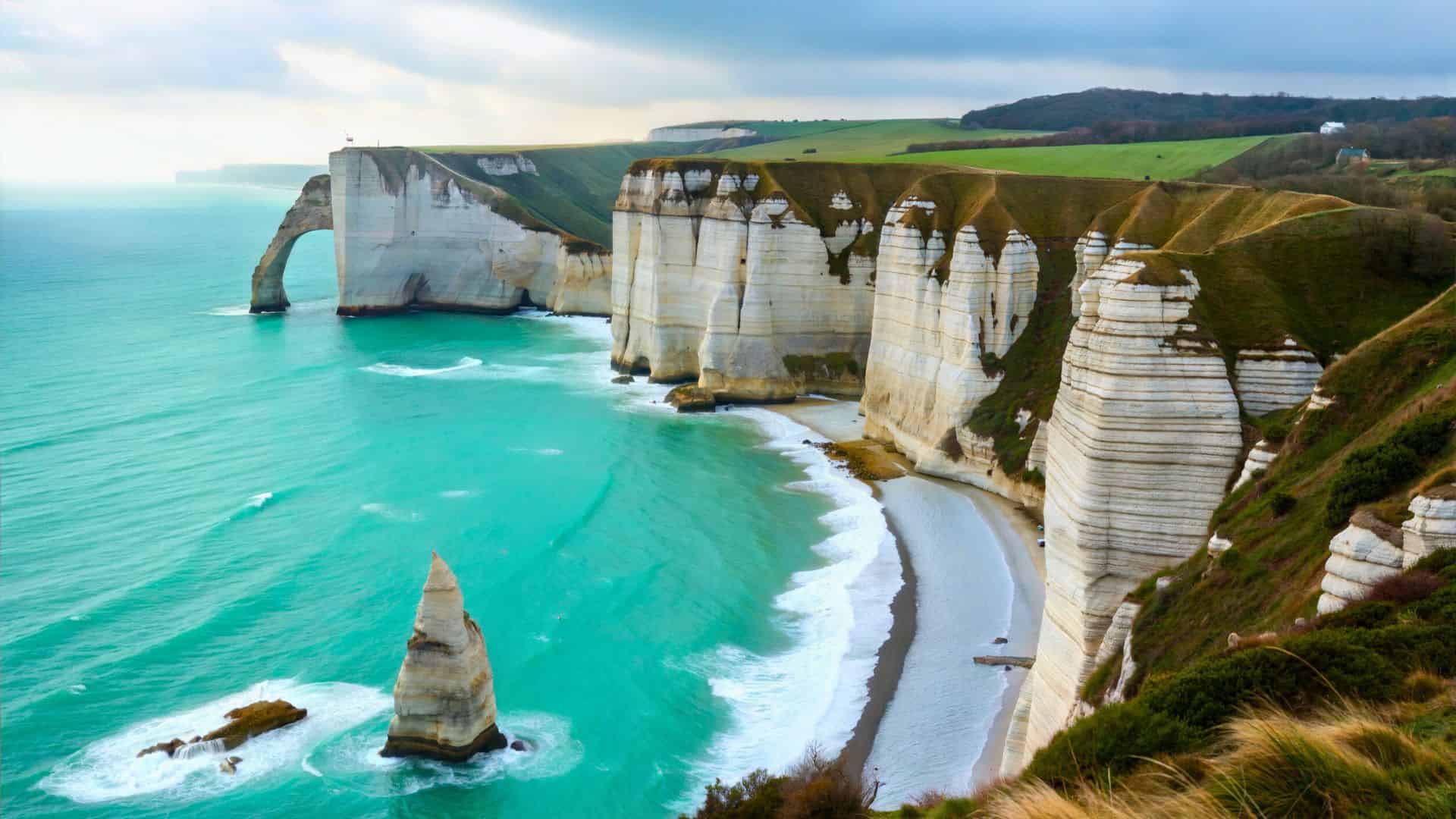
Étretat Cliffs consist of Upper Cretaceous chalk and limestone, sculpted over eighty million years by the relentless Atlantic tides. These vertical white walls in Normandy are famous for natural arches and a sharp needle-like spire rising seventy meters from the sea. Claude Monet and other Impressionist painters frequently captured the shifting light on these surfaces. Beyond their artistic fame, the cliffs house World War II bunkers that remain as silent witnesses to the defense of the French coastline. The geological stratification reveals ancient marine life, with flint layers creating dark horizontal stripes across the pale rock face.
Want to save this?
White Cliffs of Dover
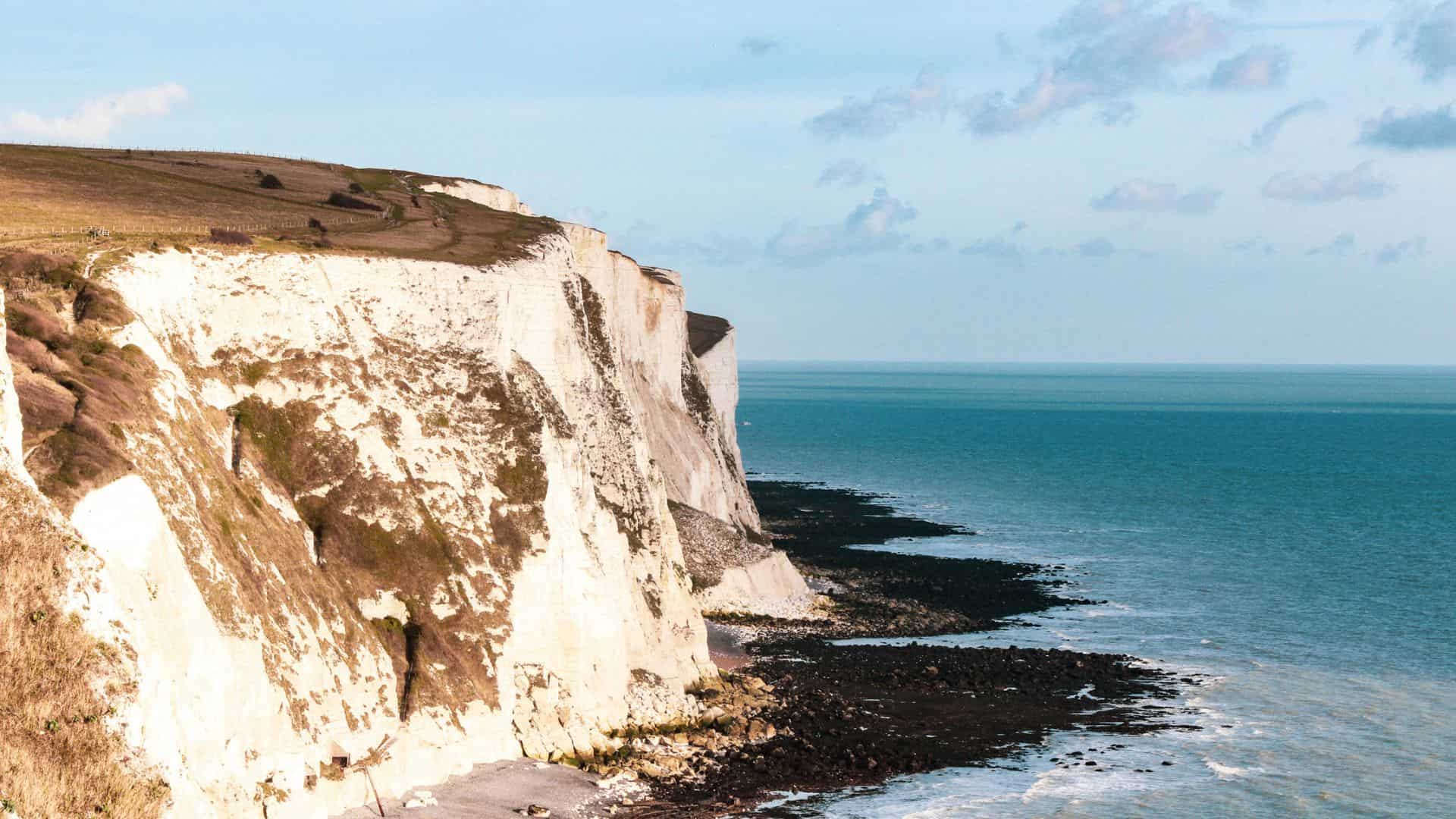
These striking white ramparts on the British coast consist mainly of soft, fine-grained chalk. This chalk formed from the skeletal remains of tiny algae known as coccolithophores that lived in the sea during the Cretaceous period. Standing at 350 feet, the cliffs serve as a symbolic gateway to England, visible from the French coast on clear days. The porous nature of the chalk means the cliffs are subject to frequent rockfalls, constantly revealing a fresh, brilliant white surface. Below the surface, a vast network of hidden tunnels exists, used during the Second World War for defense.
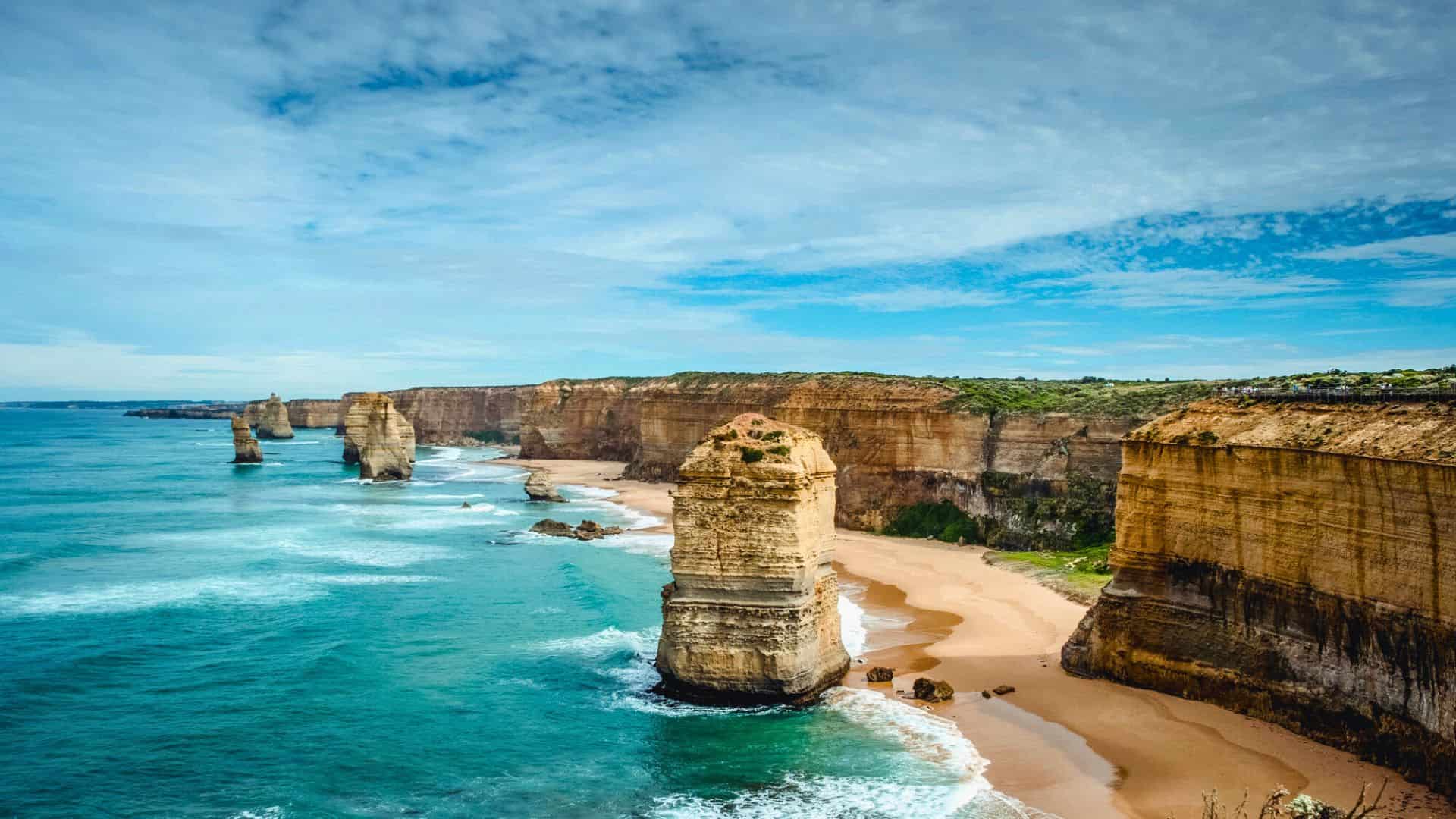
Twelve Apostles
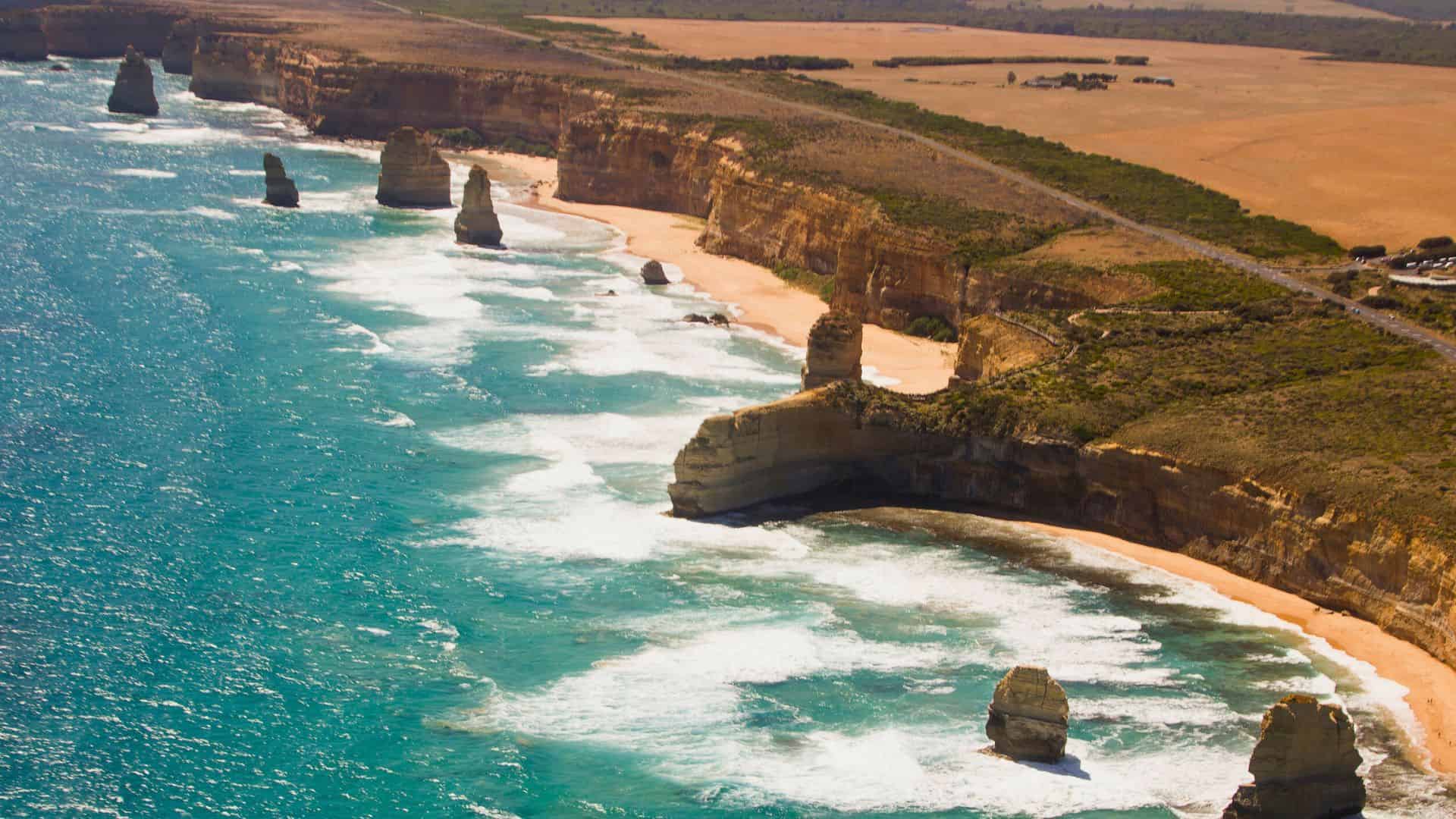
Twelve Apostles are massive limestone stacks standing fifty meters high off the coast of Victoria, Australia. Originally part of the mainland, these structures resulted from ten to twenty million years of erosion. The Southern Ocean first carved caves into the soft limestone, which later became arches that eventually collapsed into isolated pillars. Despite the name, only eight stacks remain today after several dramatic collapses in recent years. This site demonstrates the ongoing cycle of coastal transformation, as the base of each pillar continues to erode at a rate of approximately two centimeters annually, ensuring the landscape remains in constant flux.
Bunda Cliffs
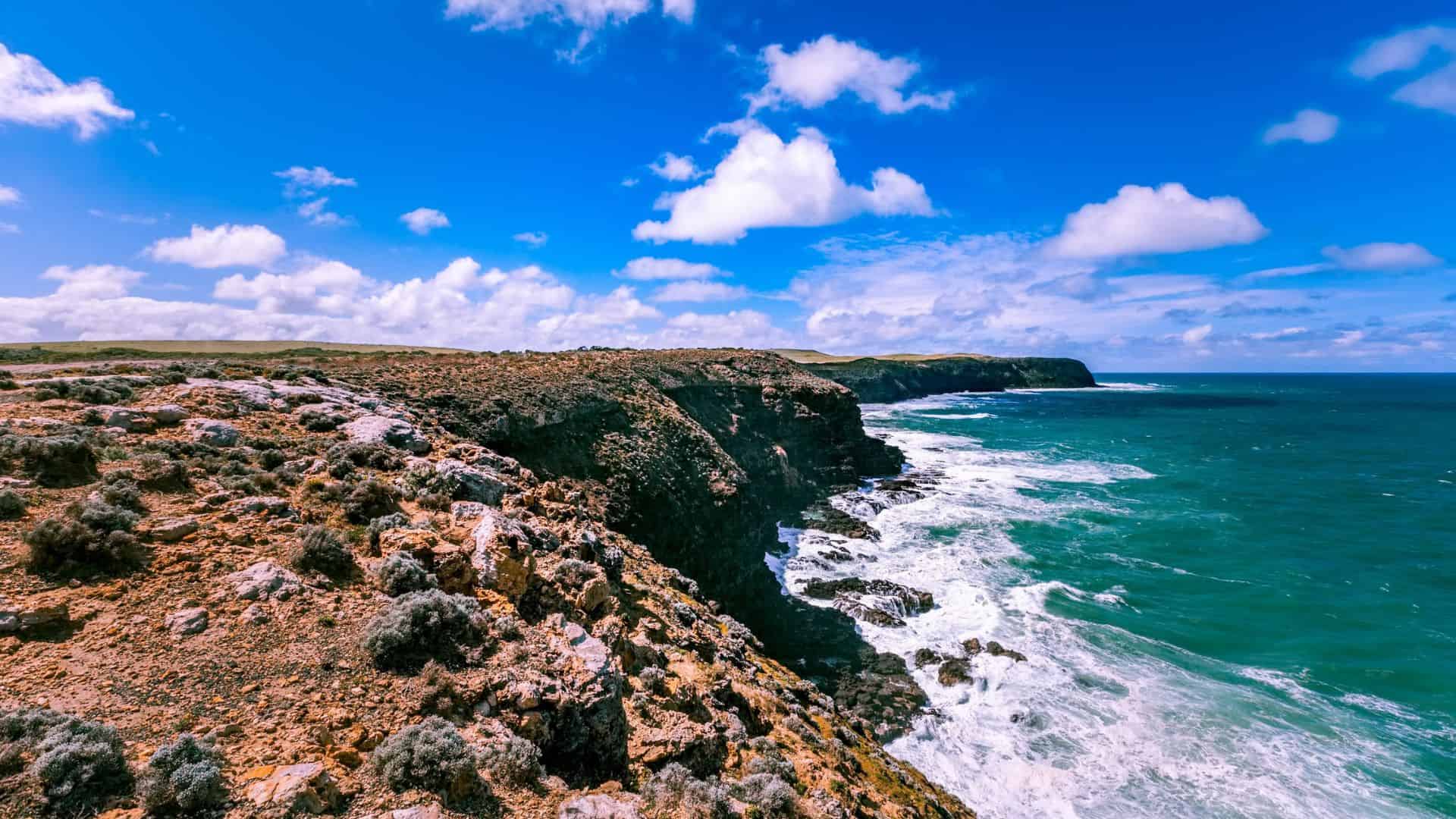
Bunda Cliffs form the southern edge of the Nullarbor Plain, representing the longest uninterrupted sea cliff line on Earth. They stretch for 130 miles across the Great Australian Bight, reaching heights of 390 feet. Geologically, they are part of the Eucla Basin, composed of fossiliferous limestone formed sixty-five million years ago when the region was a shallow seabed. The lower half of the wall appears bleached white due to this ancient marine sediment. These cliffs mark the point where the Australian continent abruptly ends, meeting the high-energy waves of the Southern Ocean that cause the coastline to recede northwards.
Acantilados de Los Gigantes
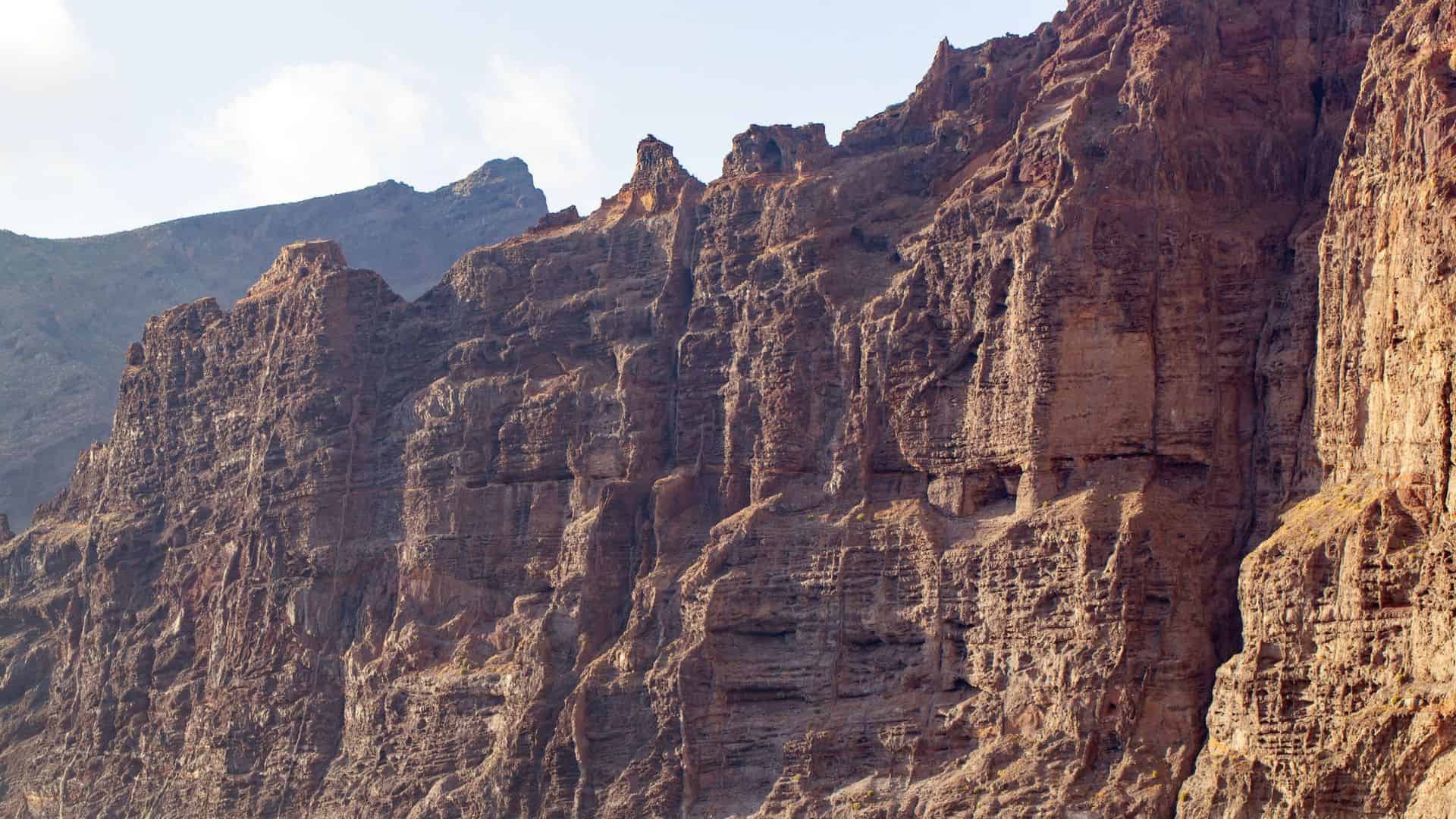
Acantilados de Los Gigantes rise vertically from the Atlantic Ocean on the western coast of Tenerife, reaching heights of nearly 2,000 feet. These volcanic basalt walls were known to the indigenous Guanche people as the "Wall of Hell" due to their dark, impenetrable appearance. The geological formation creates a barrier that protects the nearby town from northern winds, resulting in a warm local climate. Deep ravines cut through the rock, leading down to small, hidden beaches accessible only by boat. The seabed at the base plunges to depths of 30 meters, supporting a rich marine ecosystem popular with divers and whale watchers.
Látrabjarg
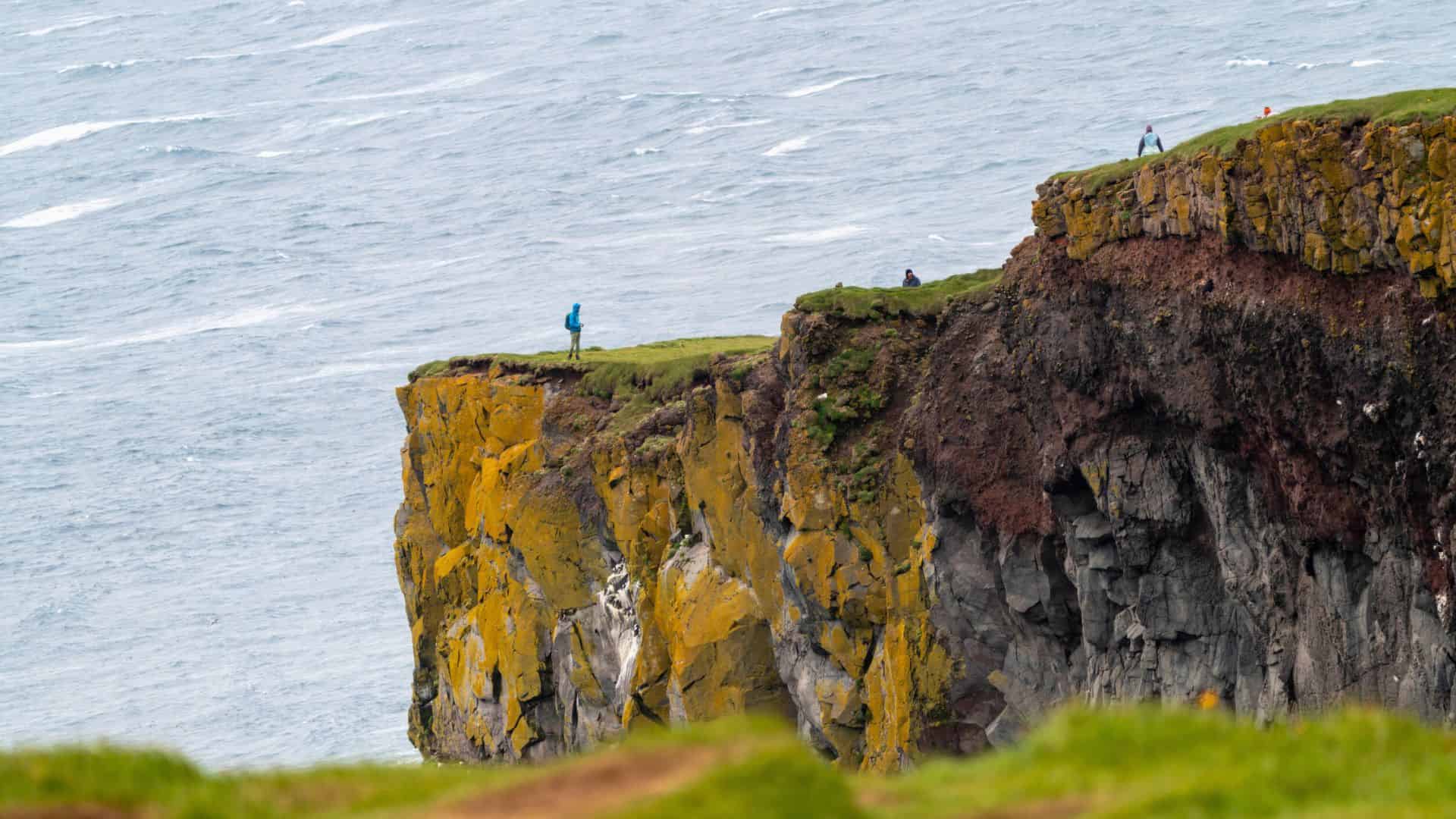
Látrabjarg marks the westernmost point of Iceland and stands as Europe’s largest bird cliff, stretching 14 kilometers and reaching 1,447 feet. It is a critical sanctuary for millions of seabirds, including puffins, razorbills, and northern gannets, who nest in the numerous rocky ledges. Historically, local farmers used ropes to descend the vertical faces to collect eggs, a dangerous practice that required great physical strength. The cliff is composed of ancient volcanic rock layers that resist the intense pressure of the North Atlantic. This remote location remains a perfect site for nature photography, where birds often allow humans to approach within a few feet.
Hornelen
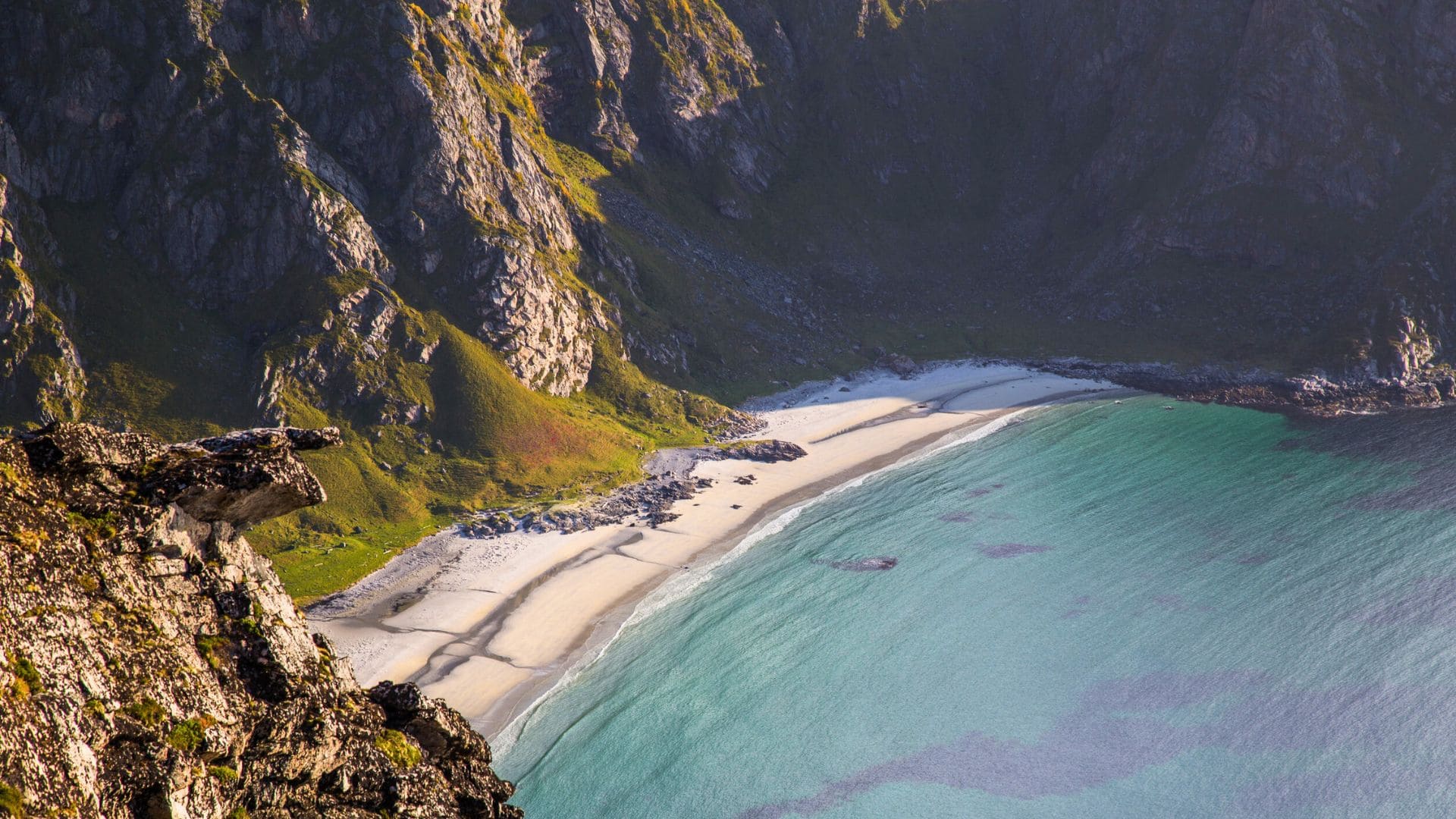
Located on the island of Bremangerlandet in Norway, Hornelen is the highest sea cliff in Europe, standing at 2,821 feet. It has served as a vital navigational landmark for sailors navigating the North Sea for centuries. The rock consists of Middle Devonian sandstone, reflecting a geological history spanning hundreds of millions of years. Hikers who reach the summit encounter a dizzying perspective of the surrounding fjords and islands. Local folklore suggests the cliff was once a meeting place for witches, adding a layer of cultural mystery to its already imposing and rugged physical presence in the Scandinavian wilderness.
Living Life on the Edge
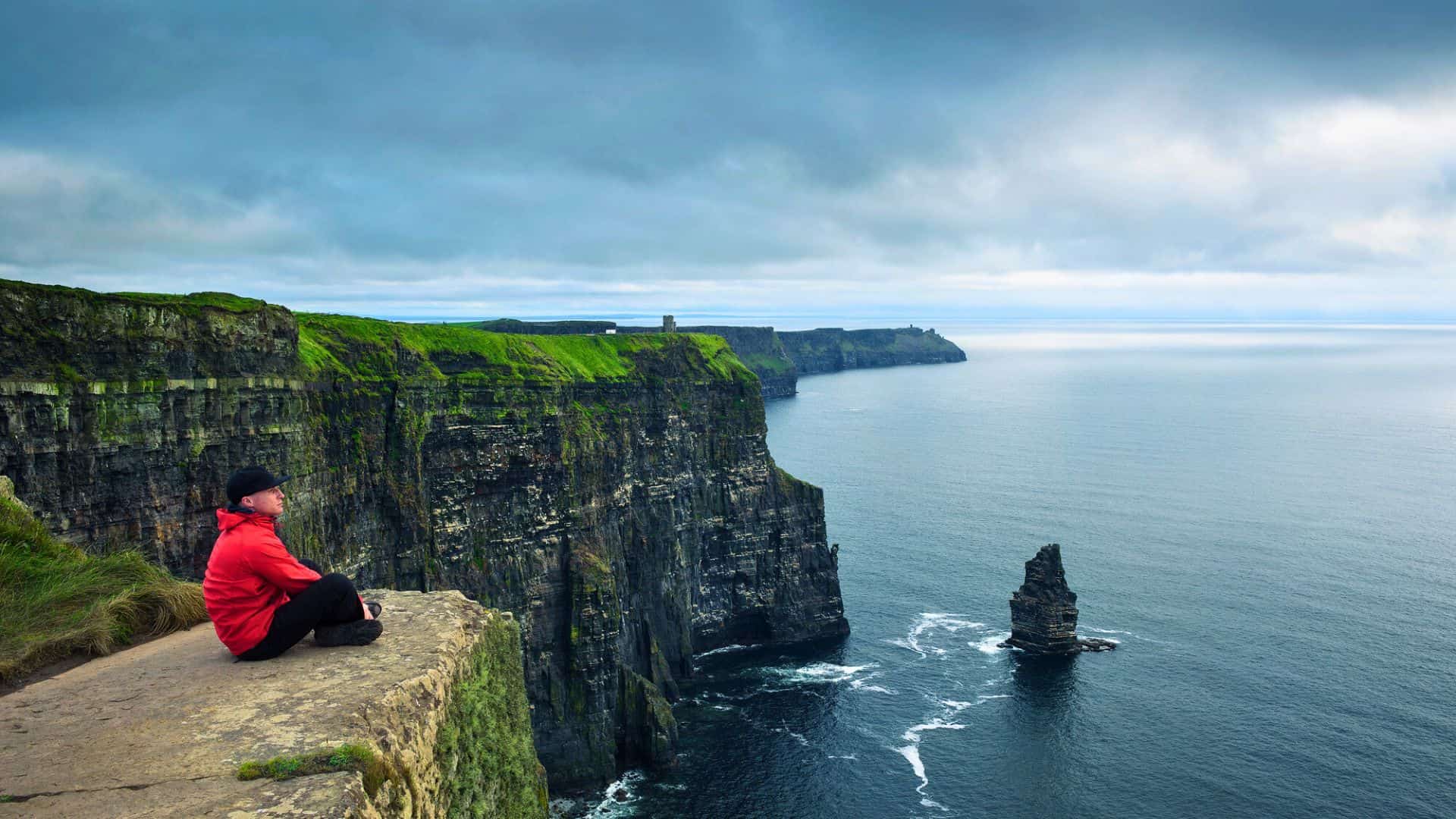
Wrapping up a trip to these massive coastal edges leaves you with a serious sense of perspective. It is one thing to see a photo of a thousand-foot drop, but standing there with the wind hitting your face is a different story. These landmarks are the real deal, shaped by millions of years of salt and tide. They remind us that the earth is constantly changing, even if the rock looks solid under our feet.
You don't need a lot of gear or a complex plan to appreciate the view; you just need to show up and look out. Whether you want to see the white chalk of the north or the dark volcanic walls of the south, these fourteen spots are perfect for your next big trip. It is about getting outside and seeing something that actually stops you in your tracks.
10 Active Volcanoes Around the World You Can Actually Hike
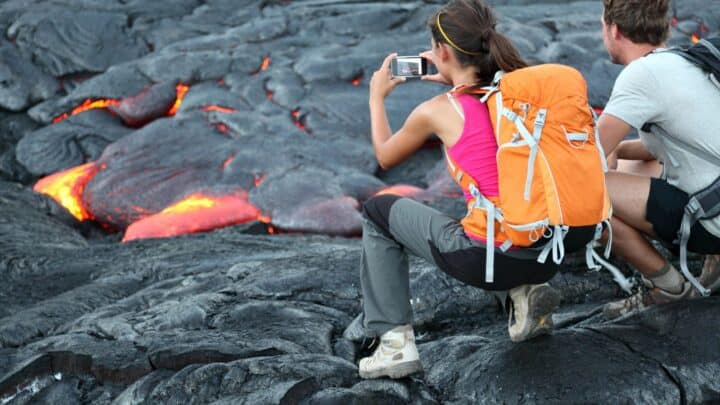
Active volcanoes offer more than dramatic views—they let hikers witness geological power up close. Not every peak is off-limits, and some have well-maintained routes that lead to steaming craters or solidified lava fields. That’s where these 10 active volcanoes around the world you can actually hike come in, highlighting locations that welcome adventurous trekkers while balancing safety measures and local guidelines. These volcanoes span continents and climates, from tropical islands where morning hikes reveal plumes of steam above lush jungles to high-altitude mountains with crisp air and panoramic vistas.
Read More Here: 10 Active Volcanoes Around the World You Can Actually Hike
13 Stunning Mountains That Are Actually Easy to Hike for Beginners

Big mountains don’t always mean big risk. Some peaks look dramatic from far away but feel doable once you’re on the trail, like these 13 mountains that are easy to hike. Hiking can push you without taking over your life. You still get fresh air, wide views, and quiet moments where things slow down. You don’t need ropes or elite skills. You need steady legs, smart pacing, and basic prep.
Read More Here: 13 Stunning Mountains That Are Actually Easy to Hike for Beginners



Leave a Reply