
Trying to see everything can quickly drain the fun from a trip. This article features places where first time travelers overbook and burn out, focusing on destinations that look manageable on paper but feel overwhelming once the schedule fills up. Tight timelines, long distances, and constant movement often leave travelers more tired than satisfied.
Knowing where slower pacing matters can help trips feel more balanced. Leaving space in the itinerary can lead to better days and fewer regrets. Keep reading to see which places made the list and how adjusting plans can make travel feel far more manageable.
Paris

Paris burnout often comes from trying to treat the city like a checklist. First-time travelers pack days with museums, landmarks, neighborhoods, and day trips, underestimating how much walking and mental energy the city requires. Transit is efficient, but distances add up quickly, and crowds slow everything down. Many visitors also feel pressure to see everything iconic, leaving little room to rest or wander. Paris works best at a slower pace, with time built in for sitting, eating, and observing. When travelers overschedule, the city starts to feel exhausting instead of romantic.
Rome

Rome overwhelms first-time visitors through density and scale. Tourists often overbook attractions without accounting for heat, uneven streets, and long walking distances. Seeing multiple major sites in one day sounds manageable but becomes draining quickly. Lines, crowds, and transit delays compound fatigue. Many travelers also underestimate how physically demanding Rome is, especially in summer. The city rewards pacing and focus rather than coverage. Burnout happens when travelers try to absorb centuries of history at once. Rome is richer when experienced in pieces, not marathons.
Tokyo

Tokyo burnout usually comes from overstimulation rather than inefficiency. First-time travelers often try to see too many neighborhoods, attractions, and food spots in a single day. Even though transit is excellent, navigating large stations, dense signage, and crowds requires constant attention. Cultural differences add mental load, especially early in the trip. Many visitors schedule tightly to make the most of time, not realizing how tiring decision-making can be. Tokyo becomes more enjoyable once travelers slow down and allow repetition instead of constant movement.
Bangkok

Bangkok burns out first-time travelers through heat, traffic, and overambitious planning. Visitors often book packed itineraries without accounting for how long it takes to move around the city. Short distances can turn into hour-long trips, and high temperatures make nonstop sightseeing exhausting. Many also underestimate how draining sensory overload can be. Temples, markets, malls, and nightlife stack quickly. Bangkok rewards flexible days with rest built in. Burnout happens when travelers try to power through instead of adapting to the city’s pace and conditions.
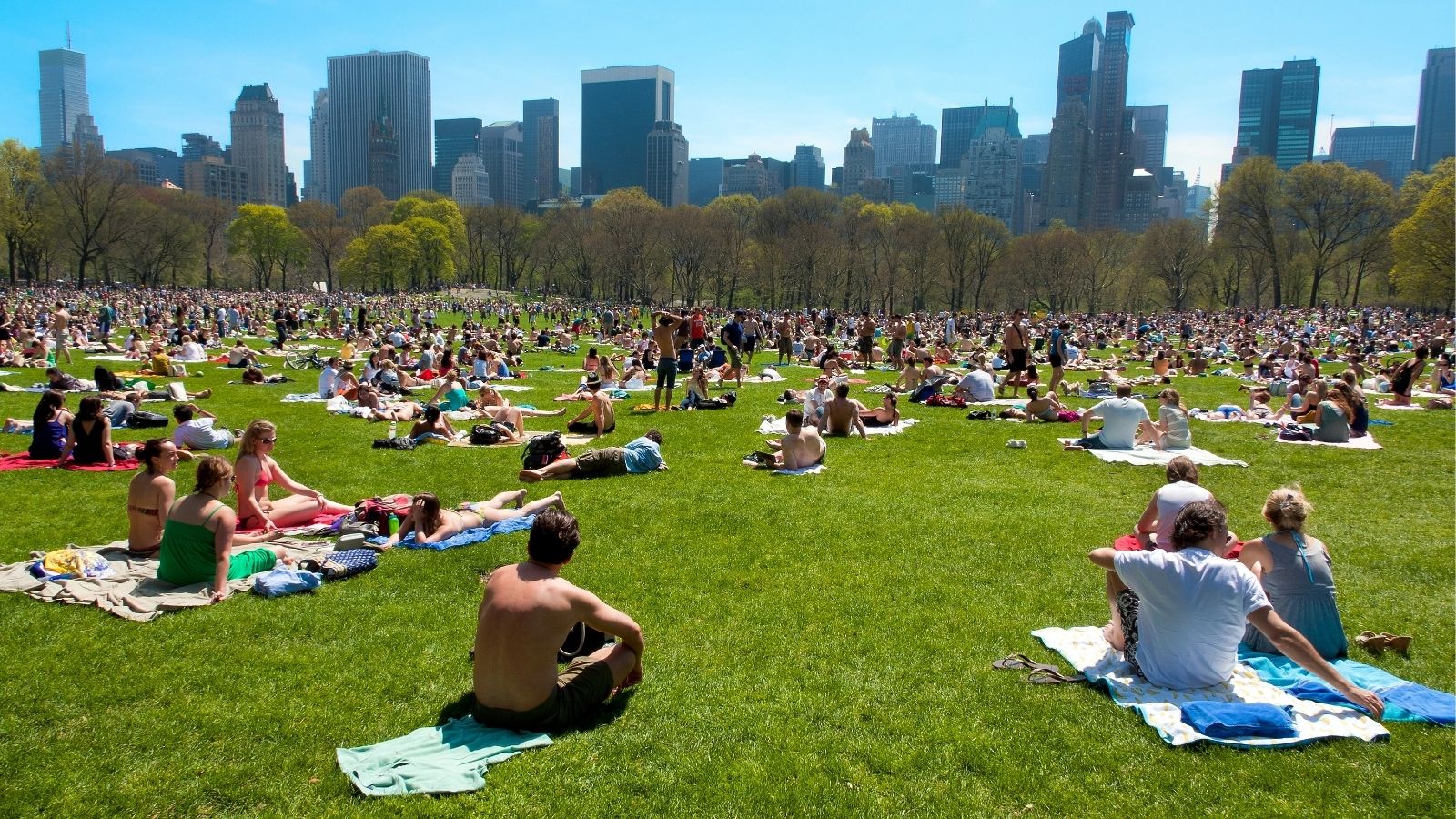
New York City

New York burnout comes from assuming energy will carry you through. First-time visitors often overbook museums, shows, neighborhoods, and restaurants, forgetting how much walking and transit time adds up. The city runs late and fast, which tempts travelers to stretch days too long. Crowds, noise, and constant decision-making wear people down quickly. Many visitors realize too late that doing less leads to seeing more clearly. New York works best with intentional gaps, where rest and spontaneity replace constant motion.
Want to save this?
Barcelona
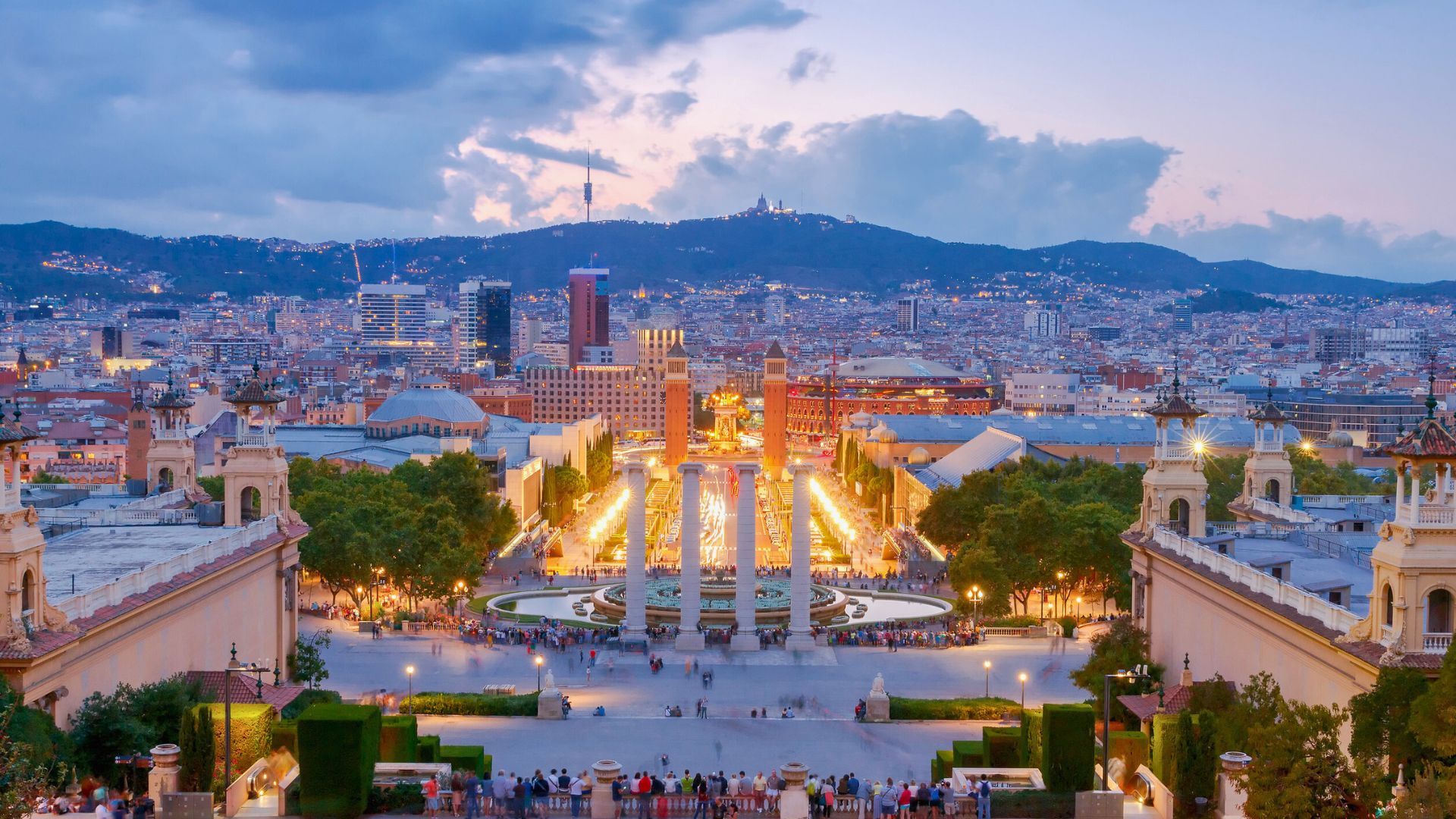
Barcelona burnout usually comes from underestimating how much there is to do across spread-out neighborhoods. First-time visitors often stack beaches, architecture, markets, and nightlife into the same days, assuming the city is compact. In reality, moving between areas takes time and energy, especially in heat. Popular sights require fixed entry times, which reduces flexibility. Many travelers try to see everything in a short stay and end up rushed. Barcelona works best with fewer anchor plans and time to linger between them.
London

London overwhelms first-time travelers through scale and variety. Visitors often overbook museums, neighborhoods, shows, and day trips without realizing how spread out the city is. Even with good transit, moving between areas eats up time and energy. Long walking days, crowded Tube rides, and packed schedules quickly add up. Many travelers feel pressure to do it all. London rewards prioritization. Burnout happens when travelers mistake access for efficiency and forget to leave room for rest and spontaneity.
Istanbul

Istanbul burnout often stems from geography and intensity. First-time visitors frequently overbook historic sites, markets, and neighborhoods without accounting for hills, crowds, and travel time between areas. Crossing districts can take longer than expected, especially during peak hours. The city is dense with sensory input, adding mental fatigue. Many travelers try to absorb too much history too quickly. Istanbul works best with slower mornings and fewer daily goals. Burnout sets in when travelers push through logistics instead of pacing themselves.
Las Vegas
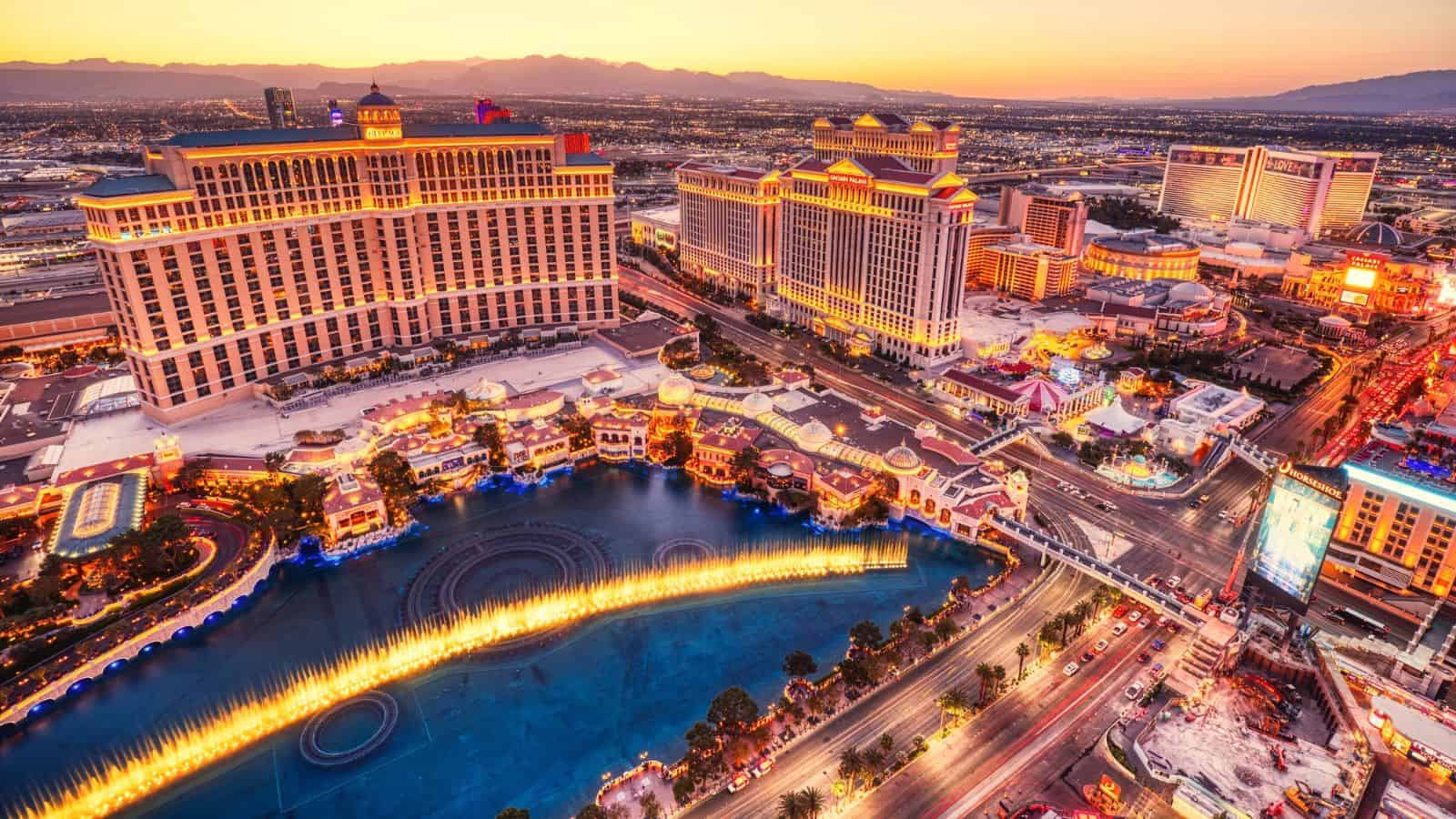
Las Vegas burns out first-time travelers by disguising effort as entertainment. The Strip looks walkable, but distances are deceptive and indoor navigation is constant. Visitors often overbook shows, restaurants, and attractions while underestimating how tiring late nights, crowds, and sensory overload can be. Heat and long walks between hotels add physical strain. Many travelers skip rest, assuming the city runs on adrenaline. Las Vegas is easier when treated like a marathon, not a sprint. Burnout happens when nonstop scheduling replaces pacing.
11 Travel Myths That Could Sabotage Your Entire Trip

Don't let these myths fool you! Traveling offers a chance to explore new places and create lasting memories, but not every piece of advice you come across will serve you well. Many common travel tips circulate widely, yet some can lead to unnecessary stress, wasted money, or missed experiences. From misconceptions about packing to misguided safety advice, following these myths may limit what you get out of your trip. It’s important to recognize which suggestions are outdated or simply unhelpful so you can make choices that truly support your travel goals.
Read More Here: 11 Travel Myths That Could Sabotage Your Entire Trip
12 Items to Remove From Your Wallet That Air Travel Experts Warn About

Be careful of these items! When preparing for a flight, it’s easy to stuff your wallet with everything you might need, but some items could be more trouble than they’re worth. Air travel experts have shared a list of things to remove from your wallet before you head to the airport. Some of these items can cause unnecessary delays during security checks, while others might even be a security risk. Whether it’s expired IDs or unnecessary loyalty cards, knowing what to leave behind can help streamline your journey.
Read More Here: 12 Items to Remove From Your Wallet That Air Travel Experts Warn About



Leave a Reply