
Packing too much can turn a trip into a hassle instead of a help. This article features destinations where overpacking becomes a real problem, focusing on places where terrain, transportation, climate, or daily logistics make extra bags more trouble than they are worth. In these locations, travelers often realize too late that less really would have worked better.
Smaller bags can mean easier movement, fewer fees, and less stress along the way. Knowing where overpacking causes issues can help avoid unnecessary frustration. Keep reading to see which destinations made the list and how packing smarter can change the way the trip unfolds.
Venice

Venice punishes overpacking through design rather than inconvenience. The city has no cars, uneven pavement, countless bridges, and narrow walkways that turn large suitcases into obstacles. Even short distances require lifting luggage up and down stairs repeatedly. Water taxis and vaporetti add another layer, where space is limited and bags must be handled quickly. Travelers who overpack often describe arrival day as exhausting before the trip even begins. Hotels are rarely close to transport drop-offs, and porters are limited. In Venice, every extra item becomes weight you feel immediately and repeatedly.
Santorini

Santorini makes overpacking difficult through terrain. Steep paths, stairs carved into cliffs, and pedestrian-only routes mean luggage must often be carried rather than rolled. Vehicles cannot access many accommodations directly, especially in towns like Oia and Fira. Travelers with heavy bags frequently rely on porters or struggle uphill in heat. Storage space in hotels can also be limited. Overpacking turns what should be a short transfer into a physically demanding experience. Santorini rewards minimalism. The lighter you travel, the more energy you have to enjoy the setting instead of recovering from arrival.
Tokyo

Tokyo is efficient, but overpacking works against that efficiency. Trains are crowded, stations are large, and navigating with oversized luggage slows everything down. Elevators exist, but they are not always convenient or obvious. Carrying multiple bags through transfers quickly becomes frustrating. Hotel rooms, especially in central areas, are compact and offer limited storage. Travelers often realize that every extra item reduces comfort rather than increasing preparedness. Tokyo favors streamlined movement. Overpacking turns simple commutes into logistical exercises, especially during rush hours or when changing lines frequently.
Cinque Terre

Cinque Terre is built vertically, not horizontally. Trains connect villages, but accommodations are often uphill, reached by stairs and steep paths. Streets are narrow, uneven, and not designed for rolling luggage. Travelers who arrive with large suitcases frequently struggle just to reach their lodging. Space inside rooms is also limited. Overpacking becomes a problem not because options are lacking, but because movement requires effort. Cinque Terre is best experienced on foot, with light bags and flexibility. Heavy luggage turns every transition into a physical challenge.
Patagonia

Patagonia makes overpacking impractical through distance and conditions. Transportation involves small planes, buses with strict luggage limits, and long transfers where bags are handled frequently. Weather changes rapidly, but carrying too much gear becomes a burden rather than an advantage. Lodges, refugios, and transport services often assume travelers pack efficiently. Overpacking increases fatigue and complicates movement between regions. Travelers often say they brought items just in case that never left their bags. In Patagonia, lighter loads improve mobility and comfort. Excess gear rarely improves the experience and often detracts from it.
Marrakech
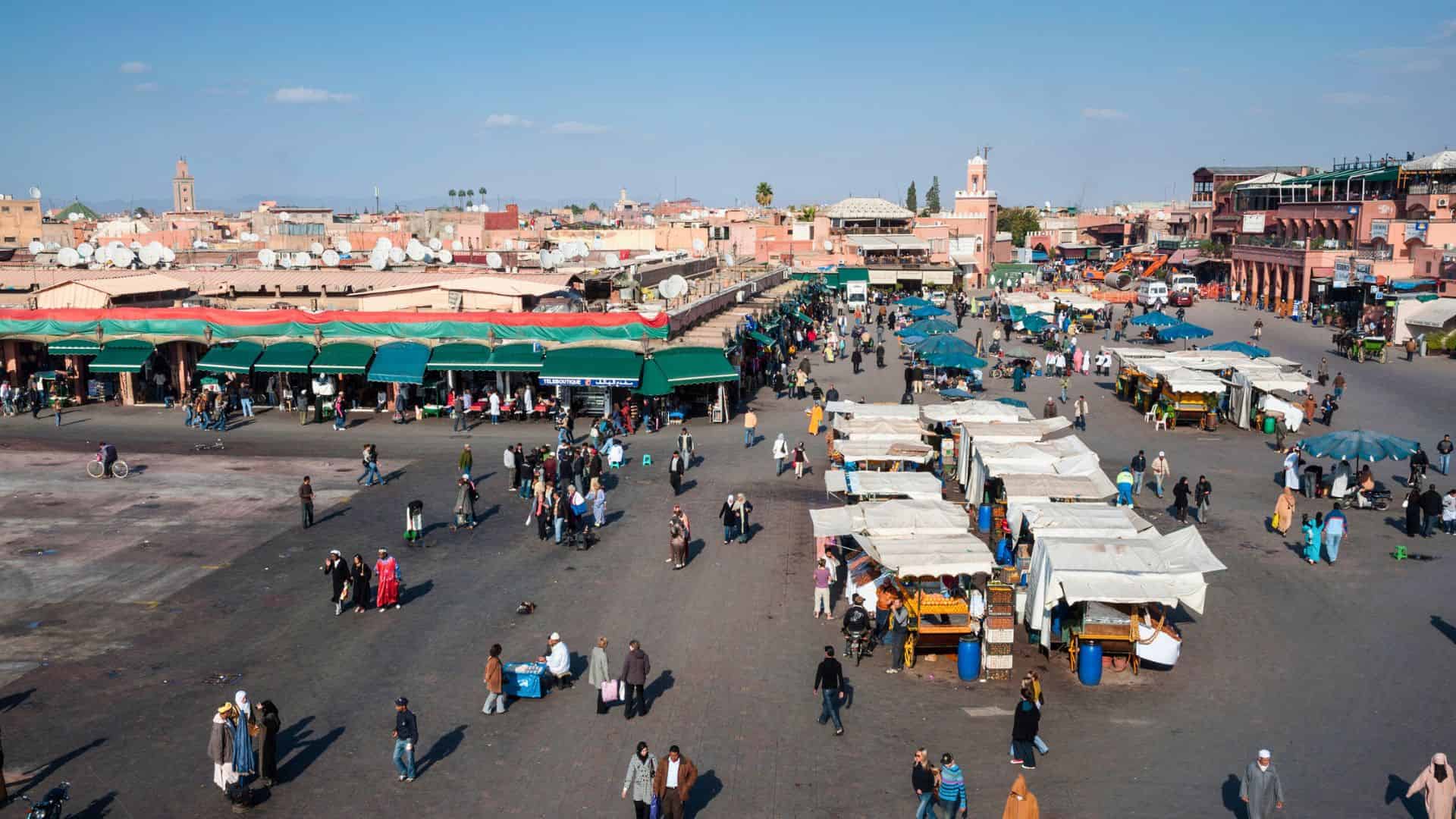
Marrakech makes overpacking difficult because movement relies heavily on walking through dense, uneven spaces. The medina is filled with narrow alleys, crowds, steps, and obstacles that make rolling luggage impractical. Many riads are located deep inside pedestrian-only areas, requiring travelers to carry bags for long stretches. Getting lost while hauling heavy luggage adds stress quickly. Cars cannot access most entrances, and porters are not always immediately available. Overpacking turns arrival and departure into exhausting exercises. Marrakech favors compact bags that can be carried comfortably.
Iceland

Iceland punishes overpacking through logistics and weather rather than terrain alone. Road trips, campervans, and small accommodations leave limited space for bulky luggage. Moving bags in strong wind, rain, or cold becomes physically draining. Laundry access is common, reducing the need for excess clothing, yet many travelers still overpack for changing conditions. Frequent packing and unpacking between stops magnifies the burden. In Iceland, streamlined packing improves mobility and reduces fatigue across long, weather-exposed days.
Want to save this?
Amalfi Coast

The Amalfi Coast is built into cliffs, not convenience. Towns are connected by steep staircases, sloped walkways, and limited vehicle access. Hotels and rentals are often reached only on foot, sometimes hundreds of steps from drop-off points. Overpacked luggage must be carried up and down repeatedly, often in heat. Buses and ferries have limited storage, and handling bags during transfers can be stressful. Travelers quickly realize that extra items add unnecessary strain. The Amalfi Coast rewards lighter packing, where movement feels manageable.
Kyoto

Kyoto’s transportation system works best for travelers who pack lightly. Buses and trains can be crowded, and maneuvering large suitcases through narrow aisles slows everything down. Many traditional accommodations are compact and prioritize simplicity over storage space. Streets in historic districts are not designed for heavy rolling bags, especially during busy hours. Travelers often move between multiple neighborhoods in a day, which makes repeated luggage handling exhausting. Kyoto encourages minimalism. Overpacking adds friction to otherwise smooth movement.
Easter Island

Easter Island makes overpacking a problem through isolation and limited infrastructure. Flights are restricted, luggage allowances can be tight, and options for replacing forgotten items are minimal. Many accommodations are simple, with limited storage space. Movement around the island often involves walking, biking, or small vehicles where bulky bags are impractical. Overpacking also complicates transfers and excursions. Packing light aligns better with the pace, scale, and realities of the destination.
Dubrovnik

Dubrovnik punishes overpacking through elevation and crowding. The Old Town is entirely pedestrian, accessed by steps and stone streets that make rolling luggage difficult. Many accommodations sit uphill from entrances, requiring bags to be carried through busy streets and stairways. During peak season, navigating crowds with large suitcases becomes stressful quickly. Space inside older buildings is also limited. Dubrovnik rewards efficient packing. Every unnecessary item adds weight to already demanding movement.
Swiss Alps

The Swiss Alps expose overpacking through constant transitions. Trains, cable cars, and walking paths require lifting and carrying bags frequently. Many villages are car-free, meaning luggage must be handled manually from station to lodging. Accommodations often assume travelers pack practically. Weather may change, but carrying excess gear becomes more of a burden than a safeguard. Lighter bags support flexibility and enjoyment of the environment.
Hoi An
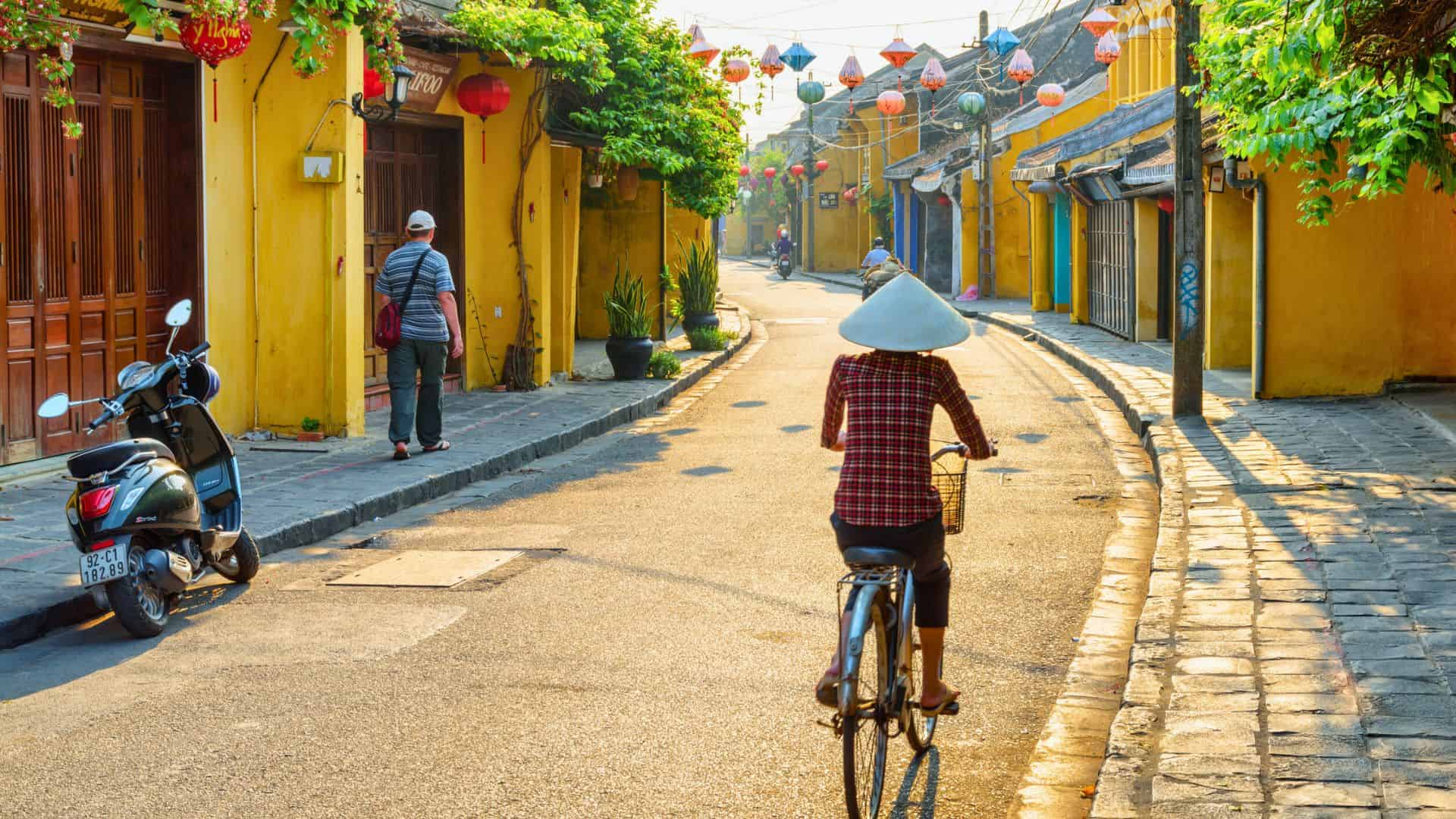
Hoi An makes overpacking inconvenient through heat, walking distances, and limited vehicle access. The historic center is pedestrian-only at certain hours, and many accommodations are reached by foot or bike. Narrow streets and crowds make large suitcases awkward to maneuver. Laundry is easy and affordable, making excess clothing unnecessary. Carrying heavy bags in heat quickly becomes draining. Hoi An favors simplicity. Lighter packing makes moving around easier and days more comfortable.
13 Carry-On Tips That Make Long Trips Easier

Long trips can feel heavier than expected, especially when everything depends on what fits overhead. These tips focus on small packing choices and habits that reduce stress during flights, layovers, and long travel days. These are practical adjustments travelers often learn after dealing with sore shoulders, lost items, or digging through bags mid-flight.
Read More Here: 13 Carry-On Tips That Make Long Trips Easier
13 Packing Secrets That Keep Your Carry-On Under the Weight Limit

Packing for a trip can be a stressful task, especially when trying to keep your carry-on under the weight limit. Many travelers find themselves struggling to fit everything they need into a small bag, only to discover they’ve exceeded the allowed weight at the airport. Fortunately, there are 13 packing secrets that can help keep your carry-on within the weight restrictions without sacrificing the essentials.
Read More Here: 13 Packing Secrets That Keep Your Carry-On Under the Weight Limit


Leave a Reply