
Some places leave little room for last-minute decisions. This article features destinations that punish poor planning more than others, focusing on locations where timing, reservations, and logistics matter more than travelers expect. In these spots, showing up unprepared can quickly lead to missed access, higher costs, or limited options.
Planning ahead can shape how manageable the trip feels from the start. Knowing where preparation matters most helps avoid unnecessary stress. Keep reading to see which destinations made the list and what planning details deserve extra attention.

Peru (especially Machu Picchu and the Sacred Valley)

Peru is unforgiving to last-minute planning because access is tightly controlled and geography adds complexity. Machu Picchu permits sell out far in advance, train tickets are limited, and altitude affects both energy and schedules. Transportation delays are common, and missing a connection can cascade into lost reservations. Travelers often assume flexibility exists, only to find there are hard limits on entry times and routes. Without buffer days, a single delay can derail the entire experience. Peru rewards preparation and patience, but it quickly exposes anyone who underestimates logistics, distance, or physical adjustment.
Santorini

Santorini punishes poor planning through crowd pressure and limited infrastructure. During peak season, hotels book out, ferries fill up, and transportation bottlenecks are common. Without advance reservations, travelers may find themselves paying inflated prices or settling for inconvenient locations. Timing matters here more than distance. Cruise schedules flood the island at predictable hours, and poor planning often means standing in long lines or navigating packed streets. Santorini is visually striking, but its popularity leaves little margin for spontaneity. Planning around crowds and logistics is essential to enjoying it rather than enduring it.
Venice

Venice is compact, fragile, and highly regulated, which makes poor planning immediately noticeable. Accommodation fills quickly, entry rules change, and transportation relies on limited water routes. Without reservations, travelers can waste hours navigating crowds or waiting for vaporetto access. Timing affects everything, from walking routes to dining options. Venice does not absorb mistakes easily. Small misjudgments, like arriving during peak hours or skipping advance bookings, quickly turn into fatigue and frustration. The city rewards those who understand its rhythms and constraints. Those who do not often feel overwhelmed within hours.
Patagonia

Patagonia punishes poor planning through weather, distance, and limited services. Transportation options are sparse, accommodations are few, and weather can shut down routes with little notice. Travelers who underestimate travel times or overpack itineraries often lose entire days. Hiking permits, park access, and seasonal closures require advance research. Patagonia offers little forgiveness for rigid plans or unrealistic expectations. Without buffer days, missed connections or storms can cancel core experiences. The region is spectacular, but it demands humility and preparation. Those who plan loosely but realistically fare far better than those who overcommit.
Ecuador (Galápagos Islands)

The Galápagos Islands are tightly regulated, expensive, and logistically complex. Flights, park fees, guides, and inter-island transport operate on fixed schedules. Last-minute planning often results in limited choices or significantly higher costs. Wildlife experiences are controlled to protect the ecosystem, which means spontaneity is restricted. Missing a connection or tour is difficult to recover from. Travelers who arrive unprepared often feel constrained rather than inspired. The Galápagos reward careful planning and realistic budgeting. Without it, visitors may find themselves present but unable to access what makes the destination special.
Want to save this?
Bhutan

Bhutan is intentionally structured to limit tourism, which makes poor planning immediately costly. Visitors must book through approved operators, pay daily fees, and follow prearranged itineraries. There is little room for improvisation. Arriving without confirmed plans is not an option, and changes once inside the country can be difficult. Accommodation availability is limited, and seasonal factors affect access to certain regions. Travelers who underestimate these constraints often feel boxed in rather than supported. Bhutan rewards thoughtful, early planning and clear expectations. Those who assume flexibility exists quickly discover how tightly managed the experience really is.
Tokyo
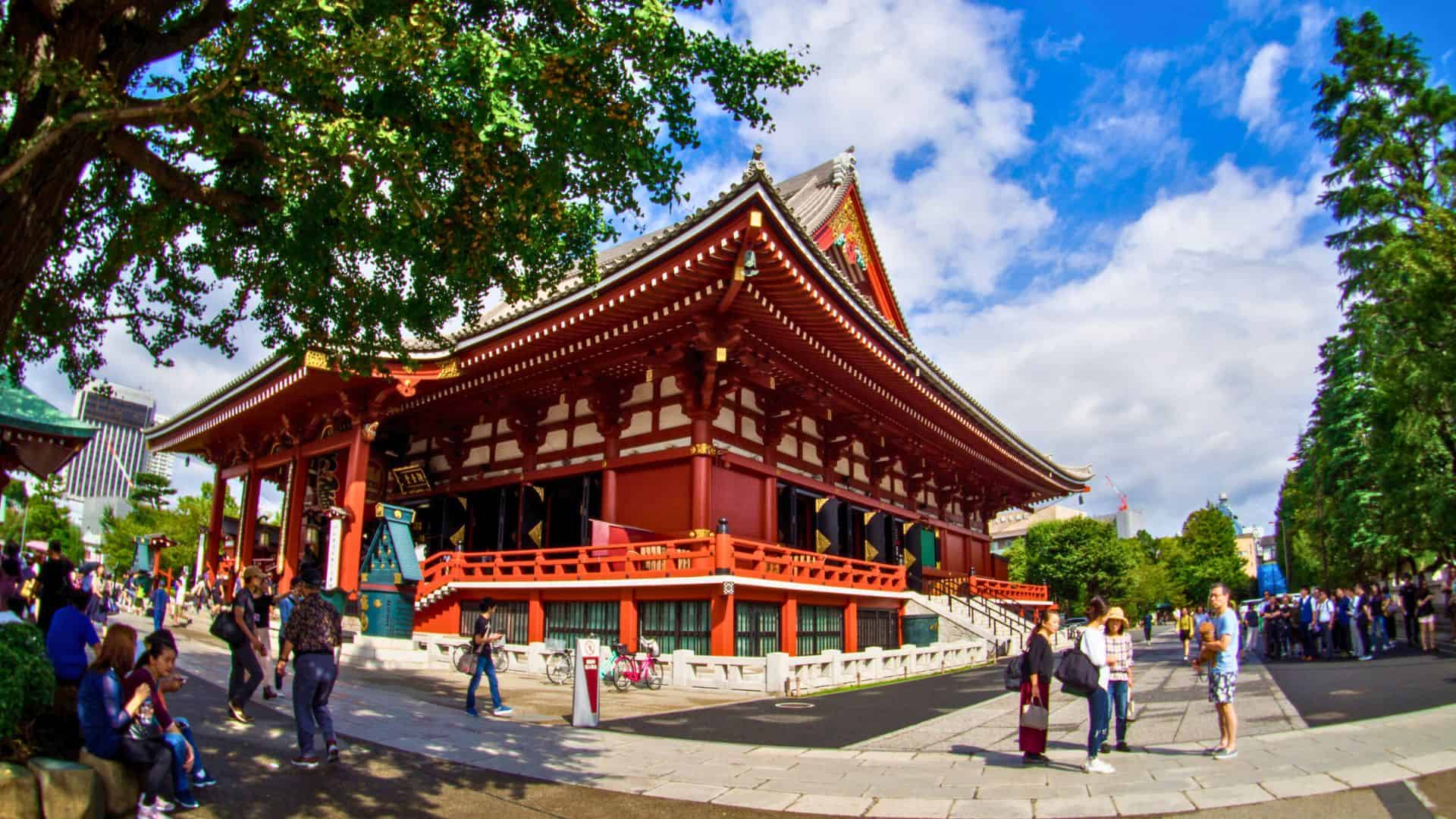
Tokyo punishes poor planning through scale and density rather than restriction. The city works efficiently, but only if you understand how to move within it. Train systems are vast, stations are complex, and timing matters. Traveling without a plan can mean repeated backtracking and exhaustion. Popular neighborhoods, attractions, and restaurants often require reservations or strategic timing. While nothing feels chaotic, everything moves fast. Travelers who arrive unprepared often spend their energy orienting instead of experiencing. Tokyo rewards preparation and repetition. Without it, the city can feel overwhelming despite its order.
Iceland

Iceland punishes poor planning through weather and limited infrastructure. Road closures, storms, and rapidly changing conditions can derail itineraries without warning. Accommodations along popular routes book far in advance, and fuel, food, and services can be sparse outside cities. Travelers who underestimate distances or rely on rigid schedules often lose key experiences. Seasonal daylight extremes also affect planning. Iceland requires contingency thinking rather than optimism. Those who build buffer time and flexible routes tend to enjoy it. Those who do not often find themselves stuck, rushed, or paying heavily for last-minute fixes.
Easter Island

Easter Island’s isolation makes poor planning especially punishing. Flights are limited, supplies are finite, and many sites require guides and advance booking. Once on the island, options for adjustment are minimal. Missing a tour or failing to reserve accommodations can significantly limit what you can see. Weather and cultural regulations also affect access to key locations. Travelers who arrive without confirmed plans often feel constrained by rules they did not anticipate. Easter Island rewards careful preparation and respect for structure. Without it, the experience can feel incomplete despite the destination’s power.
9 Things Visitors Find Confusing About Train Travel in Europe

Train travel in Europe sounds simple, but many visitors are surprised once they start using it. Here are common points of confusion, from tickets and platforms to schedules that work differently than expected. These details often catch travelers off guard, especially those used to driving or flying.
Read More Here: 9 Things Visitors Find Confusing About Train Travel in Europe
13 Things Travelers Say They Learned the Hard Way in Asia

Traveling through Asia can be eye opening, but it also comes with moments that catch people off guard. This list brings together lessons visitors often mention after the trip is over. These are everyday situations, cultural differences, and travel habits that seem small at first but can lead to confusion or stress if misunderstood.
Read More Here: 13 Things Travelers Say They Learned the Hard Way in Asia


Leave a Reply