
Long trips can feel heavier than expected, especially when everything depends on what fits overhead. These tips focus on small packing choices and habits that reduce stress during flights, layovers, and long travel days. These are practical adjustments travelers often learn after dealing with sore shoulders, lost items, or digging through bags mid-flight.
A well-planned carry-on can change how the entire trip feels, from boarding to arrival. Knowing what to pack, how to pack it, and what to skip can save time and energy along the way. Keep reading to see which carry-on tips make the biggest difference and how to apply them before the next long trip.

Pack one full change of clothes that you can reach without unpacking everything

Long trips increase the chance of delays, spills, or missed connections. Having a complete change of clothes that is easy to access can reset your day when things go wrong. Travelers often learn this after digging through a tightly packed bag at the gate or in an airplane aisle. Keeping one outfit separate allows you to change quickly without turning your carry-on into a mess. It also helps on overnight flights, where fresh clothes make arrivals feel manageable. Accessibility matters as much as what you pack.
Use packing cubes to separate flight-day items from destination items

Packing cubes create structure inside a carry-on, which becomes more valuable the longer the trip lasts. Separating items you need during transit from items meant for later prevents constant reshuffling. Travelers often say this tip reduced stress during security checks and layovers. When everything has a place, repacking becomes faster and less chaotic. Packing cubes also make it easier to maintain order throughout a long journey. Instead of unpacking and repacking repeatedly, you can access what you need without disturbing the rest of your bag.
Keep essentials in one pouch you can grab during the flight
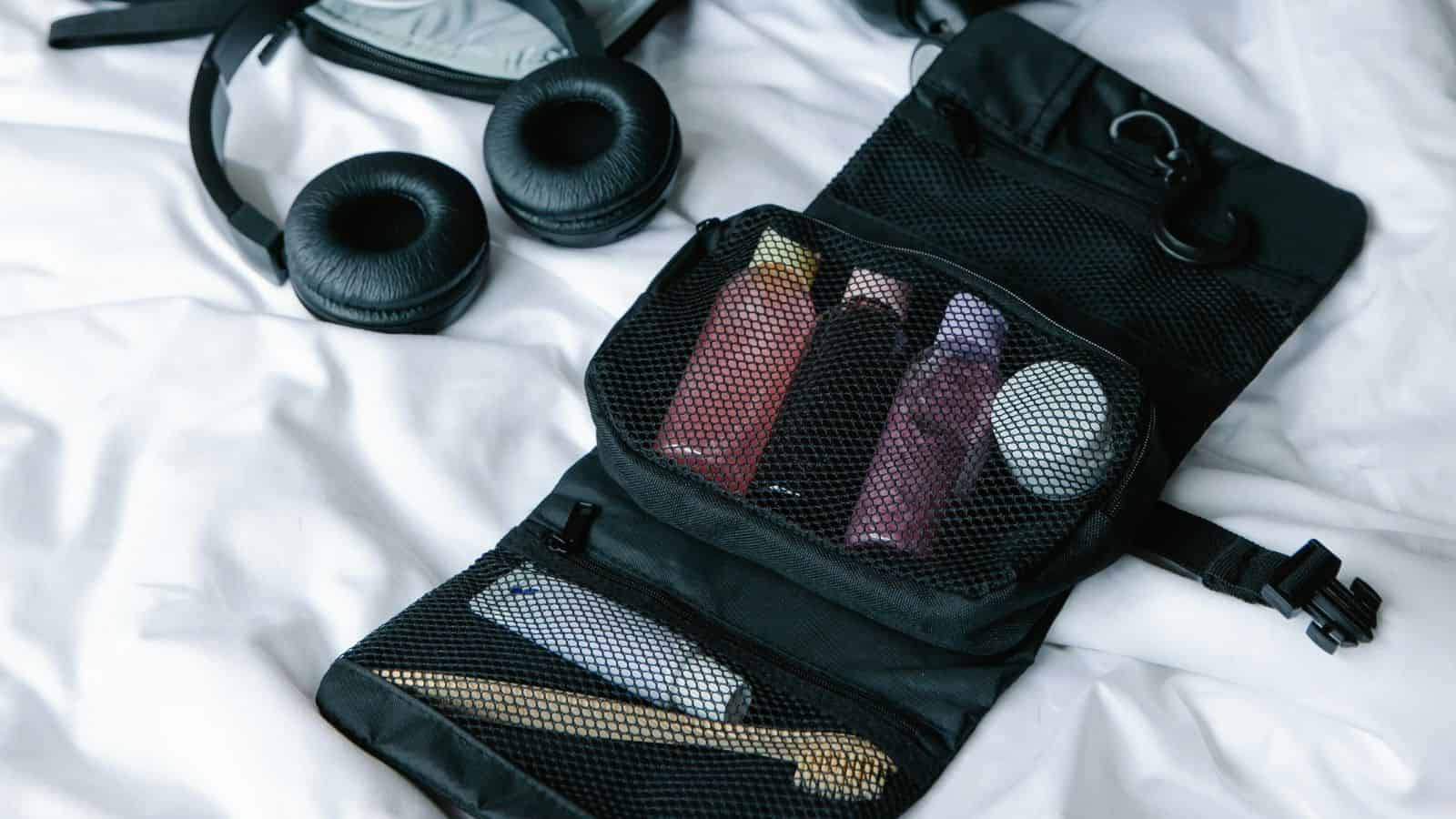
A single essentials pouch saves time and frustration once you are seated. Items like lip balm, medication, earbuds, hand wipes, and a pen are often needed mid-flight. Without a dedicated pouch, travelers end up opening multiple compartments or dropping items into tight spaces. Many people say this was one of the simplest changes that made flights feel easier. The pouch can be placed in the seat pocket or at the top of your bag. Knowing exactly where essentials are reduces stress, especially on long-haul flights.
Wear your bulkiest clothing instead of packing it
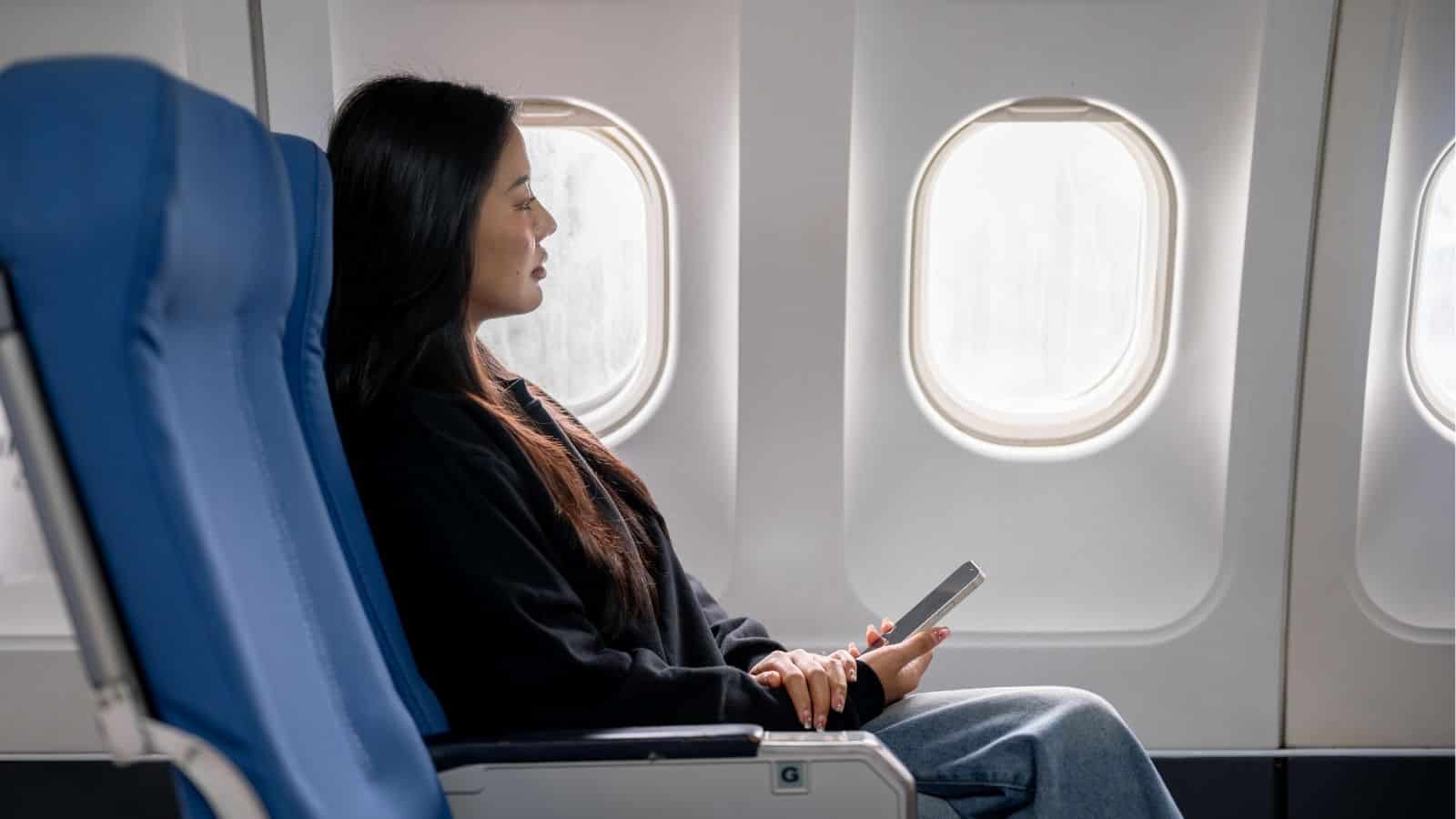
Bulky clothing quickly consumes carry-on space. Wearing heavier items like jackets, sweaters, or boots frees room for more flexible pieces. Travelers often underestimate how much volume bulky items take until their bag will not close. Wearing them also keeps you warm on planes, which are often cold. If conditions change, layers can be removed and stored loosely rather than tightly packed. This strategy reduces weight and compression stress on your bag. It also helps keep your carry-on organized and easier to manage throughout the trip.
Limit shoes to pairs that serve more than one purpose

Shoes are one of the most space-consuming items in a carry-on. Travelers often regret packing too many pairs that serve similar functions. Choosing versatile shoes that work for walking, casual dinners, and light activities reduces bulk immediately. Many experienced travelers limit themselves to two pairs, one worn and one packed. This approach forces practical decisions and keeps bags lighter. Fewer shoes also simplify daily choices on the road. The benefit is not just space, but mental ease during long trips.
Pack layers instead of heavy single items
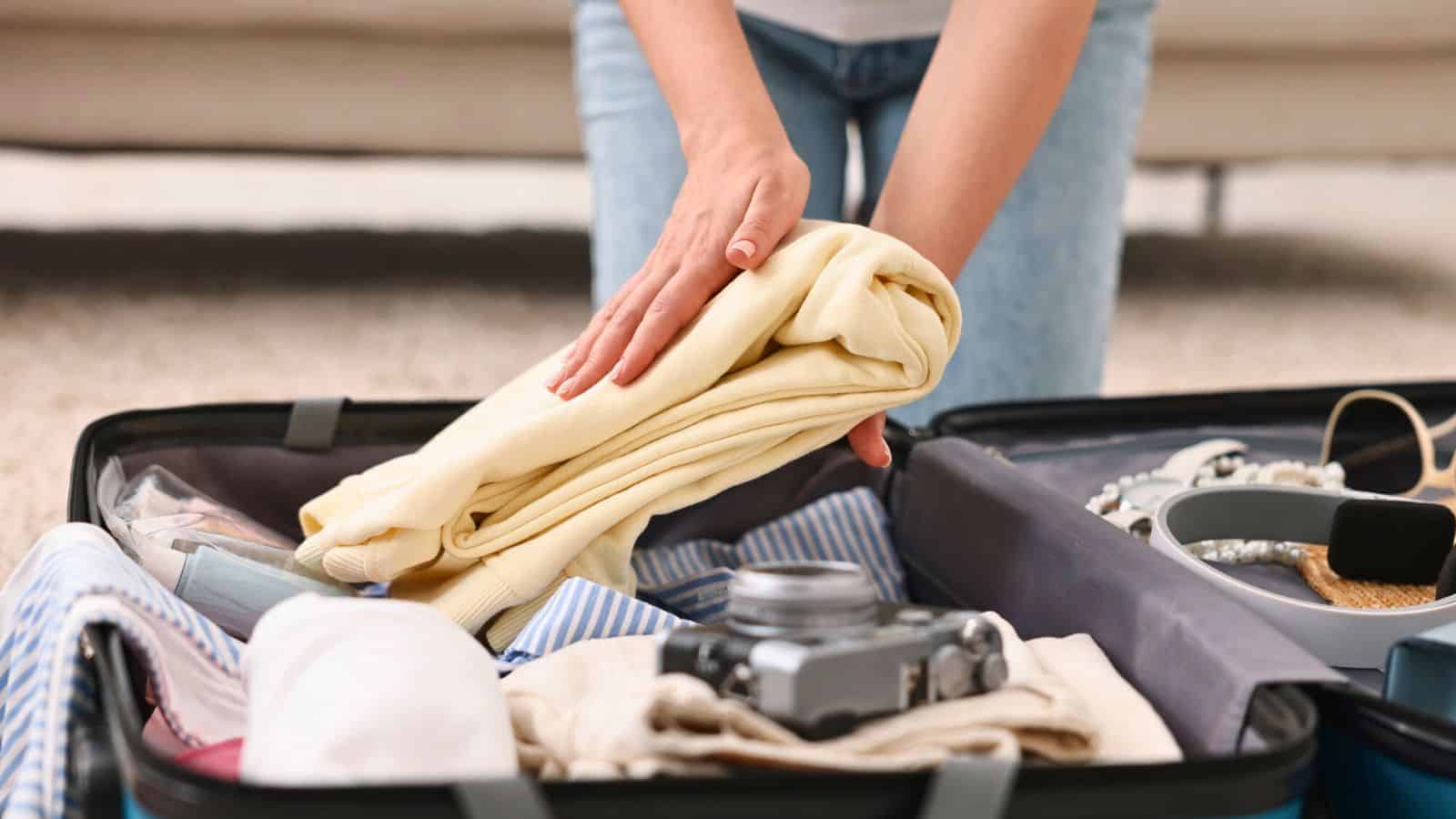
Layers give you flexibility without taking up as much space as bulky clothing. Temperatures change constantly on long trips, from cold cabins to warm arrivals, and a single heavy item rarely works in all situations. Travelers often say they were more comfortable when they packed lighter layers they could add or remove as needed. Thin sweaters, lightweight scarves, or packable jackets adapt better than one thick piece. Layers also dry faster if washed on the road. This approach keeps your carry-on lighter and makes it easier to stay comfortable across different climates and flight conditions.
Keep chargers and adapters in a single, visible pocket

Few things are more frustrating than needing a charger and not knowing where it is. Long trips often involve multiple devices, outlets, and security checks. Keeping chargers and adapters together in one clearly defined pocket saves time and prevents tangles. Travelers often learn this after unpacking half their bag at an airport or hotel. A dedicated spot means you can grab what you need quickly during layovers or in-flight. It also reduces the risk of leaving items behind. Organization here matters because these items are used frequently and across multiple travel days.
Want to save this?
Use a small laundry bag to separate worn clothes immediately

On long trips, clean and worn clothes start to blend together quickly. A small laundry bag creates instant separation and keeps the rest of your carry-on organized. Travelers often realize this after repeatedly unfolding items just to check what is still clean. Separating worn clothes also makes repacking easier when moving between locations. It reduces odor transfer and helps you see what needs washing. This simple habit keeps your bag from feeling chaotic as the trip progresses. Many travelers say it made long journeys feel more manageable and less cluttered.
Bring an empty reusable bottle and fill it after security

Staying hydrated on long trips makes a noticeable difference in energy and comfort. Carrying an empty reusable bottle through security avoids liquid restrictions and saves money later. Travelers often learn this after paying repeatedly for bottled water or going long stretches without drinking enough. Most airports now have water refill stations, especially past security. Having your own bottle also reduces waste and gives you control over when and how much you drink. This small choice supports comfort throughout long flights and extended travel days.
Pack sleep items where they’re accessible from your seat

On long flights, sleep items matter most when you least want to dig for them. Items like an eye mask, neck support, earplugs, or medication are often needed mid-flight, not during boarding. Travelers frequently realize too late that these essentials are buried under packed clothing. Keeping sleep items in an outer pocket or top compartment lets you settle in quickly without disturbing seatmates or creating clutter. Easy access supports better rest, which affects mood and energy long after landing. Comfort on the plane shapes how the entire trip begins.
Keep documents and boarding passes together, not spread across bags
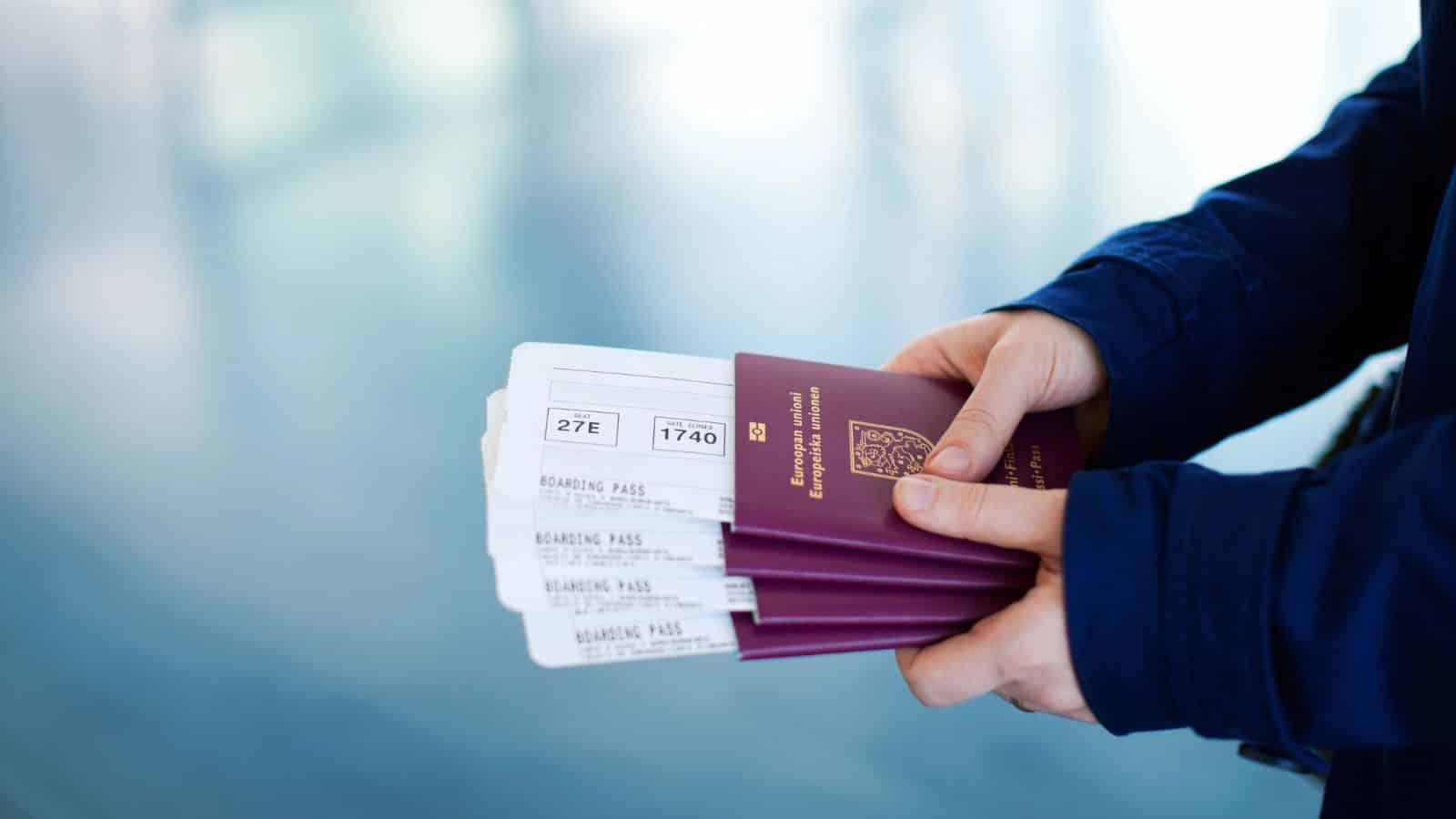
Scattered documents create unnecessary stress, especially during security checks, boarding, or border control. Travelers often learn this after fumbling between pockets, bags, or phone apps while others wait. Keeping passports, boarding passes, insurance info, and confirmations in one dedicated place speeds up transitions and reduces mistakes. Whether digital or physical, consistency matters. Knowing exactly where everything is allows you to move confidently through airports. This organization becomes more important on long trips with multiple flights, countries, or checkpoints. Fewer search moments mean calmer travel days.
Leave a little space instead of filling the bag completely
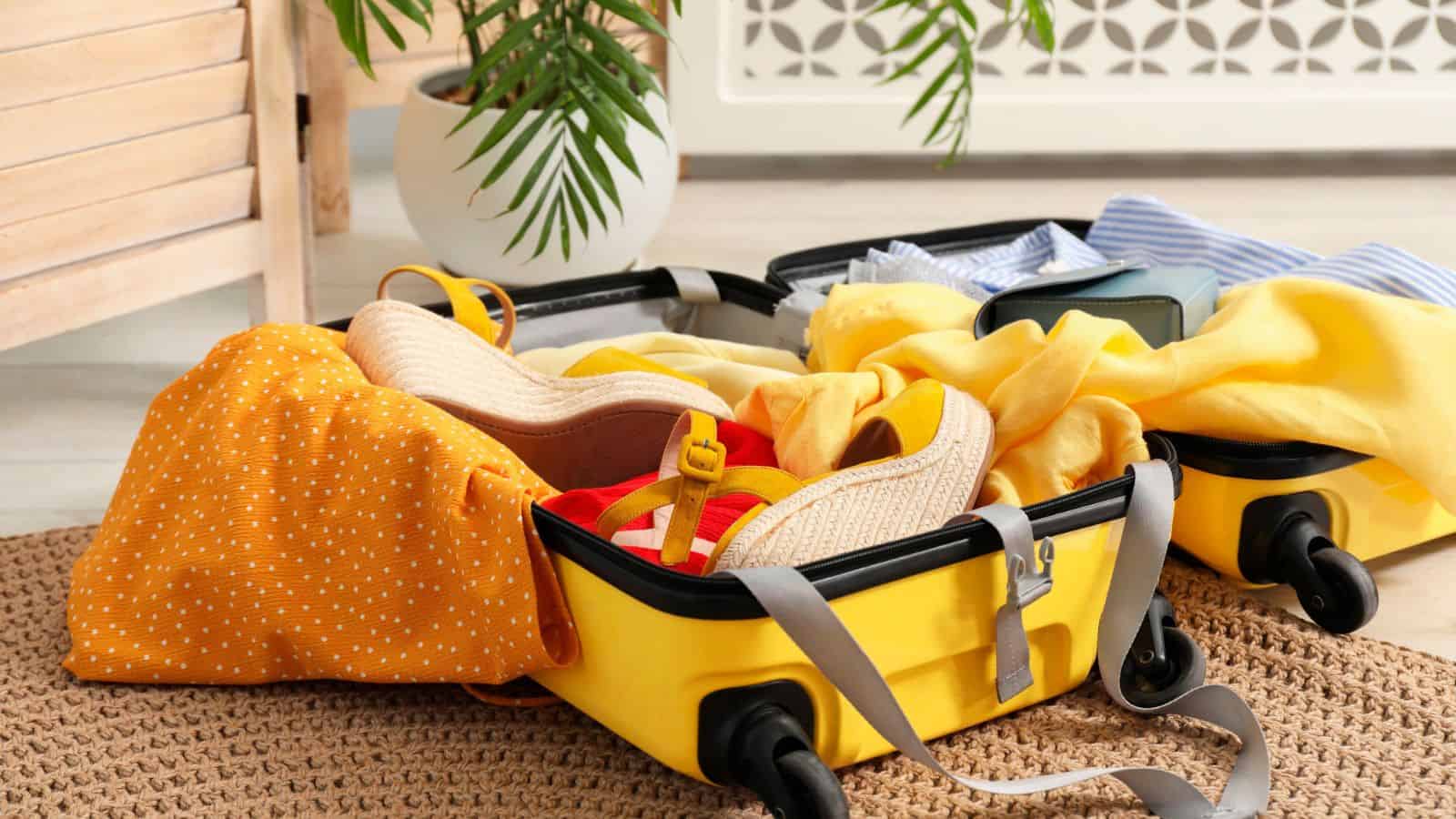
A fully packed carry-on feels efficient at departure but becomes a burden as soon as plans change. Leaving a small amount of space allows for unexpected items, repacking, or shifting needs during the trip. Travelers often realize this after struggling to close a bag in an airport or train station. Space provides flexibility for snacks, layers, or purchases without forcing reorganization. It also makes security checks easier. Long trips benefit from margin, not precision. A bag that can breathe is easier to manage over time.
Pack with the return trip in mind, not just departure
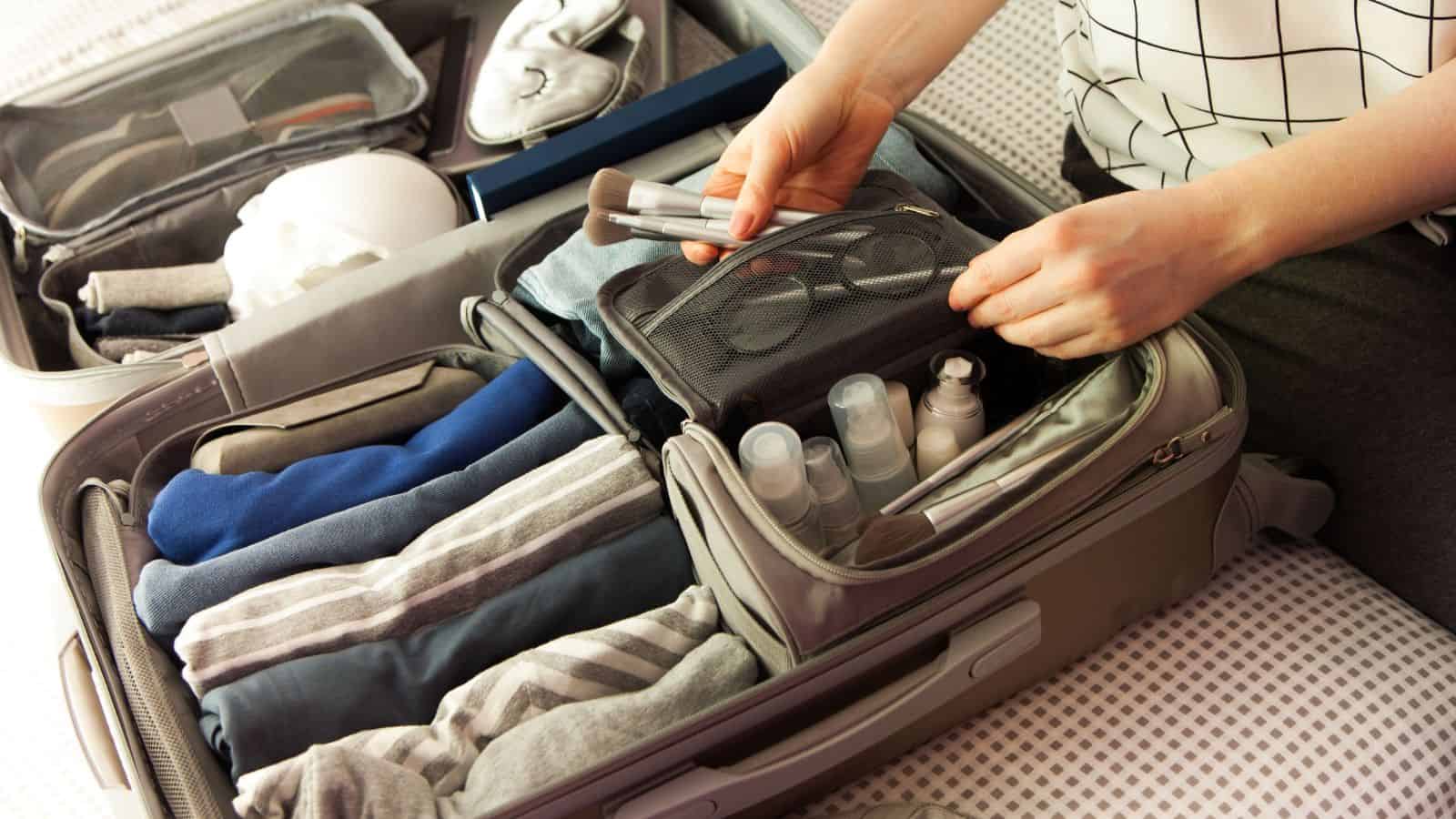
Many travelers pack only for the start of the trip and forget that everything must fit again later. Dirty clothes, souvenirs, and different weather needs change the equation. Packing with the return in mind means choosing compressible items, limiting excess, and anticipating how the bag will feel weeks later. Travelers often say this mindset prevented last-minute stress. Planning for the end makes the middle of the trip smoother. A carry-on should work for the entire journey, not just the first flight.
10 Essential Things to Pack for Your Next Great Holiday Trip

10 packing hacks for you! Knowing what to pack for the holidays can be a bit of a puzzle, right? You want to make sure you have everything you need without overstuffing your suitcase. No one wants to lug around a heavy bag filled with things they won't use. But don’t worry, I’ve got you covered. Whether you’re heading to a tropical paradise or a snowy retreat, these 10 essentials are everything you need to make your trip smooth and stress-free.
Read More Here: 10 Essential Things to Pack for Your Next Great Holiday Trip
13 Packing Secrets That Keep Your Carry-On Under the Weight Limit

Packing for a trip can be a stressful task, especially when trying to keep your carry-on under the weight limit. Many travelers find themselves struggling to fit everything they need into a small bag, only to discover they’ve exceeded the allowed weight at the airport. Fortunately, there are 13 packing secrets that can help keep your carry-on within the weight restrictions without sacrificing the essentials.
Read More Here: 13 Packing Secrets That Keep Your Carry-On Under the Weight Limit




Leave a Reply