
Train travel in Europe sounds simple, but many visitors are surprised once they start using it. Here are common points of confusion, from tickets and platforms to schedules that work differently than expected. These details often catch travelers off guard, especially those used to driving or flying.
Understanding how European trains actually work can make a big difference in how smooth a trip feels. Small misunderstandings can lead to missed connections or unnecessary stress. Keep reading to see what visitors find most confusing and how knowing these things ahead of time can help you travel with more confidence.
Train tickets that must be validated before boarding

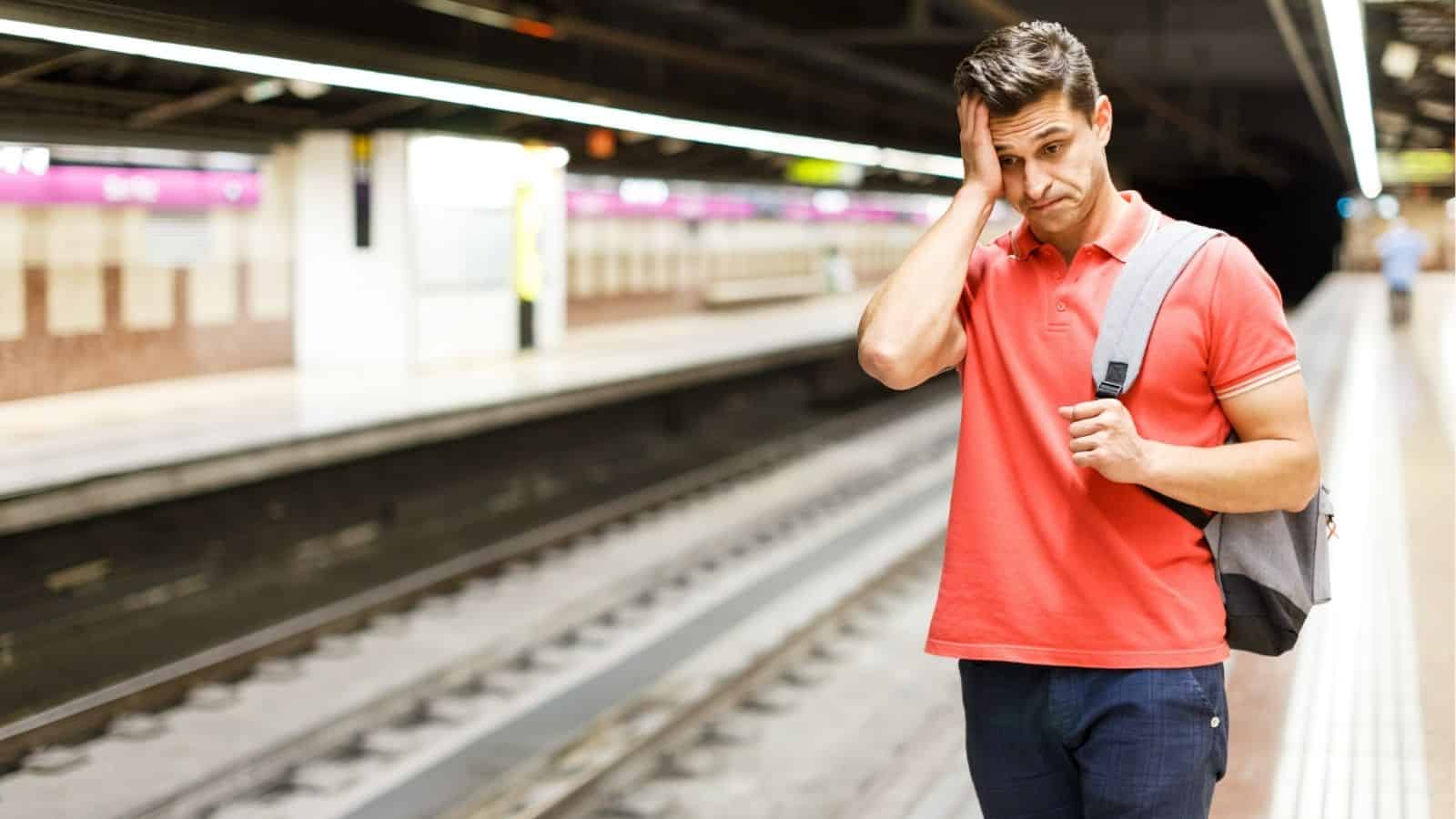
Many visitors are surprised to learn that simply having a ticket is not always enough. In several European countries, paper tickets and some digital tickets must be validated before boarding to be considered valid. Validation usually happens at small machines near the platform entrance, not on the train itself. Travelers often miss this step because nothing physically stops them from boarding. Inspectors may fine passengers who have unvalidated tickets, even if the mistake was unintentional. This feels confusing and harsh to visitors, especially those used to systems where purchasing a ticket automatically activates it.
Platform numbers posted only minutes before departure
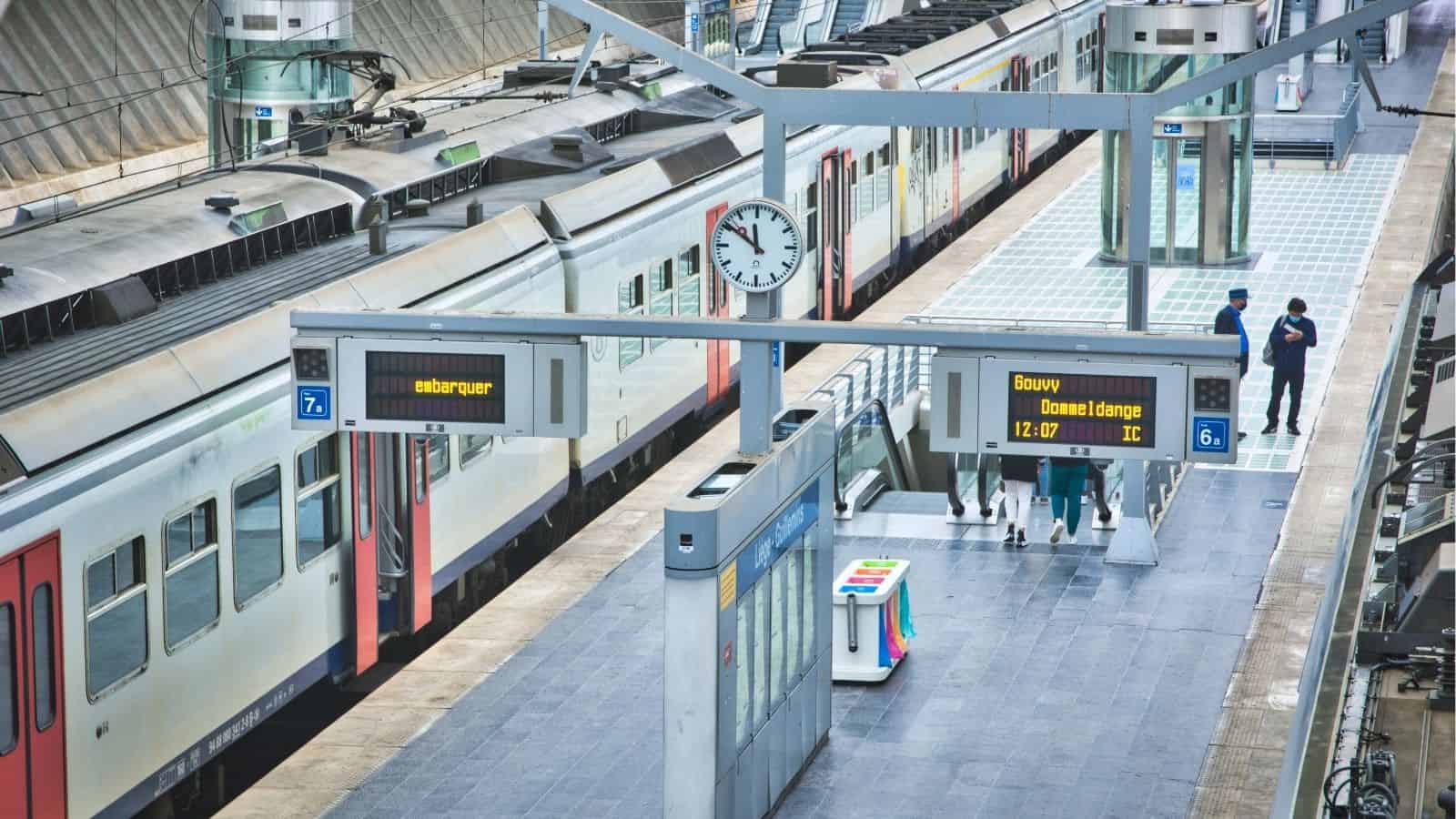
In many European stations, platforms are not assigned until shortly before departure. Visitors accustomed to early announcements often find this stressful, especially in large stations. Departure boards may show the train number and time but list the platform as “TBD” until the last moment. When the platform is finally posted, crowds move quickly, creating a rush that feels chaotic if you are unfamiliar with the system. This practice is normal and helps manage station flow, but for first-time travelers, it can feel disorganized and anxiety-inducing, especially when luggage is involved.
Multiple trains sharing the same route but stopping at different stations
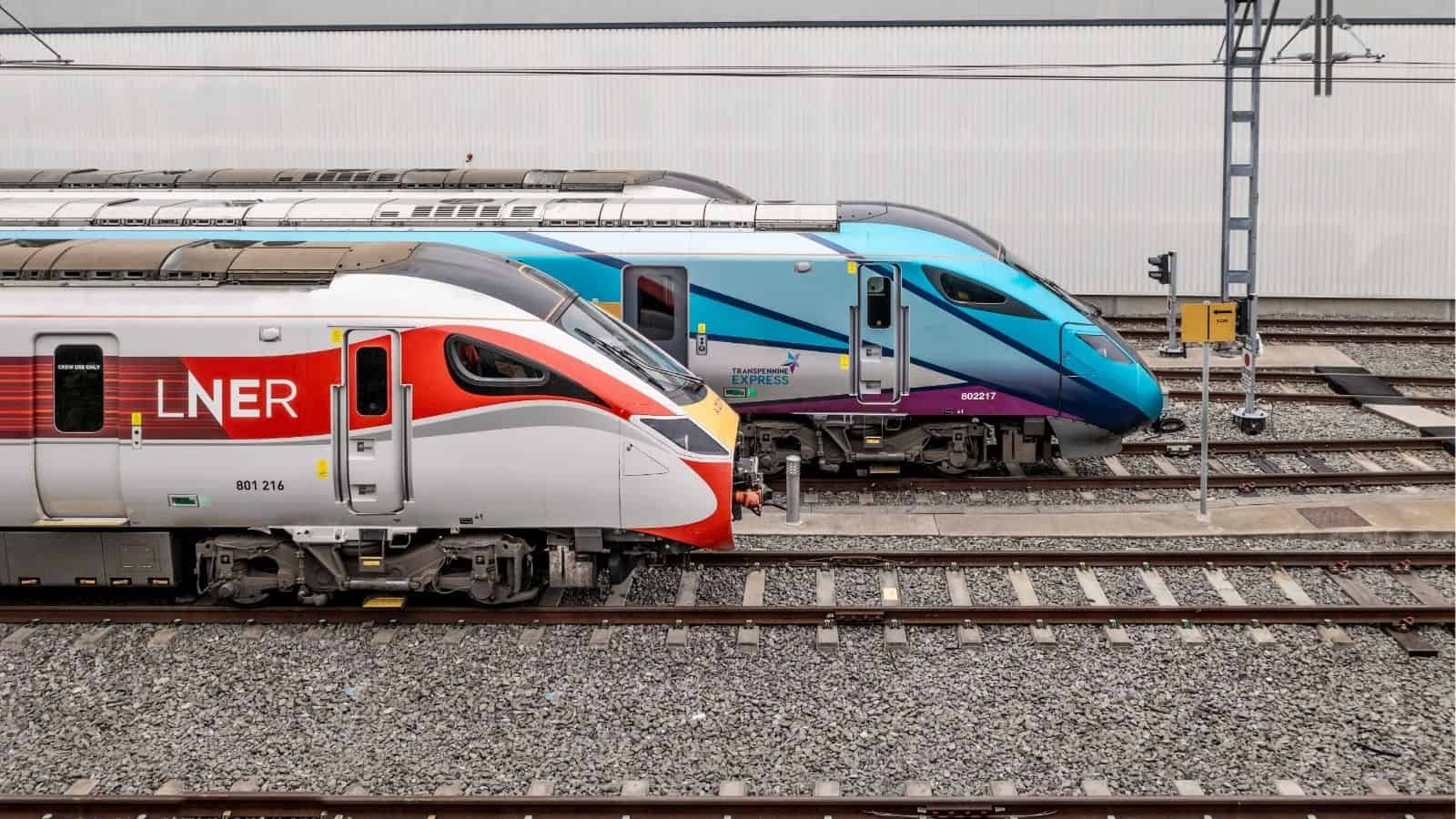
Visitors often assume that all trains heading toward the same city follow the same stopping pattern. In reality, European routes frequently include express, semi-fast, and regional trains all using similar tracks. Two trains going to the same final destination may stop at completely different intermediate stations. This becomes confusing when travelers board the correct route but the wrong type of train. The train number matters more than the destination name. Without understanding this distinction, visitors may end up missing their stop or riding much farther than planned.
Seat reservations required on some trains but optional on others
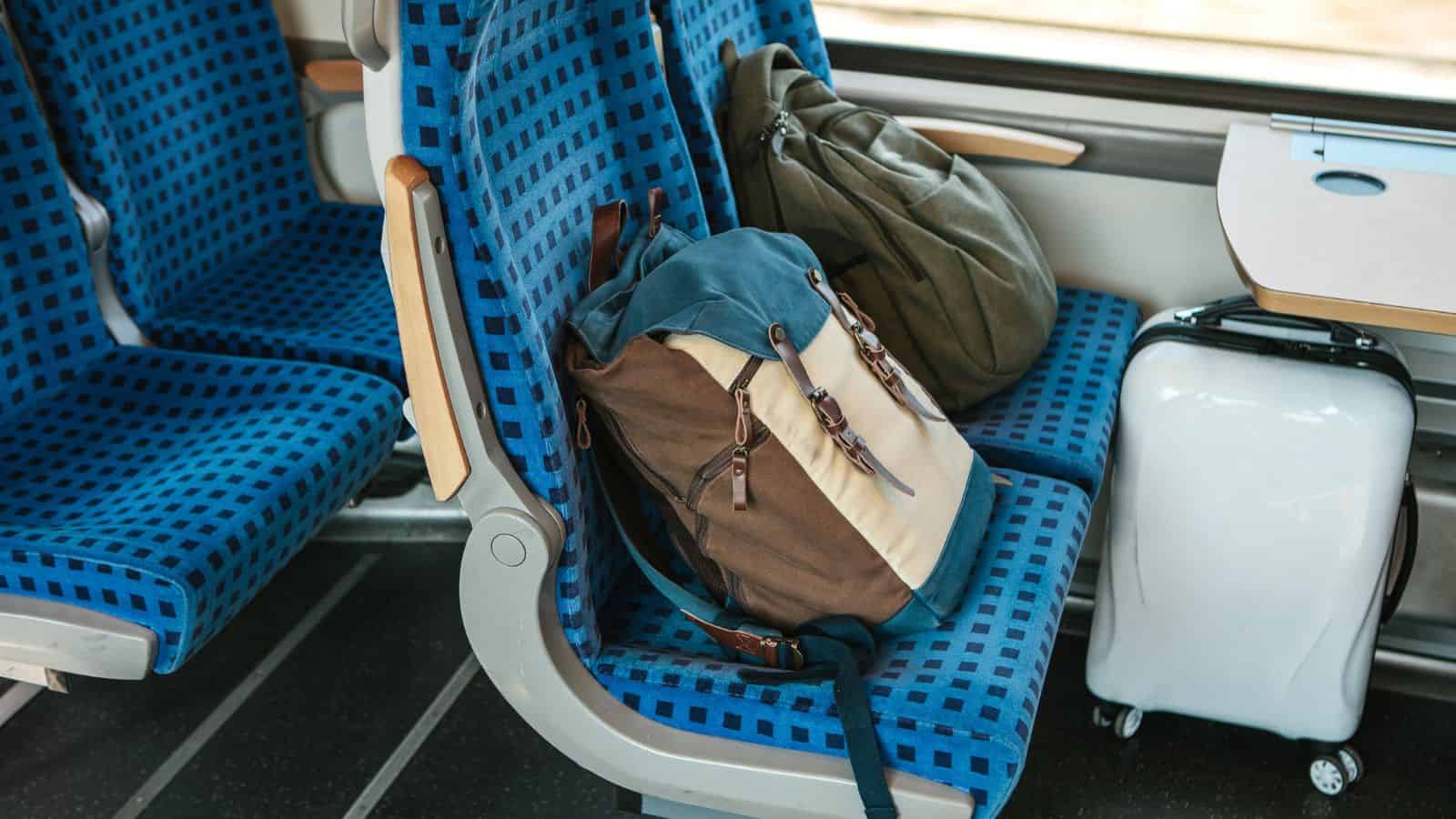
European train systems mix reserved and unreserved seating in ways that are not always obvious. High-speed and long-distance trains often require seat reservations, while regional trains usually do not. Some trains allow reservations but do not require them. Visitors are often unsure whether they are allowed to sit in an empty seat or if it belongs to someone boarding later. Reservation information may be printed on tickets, displayed above seats, or shown digitally. This inconsistency causes uncertainty, especially when trains are crowded and signage is subtle or unfamiliar.
Station names that don’t match the city’s common English name
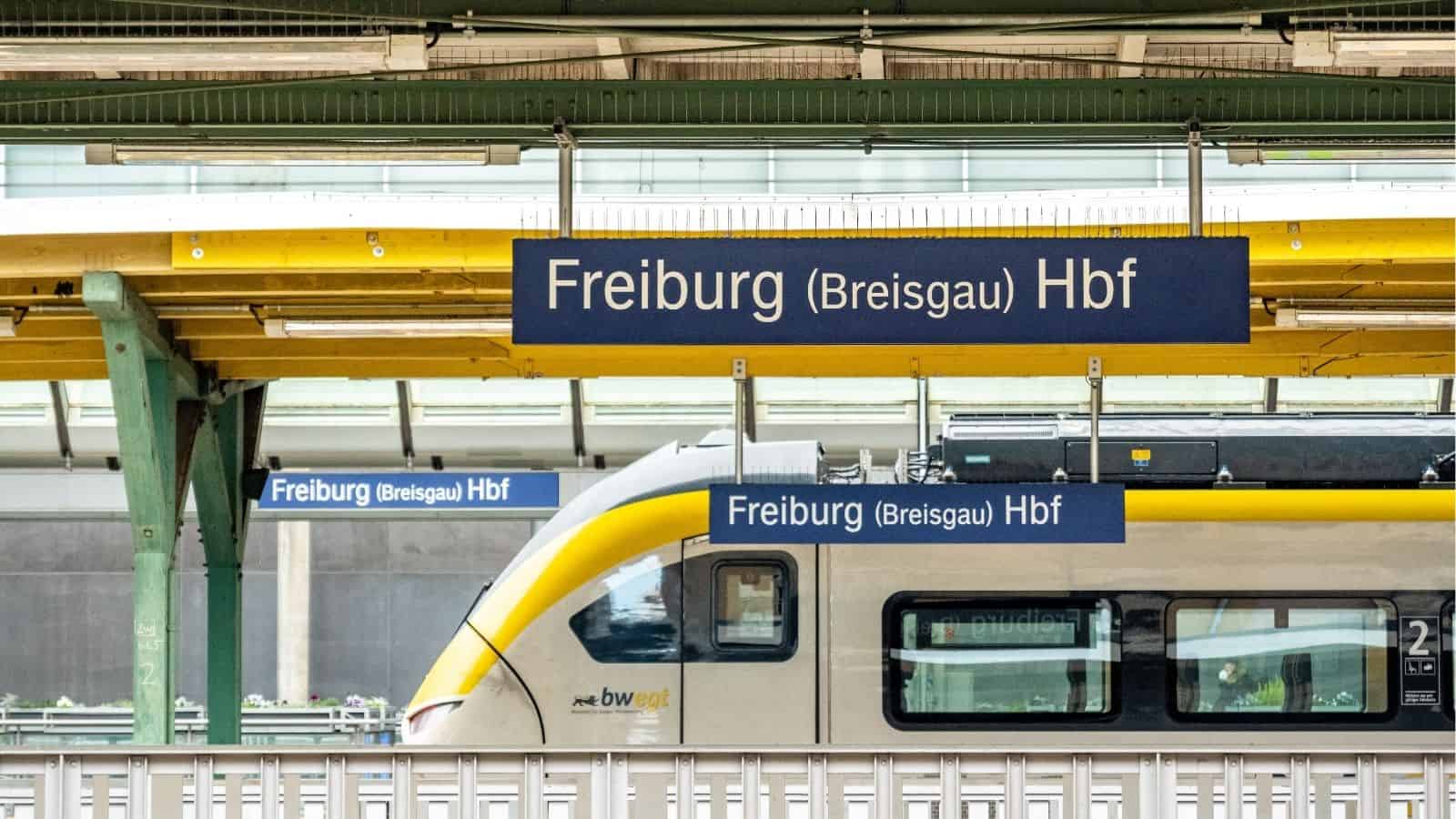
Train stations often use local language names that do not match what visitors expect. A city known by one name in English may appear under a different spelling or entirely different name on tickets and boards. In some cases, major cities have multiple stations with similar names, each serving different routes. Visitors may assume they are heading to the main station when they are not. This creates confusion during booking and arrival. Understanding local naming conventions and station types becomes essential, but it is rarely explained clearly to first-time travelers.
Want to save this?
First and second class differences that are subtle but meaningful

Many visitors expect a dramatic difference between first and second class, similar to airplanes. On European trains, the distinction is often more subtle. First class may offer slightly wider seats, quieter cars, or more space, but it can look very similar to second class. Travelers are sometimes unsure if they are in the correct car, especially when signage is small or unclear. Sitting in the wrong class can result in fines or awkward confrontations. Because the visual differences are not obvious, visitors often feel uncertain until a conductor checks tickets.
Regional trains versus high-speed trains using the same platforms

European stations often serve multiple train types from the same platforms. A slow regional train and a high-speed train may depart from nearby tracks, or even the same one, within minutes of each other. Visitors unfamiliar with the system may assume platform location indicates train type or speed. In reality, the train number and service name matter more. Boarding the wrong train can mean slower travel, unexpected stops, or invalid tickets. This overlap feels confusing because it contrasts with systems where different train types operate from clearly separated areas.
Boarding locations changing at the last minute

Even after a platform is assigned, the exact boarding location can shift. Long trains may stop with first class at one end and second class at another, and that position can vary by station. Car numbers are often posted on platform diagrams that visitors may not notice or understand. As a result, travelers may wait in the wrong place and then have to rush down the platform when the train arrives. This creates stress, especially with luggage. The system works efficiently for regular users, but it feels unpredictable to newcomers.
Tickets tied to a specific train versus flexible open tickets
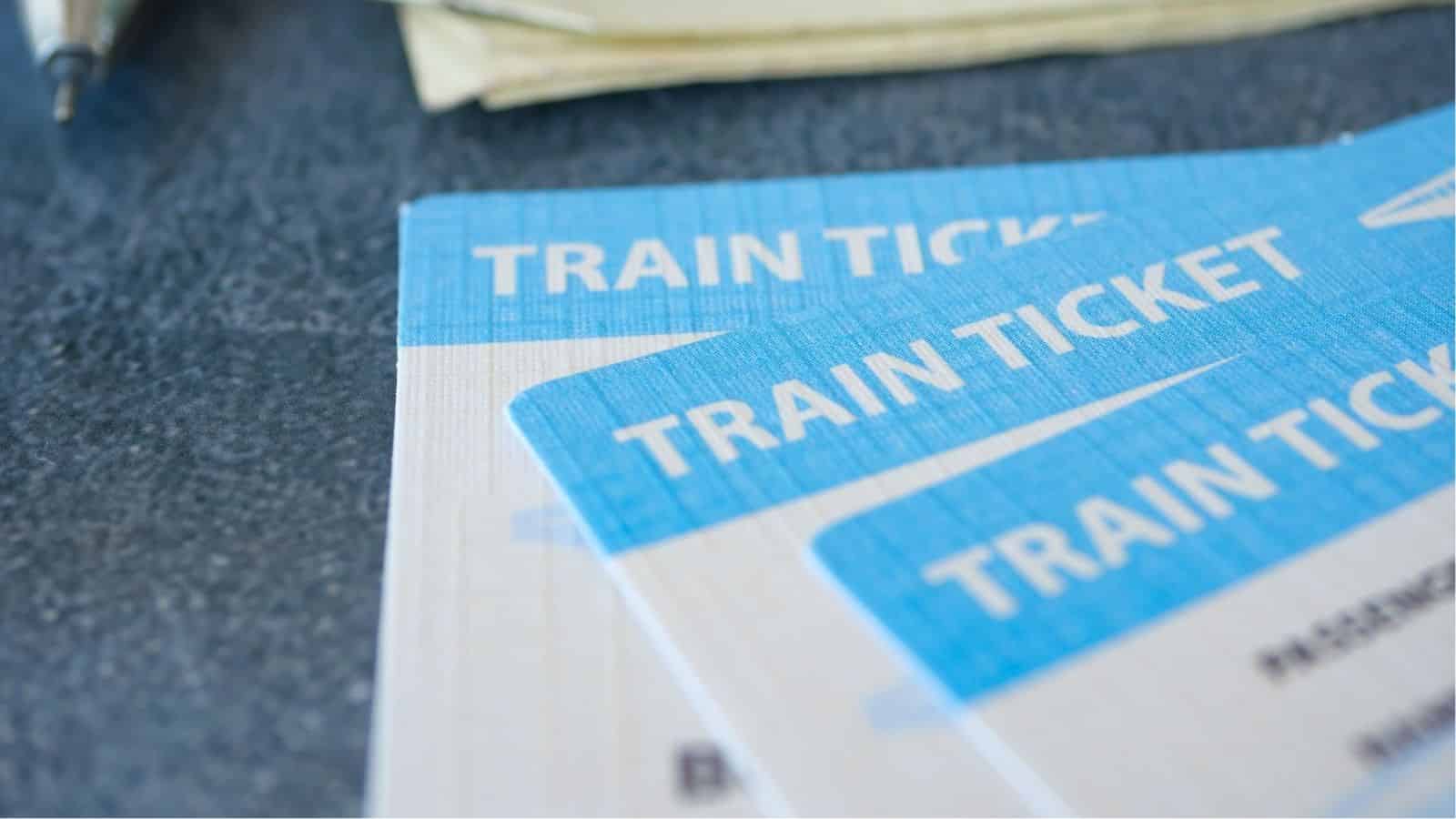
European train tickets come in different formats, and visitors often confuse them. Some tickets are valid only for a specific train and time, while others allow travel on any train along the route within a certain period. The rules vary by country, train type, and fare class. Travelers sometimes assume flexibility that does not exist, or they overpay for flexibility they do not need. When plans change, this distinction becomes critical. Without clear explanation, visitors can easily end up on the wrong train or facing unexpected change fees.
11 Affordable Destinations in Europe Perfect for Budget Travelers

Europe is often seen as an expensive continent to explore, but it’s still possible to experience the beauty, history, and culture without breaking the bank. Many countries across Europe offer affordable travel options for those who want to make the most of their trip without overspending. From charming cities to picturesque landscapes, Europe has plenty to offer on a budget. Whether it's staying in budget-friendly accommodations, enjoying delicious local food, or exploring free or low-cost attractions, these destinations allow travelers to experience the best Europe has to offer for less.
Read More Here: 11 Affordable Destinations in Europe Perfect for Budget Travelers
13 Tourist Behaviors That Create Real Problems in European Countries

Tourists play a vital role in the economy and culture of European countries, offering much-needed revenue and a chance for cultural exchange. However, certain tourist behaviors can cause significant issues for locals, from overcrowding at popular landmarks to disrespect for local customs and environments. Understanding and respecting local rules is crucial to creating a harmonious travel experience, both for visitors and residents alike.
Read More Here: 13 Tourist Behaviors That Create Real Problems in European Countries



Leave a Reply