
Travel priorities often change with age, and comfort starts to matter as much as sightseeing. This article highlights destinations where pacing feels manageable, daily logistics feel simpler, and getting around does not feel exhausting. These are places where travelers say they felt more at ease navigating cities, transportation, and everyday routines.
Choosing the right destination can shape how relaxed a trip feels from start to finish. Factors like walkability, clear systems, and a calmer rhythm can make travel more rewarding later in life. Take a closer look at which countries made the list and see which ones might fit how you want to travel next.
Portugal

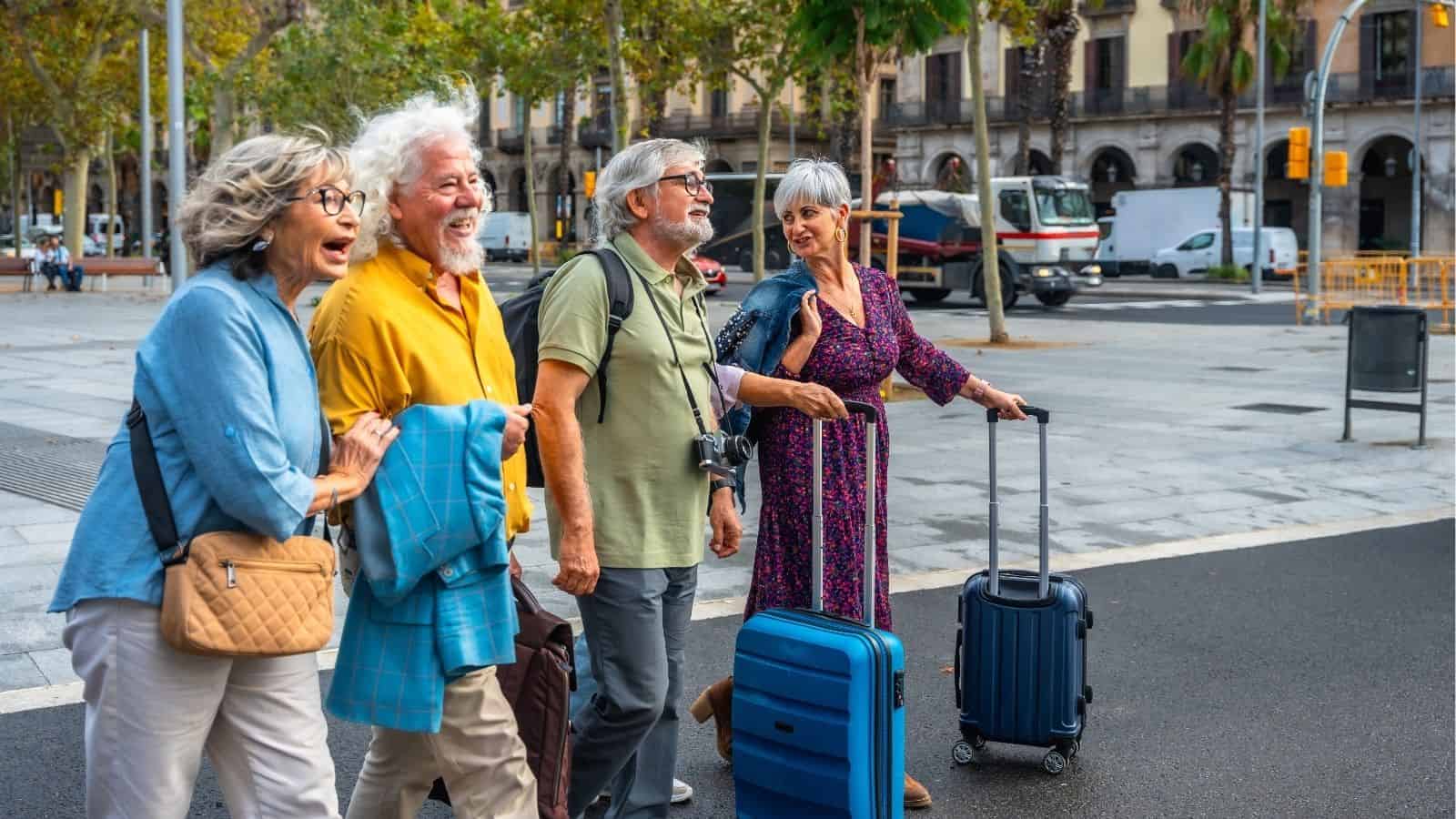
Portugal consistently feels welcoming to older travelers because daily life moves at a manageable pace. Meals are unhurried, social interactions feel patient, and there is little pressure to rush from place to place. Public transportation is straightforward in major cities, while smaller towns are walkable and compact. Many older travelers appreciate how service culture prioritizes courtesy over speed. Portugal also supports slower travel styles, with easy day trips and longer stays that do not require constant movement. Visitors often say they felt comfortable settling in quickly, rather than needing time to recover or adapt.
Japan
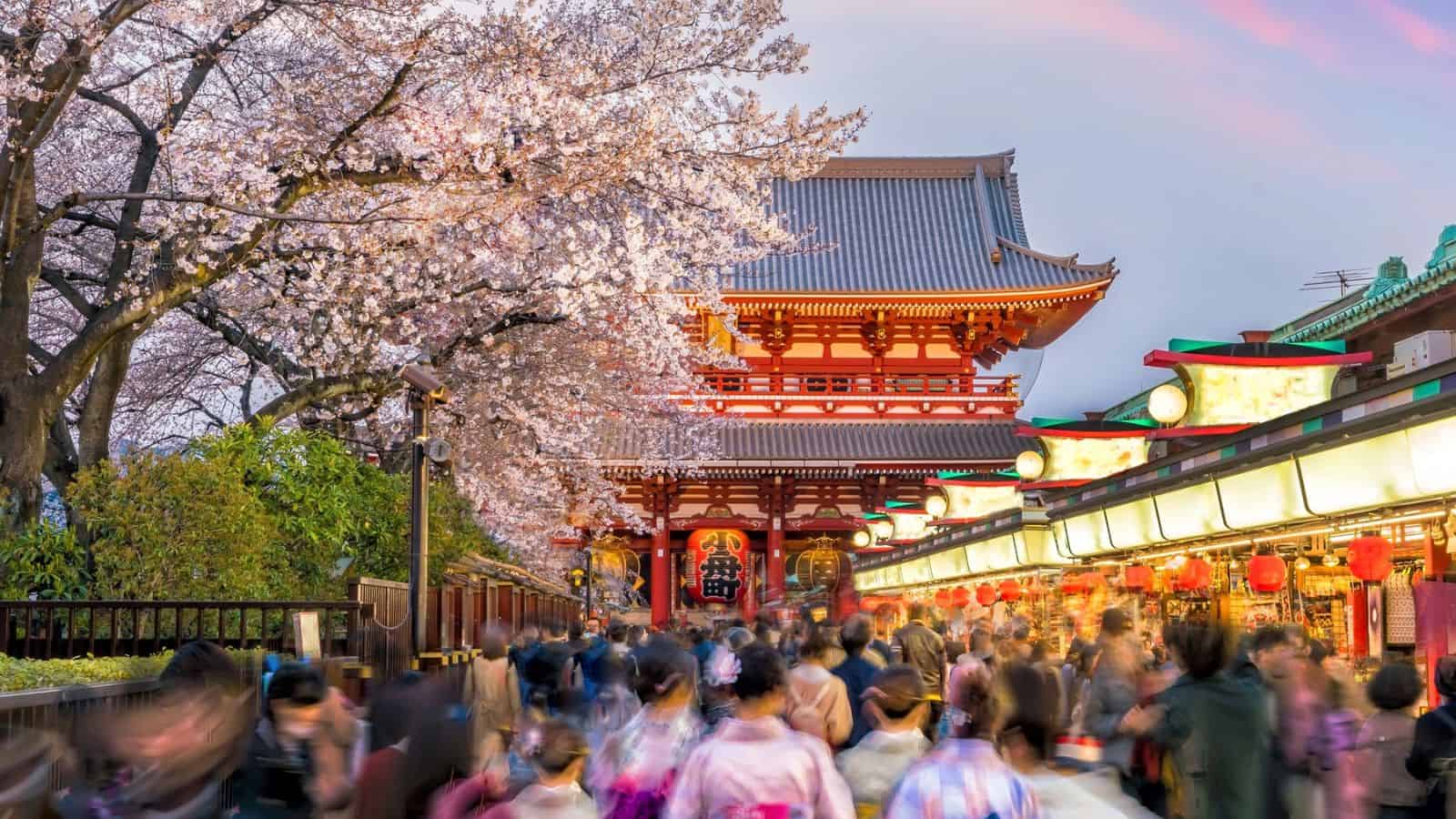
Japan often surprises older travelers with how accommodating it feels. Clear signage, reliable transit, and a strong culture of respect make navigating unfamiliar environments less stressful. Everyday interactions tend to be orderly and predictable, which many travelers value more with age. Public spaces are clean, seating is common, and assistance is readily offered when needed. While the culture is different, the systems in place reduce uncertainty. Many older travelers say Japan felt easier than expected, allowing them to focus on the experience rather than the logistics of getting around.
Italy
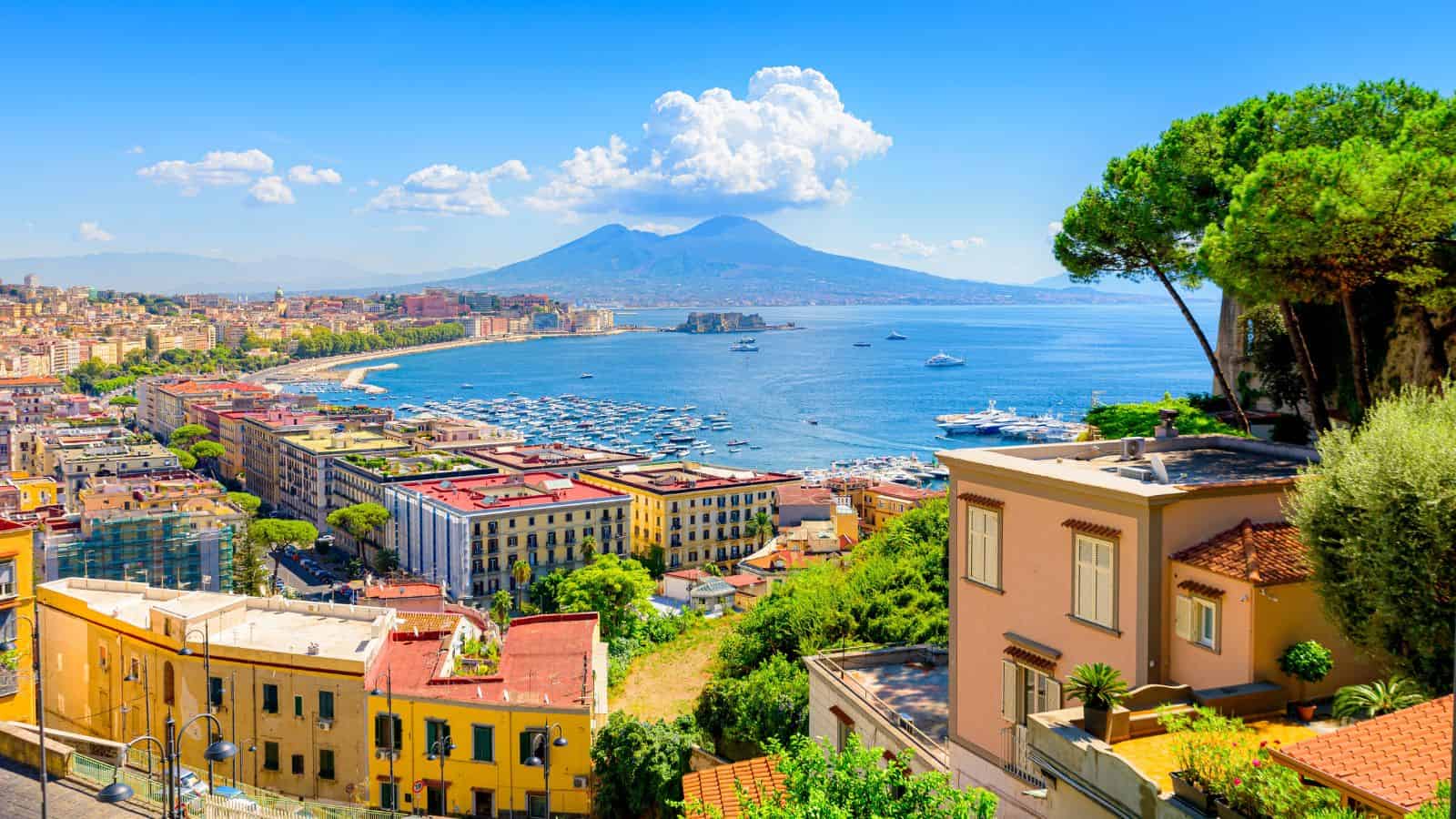
Italy feels friendly to older travelers because it encourages lingering rather than rushing. Long meals, extended conversations, and slower daily rhythms align well with travelers who prefer depth over efficiency. While some infrastructure can be uneven, the social atmosphere often compensates. Locals are generally patient, especially in smaller towns, and many services accommodate varied pacing. Older travelers often appreciate that Italy rewards returning to the same café, piazza, or neighborhood rather than constant movement. The country feels built around enjoying time rather than managing it.
New Zealand

New Zealand often feels approachable because of its clarity and calm. Roads are well marked, towns are spaced logically, and services are dependable. Older travelers frequently mention how easy it felt to plan without overcomplicating details. The culture values courtesy and straightforward communication, which reduces friction. Many activities can be adapted to different energy levels, allowing travelers to choose their pace without feeling excluded. New Zealand supports travel that is intentional and measured, which tends to resonate more strongly later in life.
Ireland
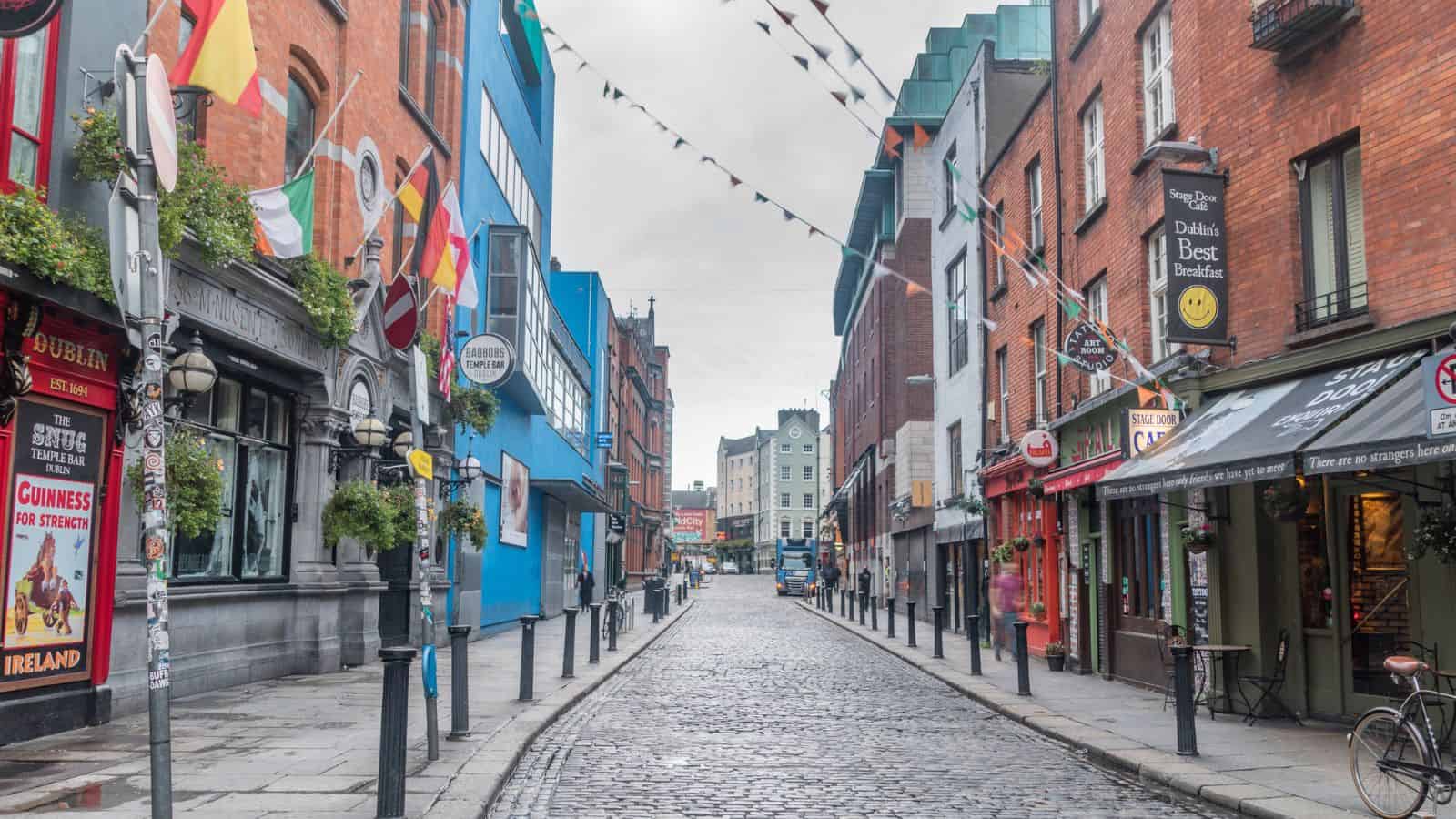
Ireland feels friendly to older travelers largely because of its social warmth. Conversations come easily, help is often offered without being asked, and humor softens everyday interactions. The pace outside major cities is gentle, with towns that reward lingering rather than rushing through highlights. Older travelers often say they felt welcomed rather than managed. While infrastructure varies, the cultural ease makes navigating challenges feel less stressful. Ireland often leaves visitors feeling cared for, which becomes increasingly important with experience and age.
Spain

Spain often feels welcoming to older travelers because it is built around daily rhythms rather than constant movement. Meals happen later, afternoons slow down, and evenings stretch comfortably, allowing travelers to pace themselves. Cities and towns offer plenty of places to sit, observe, and rest without feeling out of place. Public transportation is widely available, and walking routes are usually direct and well supported. Many older travelers appreciate how Spanish culture values time spent together, which makes travel feel social rather than demanding. Spain encourages presence instead of productivity.
Want to save this?
Austria

Austria feels friendly to older travelers because of its order, clarity, and reliability. Public transportation is consistent, signage is clear, and services tend to function exactly as expected. This predictability reduces the mental load that can come with travel. Cities and towns are clean, walkable, and designed with everyday comfort in mind. Many older travelers say Austria feels calm rather than overstimulating, allowing them to focus on surroundings instead of logistics. The country supports structured travel that still leaves room for rest and reflection.
Canada
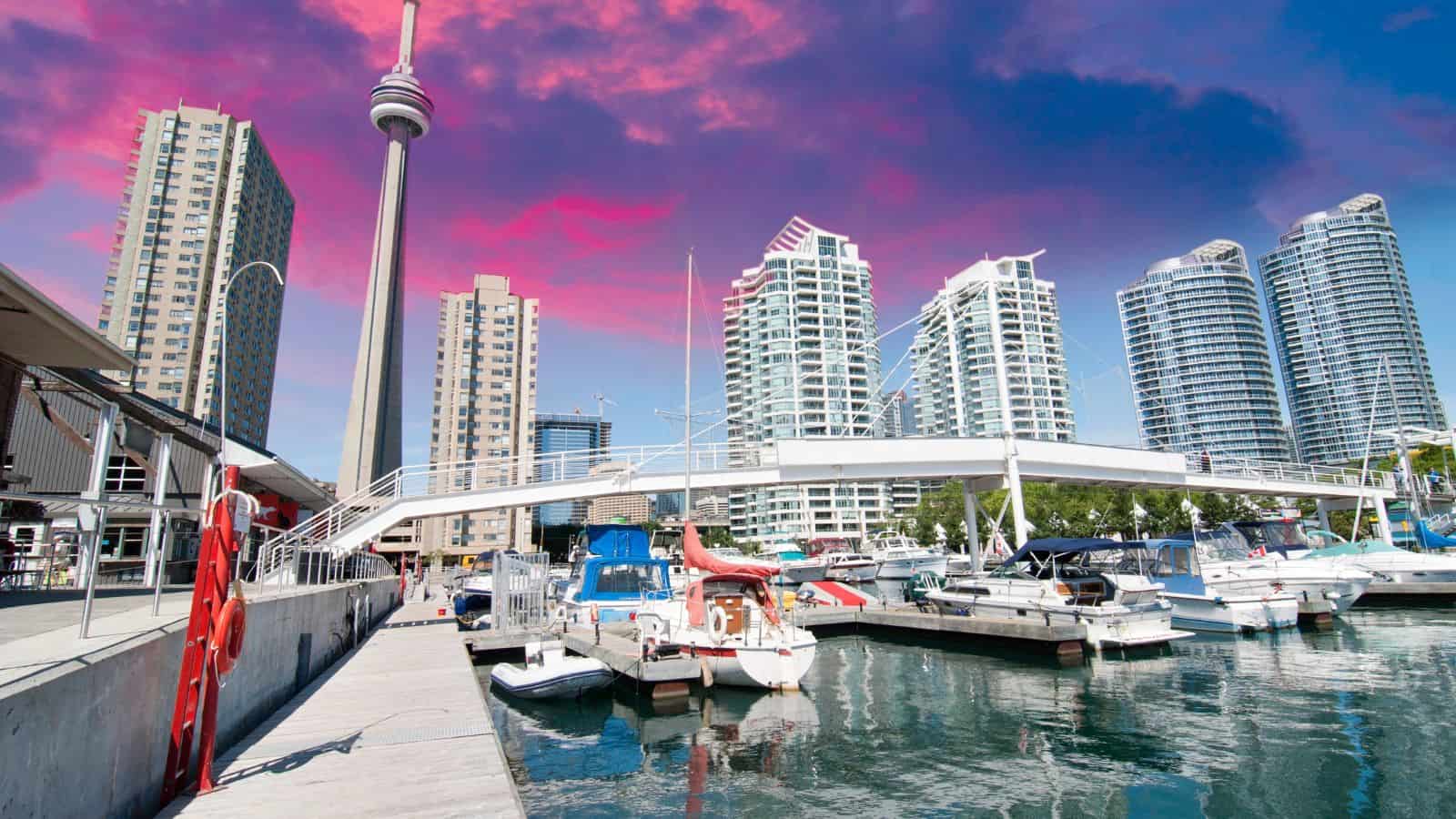
Canada often feels accessible to older travelers because it balances familiarity with difference. Infrastructure is dependable, healthcare access is strong, and social interactions tend to be polite and patient. Cities are generally easy to navigate, while smaller towns reward slower exploration. Many older travelers appreciate that Canada supports longer stays without pressure to constantly move. The pace feels steady rather than rushed, and help is readily available when needed. Canada often appeals to travelers who want comfort and ease without sacrificing meaningful change of scenery.
Slovenia
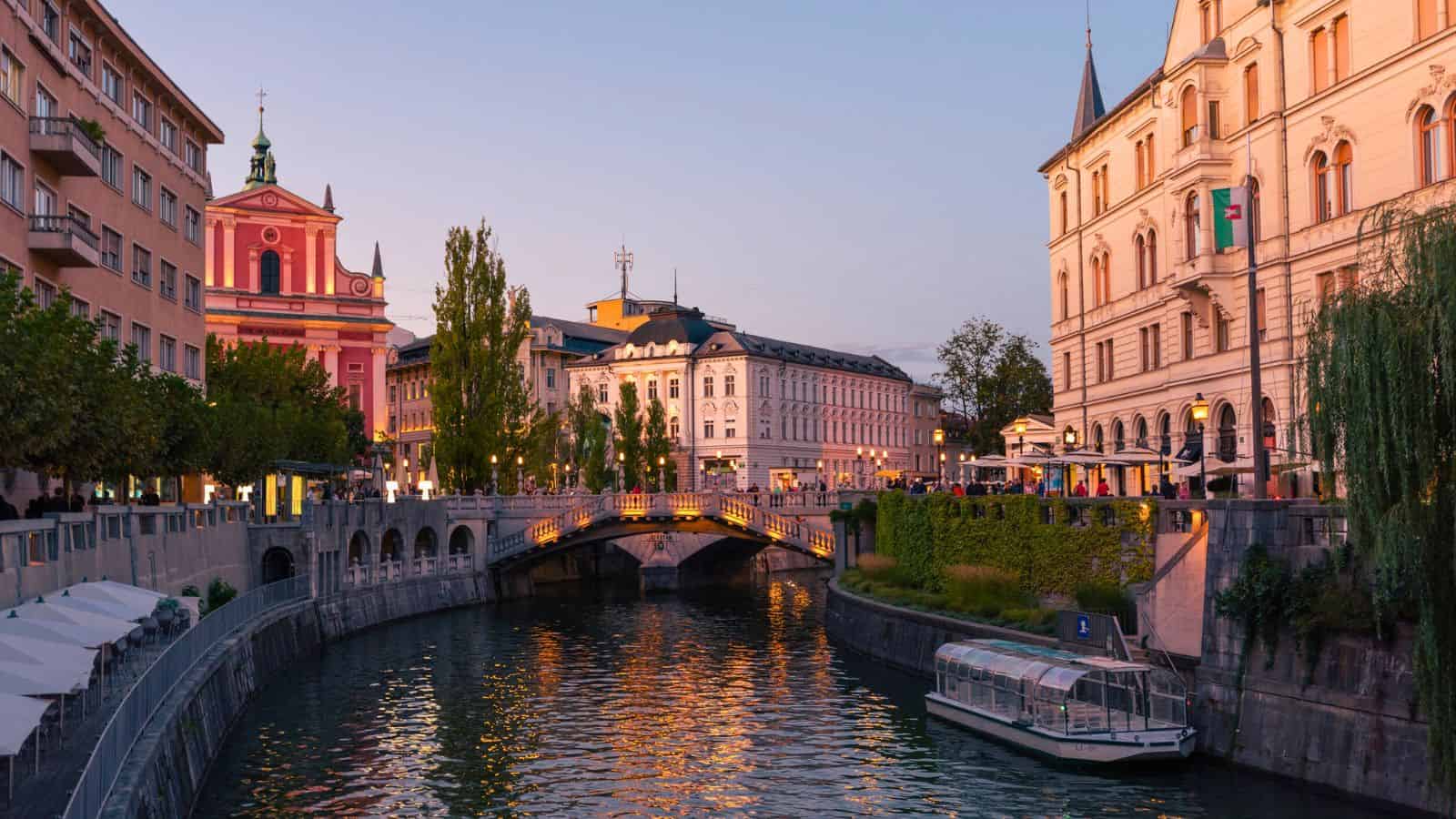
Slovenia surprises many older travelers with how manageable it feels. Distances are short, transportation is straightforward, and towns are compact and calm. The country supports slower travel, allowing visitors to settle into one place without missing out. Older travelers often mention how easy it was to combine nature and cities without exhausting transitions. Public spaces are well-maintained, and daily life feels orderly but not rigid. Slovenia tends to feel unintimidating, which allows travelers to relax into the experience rather than staying alert or rushed.
Greece
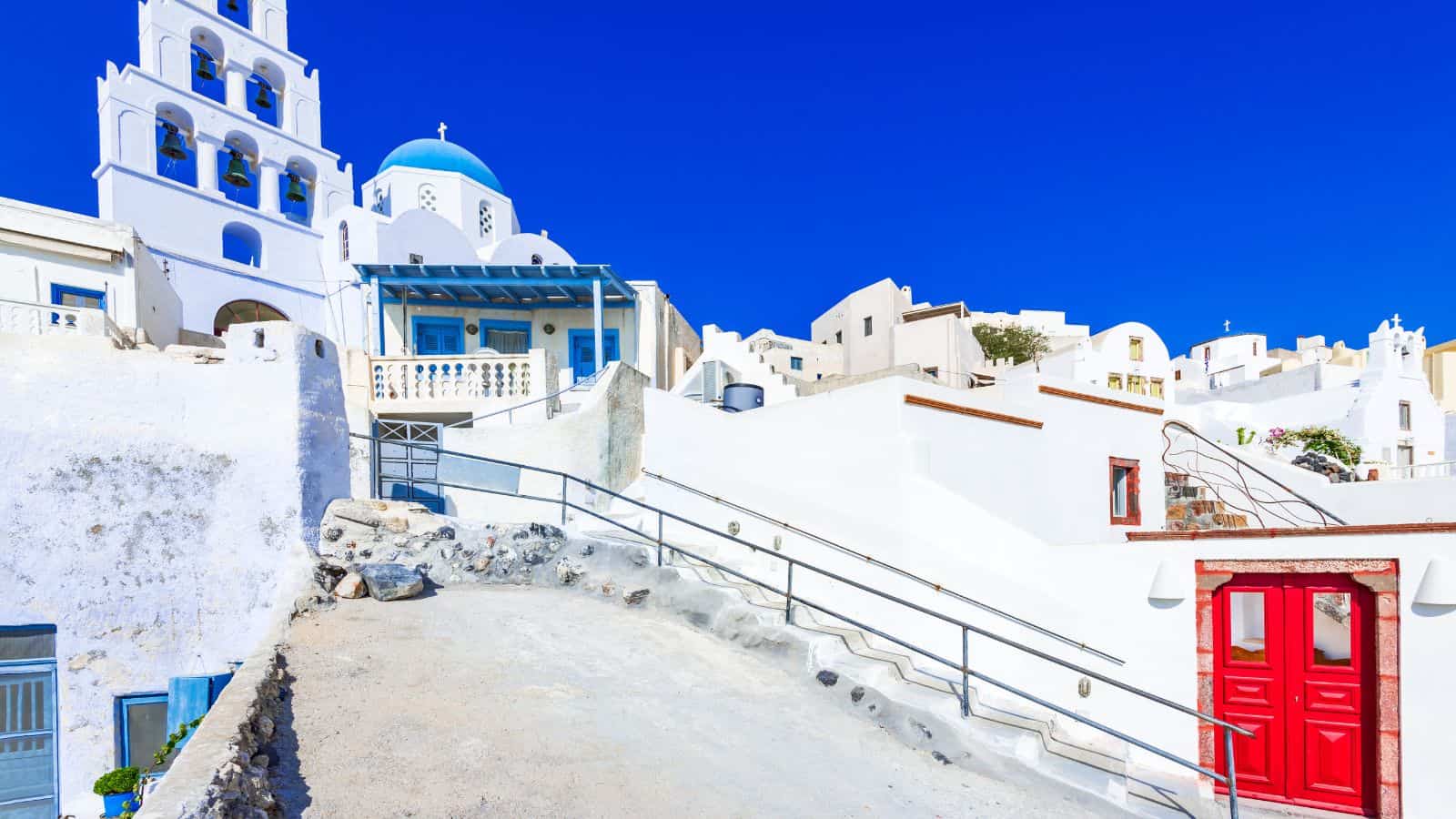
Greece feels friendly to older travelers because life unfolds at a human pace, especially outside major tourist hubs. Meals are long, afternoons are quiet, and evenings focus on conversation rather than activity. Many towns are built around gathering places rather than schedules. Older travelers often say they felt comfortable slowing down without feeling out of step. While terrain can vary, the social rhythm encourages rest and reflection. Greece supports travel that prioritizes atmosphere and connection over efficiency, which many travelers value more with age.
Denmark

Denmark appeals to older travelers because of its balance and simplicity. Cities are flat, walkable, and well organized, reducing physical and mental strain. Public transportation is intuitive, and daily systems are designed to work smoothly. Many older travelers appreciate how Danish culture values comfort, moderation, and everyday ease. There is little pressure to rush or overperform as a visitor. Denmark often feels quietly supportive, allowing travelers to move confidently and comfortably through their days without unnecessary friction.
10 Essential Tips for Taking a Solo Cruise

Taking a cruise alone can be exciting, but it also raises questions about how to make the experience smooth, safe, and stress-free. From navigating boarding day to planning activities, having a few smart strategies in mind makes all the difference. That’s where these 10 essential tips for taking a solo cruise come in, helping you step on board with confidence and enjoy the trip from start to finish.
Read More Here: 10 Essential Tips for Taking a Solo Cruise
17 Iconic Landmarks Around the World You’ll Instantly Recognize

How about the ones you'll instantly recognize? Some landmarks are so iconic that they’ve become synonymous with the countries they represent. These 17 iconic landmarks around the world are instantly recognizable, whether it’s the Eiffel Tower in France, the Colosseum in Italy, or the Statue of Liberty in the United States. These structures transcend geography and culture, standing as symbols of history, engineering, and national pride. For many, visiting these landmarks is a bucket-list experience that brings a deeper understanding of the places they represent.
Read More Here: 17 Iconic Landmarks Around the World You’ll Instantly Recognize



Leave a Reply