
The Silk Road wasn’t just history. It was daily life in motion. Traders, travelers, and storytellers moved across deserts and mountains, stopping in cities that grew strong because people needed places to rest, trade, and connect. Many of those cities never disappeared; they simply adapted. Today, you can still walk through these 13 silk road cities and feel how past and present sit side by side.
What makes these places worth visiting now is how normal life continues around deep history. You’re not stepping into a museum. You’re stepping into cities where people work, argue prices, meet friends, and go home at night. That balance is close to perfect. It keeps things clear and real. If you like travel with meaning but without the heavy tone, this route makes sense. It’s straightforward, human, and still very alive.
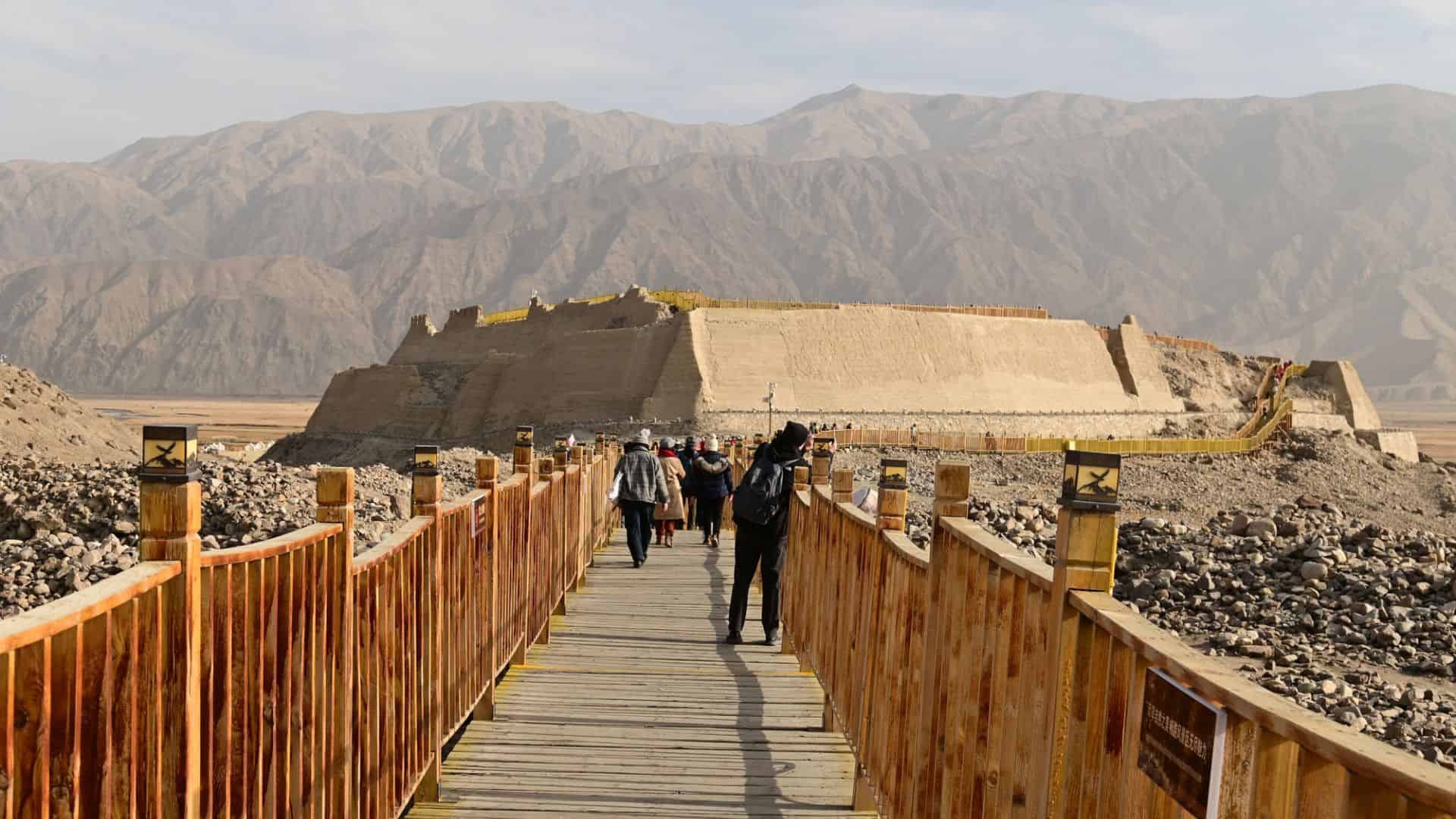
Tehran, Iran

Positioned near ancient caravan routes, the Iranian capital grew from a modest settlement into a major Silk Road successor city. While modern in appearance, it holds deep historical connections through museums, palaces, and bazaars that reflect centuries of exchange between East and West. The Grand Bazaar continues patterns of trade established long before the modern era. Nearby mountain foothills once guided travelers and protected routes linking Persia to Central Asia and Anatolia. Today’s city blends rapid development with historical memory, presenting a living example of how Silk Road connectivity shaped long-term urban growth.
Kashgar, China
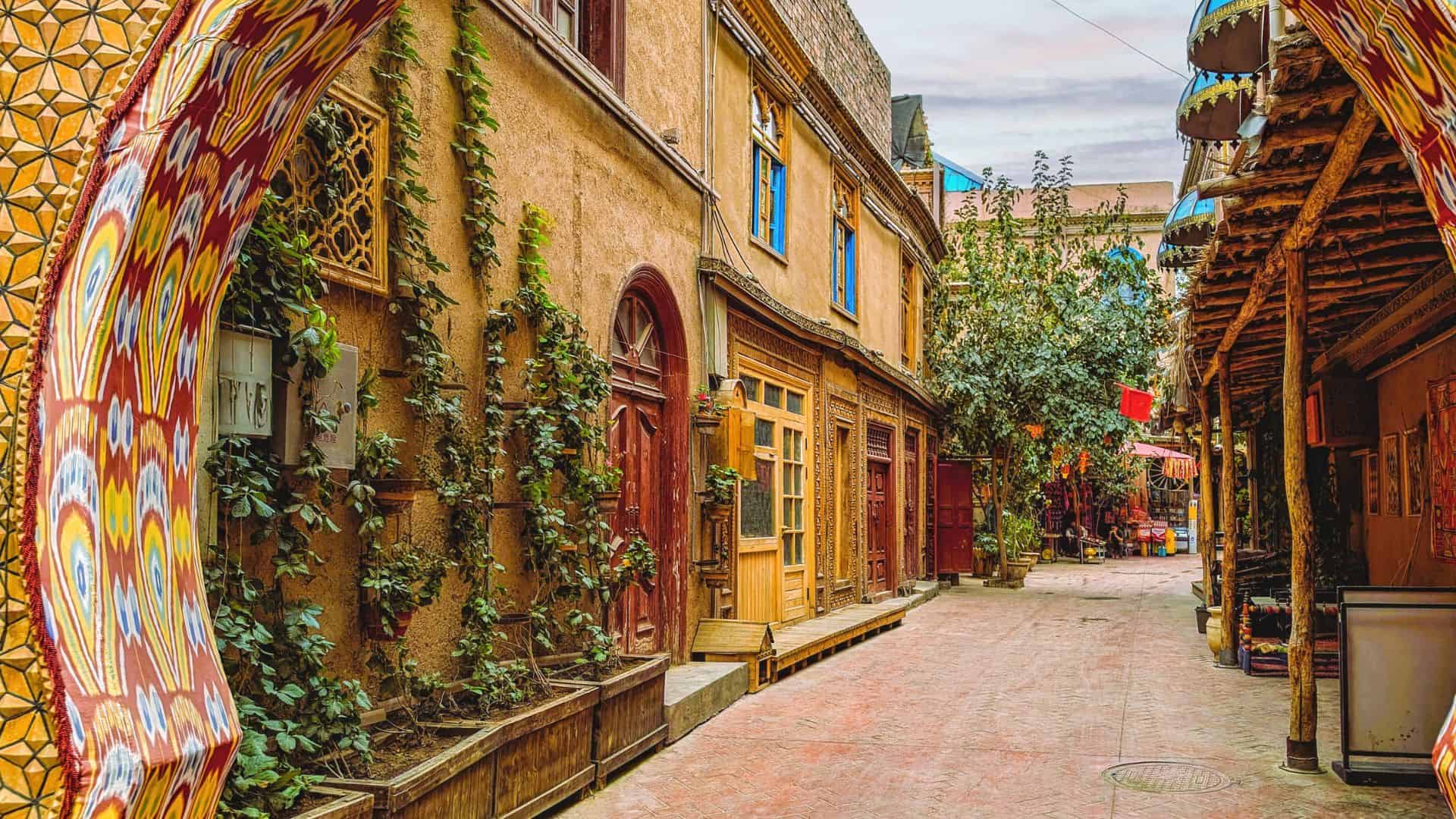
Kashgar has long stood at a crossroads where caravans from China, Central Asia, and South Asia converged. Its old town features narrow lanes, mud-brick homes, and neighborhood mosques that reflect deep-rooted Uyghur culture. The historic Sunday Bazaar echoes the trading spirit that once defined Silk Road commerce. Nearby mountain passes connected Kashgar to the Pamirs, Afghanistan, and beyond, making it a strategic meeting point of languages, religions, and goods. Despite modernization, the city retains a strong cultural identity, visible in architecture, crafts, music, and daily rhythms shaped by centuries of exchange.
Merv (near Mary), Turkmenistan
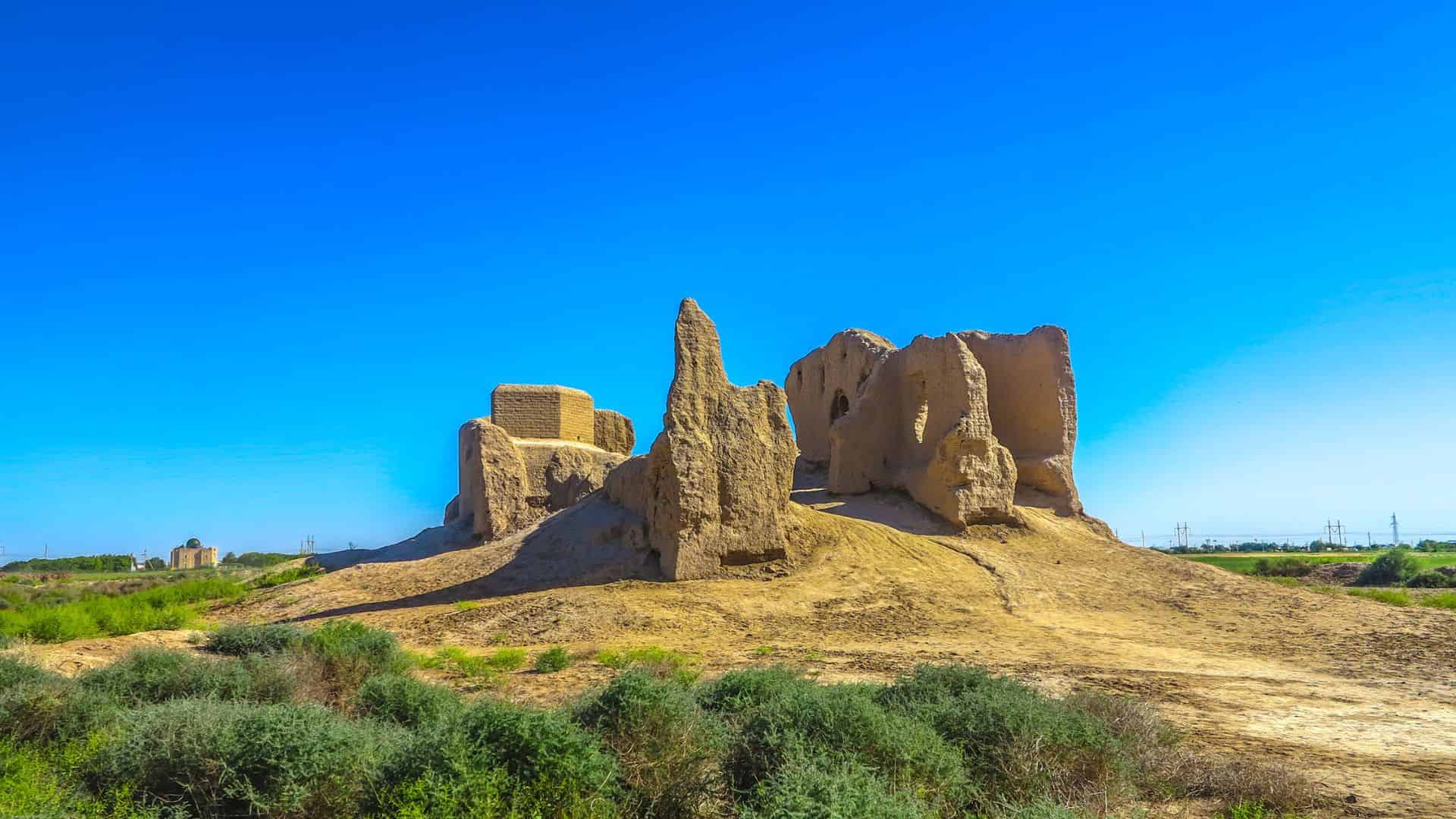
Once among the largest cities on Earth, this vast site represents multiple layers of Silk Road civilization spread across desert plains. Successive empires built new cities atop older ones, leaving behind fortresses, palaces, canals, and religious structures. Merv thrived as a scientific and cultural hub during the Islamic Golden Age, attracting scholars and traders alike. Though now largely in ruins, the scale of the remains conveys former influence and population size. Visiting the site reveals how urban planning, water management, and trade networks sustained a powerful metropolis in an unforgiving landscape.
Istanbul, Turkey

Straddling the Bosphorus, this city marked the western threshold of Silk Road networks linking Asia with the Mediterranean world. As Byzantium and later Constantinople, it commanded maritime and overland trade routes for more than a millennium. Imperial mosques, churches, and markets demonstrate how commerce, religion, and power intersected. The Grand Bazaar continues patterns of exchange established centuries ago, echoing caravan trade culture. Layers of Roman, Byzantine, and Ottoman history remain visible across neighborhoods. Modern Istanbul thrives as a global metropolis while retaining deep connections to its past as a gateway between continents.
Tabriz, Iran
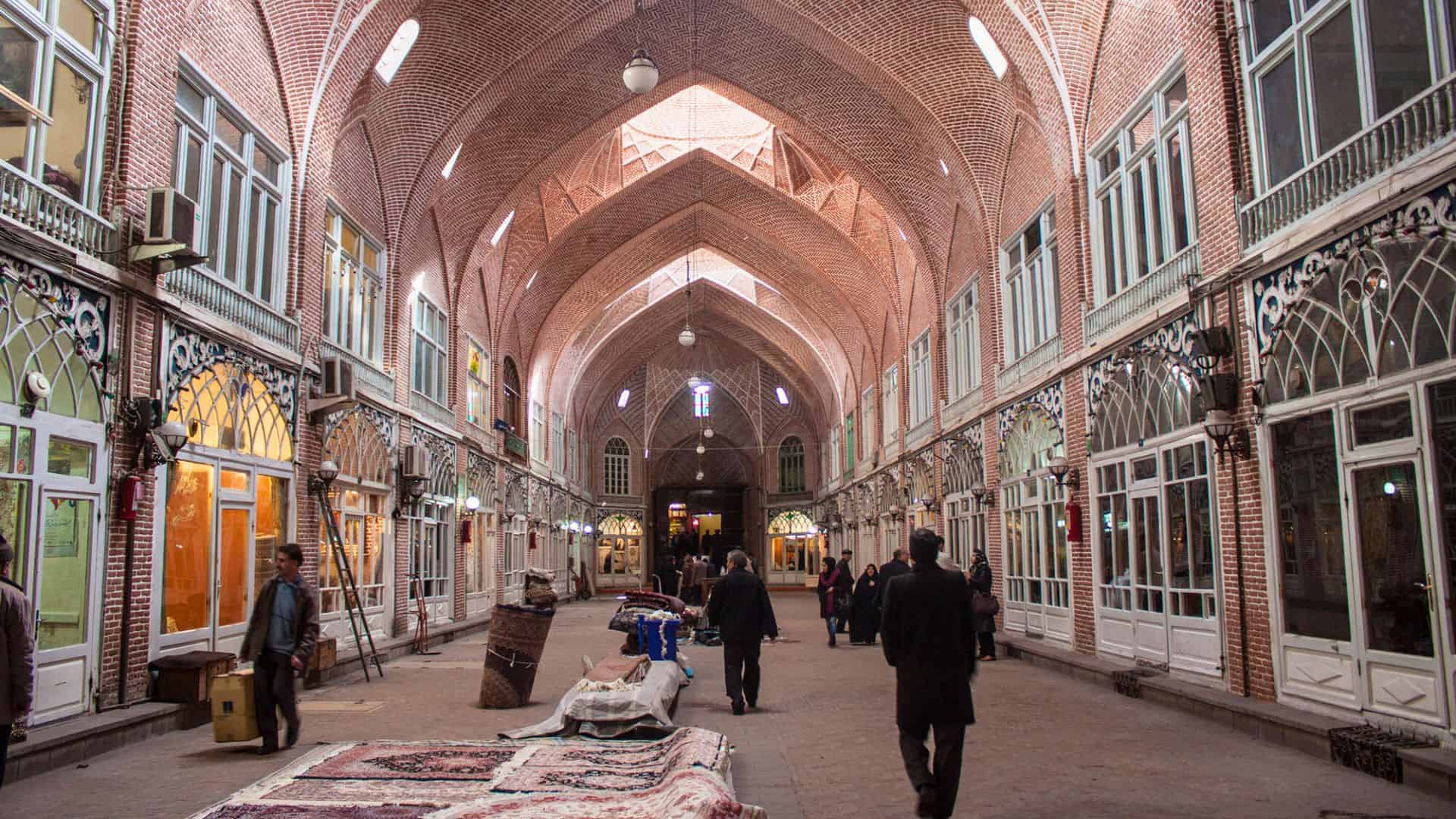
Long valued for its strategic position between Anatolia, the Caucasus, and Central Asia, this city developed into a major mercantile and political center. Earthquakes and invasions reshaped it many times, yet its commercial role endured. The vast covered bazaar complex, now recognized by UNESCO, remains a focal point of social and economic life. Merchants historically traded silk, carpets, metals, and spices within its brick-vaulted corridors. Intellectual movements and constitutional debates also emerged here, adding political significance to commercial strength. Modern Tabriz reflects resilience, with historic trade networks still influencing daily rhythms.
Bukhara, Uzbekistan
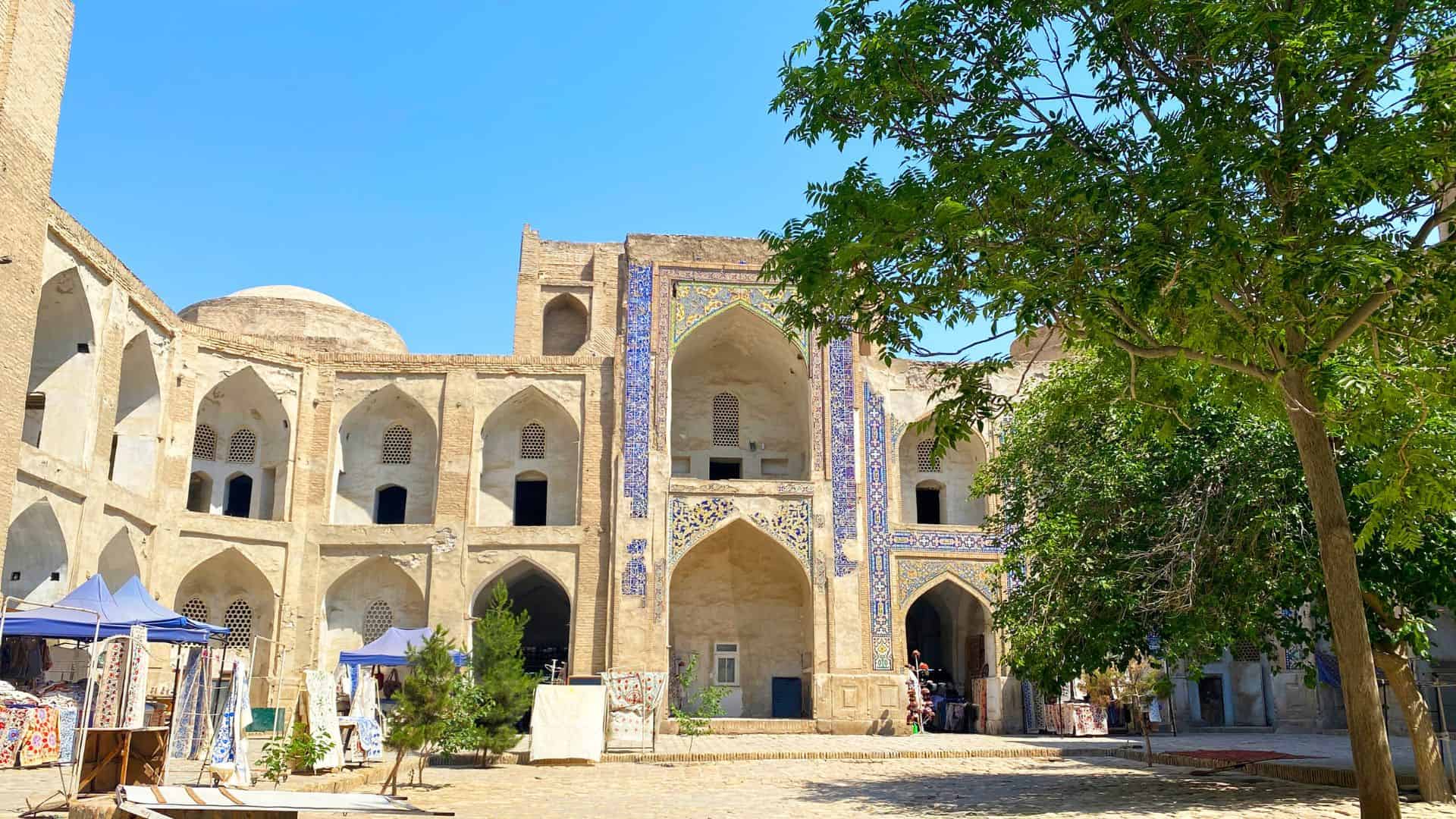
Known for extraordinary preservation, this city functioned for centuries as a center of religion, scholarship, and trade along the Silk Road. More than a hundred monuments remain intact, including mosques, madrasas, minarets, and caravanserais clustered within a compact historic core. Scholars once traveled great distances to study theology and philosophy here, shaping Islamic thought across Central Asia. Covered markets still trace ancient commercial routes, reflecting how trade structured urban life. Modern Bukhara moves at a measured pace, allowing visitors to experience layered history through architecture, rituals, and street patterns little changed since medieval times.
Xi’an, China
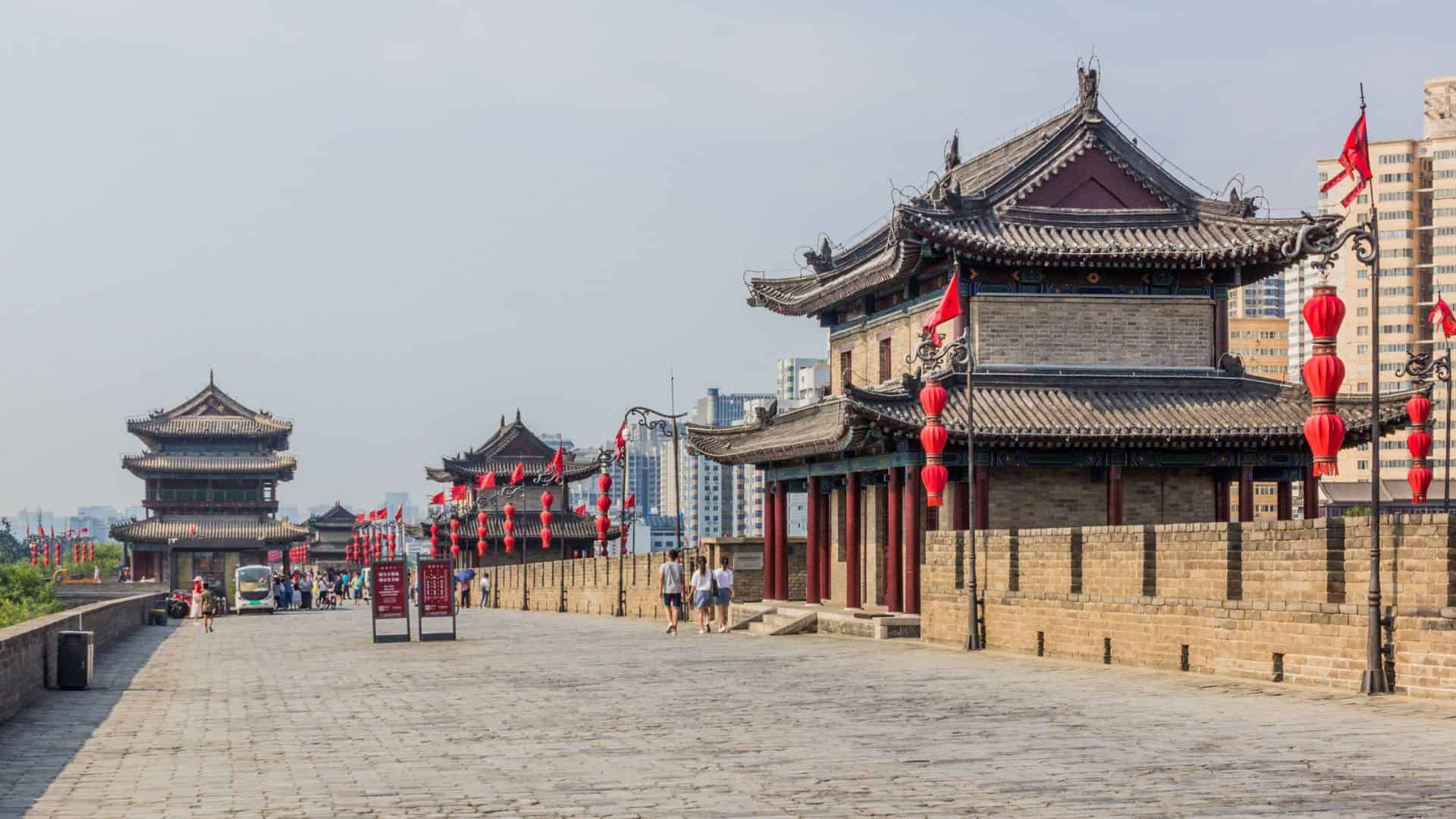
Xi’an stands as the historic eastern gateway of the Silk Road, where imperial dynasties shaped Chinese civilization for centuries. The city once served as the capital for multiple ruling houses, leaving behind monumental landmarks such as the Terracotta Army and one of the best-preserved ancient city walls in Asia. Walking or cycling atop the walls reveals layers of history set against a rapidly developing urban skyline. Ancient pagodas, bustling markets, and quiet temples coexist with modern infrastructure, reflecting a city that continues to evolve while honoring its past as a political, cultural, and commercial center of early Eurasian exchange.
Tbilisi, Georgia

Set along the Kura River, this city grew where caravan routes crossed the Caucasus mountains. Persian, Byzantine, Arab, and Russian influences left visible marks on architecture, language, and customs. Old neighborhoods feature wooden balconies, stone churches, bathhouses, and winding streets shaped by centuries of transit and exchange. Control of Tbilisi often shifted between empires seeking access to Silk Road corridors. Today, restored historic quarters sit beside contemporary development, reflecting ongoing cultural exchange. The city’s character stems from adaptation, diversity, and its enduring role as a bridge between Europe and Asia.
Want to save this?
Turpan, China
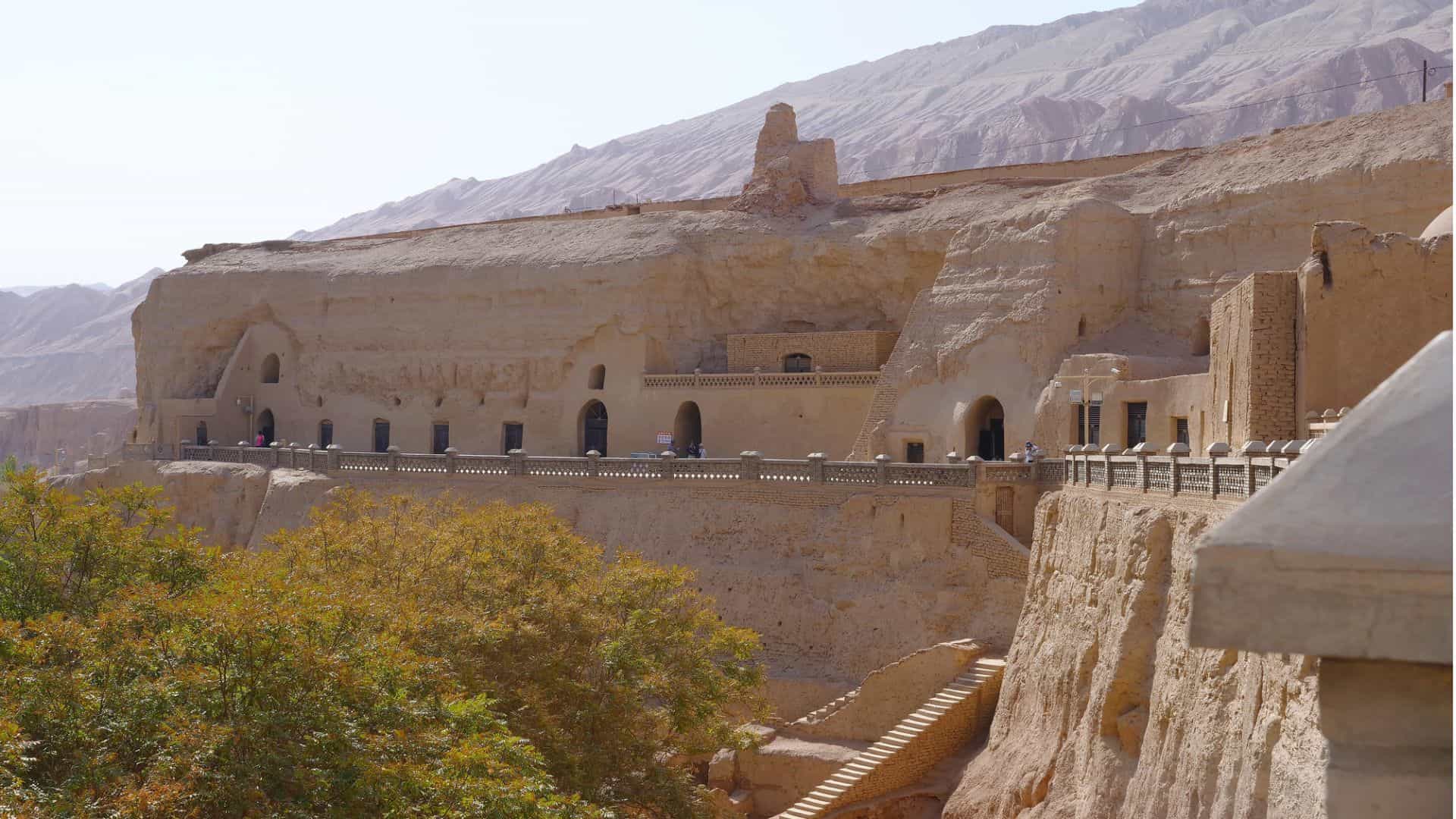
Turpan lies in one of the hottest and lowest regions on Earth, yet it flourished due to human ingenuity and Silk Road trade. Ancient residents engineered the karez irrigation system, underground channels that carried mountain water across arid land. Ruins such as Jiaohe and Gaochang reveal sophisticated urban planning and multicultural communities influenced by Chinese, Central Asian, and Persian traditions. Vineyards and earthen villages dot the surrounding basin, reflecting centuries of agricultural adaptation. Modern Turpan remains closely tied to its past, where archaeological sites and living traditions illustrate how survival and commerce shaped daily life.
Samarkand, Uzbekistan
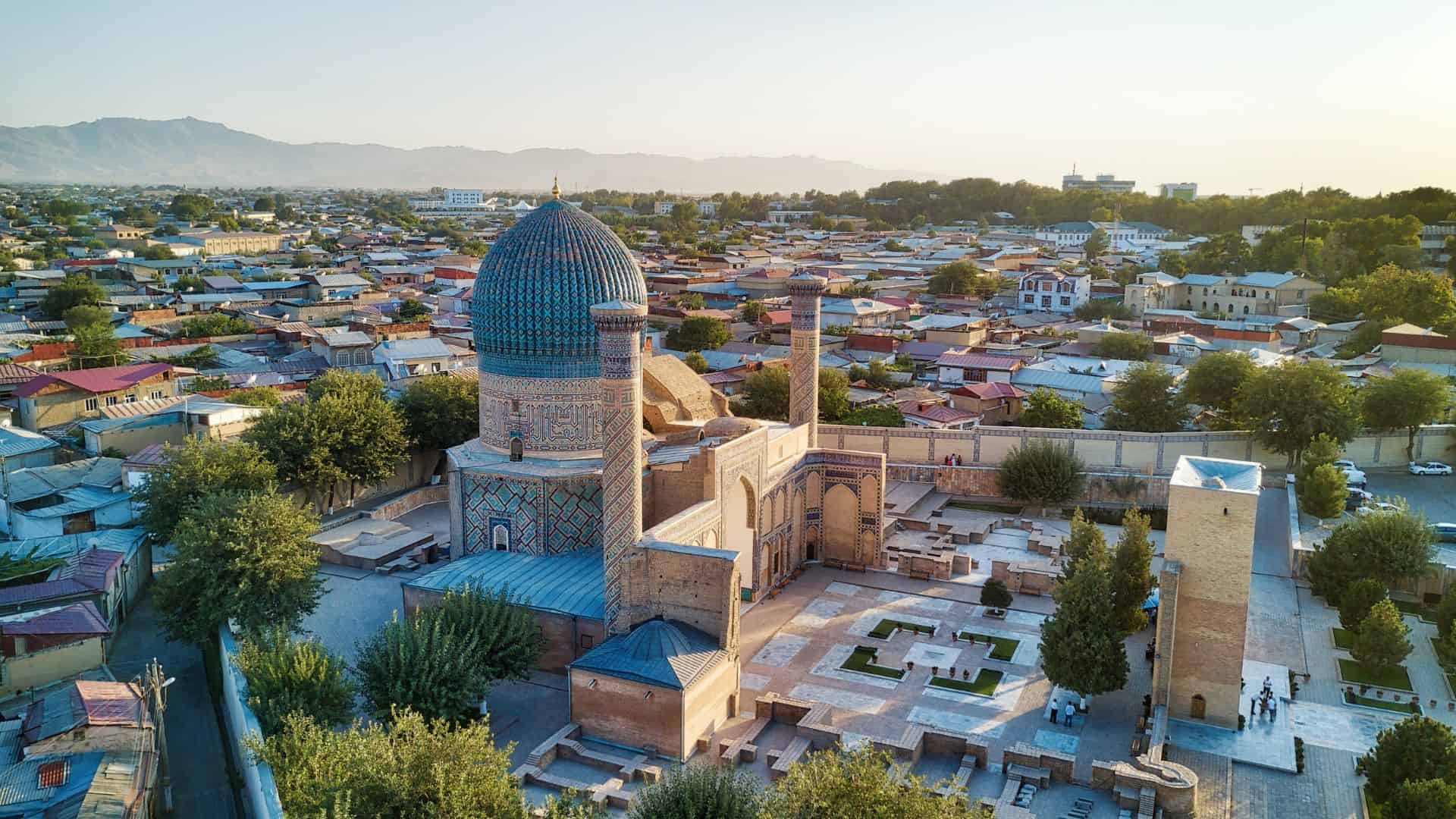
Samarkand ranks among the most celebrated Silk Road cities, renowned for grandeur and scholarly influence. Once a capital under Timur, it became a beacon of architecture, science, and art across Central Asia. Registan Square, framed by monumental madrasas, symbolizes intellectual life and imperial ambition. Mausoleums, observatories, and mosques reveal advanced knowledge of astronomy, mathematics, and design. Positioned between China and the Mediterranean world, Samarkand thrived on trade and learning. Today, restored landmarks and active streets present a city where monumental history remains closely woven into everyday urban life.
Dunhuang, China
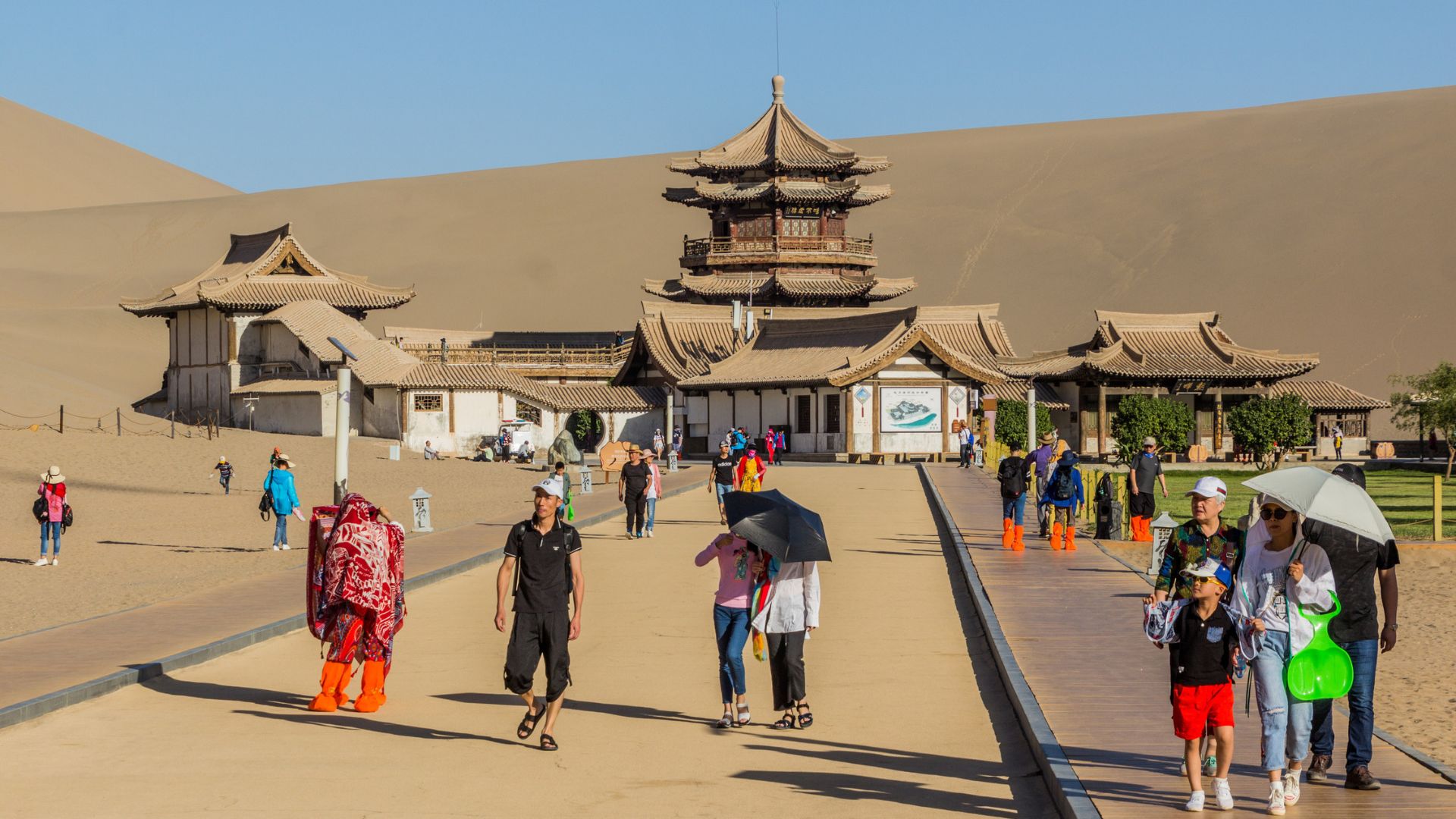
Dunhuang emerged as a vital desert outpost guarding the Silk Road’s northern and southern routes. Situated near the edge of the Gobi Desert, it became a spiritual and cultural refuge for travelers crossing harsh terrain. The Mogao Caves contain hundreds of grottoes filled with Buddhist murals and sculptures created over a thousand years, documenting religious, artistic, and social change. Outside the caves, remnants of watchtowers, beacon fires, and ancient passes reveal Dunhuang’s strategic importance. Today, the city balances preservation with tourism, allowing visitors to witness fragile art and landscapes shaped by centuries of travel.
Khiva, Uzbekistan
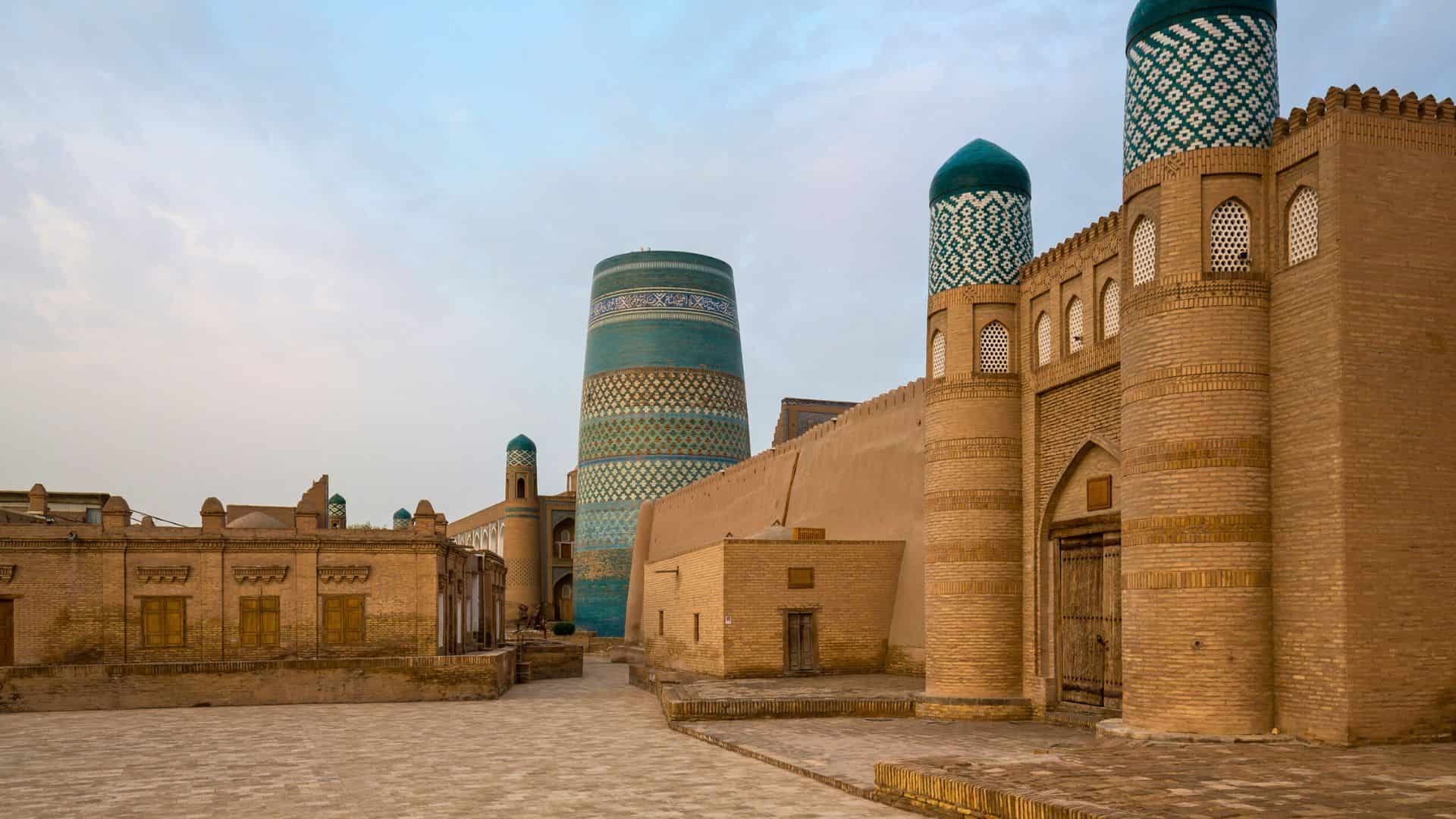
Encircled by thick mud-brick walls, this city appears frozen in a late Silk Road chapter. Its inner town, Itchan Kala, contains palaces, minarets, and courtyards preserved with remarkable consistency. Khiva prospered through caravan trade and regional politics, becoming a powerful khanate capital. The skyline is punctuated by turquoise-tiled towers and fortress gates that once regulated commerce and movement. Wandering through the narrow streets reveals a carefully planned urban space designed for defense, administration, and trade. Contemporary life unfolds alongside historic structures, maintaining a strong connection to centuries of regional heritage.
Isfahan, Iran
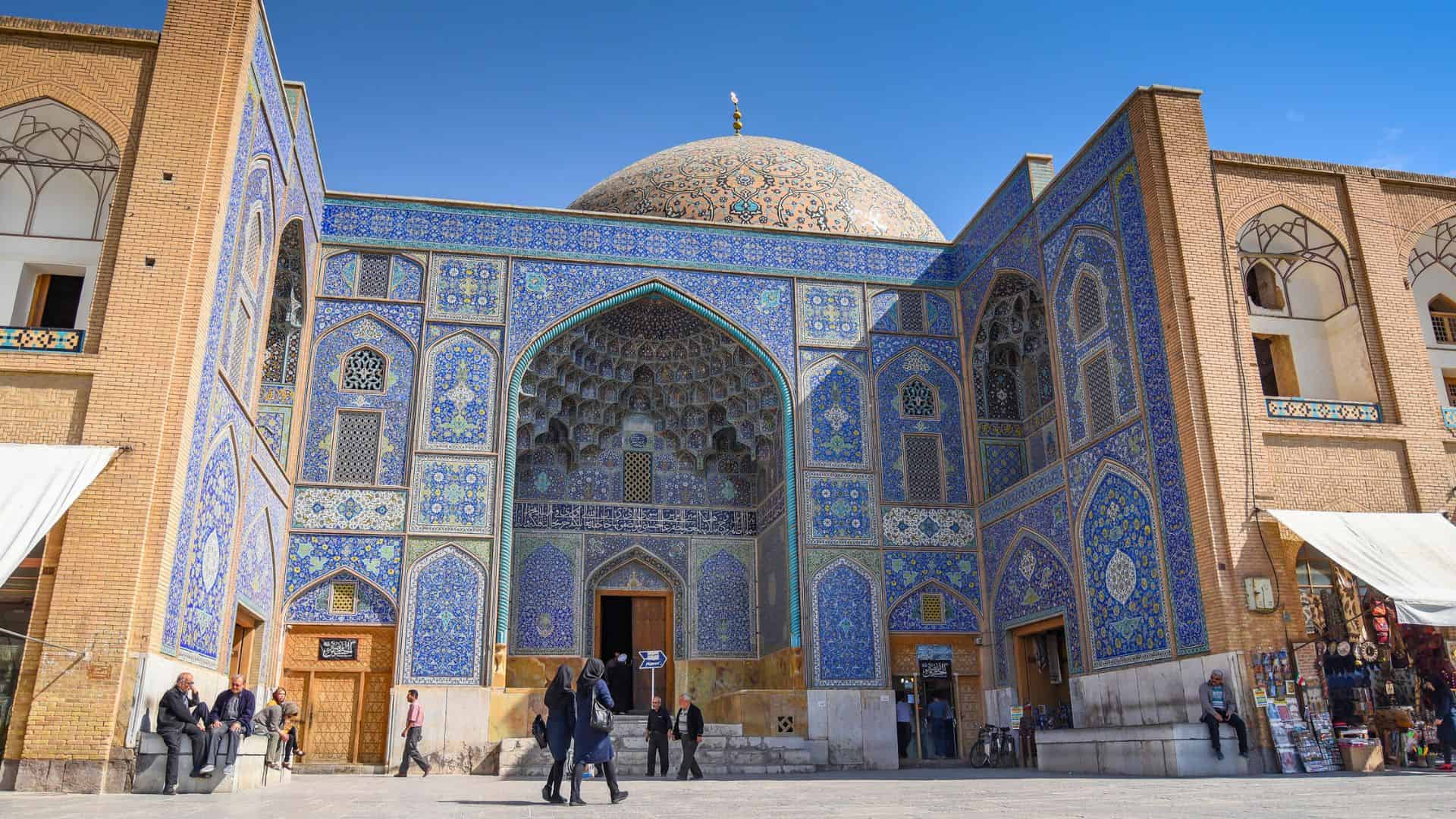
Celebrated as a masterpiece of Persian urban design, this city flourished during the Safavid era as a central Silk Road hub. The vast Naqsh-e Jahan Square anchors mosques, palaces, and arcaded markets that once regulated trade and civic life. Bridges spanning the Zayandeh River functioned as social spaces as well as infrastructure for caravans and locals alike. Artisans refined tilework, calligraphy, and urban planning here, influencing architecture far beyond Iran. Contemporary streets surround historic districts where geometry, symmetry, and craftsmanship reflect a society shaped by commerce, faith, and long-distance exchange.
History, But Make it Walkable
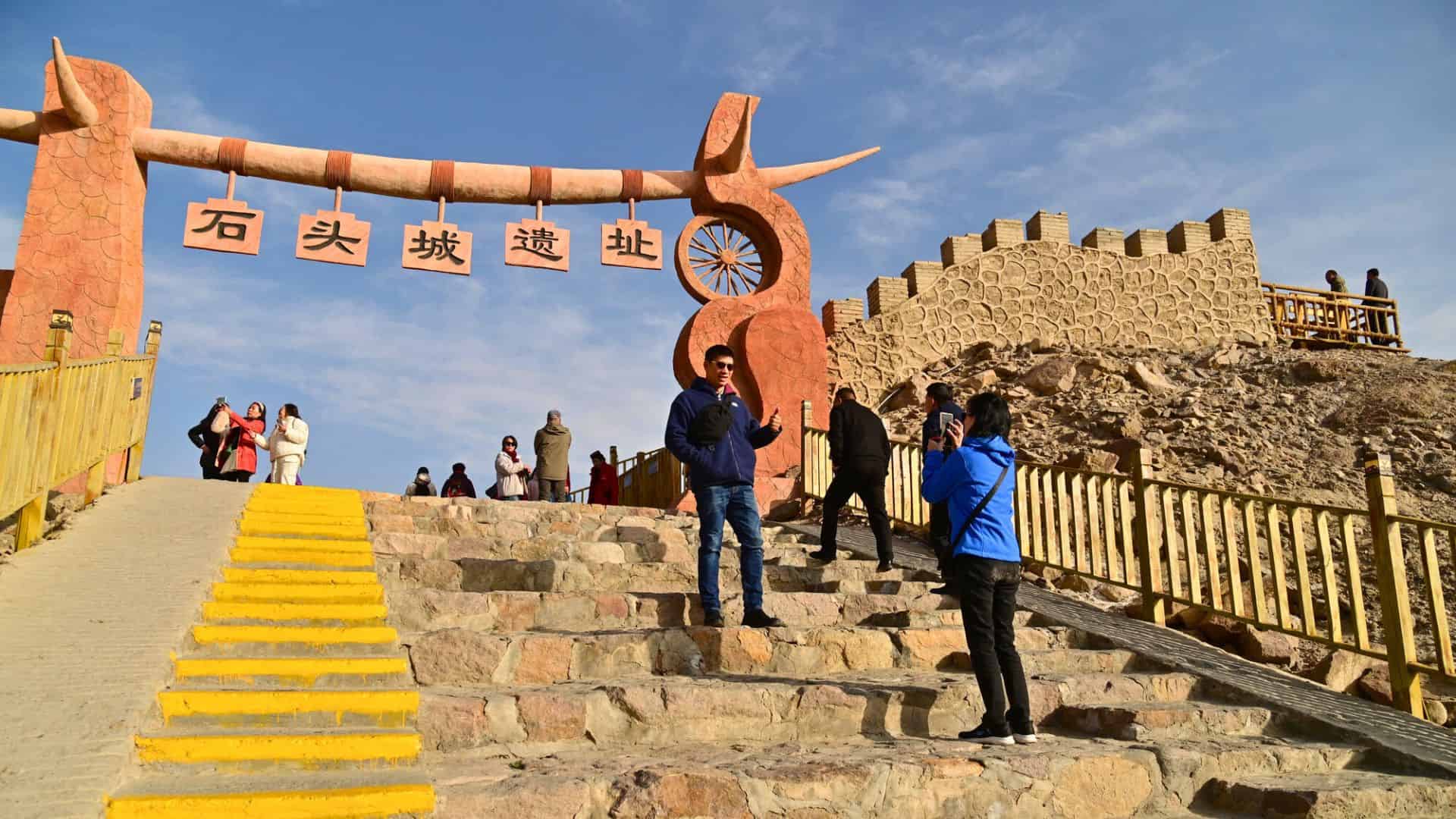
Travel along the modern Silk Road isn’t about chasing the past. It’s about seeing how history still fits into everyday life. These cities show that old trade routes didn’t fade away. They shaped places that kept moving forward. You’ll notice how ancient buildings sit next to busy streets, and how long-standing traditions still guide daily routines. That connection feels natural, not forced, which makes the experience great for travelers who like things real and grounded.
What stays with you isn’t just what you see, but how normal it all feels. People live, work, and laugh in places once known across continents. That balance is close to perfect. It keeps history easy to understand and easy to appreciate. When you leave, you don’t feel like you visited relics. You feel like you spent time in cities that still matter, still function, and still connect the world in their own quiet way.
14 Ancient Ruins That Are Even More Impressive Than the Pyramids
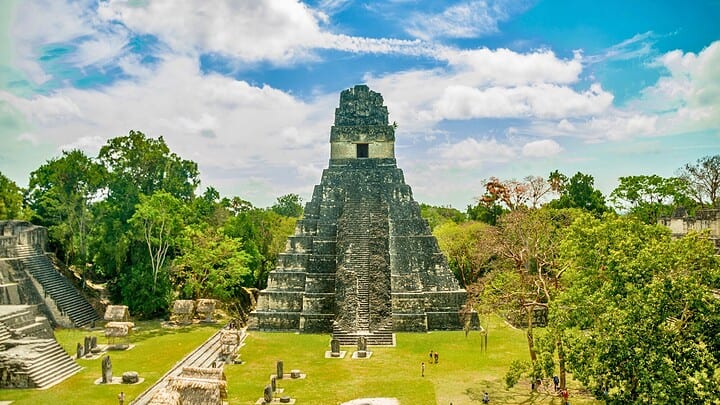
People talk about the pyramids like nothing else compares. They are great, sure, but history is crowded with bold places that still hold up. Long before modern tools, people planned cities, carved stone, and shaped land with patience and nerve. These 14 ancient ruins that are more impressive than the pyramids show how real people lived, ruled, argued, and adapted.
Read More Here: 14 Ancient Ruins That Are Even More Impressive Than the Pyramids
11 Places Around the World Where Ancient Traditions Still Thrive
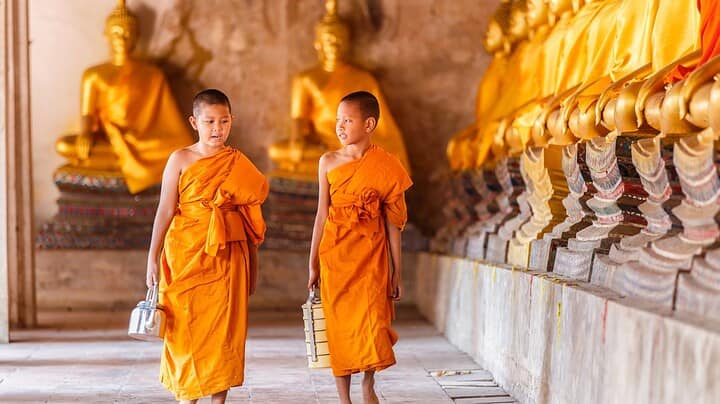
Some places in the world hold onto traditions that have been practiced for hundreds, sometimes thousands, of years. These aren’t just stories from the past—they are ways of life that people still follow every day. In particular, there are 11 places where ancient traditions are still practiced today. Seeing these customs in action can give you a fresh perspective on how culture shapes identity and keeps communities strong.
Read More Here: 11 Places Around the World Where Ancient Traditions Still Thrive


Leave a Reply