
Micro‑retirements are about taking time off before life forces you to. This kind of break isn’t dramatic or reckless. It’s a practical choice for people who want control over their time and energy. When done right, it feels steady, clear, and great rather than rushed or uncertain. That's why I compiled this list of 10 countries for micro-retirements and long-stay sabbaticals.
Instead of waiting decades for freedom, you step away now for a few months or longer and live differently. Days slow down. You want costs that don’t add pressure, systems that make sense, and routines that settle quickly. The setting matters more than luxury. The right place lets you focus on living, not logistics. This article speaks to people who want a real pause without burning bridges or blowing up their plans.
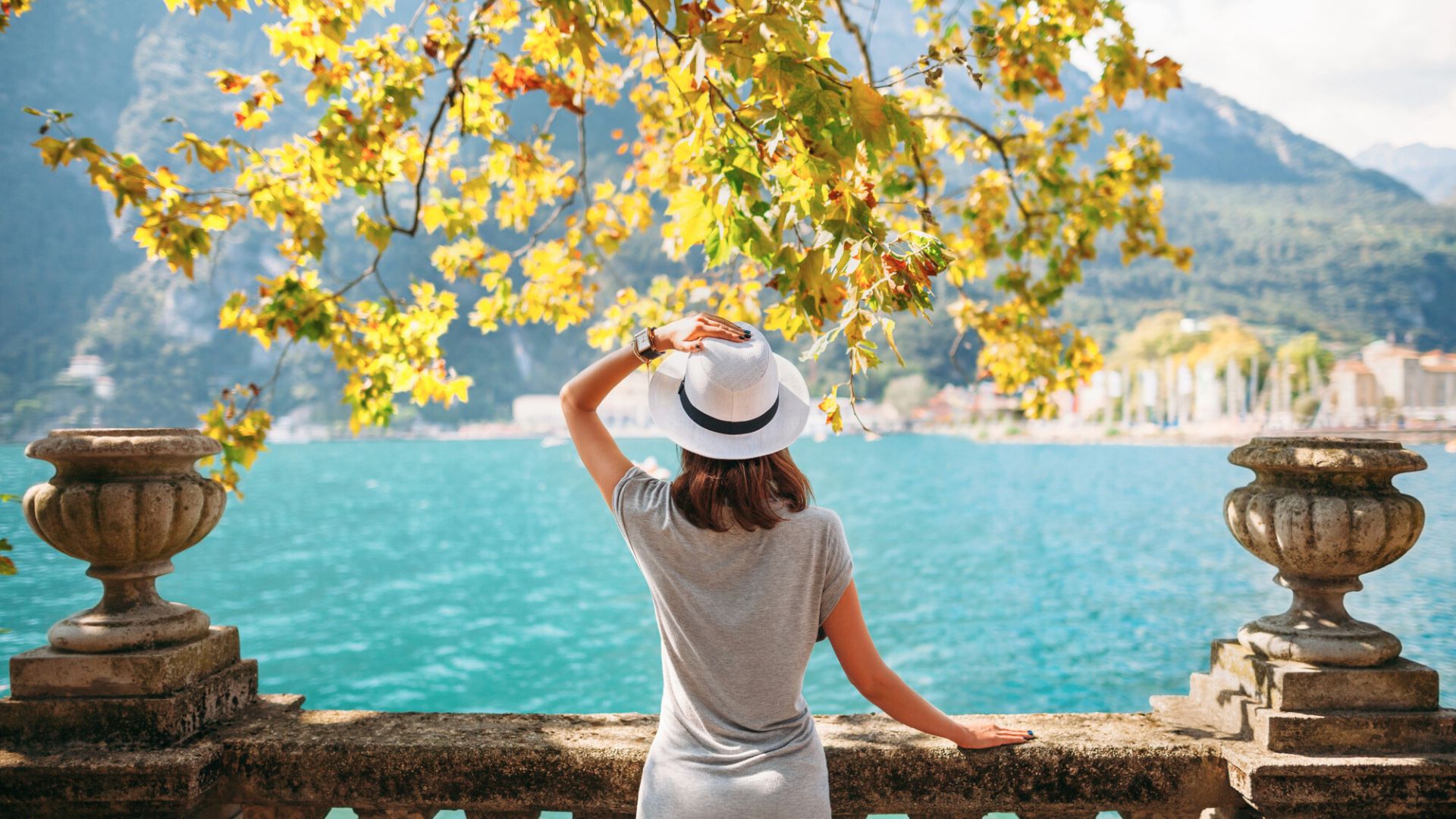
Spain

Spain attracts sabbatical seekers through its structured lifestyle, public healthcare access, and strong transportation networks. The rhythm of daily life emphasizes breaks, social time, and long evenings, which support recovery from work burnout. Non‑lucrative and digital nomad visas enable extended residence without complex investment requirements. Mid‑sized cities remain affordable while still maintaining cultural institutions and efficient services. High‑speed rail allows easy regional exploration without relocation. Neighborhood life centers on plazas, routine walks, and local shops, helping visitors integrate gradually and establish stability during an extended time away from careers.
Malaysia

Long‑stay sabbaticals work well here due to widespread English usage, efficient infrastructure, and urban comfort at moderate cost. Daily life feels manageable for newcomers thanks to modern transit, reliable internet, and international healthcare facilities. Extended‑stay visa pathways attract retirees and remote professionals seeking legal clarity. Urban centers balance high‑rise living with green spaces, while regional travel remains inexpensive. Cultural diversity shapes everyday interactions, creating varied social environments without major adjustment barriers. Stable governance and strong banking systems support longer financial planning, allowing visitors to establish routines rather than remain in constant transition.
Italy

Extended breaks in this country emphasize pace, tradition, and place‑based living. Smaller towns and southern regions keep housing and daily expenses manageable while maintaining a strong community identity. Residency options favor those with independent income, encouraging long‑term settlement rather than short visits. Life often centers on walkable neighborhoods, public squares, and regional customs. Reliable rail connections allow exploration without frequent relocation. Administrative processes can move slowly, yet this cadence aligns with sabbatical goals focused on patience and presence. Creative pursuits, language study, and historical immersion frequently shape daily structure.
Colombia

Long stays benefit from favorable visa rules, low living costs, and increasingly modern infrastructure. Urban centers combine coworking spaces, strong internet, and private healthcare with vibrant street life. Climate variety across regions allows residents to settle where temperatures remain stable year‑round. Community culture emphasizes conversation and social presence, helping newcomers form routines quickly. While adjustment requires awareness of neighborhood selection, many areas support safe, predictable daily living. Extended sabbaticals here often focus on language learning, creative projects, or wellness goals supported by affordable services.
Mexico

Mexico supports long sabbaticals through geographic diversity, cultural depth, and flexible residency rules. Temporary residence permits allow multi‑year stays without frequent border runs. Cities feature strong internet access, modern healthcare, and active neighborhoods suited to everyday living. Costs remain moderate, particularly outside resort zones. Proximity to the United States simplifies travel for North Americans while still delivering a distinct environment. Local routines revolve around public spaces, evening walks, and community gatherings. Climate options range from temperate highlands to coastal regions, letting visitors adjust locations as seasons change.
Thailand

Thailand works well for micro‑retirements due to affordability, strong infrastructure, and well‑established expatriate communities. Daily expenses remain low while modern conveniences stay widely accessible. Major cities combine efficient transportation with private healthcare known for international standards. Long‑stay visitors often build stable routines through fitness centers, language schools, and coworking spaces. Cultural norms emphasize balance and patience, supporting a calmer approach to time. Regions vary widely, allowing movement between mountains, beaches, and urban hubs without leaving the country. Flexible visa routes help extend stays while maintaining legal clarity.
Greece

Life during a sabbatical here often revolves around simplicity, seasonal rhythms, and outdoor movement. Financially independent and remote worker visas make longer stays feasible without employment ties. Island and mainland options allow flexibility between quieter environments and active urban centers. Daily routines frequently include walking, swimming, and shared public spaces. Healthcare access remains consistent, particularly in major regions. Cost levels vary by location, making a careful choice important for extended stays. Social life develops gradually through repeated interactions, supporting a grounded experience rather than constant novelty during time away from work.
Want to save this?
Japan
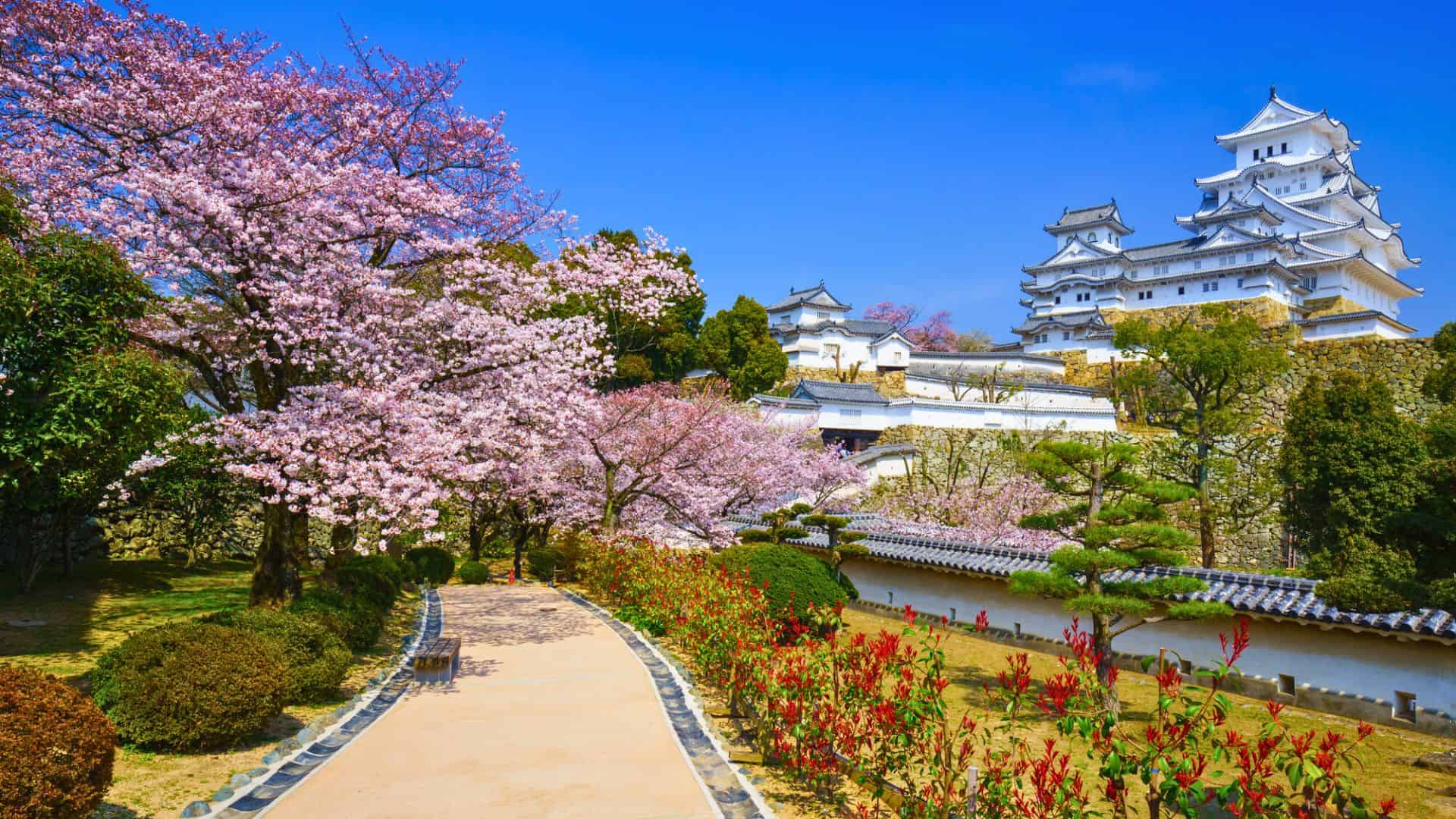
Extended time away from work takes on a structured form through safety, order, and predictability. Daily life runs smoothly due to punctual transport, clean public spaces, and dependable services. Cultural activity visas and working holiday programs support longer stays tied to learning or creative focus. Cities balance density with quiet residential districts, allowing stable routines. Costs vary widely by location, making regional selection important. Social integration requires patience, yet repeated participation in local customs builds familiarity. The environment supports focus, reflection, and disciplined habits during a purposeful micro‑retirement.
Costa Rica
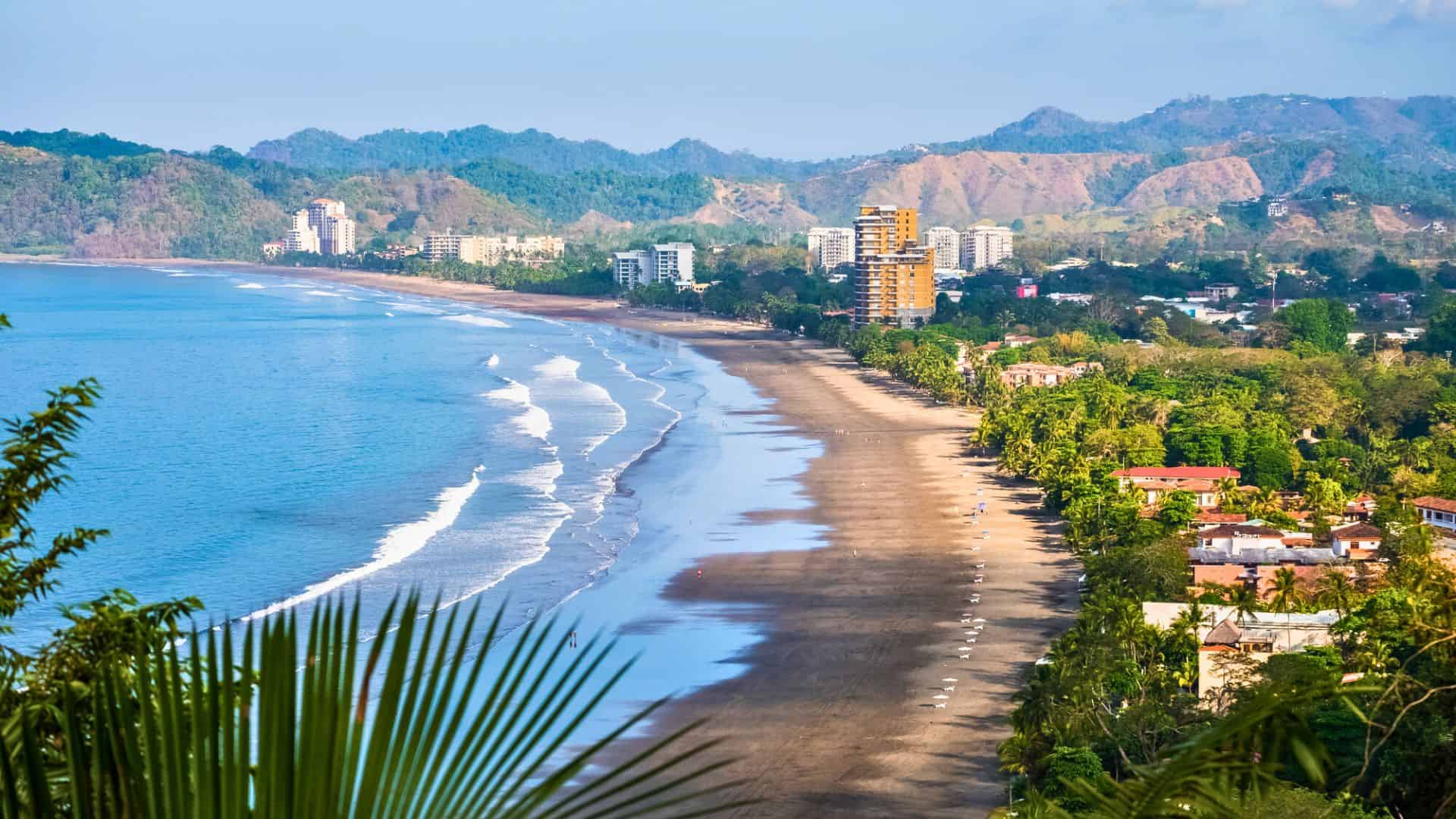
Costa Rica appeals to long‑stay travelers focused on nature, health, and steady routines. Political stability and a strong legal system create confidence for extended residence. Digital nomad and rentista visas support multi‑month or multi‑year stays with minimal administrative burden. Daily life often includes outdoor activity, from beaches to rainforests, supporting physical well‑being. Healthcare remains accessible through both public and private systems. Smaller towns encourage slower schedules, while larger cities maintain modern amenities. Environmental protections shape development, keeping landscapes accessible and supporting a grounded, restorative sabbatical experience.
Portugal

Portugal attracts people seeking extended breaks through its steady pace of life, accessible healthcare system, and compact geography that makes travel simple. Coastal towns and inland villages support long stays with reasonable housing costs and reliable public services. Residency pathways favor those with passive income or remote work, making paperwork manageable. Walkable cities encourage daily routines without reliance on cars. The climate supports year‑round outdoor activity, from ocean swimming to countryside hikes. Community life centers on markets, cafés, and local events, helping newcomers build rhythm and social connection during extended sabbaticals.
Pause Life. Resume Later.
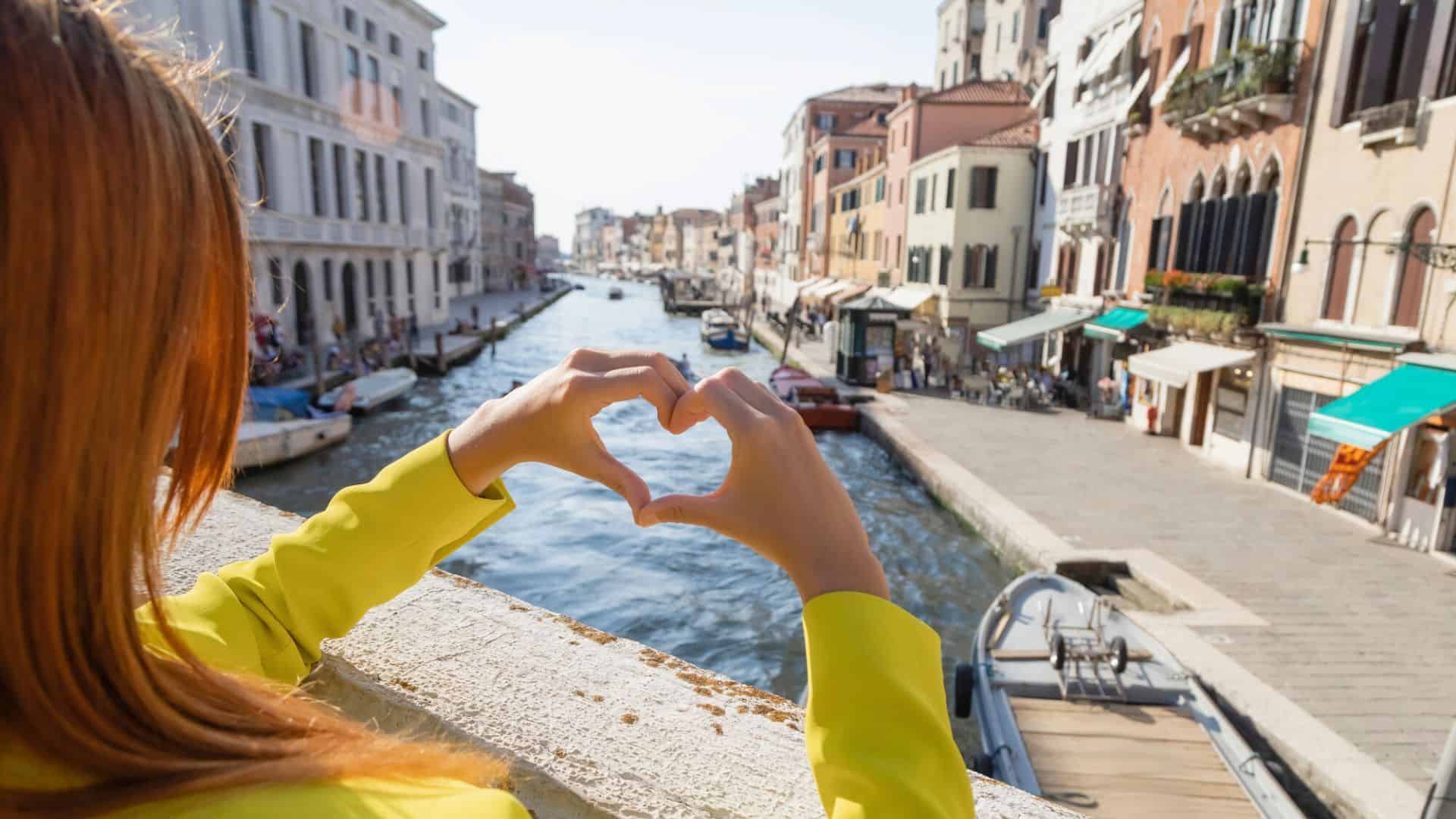
Micro‑retirements and long‑stay sabbaticals are not about escape. They’re about choice. Choosing to step back before burnout sets in. Choosing to spend time differently while you still have energy and curiosity. These breaks don’t require extreme changes or risky leaps. They work when life feels steady enough to support a pause and flexible enough to restart afterward. That balance is what makes the experience great, not flashy or complicated.
The real value comes from how time starts to feel again. Days stretch. Decisions slow down. You notice what matters and what doesn’t. When the break ends, most people don’t return the same way they left. Priorities sharpen. Work fits better around life instead of the other way around. If you’ve been waiting for permission to step off the treadmill, consider this your sign. A well‑planned pause can reset your pace and remind you that time is something you can shape.
9 Countries Said to Be Better for Retirement Than the U.S.

Retirement can mean different things to different people, but many are starting to look beyond the U.S. for where they’ll spend those years. Whether it’s the cost of living, access to healthcare, or the pace of daily life, some destinations have become known for giving retirees a better balance. That’s why there’s so much talk about these 9 countries said to be better for retirement than the U.S., and why more people are curious about what life might look like there.
Read More Here: 9 Countries Said to Be Better for Retirement Than the U.S.
13 Canadian Dream Spots Perfect for Your Retirement Years

Canada offers a diverse range of beautiful locations that make it an ideal destination for retirement. With its welcoming atmosphere, stunning natural landscapes, and high quality of life, it’s no surprise that many retirees choose Canada as their new home. From vibrant urban centers to peaceful coastal towns and charming rural retreats, the country offers a variety of dream spots suited for every lifestyle.
Read More Here: 13 Canadian Dream Spots Perfect for Your Retirement Years


Leave a Reply