
Seeing animals where they actually live changes how travel feels. There are no barriers, no rehearsed moments, and no pressure to rush. You watch, you wait, and sometimes nothing happens. Then, suddenly, everything does. These 10 destinations to see wildlife remind you that nature doesn’t run on a schedule, and that’s part of what makes them great. For animal lovers, this kind of travel isn’t about comfort or convenience at all.
This article is for people who would rather wake up early than sleep in if it means spotting wildlife at its most active. It’s for those who value quiet observation and small details. Some places feel perfect because conditions align naturally. The landscapes make sense. The animals behave as they always have. If you’re drawn to travel that feels honest and grounded, this list speaks your language.
And if you're shopping for that animal lover in your life, be sure to check out our list of top gifts for dog moms who hike!
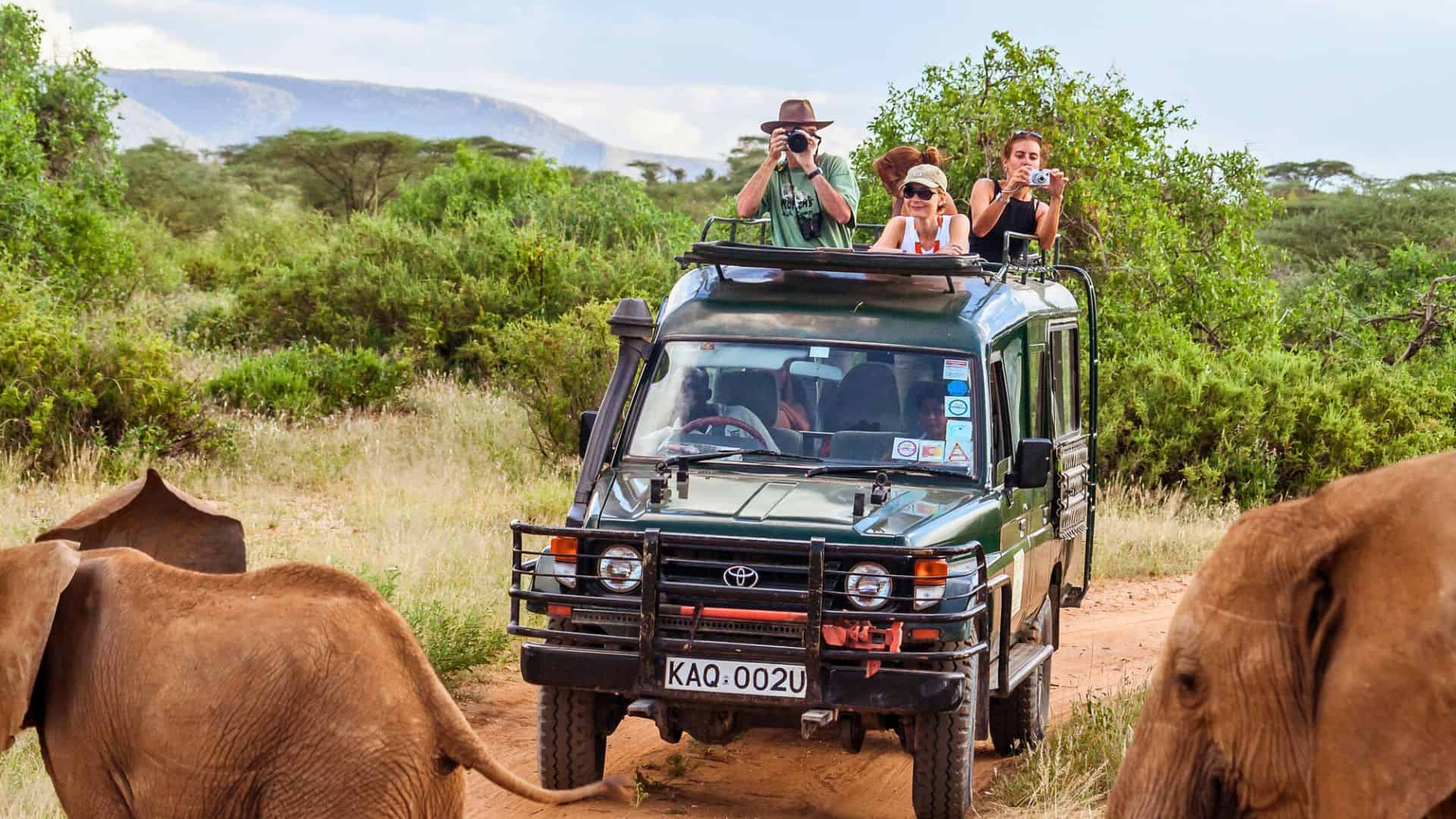
Antarctica

Remote and extreme, this frozen continent supports wildlife specially adapted to harsh conditions. Vast ice shelves frame breeding colonies of emperor and Adélie penguins, while seals rest along the shoreline. Offshore waters host humpback, minke, and orca whales feeding on krill-rich currents. Seasonal sunlight drives intense biological activity during the austral summer. Human access remains tightly controlled through international treaties. Scientific research and limited expedition travel emphasize protection, making Antarctica one of the least disturbed wildlife regions remaining on Earth.
Serengeti National Park, Tanzania

Serengeti National Park stands as one of the most significant wildlife landscapes on Earth. Vast grasslands stretch endlessly, supporting enormous populations of herbivores and predators. The annual Great Migration sees wildebeest, zebras, and gazelles moving in synchronized waves, closely followed by lions, cheetahs, hyenas, and crocodiles. Birdlife flourishes with hundreds of recorded species, from raptors to vibrant ground birds. Seasonal changes shape animal movement, making each visit different. Conservation efforts protect fragile ecosystems while allowing visitors to observe authentic predator–prey interactions in an untouched African setting.
Amazon Rainforest, Brazil
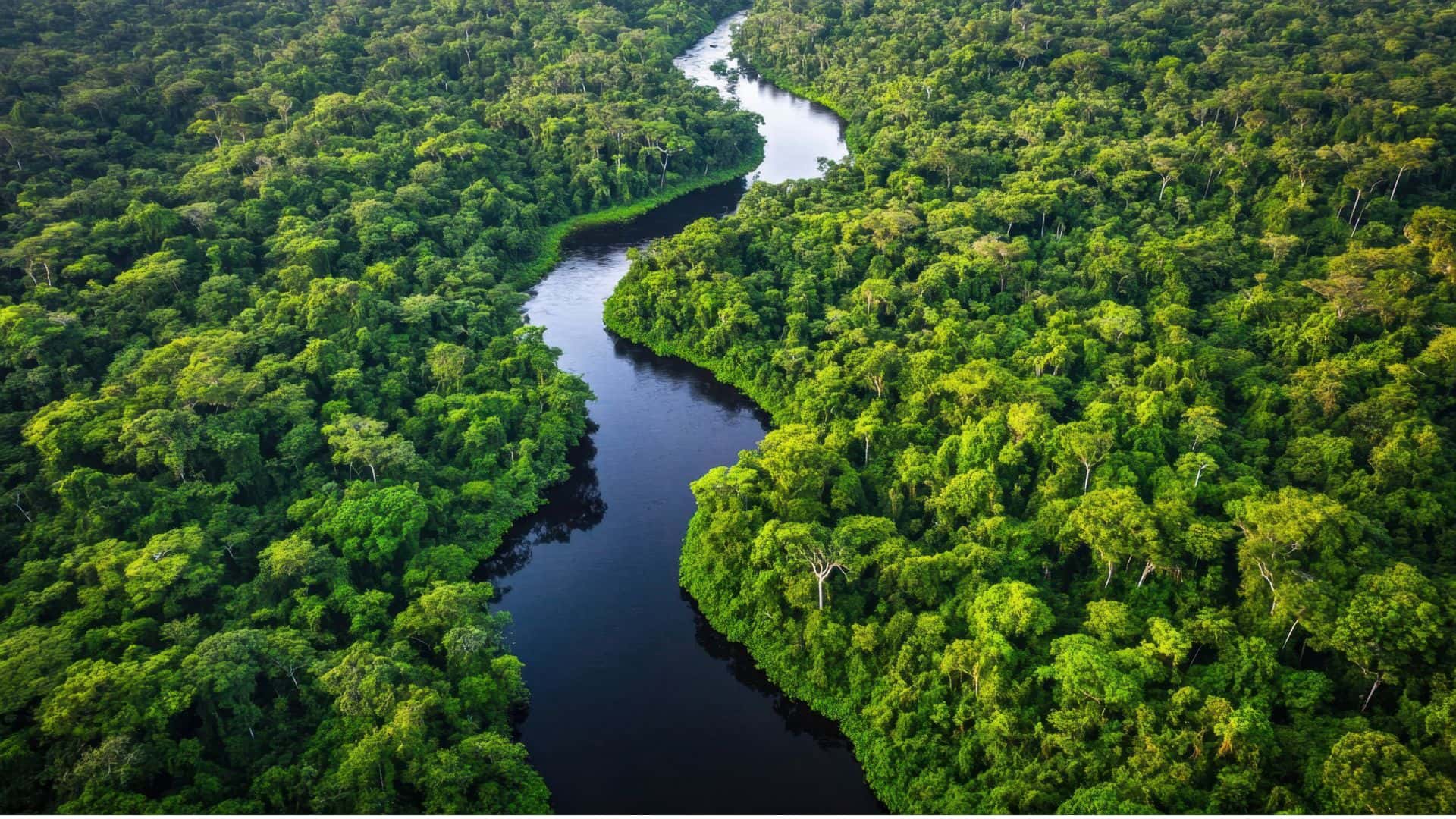
The Amazon Rainforest contains the planet’s richest concentration of plant and animal life. Dense canopy layers shelter jaguars, tapirs, sloths, and countless insect species, while rivers support pink dolphins, caimans, and giant otters. Birdlife includes macaws, toucans, and harpy eagles. Indigenous knowledge plays a critical role in the stewardship of the forest. Guided river journeys and jungle treks reveal complex ecological relationships rarely seen elsewhere. Despite increasing environmental threats, protected areas continue to safeguard vast tracts of this irreplaceable global ecosystem.
Borneo (Malaysia & Indonesia)
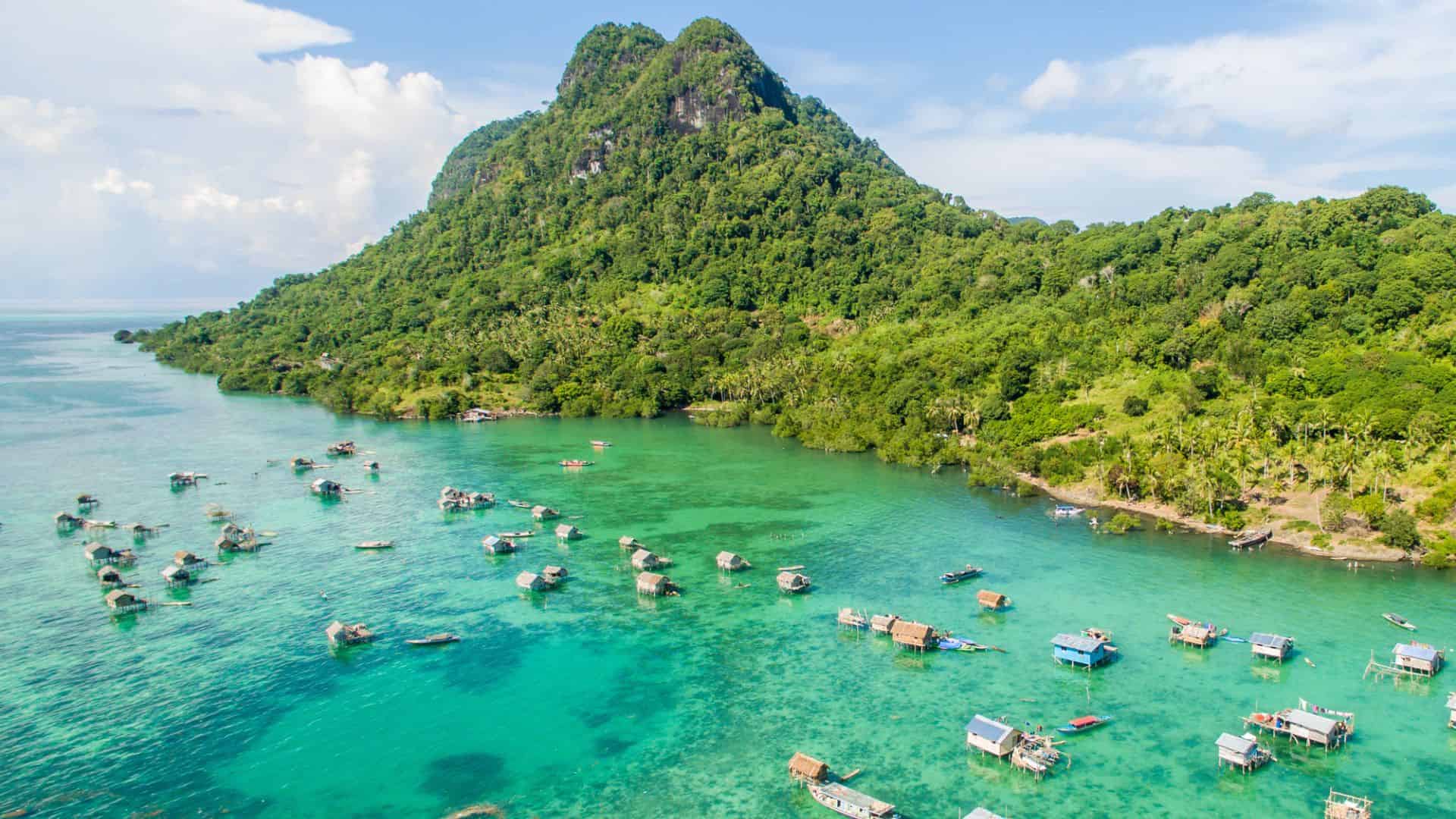
Ancient rainforests dominate this island, forming one of the oldest ecosystems on the planet. Dense jungles support wild orangutans swinging through the canopy, along with proboscis monkeys, gibbons, pygmy elephants, and elusive clouded leopards. Rivers cut through thick vegetation, drawing wildlife to their banks during dry periods. Rich plant life sustains countless insects, reptiles, and amphibians. Conservation areas and rehabilitation centers focus on habitat protection amid logging pressures. Guided treks and river safaris allow careful observation of rare species within an increasingly fragile environment.
Masai Mara National Reserve, Kenya
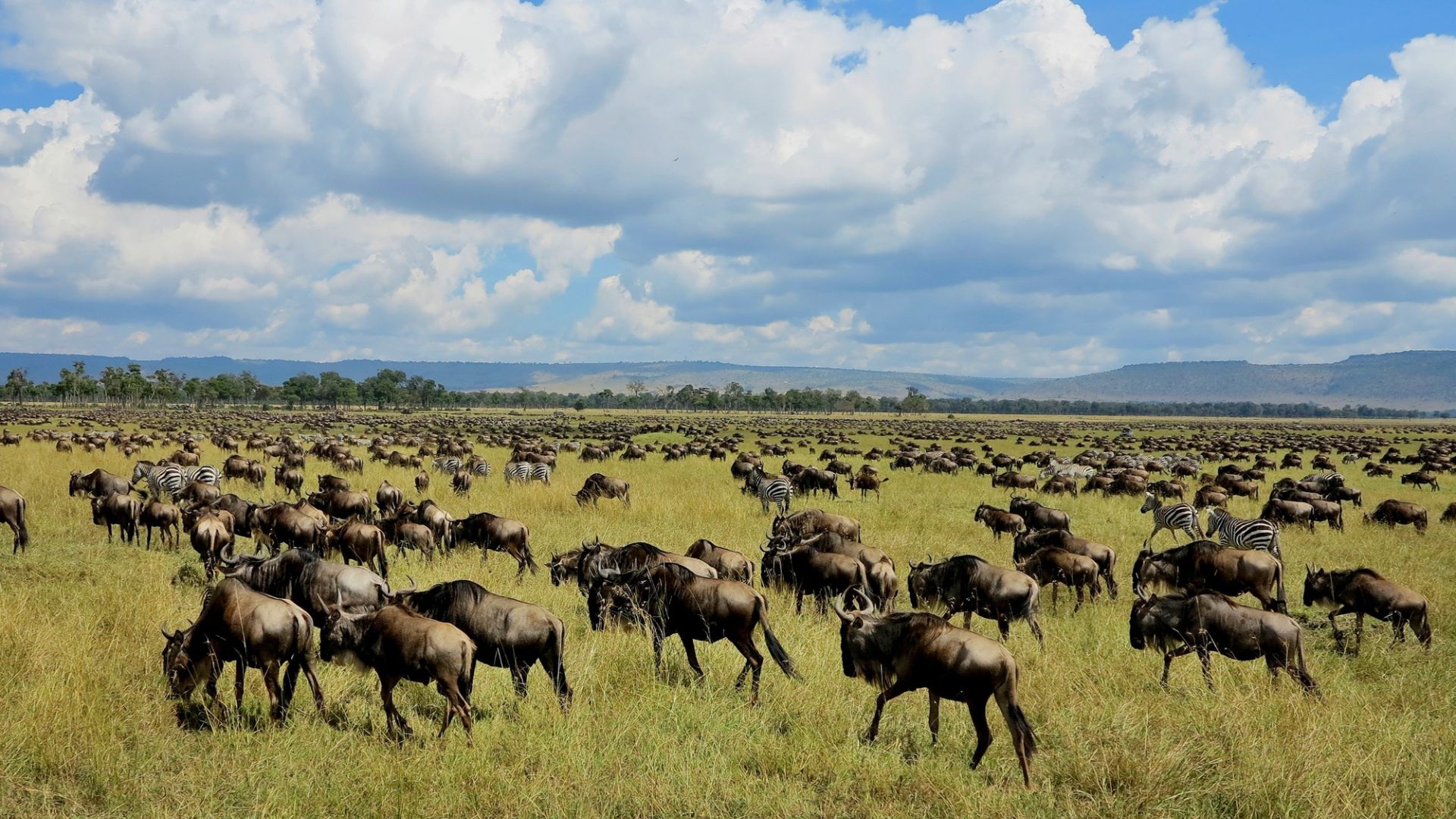
Rolling savannas and winding rivers shape this iconic East African reserve. Large predator populations thrive, including lions, cheetahs, and leopards, drawn by abundant prey. During migration months, vast herds cross crocodile-filled rivers, creating dramatic natural scenes. Acacia-dotted plains support elephants, giraffes, and numerous antelope species. Local Maasai communities play a role in conservation through land stewardship. Carefully managed tourism supports habitat protection while allowing close observation of complex predator–prey dynamics in a functioning ecosystem.
Yellowstone National Park, USA

Yellowstone National Park protects a vast wilderness shaped by geothermal forces and diverse ecosystems. Rolling valleys, forests, rivers, and geyser basins create habitats for iconic North American wildlife. Bison roam freely across open plains, while elk, moose, and pronghorn migrate seasonally. Wolf reintroduction restored ecological balance, influencing vegetation and prey behavior. Grizzly and black bears inhabit remote regions, often spotted during spring and early summer. Boardwalks and observation areas allow safe viewing while preserving natural behavior. Yellowstone represents a rare example of large-scale conservation success.
Want to save this?
Galápagos Islands, Ecuador

The Galápagos Islands are renowned for close-range wildlife encounters shaped by isolation and evolution. Animals display little fear of humans, allowing careful observation without interference. Giant tortoises roam volcanic terrain, marine iguanas forage underwater, and sea lions rest along rocky shores. Bird species such as Darwin’s finches and blue-footed boobies reveal remarkable adaptation. Surrounding waters host sharks, rays, turtles, and dolphins. Strict visitor regulations protect delicate habitats and species. Guided exploration focuses on education, conservation, and responsible travel, making the islands a living laboratory of natural history.
Pantanal, Brazil
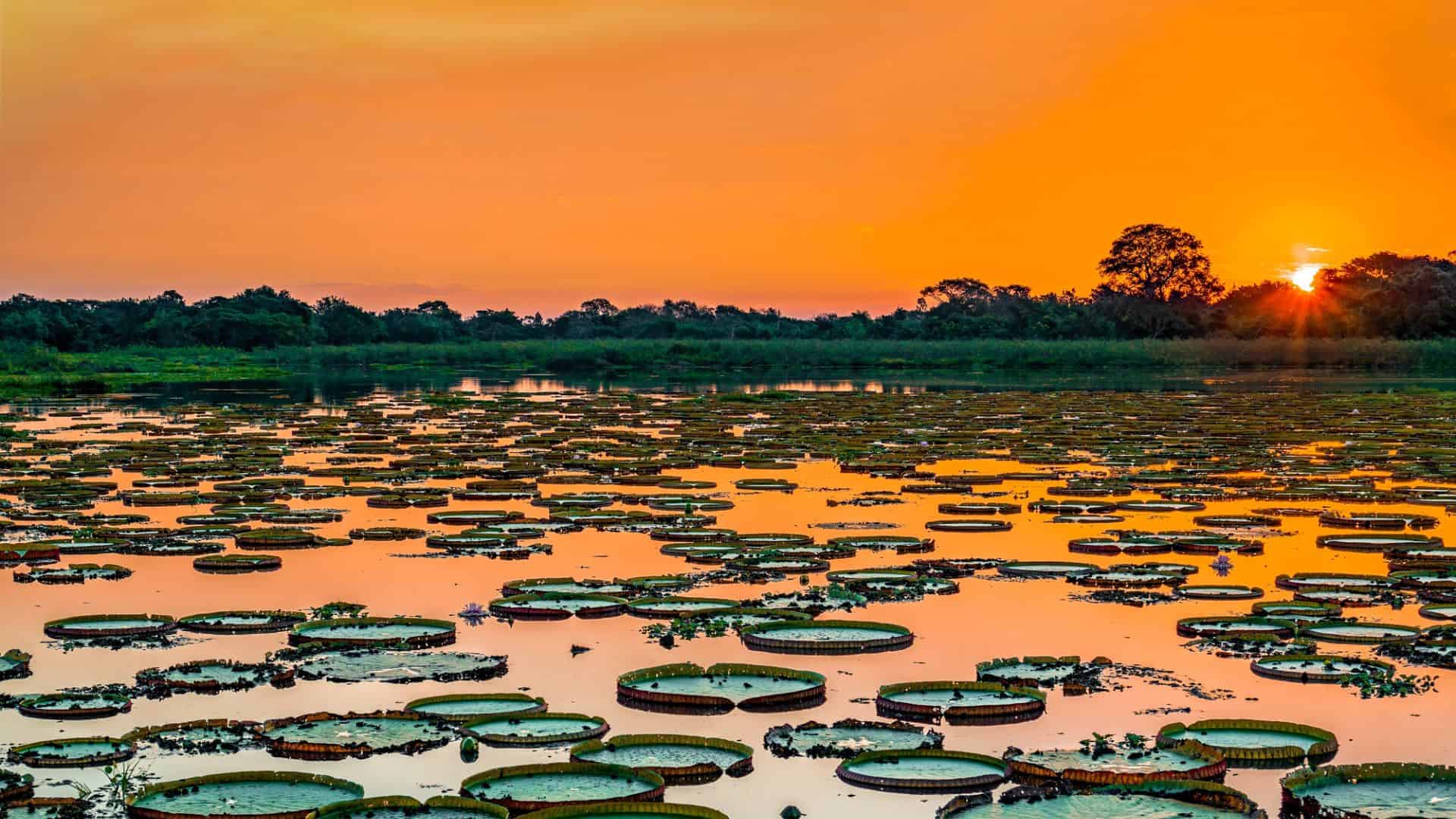
Seasonal flooding defines this immense wetland, transforming grasslands into shallow lakes and channels. Concentrated wildlife makes sightings frequent, including jaguars resting along riverbanks, giant otters traveling in family groups, and caimans basking in the sun. Birdlife thrives with jabirus, herons, and macaws filling the skies. Compared to dense rainforests, open landscapes allow clearer viewing. Cattle ranching and conservation coexist in many areas, supporting preservation of one of South America’s most biologically productive regions.
Raja Ampat, Indonesia
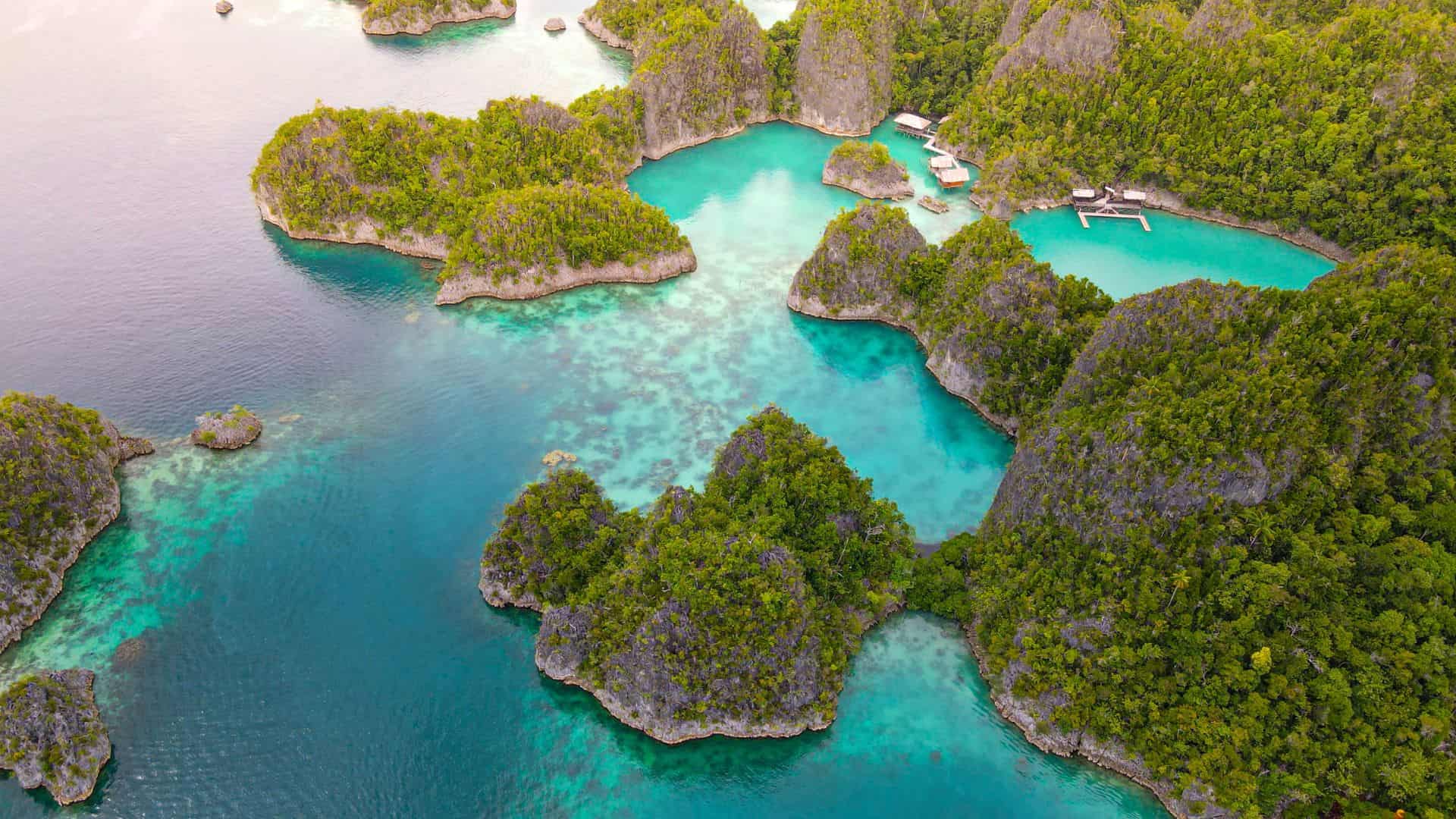
Crystal-clear waters surround limestone islands and coral reefs teeming with marine life. This region sits at the heart of global reef biodiversity, supporting hundreds of coral species and thousands of fish. Manta rays glide through cleaning stations, while reef sharks patrol drop-offs. Coastal mangroves and lagoons shelter juvenile species vital to ocean health. Community-led conservation restricts destructive practices. Diving and snorkeling reveal intact underwater ecosystems rarely seen elsewhere, highlighting the importance of marine protection in a rapidly changing world.
Kruger National Park, South Africa
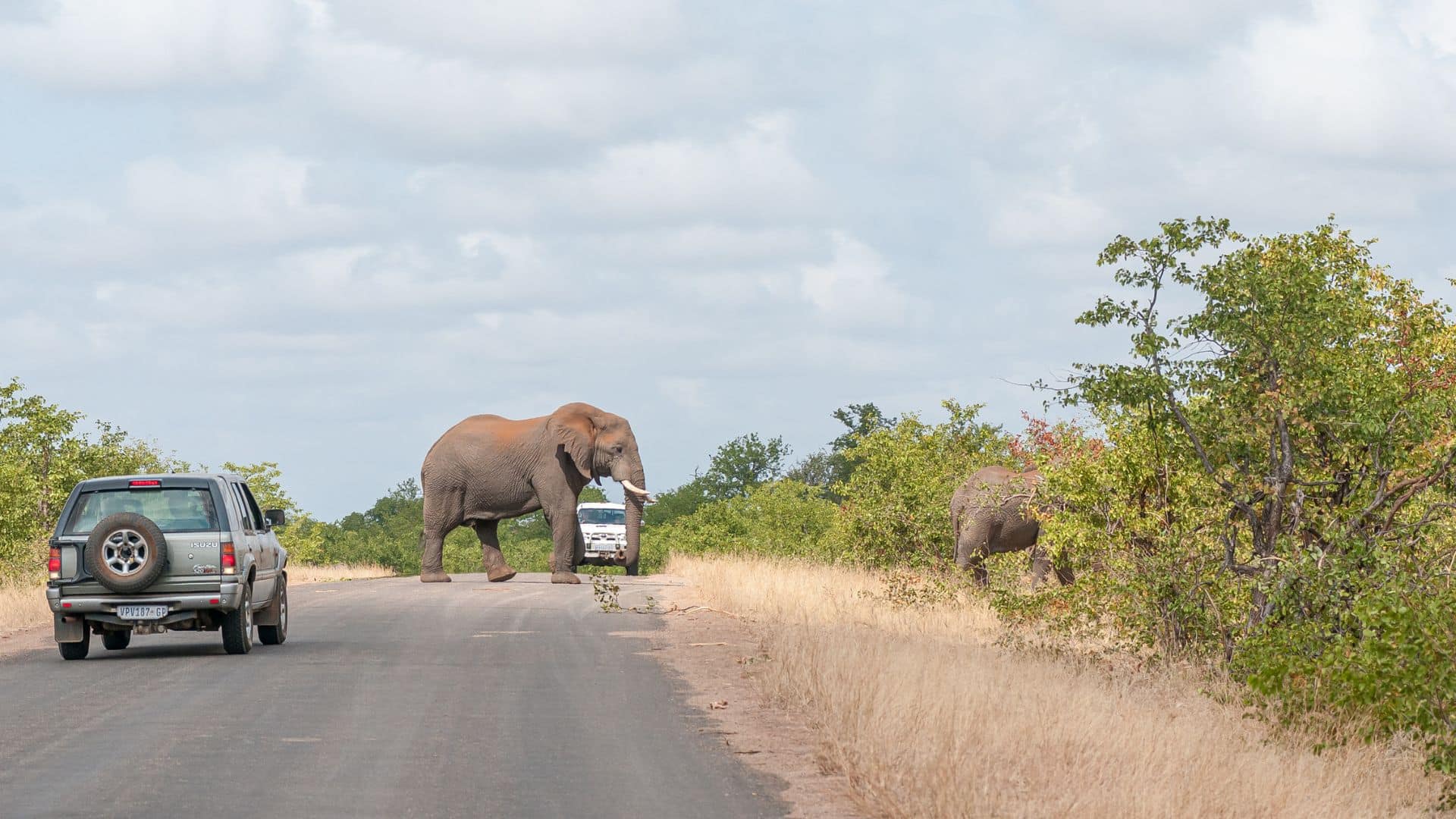
Kruger National Park spans nearly two million hectares, supporting extraordinary mammal diversity. Lions, leopards, elephants, rhinos, and buffalo roam freely alongside giraffes, hippos, wild dogs, and antelope species. Rivers and savannas shift with seasonal rainfall, shaping wildlife movement and viewing conditions. Both guided safaris and self-drive routes allow flexible exploration. Long-term research and anti-poaching programs protect endangered species while supporting local communities. Kruger’s accessibility and biodiversity make it a cornerstone of African conservation and one of the continent’s most studied natural reserves.
Binoculars Beat Wi‑Fi Every Time
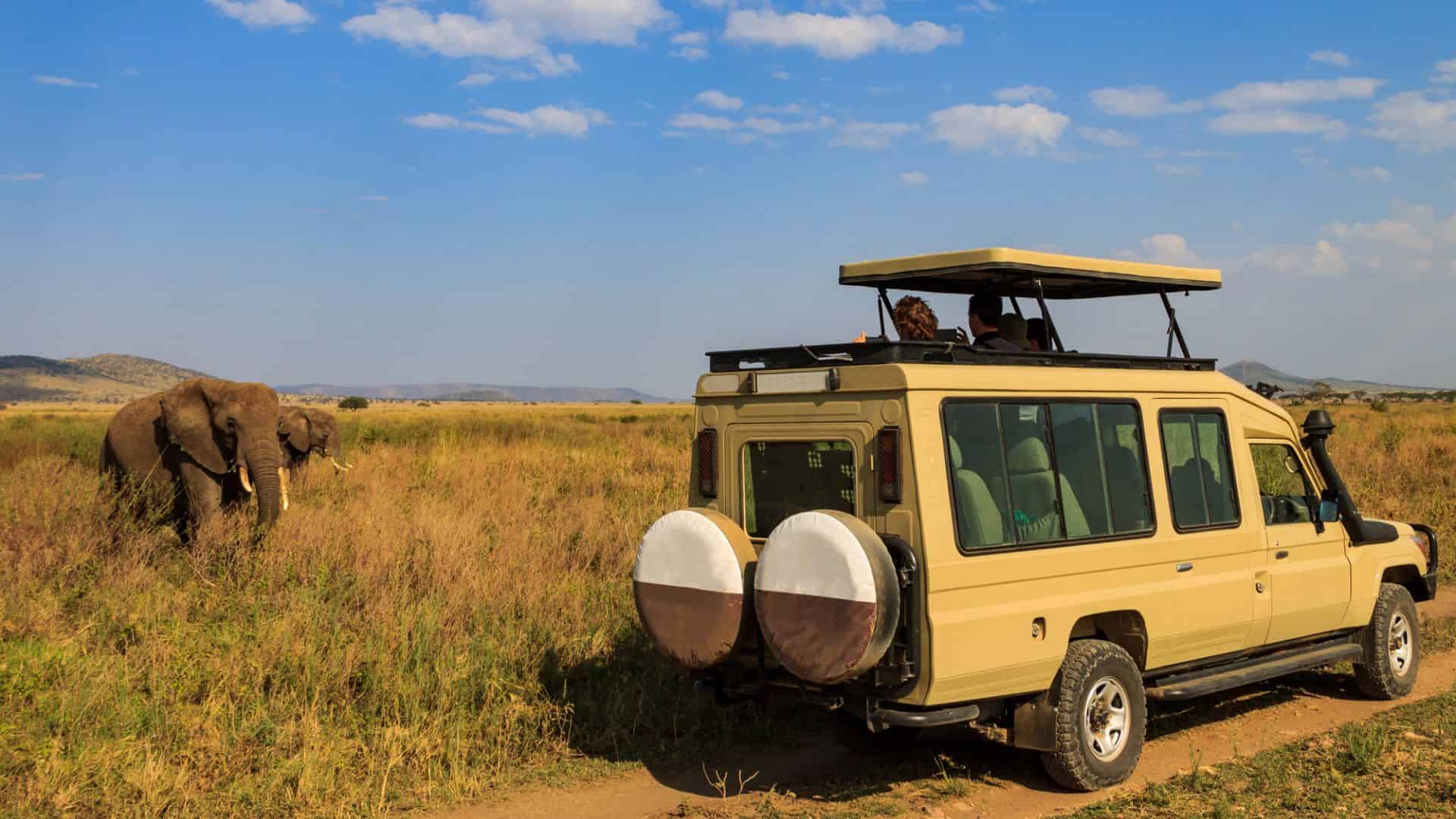
Travel like this stays with you long after the photos fade. Seeing animals in the wild builds respect fast. You notice patterns, patience, and how much happens when humans don’t interfere. There’s a quiet reward in watching from a distance and letting moments unfold naturally. These experiences feel great because they’re honest. Nothing is staged. Nothing is rushed. You show up, stay aware, and take what the day gives you. That kind of travel shifts perspective in ways that guidebooks never can.
If wildlife matters to you, trips like these feel perfect for slowing down and paying attention. They remind you why protection and respect matter so much. Every sighting becomes a shared moment rather than a performance. You leave with stories instead of souvenirs and a deeper connection to the planet. That’s what makes seeing animals in the wild worth the effort, every single time.
10 Best Countries to Visit If It’s Your First Time Abroad

Stepping onto foreign soil for the first time can feel both thrilling and a bit daunting. With these 10 country options providing a mix of friendly locals, clear signage, and reliable transport, newcomers can focus on soaking up new sights without constant worry. These destinations balance safety and accessibility with enough culture and flavor to make each day feel memorable. From well-marked walking paths and English-friendly menus to straightforward visa processes, they take the guesswork out of planning so travelers can spend less time stressing and more time exploring.
Read More Here: 10 Best Countries to Visit If It’s Your First Time Abroad
10 Best Wine Regions in the World and When You Should Visit Them

If you like wine, knowing where to go can make all the difference. There are ten wine regions in the world with a long history of growing grapes that turn into great wines. Visiting during certain times of the year can add to the experience, especially when the vineyards are busy with harvest or when the weather is just right for exploring.
Read More Here: 10 Best Wine Regions in the World and When You Should Visit Them



Leave a Reply