
Travel prices can spiral quickly. One minute you’re browsing flights, and the next you’re closing tabs in shock. Big-name destinations come with big costs, crowded streets, and tight schedules. That doesn’t mean the trip has to be scrapped. There are 12 destination dupes around the world that feel just as exciting and scenic, without draining your savings.
These are great choices for travelers who want character, history, and strong local life, but also want breathing room in their budget. Less pressure means more freedom to move at your own pace and stay longer if you want. Think fewer crowds, better value, and trips that still feel special without trying too hard. If you want travel that feels confident, relaxed, and realistic, these destination dupes are a perfect way to see more of the world while spending less.
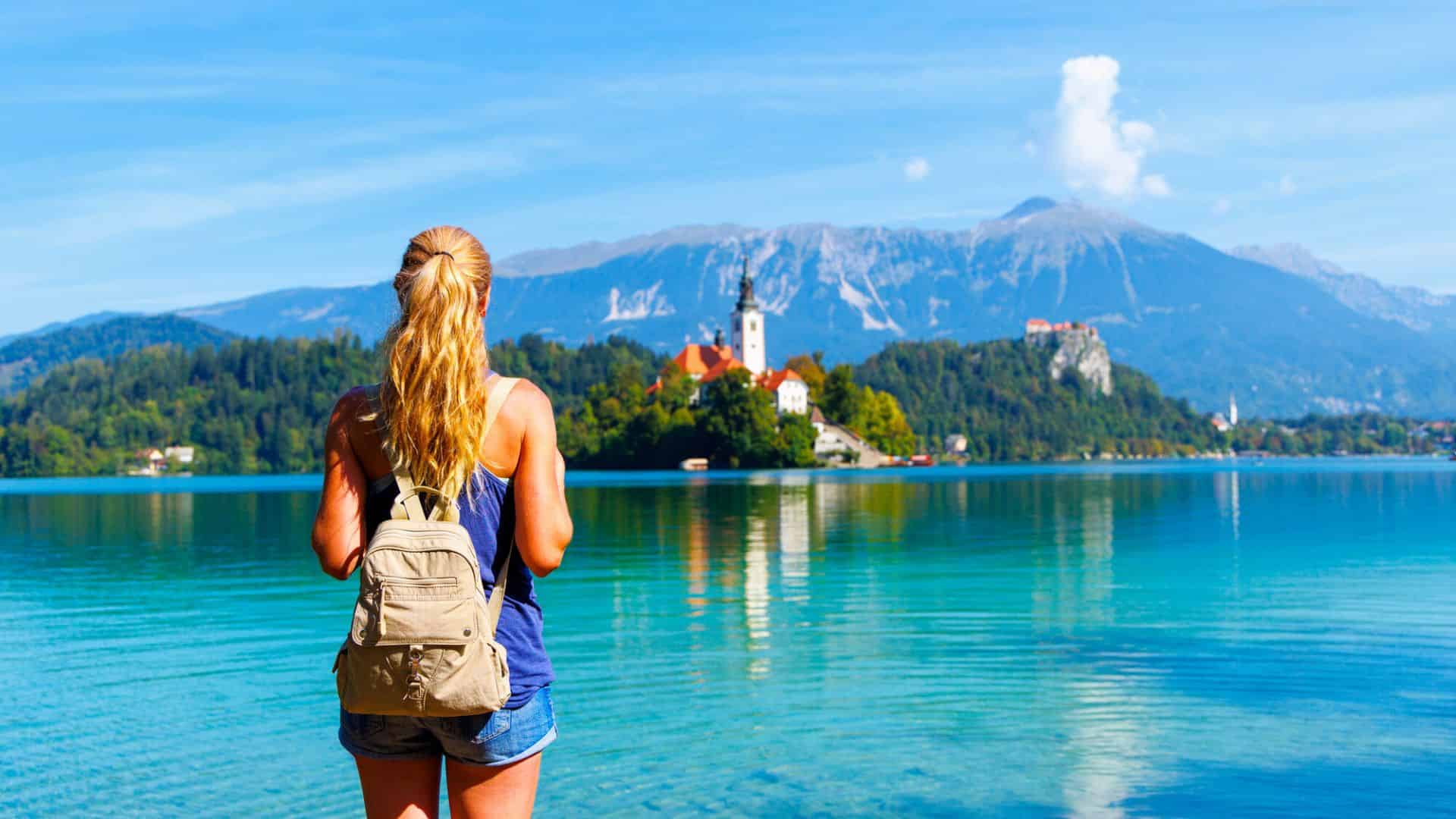
Slovenia, instead of Switzerland
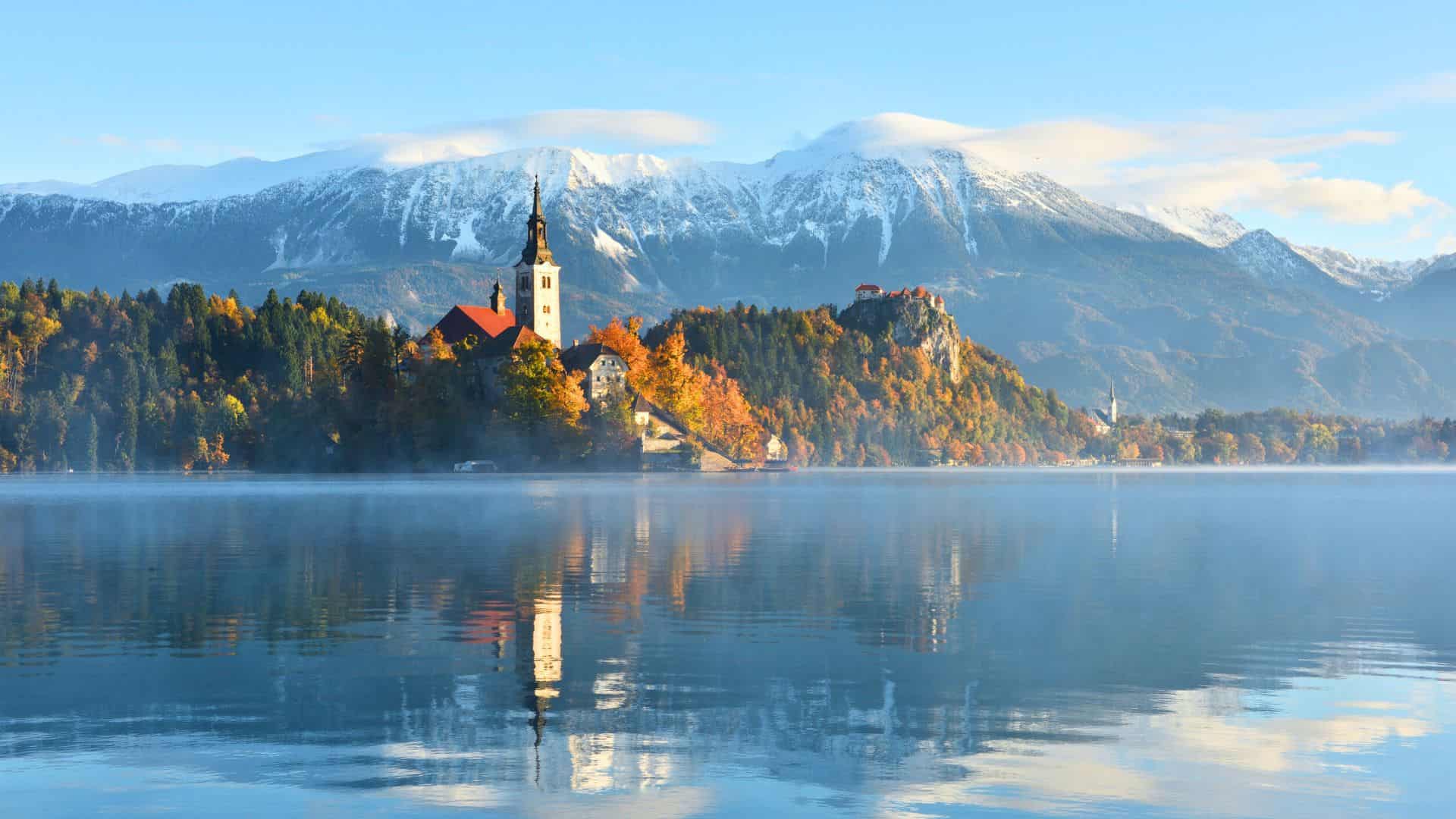
Slovenia echoes Switzerland with alpine lakes, snowcapped peaks, tidy towns, and reliable transport, though prices remain approachable. Lake Bled pairs a church island with mountain views, while Bohinj stays quiet, natural, and uncrowded. The Julian Alps support hiking, cycling, and winter sports without resort markups. Ljubljana charms visitors through green spaces, bridges, and cafe-lined squares. Trains and buses run efficiently, keeping travel simple. Guesthouses and apartments cost far less than Swiss equivalents. Food portions are hearty, local, and affordable. Travelers gain scenic routes, outdoor adventure, and European polish while avoiding luxury pricing, crowds, and financial strain, stress, pressure, excess, and splurge.
Bulgaria, instead of Austria
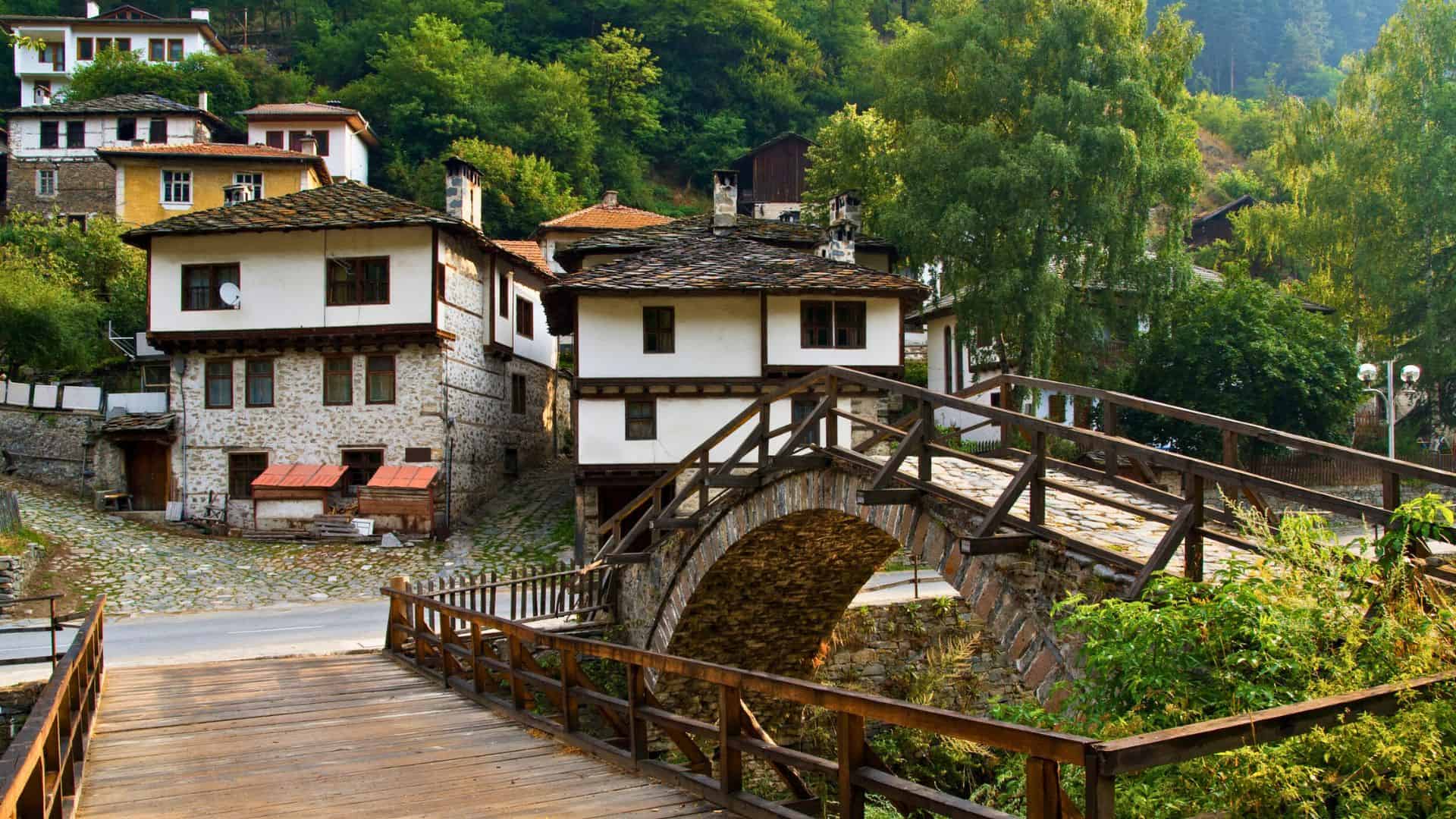
Mountain scenery, historic cities, and classical architecture make Bulgaria comparable to Austria, while daily expenses stay far lower. Sofia features grand churches, Roman ruins, and leafy boulevards framed by nearby peaks. The Rila and Pirin mountains support hiking, skiing, and scenic drives without expensive resort fees. Plovdiv presents a preserved old town with amphitheaters and pastel houses layered across centuries. Trains and buses remain inexpensive and frequent. Lodging ranges from family-run guesthouses to modern hotels at modest rates. Travelers experience alpine landscapes, cultural heritage, and relaxed city life similar to Austria without premium pricing, heavy crowds, or rigid itineraries.
Turkey, instead of Greece
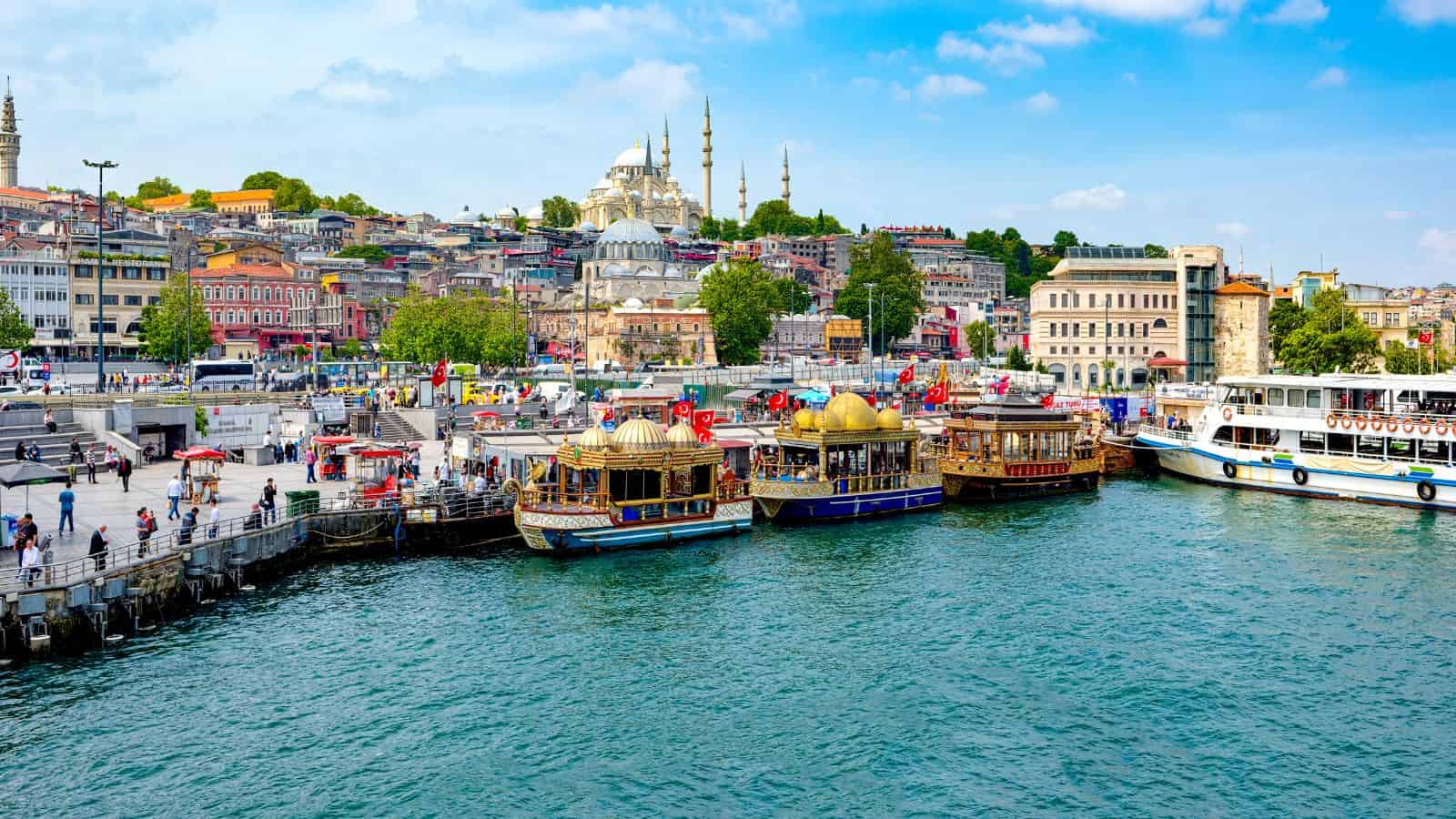
Turkey rivals Greece through turquoise coastlines, ancient ruins, island‑like beaches, and sunlit seaside towns, while prices stay lower. The Aegean and Mediterranean shores feature clear water, coves, and sailing routes without crowded ports. Cities like Istanbul combine history, mosques, bazaars, and skyline views spanning continents. Inland sites include Roman theaters, Lycian tombs, and cliffside ruins overlooking the sea. Transport networks remain affordable and extensive. Hotels and guesthouses suit many budgets, especially outside peak summer. Travelers enjoy long coastlines, historic depth, and relaxed coastal living similar to Greece, while maintaining control over daily costs and travel pace.
Colombia, instead of Costa Rica
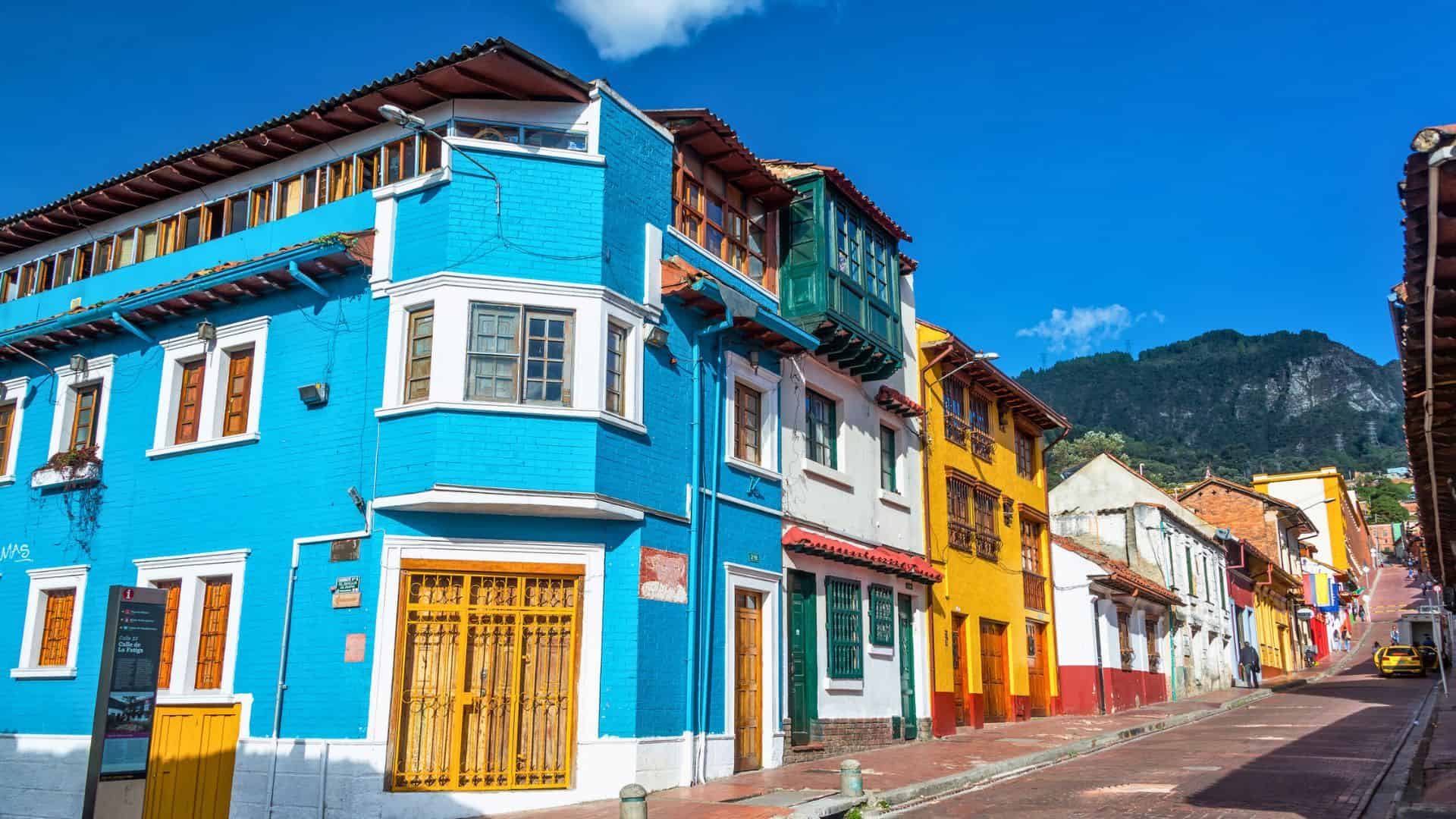
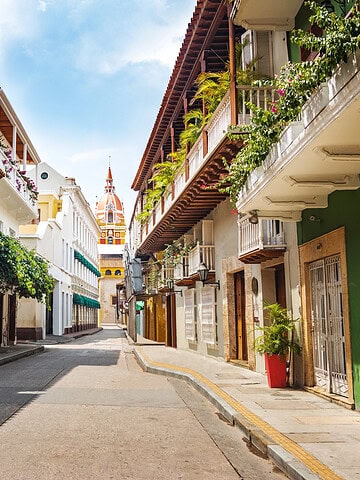
Rainforests, wildlife, and adventure experiences place Colombia alongside Costa Rica, yet expenses remain lower across most regions. The Caribbean coast features turquoise water, coral reefs, and relaxed beach towns, while the Pacific side supports biodiversity and whale watching. Coffee-growing areas showcase green hills, hiking trails, and traditional villages. Cities like Medellín balance innovation, art, and the surrounding mountains. Buses and domestic flights cost little, helping travelers move easily between ecosystems. Lodging suits backpackers and mid-range travelers alike. With fewer crowds in many areas, visitors experience nature, culture, and outdoor exploration while keeping daily costs predictable and flexible.
Bolivia, instead of Peru
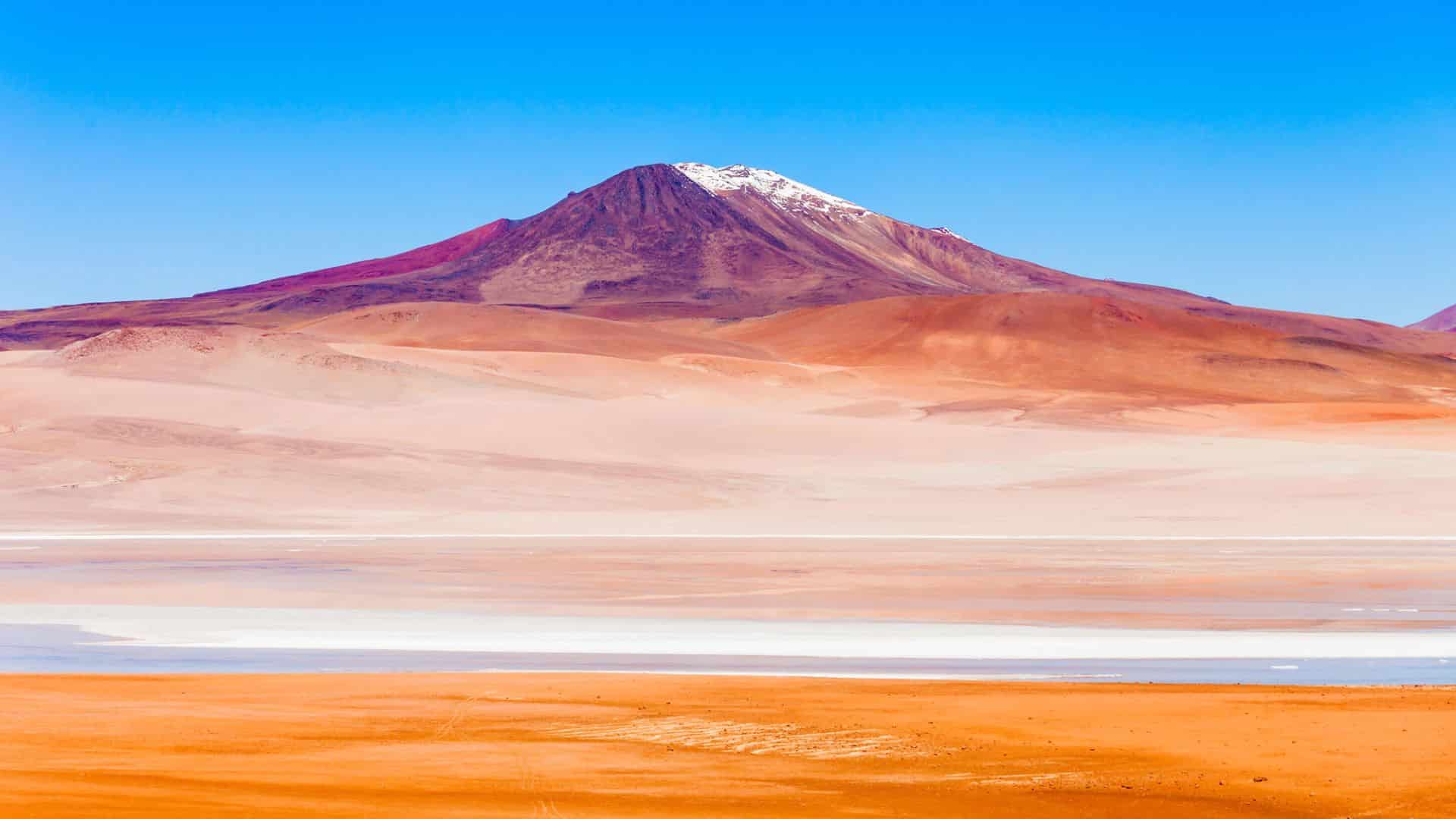
High-altitude landscapes, Indigenous culture, and archaeological sites connect Bolivia closely with Peru, while travel costs remain lower. The Salar de Uyuni stretches into vast white horizons, creating otherworldly scenery unmatched elsewhere. La Paz clings to canyon walls, mixing markets, cable cars, and sweeping views. Lake Titicaca’s quieter shores reveal traditional villages and daily life. National parks protect colorful lagoons, volcanoes, and wildlife. Buses and tours cost far less than Peruvian equivalents. With fewer visitors, travelers explore Andean culture, dramatic geography, and historic routes at a slower pace, without the pricing pressure or congestion found at major Peruvian attractions.
Georgia, instead of France
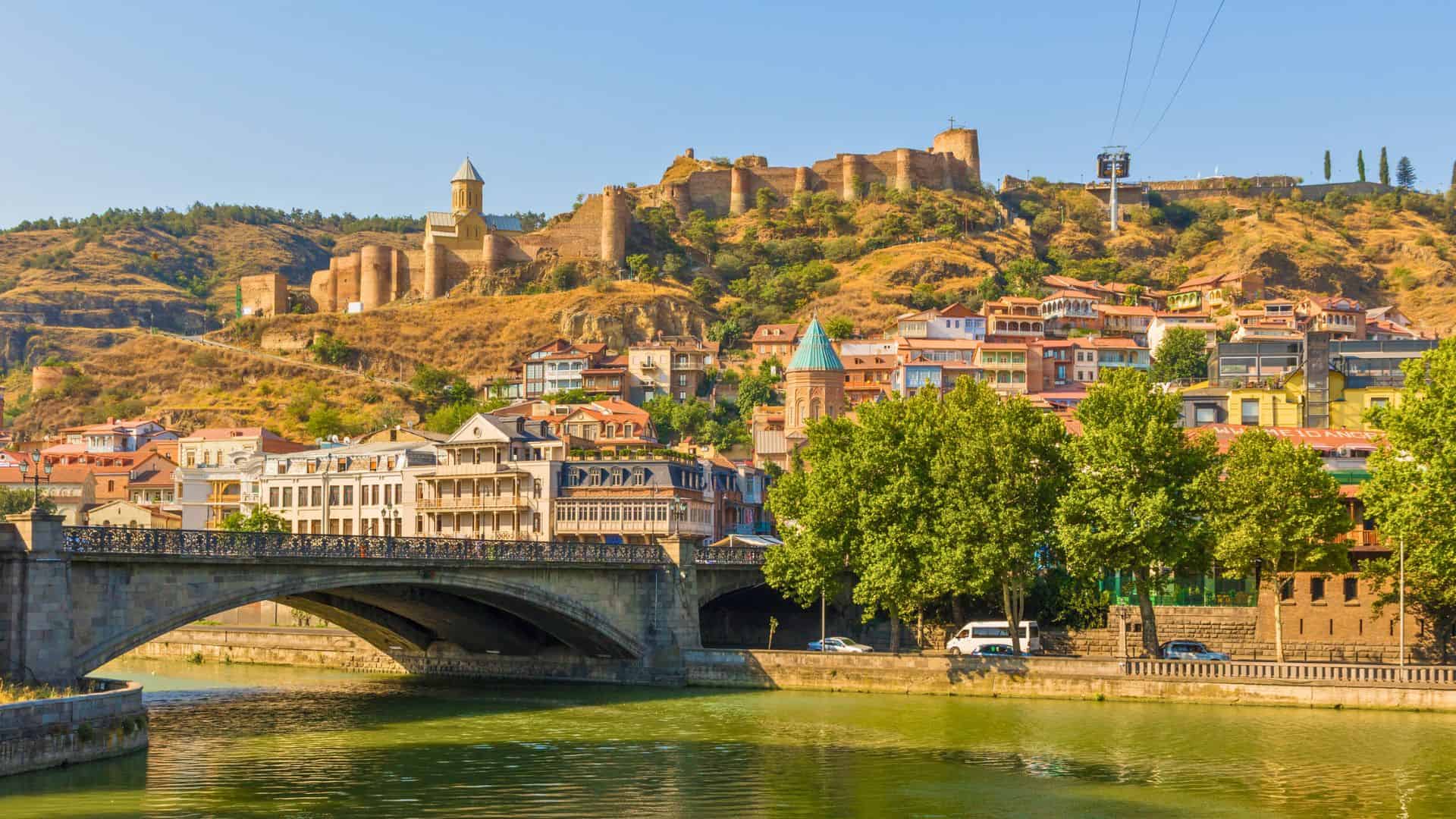
Wine regions, mountain landscapes, and historic towns position Georgia as an alternative to France, with far lower prices. The countryside features vineyards, stone villages, and medieval churches set against the Caucasus Mountains. Tbilisi mixes old balconies, sulfur baths, and modern cafes along winding streets. Scenic drives connect valleys, fortresses, and alpine passes. Public transport and private drivers remain affordable, even for long distances. Guesthouses and small hotels keep lodging costs manageable. Rich history, strong regional identity, and dramatic scenery allow travelers to explore culture, wine traditions, and architecture similar to parts of France without luxury pricing or heavy tourist congestion.
Mexico, instead of Hawaii
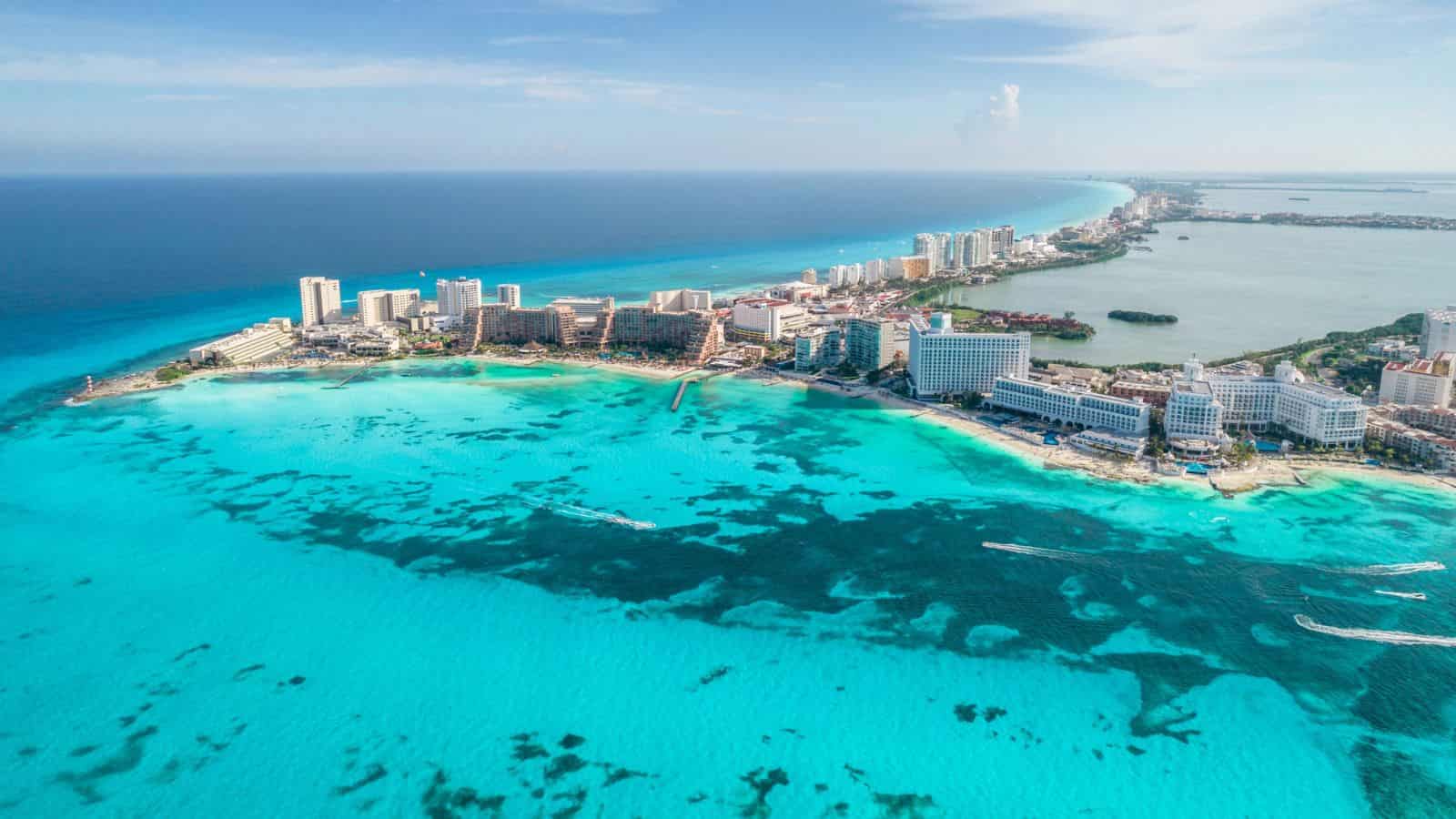
Tropical scenery, volcanic landscapes, and beach culture make Mexico a strong alternative to Hawaii, while costs stay significantly lower. Coastal regions like Oaxaca, Riviera Maya, and Nayarit feature palm-lined beaches, clear water, and relaxed surf towns. Inland areas reveal volcanoes, cenotes, jungles, and colorful colonial cities. Flights, lodging, and local transport remain accessible for many budgets. Fresh markets, street food, and neighborhood eateries keep daily spending modest. Cultural festivals, historic ruins, and natural parks add depth beyond the shoreline. With diverse climates and regions, travelers can plan long stays filled with ocean views and outdoor activities without resort-level pricing or island isolation.
Want to save this?
Albania, instead of Italy
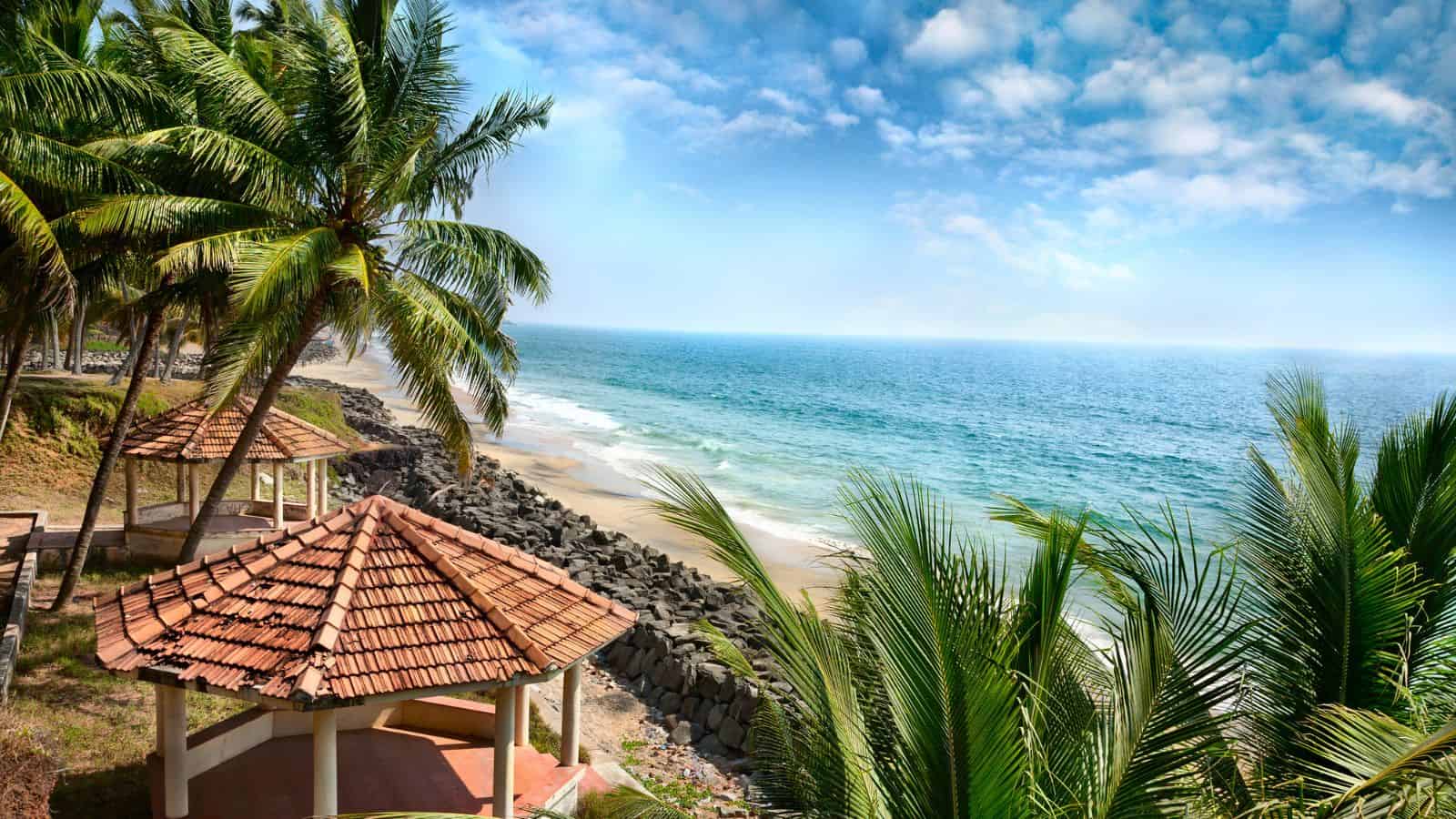
Albania mirrors Italy through Adriatic beaches, ancient ruins, hillside towns, and relaxed coastal rhythms, while daily costs stay low. Travelers explore UNESCO cities like Berat and Gjirokastër, where stone houses, castles, and narrow streets reflect centuries of layered history. The Albanian Riviera features clear water, pebble shores, and quiet villages without cruise crowds. Inland, mountain roads pass valleys, rivers, and Ottoman-era bridges. Local cafes serve seafood, bread, cheese, and wine at modest prices. Guesthouses feel personal, transport remains affordable, and tourism stays light, letting visitors experience Mediterranean scenery and culture without Italian-level expense, congestion, or pressure today, comfortably, calmly, freely.
Portugal, instead of Spain
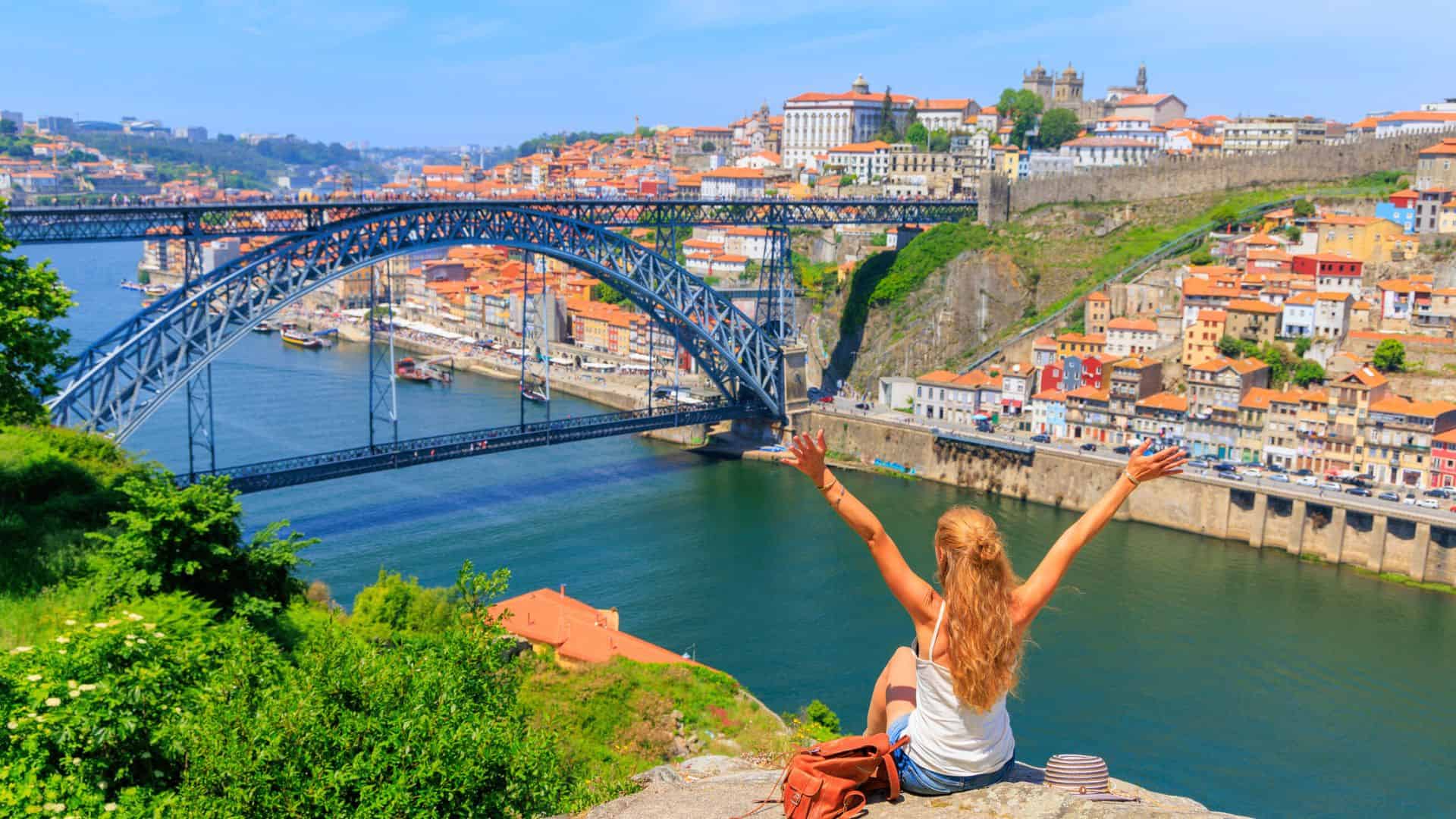
Portugal resembles Spain with tiled cities, Atlantic beaches, late dinners, and lively plazas, yet travel budgets stretch further. Lisbon and Porto display colorful facades, riverfront walks, and vintage trams climbing steep streets. Smaller towns feature castles, monasteries, and viewpoints overlooking vineyards and valleys. The coastline holds surf beaches, cliffs, and fishing villages. Rail passes connect regions cheaply, while hostels and rentals stay accessible. Markets sell fresh produce, pastries, and seafood for modest sums. Outside peak summer, crowds thin, helping travelers move slowly between cities, countryside, and coast while keeping spending predictable, manageable, relaxed, flexible, long stays, extended trips, simple, and practical.
Cambodia, instead of Thailand
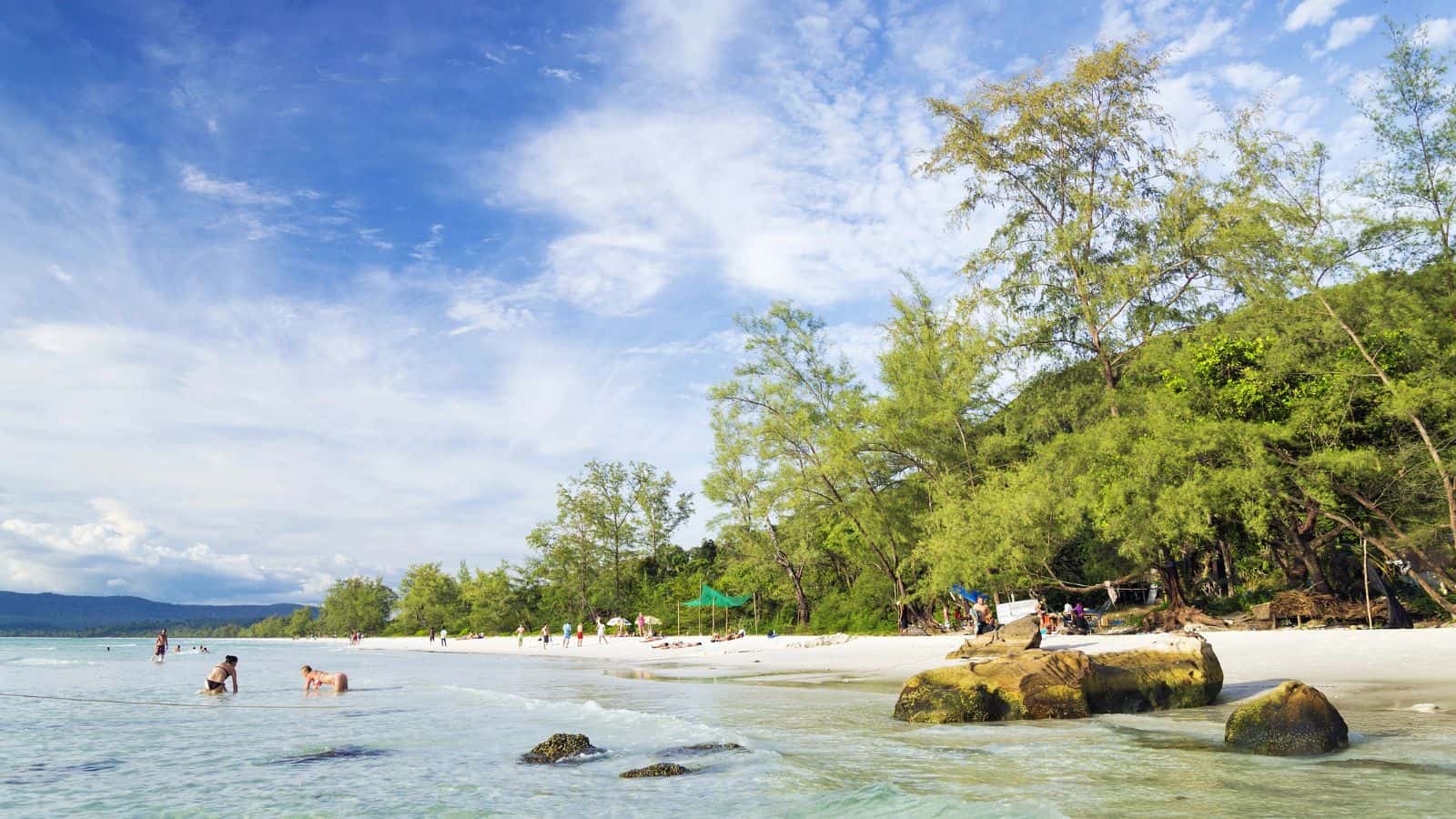
Temple complexes, tropical scenery, and river towns place Cambodia alongside Thailand, though budgets stretch further. Angkor’s vast ruins showcase intricate stonework and forested paths that feel expansive and uncrowded at sunrise. Phnom Penh and Siem Reap combine markets, cafes, and riverside walks with a slower pace. Southern islands feature sandy beaches and calm water, often quieter than their Thai counterparts. Buses and tuk-tuks cost little, simplifying local travel. Guesthouses and small hotels remain affordable for long stays. With rich history, friendly communities, and relaxed rhythms, travelers gain Southeast Asian landscapes and cultural depth without Thailand’s heavier tourism density or rising prices.
Poland, instead of Germany
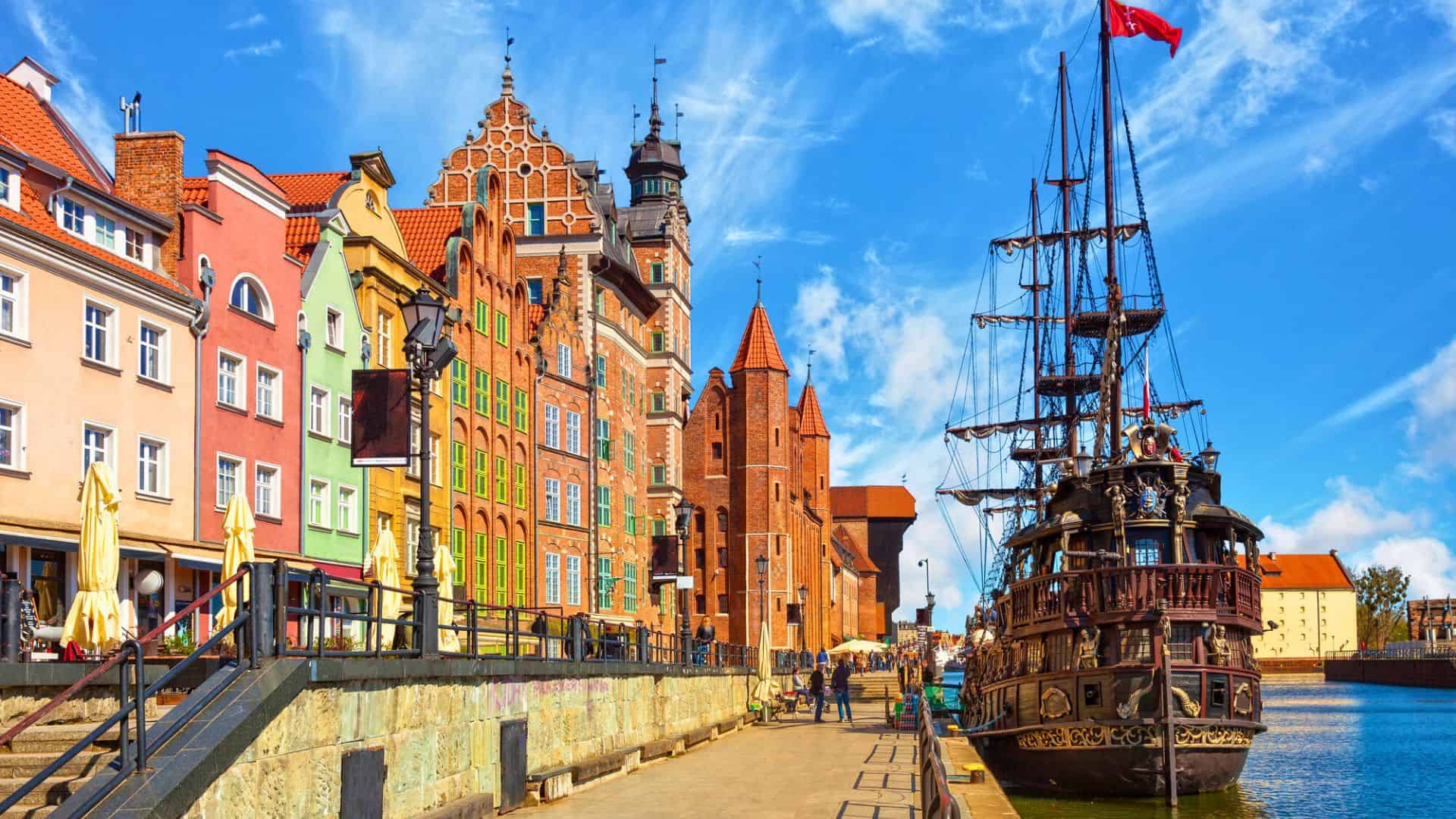
Poland mirrors Germany through medieval towns, castles, forests, and efficient cities, yet travel budgets stretch further. Kraków and Gdańsk feature old town squares, Gothic churches, and colorful facades rebuilt with care. Warsaw balances modern energy with layered history and museums. Trains connect regions quickly and cheaply, making cross‑country travel simple. Countryside areas include lakes, national parks, and mountain trails suitable for hiking and skiing. Dining, lodging, and transit remain affordable, even in major cities. Visitors experience Central European culture, architecture, and urban organization similar to Germany, without high daily spending or dense tourist traffic during peak seasons.
Budapest, Hungary, instead of Paris
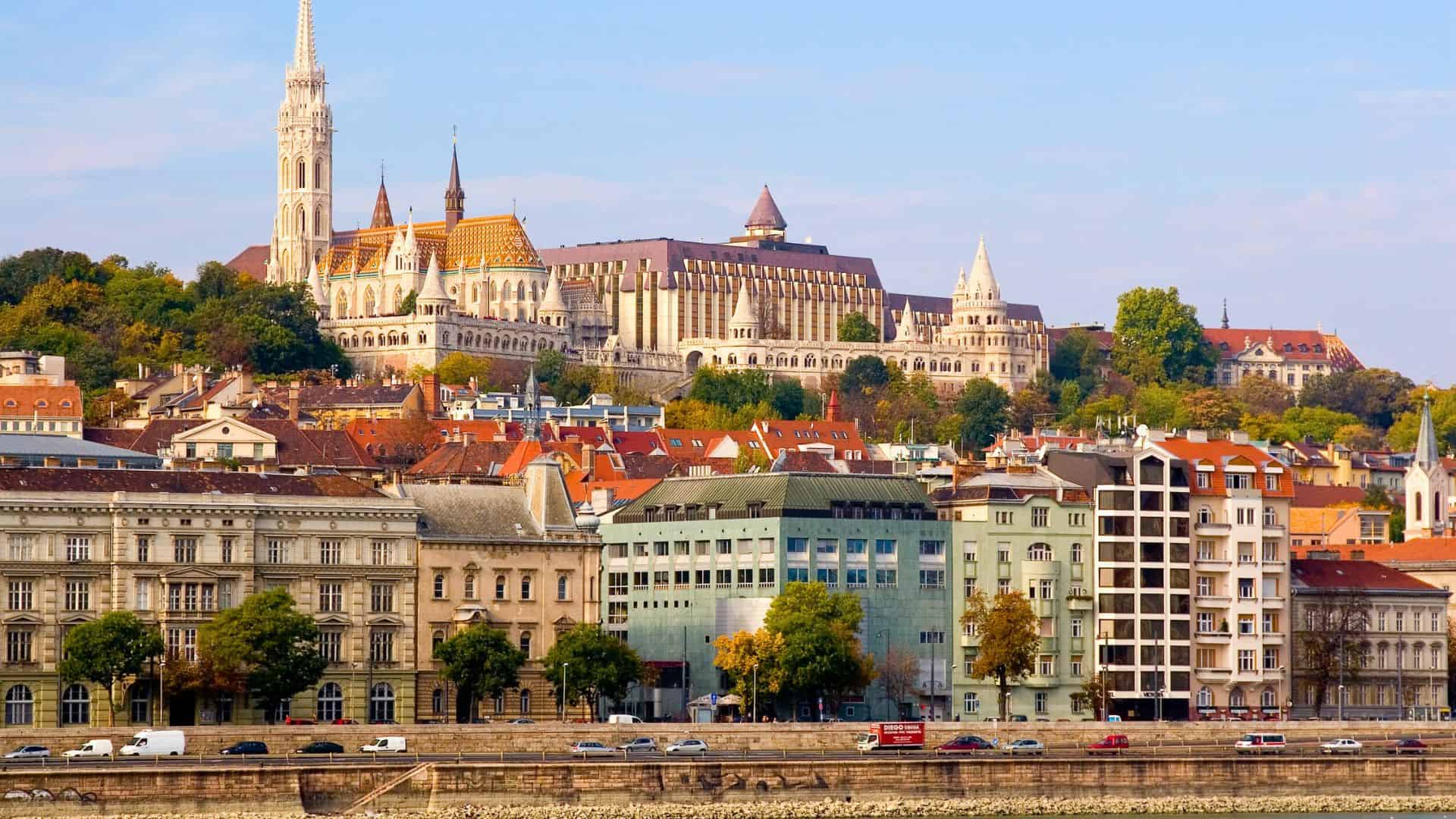
Budapest delivers romance, grand architecture, and river scenery comparable to Paris, while costs stay far lower. The Danube divides Buda’s hills from Pest’s boulevards, creating dramatic viewpoints, bridges, and evening lights. Visitors stroll past ornate parliament buildings, thermal baths, and historic cafes without premium price tags. Classical music, opera houses, and art museums add cultural depth. Public transport works efficiently and cheaply, simplifying movement across districts. Apartments and boutique hotels remain affordable year‑round. With its elegant streets, café culture, and scenic riverbanks, Budapest captures European charm and atmosphere without Paris-level expenses, crowds, or reservation stress, making extended stays far more accessible.
Travel Smarter, Not Pricier
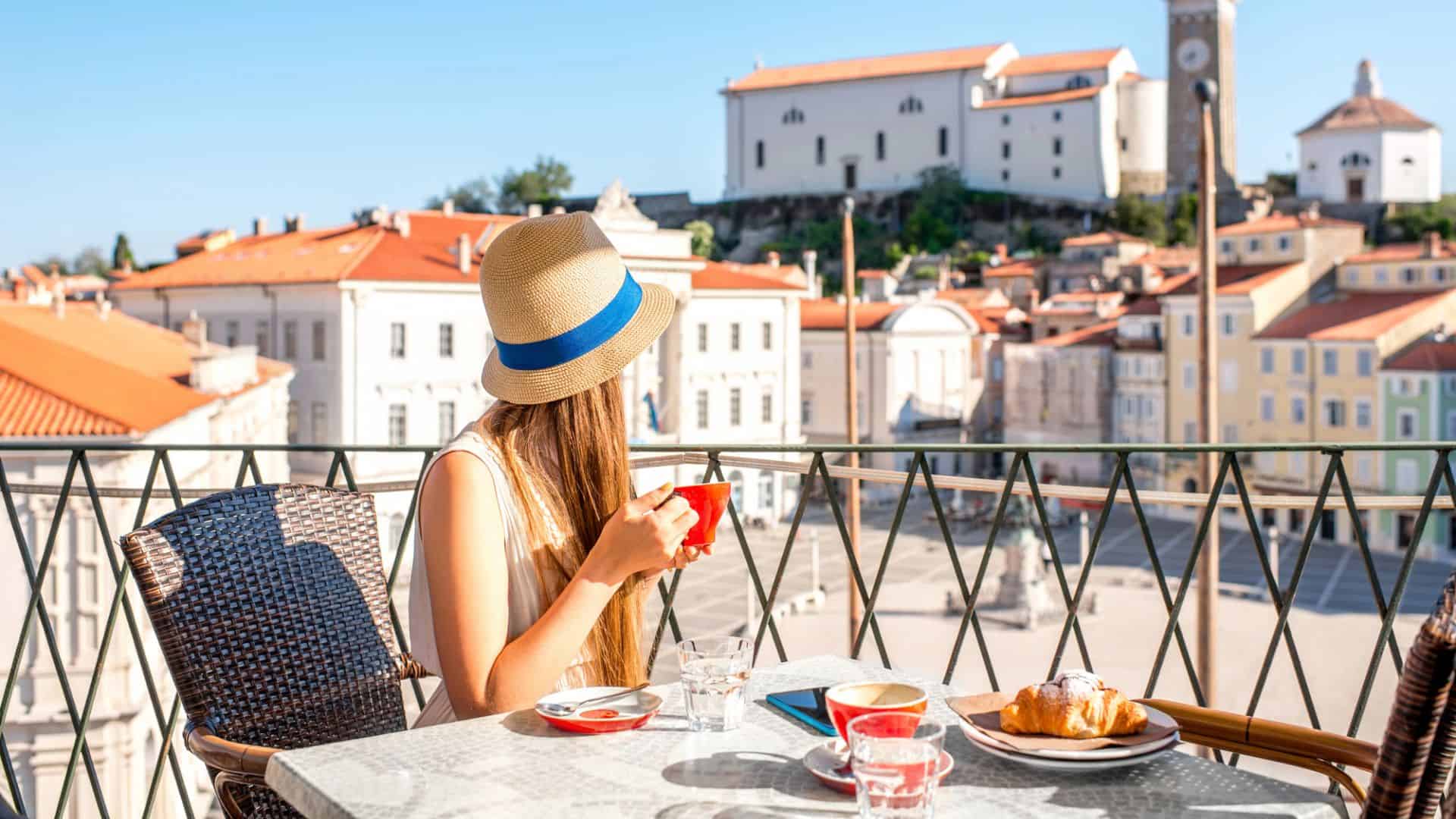
Travel doesn’t have to mean maxed‑out cards or cutting corners the whole time. Smart planning can change how far your money goes and how relaxed the trip feels. Choosing a destination dupe is about seeing what really matters to you and skipping the hype that drives prices up. You still get great scenery, strong culture, and memorable days, just without the constant worry about spending too much. That freedom changes the tone of a trip fast.
If you’re flexible and open to looking beyond the usual places, your options grow in a big way. These alternatives make travel feel possible again, even when prices elsewhere feel out of control. Whether you’re planning something short or thinking long‑term, budget‑friendly choices help you travel more often and stay curious. Sometimes the smartest trips aren’t the most famous ones. They’re the ones that let you relax, explore, and come home feeling like the experience was truly worth it.
11 Tiny Towns Overwhelmed by Their Own Popularity
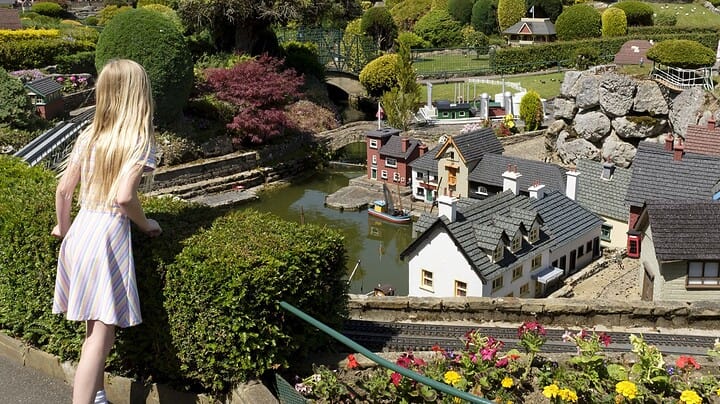
Small towns around the world often charm visitors with their quaint streets, peaceful atmospheres, and welcoming locals. However, some of these 11 tiny towns overwhelmed by their own popularity have become victims of their own success. What was once a hidden gem is now inundated with tourists, turning these serene spots into crowded destinations struggling to maintain their charm.
Read More Here: 11 Tiny Towns Overwhelmed by Their Own Popularity
13 European Countries Where Overtourism Has Changed Travel Choices
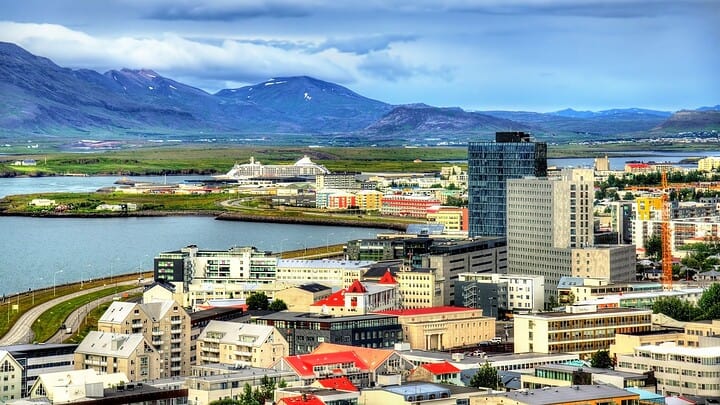
Travel in Europe doesn’t feel as simple as it once did. Flights fill faster, streets feel busier, and popular sights can feel packed before lunch. Travelers notice it right away, especially as conversations around 13 European countries where overtourism has changed travel choices become part of everyday planning. Planning now comes with extra steps and more questions.
Read More Here: 13 European Countries Where Overtourism Has Changed Travel Choices


Leave a Reply