
Many travelers start trips with certain safety assumptions, often based on advice, headlines, or past experiences. Over time, some of those beliefs turn out to be incomplete or outdated, especially as destinations change and travel habits shift. Situations that seem risky may be manageable, while others that feel harmless can cause real problems. These misunderstandings usually come to light after something goes wrong or feels different than expected.
Rethinking these assumptions can help travelers stay more aware and better prepared. When safety is approached with clearer information instead of guesswork, trips tend to feel more controlled and less stressful. Take a closer look at the safety beliefs travelers say they had to unlearn, reflect on current habits, and use the insights to make smarter decisions on future trips.

“Busy areas are always safer”
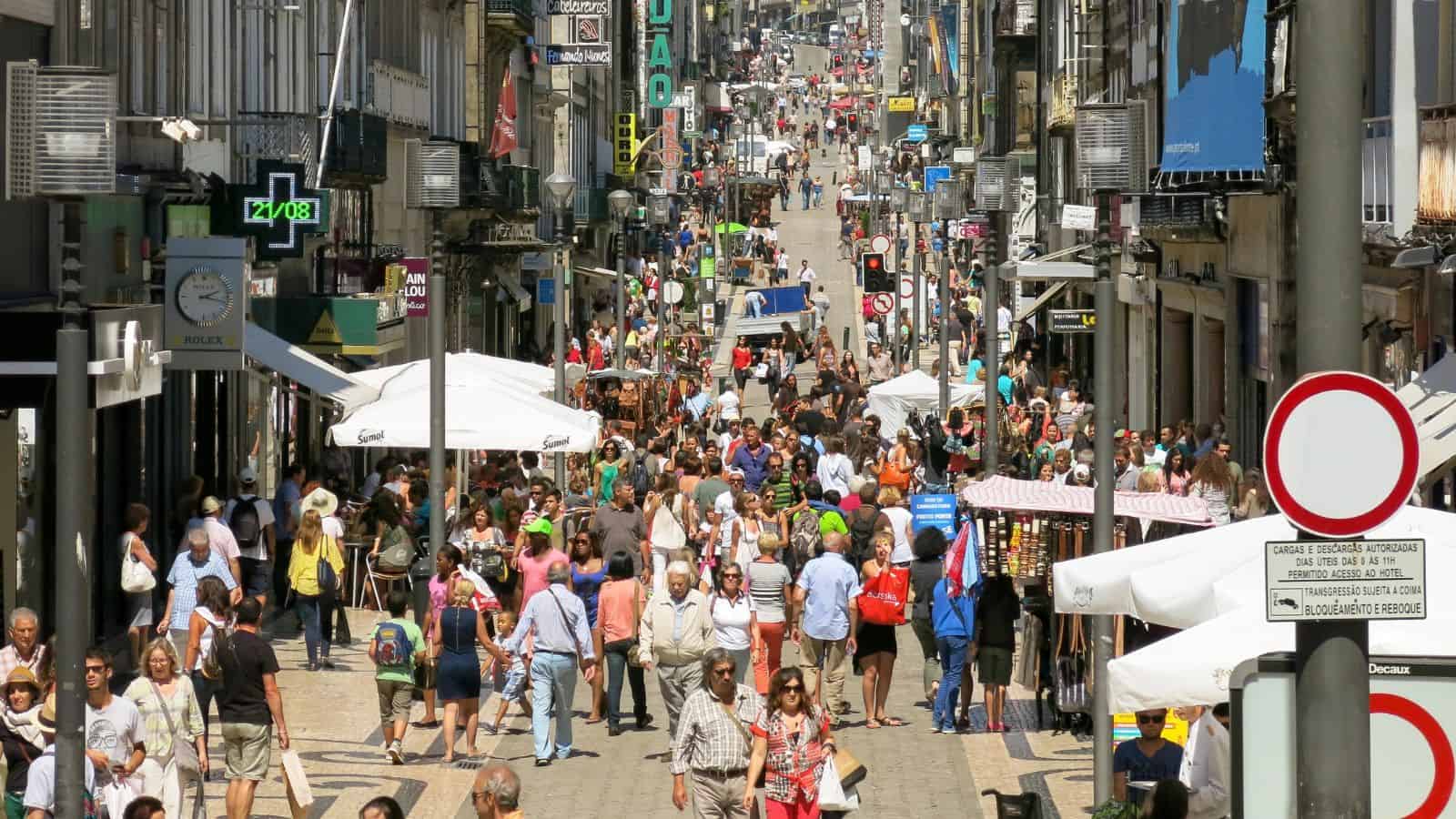
Many travelers assume crowds create protection, but experience often proves otherwise. Busy areas increase distraction, which makes it easier for theft or deception to go unnoticed. People tend to lower awareness when surrounded by others, assuming someone else is paying attention. Crowds also make it harder to track personal belongings or notice when something feels off. In high-traffic tourist zones, opportunistic crime can thrive because targets are plentiful and movement is chaotic. Travelers often realize later that quieter, well-lit streets with steady local activity can feel more controlled than crowded hotspots.
“Daytime means low risk”
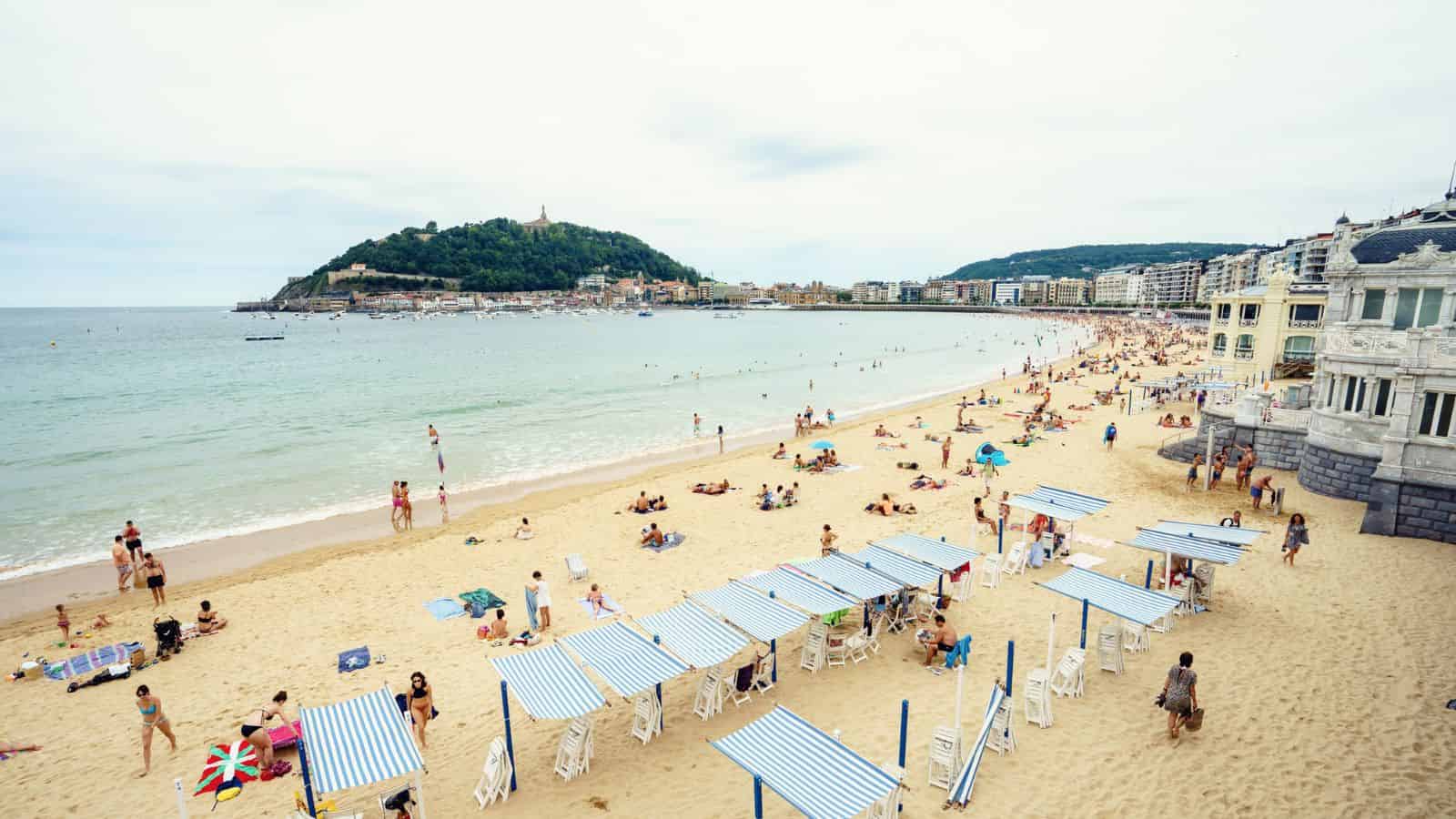
Travelers often equate daylight with safety, only to learn that timing alone doesn’t reduce risk. Many incidents occur during the day when streets are active and people appear relaxed. Pickpocketing, distraction-based theft, and minor scams frequently happen in full view of others. Daytime crowds can also make it harder to notice suspicious behavior. This assumption usually changes after travelers experience or witness issues during normal business hours. They learn that awareness matters more than the clock, and that risk depends on context, location, and behavior rather than time of day.
“If it’s popular online, it must be safe”

Online visibility can create a false sense of security. Just because a location, route, or activity is widely shared doesn’t mean it’s well-regulated or supported by local infrastructure. Some places gain attention faster than safety measures can adapt. Travelers sometimes arrive assuming popularity equals oversight, only to find unclear rules, limited support, or unsafe conditions. Social media often highlights visuals while omitting risks, access issues, or recent changes. Many travelers adjust this assumption after realizing that research beyond online popularity is necessary to understand real-world conditions.
“Hotels are automatically secure”

Staying in a hotel doesn’t guarantee consistent security. Travelers often assume staff presence equals oversight, but security standards vary widely. Entry controls, camera coverage, and response protocols differ by property. Some hotels rely heavily on guests’ own precautions. Issues such as unlocked side entrances, poorly lit hallways, or minimal overnight staffing surprise travelers who expected uniform standards. This assumption often changes after witnessing lapses or hearing firsthand accounts from other guests. Travelers learn to assess surroundings, room placement, and access points rather than relying on the hotel label alone.
“Public transport is risky everywhere at night”

Many travelers avoid transit after dark, assuming it’s automatically unsafe. In reality, late-night public transport in many cities is monitored, well-lit, and more predictable than walking long distances through empty streets. Travelers often revise this belief after comparing experiences. Trains or buses with regular riders, staff presence, and clear schedules can feel more controlled than isolated walking routes. This shift usually comes from firsthand use or local advice. Travelers learn that safety depends on specific systems and conditions, not blanket assumptions about time or transport type.
“Local scams are obvious”

Many travelers expect scams to look suspicious or exaggerated, but experience shows they are often subtle. Common tactics rely on politeness, time pressure, or routine interactions rather than aggressive behavior. Scammers may pose as helpers, officials, or fellow travelers, blending into everyday situations. Because these interactions feel normal, travelers often lower their guard. The realization usually comes after a loss that didn’t involve force or confrontation. Travelers learn that scams succeed by feeling reasonable, not alarming, and that caution is needed even during interactions that seem ordinary or friendly.
Want to save this?
“Police presence guarantees help”
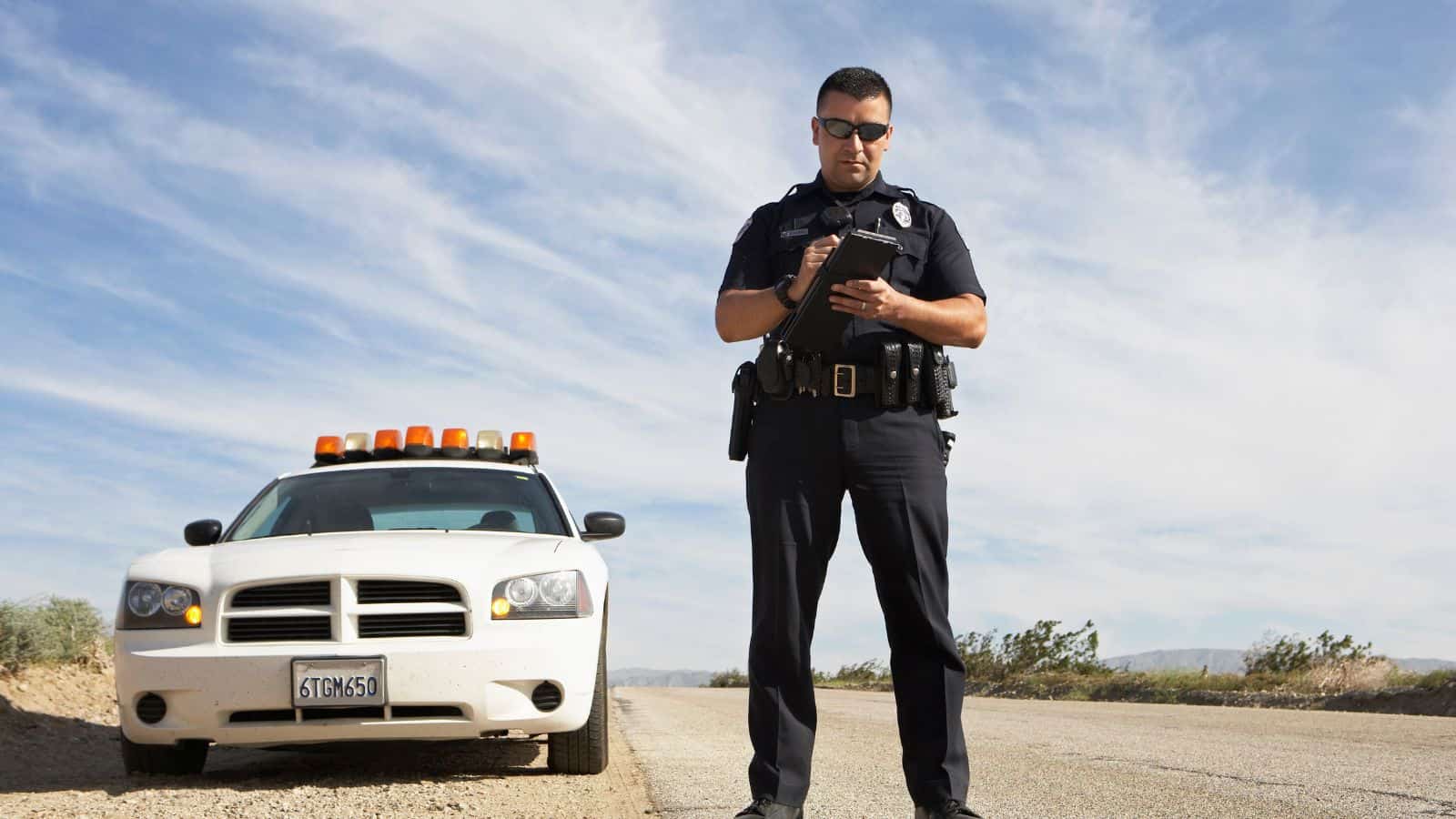
Seeing police nearby can create reassurance, but travelers later learn that presence doesn’t always equal support. Language barriers, jurisdiction limits, and procedural requirements can slow or complicate responses. In some places, officers may not handle certain issues directly or may redirect travelers elsewhere. Expectations shaped at home don’t always translate abroad. Travelers often revise this assumption after needing assistance and encountering delays or misunderstandings. They learn to focus on prevention and preparation rather than assuming immediate resolution. Understanding local systems becomes just as important as noticing uniforms.
“Travel insurance covers most problems”

Many travelers buy insurance assuming broad protection, only to discover exclusions when filing a claim. Coverage limits, documentation requirements, and specific definitions often restrict what qualifies. Situations involving delays, theft, or health issues may fall outside expectations. Travelers usually learn this after spending time navigating fine print during stressful moments. This assumption changes once people realize insurance reduces risk but doesn’t remove it. Experienced travelers now review coverage details closely and plan backups rather than relying solely on policies to resolve issues.
“Solo travel is less safe than group travel”

Travelers often assume being alone increases risk, but experience sometimes shows the opposite. Groups can draw attention, become distracted internally, or rely on shared assumptions that no one verifies. Solo travelers often move more deliberately, stay aware of surroundings, and avoid unnecessary exposure. This shift in thinking usually comes after seeing group dynamics create blind spots. Travelers learn that safety depends more on behavior and awareness than numbers. Solo travel can encourage clearer decision-making and faster response to changing situations.
“Familiar countries feel predictable”
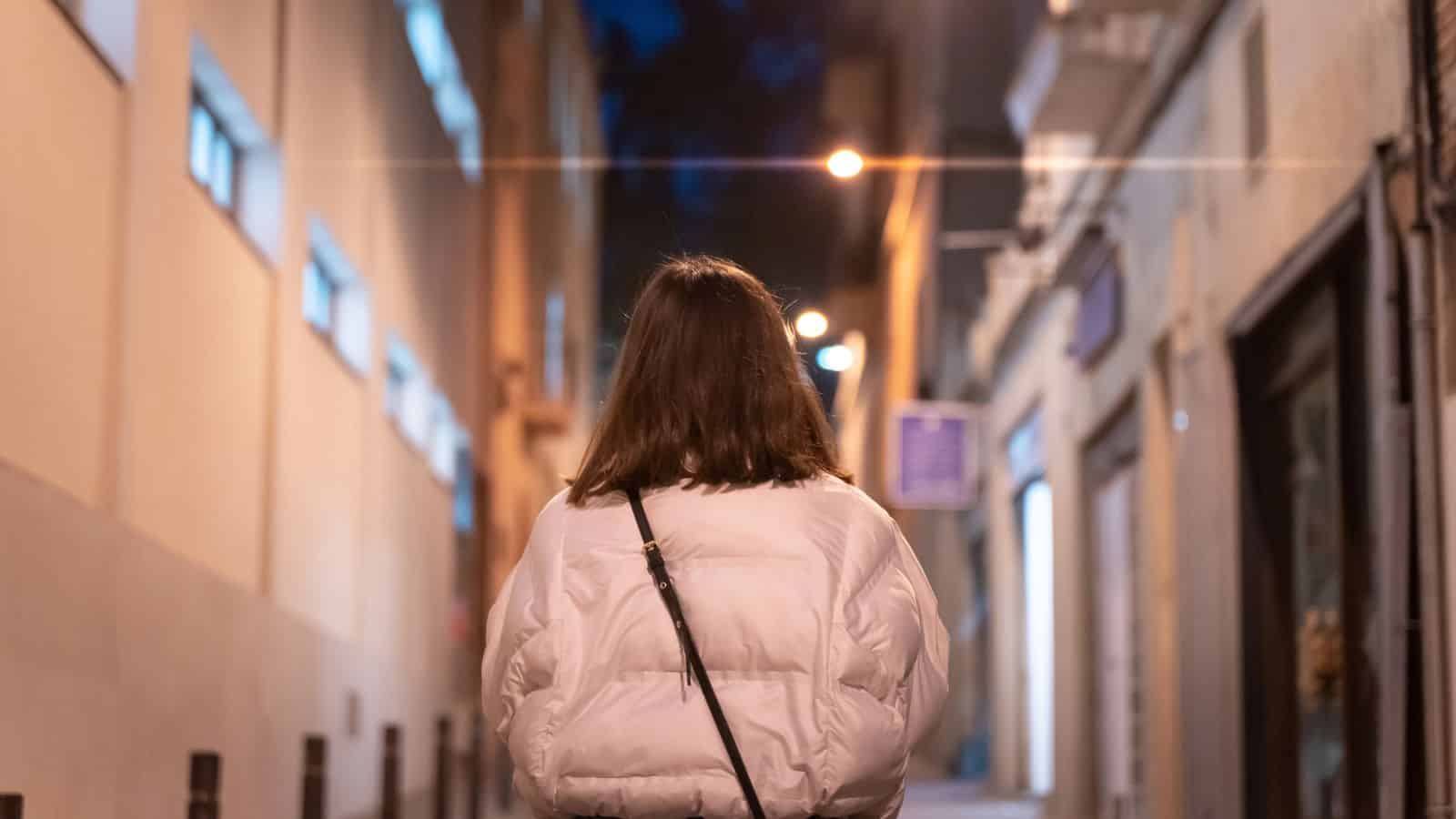
Returning to a familiar country can lower awareness. Travelers assume they already understand norms, risks, and systems, which can lead to missed warning signs. Comfort replaces curiosity, and routines override observation. Many people realize this after encountering issues in places they thought they knew well. Conditions change, neighborhoods evolve, and personal circumstances differ from past trips. Familiarity can reduce preparation rather than improve it. Travelers learn that each visit deserves the same attention as a new destination, regardless of prior experience.
“Confidence is enough”

Confidence helps with navigation and communication, but travelers often learn it doesn’t replace awareness. Moving assertively without reading context can increase risk rather than reduce it. Overconfidence may lead to ignoring local advice, signals, or changes in environment. Many travelers adjust this belief after realizing that calm observation matters more than projecting certainty. True preparedness involves noticing patterns, adapting behavior, and staying alert to shifts. Confidence works best when paired with attentiveness, not when it substitutes for it.
9 Countries That Offer Special Visas for Retirees

Retiring abroad comes with questions about residency, benefits, and paperwork, and choosing a country that welcomes retirees can simplify the process. With 9 countries that offer special visas for retirees, options span coastal nations with lower living costs, cities with strong healthcare systems, and communities that value a slower pace of life. Each program sets eligibility rules around age, income, or savings, so finding the right fit means matching requirements with personal goals and budget. These visas often include options for spouses and may streamline tax or property ownership rules.
Read More Here: 9 Countries That Offer Special Visas for Retirees
Top 10 Shockingly Cheap Countries To Live In

Want to travel internationally without breaking the bank? Living abroad doesn’t have to cost a fortune. In fact, some countries are so affordable that you might find yourself living better for less. Whether you’re dreaming of vibrant cities, laid-back beach towns, or scenic mountain retreats, there are places where life can be great without blowing through your budget.
Read More Here: Top 10 Shockingly Cheap Countries To Live In



Leave a Reply