
Some places naturally make travelers pay closer attention to what’s happening around them. Changes in pace, unfamiliar customs, or busy public spaces can heighten awareness in ways people don’t always expect. In these locations, travelers often notice how they move, where they pause, and how they react to their surroundings more than usual. These moments can shape how a place is remembered long after the trip ends.
Being more aware can change the way a destination is experienced. When attention shifts to small details, travel feels more intentional and grounded. Take a closer look at the places where travelers say awareness became second nature, reflect on why that happened, and use the insights to approach future trips with sharper focus and confidence.

Marrakech, Morocco

Marrakech requires constant attention because movement, sound, and activity shift quickly within the medina. Narrow passages open into busy squares without warning, and foot traffic mixes with carts, scooters, and vendors. Travelers learn to watch where they step, how people move, and when to pause. Visual cues matter more than signs, and navigation often depends on reading the flow around you. Awareness sharpens as travelers adapt to frequent transitions between quiet corners and crowded spaces. Over time, people become more attuned to body language, spatial cues, and changes in rhythm, which helps them move with confidence rather than hesitation.
Naples, Italy
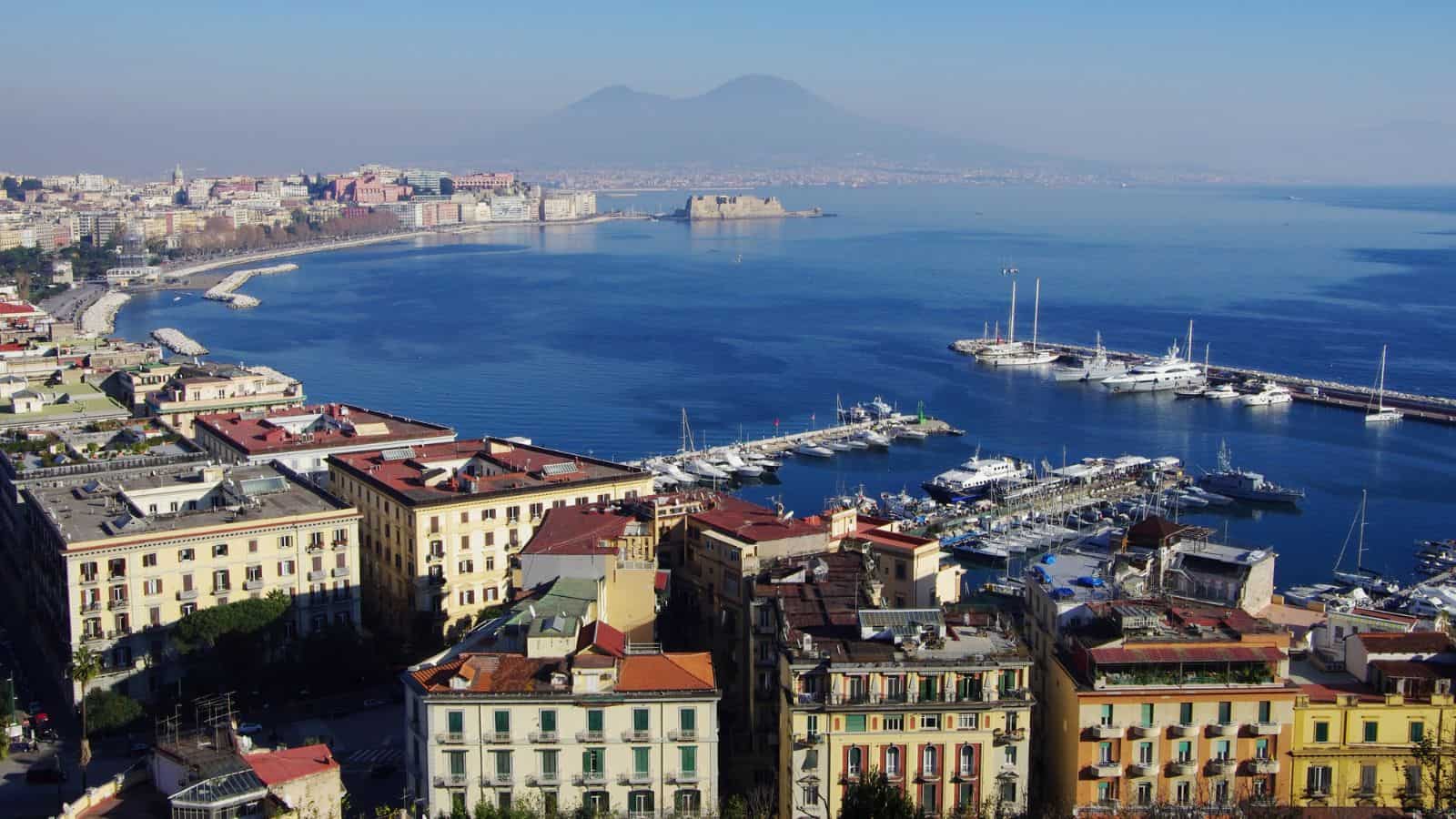
Naples demands alertness through its intensity and pace. Streets are narrow, traffic moves assertively, and daily life unfolds at close range. Travelers quickly learn to pay attention to vehicles, voices, and shifting personal space. Sidewalks, roads, and social areas blend together, leaving little room for autopilot movement. Awareness grows as travelers observe how locals cross streets, navigate tight areas, and communicate through gestures. The city rewards attention and adaptability. People often leave Naples more conscious of their surroundings because the environment encourages engagement rather than passive observation.
Hanoi, Vietnam

Hanoi sharpens awareness through constant motion. Scooters dominate the streets, sidewalks double as social and commercial space, and movement rarely stops. Travelers learn to read traffic patterns rather than wait for silence. Crossing the street becomes an exercise in focus and trust, guided by eye contact and steady pacing. Awareness extends beyond vehicles to include street vendors, seating, and shifting boundaries. The city teaches travelers to stay present and responsive. Over time, people become more comfortable navigating complex environments by observing flow instead of expecting clear separation between spaces.
Istanbul, Turkey

Istanbul encourages situational awareness through its layered structure. Historic streets, modern transit, steep hills, and waterways intersect constantly. Travelers move between ferries, trams, markets, and neighborhoods with different rhythms. Paying attention becomes necessary to avoid missing turns, entrances, or timing changes. Cultural cues, crowd movement, and daily schedules influence how spaces function throughout the day. Travelers often become more observant as they adapt to rapid shifts between calm and congestion. Istanbul rewards those who notice patterns and adjust behavior accordingly rather than relying on fixed expectations.
Mexico City, Mexico

Mexico City increases awareness through scale and contrast. Neighborhoods vary widely in layout, pace, and activity, often changing block by block. Travelers learn to notice lighting, foot traffic, and local routines when choosing routes or timing outings. The city’s size discourages assumptions and rewards observation. Public transport, walking paths, and open spaces each require different forms of attention. Over time, travelers become more attuned to subtle signals such as crowd density or changes in sound. This heightened awareness helps them move more comfortably through such a large and varied urban environment.
Bangkok, Thailand
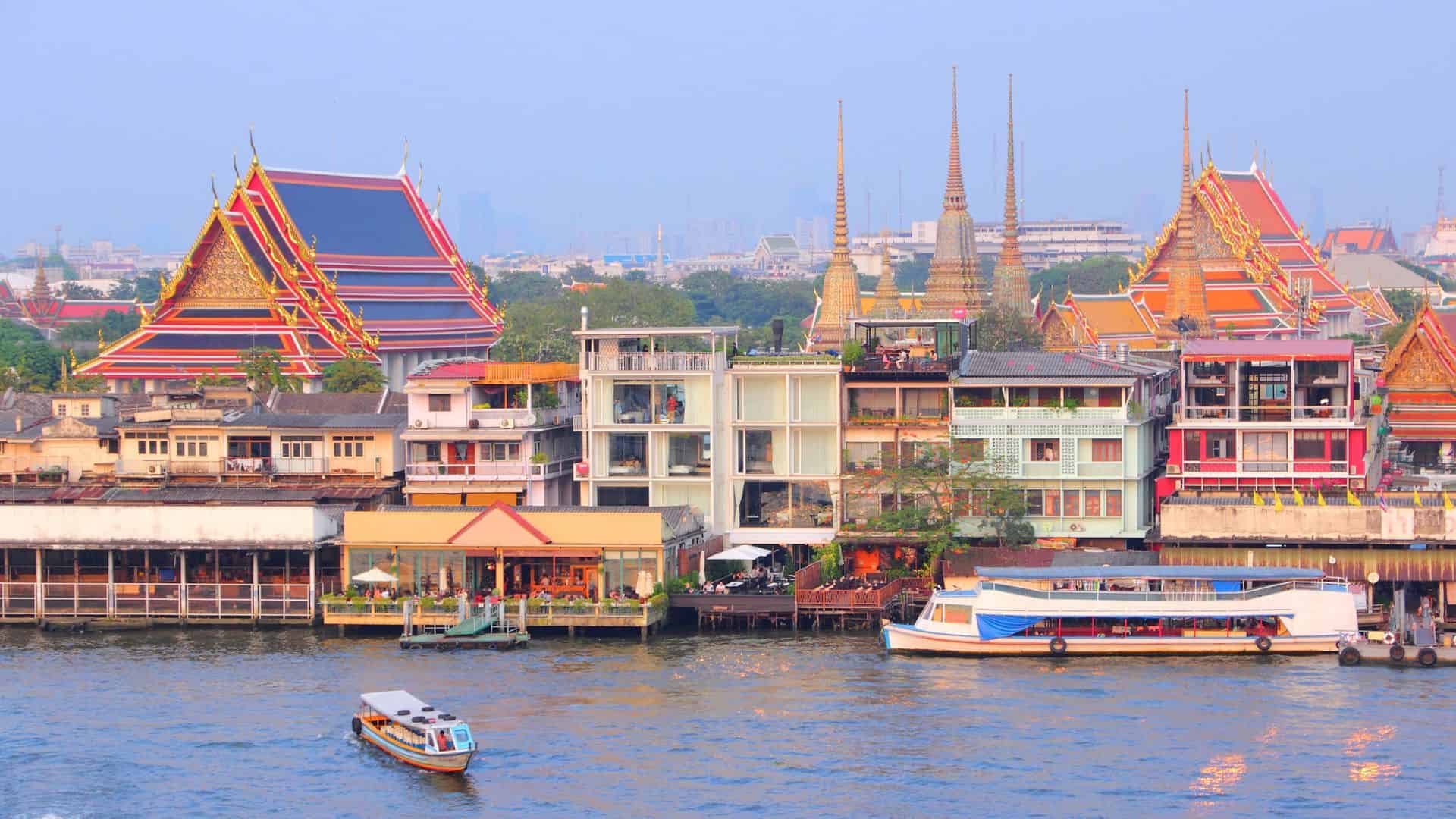
Bangkok heightens awareness through constant transitions. Elevated walkways, street-level traffic, waterways, and rail lines all intersect within short distances. Travelers learn to stay alert as environments change quickly from calm interiors to intense street activity. Movement requires attention to signage, crowd flow, and timing, especially when navigating stations or crossings. Sidewalks may narrow or disappear, requiring quick adjustments. Over time, travelers become more attentive to how spaces function at different hours. Bangkok encourages situational awareness by rewarding those who observe patterns rather than assuming consistency from one block to the next.
Want to save this?
New York City, USA

New York sharpens awareness through density and pace. Sidewalks move quickly, intersections demand focus, and public transport requires attention to timing and direction. Travelers learn to watch signals, body language, and crowd flow to avoid disruption. Distraction can lead to missed turns, delays, or uncomfortable encounters. The city rewards alertness, especially during peak hours. Over time, travelers become more aware of their surroundings as they adapt to shared space and constant movement. New York encourages presence, as the environment rarely slows down for inattention.
Cairo, Egypt

Cairo increases awareness through its informal systems and layered activity. Traffic patterns, pedestrian movement, and daily routines operate through shared understanding rather than strict enforcement. Travelers learn to watch closely rather than rely on rules alone. Streets may lack clear crossings, and activity unfolds simultaneously across sidewalks and roads. Awareness grows as travelers observe how locals navigate space and time. The city teaches attentiveness through complexity, requiring people to stay present and responsive. Over time, travelers become more comfortable reading subtle cues and adjusting movement accordingly.
Barcelona, Spain

Barcelona encourages awareness through crowd dynamics, particularly in central districts. Busy pedestrian zones, transit hubs, and narrow streets require attention to movement and belongings. Travelers learn to notice shifts in density, timing, and flow, especially in popular areas. Awareness extends to choosing routes and times that feel manageable. As visitors spend more time in the city, they become more attuned to how neighborhoods differ in rhythm. Barcelona rewards observation, helping travelers move with greater confidence once they understand how activity changes throughout the day.
Lagos, Nigeria

Lagos heightens awareness through scale, speed, and constant change. Streets, markets, and transit routes operate with high energy and adaptability. Travelers quickly learn that observation matters more than assumption. Movement requires reading signals, listening closely, and adjusting plans in real time. Environments can shift rapidly, encouraging flexibility and focus. Over time, travelers become more aware of how people communicate through gesture, timing, and proximity. Lagos strengthens situational awareness by demanding engagement, teaching travelers to stay alert and responsive rather than passive.
10 Essential Tips for Taking a Solo Cruise

Taking a cruise alone can be exciting, but it also raises questions about how to make the experience smooth, safe, and stress-free. From navigating boarding day to planning activities, having a few smart strategies in mind makes all the difference. That’s where these 10 essential tips for taking a solo cruise come in, helping you step on board with confidence and enjoy the trip from start to finish.
Read More Here: 10 Essential Tips for Taking a Solo Cruise
17 Iconic Landmarks Around the World You’ll Instantly Recognize

How about the ones you'll instantly recognize? Some landmarks are so iconic that they’ve become synonymous with the countries they represent. These 17 iconic landmarks around the world are instantly recognizable, whether it’s the Eiffel Tower in France, the Colosseum in Italy, or the Statue of Liberty in the United States. These structures transcend geography and culture, standing as symbols of history, engineering, and national pride. For many, visiting these landmarks is a bucket-list experience that brings a deeper understanding of the places they represent.
Read More Here: 17 Iconic Landmarks Around the World You’ll Instantly Recognize



Leave a Reply