
Some places don’t leave a strong impression the first time, especially when trips feel rushed or focused only on big sights. Certain U.S. states tend to make more sense on a return visit, once travelers know where to go, what to skip, and how to move at a steadier pace. These states often feel easier to appreciate after expectations are clearer and time is used better.
Going back can turn a decent trip into a much better one. With these states, second visits often feel calmer, more familiar, and better planned. Read on to see which places are worth another look and start thinking about where a return trip might make sense next.

California

California often feels overwhelming on a first visit due to its size, traffic patterns, and regional contrasts. A second trip benefits from clearer expectations about distance, climate shifts, and realistic pacing. Travelers return knowing that Northern California, Southern California, and inland regions function almost like separate destinations. Familiarity helps with choosing better base locations, avoiding overpacked itineraries, and aligning travel days with geography. Repeat visits tend to focus less on checking boxes and more on settling into specific areas. California becomes easier to appreciate once travelers stop trying to see everything at once.
New York

A first trip to New York often centers on major landmarks and dense sightseeing days. Returning changes priorities toward neighborhoods, daily routines, and smaller-scale exploration. Familiarity with subway lines, walking distances, and borough layouts reduces friction. Travelers feel more confident branching into areas beyond Midtown, such as Brooklyn or Upper Manhattan. Meals, shows, and casual wandering replace constant movement. New York reveals more depth once the pressure to “see it all” fades, allowing time to observe how the city functions day to day rather than racing between highlights.
Arizona
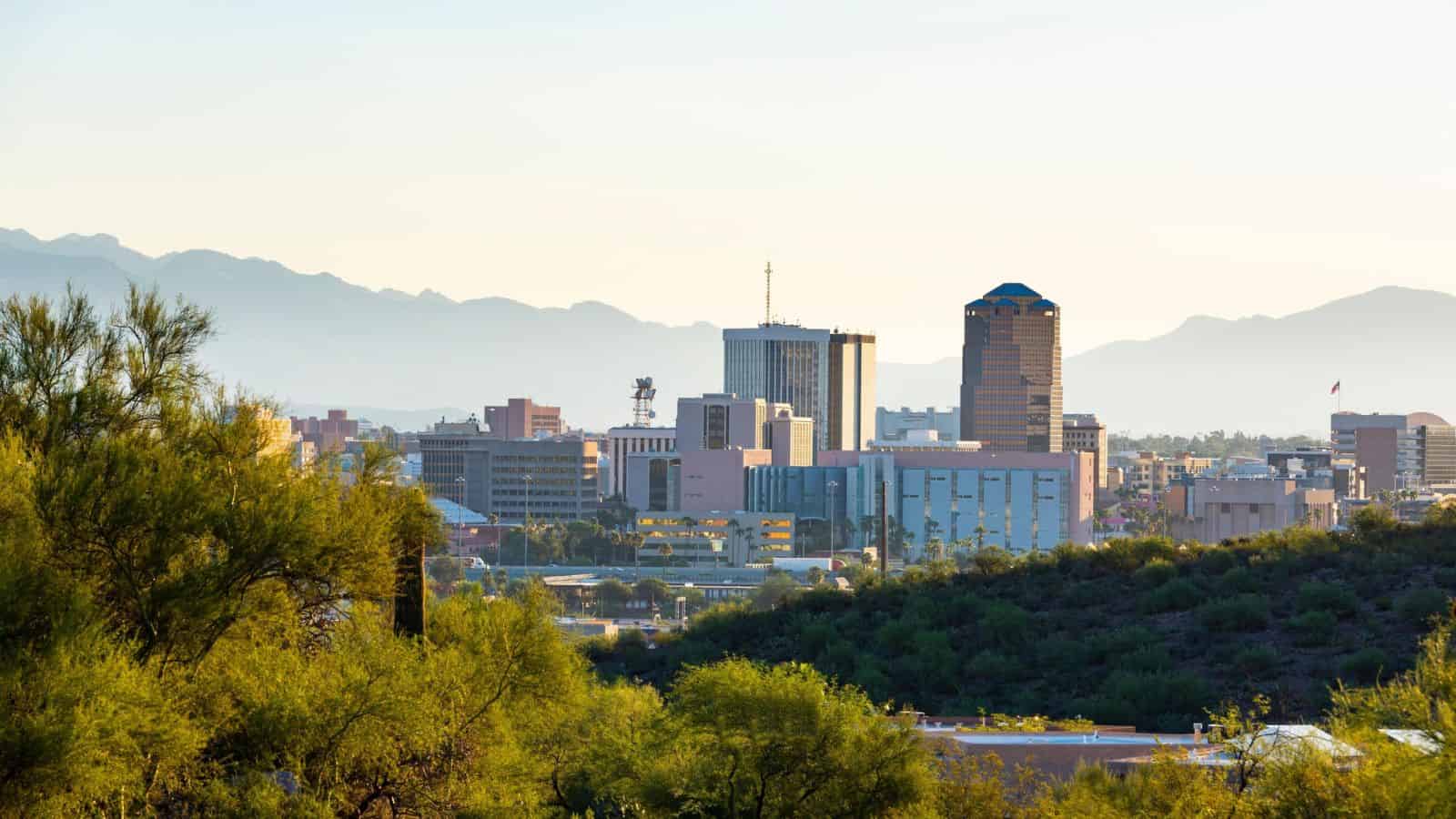
Arizona’s landscapes can feel visually intense on an initial visit, with many travelers focusing on headline sites like the Grand Canyon. A second trip allows space to explore desert towns, smaller parks, and varied elevations at a slower pace. Understanding driving distances and climate differences improves route planning. Travelers often return better prepared for heat, timing hikes earlier, and spacing travel days more evenly. Arizona becomes more approachable once expectations shift from spectacle-focused travel to regional exploration shaped by geography and light rather than tight schedules.
Utah
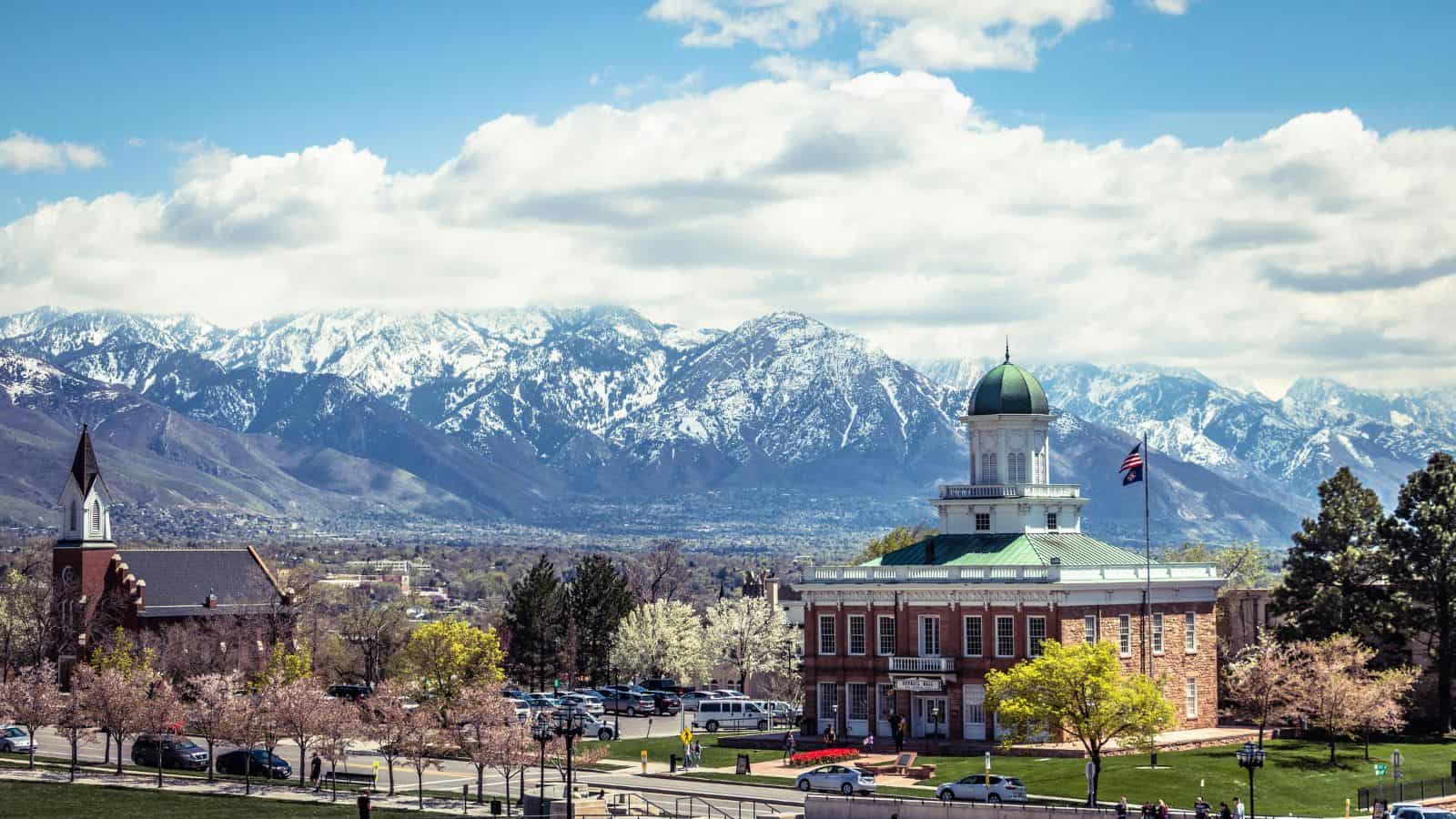
Utah’s concentration of national parks often leads first-time visitors to rush between locations. On a second visit, travelers usually scale back and focus on fewer areas, which changes the experience significantly. Familiarity with park layouts, shuttle systems, and seasonal timing helps reduce stress. Repeat visitors often choose one or two regions rather than attempting all five major parks. Utah feels more balanced when time is built around early mornings, rest days, and nearby towns instead of constant driving. The state rewards patience and rhythm, which tend to develop after an initial visit.
Florida
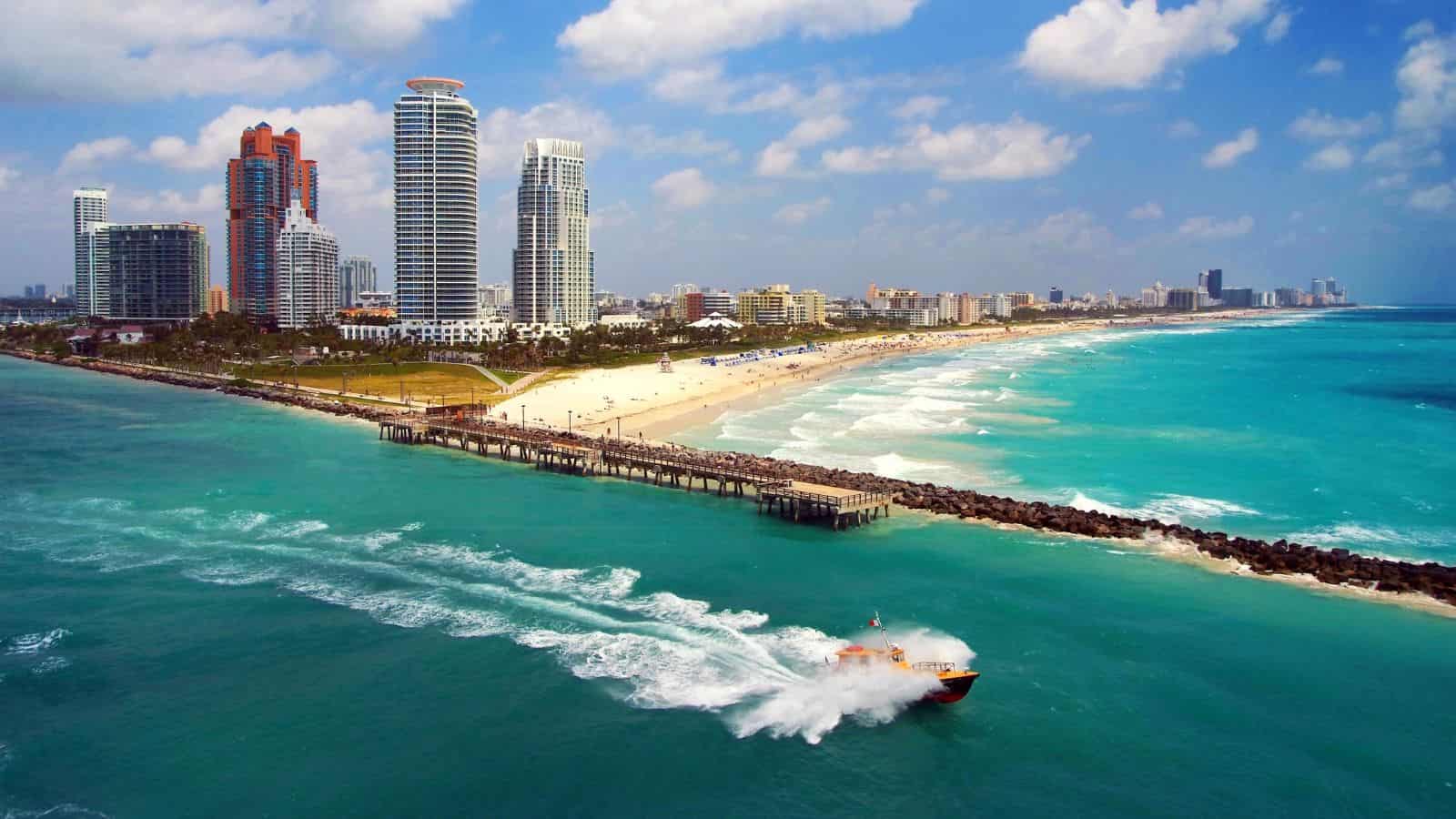
Florida can feel chaotic on a first visit due to tourism density and varied regional identities. A second trip benefits from knowing which areas match personal travel preferences and which to bypass. Travelers return with better timing for beaches, cities, and natural areas, avoiding peak congestion. Familiarity with weather patterns, distances, and seasonal population shifts improves planning. Repeat visits often move away from theme-focused travel toward coastal towns, parks, or quieter regions. Florida becomes easier to navigate once expectations align with its pace and regional diversity.
Texas
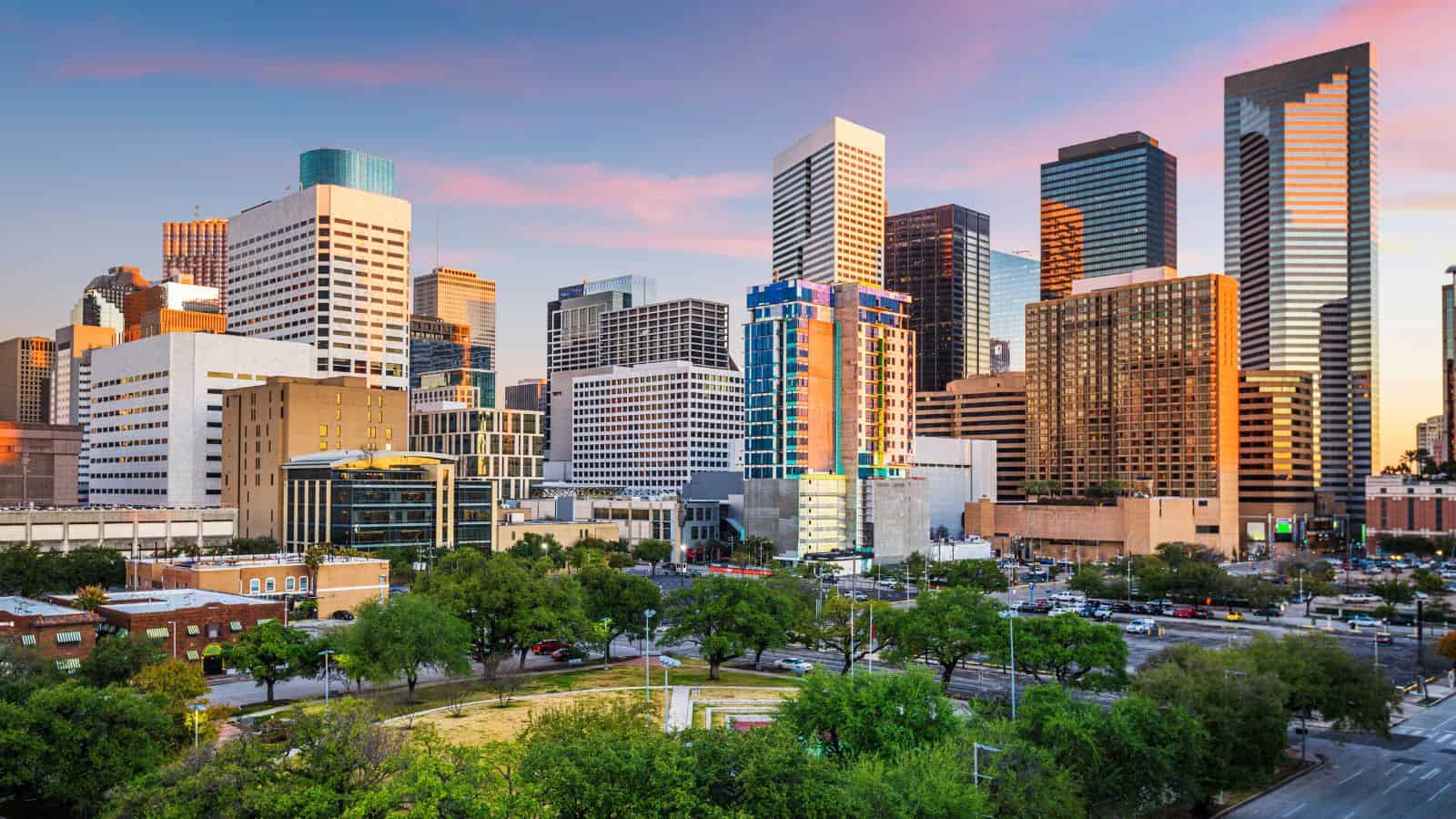
Texas often feels difficult to grasp on a first visit because of its size and strong regional differences. A second trip benefits from understanding that cities like Austin, Houston, Dallas, and West Texas operate almost independently. Familiarity helps travelers choose one or two regions rather than attempting long cross-state drives. Knowing driving times, climate variation, and local rhythms improves planning and reduces fatigue. Repeat visits often focus on food scenes, music, or specific landscapes rather than broad coverage. Texas becomes more approachable once travelers stop treating it as a single destination and start engaging with it region by region.
Want to save this?
Louisiana

First-time visits to Louisiana often revolve around major events or short stays in New Orleans. Returning allows travelers to experience everyday rhythms beyond festival schedules. Familiarity with neighborhoods, transit patterns, and pacing makes movement easier and more relaxed. Repeat visits often include smaller towns, river regions, or extended time in residential areas. Weather expectations and seasonal timing become clearer, helping with trip planning. Louisiana reveals more depth once travelers move past surface-level highlights and spend time observing daily life, music culture, and local routines that are harder to notice during brief, high-energy visits.
Oregon
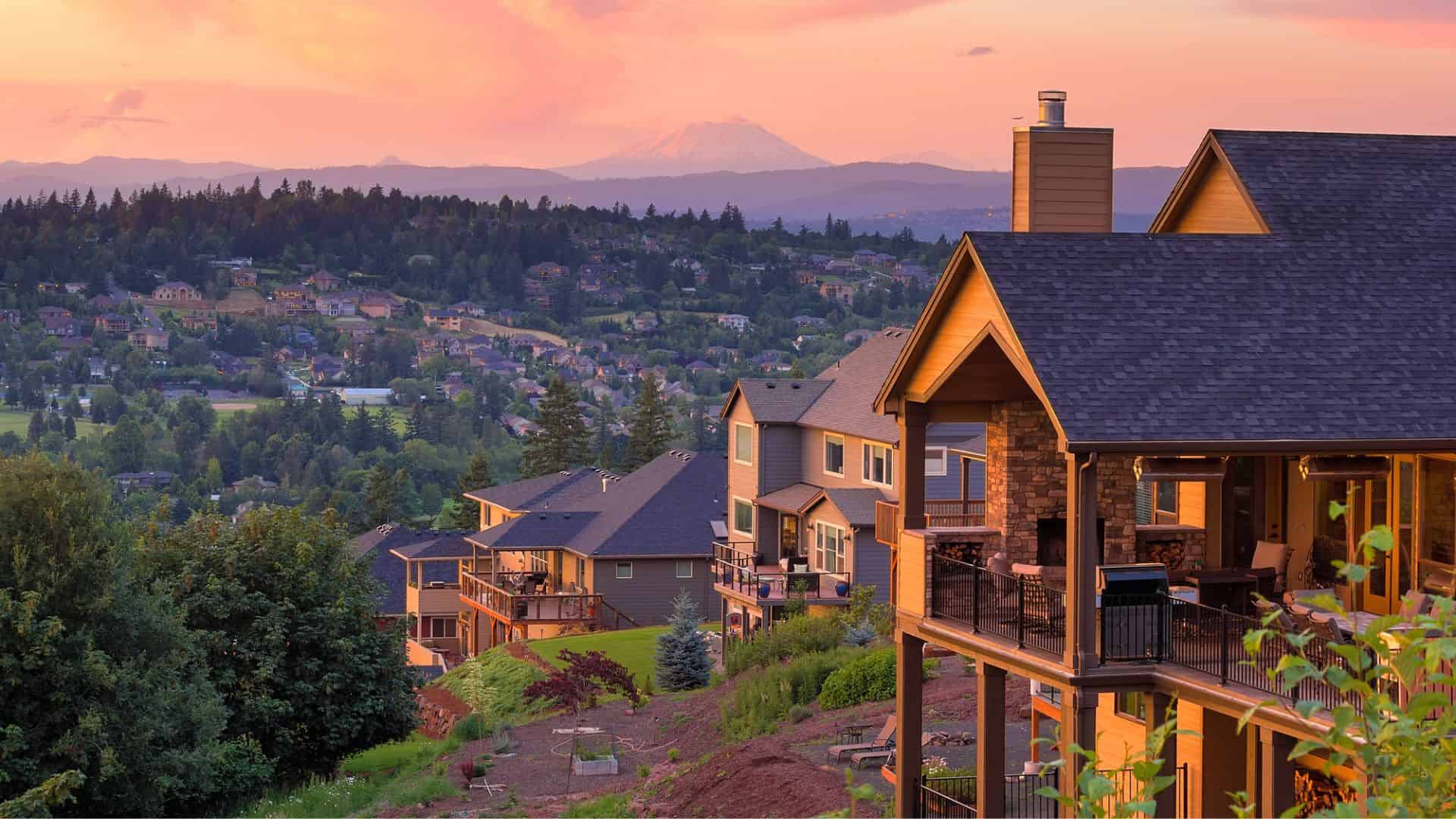
Oregon’s appeal often unfolds slowly, which can be difficult to absorb on a first visit. A second trip benefits from understanding how distance, weather, and terrain shape travel days. Familiarity helps travelers plan routes more effectively between the coast, forests, high desert, and cities. Repeat visitors often slow their pace, choosing fewer stops and spending more time in each area. Seasonal awareness improves experiences, especially regarding rain, wildfire risk, and road conditions. Oregon tends to resonate more once travelers adjust expectations and allow geography, light, and timing to guide the journey.
Maine

Maine can feel crowded or rushed on a first visit, especially during peak summer months. Returning allows travelers to adjust timing, base locations, and daily schedules. Familiarity helps identify quieter stretches of coastline and inland towns beyond headline locations. Understanding distances between coastal villages improves pacing and reduces backtracking. Repeat visits often focus on fewer areas, with more time spent walking, driving secondary roads, or staying put. Maine becomes more rewarding once travelers learn when to move and when to stay still, allowing the state’s rhythm to shape the experience.
Hawaii

First visits to Hawaii often focus on major landmarks and packed itineraries. A second trip shifts attention toward daily routines and neighborhood-scale exploration. Familiarity with island geography helps travelers choose better base areas and avoid long drives. Repeat visitors tend to slow down, spending more time on beaches, walking towns, or revisiting favorite spots. Understanding inter-island differences also shapes better choices about where to return. Hawaii often feels more grounded the second time around, when pressure fades and time is spent engaging with place rather than moving constantly between highlights.
11 US Spots Travelers Found Too Chaotic for First-Timers

While many iconic travel spots in the U.S. attract crowds year-round, some are especially overwhelming for first-time visitors. From the non-stop buzz of big cities to popular tourist hotspots, these places can leave even the most seasoned traveler feeling drained. The fast pace, dense crowds, and constant noise make it difficult to enjoy the true essence of the destination, often resulting in frustration. For those looking to explore without the chaos, it’s worth considering alternatives that offer a more relaxed experience.
Read More Here: 11 US Spots Travelers Found Too Chaotic for First-Timers
13 Tourist Spots Everyone Used to Love But Locals Now Avoid

Tourist spots don’t always stay as charming as they once were. A place that used to feel relaxed and welcoming can slowly turn into a crowded maze of tour groups, souvenir stalls, and inflated prices. Locals who grew up enjoying those streets, beaches, or landmarks often find themselves avoiding them altogether. In fact, there are 13 tourist spots that locals avoid now.
Read More Here: 13 Tourist Spots Everyone Used to Love But Locals Now Avoid

Leave a Reply