
Traveling to a new country can sometimes feel overwhelming, especially when language differences, transit systems, and local habits take time to figure out. Some Canadian cities stand out for how naturally comfortable they feel to visitors, even on a short stay. Clear street layouts, friendly interactions, and everyday routines that are easy to follow help travelers feel settled faster than expected. These places make it easier to focus on exploring neighborhoods, enjoying local spots, and moving through the city without constant planning or confusion. Instead of feeling like an outsider, visitors often find a steady rhythm within a day or two.
Feeling comfortable can change how a trip unfolds from start to finish. When navigating a city feels simple, there’s more time to slow down and notice small details that make travel meaningful. With these cities, planning feels lighter and days feel more balanced. Take time to explore the list, see which places match travel goals, and use it as a guide for choosing a Canadian city that feels easy to step into and hard to rush through.
Victoria, British Columbia

Victoria feels approachable almost immediately due to its compact core and clear relationship with the waterfront. Many daily needs sit within walking distance, which reduces reliance on complex transit planning. Streets follow a legible pattern, and landmarks such as the Inner Harbour help with orientation early on. The city moves at a steady pace, allowing visitors to settle into routines quickly rather than rushing between areas. Parks, coastal paths, and residential streets connect smoothly, reinforcing familiarity through repeated movement. Victoria suits travelers who appreciate calm surroundings, consistent scale, and a city structure that supports ease of movement from the first day.
Quebec City, Quebec

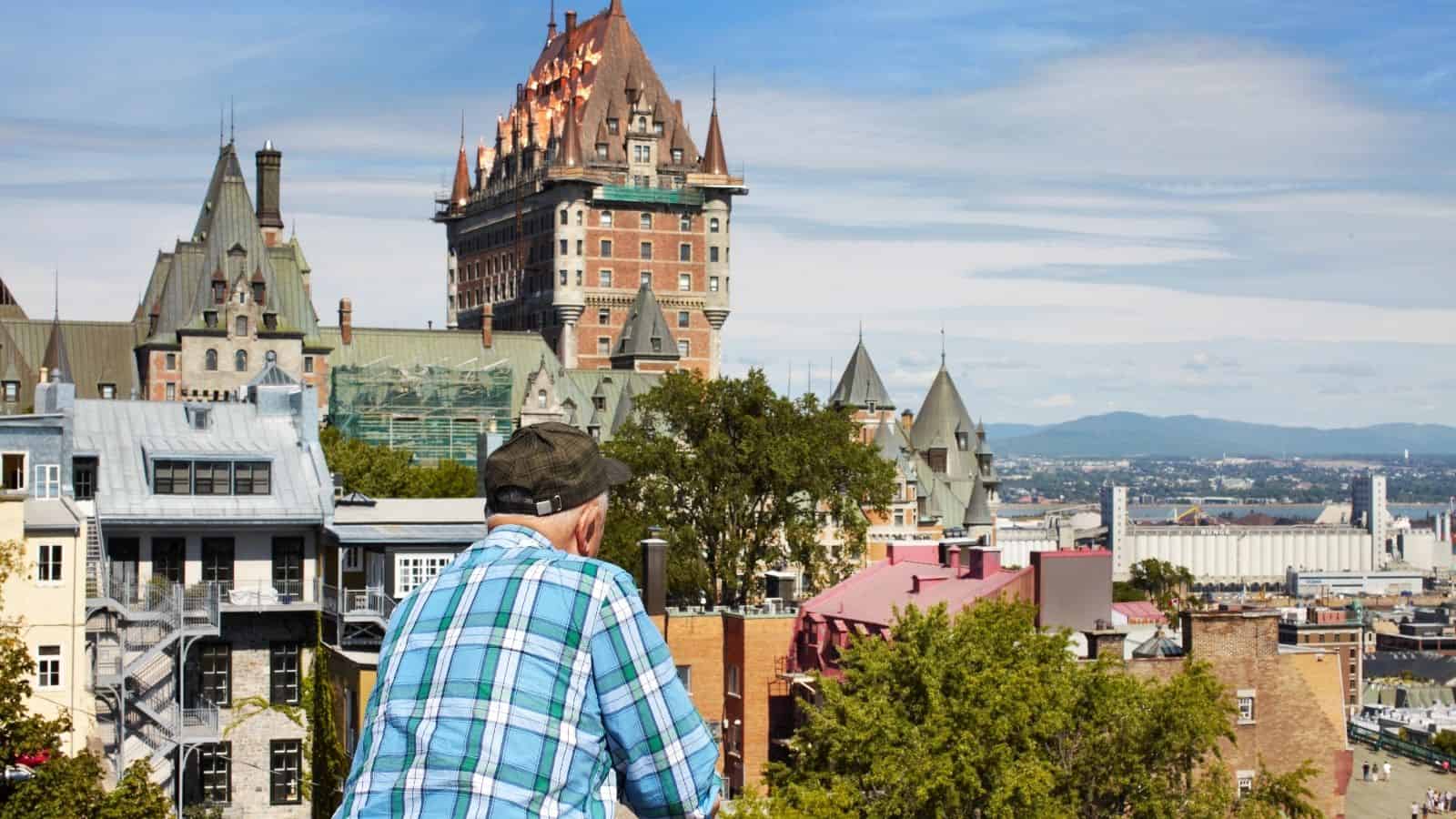
Quebec City’s historic center is dense but readable, which helps visitors feel grounded quickly. Upper Town and Lower Town are clearly divided, making spatial understanding easier despite elevation changes. Streets lead naturally toward major landmarks, reducing the need for constant navigation tools. Public transport and walking routes connect residential areas with central districts efficiently. Daily life remains visible, helping visitors understand rhythms beyond sightseeing. The city feels cohesive rather than sprawling, which supports confidence in movement. Quebec City works well for travelers who value defined districts, strong identity, and an environment where orientation improves rapidly through exploration.
Halifax, Nova Scotia
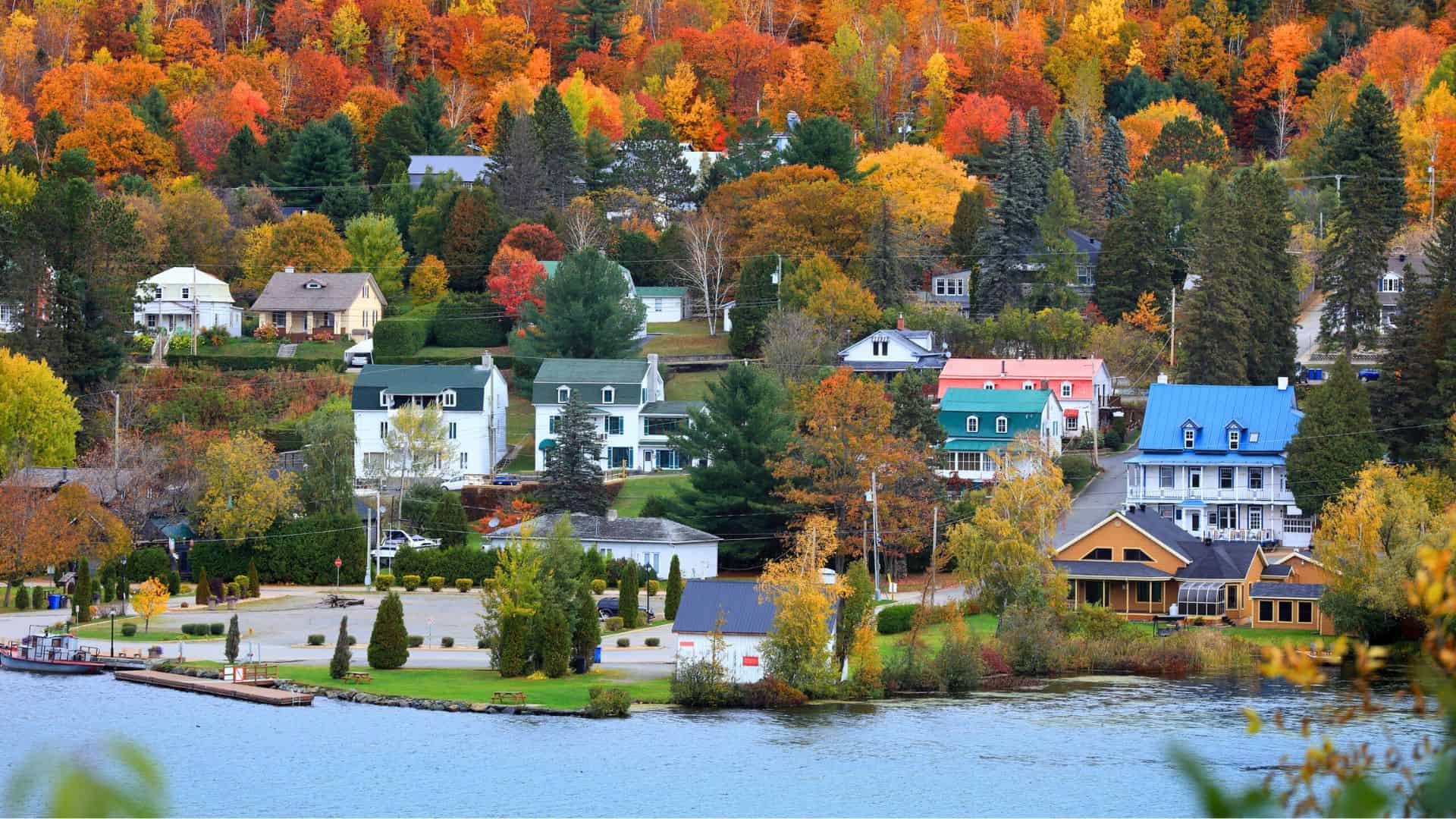
Halifax benefits from a small downtown framed by the harbor, which creates a strong sense of direction. Many cultural spaces, services, and gathering areas cluster near the waterfront, simplifying daily movement. Streets rise gradually from the harbor, helping visitors maintain spatial awareness. The city’s size supports walking while still feeling active, and public transport routes remain easy to understand. Neighborhoods connect naturally to the center without sharp transitions. Halifax suits travelers who prefer cities where geography plays a clear role in navigation and where daily routines can form without mastering a complex urban system.
Kingston, Ontario

Kingston feels comfortable due to its human-scale layout and visible landmarks tied to the waterfront and historic core. Streets follow consistent patterns, making orientation straightforward even for short stays. Many neighborhoods sit close to downtown, reducing travel time between daily destinations. The presence of a university shapes predictable routines and keeps services concentrated. Walking remains practical across much of the city, reinforcing familiarity quickly. Kingston works well for visitors who value clarity, manageable distances, and a city structure that supports settling in without needing extensive planning or repeated course corrections.
Guelph, Ontario

Guelph’s structure centers around a defined downtown, which helps visitors establish orientation early. From this core, residential streets and green spaces extend in an orderly way, making movement predictable. Daily life tends to cluster locally, reducing the need to travel far for basic needs. The city’s pace supports routine-building rather than constant adjustment. Walking and short transit trips cover most destinations, reinforcing familiarity through repetition. Guelph suits travelers who prefer smaller cities where layout, scale, and daily patterns make it easy to feel settled without the complexity found in larger urban centers.
Sherbrooke, Quebec
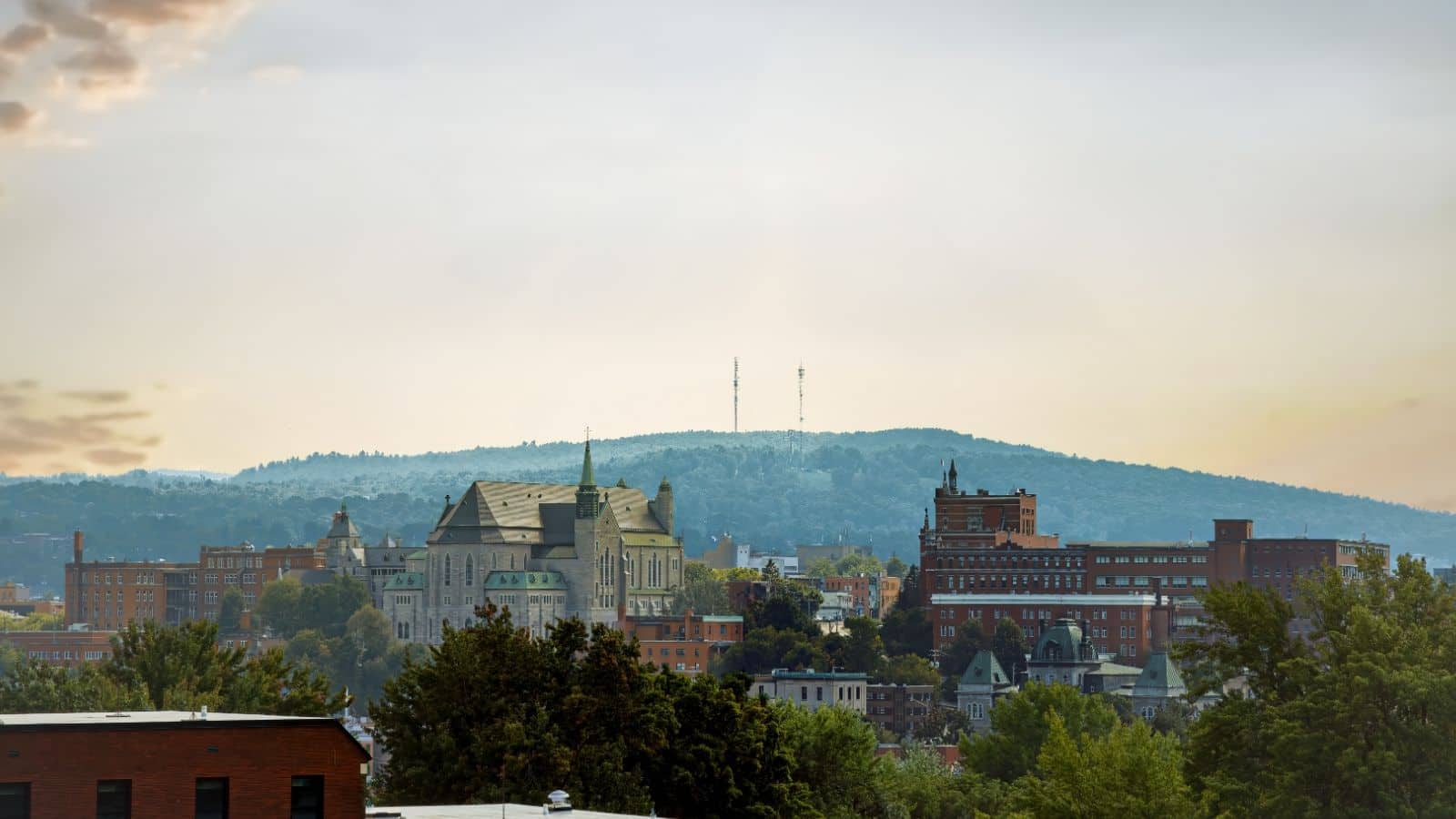
Sherbrooke feels easy to settle into due to its manageable size and clearly defined districts. The city is shaped illustrating rivers and gentle elevation changes, which help visitors maintain orientation without effort. Daily services, cultural spaces, and residential areas sit close together, reducing the need for long or complicated trips. Streets follow understandable patterns, and local routines remain visible throughout the day. Movement between neighborhoods feels gradual rather than abrupt. Sherbrooke suits travelers who appreciate cities where daily life unfolds at a steady pace and where familiarity develops naturally through repeated, uncomplicated routes.
Want to save this?
Charlottetown, Prince Edward Island

Charlottetown’s compact scale supports immediate comfort for visitors. The downtown core sits close to the waterfront, creating a strong reference point for orientation. Most destinations are reachable on foot, and streets remain calm even during busier periods. Daily routines are easy to observe, helping visitors understand how the city functions beyond sightseeing. Cultural venues, parks, and services cluster centrally, reducing navigation stress. Charlottetown works well for travelers who prefer short distances, visible landmarks, and cities where it’s possible to feel settled quickly without needing extensive planning.
Kelowna, British Columbia

Kelowna’s layout is shaped by Okanagan Lake, which provides a constant geographic reference that helps with orientation. Major roads follow the shoreline or connect directly to it, simplifying navigation. Daily life centers around the lakefront and nearby commercial areas, keeping movement patterns predictable. The city’s size allows for easy transitions between residential areas, parks, and central districts. Kelowna suits travelers who feel grounded by visible geography and who value cities where movement flows logically around natural features rather than dense urban grids.
Lethbridge, Alberta

Lethbridge feels comfortable due to its open layout and clear geographic markers. The river valley and coulees create strong visual boundaries that help visitors understand the city’s structure quickly. Roads are wide and clearly marked, reducing confusion during travel. Daily destinations are spread out but connected in a straightforward way, keeping navigation stress low. The city’s pace supports routine-building rather than constant adjustment. Lethbridge works well for travelers who appreciate openness, visible landmarks, and cities where movement feels intuitive rather than compressed.
St. John’s, Newfoundland and Labrador
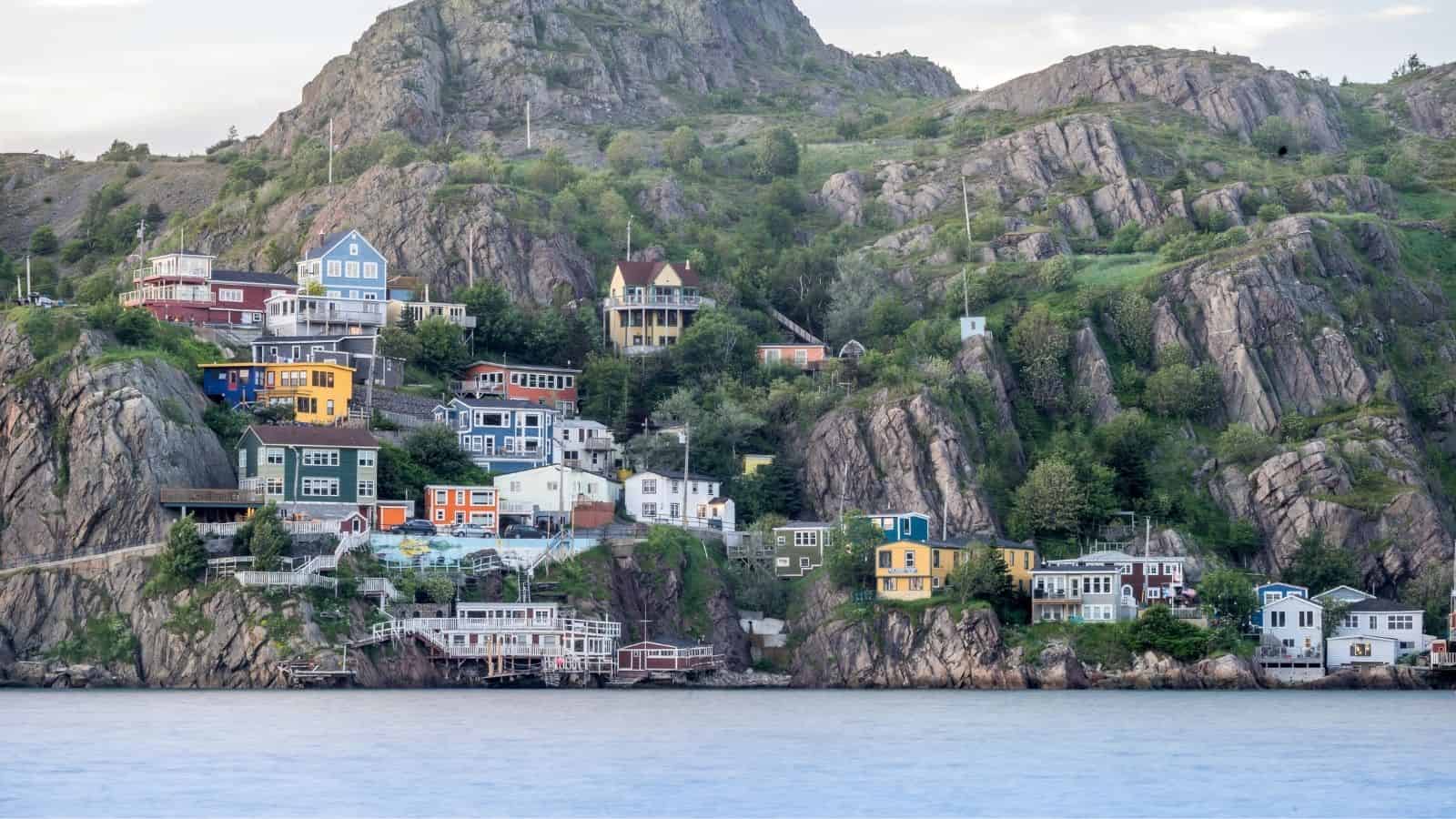
St. John’s offers comfort through strong neighborhood identity and a distinct sense of place. Colorful streets and coastal geography create memorable reference points that help visitors orient themselves quickly. The downtown core remains compact, while surrounding neighborhoods connect through recognizable routes. Daily life unfolds visibly, reinforcing familiarity over short stays. The city’s rhythm supports walking and short drives rather than complex transit planning. St. John’s suits travelers who value character, clear visual cues, and cities where identity helps reduce the feeling of disorientation.
Moncton, New Brunswick
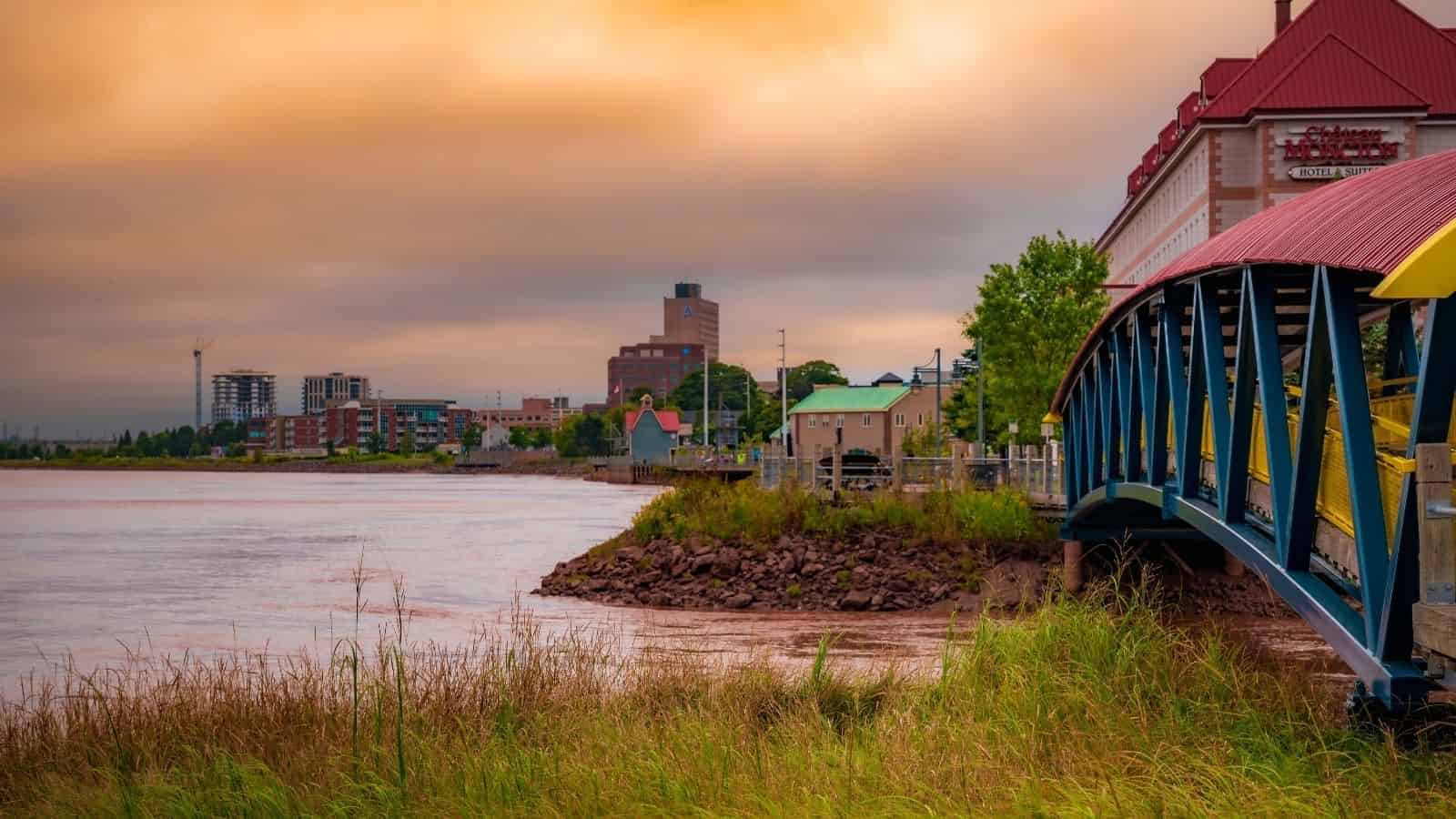
Moncton’s flat terrain and clear road network make navigation simple even for first-time visitors. Commercial areas, residential neighborhoods, and public services are laid out in a logical pattern that reduces guesswork. Daily movement tends to follow predictable routes, which helps visitors settle in quickly. The city functions as a regional hub while maintaining an approachable scale. Moncton works well for travelers who appreciate straightforward layouts, easy orientation, and cities where familiarity develops through consistency rather than complexity.
13 Things Tourists Should Never Do in Canada

Canada, known for its friendly people and stunning landscapes, is a popular destination for travelers. However, even the most seasoned visitors can sometimes unknowingly break local customs or make mistakes that could lead to awkward situations. The country's laid-back nature and open-door policy shouldn't fool anyone into thinking that anything goes.
Learn more here: 13 Things Tourists Should Never Do in Canada
10 Surprises Americans Aren’t Expecting on Their First Trip to Canada

Visiting Canada might feel familiar, but several small differences can catch Americans off guard. From tipping customs and sales tax included in prices to bilingual road signs and unexpected daylight saving rules, these details shape daily life north of the border. Even how to queue at a bus stop or tap a transit card can cause a moment of uncertainty. Knowing what to expect keeps these surprises from turning into delays or awkward conversations, so the trip unfolds smoothly from start to finish.
Learn more here: 10 Surprises Americans Aren’t Expecting on Their First Trip to Canada



Leave a Reply