
January trips often come with packed attractions and long waits, but smart timing can change that. Rising interest in quieter places reflects a desire for calmer streets, better value, and a slower pace. These are spots that work well when many travelers stay home or head elsewhere.
Traveling during quieter weeks can make planning simpler and days feel less rushed. With these places, it becomes easier to focus on sightseeing, local culture, and relaxed schedules. Take a look at the list, see what fits your personal plans, and start mapping out a January 2026 trip worth taking.

Oaxaca, Mexico

January marks a reset period in Oaxaca after the December holiday surge fades. Streets, markets, and surrounding villages return to everyday routines, which reduces congestion and shortens wait times across the city. Weather conditions stay dry with moderate daytime temperatures, supporting walking, regional bus travel, and day trips to nearby archaeological sites and mountain towns. Cultural institutions, workshops, and galleries operate on regular schedules rather than festival pacing. Accommodation availability improves compared with late December, and prices stabilize. January suits travelers who want steady days shaped by local life, with enough activity to stay engaged without navigating heavy seasonal pressure.
Lisbon, Portugal

Lisbon in January sees a clear drop in visitor volume while remaining fully functional as a capital city. Cooler temperatures make hill climbs and long walks more manageable, especially through Alfama, Bairro Alto, and Baixa. Public transport runs normally, and ferry routes across the Tagus remain reliable. Museums, historic sites, and performance venues continue operating without peak-season queues. Accommodation rates tend to sit lower than in spring, and reservations become easier to secure on shorter notice. January travel in Lisbon fits those who want time to observe neighborhoods, architecture, and daily patterns without the compression of high-season tourism.
Buenos Aires, Argentina
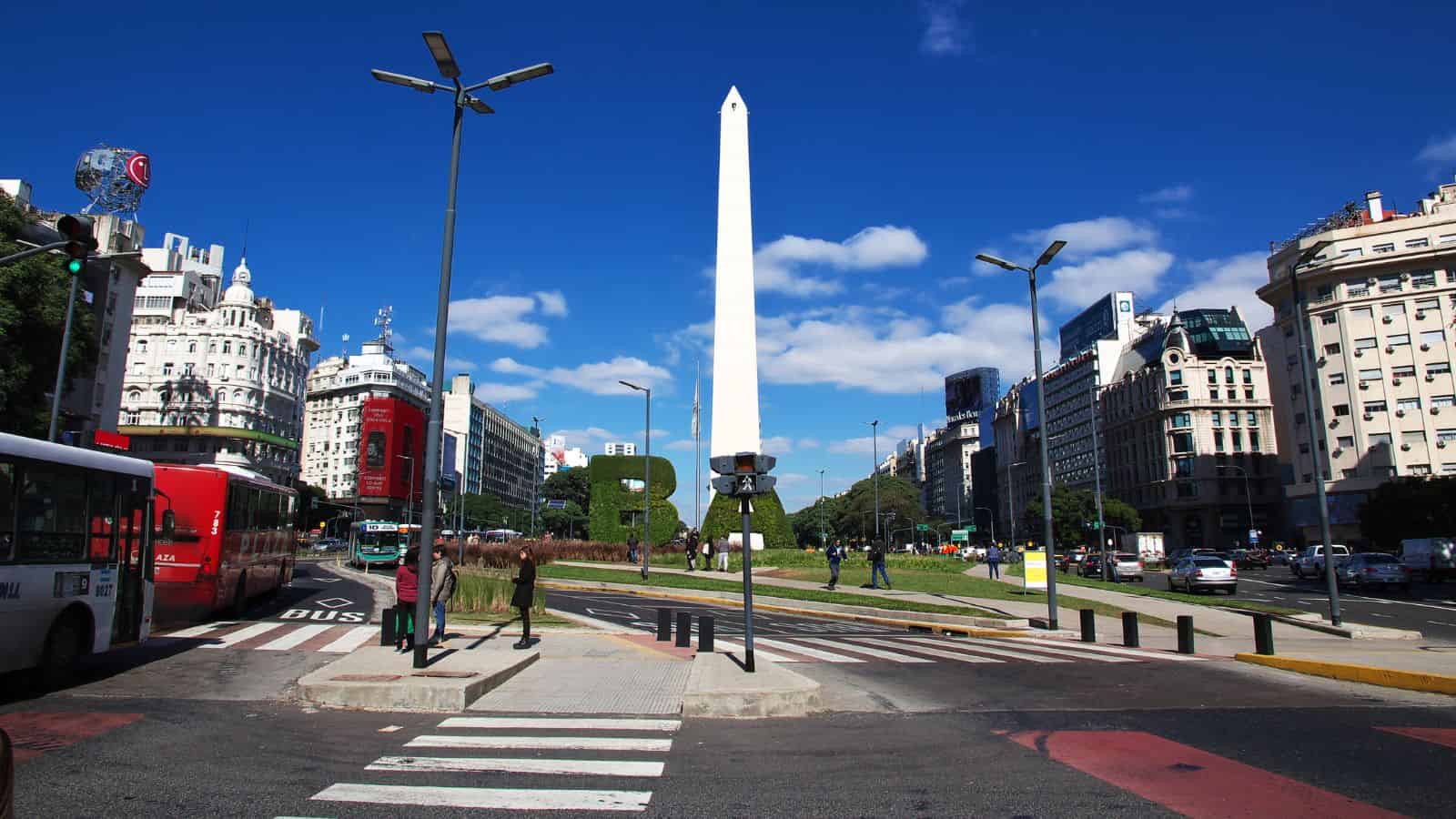
January places Buenos Aires in midsummer, which shifts travel patterns in ways that reduce international crowd density. Many locals travel domestically during this period, easing pressure on museums, cultural venues, and central neighborhoods. City life adjusts with later evenings and slower afternoons, allowing flexible pacing. Parks, pedestrian areas, and neighborhood centers remain active, shaping daily routines around outdoor movement. Transport links within the city continue running at full capacity, and regional connections remain accessible. January works well for travelers comfortable adapting schedules around heat while gaining easier access to cultural spaces and a more relaxed urban rhythm.
Sri Lanka (southwest & hill country)
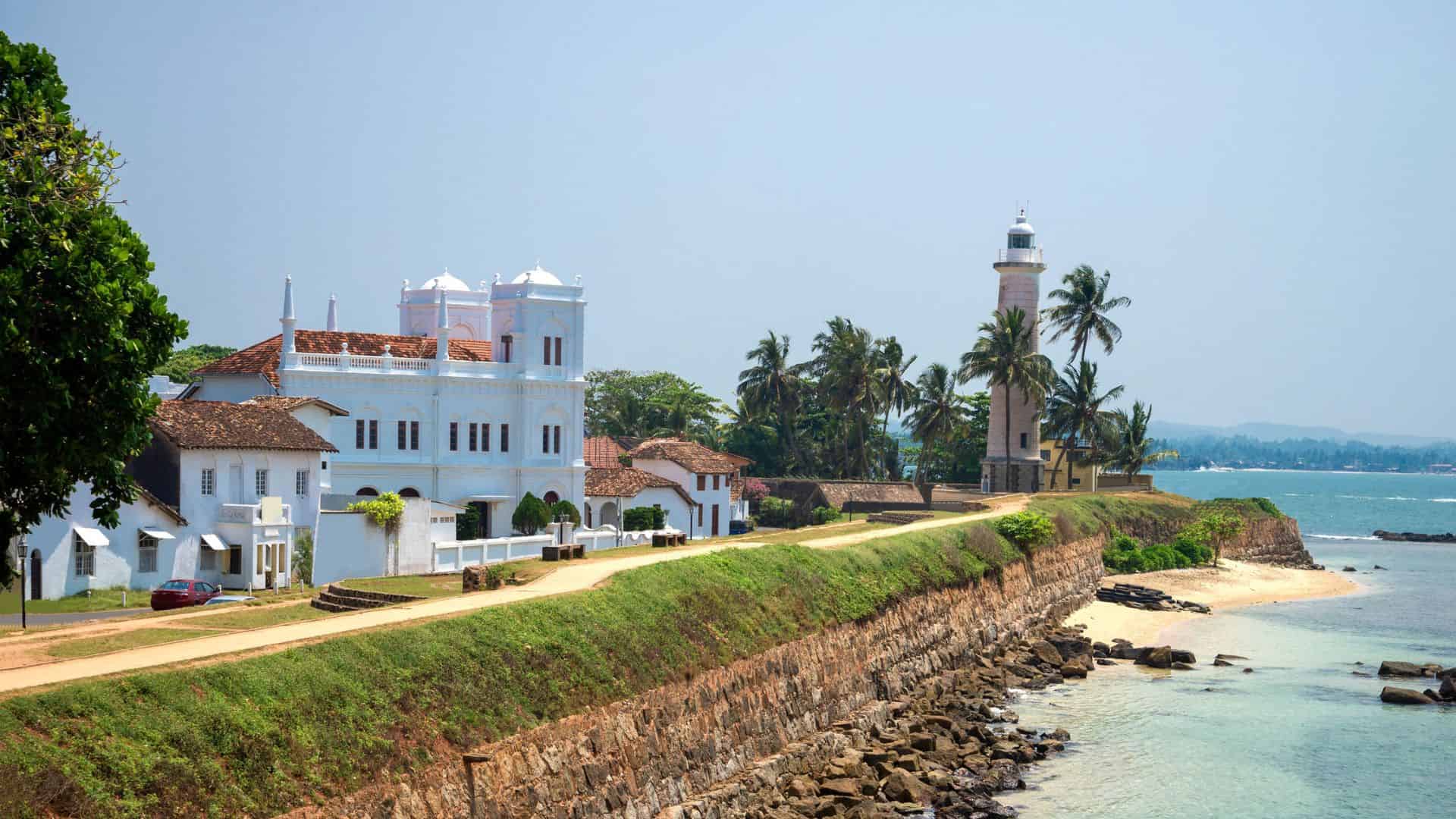
January aligns well with travel conditions in Sri Lanka’s southwest coast and central highlands. Rainfall stays limited across much of these regions, supporting rail travel, road routes, and inland movement without frequent disruption. Coastal towns, tea-growing areas, and historic cities remain accessible within a single itinerary. Visitor numbers stay balanced rather than compressed into short peak periods. National parks and cultural sites operate on normal schedules, allowing flexible planning. January suits travelers interested in combining coastal time with inland exploration, while keeping logistics straightforward and minimizing weather-related adjustments during transit-heavy travel days.
Cape Town, South Africa
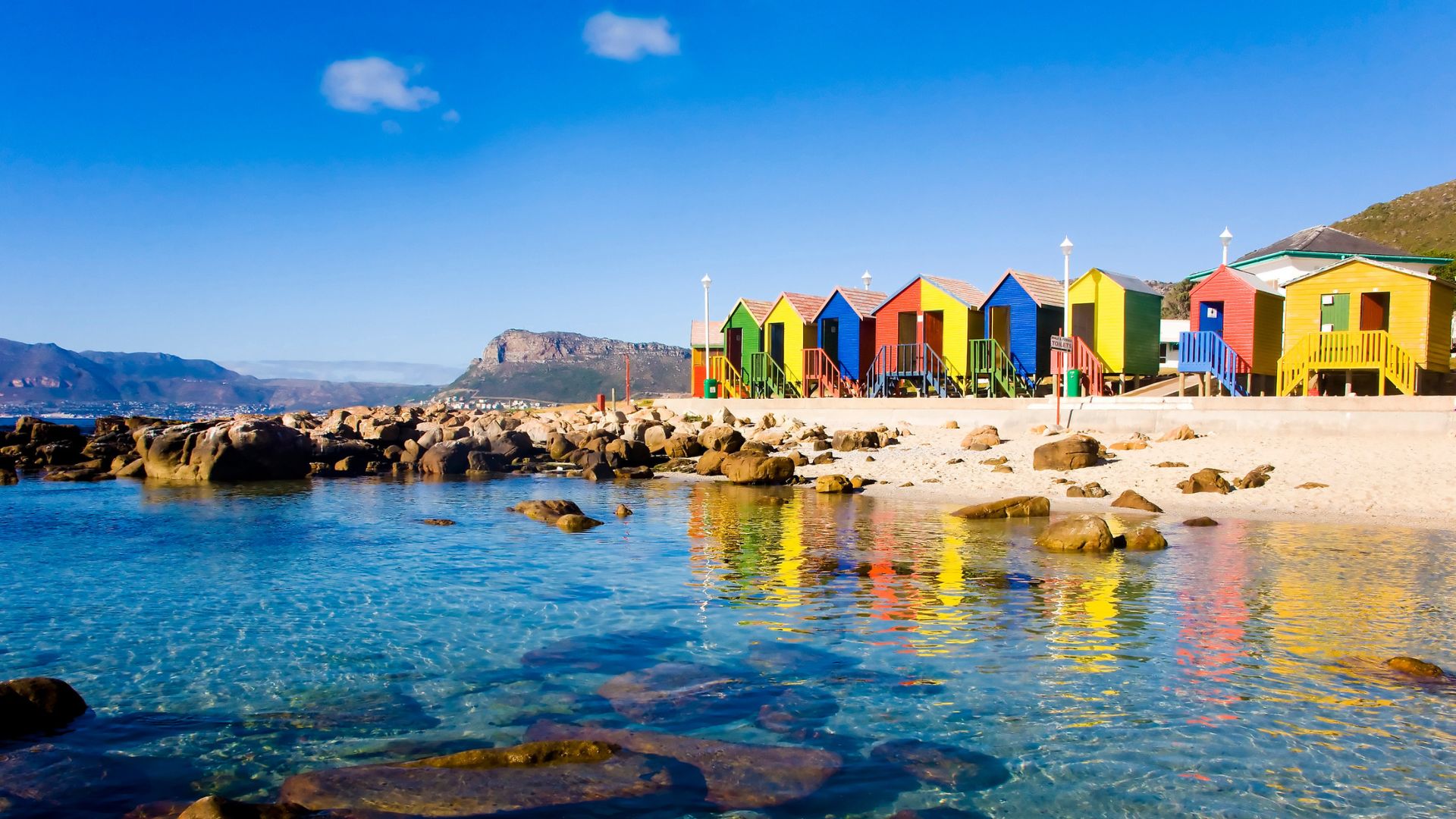
By January, Cape Town moves past the most intense holiday travel weeks while remaining in full summer mode. Daylight hours stay long, supporting coastal routes, mountain access, and extended outdoor plans. Beaches, parks, and surrounding nature areas remain active without the density seen in late December. Urban districts, galleries, and waterfront areas operate smoothly as seasonal routines settle. Transport infrastructure continues to handle visitor movement efficiently, and flight schedules remain frequent. January works well for travelers looking to balance city exploration with nearby landscapes while avoiding the compressed crowd patterns associated with peak festive travel.
Kyoto, Japan

January brings a noticeable calm to Kyoto as winter conditions reduce tour group volume. Temple grounds, historic streets, and residential areas become easier to navigate, allowing time to observe architectural detail and daily routines. Public transport continues operating reliably, and cultural sites maintain winter hours without large queues. Seasonal events and exhibitions appear across the city, adding context without crowd pressure. Accommodation availability improves compared with spring, and reservations become less competitive. January suits travelers interested in slower pacing, early mornings, and structured sightseeing without congestion, particularly those who prefer quieter urban environments over peak-season intensity.
Want to save this?
Morocco (Marrakech & Atlas region)
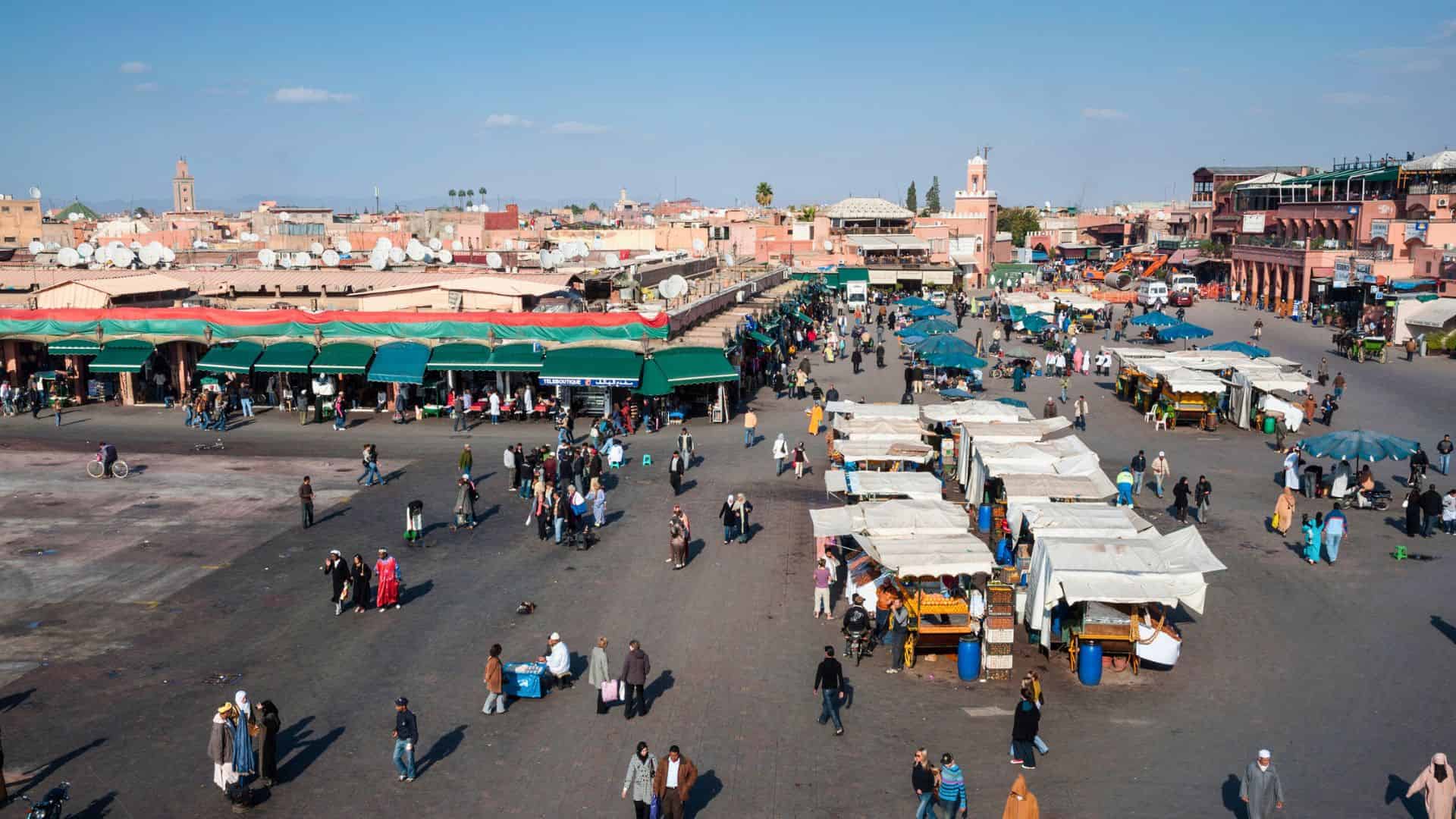
January is one of the most workable months for travel in Morocco’s interior regions. Cooler daytime temperatures allow movement through medinas, markets, and historic districts without heat strain. Routes into the Atlas Mountains remain accessible, supporting short excursions and overland travel beyond Marrakech. Visitor numbers remain steady rather than concentrated, making guided routes and transport simpler to arrange. Cultural spaces, regional towns, and lodging operate on normal schedules. January fits travelers planning a mix of city exploration and regional travel while avoiding the compressed visitor patterns seen during spring and major holiday periods.
Mexico City, Mexico
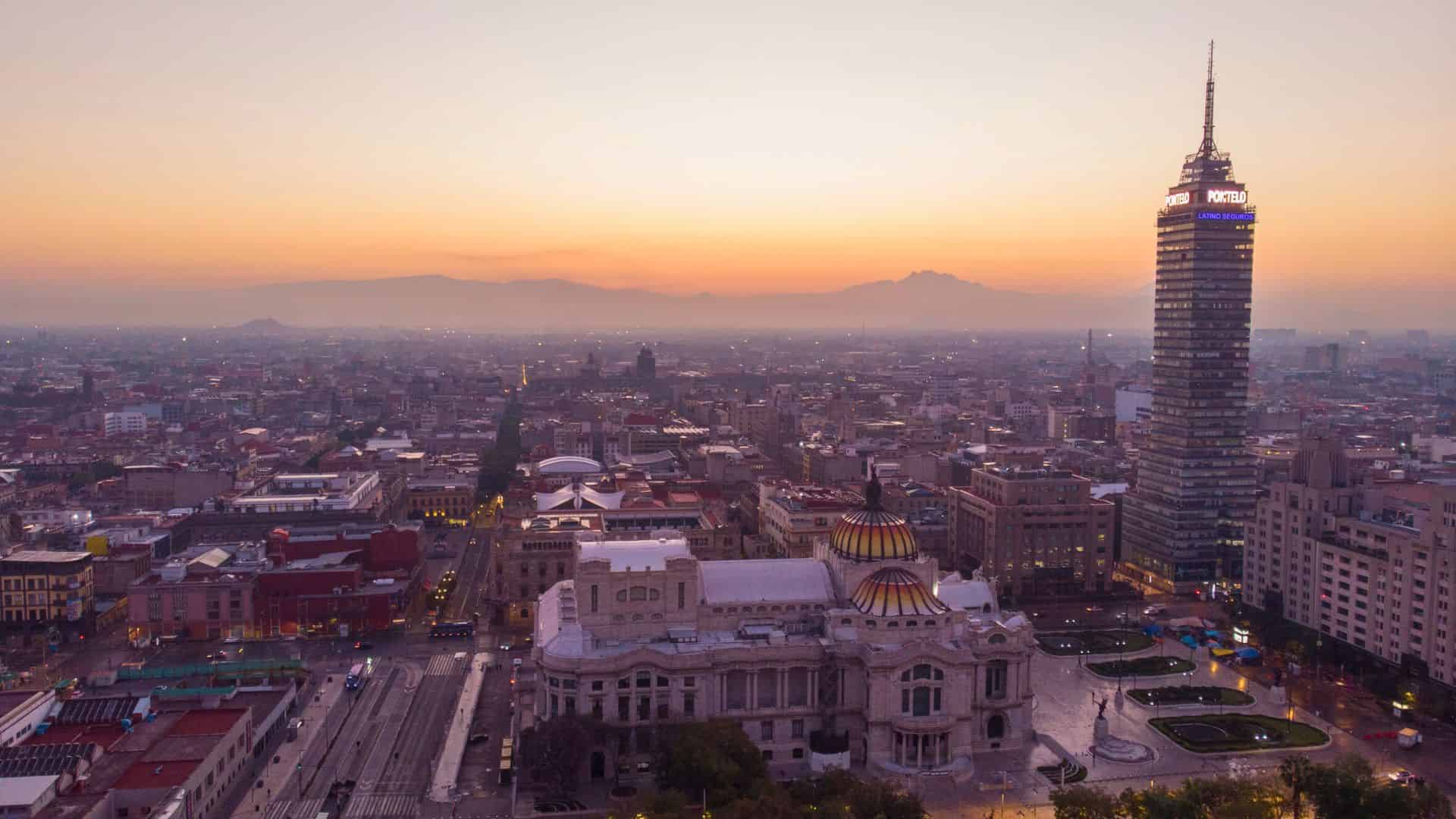
Mexico City in January benefits from the start of the dry season, which brings clearer skies and consistent daily conditions. Parks, plazas, and historic areas become easier to navigate without holiday congestion. Museums and cultural institutions return to standard operating schedules, reducing wait times. Public transport remains reliable across the city’s vast neighborhoods, supporting long walking days combined with transit use. Accommodation availability improves after December, and pricing stabilizes. January suits travelers interested in extended urban exploration, layered history, and neighborhood-level movement without the crowd density associated with peak international winter travel.
Tasmania, Australia

January places Tasmania in mid-summer, with road access fully open across national parks, coastal routes, and inland regions. Despite the season, visitor density stays moderate compared with mainland Australia. Loop-style road trips remain practical, with manageable drive times between towns and natural areas. Urban centers such as Hobart support cultural programming, markets, and waterfront access, while rural areas maintain low population density. January fits travelers planning self-driven itineraries who want reliable weather conditions without navigating large-scale crowds or urban congestion.
Alentejo, Portugal
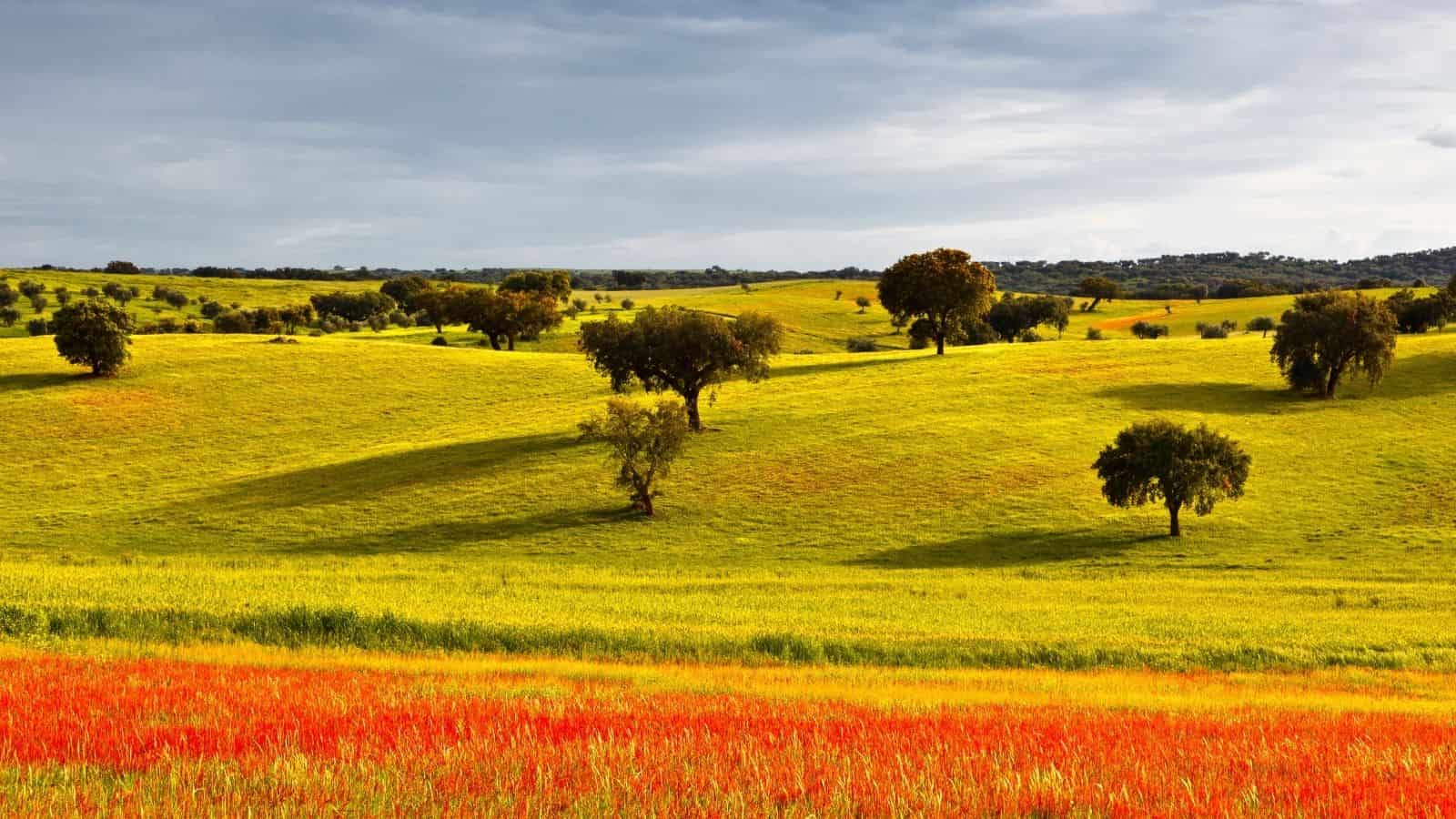
January keeps Alentejo quiet, as most European travel concentrates elsewhere during winter. Rural towns, inland routes, and Atlantic coastline areas remain accessible without traffic or crowd pressure. Road and rail connections from Lisbon continue operating smoothly, supporting short or extended stays. Local routines shape daily activity rather than tourism cycles, which simplifies planning. Accommodation clusters remain lightly occupied, and movement between towns stays straightforward. January works well for travelers seeking space, slower pacing, and regional exploration without the visitor density seen in southern Europe during warmer months.
Patagonia (Argentina & Chile)
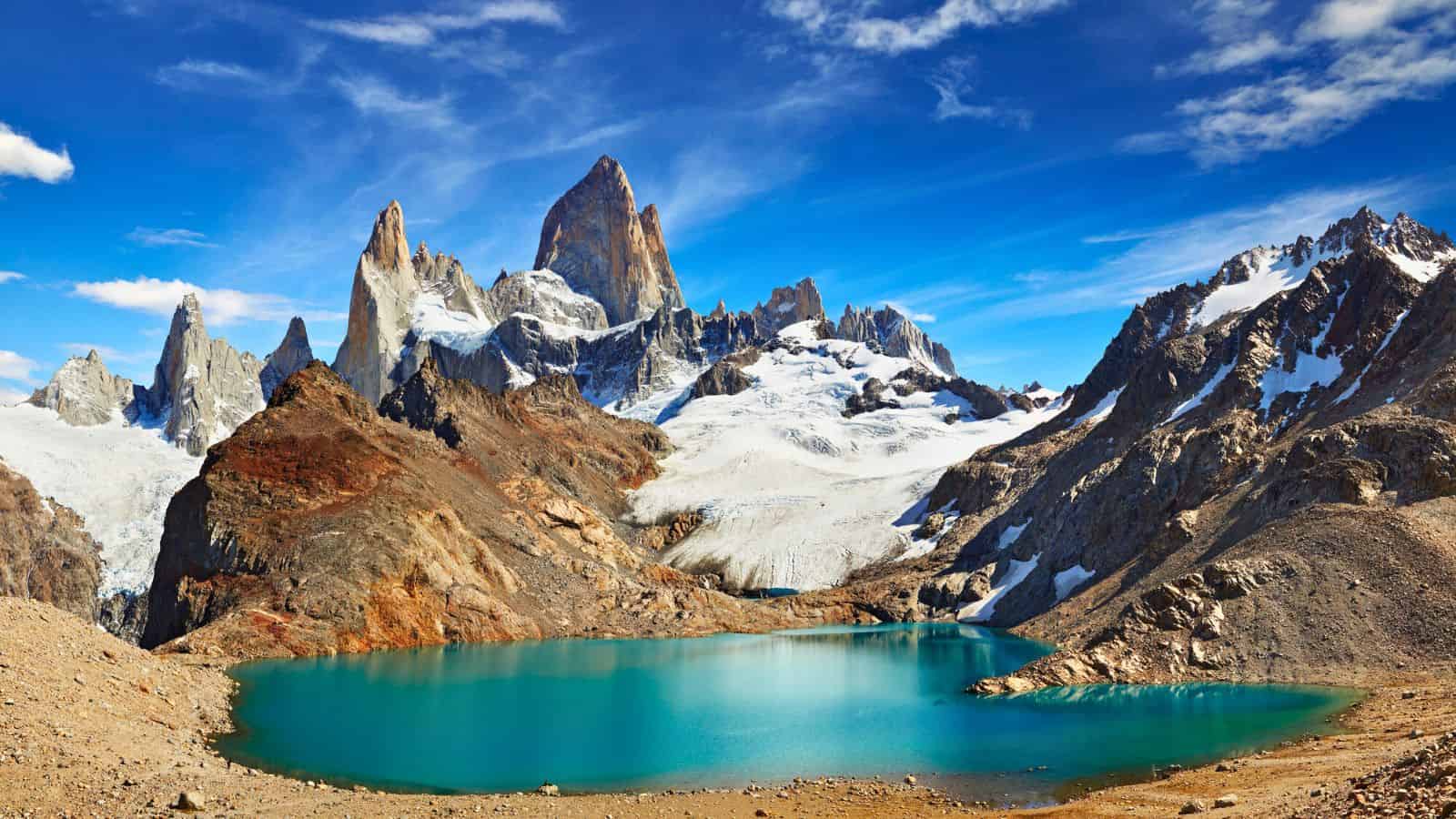
January sits within Patagonia’s most accessible travel period, with trails, ferry routes, and scenic roads open across key regions. While certain gateways see activity, much of the region remains lightly trafficked due to its size and logistics. Daylight hours extend well into the evening, supporting longer hiking and driving days. Transport networks and lodging operate at full scale, making advance planning more predictable. January suits travelers focused on landscapes and long-distance movement who want strong access conditions without consistently dense crowds.
13 Retirement Travel Destinations That Won't Drain Your Savings

Retirement is a time to explore new horizons, and there are 13 retirement travel destinations that won't drain your savings. Many retirees dream of traveling but worry about the costs associated with it. Fortunately, there are affordable destinations that offer rich experiences without breaking the bank, allowing retirees to enjoy their newfound freedom without financial stress.
Read More Here: 13 Retirement Travel Destinations That Won't Drain Your Savings
17 Places to Fly Internationally in 2025 That Won't Empty Your Wallet

Budget-friendly destinations! Traveling internationally doesn’t have to break the bank, especially in 2025. There are 17 places to fly internationally in 2025 that won't empty your wallet, offering exciting adventures without the hefty price tag. From vibrant cities to stunning natural landscapes, these destinations provide affordable options for travelers looking to explore the world.
Read More Here: 17 Places to Fly Internationally in 2025 That Won't Empty Your Wallet



Leave a Reply