
Some trips move fast by default. You land, rush around, take photos, then leave feeling like you barely caught your breath. Slower travel flips that script. It’s about staying long enough to learn the rhythm of a place, recognize familiar faces, and stop planning every hour. These 12 Asian countries that are better for slow trips are great for this style of travel.
When you travel slowly, places open up in practical ways. Transport makes sense. Errands feel normal. You learn when things happen and when they don’t. There’s less pressure to move on and more space to settle in. That’s when travel feels real instead of rushed. These are places that feel perfect for longer stays, where time becomes a friend instead of a problem, and being there matters more than ticking boxes.

Malaysia

Longer stays work well here thanks to smooth transport, clear signage, and a relaxed daily rhythm in many regions. Time spent in places like Penang or smaller towns reveals layered histories, everyday street life, and strong neighborhood identities. Monthly rentals are easy to find, while healthcare and connectivity support extended living. Moving slowly allows travelers to notice cultural patterns shaped by multiple communities and faiths. Days tend to unfold calmly, with space for routine walks, regular cafés, and short trips rather than constant motion.
Nepal

Nepal invites slow travel through its geography and pace of life. Extended stays make it possible to adjust to altitude, weather shifts, and local rhythms without strain. Time allows for gradual treks, village stays, and meaningful interactions beyond brief sightseeing. Cities like Kathmandu and Pokhara support long‑term living with affordable housing and strong traveler communities. Days often follow natural cycles shaped by daylight, weather, and community gatherings. Moving slowly through Nepal creates space for reflection, adaptation, and genuine connection.
India
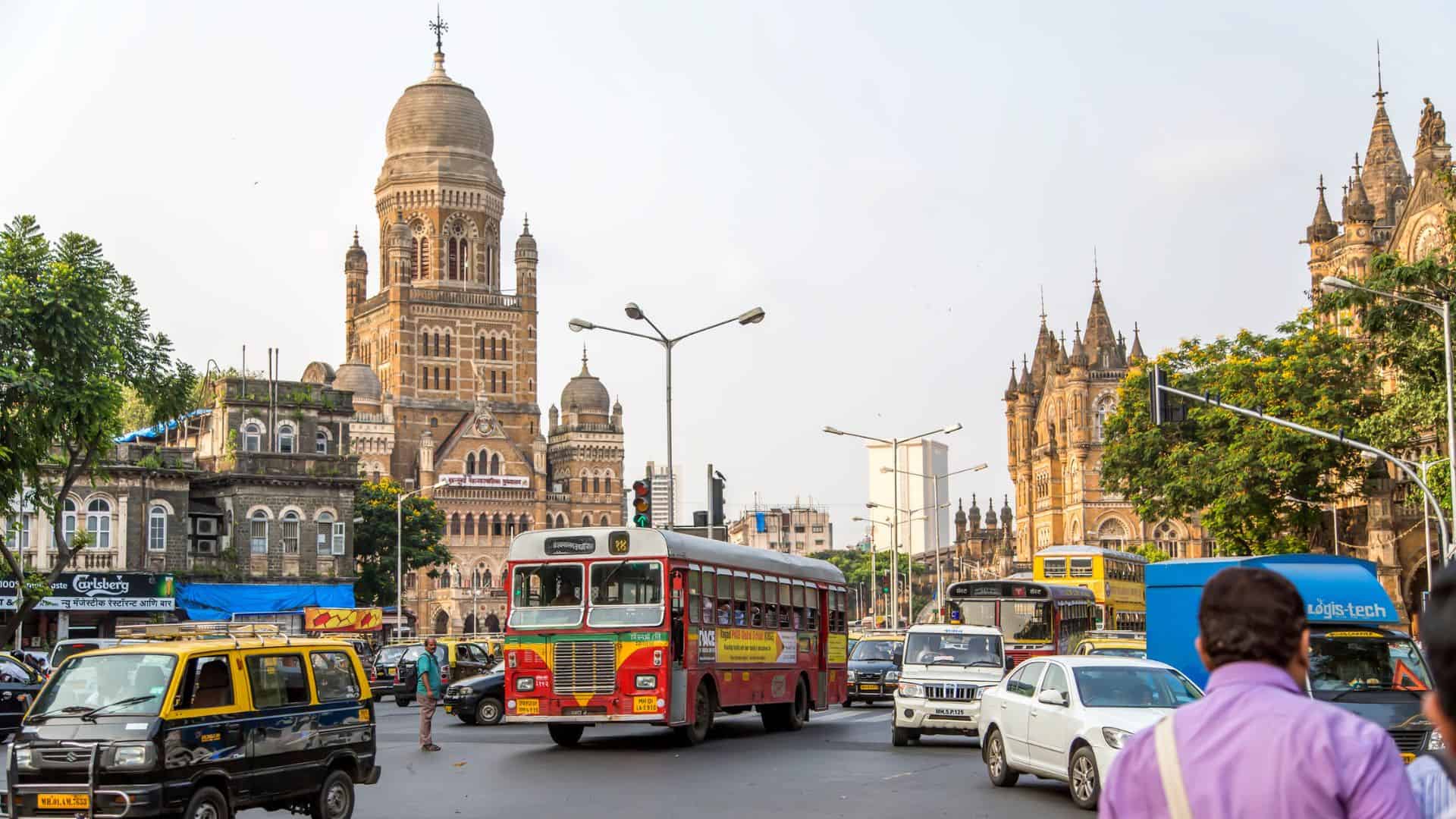
Few places reward slow travel as much as India. Its scale, diversity, and sensory intensity require time to absorb without exhaustion. Longer stays allow travelers to focus on one region, adapting gradually to climate, language, and social rhythms. Daily routines develop around local transport, neighborhood shops, and familiar faces. Moving slowly reduces strain while increasing understanding. Whether in cities, smaller towns, or rural areas, extended time creates space for learning, adjustment, and deeper awareness beyond surface impressions.
Indonesia

Indonesia feels best explored with patience due to its vast geography and cultural variety. Living for longer periods allows travelers to move between islands slowly, adjusting to local customs and daily schedules. Outside major tourist centers, life moves at a calmer tempo shaped by community events and seasonal changes. Monthly rentals are common, making it easier to settle in one place. Whether staying in Java, Bali’s quieter towns, or eastern islands, time allows relationships, routines, and familiarity to develop naturally.
South Korea
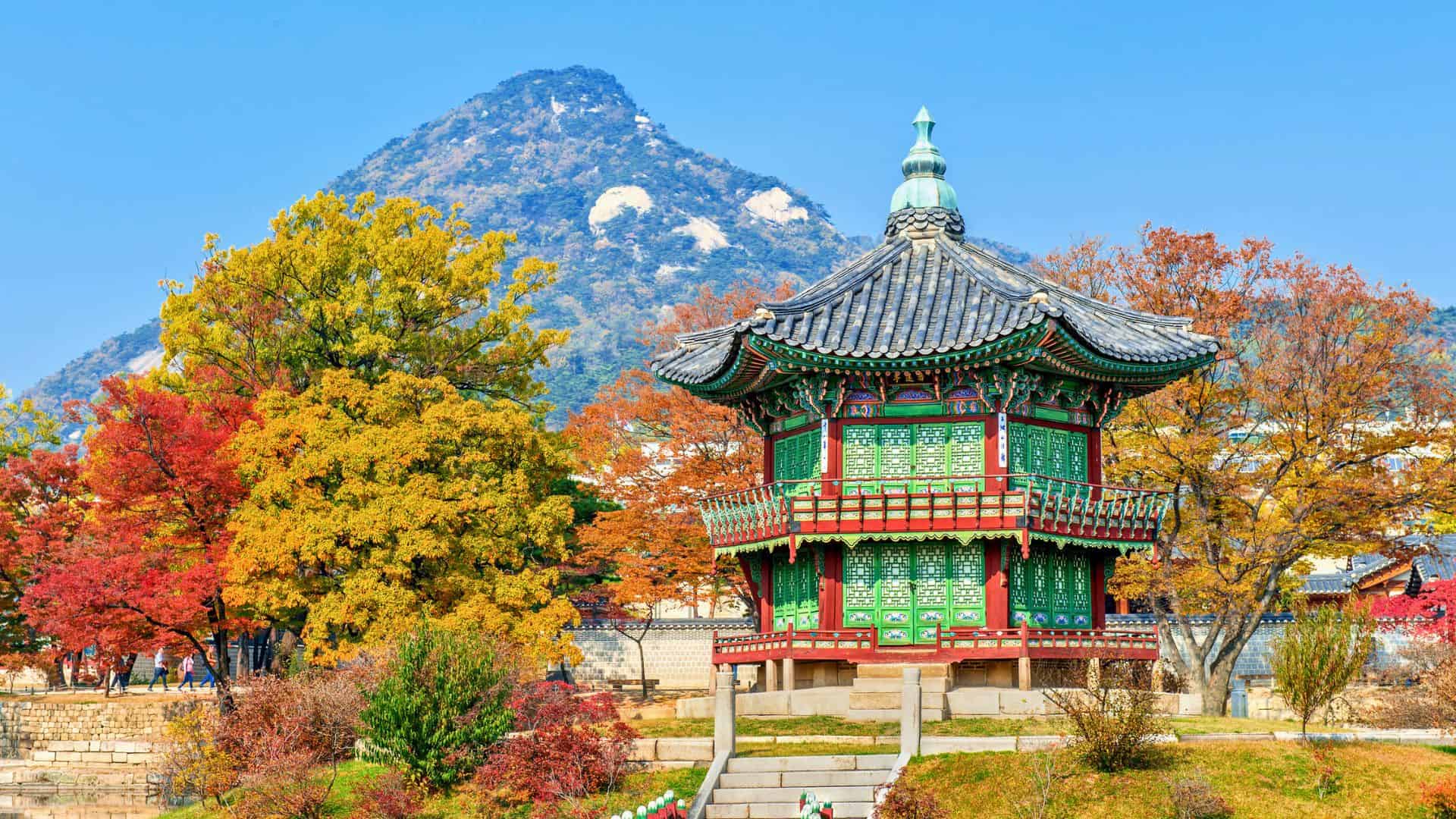
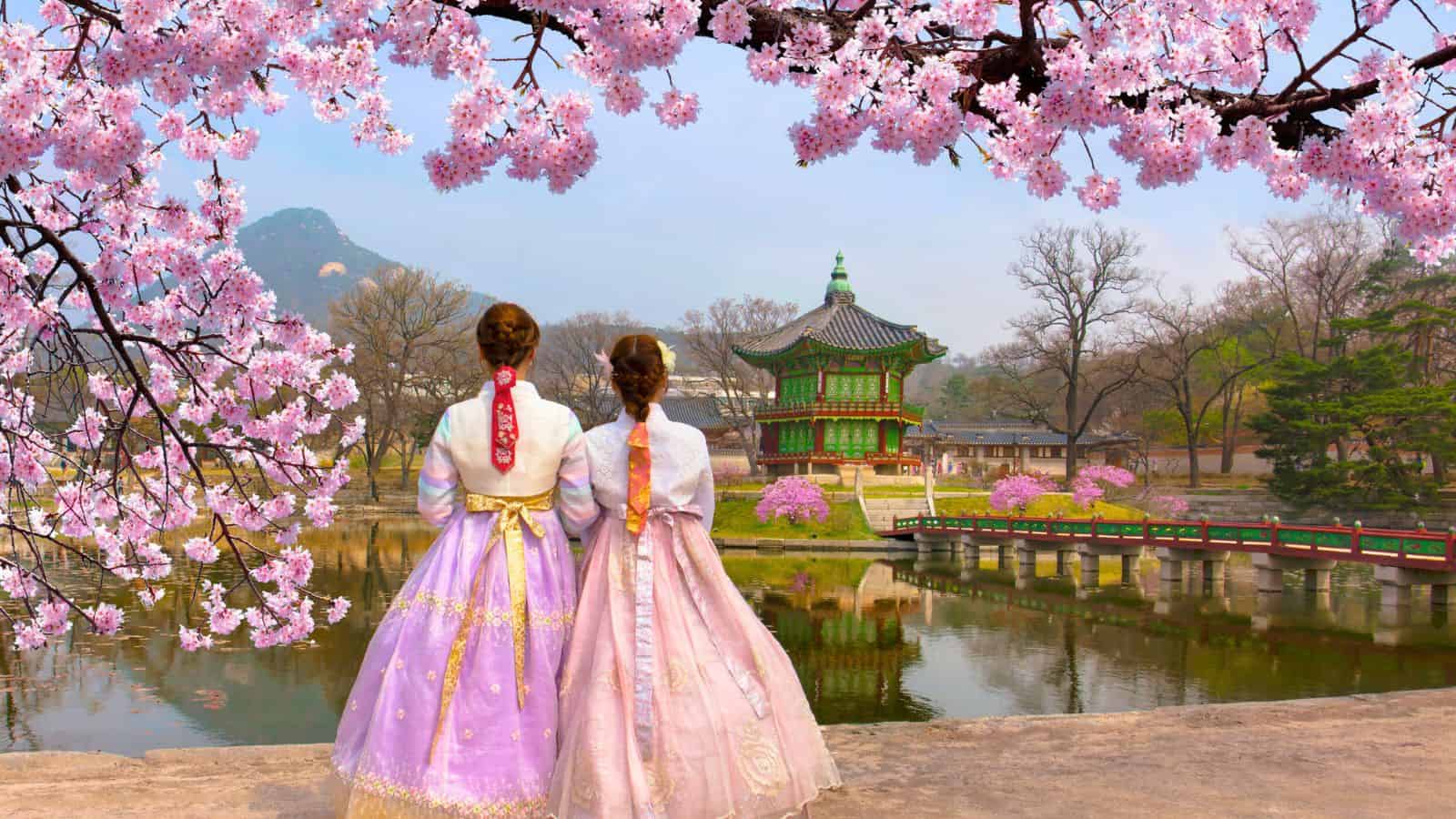
Extended visits reveal a side of South Korea often missed on short trips. Neighborhood life, local markets, and everyday routines become clearer after settling in. Efficient trains allow gradual exploration of regions without frequent packing. Living for longer periods highlights contrasts between fast‑paced city centers and quieter coastal or rural areas. Cafés and public spaces function as daily anchors, making routines easy to form. Over time, cultural habits, social cues, and seasonal changes become more understandable and less overwhelming.
Laos

Life moves gently across much of Laos, making rushed itineraries feel out of place. River travel, quiet towns, and limited transport schedules naturally slow movement. Staying longer allows adaptation to local timing, early mornings, and quieter evenings. Places like Luang Prabang or smaller riverside towns reveal more depth after weeks rather than days. Housing costs remain low, daily routines are simple, and social interactions develop gradually. Extended time helps travelers align with the country’s unhurried pace instead of pushing against it.
Sri Lanka
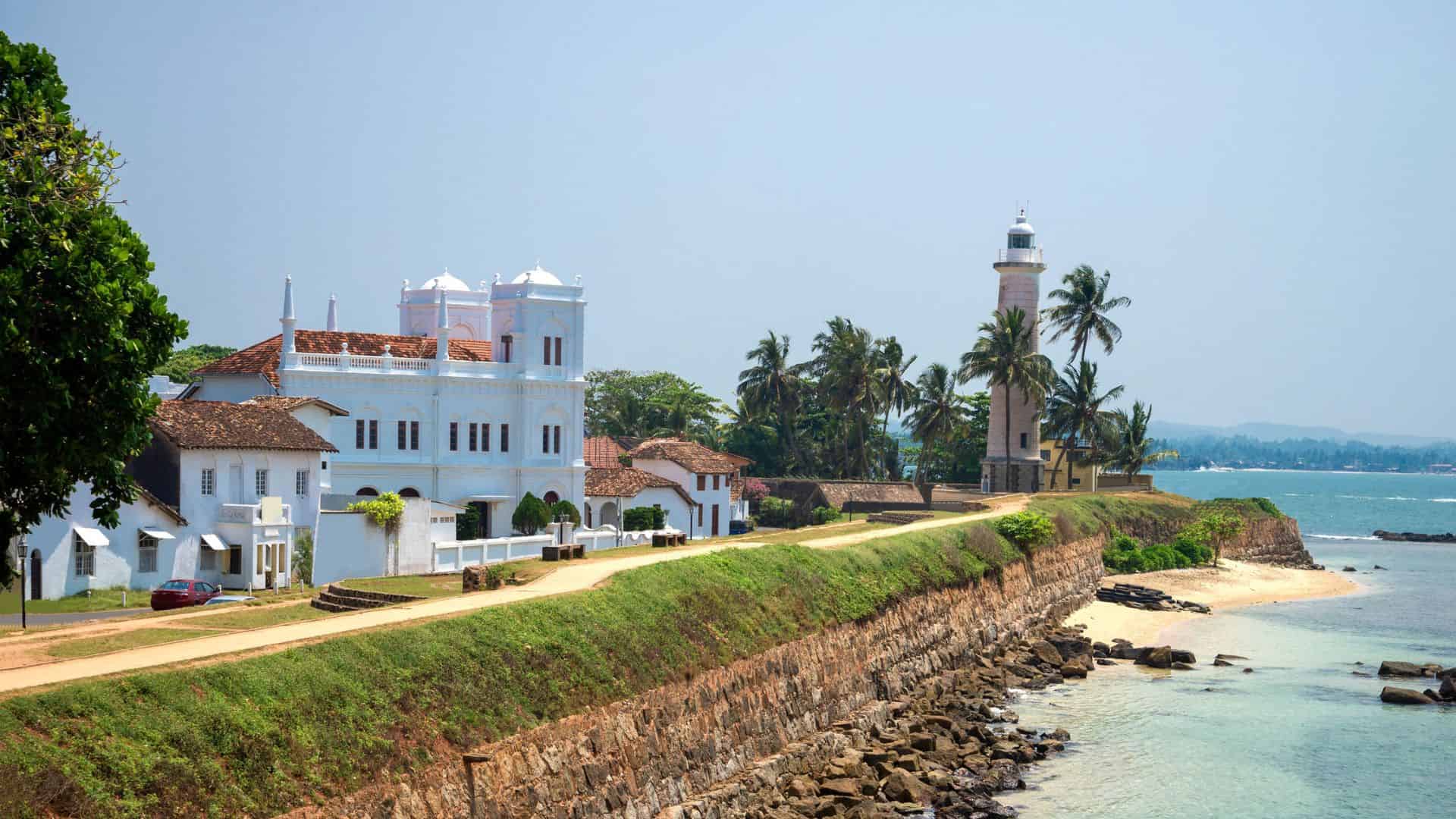
Sri Lanka’s compact size hides remarkable variety, best appreciated over weeks rather than days. Staying longer allows travelers to move gently between coastal towns, hill country, and historic cities while adjusting to climate changes. Rail routes encourage scenic, unhurried travel, and monthly rentals make settling in practical. Daily life unfolds at a steady tempo influenced by monsoon patterns and local customs. Spending extended time reveals regional identities and everyday routines that rushed itineraries often miss, making the journey feel grounded and immersive.
Want to save this?
Japan
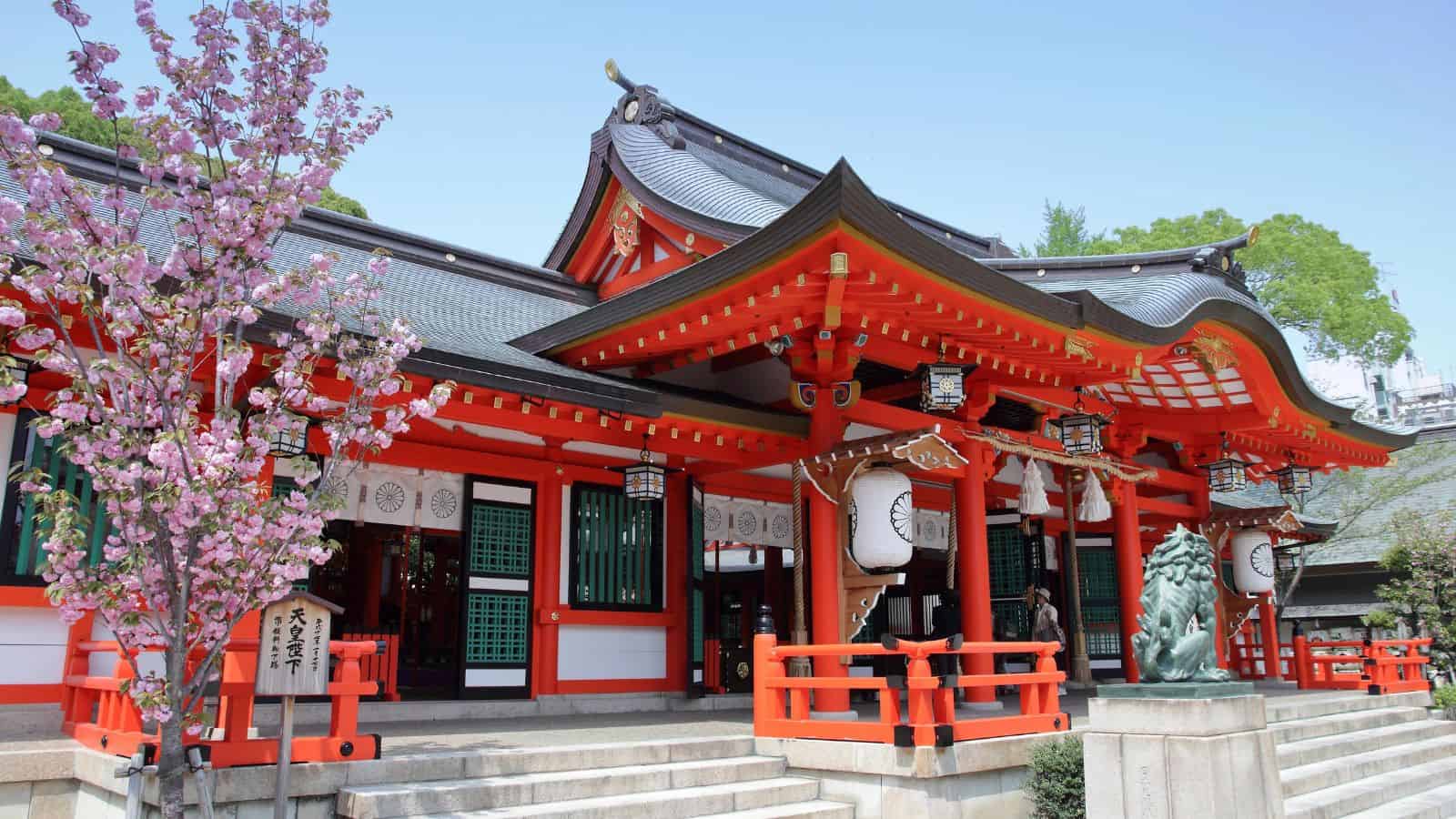
Japan supports long stays through safety, reliability, and deep regional character. Extended travel allows exploration beyond major cities into smaller towns, rural rail lines, and lesser‑known neighborhoods. Daily life becomes comfortable once routines form around trains, local shops, and neighborhood parks. Short visits barely scratch the surface of seasonal festivals, regional traditions, and everyday customs. Spending weeks or months lets travelers observe subtle differences between prefectures and city districts. The longer the stay, the clearer the social patterns and cultural depth become.
Thailand
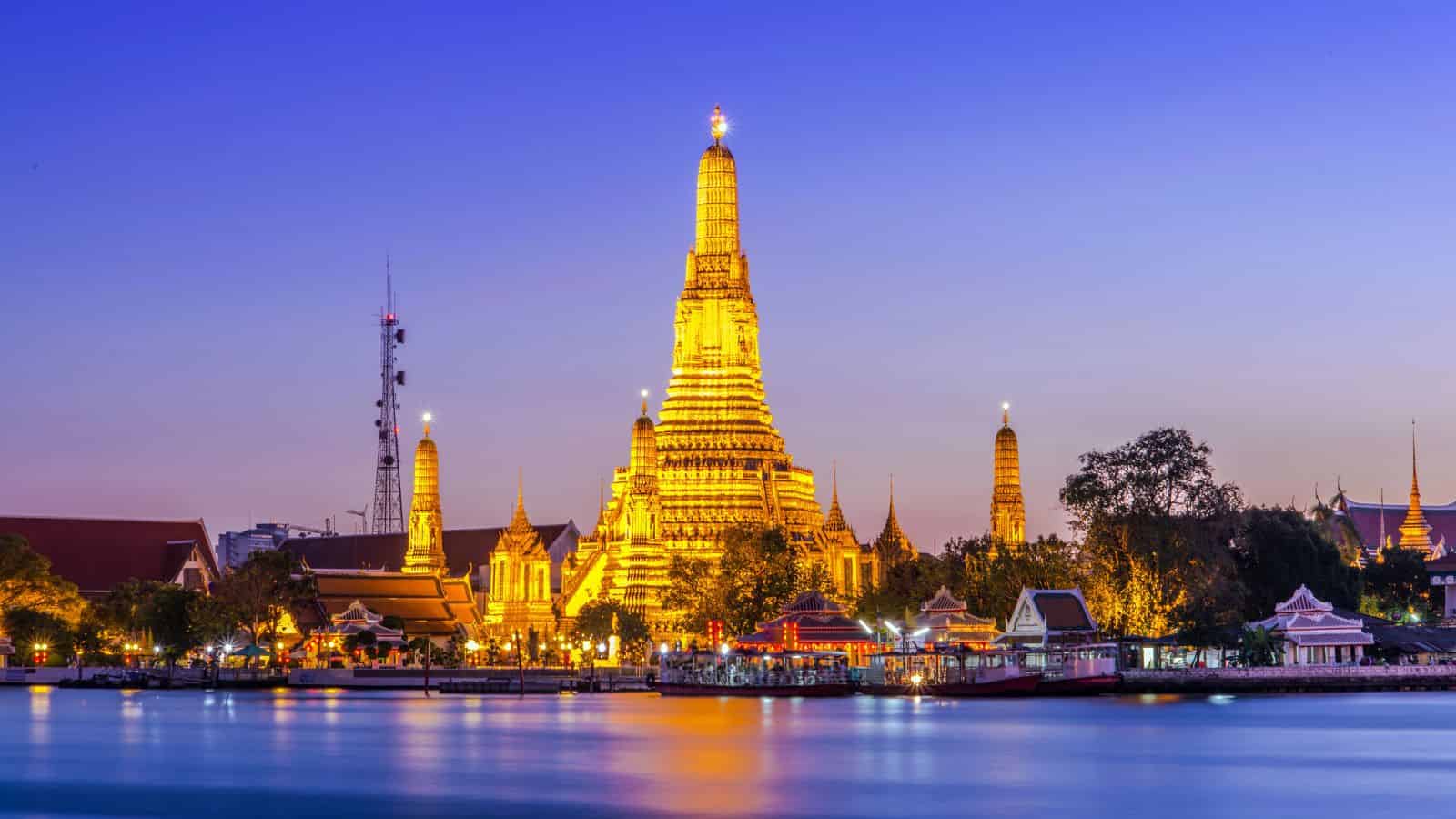
Thailand rewards travelers who stay long enough to fall into everyday routines. Extended visits allow time to explore neighborhood markets, quiet temples, coastal towns, and inland farming regions without pressure. Public transport and domestic flights make gradual movement easy, while rent, healthcare, and daily costs stay manageable for months at a time. Long‑stay visas and a strong community of remote workers help travelers settle in rather than pass through. Whether living in Chiang Mai, Bangkok, or a small southern town, daily life becomes familiar, steady, and comfortably paced.
Cambodia
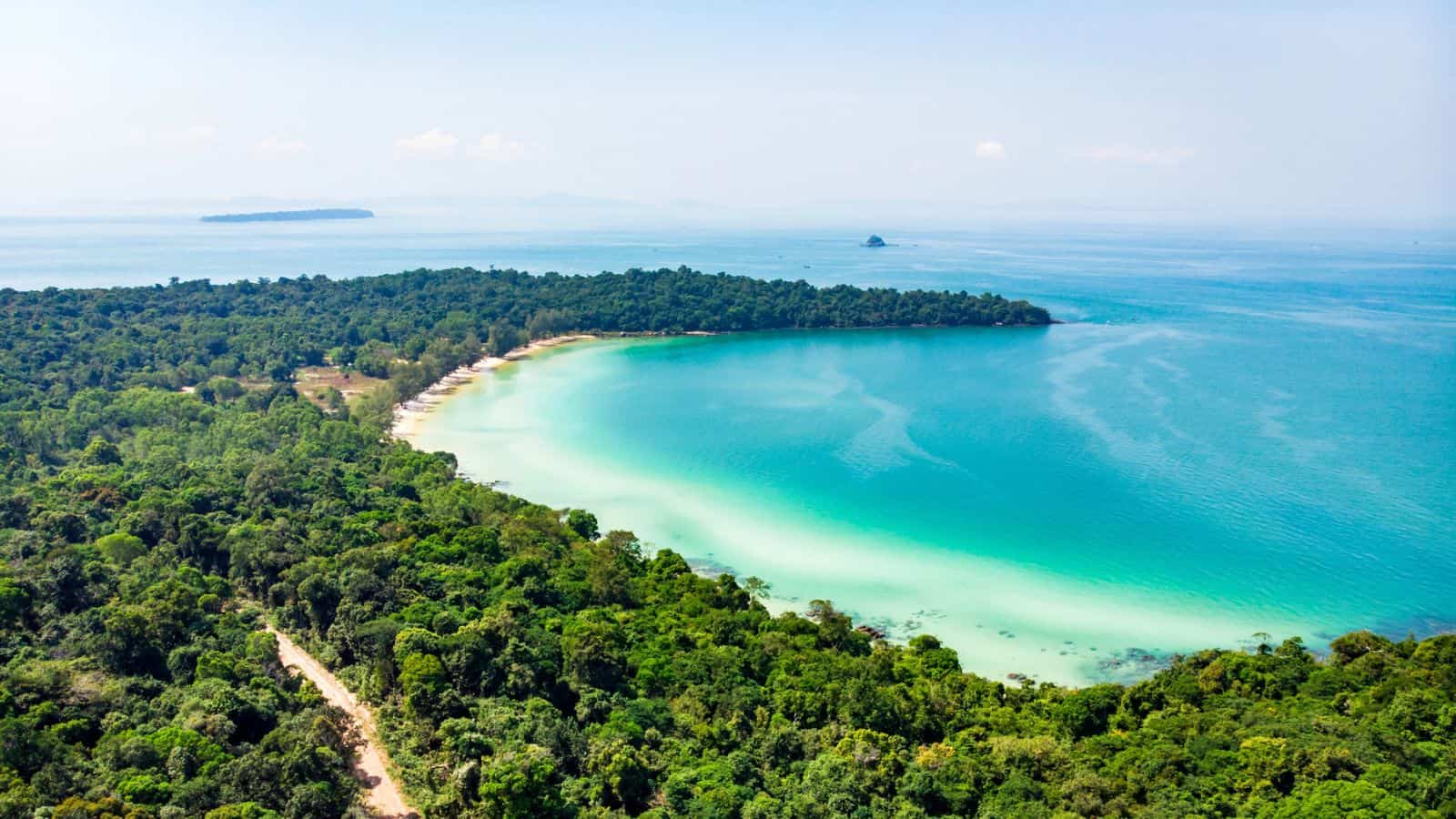
Cambodia lends itself to extended stays through affordability and a calmer urban pace outside major tourist zones. Time spent in towns like Kampot or quieter areas near Siem Reap reveals strong community ties and simple daily routines. Living costs allow travelers to settle without constant budget pressure. Slower days encourage walking, cycling, and regular social spots. Over weeks, local customs, seasonal patterns, and personal connections become clearer, creating a sense of stability rarely found during short, fast‑moving visits.
Philippines
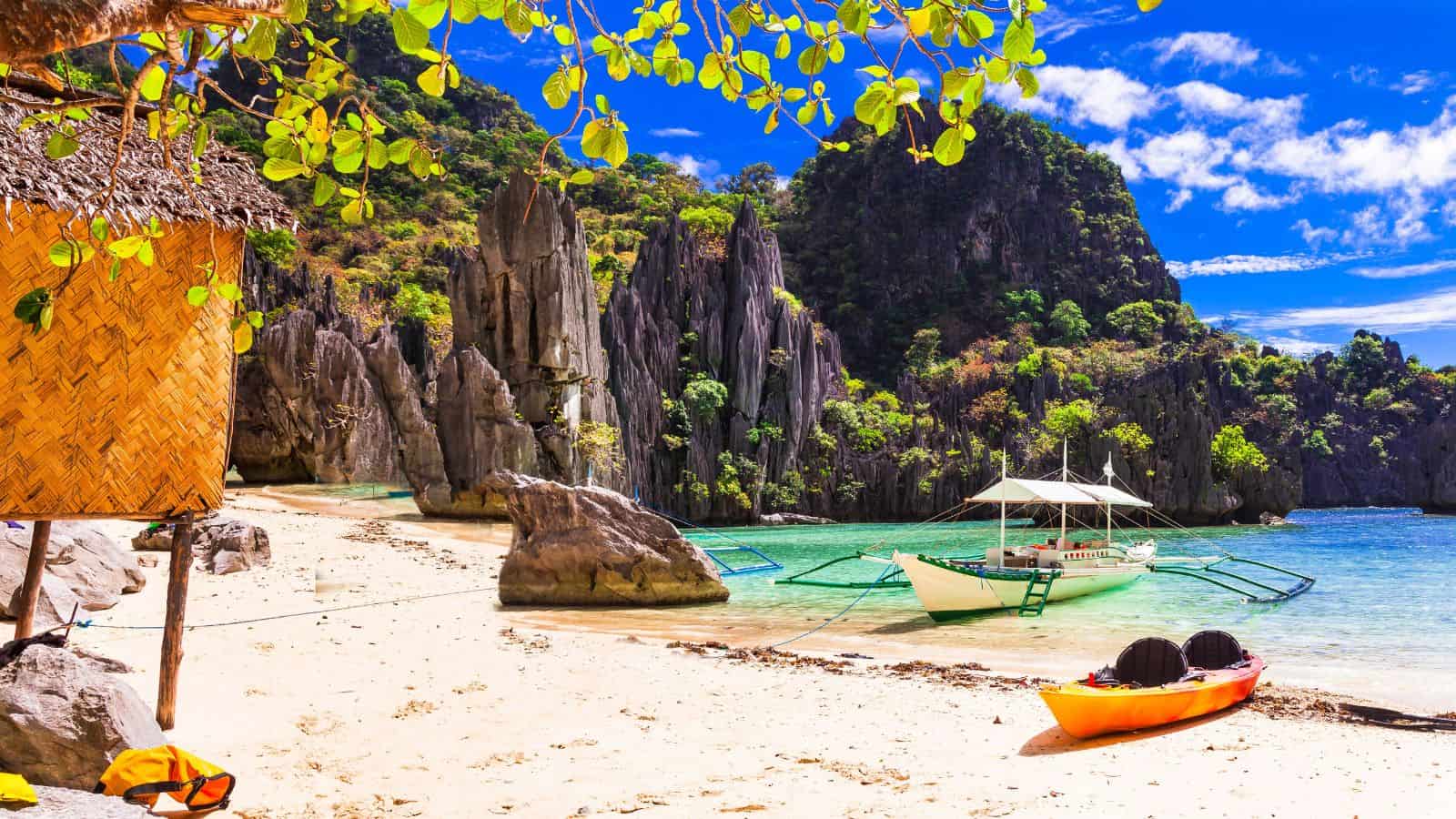
Slow travel suits the Philippines due to its geography and island culture. Frequent movement can feel tiring, while longer stays allow adjustment to ferry schedules, weather changes, and local habits. Spending weeks in one island or town builds familiarity with daily rhythms shaped by tides and daylight. Rental homes are common, costs stay manageable, and community life becomes more accessible over time. Remaining in one place reveals deeper social connections and a calmer experience than rapid island hopping.
Vietnam

Vietnam suits slow journeys thanks to its strong regional character and clear seasonal rhythms. Spending weeks in one place reveals contrasts between the northern highlands, the central coastlines, and the southern river towns. Trains and buses connect cities efficiently, encouraging gradual travel instead of quick hops. Extended stays allow time to learn local habits, street life patterns, and neighborhood routines. Housing remains affordable, cafes double as social hubs, and long afternoons are part of daily life. Lingering in cities like Hanoi or Hue deepens understanding far beyond short visits.
Take Your Time, Seriously
Slow travel isn’t about doing less. It’s about giving yourself room to notice more. When you stop racing between stops, places start to make sense. You learn the shortcuts. You find spots you return to without thinking. Days stop feeling packed, and that’s the point. Longer stays turn travel into something calmer and more grounded, where time works in your favor instead of constantly slipping away.
At the end of the day, this kind of travel feels great because it’s human-paced. You wake up without a strict plan. You adjust as you go. Some days are quiet, some days surprise you, and that balance feels right. These trips don’t beg for constant attention or energy. They let you show up as you are. If you’ve ever wanted to travel to feel less like a sprint and more like real life somewhere else, this is the way to do it.
13 Most Instagrammable Places in Asia That Will Wow Your Followers

Asia is basically a playground for anyone who loves snapping cool photos. Whether you’re into epic mountains, ancient temples, or city skylines that look like they’re straight out of a sci-fi movie, you’ll find plenty of spots to make your Instagram pop. And don’t worry if you’re not a pro photographer, these 13 most Instagrammable places in Asia practically take the good shots for you.
Read More Here:: 13 Most Instagrammable Places in Asia That Will Wow Your Followers
13 Amazing Cities in Asia That Tourists Overlook (But Shouldn’t!)

Traveling is all about discovering new places, and Asia is packed with cities that deserve more attention than they get. While many travelers flock to the usual hotspots, there are hidden gems that can surprise and inspire you. These 13 Asian cities that tourists often avoid hold great potential for unforgettable experiences. You’ll find stunning landscapes, fascinating traditions, and friendly locals ready to welcome you.
Read More Here: 13 Amazing Cities in Asia That Tourists Overlook (But Shouldn’t!)

Leave a Reply