
Travel talk in Asia usually circles around the same famous countries. They earn the attention, but they also come with crowds, higher costs, and packed schedules. Just nearby, other places see steady travel without the nonstop spotlight. These 11 Asian countries are often visited more than their neighbors; in particular, they are worth checking out.
In these places, moving around feels easier. You notice daily routines instead of rushing between landmarks. That kind of pace can be great for travelers who want time to look around, ask questions, and stay flexible. It’s not about avoiding popular places. It’s about knowing there are solid choices right next door that don’t feel rushed or overplanned. If you like trips that feel relaxed, clear, and grounded in real life, these destinations may fit your style better than the usual headlines.
Cambodia
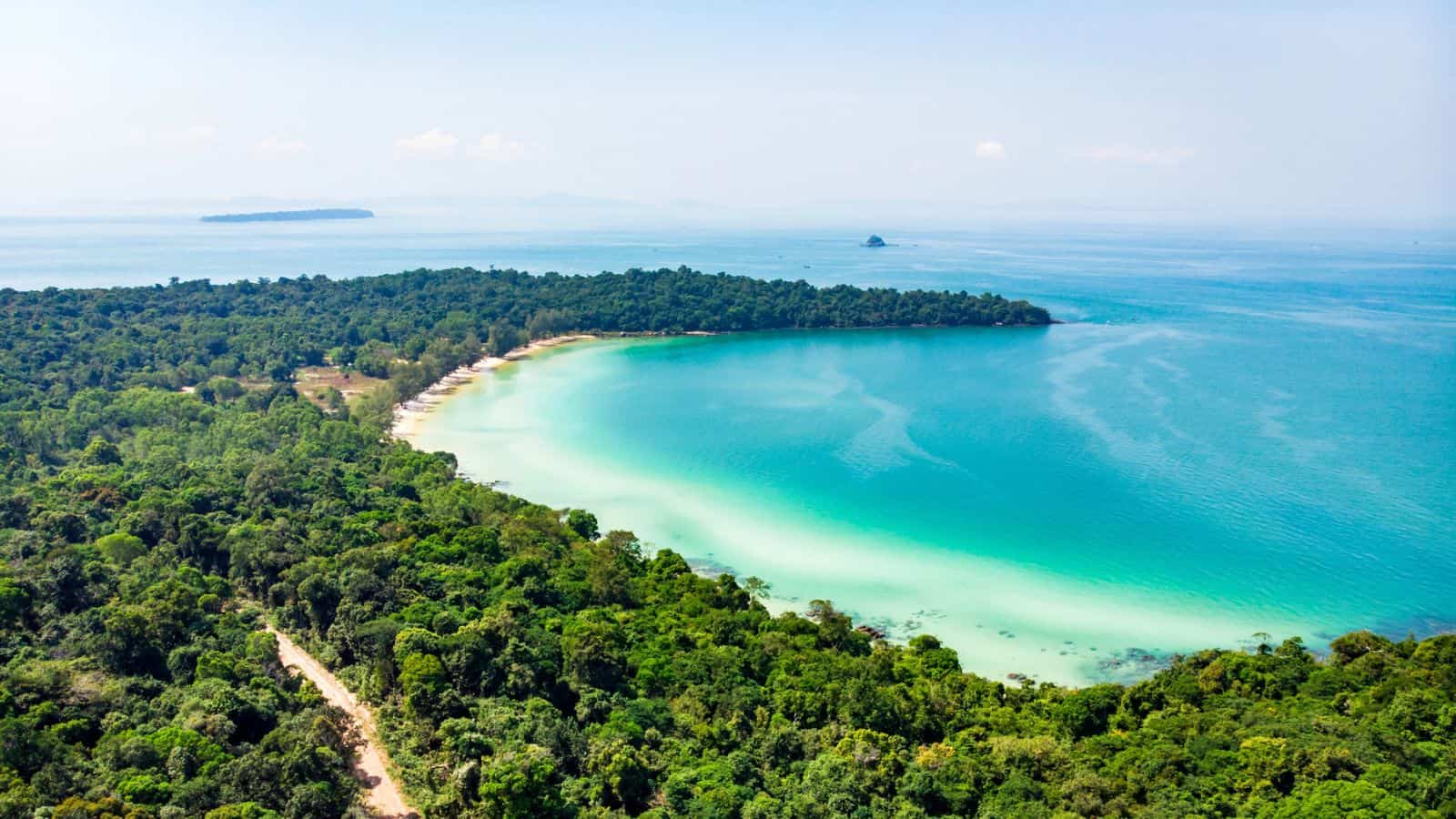
Cambodia is frequently reduced to Angkor Wat, yet the country stretches far beyond its famous temples. Phnom Penh reflects a layered history shaped by empire, colonial rule, conflict, and recovery. Along the coast, islands and fishing towns remain quieter than Thailand’s beach centers. Inland regions show rice fields, rivers, and communities rebuilding cultural identity through art and craft. Cambodia’s past is visible but not frozen; modern life continues alongside ancient stone structures. Travelers who move beyond headline sites encounter a country balancing remembrance and progress, where everyday interactions reveal resilience, pride, and an ongoing effort to shape a future distinct from regional tourism giants.
Myanmar

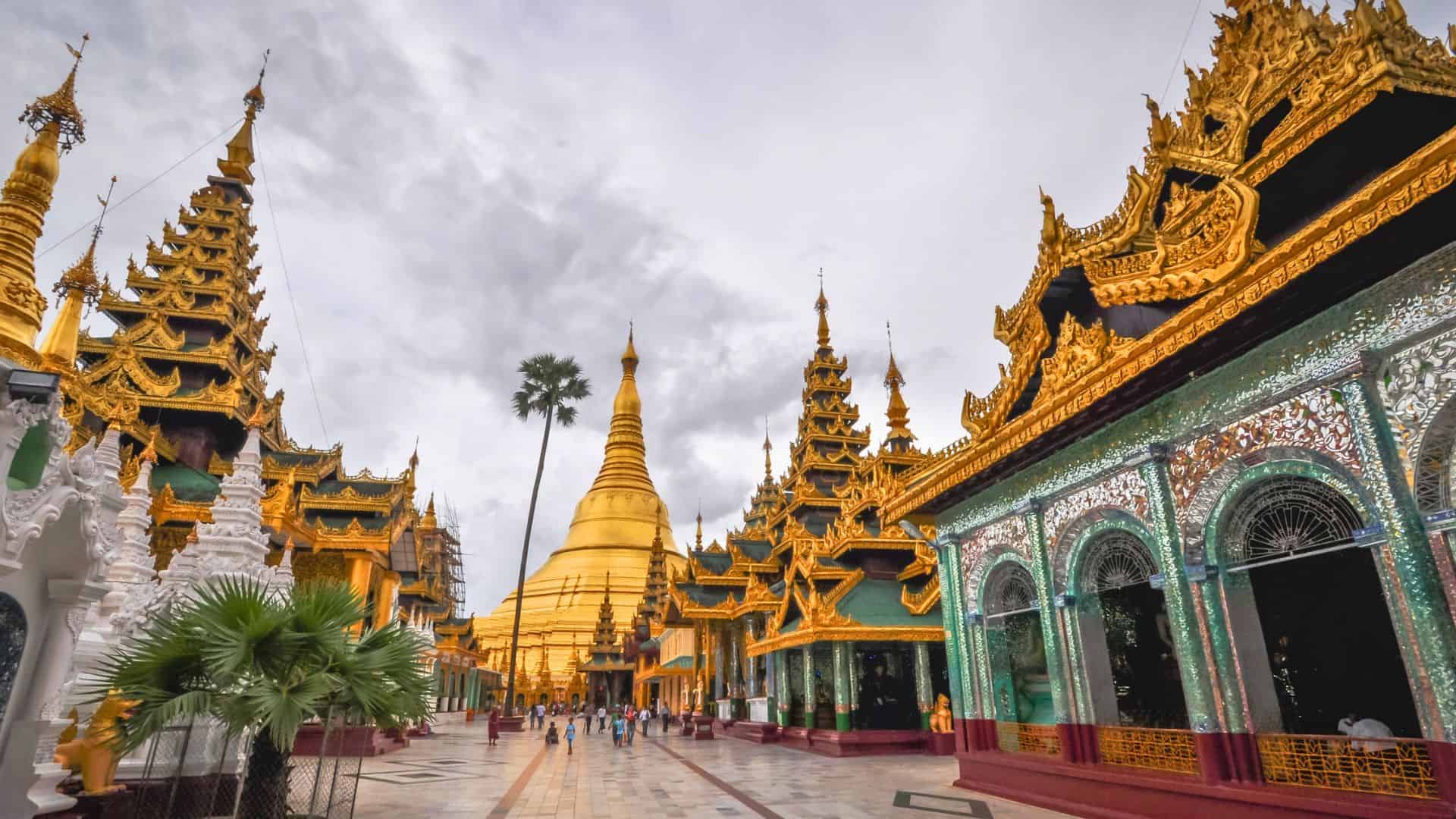
Golden pagodas, river towns, and ancient cities define much of the landscape, though modern realities complicate travel. Bagan’s temple plains stretch across the horizon, while Inle Lake supports floating gardens and stilted homes. Yangon blends colonial architecture with busy streets and religious landmarks. Ethnic diversity shapes regional customs, clothing, and languages, particularly in border areas. Despite periods of isolation, cultural traditions remain visible and practiced openly. Travel conditions vary widely, requiring patience and awareness. Those who explore responsibly encounter a society where spirituality, history, and daily routines remain closely connected, even amid political and economic uncertainty.
Laos

Laos sits quietly between Thailand and Vietnam, drawing travelers who prefer slower rhythms and natural scenery. The Mekong River shapes daily life, linking small towns, monasteries, and markets where traditions remain visible. Luang Prabang stands out for its preserved architecture, early‑morning alms rituals, and calm streets framed by hills. Outside cities, waterfalls, caves, and rural villages reveal landscapes largely unchanged by mass tourism. Transportation moves at a relaxed pace, reinforcing a sense of distance from crowded routes elsewhere in Southeast Asia. Visitors often stay longer than planned, appreciating space, simplicity, and a strong connection between land, culture, and everyday routines.
Timor‑Leste
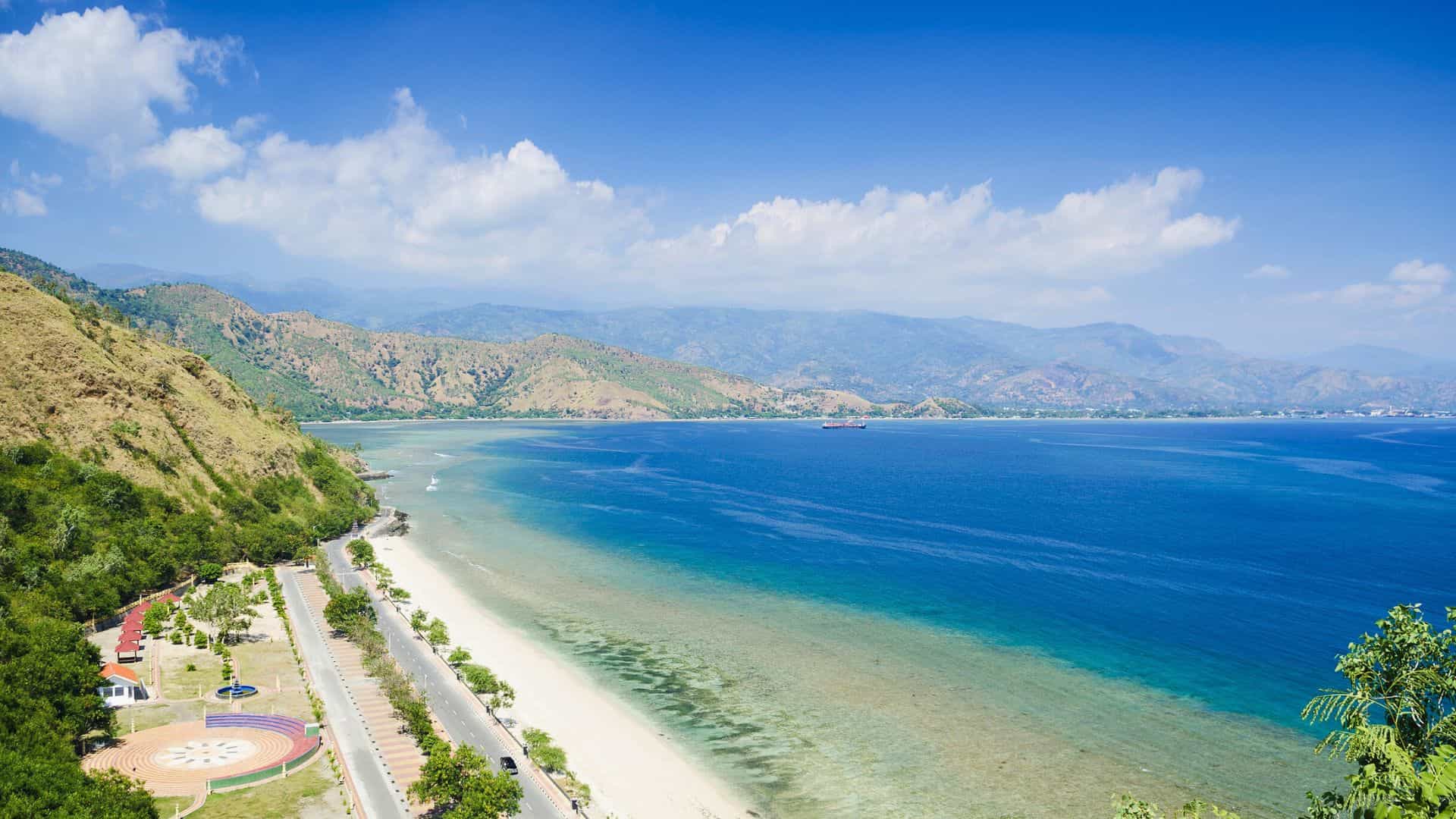
Located between Southeast Asia and the Pacific, this young nation remains largely absent from typical travel routes. Mountainous interiors contrast with quiet coastlines and coral reefs. Small towns reflect Portuguese influence alongside local traditions, visible in language, architecture, and festivals. Infrastructure continues to develop, so movement can be slow and unpredictable. Community life centers on family, faith, and land. Fishing villages and rural farming areas dominate much of the countryside. Visitors drawn here often value simplicity and limited crowds, finding a place where natural environments and social structures have not been reshaped extensively by international tourism.
Bangladesh
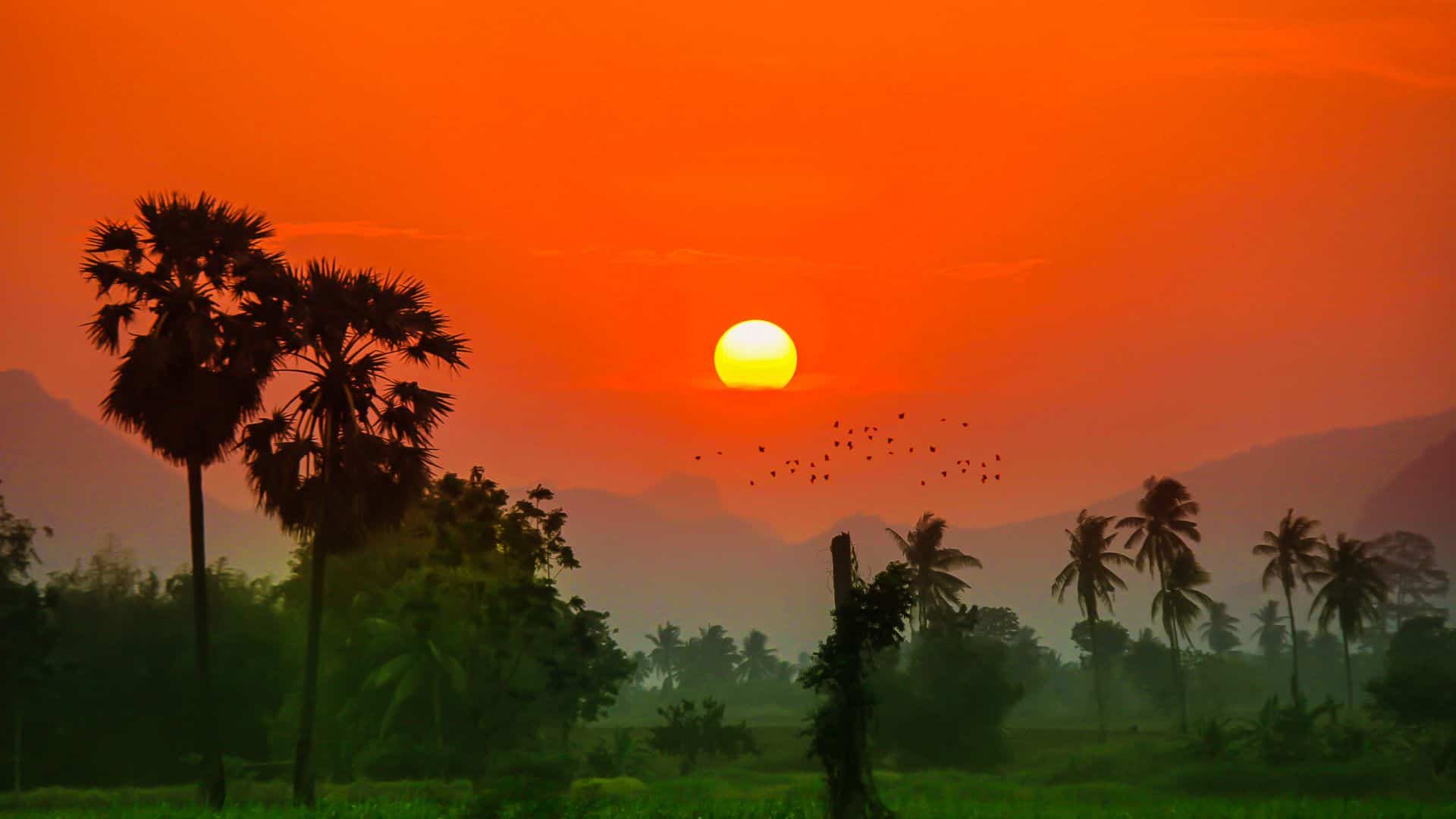
Dense river networks define much of this South Asian nation, shaping transport, agriculture, and settlement patterns. Dhaka pulses with energy, reflecting rapid urban growth, textile production, and layered history. Beyond the capital, wetlands, mangrove forests, and rural communities reveal a slower pace tied closely to seasonal cycles. The Sundarbans shelter wildlife and fishing villages adapted to tidal life. Historical mosques, colonial structures, and craft traditions appear across the countryside. Tourism remains limited, which means encounters feel direct and unfiltered. Visitors who venture here often gain insight into resilience, population pressure, and cultural depth rarely highlighted in mainstream travel narratives.
Kazakhstan

Stretching across Central Asia, this vast country bridges nomadic heritage and modern ambition. Cities like Almaty and Astana feature contemporary design alongside reminders of Soviet planning. Beyond urban centers, steppe, mountains, and deserts extend for great distances, punctuated by small settlements. Horse culture, music, and seasonal movement remain part of national identity. Historic Silk Road routes connect the region to broader Eurasian history. Tourism infrastructure is growing, but still modest compared with neighboring powers. Travel here highlights scale, open landscapes, and a sense of transition between past traditions and future development goals.
Nepal
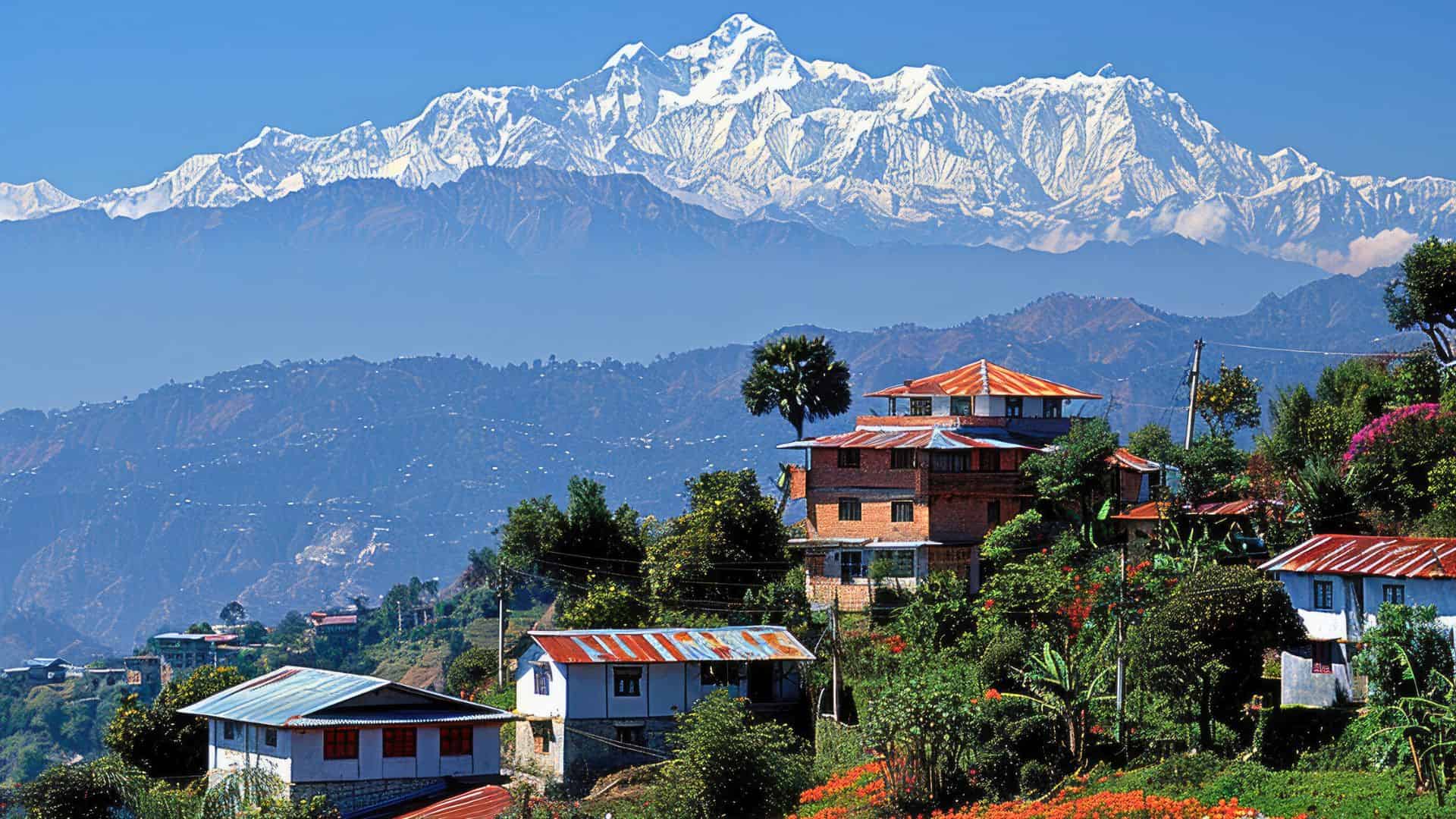
Nepal attracts attention for the Himalayas, yet the country extends well beyond mountaineering. Kathmandu Valley contains centuries‑old temples, courtyards, and festivals tied to Hindu and Buddhist traditions. Smaller towns reveal crafts, music, and communal life shaped by geography and belief. Trekking routes range from famous trails to quieter paths through forests and terraced farmland. In the south, national parks protect grasslands and wetlands filled with wildlife. Nepal’s appeal lies in contrast: high peaks against low plains, ancient rituals alongside modern change. Travelers often find that time spent outside the mountains adds depth to understanding the country’s complexity.
Want to save this?
Sri Lanka
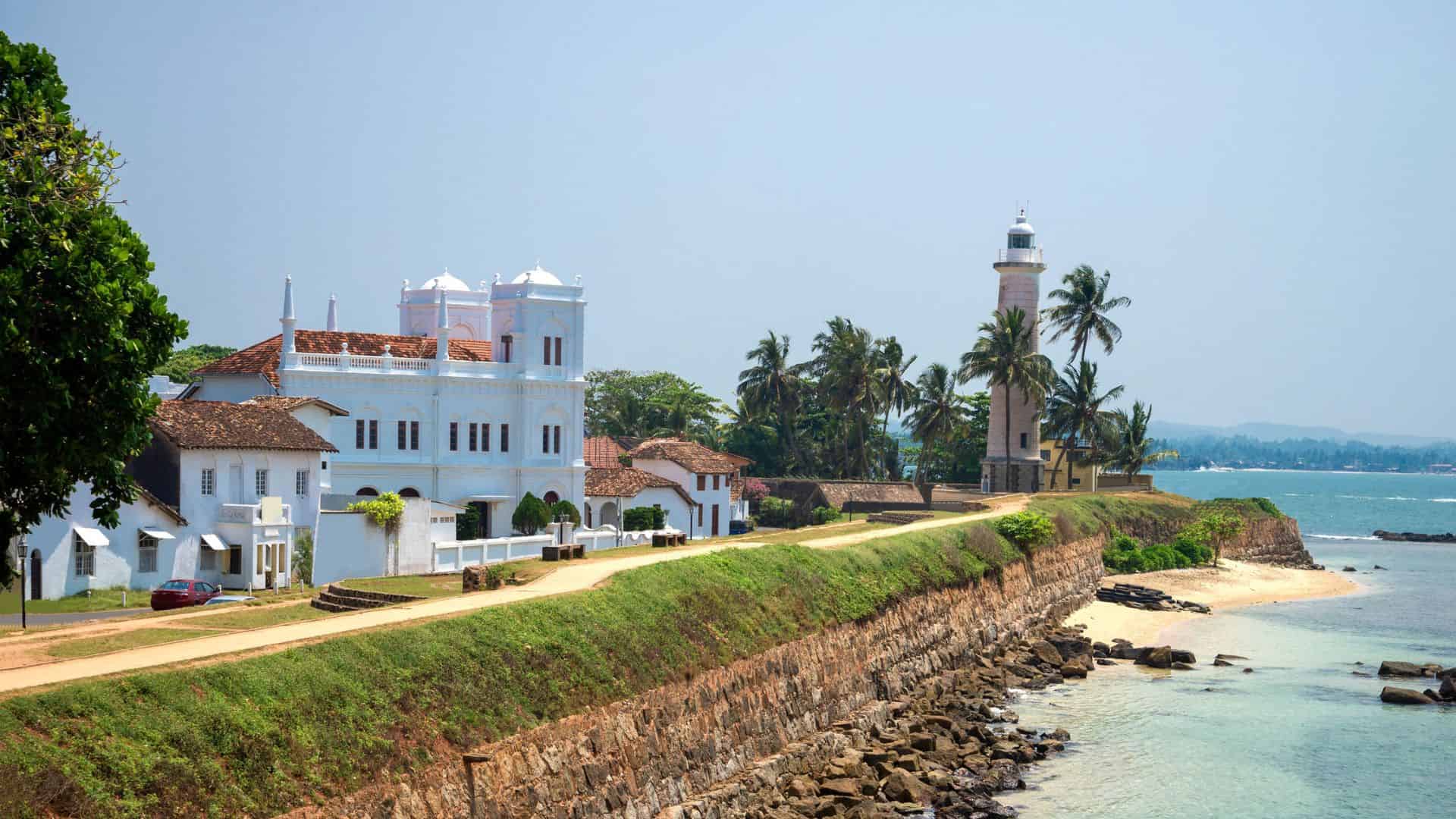
Sri Lanka packs remarkable geographic variety into a relatively small island south of India. Ancient cities, tea‑covered highlands, wildlife reserves, and long coastlines sit within a few hours of each other. Trains wind through misty hills, passing plantations and villages that highlight rural life. National parks shelter elephants, leopards, and birdlife, drawing nature‑focused visitors. Cultural influences from South Asia, Europe, and maritime trade routes appear in architecture, religion, and daily customs. Compared with its vast neighbor, Sri Lanka feels easier to navigate while still delivering deep history, strong regional identities, and landscapes that shift dramatically from coast to interior.
Mongolia
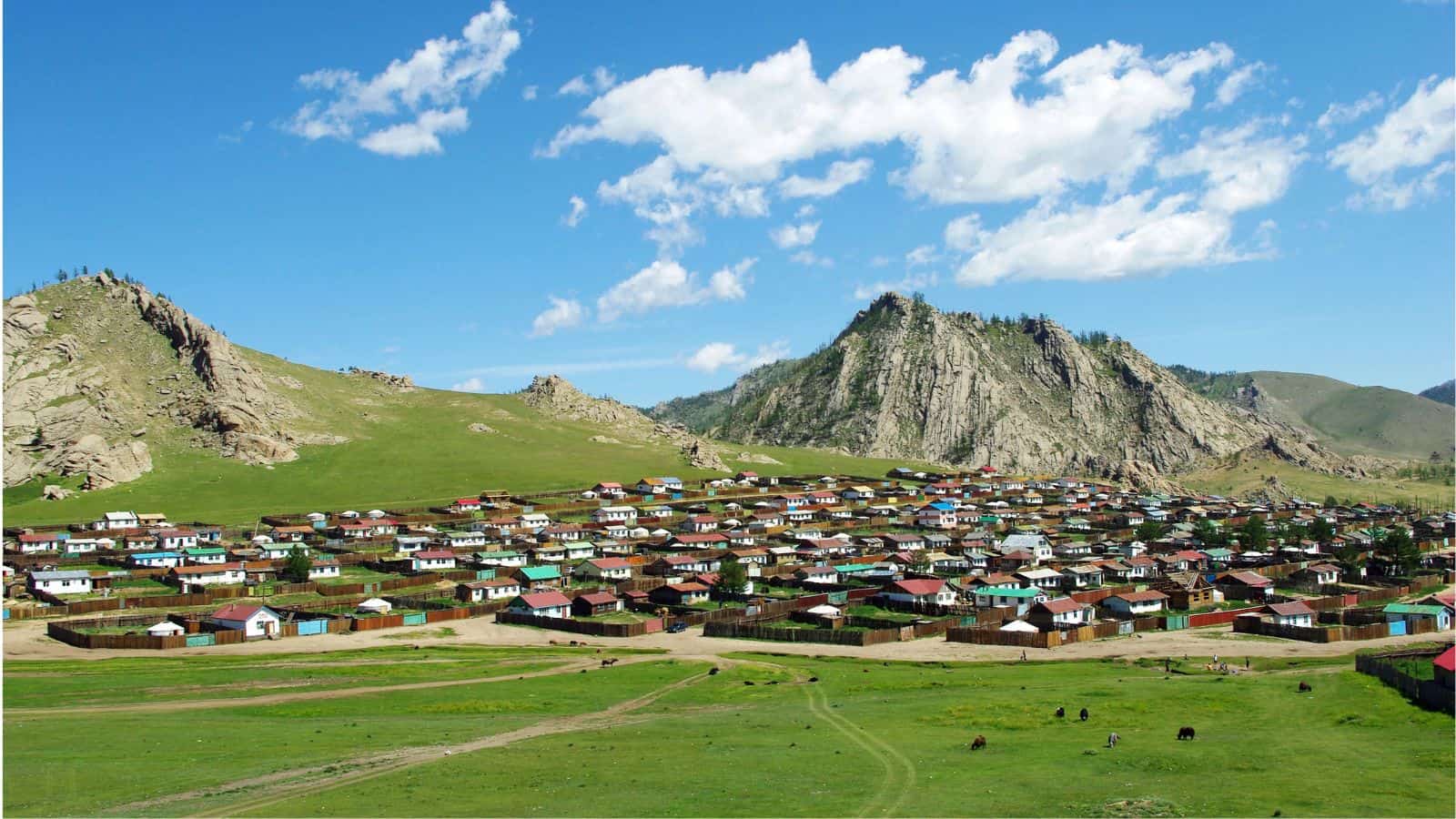
Mongolia remains lightly visited despite its size and dramatic terrain. Vast steppe, desert, and mountain regions dominate the landscape, with settlements spread far apart. Nomadic herding continues as a central way of life, shaping social customs and seasonal movement. In Ulaanbaatar, modern buildings stand near monasteries and Soviet‑era structures, reflecting rapid change. Beyond the capital, travel involves long distances, open skies, and limited infrastructure, creating a strong sense of isolation. This environment appeals to those seeking space and cultural continuity rather than polished tourism. Mongolia’s rhythm is dictated by nature, weather, and tradition more than by visitor demand.
Uzbekistan

Historic trade routes once made this land a crossroads of empires, and that legacy remains visible today. Cities such as Samarkand, Bukhara, and Khiva showcase domes, madrasas, and tiled courtyards tied to Islamic scholarship and commerce. Outside urban centers, deserts and agricultural regions reveal daily life shaped by irrigation and climate. Craft traditions continue through ceramics, textiles, and metalwork. Compared with nearby destinations, visitor numbers remain lower, allowing historic districts to feel less crowded. Exploration often centers on history, architecture, and regional identity rather than resort culture or mass tourism attractions.
Bhutan

Tucked within the eastern Himalayas, this kingdom limits visitor numbers through regulated tourism policies that shape the travel experience. Mountain valleys contain monasteries, fortresses, and villages connected by winding roads rather than high‑speed routes. Religious practice remains central to daily life, visible through prayer flags, festivals, and architecture. Urban growth is restrained, keeping towns compact and human‑scaled. Landscapes range from subtropical forests to alpine terrain, supporting diverse wildlife. Cultural preservation guides development decisions, setting the country apart from neighboring regions. Travelers often note a strong sense of continuity between environment, belief systems, and governance that influences how society functions.
Go Next Door

Big names will always shape how people talk about travel in Asia. They set expectations and pull attention fast. Still, travel doesn’t have to follow the loudest path. Nearby countries continue to see visitors without the pressure that comes with constant hype. Days move at a steadier pace. Plans stay flexible. Small moments stand out more when they aren’t buried under crowds or tight schedules.
Choosing places like these isn’t about skipping famous destinations or chasing bragging rights. It’s about finding trips that feel natural and easy to move through. When a country isn’t trying to keep up with global attention, it often feels more relaxed and real. If you’re open to looking slightly beyond the usual names, Asia has plenty of spots where travel still feels personal, clear, and refreshingly straightforward.
13 Most Instagrammable Places in Asia That Will Wow Your Followers

Asia is basically a playground for anyone who loves snapping cool photos. Whether you’re into epic mountains, ancient temples, or city skylines that look like they’re straight out of a sci-fi movie, you’ll find plenty of spots to make your Instagram pop. And don’t worry if you’re not a pro photographer, these 13 most Instagrammable places in Asia practically take the good shots for you.
Read More Here: 13 Most Instagrammable Places in Asia That Will Wow Your Followers
13 Amazing Cities in Asia That Tourists Overlook (But Shouldn’t!)

Traveling is all about discovering new places, and Asia is packed with cities that deserve more attention than they get. While many travelers flock to the usual hotspots, there are hidden gems that can surprise and inspire you. These 13 Asian cities that tourists often avoid hold great potential for unforgettable experiences. You’ll find stunning landscapes, fascinating traditions, and friendly locals ready to welcome you.
Read More Here: 13 Amazing Cities in Asia That Tourists Overlook (But Shouldn’t!)


Leave a Reply